

It’s been known for some time that used EVs depreciate like a Dodo bird BASE jumping. Polestar’s current legal situation, combined with the economics of the used EV market, have made its best-selling model, the Polestar 2, an incredible value. Despite having an original starting price of nearly $60k at launch, at the time of this writing there are over 40 pre-owned Polestar 2s listed in the United States with an asking price under $20k. I bought one, and I have to tell you about it.
While yours truly may not have the most sensible record of buying used cars (I do after all own a V12 Jaguar and a 325k-mile Land Rover), I still think these Polestar 2s are an incredible value. So much so, I put my money where my mouth is and purchased a 60k mile, 469hp, Long Range Dual Motor model for just $14,200. While current pricing is certainly eye-brow raising, the real question is: Should you trust a used, high-tech, electric fastback from a defunct brand more than you can trust lettuce from Taco Bell?


The Polestar 2 Is A Ridiculous Amount Of Car For Relatively Little Money
Launched in 2020 for the 2021 model year, the Polestar 2 was Polestar’s first fully electric vehicle. Originally debuted in 2016 as the Volvo 40.2 concept, the vehicle was the product of Polestar’s design team taking the classic ne’er-do-well high school essay writing technique of Ctrl C + Ctrl V, making a few minor tweaks, and voila! The Polestar 2 was born. Riding on the CMA platform – shared with the Volvo XC40 and C40 – the Polestar 2 was available in three different configurations: two different single motor configurations, bewilderingly in either front or rear wheel drive (yes, they switched in 2024 from front to rear!), and as a dual motor AWD variant. With battery pack options of 78 and 82 kWh, the Polestar 2 boasts a thoroughly okay EPA estimated range of anywhere between 247 and 320 miles depending on configuration.
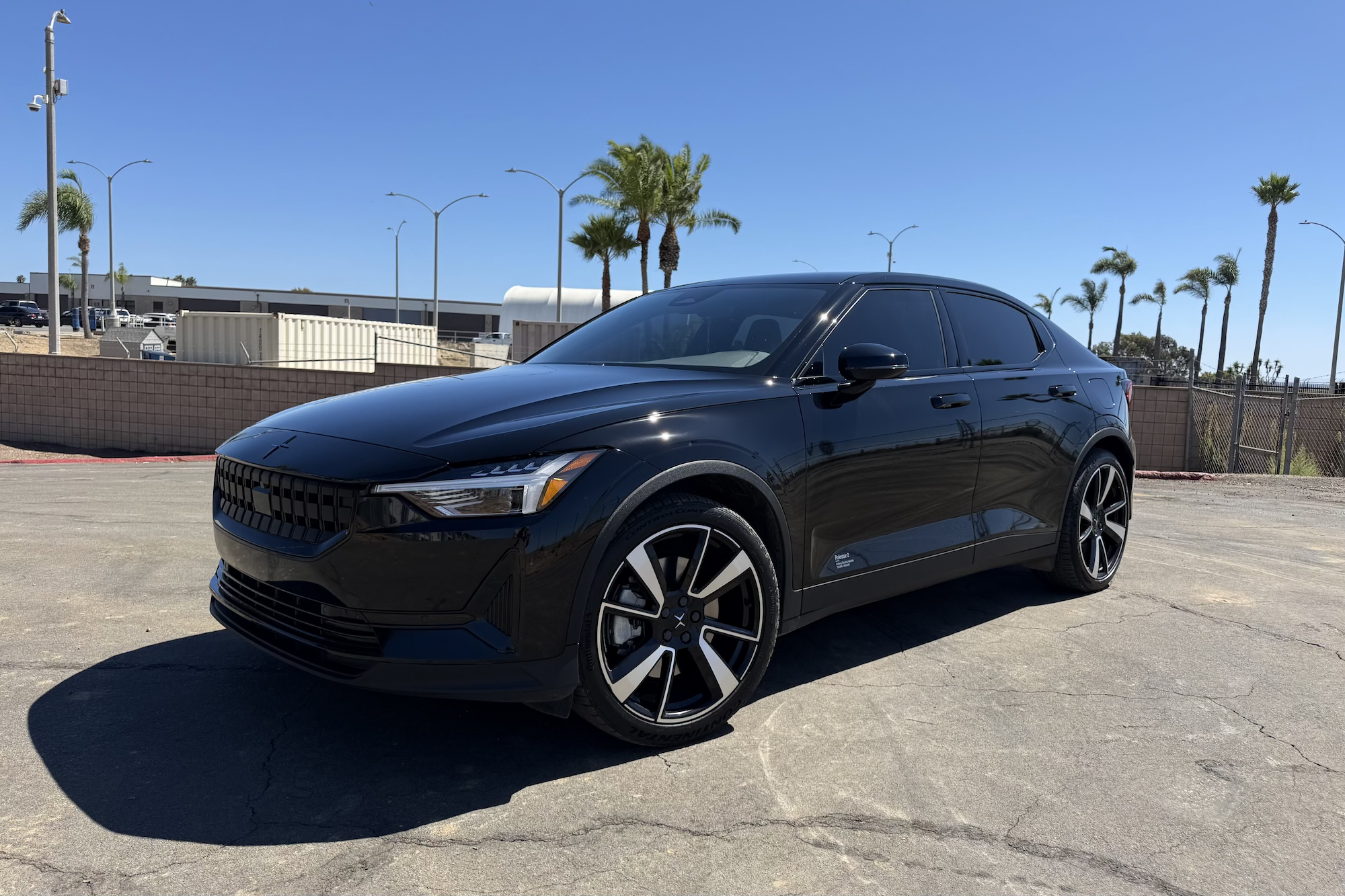
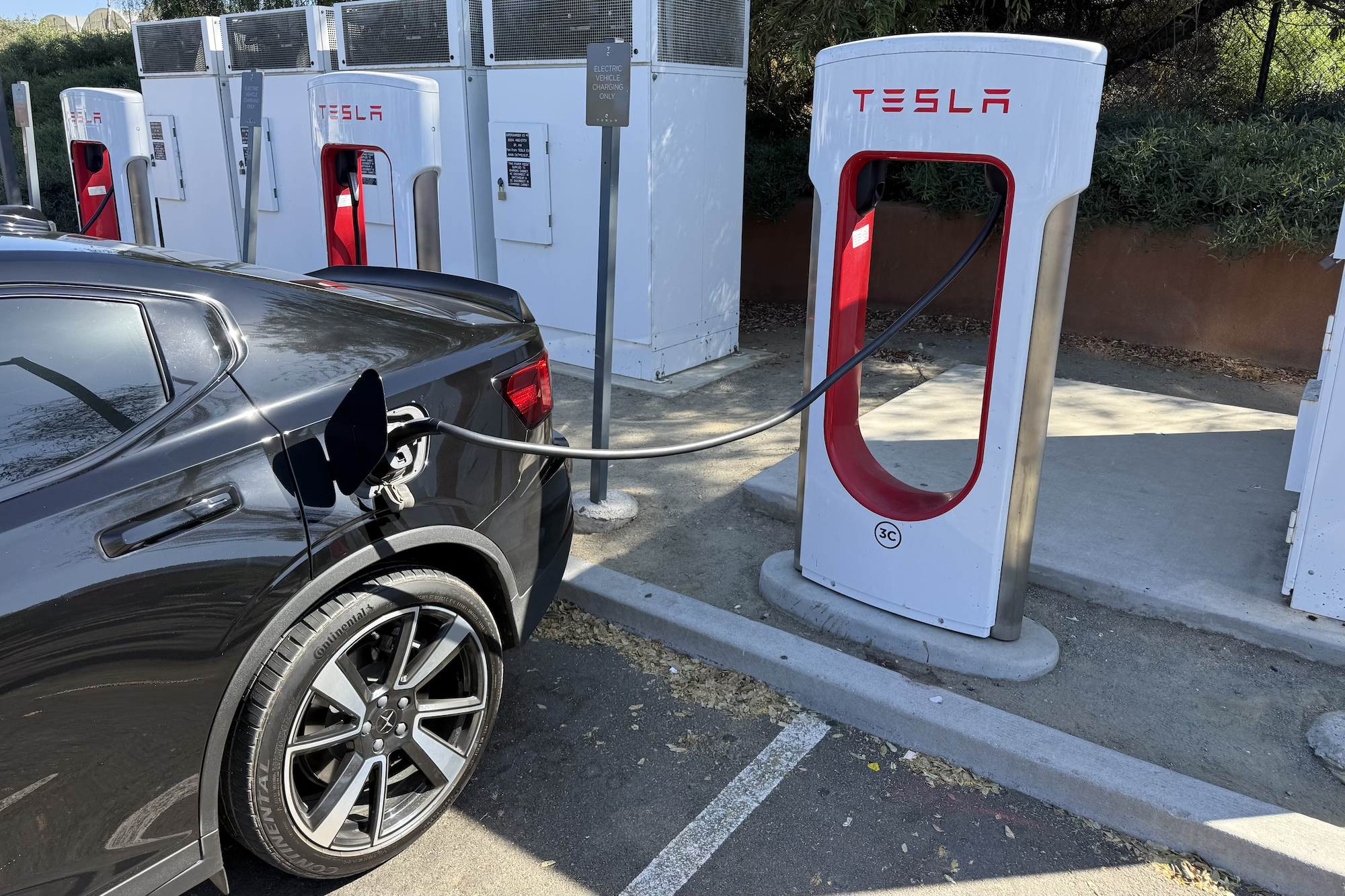
When new, the Polestar 2 wasn’t exactly a stellar value proposition, especially compared to its primary competition: the Tesla Model 3. However, much like lutefisk, certain Nordic delicacies only get better with age. Originally, Polestar 2s ranged in price anywhere between $46k and $60k depending on motor and trim. According to transaction data from Cox Automotive, average retail sale prices for 4-year-old Polestar 2s currently range from the high teens to low twenties, and at those prices, this Swedish by way of China liftback, becomes a much more attractive option. Especially once you consider that, through the modern convenience of over-the-air updates, Polestar 2s now have additional features, like Tesla supercharger compatibility; that didn’t exist when these vehicles rolled off the Polestar “Space” floor.
While most Polestar 2s you’ll find at dealers are hovering in the low twenties, with a little bit of hunting you can find them for even less. Thanks to the magic of EV depreciation, and some Ed Bolian-style shrewd negotiation, you can now pick up a Polestar 2 for less than the price of a Fiat Topolino. As I mentioned before, I myself took the plunge on a privately owned (read: not Uber driven), clean title 2022 Long Range Dual Motor example for just $14,200 in February of this year. With the demise of the brand in the US, it’s become even easier to find deals like mine in the low to mid teens. Considering what you’re getting for the money, I think they’re an absolute slam dunk.
Though the Polestar brand is young, with its Volvo-adjacent styling and architecture, the Polestar 2 feels like a car designed by a car company with a proven track record of building cars. Combined with the utility of its fastback shape and ride and handling characteristics befitting of actually having had a chassis development team, the Polestar 2 has become an even more attractive, yet practical alternative to its Tesla competition.
But First, Batteries
As a car salesman who works with many first-time electric car buyers, one of the first questions I’m asked typically involves the subject of battery health. Interestingly, as traditional Volvo lore would imply, the Polestar 2’s pack is actually quite robust. In particular, the 78kWh CATL manufactured pack in the Long Range Dual Motor example stands out as one of the most durable EV batteries past 100k kilometers according to a study conducted by Swedish online EV Marketplace, Carla.
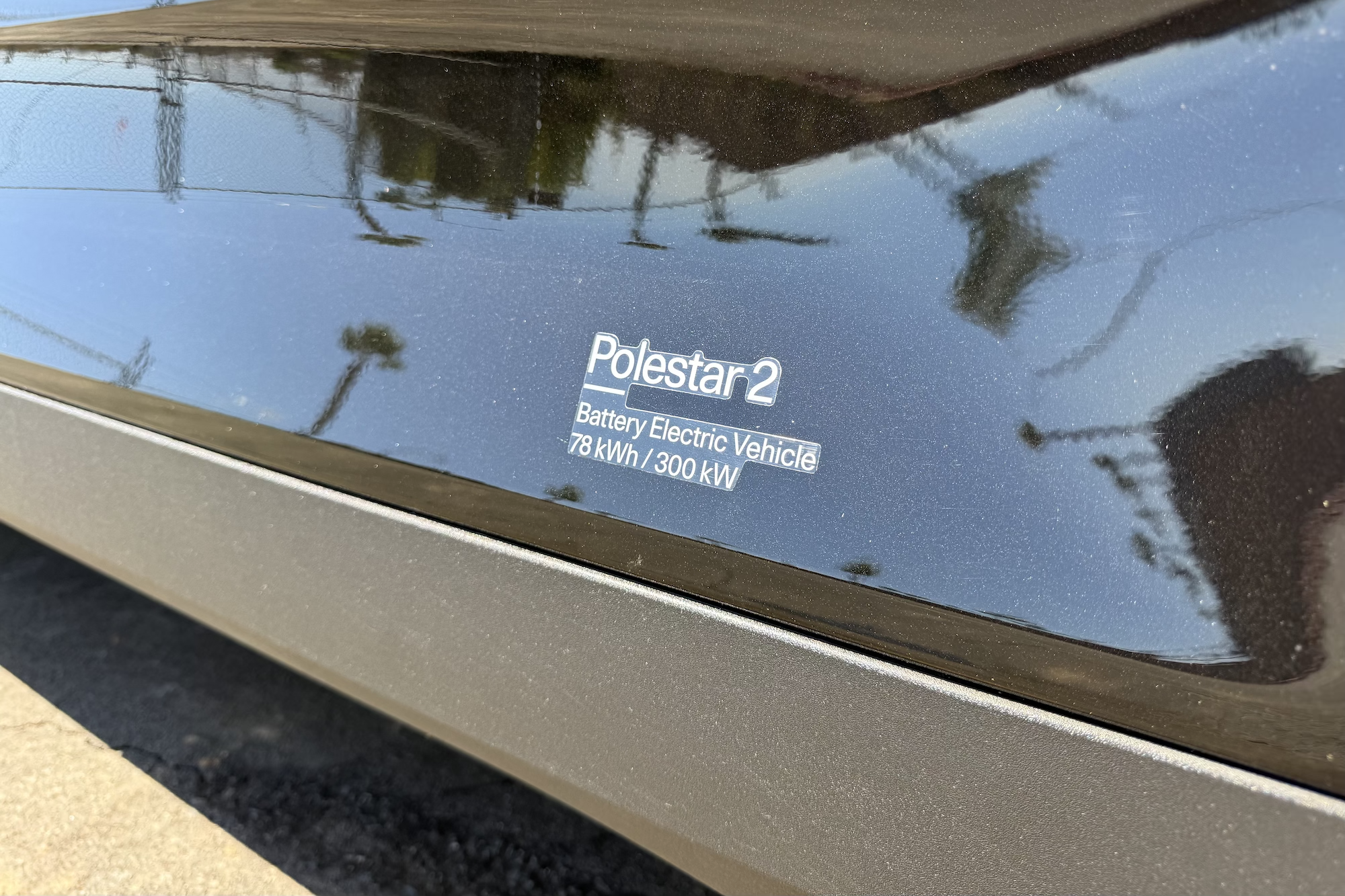
Additionally, my local Polestar Service Center in San Diego, CA claims to have seen examples used as Ubers in excess of 250k miles still reporting battery state of health readings around the 80% mark. The Polestar 2 proves that, unlike our smartphones, modern EV batteries don’t degrade at the rate we are used to with other consumer electronics.
What To Look Out For
Much like the menu at In-N-Out, the Polestar 2 range is a fairly simplistic affair. There are just two motor variations, single and dual, and all available option packages: Plus, Pilot, and Performance (with exception for the Performance package) are available on either. There is no option for “Animal Style”, but there is a Nappa Leather package with ventilated seats that you can select on top of the Plus Package.
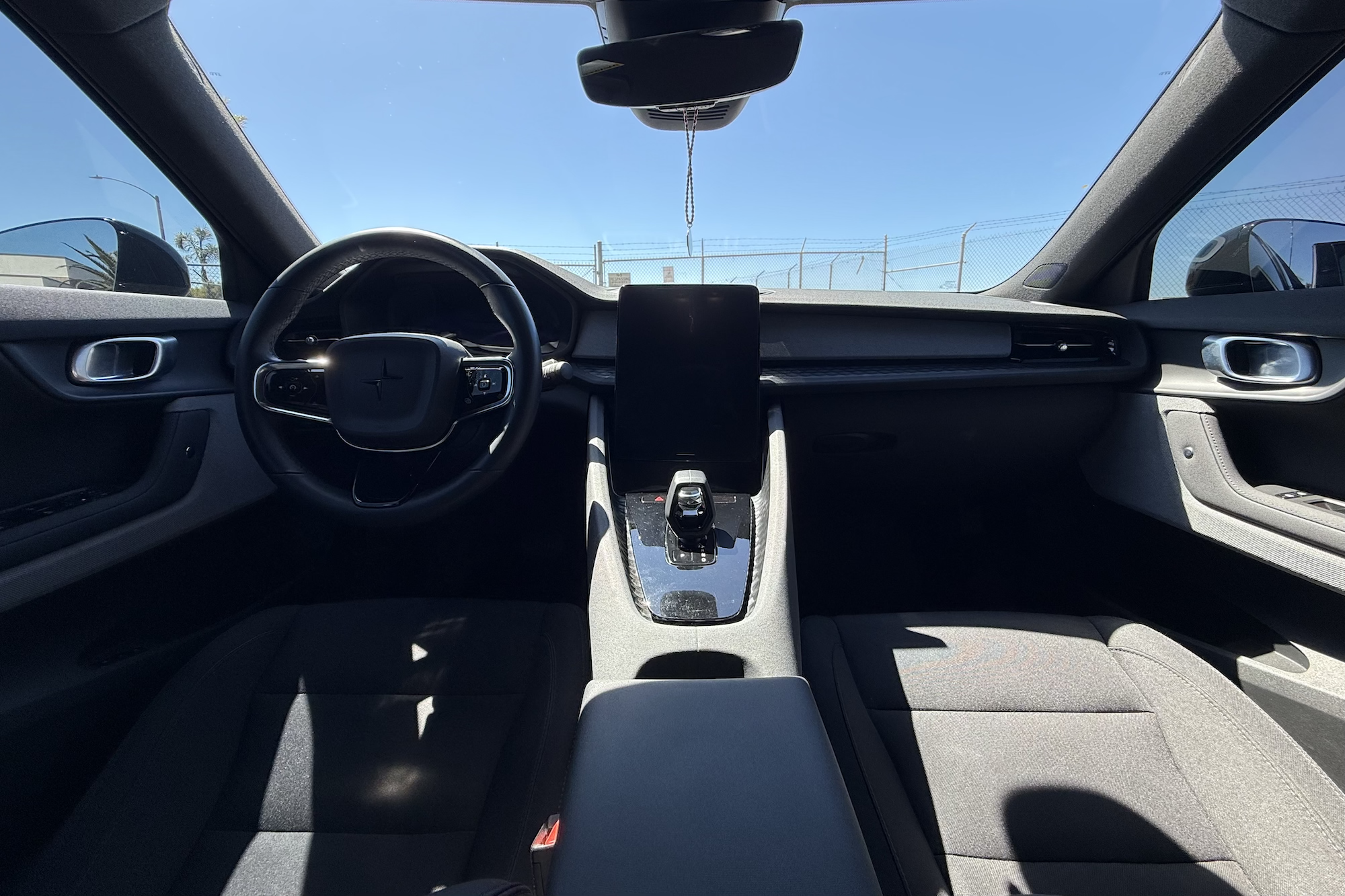
Rather than bore you with the word by word accounting of option package features, we’ve cooked up the following menu to help you decide:

Off the bat, it’s best to avoid the 2021-2023 FWD Single Motor cars. According to my local Polestar Service Center, they seem to have a tendency to munch on front motors. However, the EFAD (Electronic Front Differential) and ERAD (Electronic Rear Differential) used in the RWD Single Motor and Dual Motor models are considerably more reliable and have few documented failures.
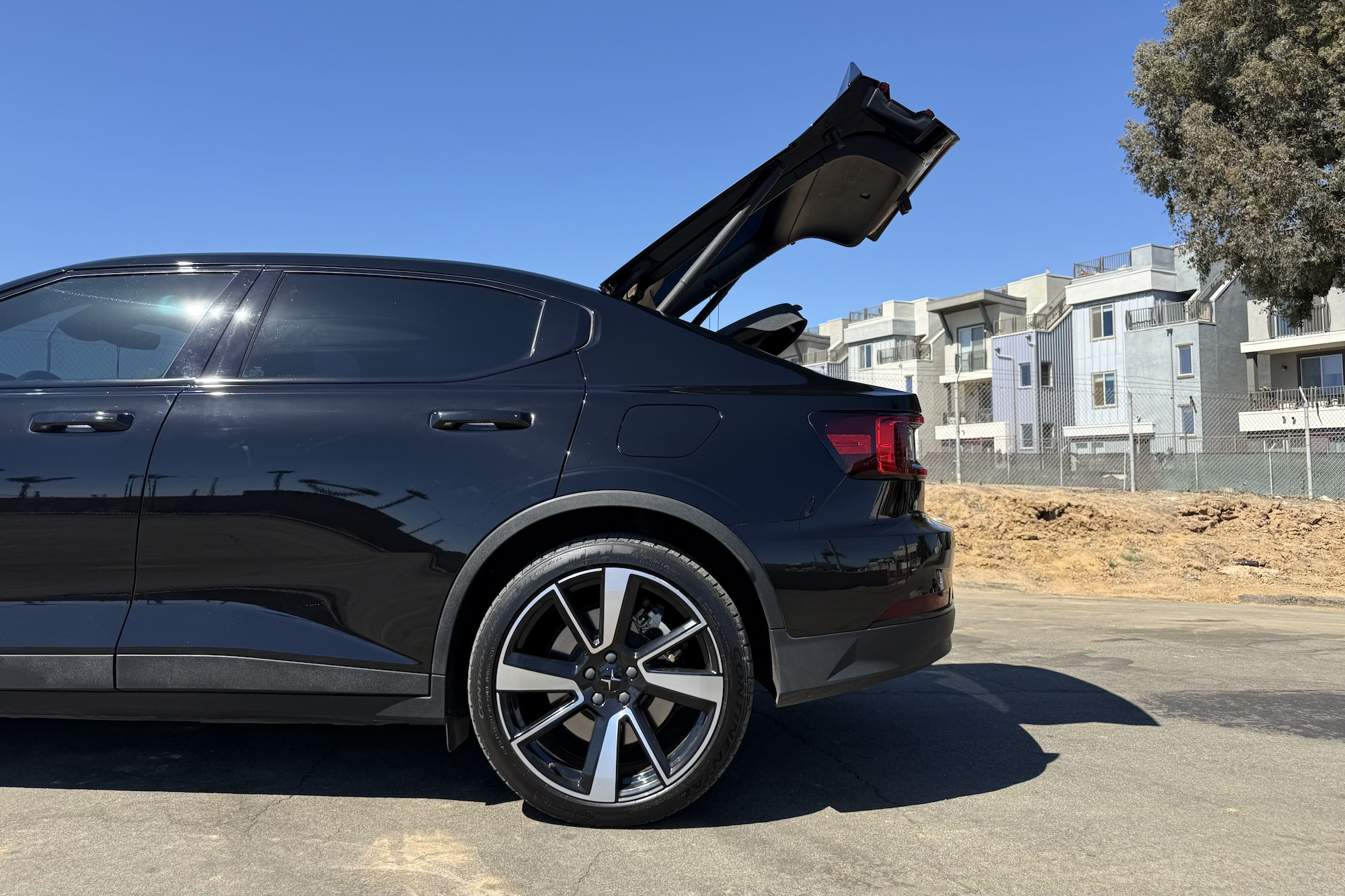
By far the most common issue with Polestar 2s is the infamous “Wheel of Fortune” noise emanating from the rear axles under regenerative braking. This well-known clicking coming from the CVs has been well documented by the Polestar 2 community and is indicative of the beginnings of axle failure. I’ve been assured by my local Polestar Service Center that this is a fairly common issue and that – if you don’t mind bystanders suddenly darting their heads in search of Vanna White every time you go past – you can just turn up the radio and ignore it for quite a while. Nice. Fixing the issue requires replacement of both rear axles. Fortunately, this part is shared with the Volvo XC40 and C40 Recharge and an upgraded part number is readily available.
At 4,750lbs, the Polestar 2 isn’t the lightest vehicle around. Subsequently, suspension components shared with the gas-engined XC40 can take quite a beating. Front strut mounts in particular have a tendency to fail leading to creaking and knocking noises from the front end. While the noise may sound severe, it’s a fairly common issue for most Volvo platforms dating back to the 850. Thankfully, parts are readily available from a number of suppliers and practically any shop familiar with wrenching on Volvos can silence those uncouth noises from your front end in an afternoon.
Beyond axles and strut mounts, there’s little else you have to be on the look out for when inspecting a Polestar 2, but there are a few more points you should consider when looking at potential candidates. While the Performance package may be tempting with its Ohlins dampers and Brembo brakes, it’s important to note that replacements can be costly. Brake rotors ring in at over $260 a corner and the Ohlins struts come to an eyewatering $2700 a piece! Fortunately, if the horsepower upgrade from 408hp to 476hp is an absolute must, and you can make do without the Ohlins and Brembos, it can be downloaded to any Long Range Dual Motor Polestar 2 through Polestar’s online marketplace.
Lastly, like with any used car purchase, reviewing a Polestar’s maintenance history is recommended. That being said, don’t be surprised if there isn’t much. Unlike an Internal Combustion Engine (ICE) car, sparse records are not necessarily indicative of a lack of care. For instance, when I bought my Polestar 2, it had only three CarFax entries in 60k miles, and one warranty receipt for a replacement charging cable. Simply put, with how little maintenance EVs require, don’t be alarmed if you only have a few receipts to review.
Where Can I Service it?
I have referred to my local Polestar Service Center throughout this, and you might be thinking: If Polestar is pulling out of the US market, where will I be able to service mine when they’re gone for good? Polestar has announced that they will be maintaining their network of 32 service centers in the US for existing vehicle owners and will continue to honor any warranty work. While the manager of my local Polestar Service Center assures me that everything is business as usual behind the scenes, I can’t help but think what the manufacturer’s support is going to look like once warranties start expiring on current cars. I have my doubts.
As someone who generally likes to have a contingency plan in place, I’m happy to report that independent Polestar servicing is far easier to find than you’d expect! During my research leading up to the purchase of my Polestar 2, I found a number of EV independents close to me in Southern California willing to work on Polestars. Thanks to commonality with the Volvo XC40 and C40, even my long-time, local Volvo mechanic has started working on out of warranty Polestars, and yours might, too.
Ownership Costs
Speaking of service, Polestar 2s are recommended to be serviced on 20k mile intervals. This service includes: changing the cabin filter, changing the wiper blades, performing a basic multipoint vehicle inspection, charging the high-voltage battery to full, and, presumably, giving it a pat on the tailgate and calling it a good boy. For this service, my local Polestar Service Center will charge you $584.95 plus tax. In conjunction with the standard 20k mile service, every 40k miles Polestar recommends flushing the brake fluid, to the tune of $399 plus tax at my local Service Center.
If you, like I, find those prices to be a little steep, I’m happy to report there are much more affordable alternatives. I phoned up my personal Volvo mechanic and was quoted $250 for a 20k service. If you don’t mind turning your own torx bits though, DIY service doesn’t get much simpler than this. From start to finish, changing the cabin filter took me exactly 1 minutes and 27 seconds to replace. The wipers are like any other car’s, and clearing the maintenance reminder just takes a gear-lever toggle and a press of the steering wheel buttons. With parts from FCP Euro, I completed my last 20k mile service for just $63.98.
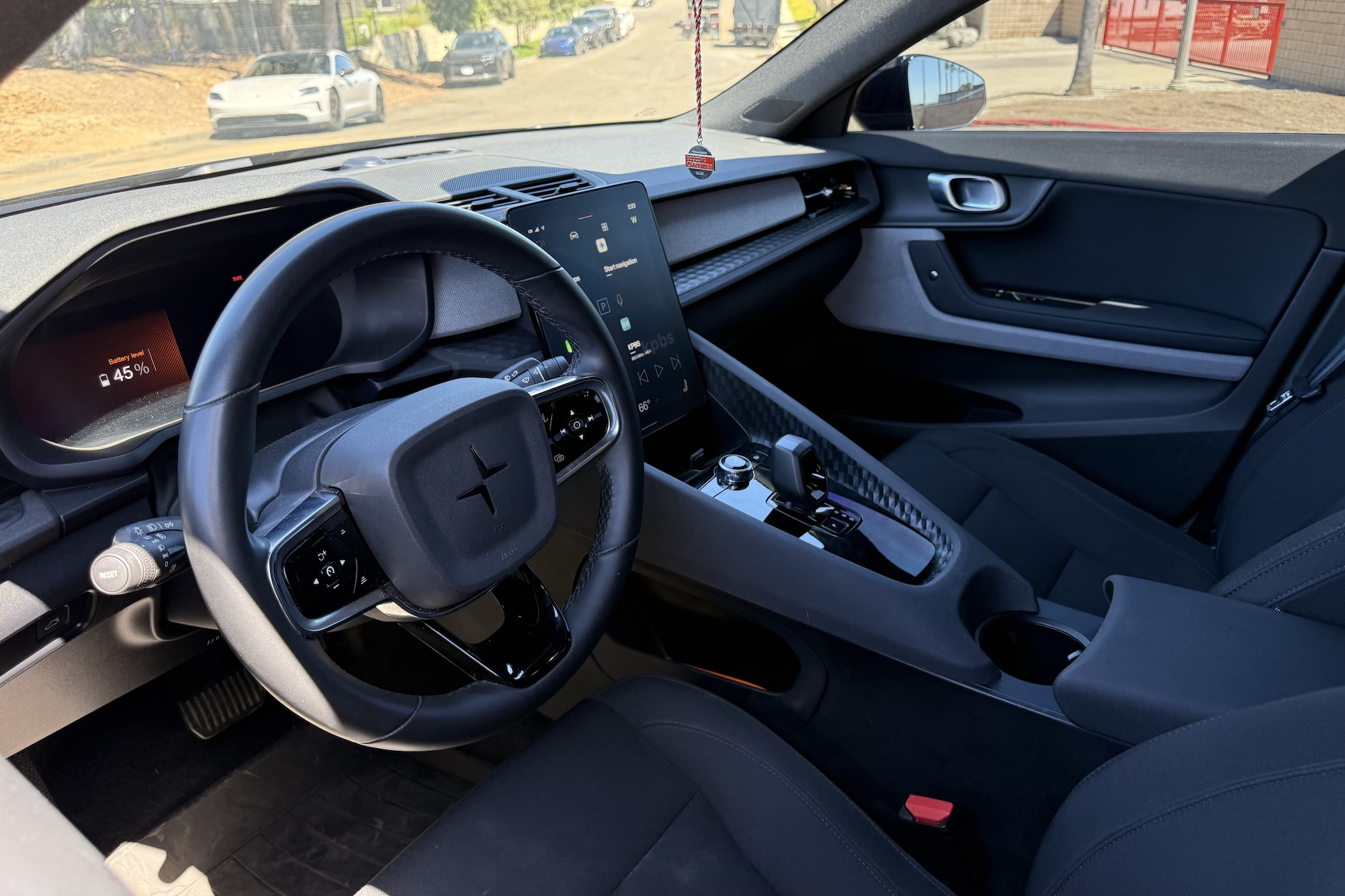
While certain jobs like EFAD/ERAD fluid replacement and major hardware replacements are probably best left for trained technicians, it goes to show just how economical it can be to own a used Polestar 2 with a little ingenuity Especially once you consider that access to dealer-level diagnostic software via Orbit can be had for just $100, ongoing DIY diagnostic and repair work is much more accessible than you’d think.
That being said, not everything can be cheaper than an ICE car. Like any EV, Polestar 2s can go through tires much quicker than its gas-engined stablemates. While you might suffer a slight range deficit, fitting a standard high-performance all-season tire can definitely help you eke out more from your contact patch investment. It’s also important to note that, on average, EV insurance rates are about 42% higher than an equivalent ICE vehicle, and I’d recommend shopping around before signing on the dotted line.
Why You Should
As someone who endures a 70-mile roundtrip commute five to six days a week, it’s hard to ignore the economics of a used EV. Prior to my Polestar 2, I was daily driving a 2006 Mercedes Benz E350 wagon. While I absolutely adored that car for my commute, it was costing me upwards of $800 a month in fuel! Ever since I bought my Polestar, I have largely been charging at home using SDG&E’s off-peak power rates. At 12 cents per kilowatt hour, my driving habits tend to only cost me between $60 and $70 a month. Even if you don’t drive as much as I do, I invite you to do the math for yourself. You might just be surprised.
Possibly the best part of owning this car is the lack of anxiety it brings me. It’s so refreshing to own an appliance I don’t have to be really invested in, making sure it keeps operating as designed. When I smell burning oil in traffic, it’s so relaxing to know it can’t possibly be me. Compared to the other vehicles I own, its ease of maintenance and care just are a welcome relief in my otherwise chaotic life.
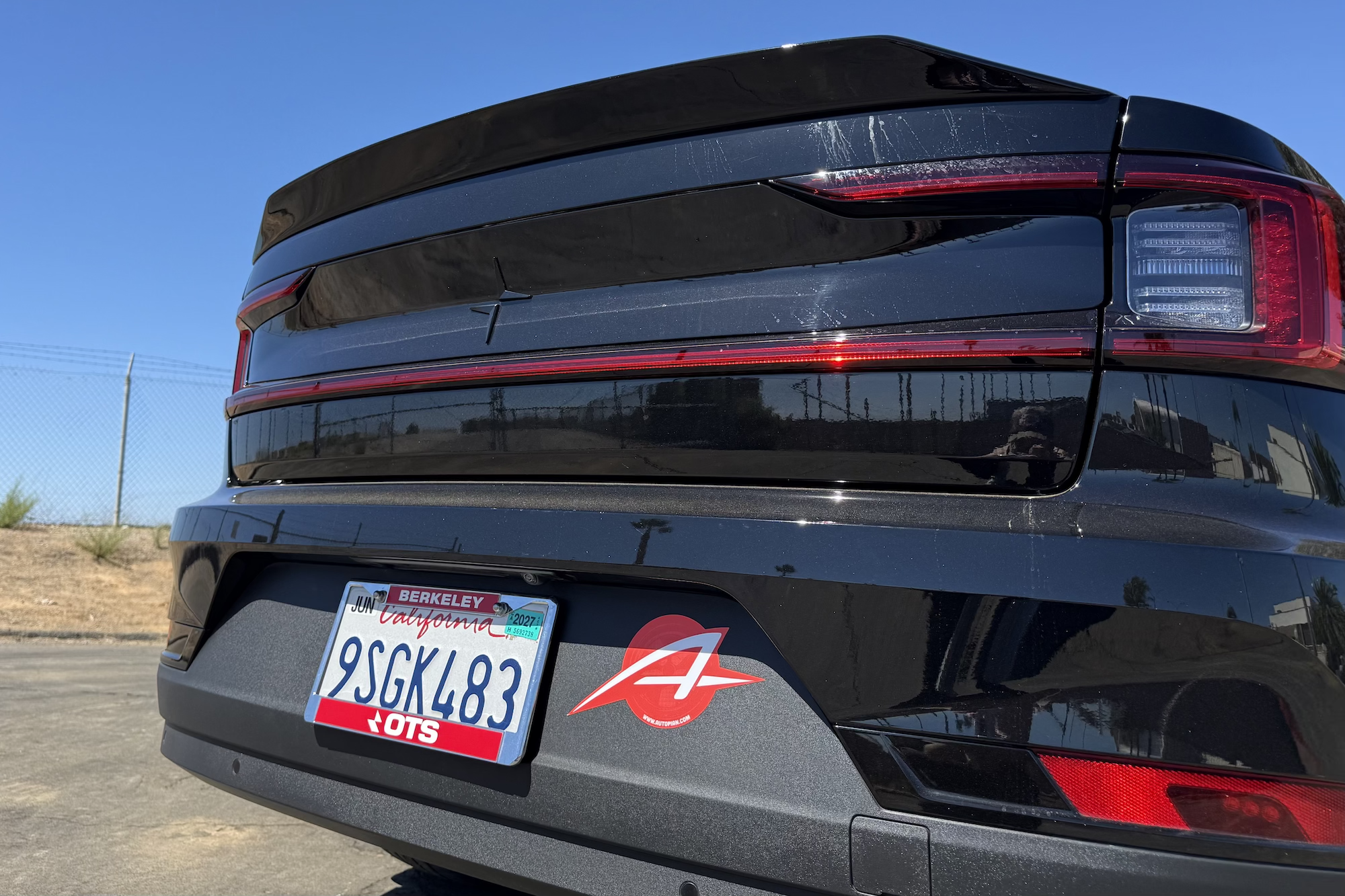
It’s almost cathartic knowing that, one day, once its range is depleted and the remainder of its value has evaporated, it will be harvested for parts and crushed into a cube. But until that day, which I believe is still fairly far away, I will enjoy bombing around in my Polestar 2. And I think many of you might too.


I bought a Polestar 2 in June of 2025. 38k miles, LRDM, Performance & Plus packs for $20k and have loved every minute of it. Even found some sweet Ford Maverick take off Rotiforms that fit perfectly.
Having bought a 2 y/o Ioniq for less than half price I thoroughly support used EVs.
It goes back to the dealer just to maintain the warranty, but that usually costs less than I pay just for oil to service my other car!
Same platform as XC40, no idea why they couldn’t just put the same cup holders as XC40.
I just wish they had more rear legroom, they are just too small for my tall family of 4.
That’s a fantastic deal, we bought a 2022 launch edition with 40K miles back in March for $18,200 and signed up for the PGE rebate. It’s been a wonderful vehicle with a surprisingly solid H/K sound system, still au currant design inside and out, great build quality and materials and fun dynamics. Downsides are a slightly crusty ride even on the 19s, infotainment isn’t the best but with regular updates, still feels fresh and the efficiency isn’t great. We will say hi the next time we stop by an OTS open house 🙂
I’m sorry to be the bearer of bad news, but $14k in February is more like $20k in September. Thank you for all the winning, Trump
I thought I got a deal buying a 2017 Chevy Volt in March for only $12.5k (The PHEV suits my driving needs better than a pure EV), but that’s “only” a $38.4k MSRP when new.
$60k MSRP for $14.2k is a steal!
And even Chevy dealers don’t work on Volts anymore. 🙁
If it’s under special bulletin warranty they will. I just (thankfully) had my BECM fail on my 2017 Volt, and since it was still under the special bulletin warranty, they replaced it.
I think I’m okay. The car I bought just had the battery replaced, and the BECM replaced within the last 4 months.
Damn I thought I got a deal when I got my 2 last year for 26.8k (was CPO at least) but hell under 20k would have been really nice hah.
I have no doubt these are a good deal. Hell the support for a defunct brand seems better than some current brands, one that has a CVT transmission comes to mind. But the big thing that comes to mind when compare ICEcicles to Teslicles is a true cost of ownership. One that:
1. Isn’t based on government handouts
2. Actually includes trade in value
3. Includes the cost of a home charger with installation cost.
Thinking about full cost of ownership pretty difficult to calculate, apples to apples.
I think the charger cost depends pretty heavily on current electrical layout and location. I had a 70A subpanel in the garage already, so install was pretty cheap, but if I’d had to do a new run of 8AWG under the patio to the garage it would have driven the cost way up.
Of course, there’s also the super cheap and generally good-enough option of converting an existing 20A@120V circuit to 20A@240V and charging at 3.6kW. Use the charger that came with the car, and you end up with more like $40 all-in.
SDG&E off peak power rate is 35 to 45 cents per kilowatt hour. The 12 cent/KWH super off peak rate is only available at odd hours such as 12AM-6AM and weekend mornings
I utilize the scheduling feature in the charge settings in order to take advantage of those rates. With my commute and battery usage, I can charge all the way to my limit set at 80% before 6AM!
it’s 12am-6am and 10am-2pm on weekdays and 12am-2pm on weekends. Plenty of time to plug in and charge overnight or for those who work normal hours, and also during the day for those who don’t.
Holy cow! Electricity in Tacoma, WA is roughly $0.10/ kwh, not factoring in the $31/month customer charge. But I could charge it any time of the day at that rate. And it’s relatively “clean” electricity (largely hydro and wind).
Our Power Sources – Tacoma Public Utilities
I heard a TED talk the other day and the difference between electricity in Vermont vs. Montana has a carbon footprint delta of two orders of magnitude. (Guess which way.) But our current administration, led by the “incredibly stable genius” is spending billions of our tax dollars to cock-block wind power. FFS!!
Fisker, Polestar, Canoo, Nikola… Slate.
Sorry, wrong. Polestar continues as a brand in the rest of the world, primarily Europe. Solid Geely backing. Fisker is dead, Canoo delivered about 25 vehicles before going kaput, Nikola delivered more but is also dead and Slate hasn’t delivered any yet but they are well backed.
It was just a cute commentary on my opinion of Slates future. They may be well backed (Note how the media loves to say Bezos every time its mentioned), but backers want profits and will only go so long before backing out. Id love to see Slate succeed but I think Fords fathom is going to end them. Yes, theyre slightly different in scope, but the Ford is much more what today’s buyer wants. It also appears that it is going to offer a much better value proposition. The Slate was one thing with that $7500 tax credit (Starts at only $17500!). Without it, its another.
ne of those “Today’s buyers” I absolutely do not want anything to do with the Fathom. My tinfoil hat is itchy, but I do not want a a connected vehicle; which is precisely why I want a Slate.
Fair enough and, yeah, it’ll be a tougher sell as the price creeps up. I did a configuration on their website and the price crept up pretty high for a bare bones vehicle. Still, I’m intrigued. But I am also skeptical that it will be a success. That said, I’m terrible at predictions- I remember when Steve Jobs announced the iPad in 2010, I thought it was an utterly stupid idea. (Hint: I was worng).