

Japan was a curious rival of the United States, having gone from a military foe to one of America’s biggest suppliers of electronics, cars, and other goods in rather short time. If you read sci-fi from the ’80s, there was also a fear of a strong political role that Japan would play globally. That didn’t quite happen, and once the bubble burst in Japan the greater influence was probably a cultural one than a political one; few people still alive feel negatively about buying a Japanese car.
China is different. There has been no large scale military conflict between the US and China, but both militaries clearly see the other side as the most feared antagonist in a global conflict. Americans buy an enormous amount of goods from China, but few of these are recognizably Chinese-branded. I’m sure plenty of people bought a TCL television without realizing the company was headquartered in Guangdong. China has become the world’s manufacturer, and, for years, you could buy a Chinese-built car in most of Europe and the US.


A Chinese-branded one is a little different, and it’s interesting to see who is building what. When I write The Morning Dump I don’t often lead with a question, because I want to help find answers. Today will be a little different, too, because I am a little curious. Jeep is one of the most quintessential American brands and, soon, will start building cars in China. Will this bother anyone? Canada will be an interesting test case for Chinese cars, and it sounds like automakers with non-obvious Chinese owners, like Lotus, will lead the way. Everything is politics, and the President of the United States has weighed in on right-to-repair on the side of consumers.
That’s heavy. Let’s end light. It’s a Lacoste Alpine!
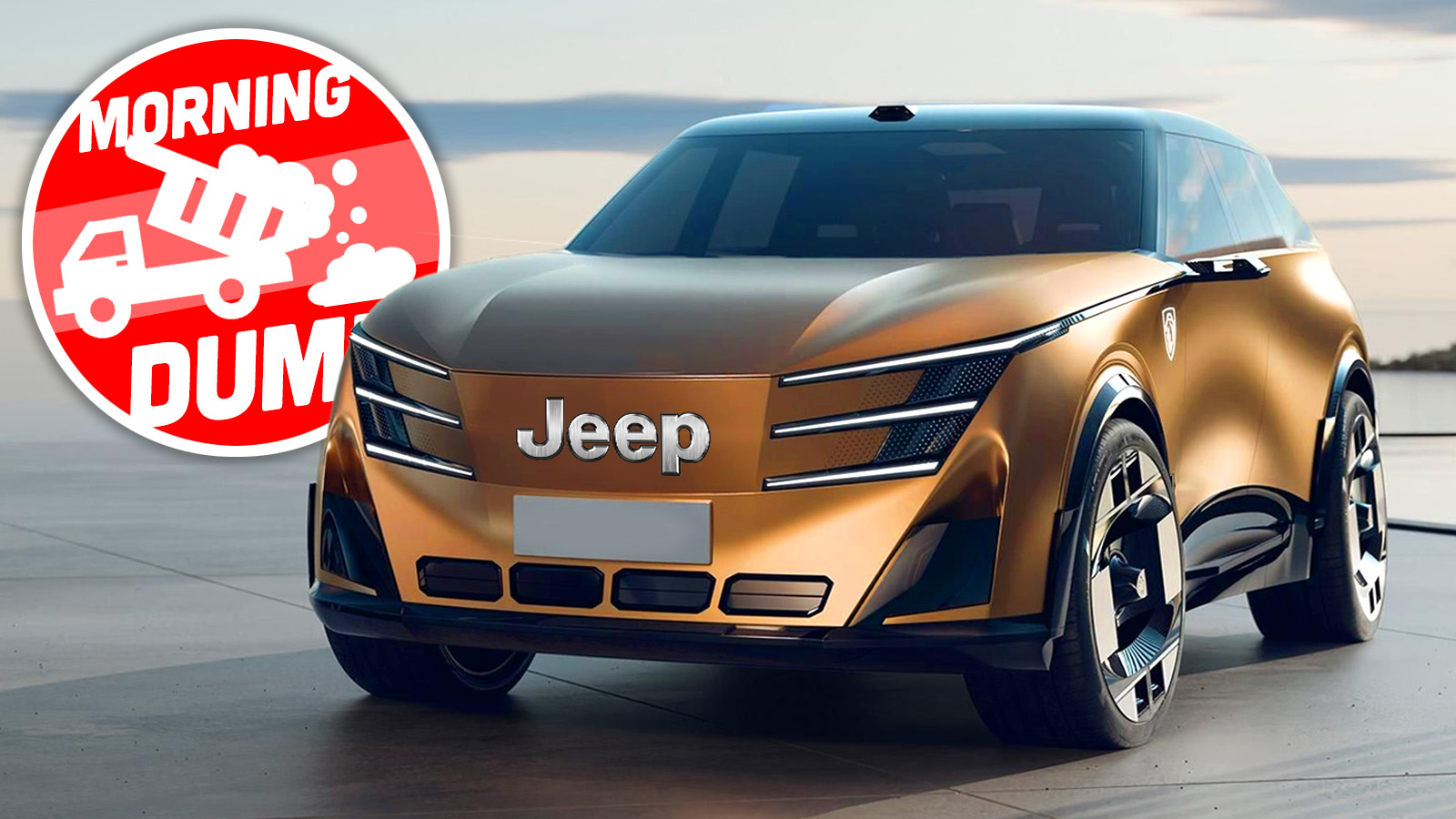
Jeep Will Build An Electric Car In China

China has built Jeeps before. Back in the ’80s, then-Jeep parent AMC made a deal with the Beijing Automotive Industry Company to form what became known as Beijing Jeep. The trick to that, of course, was that they weren’t branded Jeep, even though they were obviously XJs. And, of course, the current Chinese car industry builds plenty of Jeep-like things as well.
What hasn’t happened before, I don’t think, is a Jeep-branded, Chinese-built Jeep sold in a Western market. With Stellantis expanding its deal with Chinese automaker Dongfeng, that’s what’s apparently going to happen. Here’s how Bloomberg describes the vehicle:
Stellantis and Dongfeng Motor Corp. will jointly produce the large sport utility vehicle, which will be launched alongside other new models carrying the iconic name, Fabio Catone, head of Jeep in Europe, said on a media call. Stellantis will have six Jeep models available in the region by the end of the decade, compared with two now, he said.
That’s interesting. It’ll apparently be a D-Segment midsize SUV and, presumably, some sort of New Energy Vehicle (full electric or EREV). There’s a little more intel from the Australian site Car Expert has a few more details:
In a statement released over the weekend, the automakers announced the existing Dongfeng Peugeot-Citroen joint venture plant in Wuhan will produce two “Peugeot-branded” models from 2027. The design of these two vehicles will be based on the Concept 6 and Concept 8 SUV revealed at the recent Beijing motor show.
Both concept cars are on the large side, and if exported back to Europe would help the brand flesh out the top-end of its lineup, which currently tops out with the 4.79m-long 5008 SUV.
This vehicle will join the Recon and Compass in Europe, and shows that Stellantis still sees the brand as a player on the continent. Addressing the potential issue of having a Chinese-built Jeep, European brand head Fabio Catone didn’t seem worried, as Bloomberg reported:
“Jeep is a US brand, certainly, but it’s also a global one.”
I remember when Jeep started selling the Italian-built Renegade in the United States. There was a concern that people wouldn’t want it. To quote Dennis Nedry: See, nobody cares.
The Canadian PM Making Deals To Get Chinese-Build Lotus SUVs Is Amusing To Me
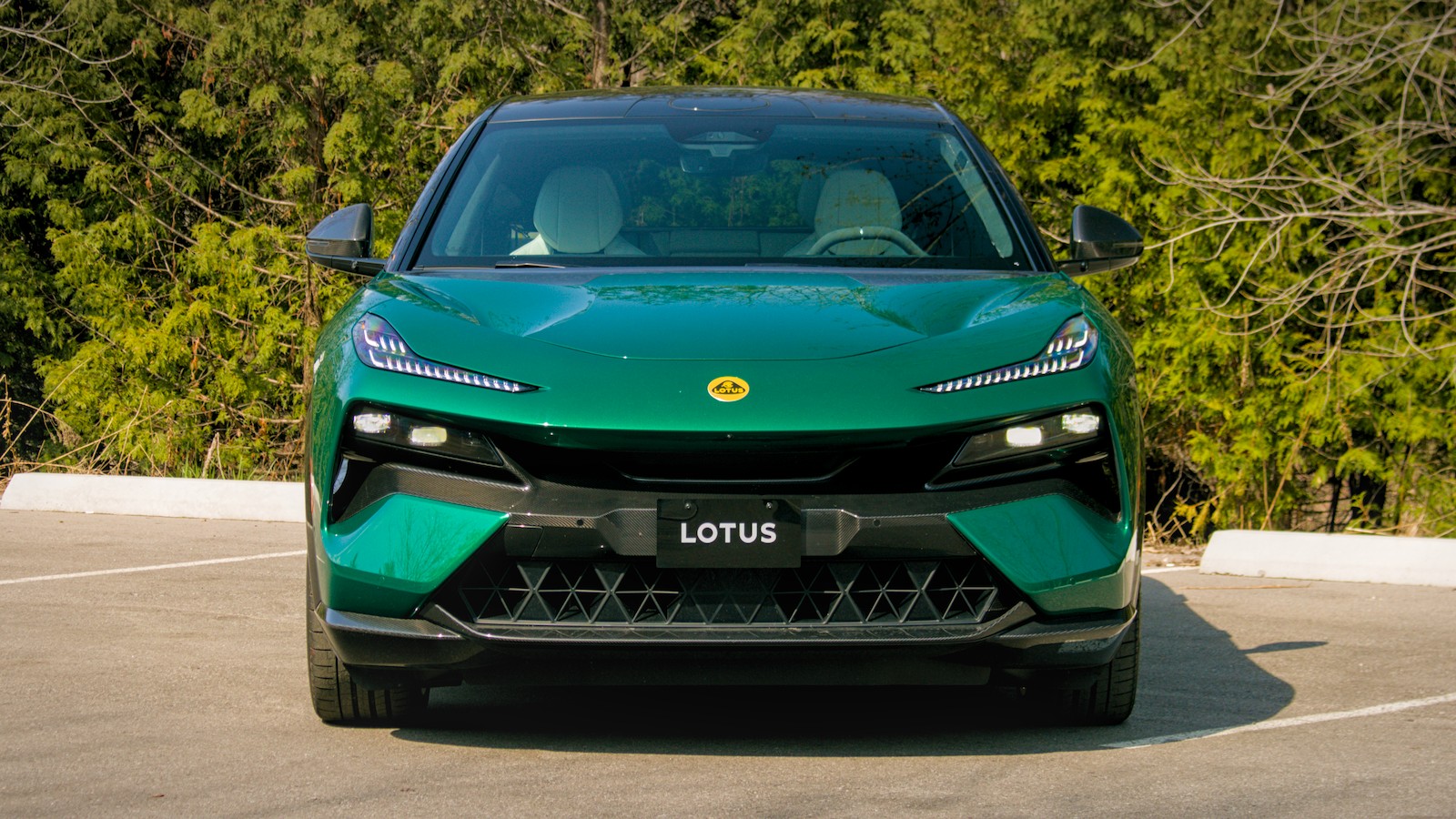
The Lotus Eletre is a curious vehicle and, surprisingly, has been in the middle of the push-and-pull of global trade. It’s been expected that Lotus will sell the Eletre in Canada under a new rule allowing in a quota of Chinese-built cars, and they even gave Thomas one to review.
Now, we have more details via Reuters on how it all came together:
“Geely Holding Group’s Lotus brand electric vehicles will arrive in Canada next month under an agreement between Prime Minister Mark Carney and Chinese President Xi Jinping, China’s ambassador to Canada Wang Di told Reuters on Friday.
They will be the first Chinese-owned and manufactured vehicles for sale under an agreement that allows up to 49,000 Chinese EVs to enter Canada annually at a reduced tariff rate, as Carney tries to diversify Canada’s trade away from the United States.
“Geely EVs will be arriving in Canada next month and they will be holding a ceremony when the cars are delivered in Montreal,” Wang said.
Eventually, Chinese-built cars that are not branded as other vehicles will arrive in Canada, but it’s interesting to see that even in Canada they’re starting with cover-brands.
President Trump Says It’s Ok For People To Repair Cars
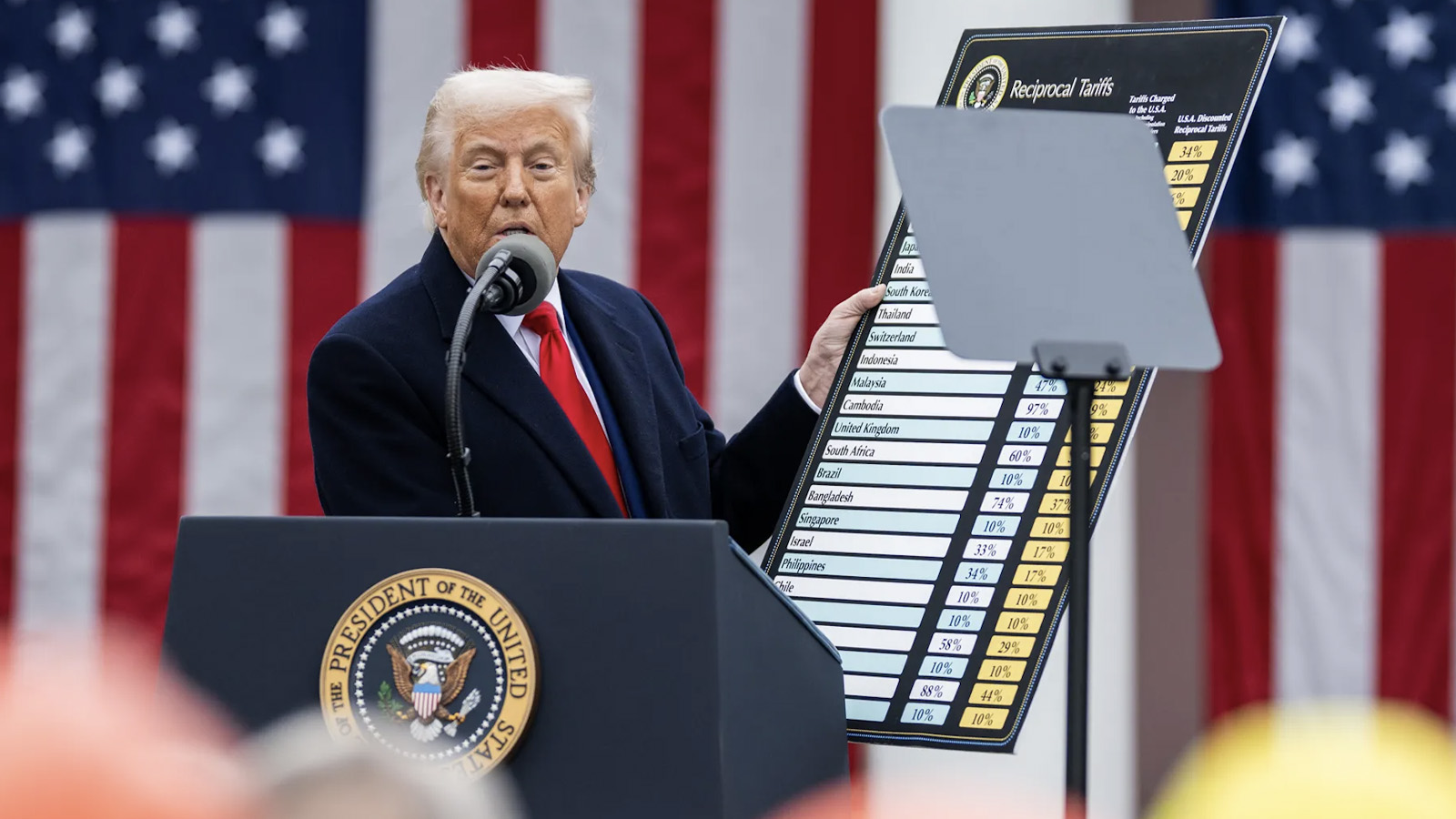
President Trump surprised automakers when he said that they told him it wasn’t ok for people to repair their own cars:
“We had the auto industry in yesterday. They don’t want people to fix their car. I said, ‘That’s strange!’” Trump said. “They have a thing; nobody’s allowed to fix their car.”
In response to this, President Trump signed a memo indicated support for people to be able to repair their own cars, which is generally a good thing, though this one seems to be mostly limited to emissions equipment:
During the previous administration, crushing environmental regulatory burdens caused the average cost of vehicles to soar. My Administration has therefore taken historic action to reduce or remove these burdensome regulations and decrease the rising costs that consumers face. With the largest deregulatory action in United States history, my Administration rescinded regulations concerning greenhouse gas emissions for light-, medium-, and heavy-duty vehicles, and affirmed the right to fix agricultural and non-road equipment.
Consumers and aftermarket-parts manufacturers and resellers, however, face continuing regulatory uncertainty concerning whether aftermarket parts may be used in repairs due to the Clean Air Act’s (CAA) prohibition on tampering with emissions controls. The California Air Resources Board (CARB) has the only certification process for aftermarket parts currently recognized as sufficient under the CAA, but that process is faulty. Obtaining a CARB Executive Order certifying that a part does not increase vehicle emissions takes increasingly long — now well over a year — even when an applicant has all of the paperwork and testing in order. It is increasingly costly, and it effectively hands the determination of Federal compliance over to the State of California. Further, because it is the only currently available and accepted certification process, the certification of parts is bottlenecked at CARB, driving up costs and limiting the supply of compliant parts. To further ensure vehicle affordability, it is the policy of my Administration that consumers should be able to fix their vehicles with affordable parts without being deemed to have circumvented emissions controls.
It’s time to diesel swap one of David’s Jeeps, I suppose. [Ed Note: I’m pro-us being able to fix our own cars. I am also not a huge fan of the complications associated with California’s strict emissions standards, particularly for older cars. But I do like emissions standards in general, as I want my son to grow up with healthy lungs. So some level of balance here is the answer; it’s not “you can’t fix your car” and it’s not “you have to fix your car 1980s car that you rarely drive with these expensive parts or else.” It’s somewhere in between. -DT].
Check Out This Sweet Lacoste Alpine
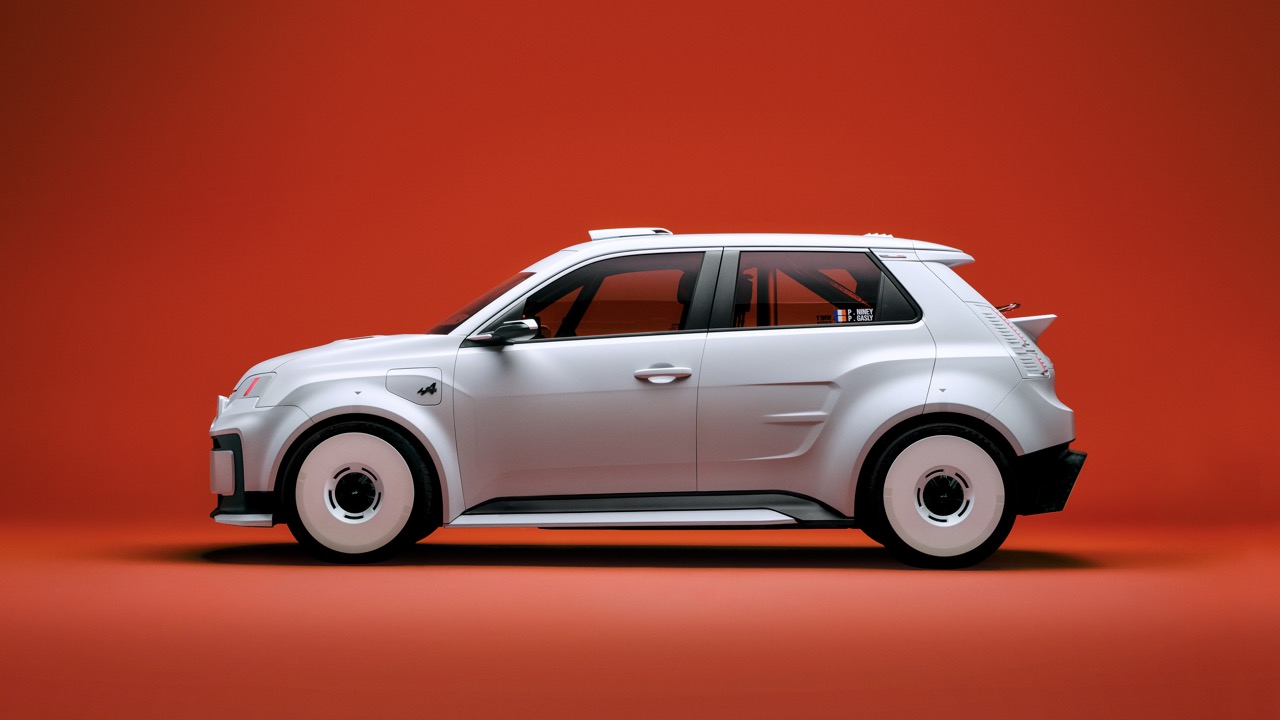
Ok, that’s a lot this morning, please enjoy this one-off Alpine A290 RALLYE done up with a Lacoste theme. I love it. They even shot a video:
That’s fun.
What I’m Listening To While Writing TMD
We’re going to Lime Rock, so I’ve got to play some Hall & Oates. Are you out of time, or just “Out of Touch”?
The Big Question
Where was your car built and do you care where cars are built?
Top photo:


My car current car was built at the Tahara plant in Japan, it is probably the most well built car that I have ever driven, definitely the best build quality of vehicles I have owned, but early to mid 90s Mercedes and BMW might be a close second, the real test will be in 15 years when my GX is also 20yrs old.
This is my 3rd Japanese built car, the other two were also well built but not exceptional. I also owned a Mexican built Ford which was probably the worst build quality.
That Lotus looks like the simplify part didn’t work out, but they compensated by adding a couple tons of lightness.
That Jeep looked better as a Peugeot.
My Mazda 6e was designed in Hiroshima and built in Nanjing. Two places of intense suffering in WWII, now working together to build cars. Kinda interesting if you ask me
I guess I don’t really care where cars are built, but it’s going to take some time before I’m willing to buy a Chinese-branded & built car. Joint ventures still carry some weight in my eyes.
(Apart from the SSC SC-01. That thing is sick)
My BMW was manufactured on earth by some robots and perhaps a few humans in a country once called Prussia.
Sweden (Saab 99)
West Germany (VW Karman-Ghia)
Sweden (another Saab 99)
West Germany (VW Jetta)
USA (Chrysler New Yorker)
USA (Mercury Capri)
Mexico (Mercury Mystique)
Mexico (VW Jetta)
Germany (VW Passat)
USA (Saab 9-7X)
USA(BMW Z4)
USA (BMW X3)
Belgium (Volvo S40)
USA(Dodge Caravan)
USA (Dodge Dakota)
USA (Ford Focus ST)
USA (Chevrolet Colorado)
United Kingdom (Mini Cooper SE)
Oddly, nothing Japanese. Nothing personal. I almost bought a Miata – twice.
-The 4 Volvo 240s I’ve owned were built in Sweden.
-Our Ford F150 is from the USA.
-I learned to drive in a Canadian made Honda.
-Our old Subaru Forester was built in Japan, and by far the worst of any of the above in every conceivable quality metric.
I try to buy Canadian when possible, but honestly Im not that stressed about it. (No ethical consumption under capitalism and all that.) Half my shit is made in China already and most of it is great. I don’t really see a transportation appliance any differently.
Personally I think a Chinese-made Jeep would do just fine, even in the USA. Most people just don’t care, certainly not enough to spend more on a domestic equivalent out of principle. Yes, there would some wailing and gnashing of teeth, but we’re talking about people who do all their shopping at Dollar General and wrench on their truck with Chinese tools from Harbour Freight.
People tell me my Country Squire is the best stereotype of the “American” car. It was built in Canada. My Geo was also built in Canada. My first car was also built in Canada. I’ve had a pretty good track record with Canadian built cars!
My Element was built in the US And my Fit in Japan. They’ve both had great fit and finish in general.
Matt just a heads up, when signing in today it said “There is no account associated with that email address”,
However hitting register and putting in the same email address allowed it to work.
I generally don’t care where my car is made, just I do care about NOT supporting dictatorships. China is tough, because they do make everything. But, when those things cost a lot, that means more than a few bucks goes to supporting a dictatorship. That’s a hard sell for me.
One could easily argue the area under the curve that includes everything else I buy is equivalent, it’s easier to justify those purchases because I need underwear and perhaps have fewer choices.
Now, though, it’s starting to become more difficult to buy an American car under those pretenses, which is even more frustrating.
My Sportwagen was made in Mexico, my partner’s Mazda3 was built in Japan, my air-cooled Beetle was, of course, built in Germany (Emden, the same plant my old CC was built in). And my F150, well you already know.
Generally speaking, location doesn’t matter to me. That said, the interior of my Sportwagen doesn’t feel quite as well put together as the GTI I used to have, which was built in Germany.
My FK7 Civic was built in Swindon, UK, back when Honda made cars in England (pre-Brexit). I don’t care where my car is built, I just want a hatchback with a manual transmission that can get out of its own way.
I have five cars, all built in the (more or less) Midwestern United States, the unquestioned best place on earth, and by god I do care about that even if no one else does.
Princeton, IN
Grand River, MI
Detroit, MI
Louisville, KY
Either Flint MI, or Janesville, WI
Grand River, is a river and a road, not a place per-say. There is a GM plant: LGR which is Lansing Grand River, in Lansing MI. Also the State Capital.
I once had a Japanese car with an American-brand nameplate built in Mexico.
It was a good car.
I’ve also had Swedish cars built in Sweden, a Japanese car when I lived in Japan, an American car built in the US, and now a German car built in Germany.
As long as it’s well engineered, well built and the people who built it get living wages+, I’m good.
For what it’s worth, my Mazdas were built in Japan (Hofu?), and the minivan was built in Alabama.
I kinda-care about the build location mostly from a “personal-politics” perspective, but from a quality perspective, I don’t think there is much difference across the major brands.
I do care where it is built, but more importantly I care WHO built it. No slave wage labor making things in my garage if I can help it.
I have a Swedish car (Well, Sino-Swedish) by way of Belgium and a German by way of Mexico in the garage.
The Belgian has been fine-ish, struts and the sunroof is giving us grief, but the Mexican car has been reliably rock-solid. After 8 years the touchscreen is going in the head unit (still controllable via phone in CarPlay) and an $.80 seat adjustment knob snapped. No qualms.
I have heard that Hyundai models built in both the US and South Korea see a higher rate of defects in American-assembled vehicles. If that’s a labor issue or tooling is to be seen.
I find manufacturers hold their plants closer to home to higher standards (maybe more surprise factory visits), but even meticulous labor can’t fix engineering or design flaws.
Janesville WI, Louisville KY, Brampton Ontario, Flat Rock MI. I do care where my money goes, yes.
My car was built in Indiana and yes, I care.
TBQ: A little bit? For instance, I won’t buy a Chinese car. Yeah, I get it guys, we all own Chinese made things, but the second most expensive thing I own is somehow sacred enough to request at least the bare minimum of human rights be applied to labor. I don’t really see the value in sending any more of my money to the CCP.
Outside of that it doesn’t matter much to me. If you’re willing to build a car that meets my wants/needs, I’ll consider it. Does that include the US? Technically yes, as I own a Chrysler van. Typically not though, as the American companies rarely want to compete in segments I actually want to own (vans, hatchbacks, wagons, sedans, weird cars).
meh, i’d probably get a kia before i think about getting a jeep, and i don’t like korean cars much.
I only drive American. My Mercedes EQS SUV was made in the proud state of Alabama.
Foreign brands made in the US > Foreign made US brands
TBQ: my vehicle was manufactured in Mexico, and no I don’t care.
TBQ: At this stage I try to stick with Made in Japan but will consider the Americas. Not interested in China made vehicles, otoh I have a tube amp made there that has played music almost every day for 19 years but that’s not a complex thing. Have been burned repeatedly by cars made in Germany. Four made in Japan Toyotas, two Highlander Hybrids, two 4Runners, all flawless. One of the hybrids is eleven years old and is as perfect as the day it came home. There was also a 1998 Outback (were they made in Japan then?) that was great for 60,000 miles then something in the engine started to sound weird and the service advisor took me aside and whispered, “I’m sending you home. Sell it today.” What a guy.
Both of my Audis were built in Hungary. Given their combined age of 35 and lack of issues, I’m quite happy.
I want the alpine very very much