

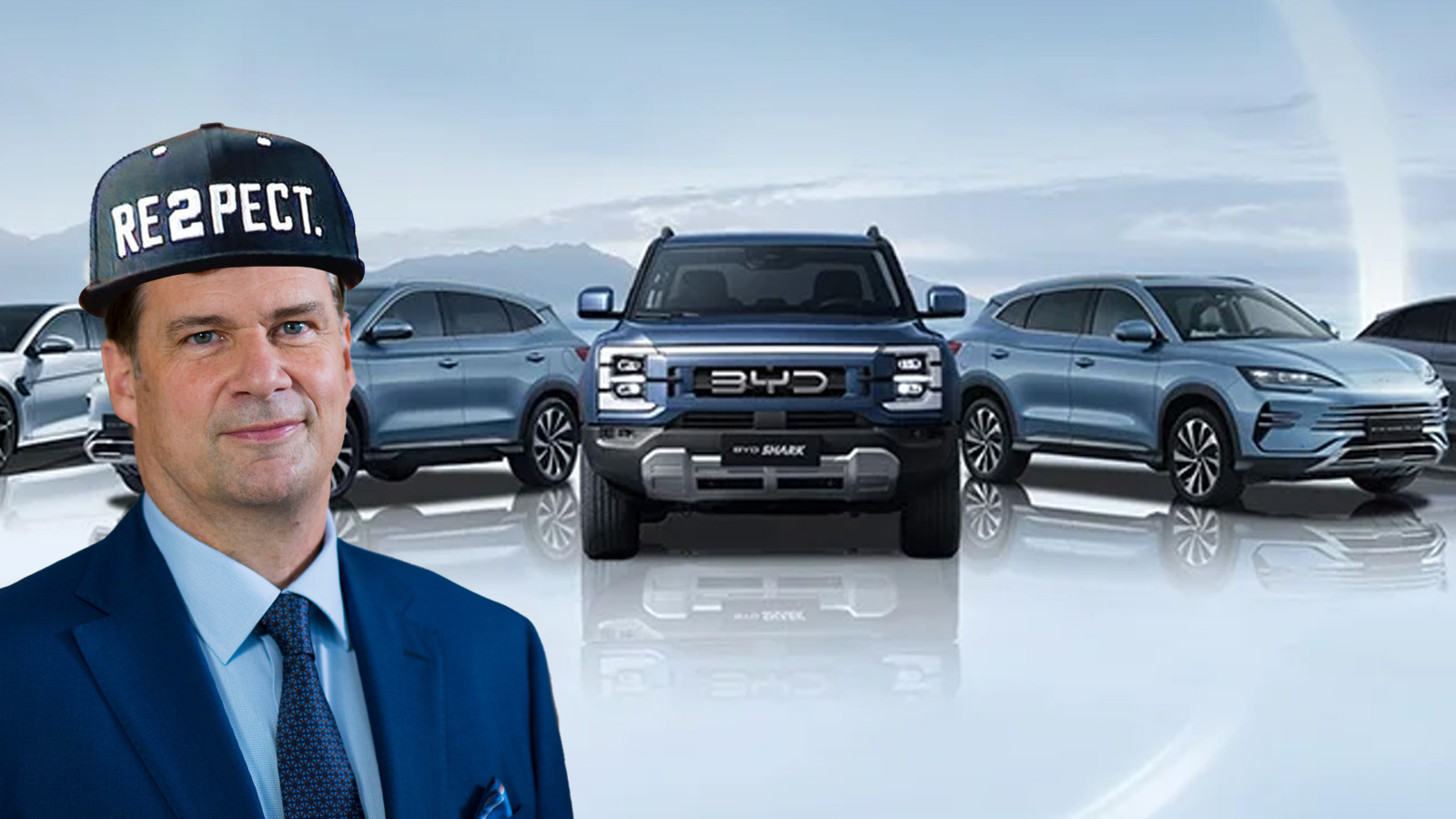
Ford CEO Jim Farley’s proverbial love affair with China’s dominance in auto manufacturing is well documented. He admitted in 2024 that he daily drove a Xiaomi SU7 daily for six months, telling the press he didn’t want to give it back because he liked it so much. In October, he expounded on the fact that if given the ability to sell cars in the U.S., China could “put us all out of business” due to their manufacturing speed and superior tech.
Sales of Chinese cars outside of the U.S. reflect that worry. Back in 2011, 67% of cars sold in China were from foreign brands like Volkswagen. Now, though, two-thirds of cars sold in the country come from domestic brands such as Geely and BYD, according to Car and Driver. It’s not just in China where that growth is apparent, either. In Europe, sales of Chinese brands are nearing 10% of the market, per Automotive News.


This progress is inching up against America’s borders, too. Chinese cars make up nearly 20% of new car sales in Mexico right now, according to Mexico News Daily. And thanks to new regulatory changes, Chinese cars are set to flood the Canadian market as soon as next year.
Farley isn’t stupid, obviously. He sees how much more quickly Chinese automakers can develop a vehicle, ramp up production, and increase manufacturing capacity. And because of that, he has immense respect for them. From a recent episode of the Rapid Response podcast:
If you’re an American and you want us to beat the Chinese in the car business, you’re all going to want to pay attention, not necessarily to Tesla. Nothing against Tesla—they’ve been doing great, but they don’t really have an updated vehicle. The best in business for us, cost-wise, competition-wise, supply chain-wise, manufacturing expertise, the IP in the vehicle, was really BYD.
Farley spoke on how BYD inspired Ford to use China’s approach to affordability and use it on the segment it knows best: pickup trucks. According to him, China’s success was a main driver behind Ford’s decision to build its very hyped $30,000 electric pickup truck. From the podcast:
Now, if we’re smart, we’ll take the cost competitiveness of BYD, and then we’ll compete with that platform in parts of the market where we know our customers really well. This next cycle of EV customers in the US? They want pickups and utilities and all these different body styles, but they want it at $30,000, not $50,000 like the first inning. They want it affordably.
That $50,000 vehicle he’s talking about is, of course, the F-150 Lightning, the all-electric version of Ford’s iconic pickup. While the truck made a big initial splash, its higher price meant it never really moved the needle in terms of sales (despite being the best-selling electric truck when it left production). Ford had to halt production in September due to an aluminum fire plant, and never bothered to restart the line. Instead, it pivoted the Lightning to an EREV powertrain vehicle, which is set to launch next year.

The affordability crisis hitting people across the globe means China’s ability to offer modern electric cars stuffed with tech and range for reasonable prices is more important than ever. Farley points out, as he has in the past, that China’s government provides both direct and indirect subsidies to ensure its domestic brands have the edge on price. He also says that China has the capacity to build enough cars to supply all of North America if it needed to.
If there’s one quote from Farley in this interview that stands out the most, it’s this one:
That is the gift that China gave us: To be fearful and respectful enough of their progress that we could not organically just phone it in. We need to use innovation to compete against the best in the world.
It feels like we might be heading to a situation where there might be two car markets in the future: The United States and everyone else. America’s stance on effectively barring Chinese cars from sale in the U.S. means that, theoretically, domestic manufacturers don’t have to worry about more advanced cars from China moving in and taking sales. More lax rules on emissions mean that automakers on this side of the pond no longer have to strive for efficiencies and can continue to offer vehicles with the big engines that people want.
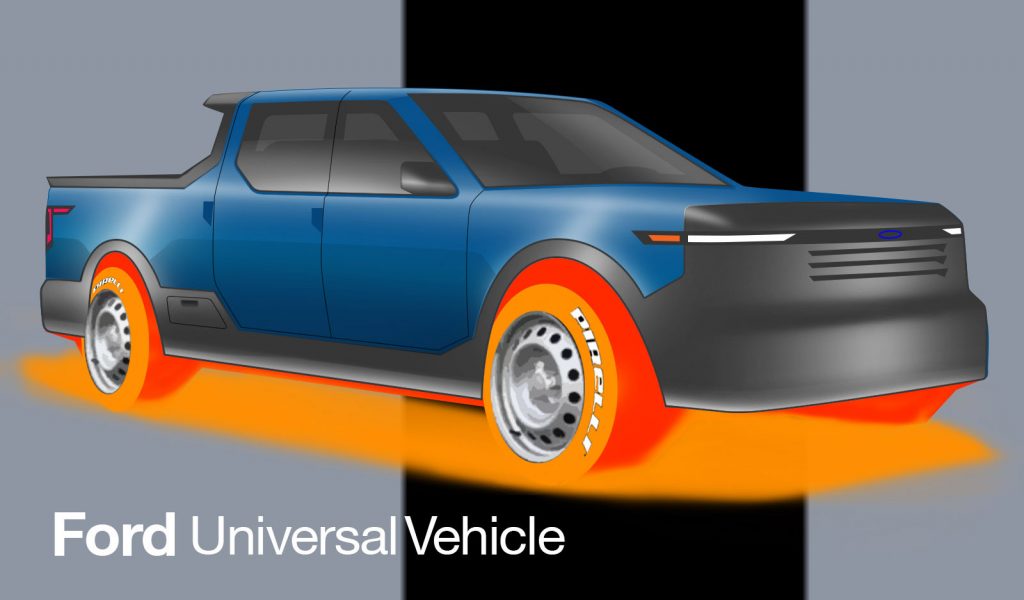
The reality is, though, that it’ll result in less competitive cars from domestic manufacturers, both for American consumers and export markets, such as Canada and Mexico. As a result, that means Chinese cars can swoop in and snipe that market share, driving down the relevance of American automakers. My colleague Matt has written about this in the past in greater detail; I highly encourage you to read his take on it.
Thanks to Farley’s respect for China, Ford is one of the few outliers that’s taking the threat seriously, at least going by his statements. Ford can—and does—sell F-150s in America all day long and make a huge profit from it, but without keeping up with China, it could lose out everywhere else.
Top graphic images: Ford; BYD



Also, re this site…. I’ve noticed that if I am not signed in, it loads fine. When I am, it is S. L. O. W. I run AdBlock ultimate and it kills most of the lame assed ads.
I’m always logged in so it was always slow, but now that I check you’re not kidding – ~150ms time to first byte logged out, over 10 seconds when logged in. That’s a massive difference.
I’ve been down in Jalisco, Mexico for about a week now and BYDs are everywhere here. I haven’t had the chance to get in/go for a ride yet, but they look pretty nice.
We will soon see Chinese cars sold in the United States because capitalism. Money. Greed. Profit. And the continued junque the Big 2 continue to peddle to us plebians.