


You might have heard the story about the museum owner who the hatchet that young George Washington used to chop down his Dad’s prized cherry tree before famously confessing to the deed. Said the proprietor, “The handle’s been replaced three times, and the head twice, but other than that it’s the original hatchet.”
The story of the hatchet is a fabrication (as is, apparently, the story of George playing junior lumberjack), but it raises an important graduate-level question that I need your help in answering today: at what point do repairs and replacements made to a car become so numerous that the car no longer be considered the original article?


A few weekends back, we visited some old friends, and I got a chance to see the progress on my pal’s 1967 Camaro project. It’s not in bad shape for a Midwest car, and with a V8 of unknown size or origin under the hood, it’s not a one-of-whatever SS or RS. And so, he can do whatever he wants to it without suffering the scorn of crazies.
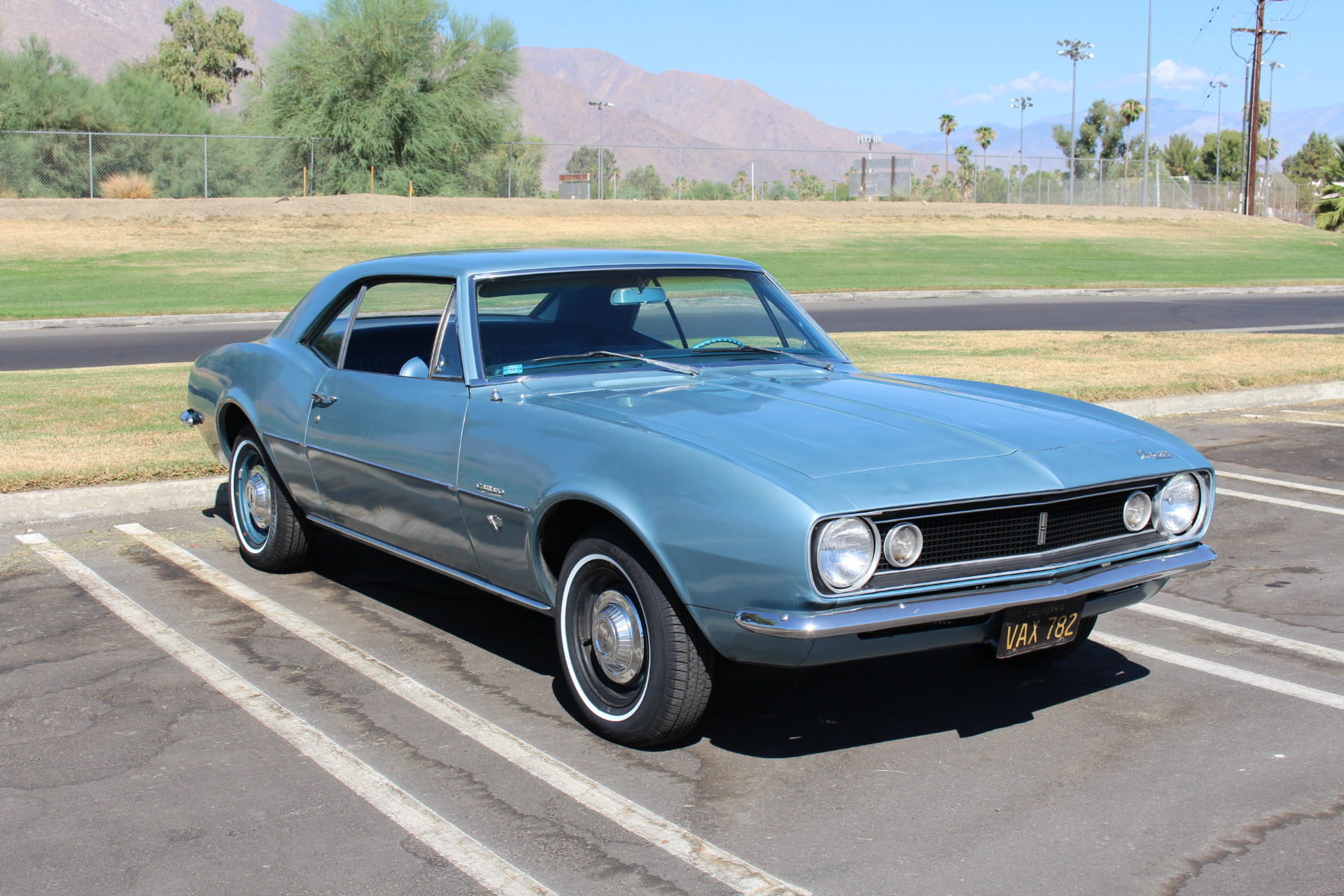
There’s some non-fatal rust on the rear quarters that may require burning out or perhaps adding a new panel. “In fact,” said my friend, “I even considered getting an all-new shell for the thing.” That’s where the Washington’s-axe question came up again.

Nobody hates chasing rust more than me, so the idea of brand-new sheet metal is appealing to me. Based on the availability of replacement parts these days, you could essentially build an all-new 1967 Camaro from the ground up, put a crate motor in it, and grab a VIN number off of some totaled or corroded-in-half straight-six junker in a salvage yard. Of course, the cost would be twice what it’s worth, and it would be a stretch to call it the “same car” as you started with.
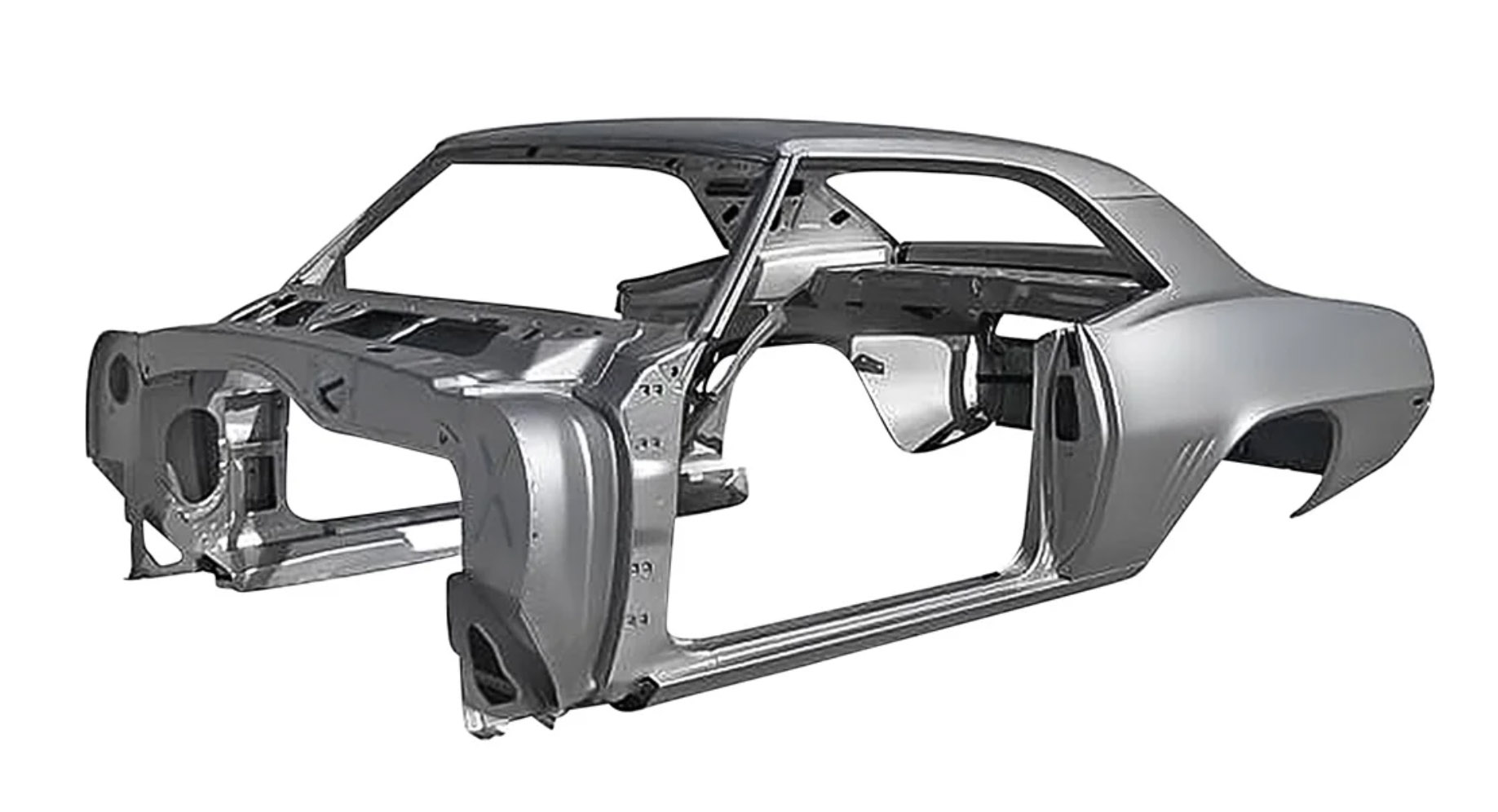
Or would it?
Sanding down rust that will almost certainly come back to my friend’s old Camaro will be a dreadful task, but running our hands down the flanks of this Camaro in the garage, we imagined a person on the Chevy lot sixty years ago doing the same thing as he signed up for monthly payments, excited about getting the keys to his new pony car sitting there in the afternoon sun. There’s a soul to these parts that no aftermarket shell can recreate. Replacing a panel or two that’s too far gone is one thing; at what point does the number of new panels and parts erase the car’s vintage provenance?
I’m lost, Autopians. What do you think? Is “numbers matching, original-except-for-the-tires-and-water-pump” the only thing that qualifies as an original car, or can a George Washington’s hatchet of a ride where only the frame rails remain make the grade? You’re a smart lot –let me know!
Top graphic image: eBay via Barn Finds



I’ve never heard the “George Washington’s axe” example
Classically, this philosophical paradox is much older. It was first recorded with the example of the “Ship of Theseus”, Greek philosopher Plutarch around 75 CE. He asked the question that as planks were replaced over time, when every part has been replaced, is it still the Ship of Theseus?
British philosopher Thomas Hobbes added (in 1600s) the interesting addition: If you store all the removed old planks and parts until you can build a ship from those, then which one is really the original Ship of Theseus?