

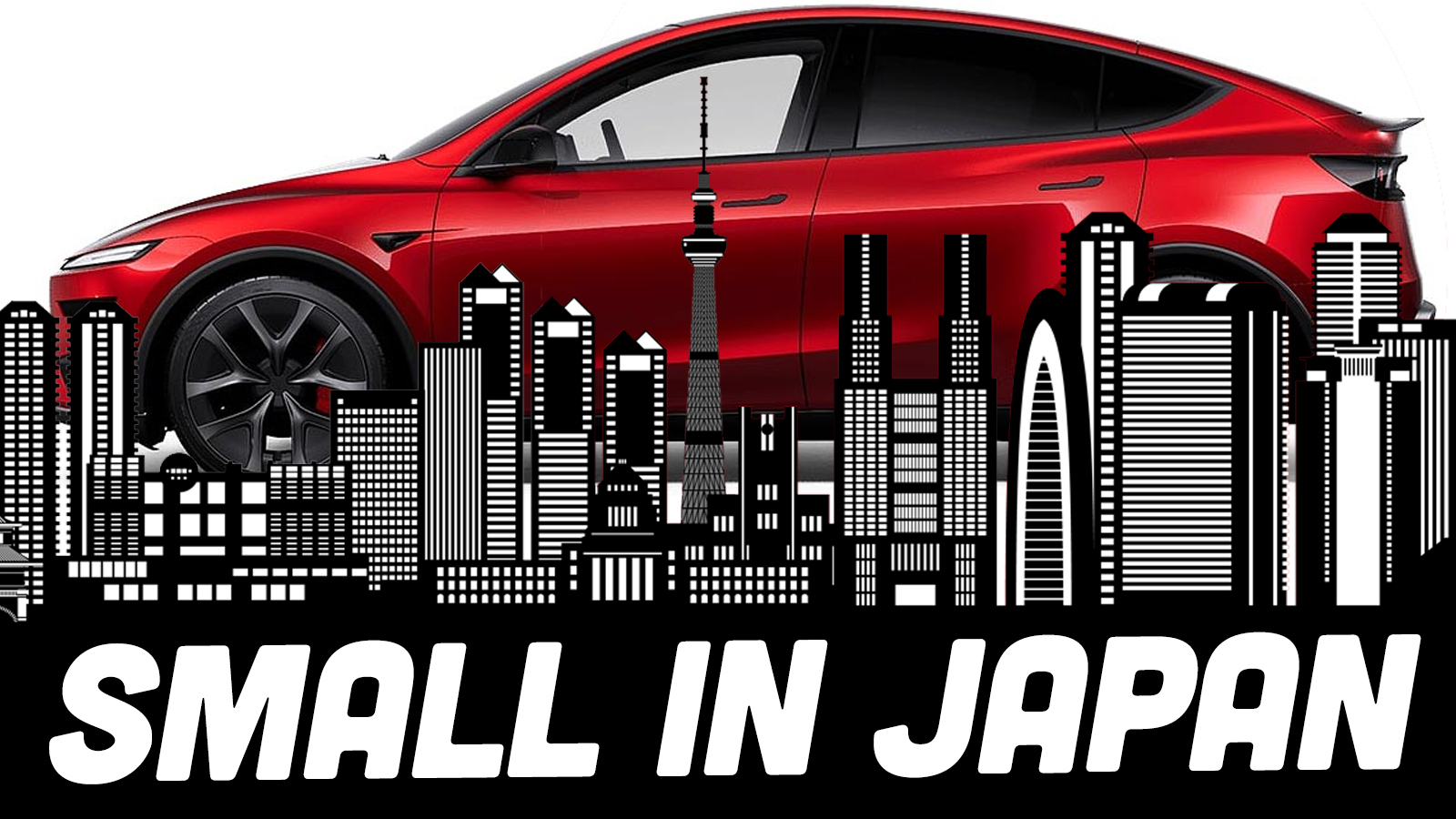
Tesla has witnessed declining sales over the last couple of years, both as a result of increasing competition and the decreasing appeal of its CEO. While the company’s once rapid growth has cooled in most markets, there’s one place in the world where a new Model Y is kind of a no-brainer: Tokyo.
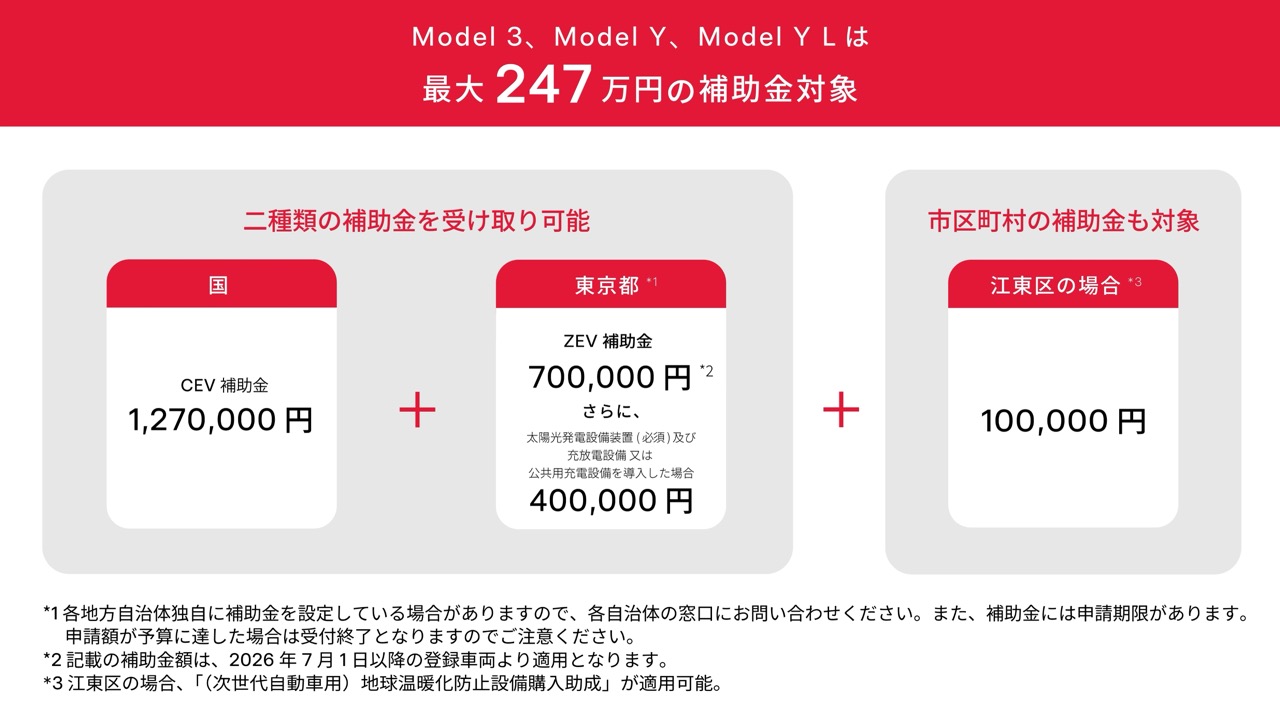
A mix of factors has made it possible for someone to buy a brand new Model Y for a little under $23,000, which is cheaper than anywhere else in the world, including in China where these Model Ys are built. Some of this is subsidies, as Tokyo has become particularly aggressive in terms of incentives for EV buyers, but that’s not the whole story. Plenty of states, cities, and countries offer cash or tax breaks for buying an electric car.


This is another story of currency, though not exactly how you’d think. The Japanese yen has weakened relative to the dollar and relative to the Chinese yuan. Normally, that would mean a car might be more expensive to buy. What’s going on here?
Tokyo Wants More Electric Cars

One of the secondary tragedies of the massive nuclear disaster following the Tōhoku earthquake and tsunami was that it slowed the development of electric cars in Japan. Levi Tillemann contends in his book “The Great Race” that the association between EVs and nuclear power was so strong that the sudden anxiety around nuclear power led Japanese automakers to shift to focusing on hydrogen cars.
The country’s biggest car companies have haphazardly changed their course and steered back towards electrification, and local governments are doing their part to help. The Tokyo Metropolitan Government is one of the most aggressive, as Nikkei Asia reports:
The Tokyo Metropolitan Government will increase purchase subsidies for electric vehicles to up to 1.3 million yen ($8,130), part of an effort to encourage more Japanese consumers to buy the environmentally friendly autos.
Subsidies for EVs and plug-in hybrid vehicles will be increased by 300,000 yen, with a cap of 1.3 million yen for EVs and 1.15 million yen for hybrids. Both individuals and businesses are eligible, and there is no limit on the number of vehicles that can be purchased.
According to that article, Japanese automakers Toyota, Nissan, and Honda qualify for the largest subsidies, but the Chinese-built Tesla Model Y comes close. Even before the subsidies, the base Model Y RWD Premium only costs around $34,000. After subsidies, it’s chump change. Per Bloomberg:
Tesla lists the Model Y as costing ¥5.6 million in Japan. But a buyer living in Tokyo can get it from ¥3.6 million ($22,889) thanks to a maximum of around ¥2 million in national and city subsidies. With those benefits, a Model 3 can go for as little as ¥3.3 million.
The Tokyo prices undercut those in notoriously competitive China, where a Model Y starts at around 263,500 yuan ($39,344). In California, where the state offers as much as $3,500 in incentives for first-time EV buyers, the SUV still costs more than $36,000.
Given the recent weakness of the yen, how is Tesla getting away with this?
Currency Rules Everything Around Me, Part 914
I often say that currency is the most important factor in the automotive world we rarely ever talk about and that’s true here. However, the usual cause and effect of producing an item in one place at one price and selling it somewhere else isn’t quite operating as expected in this case.
The yen has weakened relative to both the US dollar and the Chinese yuan over the last few years, which is good for tourists but not necessarily great for importers. Most exporters try to make something cheaply in one country and sell it in another country with a stronger currency, and not the other way around. Removing any efficiencies Tesla might have found in producing the Model Y, in theory, a Chinese-built Model Y should cost more to sell in Japan than it did a few years ago.
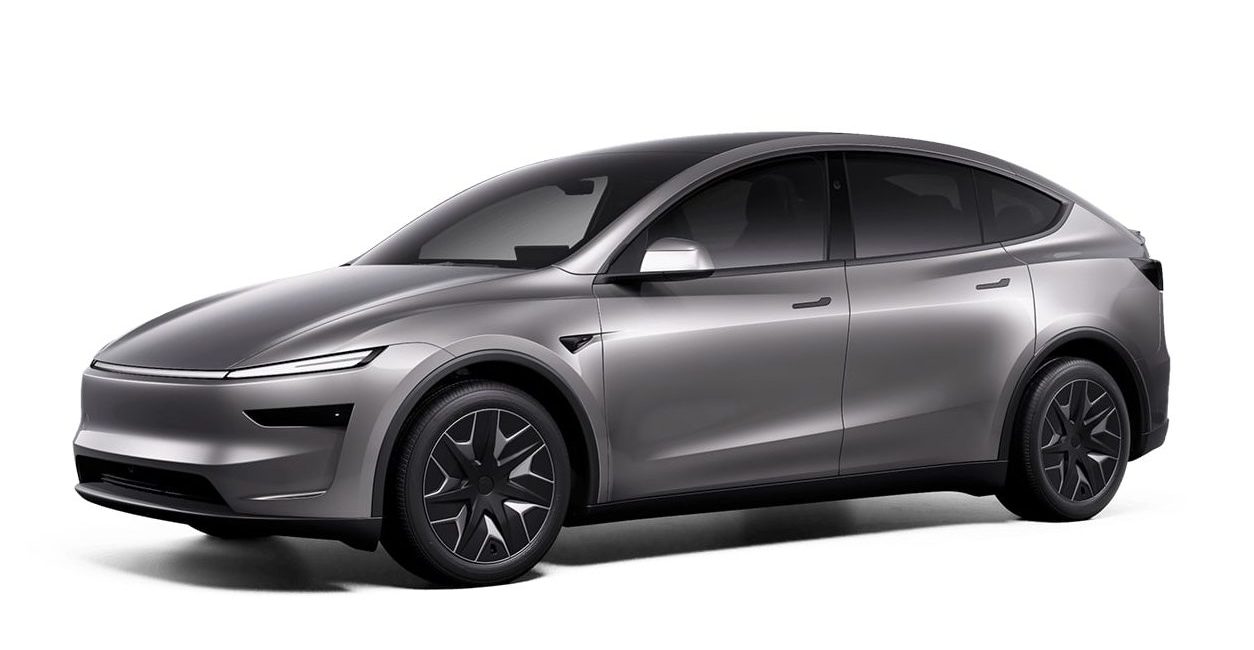
Most cars in most markets are sold by dealers, and when currency (or tariffs or whatever) impact cost, this is usually offset by either increasing or decreasing incentive spending depending on whether or not it’s a favorable or unfavorable change. Tesla doesn’t have dealers and can therefore change prices overnight, as it sometimes does.
The company hasn’t been actively swapping prices in Japan, so even if the average consumer has seen their buying power drop alongside the yen, it appears to someone in a country with a stronger currency like the car is a lot cheaper. When measuring the yen price and converting it to dollars, after subsidies, the Model Y seems suddenly insanely inexpensive.
Why has Tesla let this continue? The Model Y, even in refreshed form, is still an older car, and presumably the company is able to make it at a relatively inexpensive price. Tesla seems to be targeting Japan thanks to its nearby production capacity and generous subsidies. With companies like Mercedes and BMW on their heels in the country, the EV-only automaker sees an opening to steal some market share.
The plan is clearly working. Through the first half of the year, Tesla has sold roughly 12,000 cars in Japan, compared to just 10,000 for all of 2025. Japanese consumers bought 4,000 Model Ys in June alone.
So some of this is subsidies, some of this is Tesla pressing its advantage, and some of this is just a quirk of the way currency works.
Top graphic images: Tesla; DepositPhotos.com


Was wondering if there was also a provision in the taxing regimes for these cars… and it sounds like they are low-tax until at least 2028 when both Shaken and Jidōsha-zei when both are set to be reworked.
Not exactly kei-car low tax, but lower than similarly-sized ICE vehicles with typical engine displacement sizes (for the JDM).
“the association between EVs and nuclear power was so strong that the sudden anxiety around nuclear power led Japanese automakers to shift to focusing on hydrogen cars.”
Oh obviously when fears of nuclear proliferation arise, you pivot to hydrogen. J. Robert Oppenheimer would not have approved.
Goood joke.