

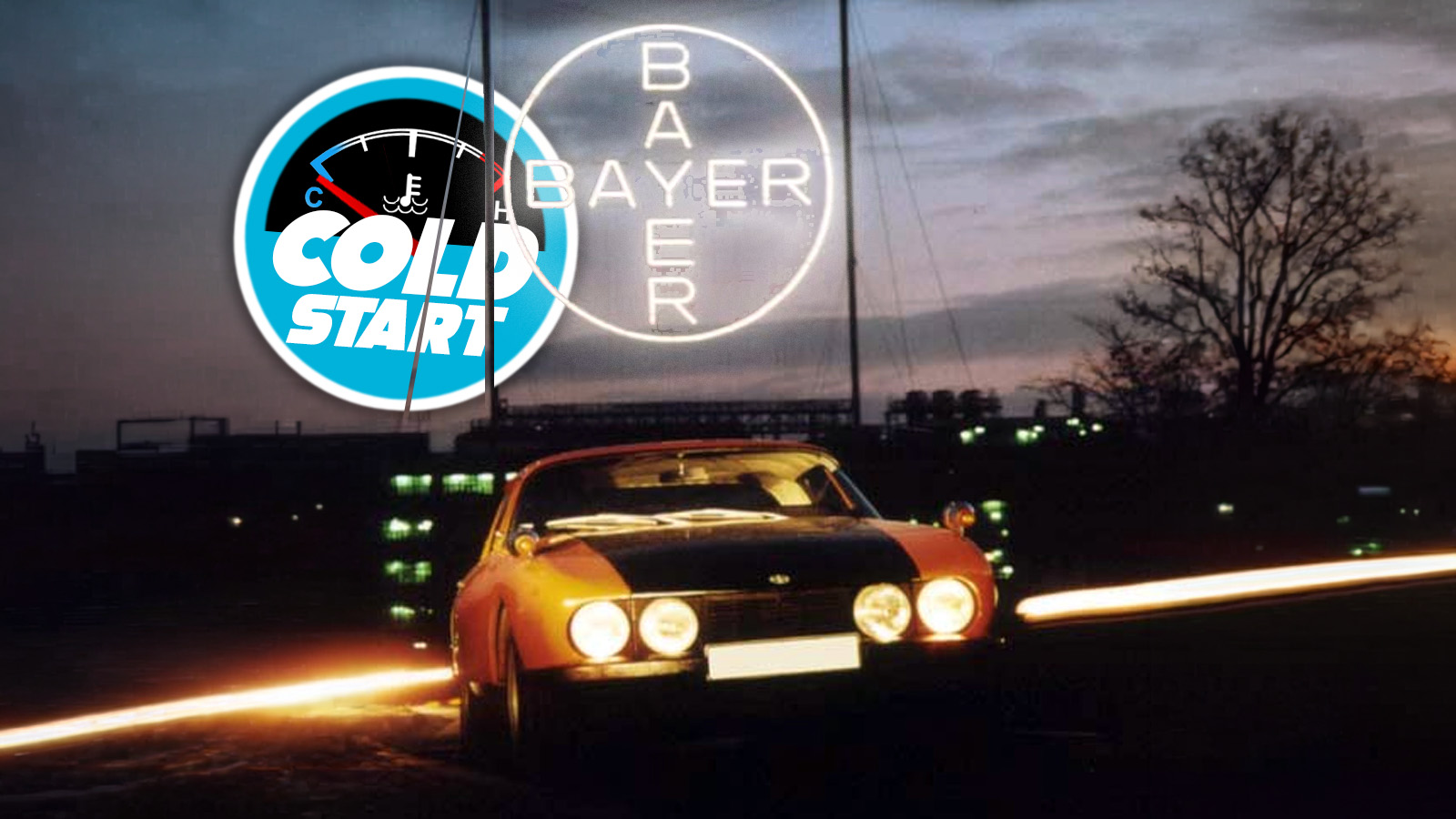
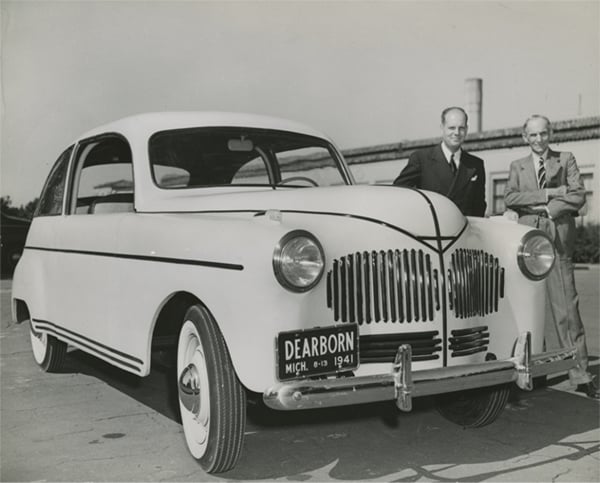
Quick, what was the first all-plastic car ever made? Ford’s 1941 soybean-plastic car? The original fiberglass Corvette from 1953? Both of those are sort of accurate, but if we’re talking about a totally plastic car – as in plastic chassis, not just body panels – then we need to look somewhere else. Somewhere unexpected, like your medicine cabinet. That’s because the company that made the first truly all-plastic car was Bayer, whom most of us know best as makers of delicious, crunchy aspirin.
Bayer wasn’t just a pharmaceutical company; the greater Bayer AG organization had its chemical-stained fingers in many other pies, including the invention of polycarbonate plastics in 1953, and that leads to what I want to tell you about now, how in 1967 Bayer subsidiary Covestro built the K 67, that first all-plastic car.


The car was made for the annual K show (for Kunststoffe, the word for plastics) in Düsseldorf, Germany – a sort of plastics trade show that has been going on since 1953 and continues today. The Bayer K 67 wasn’t just some trade show stunt – this was a genuine engineering and materials science milestone, and influenced the use of plastics in cars to this day.
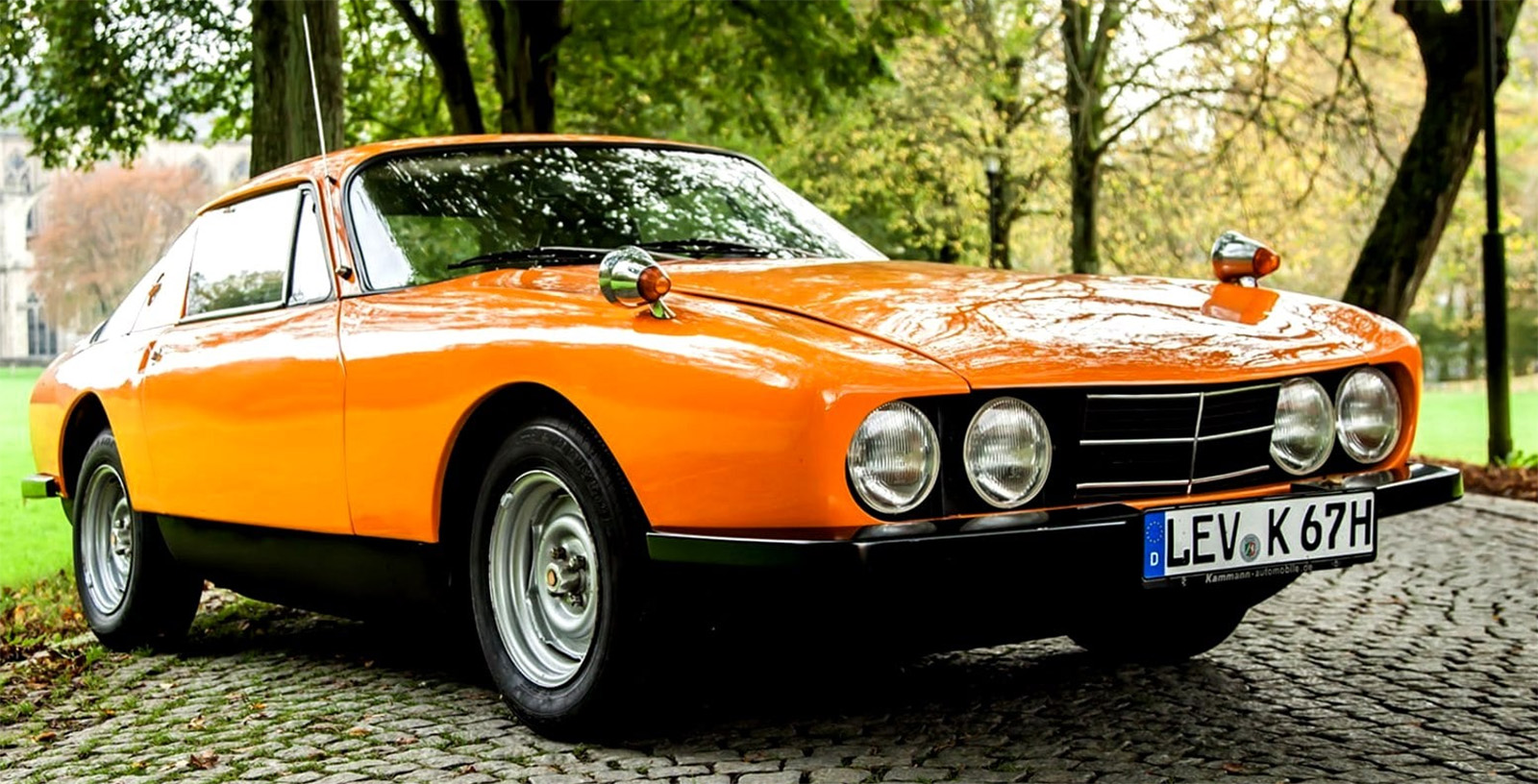
It also didn’t hurt that the thing looked pretty great; it was designed by influential industrial designer Hans Gugelot, known for furniture designs and consumer electronics like stereos and shavers for companies like Braun. The body was a sleek fastback with good proportions, and in at least one aspect, predicted a design detail we see on many cars to this day. Look it this:
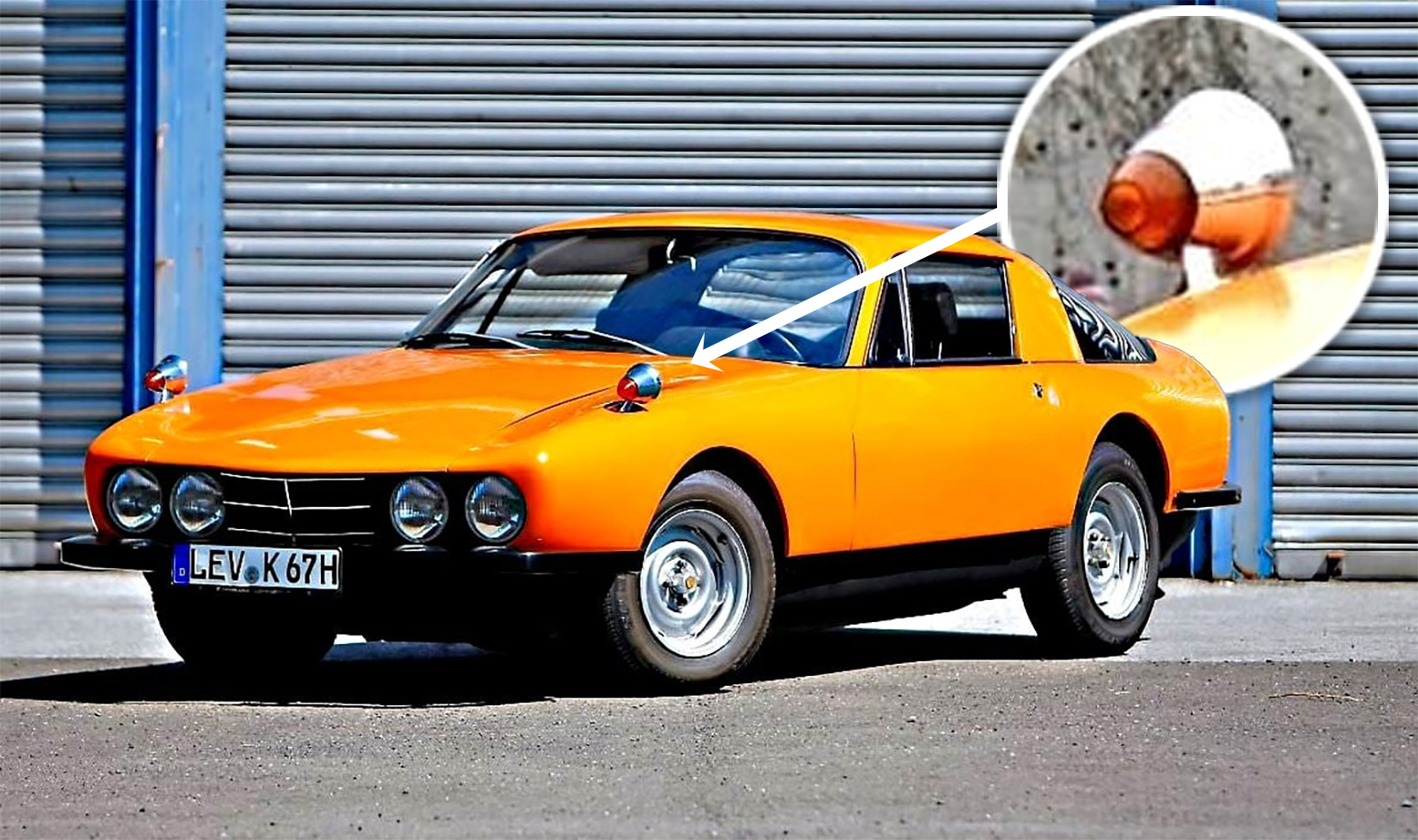
See how those conical turn signal lenses are integrated into the side-view, wing-mounted mirrors? So many modern cars have indicator repeaters on their mirrors now, and I think this may have been the first application of a combined indicator/mirror. What I like especially is that I think this was just an adaptation of an existing, off-the-shelf mirror design and turn signal lens design, which just makes it cooler.
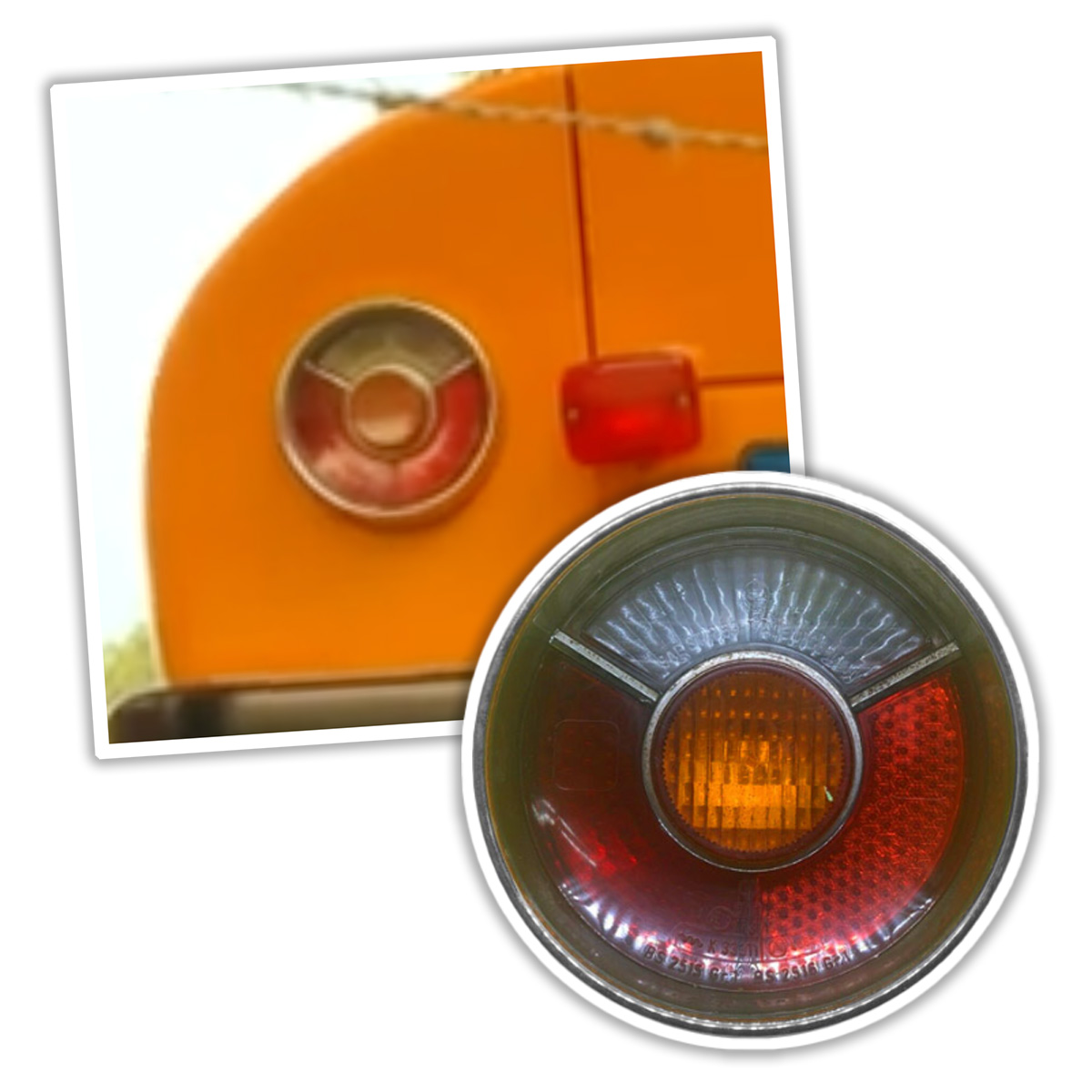
Around back there are distinctive taillights that hint at what’s under the hood: those are BMW 1600/2002 taillights, and the drivetrain is from the BMW 1600i/2000 CS, the 2-liter inline-four. The plastic car weighed only about 1873 pounds, so it was actually fairly quick (8.5% faster, it seems) compared to its donor car.
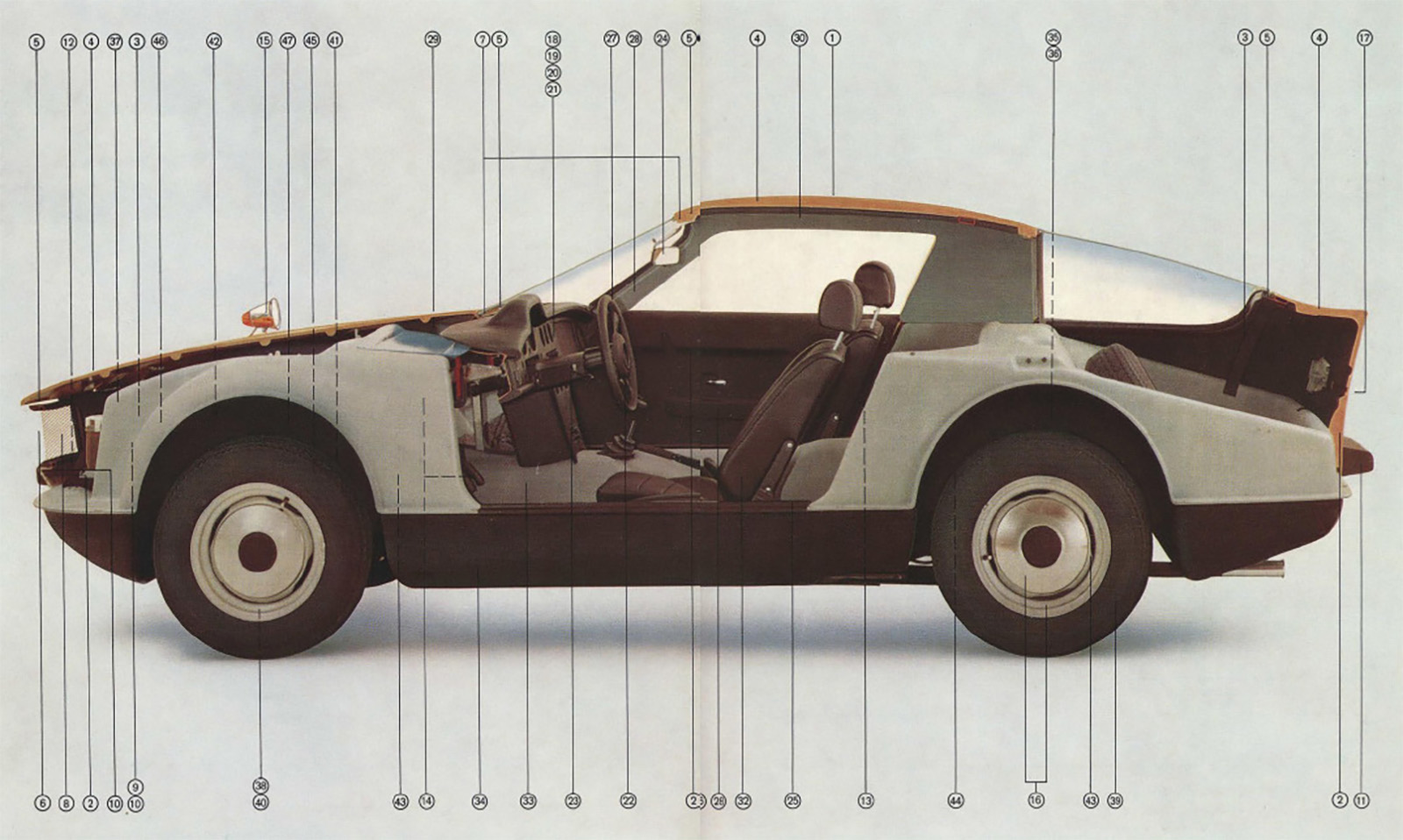
What really set the K 67 apart was its chassis, though, a plastic sandwich of glass-reinforced plastic bread and a hard foam meat. This plastic chassis proved quite rigid and strong, and absorbed all of the stresses of torsion and shock while driving with aplomb. It’s interesting to see how much more material is used in a plastic chassis, and how the chassis also forms many of the compartments of the body, like the trunk tub.
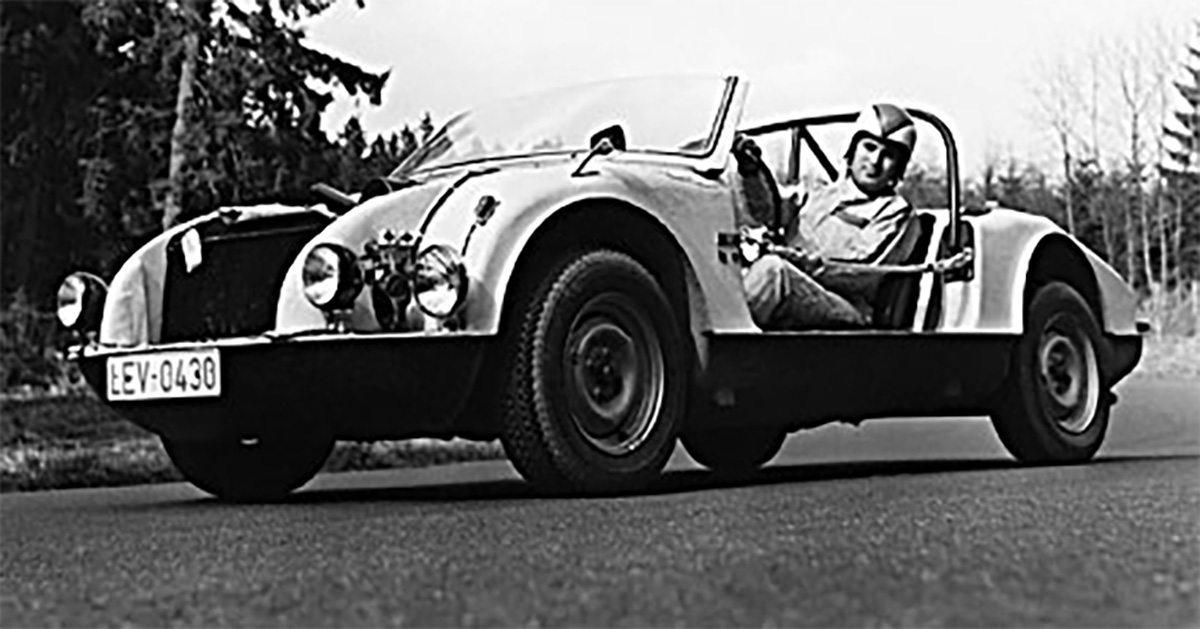
The test mules were pretty much just that chassis without the body, and it looks surprisingly good, considering the total lack of any outer skin.
Modern cars use plastics and polycarbonate parts extensively, which makes the relative obscurity of this Bayer-built concept a bit surprising. The K 67 was a genuine pathfinder in the world of automotive materials tech, and yet it feels like it’s hardly discussed! That’s a shame.
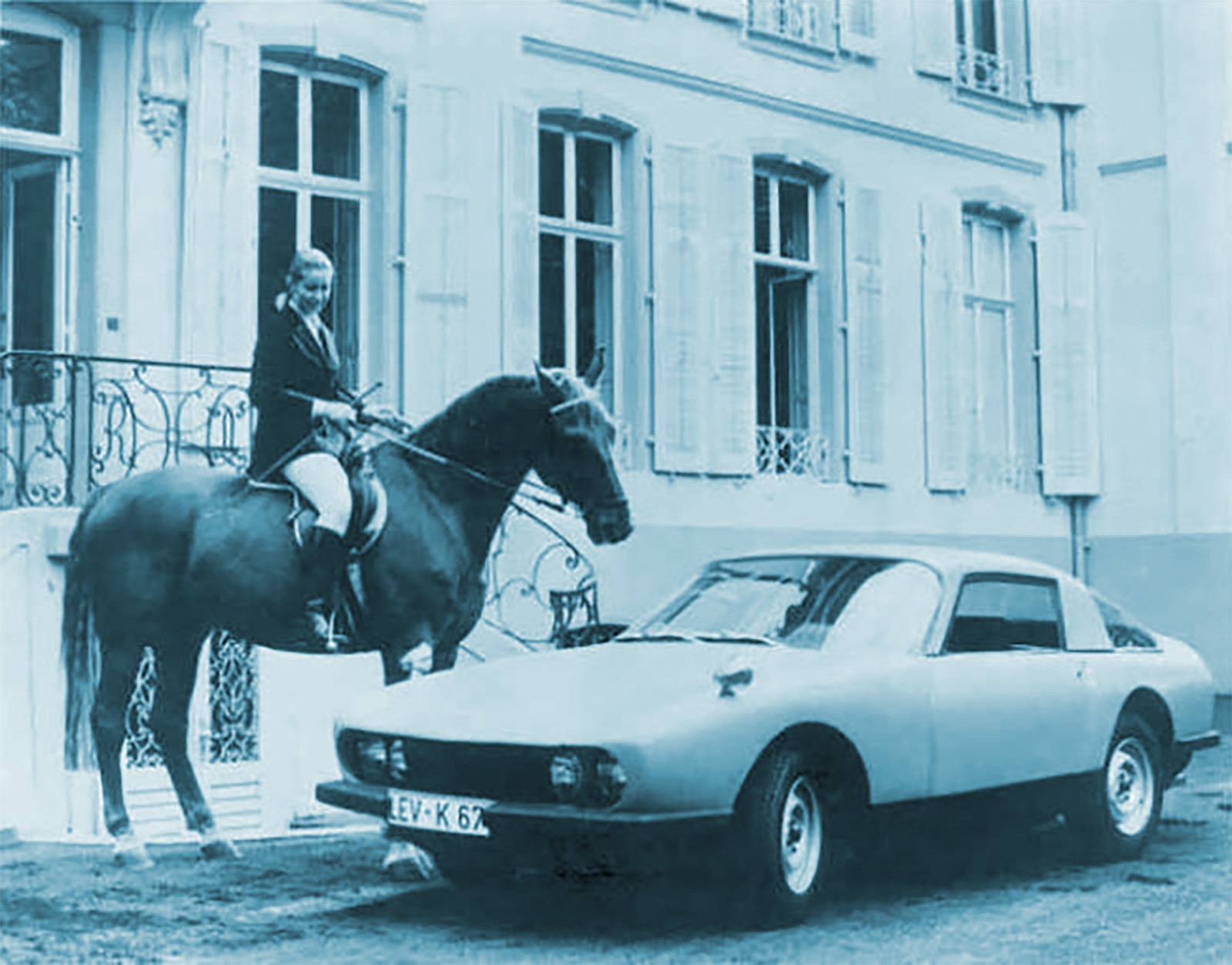
Also, if you were concerned that such a car would have issues co-existing near horses, I hope this publicity photo puts your mind at ease.
(top image: Bayer)


I love it. It looks like a tiny Bristol, but in a good way, y’know?
Besides interesting construction materials, it really is a fetchingly styled car. It’s too bad there isn’t a K 26 available these days.
Berkeley Sports SA322: 1956, even earlier than the Lotus. https://en.wikipedia.org/wiki/Berkeley_Cars#Sports_(SA322)
Don’t forget the BMW M10 engine could be tuned for up to 1500 horsepower, so if 8.5% faster wasn’t enough, there was always that. Probably not a good idea in an all plastic car.
This reminds me of the Marbon Chemicals Cycolac Research Vehicle (CRV) AKA the AMT Piranha.
I love how companies that have a new material decide to build a car out of it as a demonstration project.
The horses here will attempt to eat any car left in the pasture with them.
I remember a goat taking a bite out of a corvette once.