

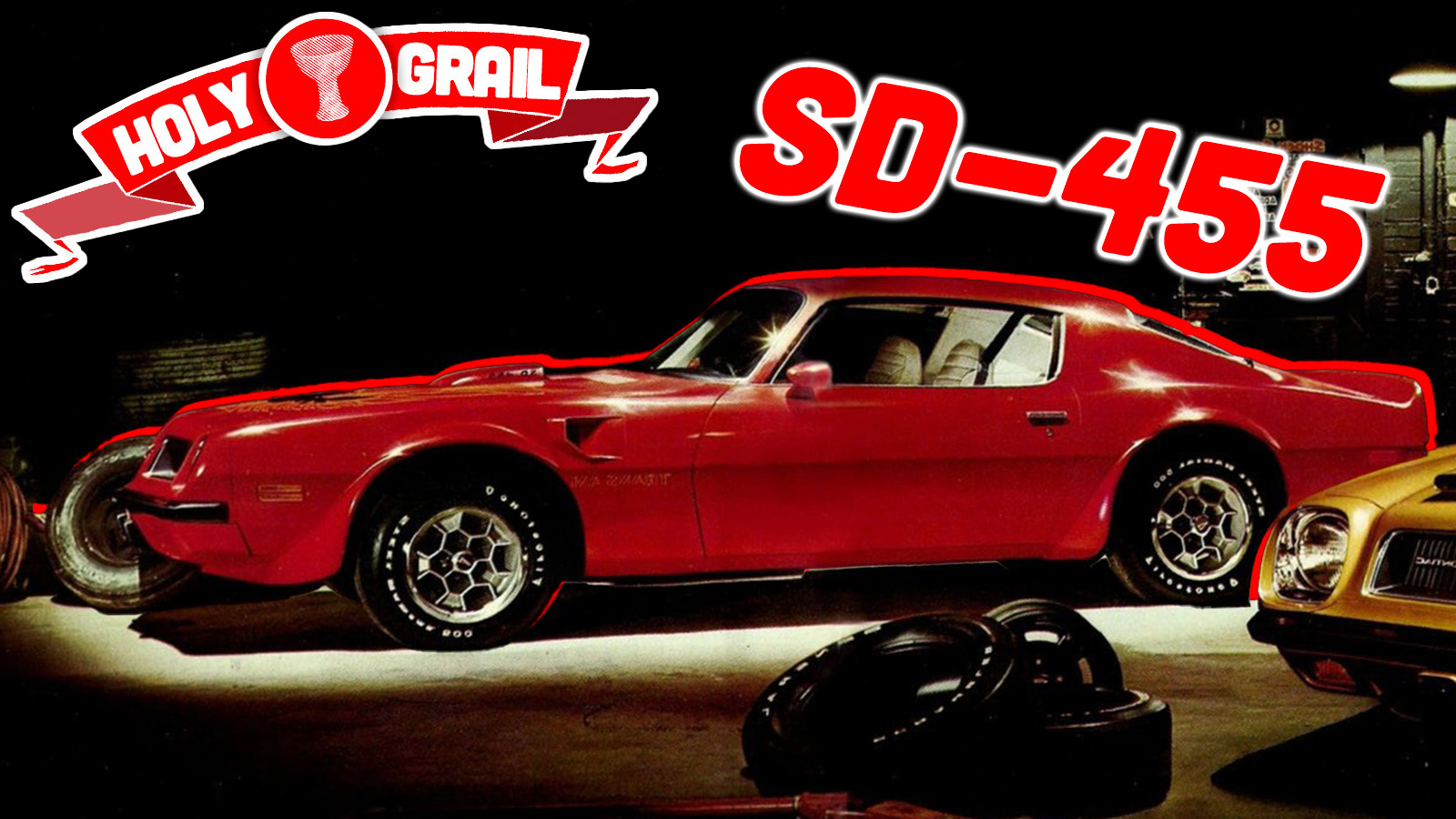
So many storylines in automotive history can trace their origins to one series of events. The 1970s changed America’s automotive industry forever. In that decade, America started taking vehicle safety and emissions very seriously, while at the same time, multiple oil crises and general economic unease caused the entire auto industry to reset itself. Muscle cars, with their huge engines, insane insurance rates, and loads of power, became shadows of their former selves. That is, except for one car. Pontiac didn’t give up the fight, and for just 1973 and 1974, it produced the Pontiac Firebird SD-455, a big V8 Firebird that turned out muscle car power and performance while still complying with emissions rules.
Some publications break America’s muscle cars up into eras. Cars like the 1949 Oldsmobile Rocket 88 and the 1955 Chrysler C-300 are often considered pioneers of the muscle car, while the 1964 Pontiac Tempest LeMans with the GTO option package is usually regarded as the car that kicked off the first “muscle car” era. The madness would peak in 1970 with rides like the 450-gross horsepower Chevrolet Chevelle SS 454 and the 425-horsepower 1971 Plymouth Hemi ‘Cuda.


It wasn’t one single apocalyptic event that killed the first muscle car era, but several smaller cataclysms. In 1971, automakers began reducing compression ratios in an effort to get their engines to reduce nitrogen oxide levels and to prepare for the transition away from leaded gasoline. That year, another change was happening. For decades, automakers quoted Society of Automotive Engineers (SAE) gross horsepower numbers for their engines. A gross output came from an engine sitting on a test stand without any accessories, air filter, exhaust system, or transmission connected to it.
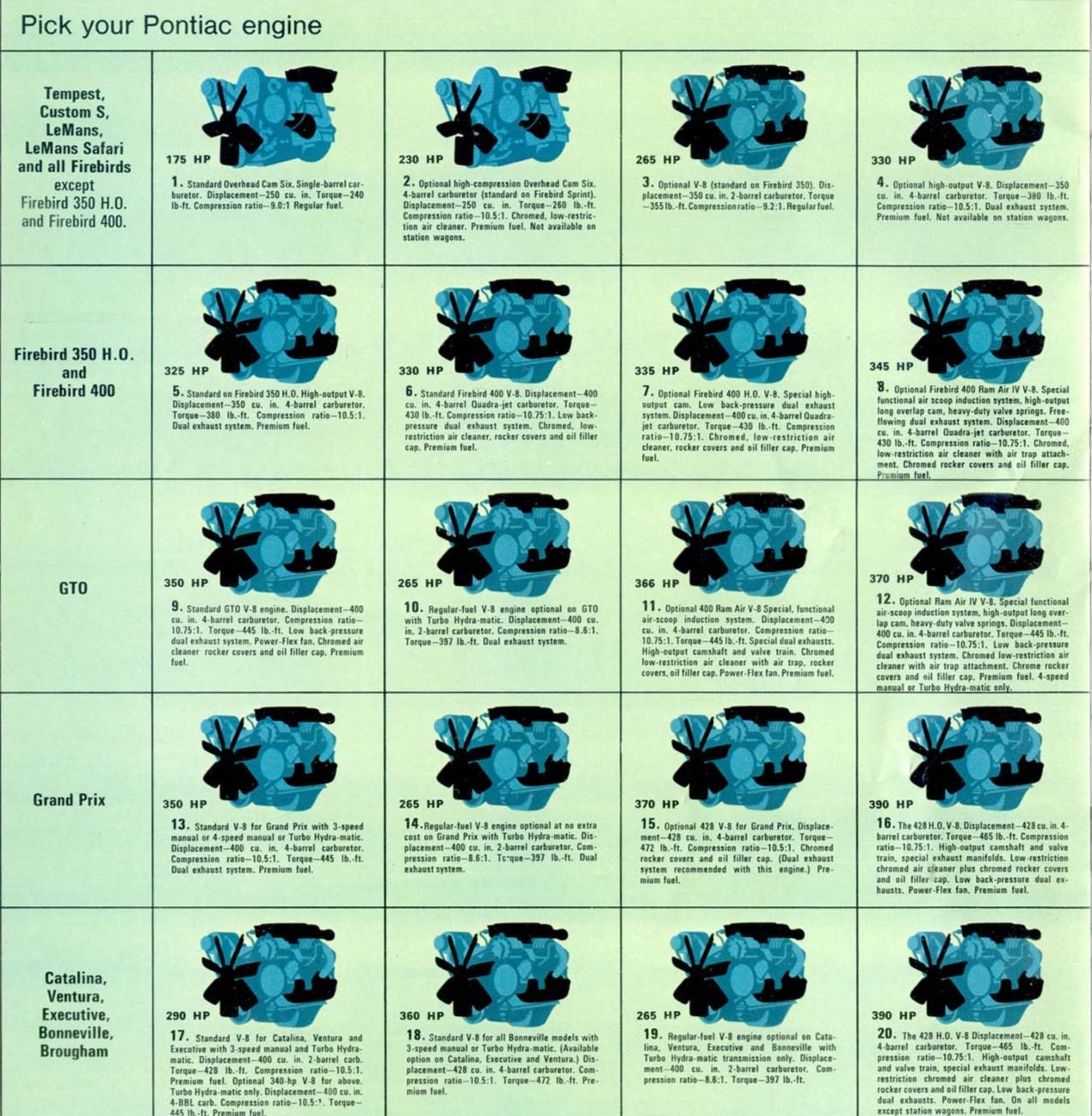
In 1971, Chrysler and General Motors began advertising two power numbers for their cars. SAE net horsepower showed what the engine put out when it was installed in a car and hooked up to everything. By 1972, SAE net was the industry standard. If you were an enthusiast, it might have seemed like your favorite car lost a whole heaping of horsepower overnight. The Hemi that powered the ‘Cuda? Its net rating was a milder 350 horsepower. The Chevrolet Corvette’s LT-1 V8 made 370 HP gross in 1970. In 1971, GM moved to net ratings while also lowering compression, bringing the Corvette’s optional mill down to a less exciting-sounding 255 HP. If this were the stock market, there would be a panic.
Despite everything, Pontiac was able to keep the good times rolling for at least two more years. Between 1973 and 1974, it built just 1,296 of its Firebird Trans-Am and Formula SD-455 coupes. While these cars might not have had the most impressive spec sheets, enthusiasts who got to drive them fell in love, anyway.

The Second-Generation Of An American Icon
The SD-455 was built on the second generation of the Firebird. Launched in February 1970, Pontiac’s F-body coupe was sold as the standard Firebird, the luxury Esprit, the hot Trans Am, and the Formula 400, which was a Trans Am alternative without a dramatic body kit. According to a MotorTrend article from early 1970, Pontiac was more or less trying to make an investment for the future with the Firebird:
In light of the current trepidations in the pony and muscle car fields caused by faltering sales, the rationale behind the new Firebird(s) is interesting. From their marketing research, Pontiac found that the average pony car buyer tended to be a young, single male, with the “pony” being his first new car. Less than half would buy another, but most would stay loyal to the manufacturer. Aha! Today’s Firebird owner is tomorrow’s Grand Prix buyer. So that’s what they mean in their “This is the beginning of tomorrow” jingle. At any rate, the many varied versions of the Firebird (in fifteen krazy kolors) reflects the effort to give the prospective pony car buyer all that he or she wants. They figured it all out with computers.
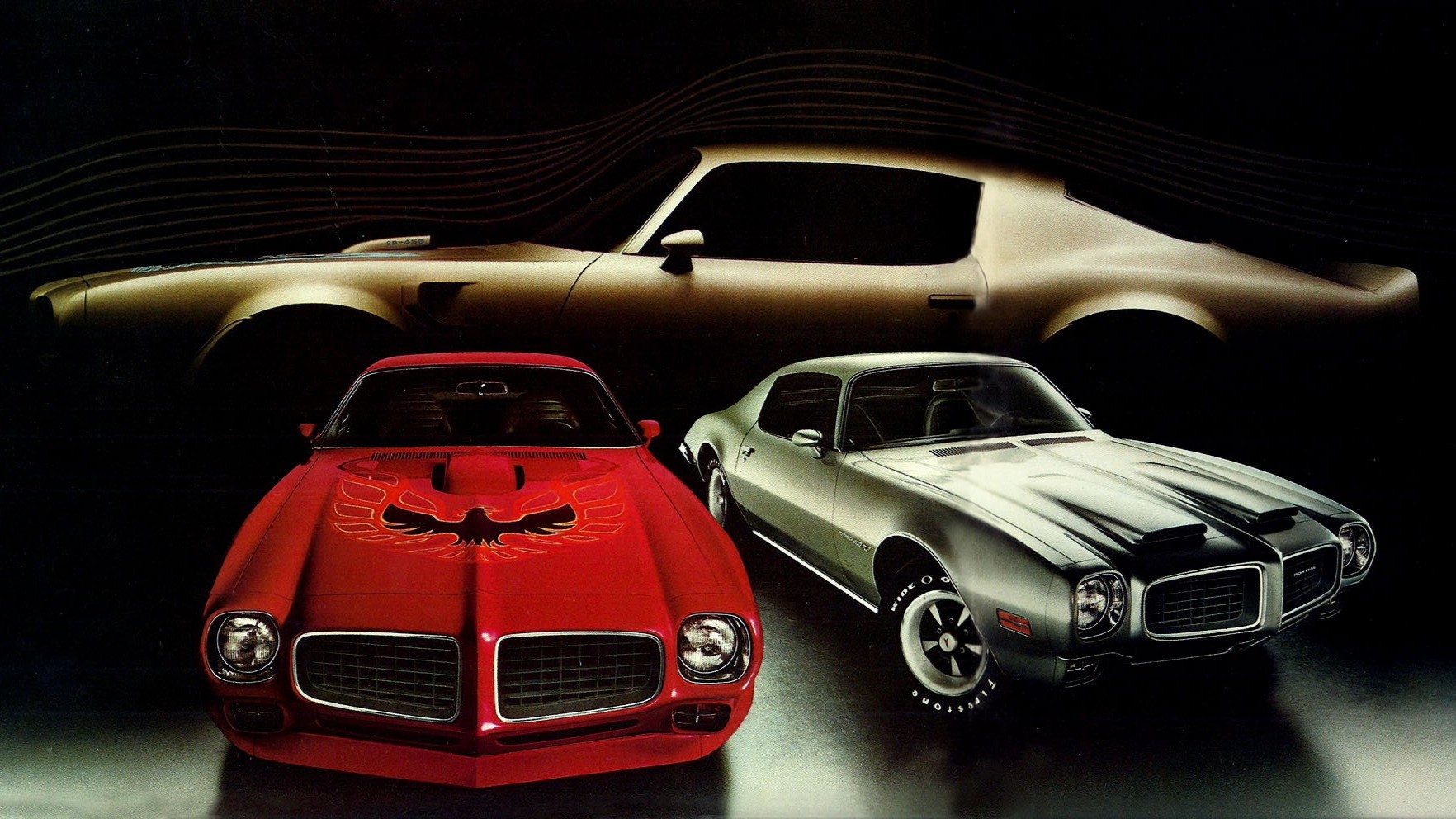
These cars came only as coupes, with a convertible unavailable for the entire generation. As MotorTrend wrote, the new Firebird was a departure from the first-generation, and few parts were shared between the two generations. At launch, the Firebird was available with three engines. The smallest was a 250 cubic-inch straight-six, which had 155 ponies at its disposal. Moving up from there netted you a 350 cubic-inch V8 and its 255 horses fed from a two-barrel carburetor.
The biggest engine available at launch was a 400 cubic-inch V8, which was offered in multiple tunes. The Esprit got the 400 in 265 HP two-barrel form, while the Formula 400 had the V8 making 330 HP in its base tune with a four-barrel carburetor. Optional to the Formula 400 and standard in a Trans Am was the 400 Ram Air III making 345 HP when equipped with a manual transmission. The hottest engine available in 1970 was the 400 with Ram Air IV, which made 370 HP with a manual transmission. These numbers are in gross horsepower, and engines paired with automatic transmissions had weaker outputs.

MotorTrend continues with the Firebird’s build:
The car is perched on a 108-inch wheelbase and spans a total length of 192.3 inches, up 1.2 inches from ’69. The front tread, at 61.6 inches, has also gained an inch, but the maximum width has been shaved a half-inch to 73.4. The hood has been lengthened, the deck shortened, the wipers and radio antenna hidden, and the side quarter windows and two headlights eliminated. The package is long, lean and clean. Using the firewall as datum and comparing the new ‘Bird to last year’s, the front and rear wheels have been moved ahead three inches. Effectively, the body was moved back on the chassis. The engine couldn’t go as far back as the body due to a crossmember in the front frame section, but is about two inches further to the rear, giving an additional inch ahead of the firewall. This is just enough to simplify checking the fluid level in the automatic trans.
[…]
The steering knuckles are made of malleable cast iron, and are identical in design to those used on the Cadillac. Independent, coil spring front suspension is used, with 10 percent stiffer springs on the Formula 400 and Trans Am than on the Firebird and Esprit. The higher powered cars also feature stiffer shock absorbers. All have a front stabilizer bar, 1.00-inch in diameter on the Firebird and Esprit, 1.125-inch in diameter on the Formula 400. The bar on the Trans Am is even thicker, 1.250-inch, the biggest one ever used on any Pontiac.
The rear suspension is based on multiple-leaf springs, with rates varying from 90 pounds/inch on the Firebird six to 125 pounds/inch on the Trans Am. These rates may seem fairly soft in light of the handling goals established for the car, but by increasing the driveshaft tunnel height, the engineers were able to allow greater vertical rear axle travel without danger of bottoming out. This results in a much-improved ride. The higher tunnel also separates the rear seats into two semi buckets, making the car strictly a four seater. New this year is the.620-inch diameter rear stabilizer bar, used to reduce roll and increase understeer on the Formula 400. A.875-inch bar is used on the Trans Am. Staggered mounting of the rear shocks, with the right one ahead of the rear axle and the left one behind, has been carried over from the ’69 models. All of this couples on the Trans Am to make it corner flatter than yesterday’s beer.
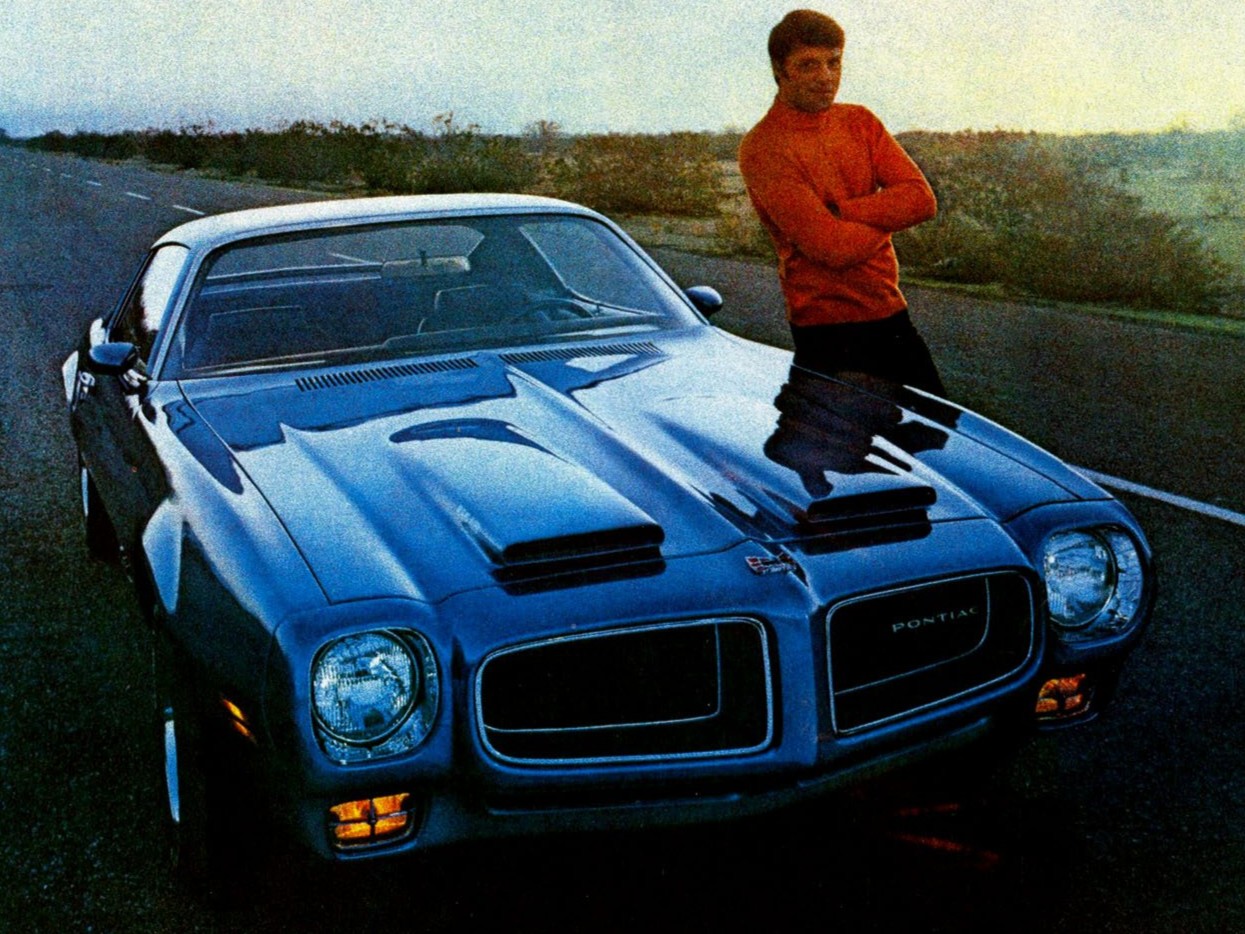
The Pontiac Firebird and its Chevrolet Camaro were well received. The Trans Am in particular remains an icon to this day, in part thanks to a starring role in “Smokey and the Bandit.” There are a handful of Pontiac Firebird “Holy Grails” out there, including the ultra-rare 1969 Trans Am convertible or the 2002 Pontiac Firebird Trans Am WS6. But there’s one more out there, the SD-455, and it involves an engine that traces its roots to racing.
The Pontiac Super Duty Program
As Hagerty writes, in 1956, Semom Emil “Bunkie” Knudsen took the top seat at Pontiac with marching orders to turn the brand around. At the time, Pontiac suffered from an image of being the brand for old guys. Knudsen would take a multi-pronged approach by giving Pontiac’s cars a more youthful appearance while also taking horsepower to the track.
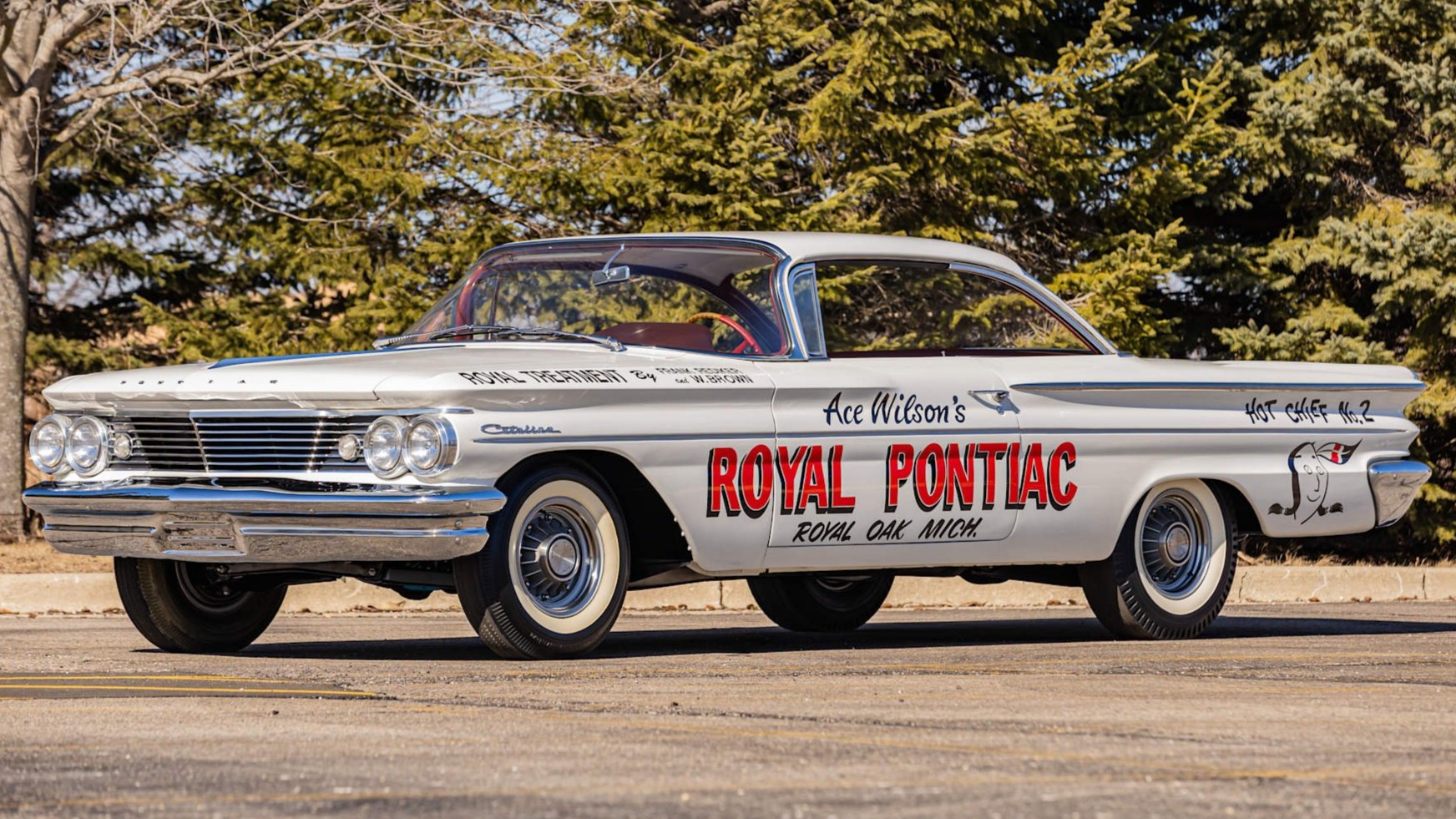
Pontiac’s answer to competition was a program to put high-caliber Pontiacs on NASCAR circuits and NHRA drag racing. Technically, factory-supported racing was banned by the Automobile Manufacturers Association in 1957 after fatal crashes during the 1956 outings of the Indy 500 and the 24 Hours of LeMans. Automakers agreed not to advertise race wins, speeds, or directly support racing teams. But in an act of defiance, Knudsen and engineer John Z. DeLorean supported racing anyway, but in a backdoor, secret manner.
In 1959, Pontiac engineers took the firm’s 389 cubic-inch V8 and ironed out more power, specifically for competition use. The 420-A engine, as it was called then, featured 10.5:1 compression, 1.65:1 rocker arms, a four-bolt main block, a forged crankshaft, heat-treated valve springs, forged rods, a solid-lifter camshaft, high-flow heads, high-flow exhaust manifolds, and three Rochester two-barrel carburetors. The result was 345 HP, a 15-pony bump over the next-hottest 389 for 1959.
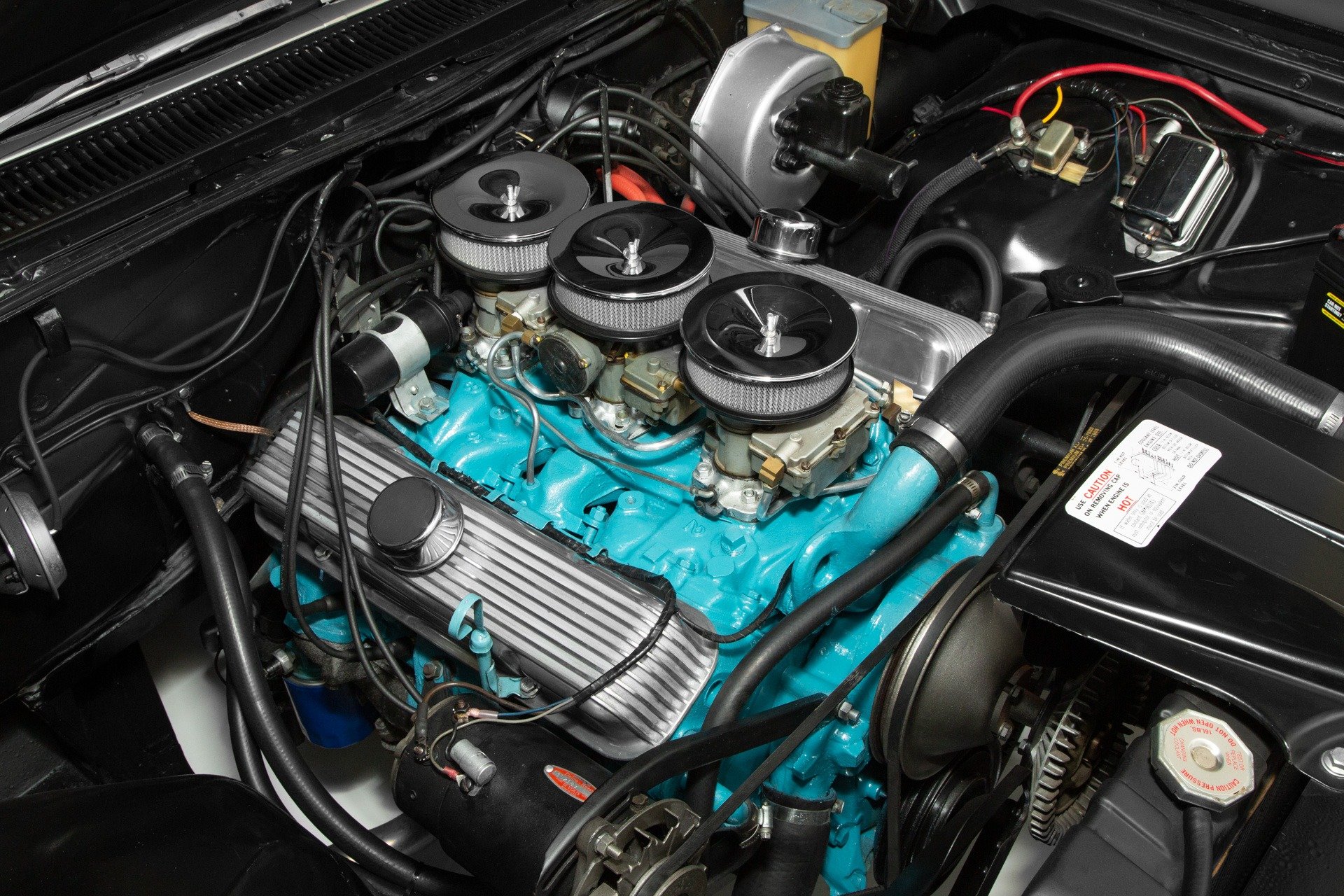
This engine, along with the whole program that created it, would become known as the Super Duty in 1960. Pontiac didn’t exactly advertise it, but racers scooped plenty of them up and used Pontiac Super Duty engines to rack up 30 out of 54 NASCAR Grand National wins by 1961. That was the year that DeLorean also became Pontiac’s chief engineer, and when Super Duty engines were available over-the-counter at dealerships.
Pontiac was rather busy that year, as it also created the even hotter 421 cubic-inch Super Duty V8, which churned out 405 horsepower. As Hot Rod magazine writes, this was also when NASCAR and the NHRA demanded that manufacturers put their go-fast parts into production cars. Pontiac obliged, and for the 1962 model year, the Catalina, which was a popular pick for racers, was available with the 421 Super Duty.
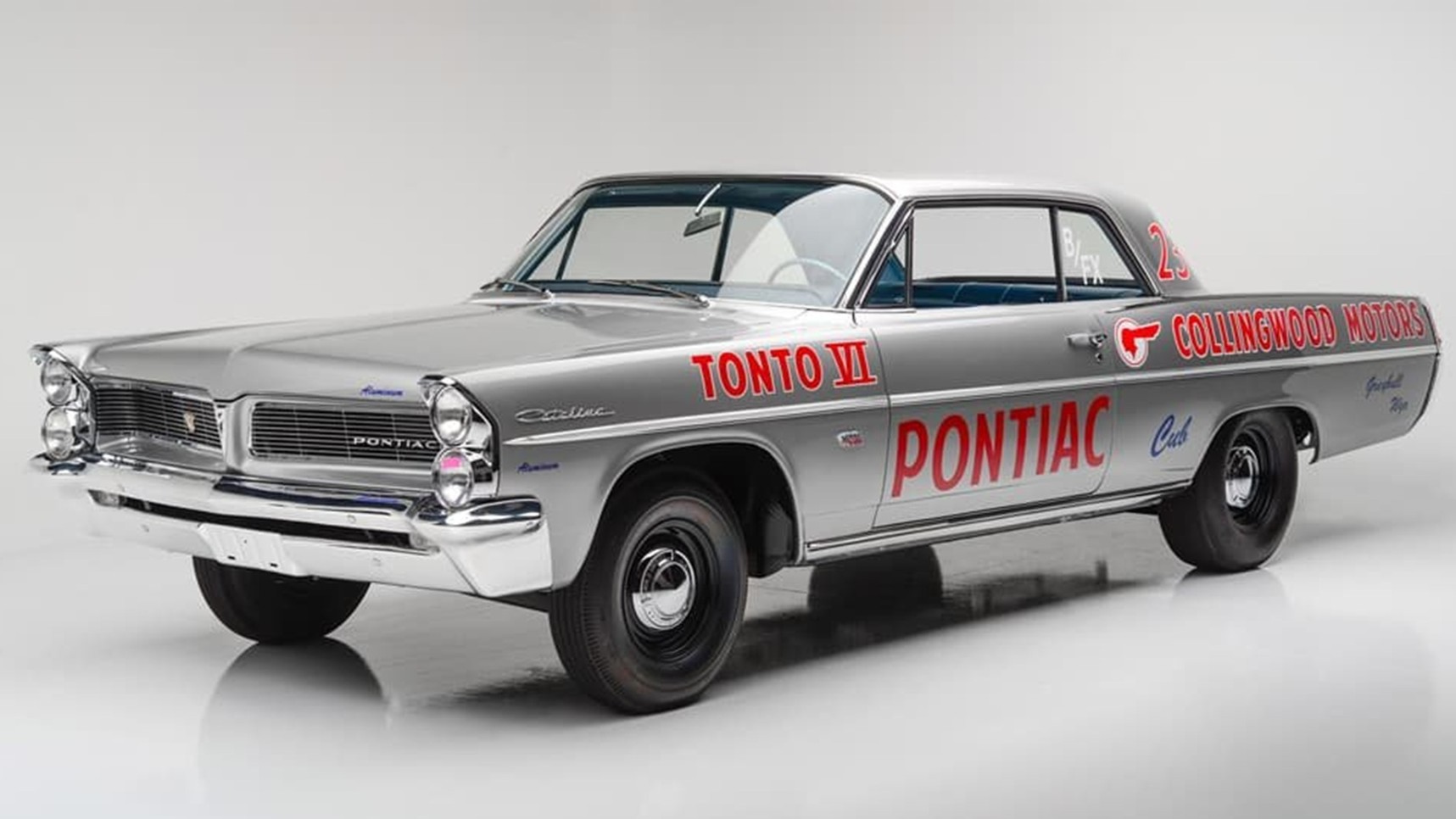
At least 50 Catalinas left the factory as a Super Duty, making it rare by any standard. Hot Rod and Hagerty report that Pontiac underrated these engines, so while they were claimed to have 405 gross horsepower, Super Duty engines actually made closer to 460 gross horsepower. The Tempest and Grand Prix would also see Super Duty options. General Motors put a stop to the Super Duty skunkworks not long after some Tempests had been christened as Super Duty cars.
No Replacement For Displacement
As Hot Rod writes, the Super Duty name would reappear in 1970. Engineers developed the 400 cubic-inch Ram Air Super Duty V8, which was adorned with round-port cylinder heads, a heavy-duty block, a forged crankshaft, and forged rods. This engine was supposed to go into the second-generation Firebird, but it was canceled before the vehicle’s launch, leaving the Ram Air IV as the top engine.
But the Super Duty wouldn’t remain dead for long. GM called for its 1971 model year engines to have a compression ratio of no more than 8.5:1 so they could run on low-lead gasoline. This put engineers into a bit of a pickle; their performance engines could have a ratio of 10:1. Reducing the compression ratio meant reducing power. Honoring the old idea that there’s no replacement for displacement, Pontiac put power back into its top V8 by upping its cubes. The 455 V8 was born, and the next step was to make it even hotter.
Hot Rod got to talk with the engineers behind the SD-455 engine, Pontiac Special Projects Engineer Skip McCully, former Pontiac engineer Michael Hicks, and tuner Nunzi Romano, and got the details of its development. From Hot Rod:
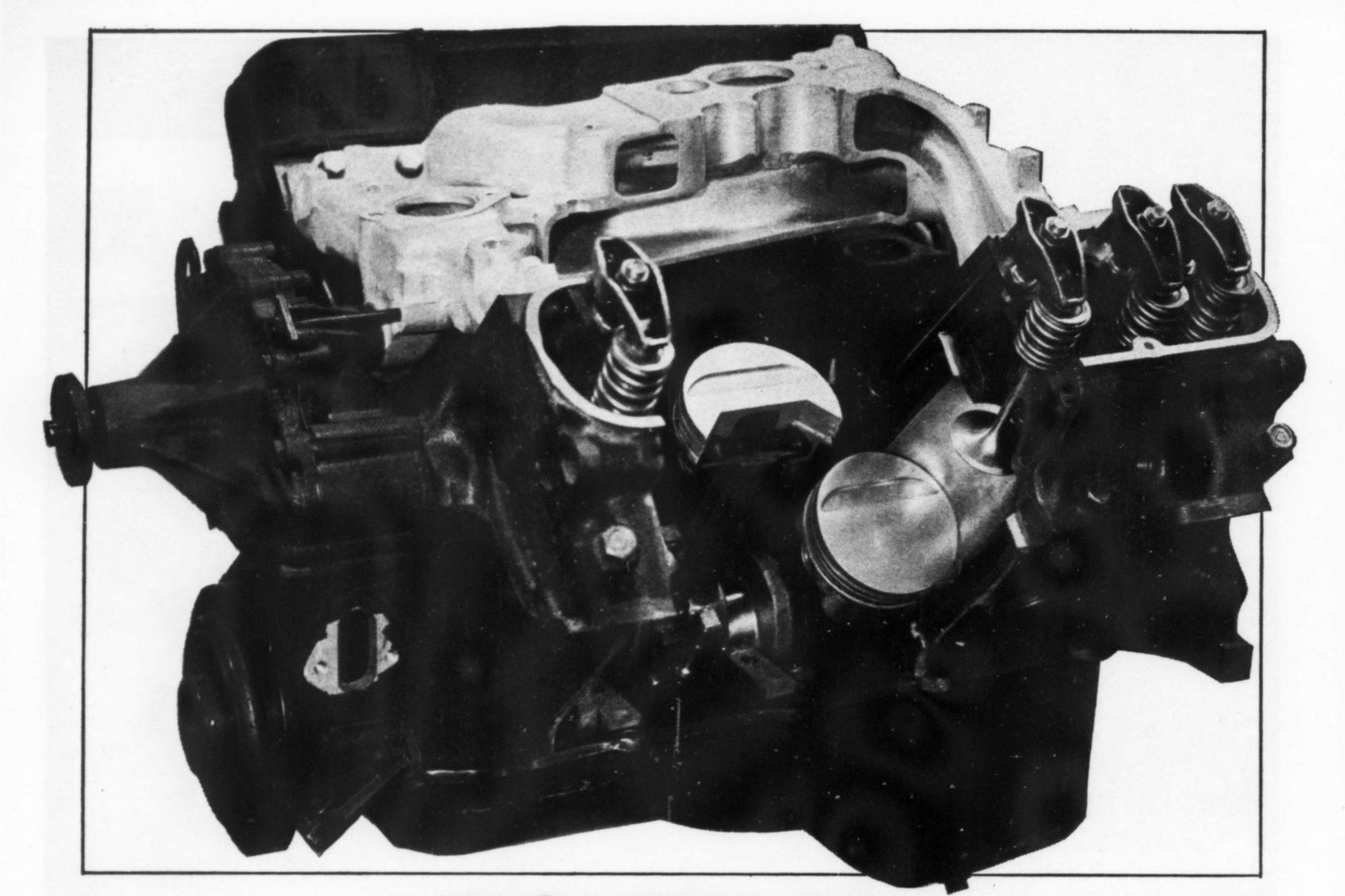
Testing of the Super Duty 455 began in 1970, and it shared many concepts with the Ram Air Super Duty. The four-bolt main block, which was cast at the Pontiac foundry, incorporated several unique features, making it better suited for extreme performance applications than typical production blocks. Its lifter valley received additional cross bracing, and the bulkheads received added material around the main saddles and oil-pan rails for improved rigidity. The rear of the block received a cast-in provision for a dry-sump oiling system driven by the camshaft, while a high-pressure, 80-psi, wet-sump oil pump was used in the oil pan.
Like the Ram Air Super Duty, initial plans for the Super Duty 455 included a forged-steel crankshaft, but it was ultimately rejected because of excessive cost. In its place went a standard-production, nodular-iron, 455 crankshaft. But rather than the typical finishing found on all other production units, Hicks stated the SD-455 crank received deep rolled fillets to increase overall strength and rigidity. Rolled fillets change the compression area of the journal by providing more side area for bearing contact, while the wider radius removes the sharp angle between the rod journal and counterweight, which could act as a parting line under extreme loads. According to Hicks, no additional treatments such as nitriding or shotpeening were ever performed on the SD-455 crank, contrary to what some sources have indicated.
Although cast iron was sufficient for the crankshaft, engineers saw the need for a connecting rod and piston capable of withstanding the most severe abuse. Michigan-based Continental Motors was contracted to produce a forged-steel connecting rod, while piston-specialist TRW provided the forged aluminum pistons. The rods were stock-length, forged-steel units that were heat treated and shotpeened for added strength while being checked magnetically for cracks several times throughout the manufacturing process. Pistons received a single-trough valve relief to boost compression and increase overall crown strength, while thicker piston skirts improved rigidity for high-rpm use. The round-port SD-455 cylinder heads were similar to those found on the R/A-IV and 455 H.O. engines but with revised intake and exhaust ports for even greater flow. Pontiac engineers redesigned the intake port to maintain constant cross-sectional area, and the result was a noticeably wider and taller port just past the intake flange. The pushrod bulge, normally 0.150 inch wide, was reduced so much that the pushrod passage in the head broke into the side wall of the intake port, and a 0.030-inch tube was pressed in to prevent leaks. Intake-port height increased so much the valve cover and rocker stud holes both broke into the port roof.
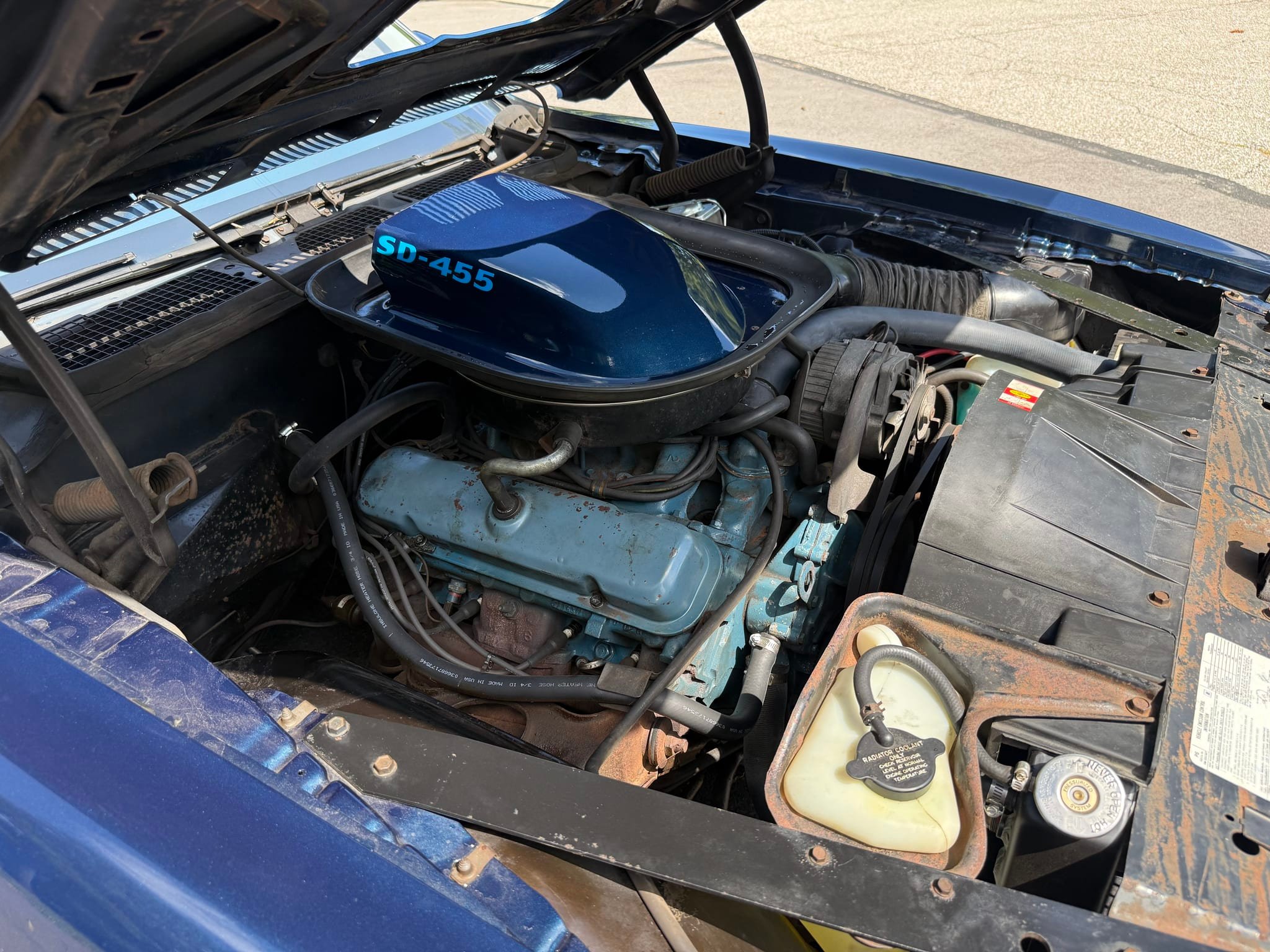
Skip McCully was in charge of making the power reliable. In his work, the SD-455 was dyno-tested to find the optimal fuel metering and ignition timing combination for maximum power. To ensure the engine didn’t blow up from detonation caused by poor-quality fuel or the use of incorrect octane, timing was then backed off by one percent off peak power.
The SD-455 engine was initially rated at 310 HP and fitted to Firebird test cars. Pontiac formally announced the SD-455 to the press in the summer of 1972. By this time, the flame of the muscle car had already been quickly dimming. Yet, the press and public’s response to the Super Duty cars was so strong that Pontiac decided to go through with it, anyway. Reportedly, some 600 pre-orders were placed for a Super Duty car.
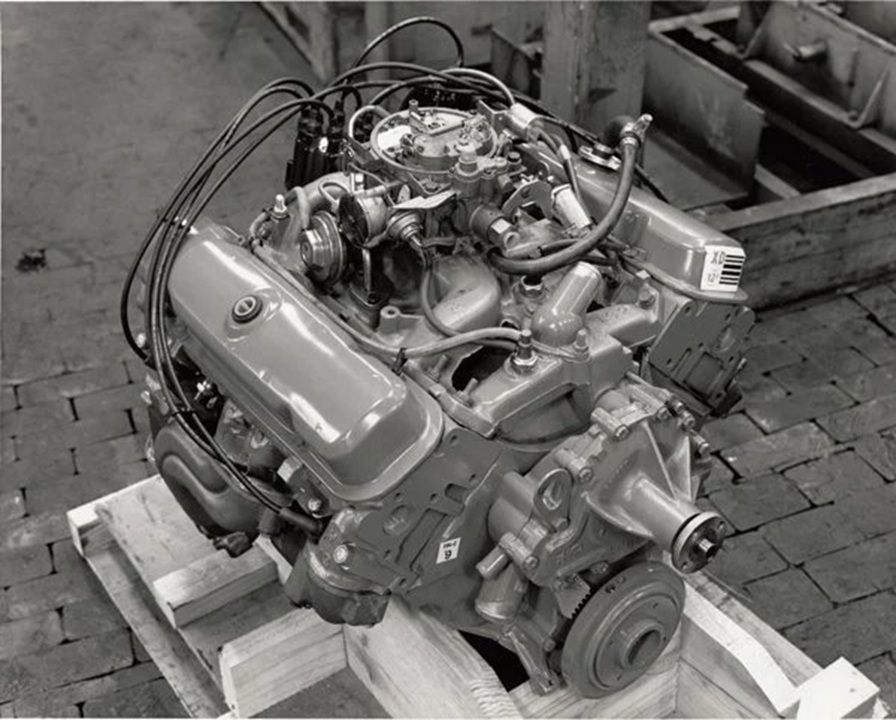
The test Trans Am reportedly drove across the country to an Arizona proving ground, where it ran a 13-second quarter mile before getting emissions-tested. The engine passed the test by exceeding standards. However, since every engine can be slightly different, it’s possible that there could be an example that falls below standards. To ensure that didn’t happen, emissions engineers had to bake in a safety margin so that every engine would be compliant. Hot Rod continues:
To adhere to this margin, a camshaft with less duration and overlap was used. In place of the 041-style camshaft with 308/320 degrees of advertised duration, 0.470 inch net valve lift, and 87 degrees of valve overlap went a cam with valve timing identical to the 744 grind. Best known for its use in R/A III manual transmission applications, the 744 cam offered 301/313 degrees of advertised duration, 0.407 inch net valve lift, and 76 degrees of valve overlap. With less aggressive valve timing, power output was affected slightly–but not all negatively. Horsepower dropped from 310 with the 308/320 grind to 290 with the 301/313 cam, but torque increased from 390 lb-ft to 395 lb-ft, respectively.
[…]
Once the SD-455 was certified with the new cam, it was ready for production. But just when it appeared the car might finally hit the streets, it was further delayed by a recertification mandate affecting every Pontiac engine when the EPA found that part-throttle emissions were noncompliant. In March 1973, a running change was made, eliminating the timed solenoid that gave full vacuum advance and disabled the EGR valve in high gear after a specified amount of time. Only after this was corrected and the SD-455 recertified was the engine finally released for production in approximately late April 1973.

The changes between the SD-455 test cars, which were destroyed, and the production cars explain why you will find two different horsepower numbers for the SD-455 in articles and brochures. The brochures say 310 HP because they were printed before the engine was finalized. But the real output for SD-455 production units is 290 HP.
Likewise, brochures say that the Super Duty 455 was available in the Firebird, Grand Am, Grand Prix, and LeMans. However, the cost to recertify the engine twice for the Firebird alone was so much that it no longer made sense to recertify the engine for other models as well. As a result, the SD-455 was sold only in the Firebird and only in Formula and Trans Am trim levels.
The SD-455 Was Seriously Quick

In 1973, after years of development and headaches with government red tape, the Pontiac Firebird SD-455 went on sale. How was it? Car and Driver said that its Pontiac Firebird Trans Am SD-455 test car was the fastest Firebird in history. From their review:
You must reach a plateau of concentration where the machinery is even swifter. Go all the way back to 1968. Think of the Street Hemis, the L88s, the Boss 429s. When that era of unconcerned euphoria is locked in, sit back and get yourself comfortable to savor this progression of “performance” as determined in 1320 feet. Relish it as you would a Cuban cigar. And no fair looking ahead to the specifications page. We’ve checked with our lawyers, and they say it’s okay to tell you . . . if you can keep a secret.
On the seventh of February, 1973, our test Firebird Trans Am SD-455 swept through the quarter-mile at Orange County International Raceway in Irvine, California in an elapsed time of 13.751 seconds and at a terminal speed of 103.56 mph. That is fast. That, in fact, is outrageously fast even within a five-year-old frame of reference. And it was done in a street legal car—a 1973 street legal car—with a full tank of gas (3854 lb. curb weight), street tires and, wait for it . . . automatic transmission.
There was no cheering throng in the shut-off area, not a single pat on the hoodscoop for the over-achiever 1973 Trans Am. There should have been. The event was easily on a par with Don Garlits’ recent five-second runs in a fuel-burning dragster. It proves that once again, blindingly fast acceleration can be yours right off the assembly line. The secret password is SD-455. Simply check that option code on the order blank, and your Firebird will bristle with under-hood muscle. That is a rare quality these days, especially in a car which has the one-dimensional appearance of a Super Car, but which less ostentatiously has incorporated the subtle improvements that have traditionally sold high performance sport cars.

Car and Driver said that, according to its data, an SD-455-equipped Firebird could outrun Corvette 454s, Porsche 911s, De Tomaso Panteras, and Jaguar V-12s by nearly a second in the quarter-mile. In other words, it was a muscle car in an era that had otherwise left muscle cars behind. Yet, because of the great teamwork between engineers at GM, it still complied with emissions regulations.
A part of the magic appears to be the fact that, like the early Super Duty, Pontiac underrated the SD-455. In a modern dyno test, an SD-455 running on a stand achieved 396 HP and 477 lb-ft of torque.
In 1973, a Pontiac Firebird Formula had a base price of $3,276, while the Trans Am commanded $4,204. If you wanted the SD-455 package, that was another $578 on top of a Trans Am or $675 on top of a Formula. To put that cash into today’s numbers, a Formula was $25,760, a Trans Am was $33,057, and the SD-455 engine was between $4,545 and $5,307. Mind you, that money only got you the engine. You were still on the hook for the other options that you wanted.

Firebirds with the SD-455 were available either with a four-speed manual or a three-speed Hydra-Matic 400. If you wanted an air conditioner, the automatic was your only choice. According to Hemmings, most people got the automatic. Granted, not too many people chose any Firebird SD-455, as only 1,296 units were sold between 1973 and 1974. Of those, Hemmings says this is the breakdown:
Of 43 Firebird Formula SD-455s made in 1973, just 10 had four-speeds. Of 252 Trans Am SD-455s in ’73, only 72 had the manual transmission. In 1974, just 58 Formula SDs were made, and though a breakdown is not available for that car, just 212 of 943 Trans Am SDs had the manual gearbox that year.
This is one of those cases where a rare legend is actually worth pretty big money. Mint or numbers-matching examples of Pontiac Firebird Trans Am SD-455 and Pontiac Firebird Formula SD-455s can sell for over $100,000, and even higher-mile examples can still sell for over $50,000. As Hemmings writes, the purchase price is only the start. Since these cars are so rare, parts can run you well into the four or five figures to obtain.
The Swan Song Of The ’70s Muscle Car
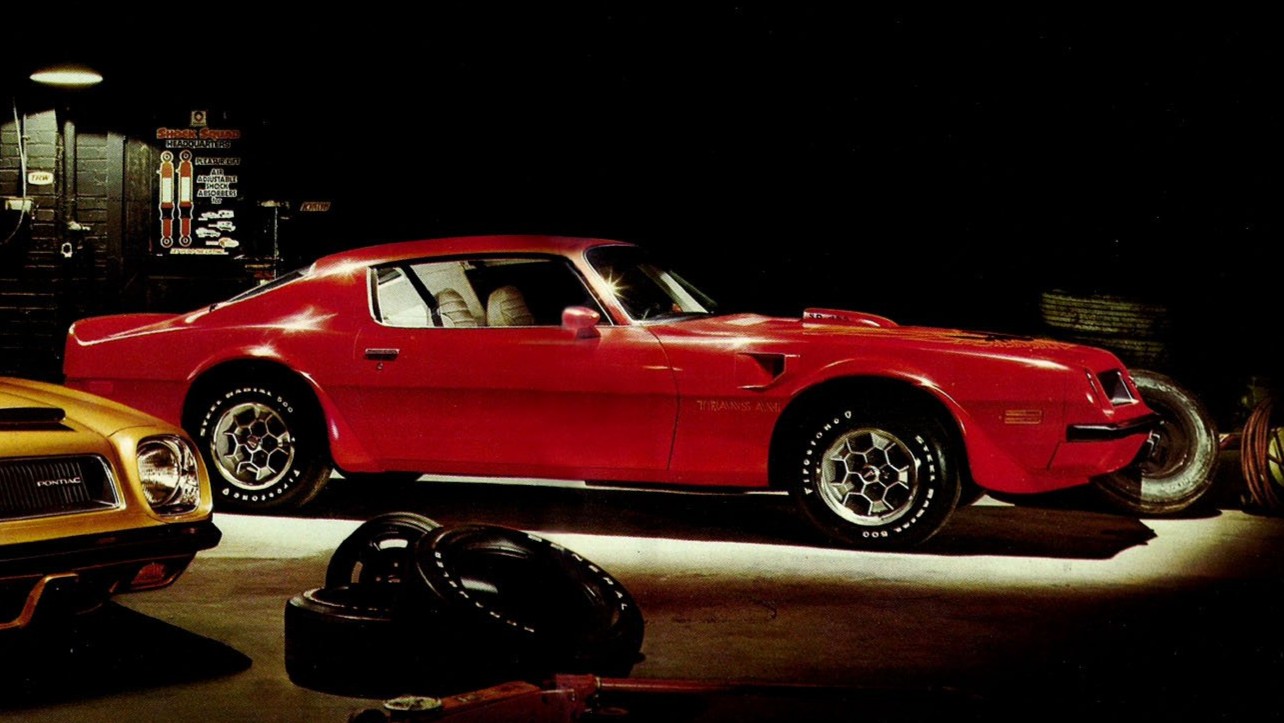
Thankfully, muscle cars weren’t made fully extinct in the 1970s. Dodge would later make a muscle car with the body of a pickup truck, and after, other manufacturers would follow in Pontiac’s footsteps in making fast cars that still hit emissions standards. Nowadays, a car with 290 HP that could run a quarter mile in 13 seconds would be seen as somewhat tepid.
But for the 1,296 owners of an SD-455, it must have felt like being at the top of the world. It was the car that could stomp GM’s own Chevy Corvette, and so rare that nobody else at a car show was likely to have one. Today, you could also say that you own a Super Duty that isn’t a Ford pickup truck.
To some, the Pontiac Firebird SD-455 was the swan song of the first muscle car era. It had all of the right parts, from the pony car body with a stupidly huge engine to high power just for the sake of fun. It then laid waste to the competition, all while looking resplendent in its groovy graphics and fetching colors. While perhaps not as iconic as a black Trans Am with T-tops and a gold fire chicken, the SD-455 was a bright spot in a rough period in American automotive history.
Top photo: Pontiac


Emissions cheating: a time honored American tradition!
And time marches on is right. A family EV crossover would destroy this in a quarter mile. That said, this would be getting lots more attention anywhere it went.