

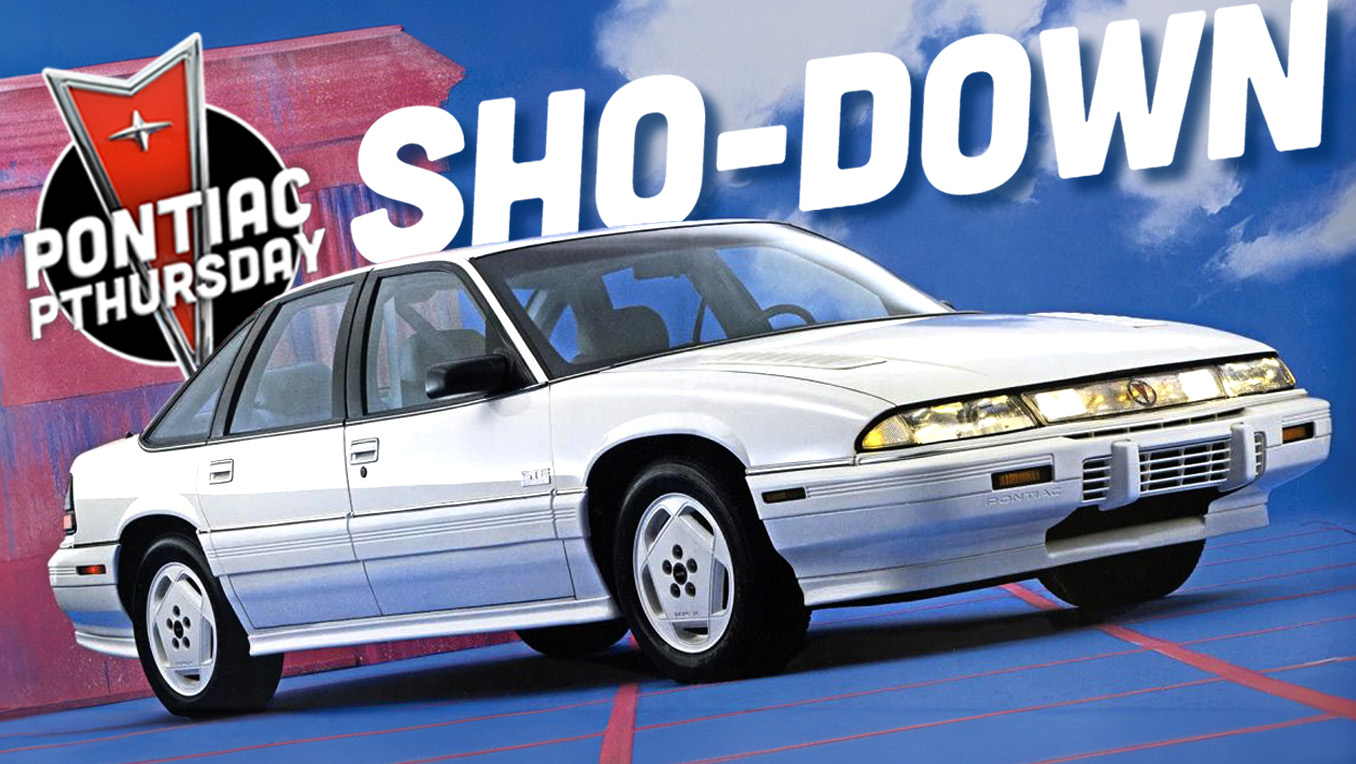
No one saw the Taurus SHO coming. A slick-looking Ford aero sedan powered by an impossibly high-tech, Japanese-developed powerplant was not something anyone expected to see in 1989, least of all General Motors. Such was the impact of Ford’s subdued high-performance family car that it overshadowed Pontiac’s revised entry into the segment, which most of us have forgotten about. Whether you remember the Pontiac Grand Prix STE or not, it deserves our attention today.
GOOOLE Goes Full On GOOOSTE
It must be tough getting branded as “Yesterday’s Big Thing.” In the early nineties, top-selling eighties musicians like Christopher Cross or Men At Work could have released the Greatest Album Of The Century, and nobody would have cared; the public had moved on to the Next Big Thing. A lauded Pontiac of the eighties once experienced this same sad phenomenon.


In 1983, Pontiac released its cause celeb of a sports sedan: the 6000STE (aka “GOOOSTE”), based on the new 6000 LE (“GOOOLE”) GM A-body platform car. With a “six headlight” front end (fog lights were the inboard lamps), blacked-out trim, and sporty alloy wheels, the STE showed that American was at least trying to make a European-style sport sedan.

The underpinnings were not spectacular by today’s standards, with the two-barrel carbureted V6’s “high output” being a mere 135 horsepower (compared to the standard engine’s even more pathetic 112). Still, the 6000STE managed to find a place on Car and Driver’s Top 10 list and Road & Track’s 12 Best Cars For Enthusiasts; Motor Trend called it “One of the few automotive bargains around.”

The STE steadily improved with features like rear disc brakes (ultimately with anti-lock), a tachometer (yes, the first one didn’t even have that), and fuel injection. In 1988, the 6000STE received GM’s first all-wheel-drive system, paired with a 140 horsepower 3.1 liter six and, unfortunately, a three-speed automatic.

That wasn’t enough extra power to keep people swooning. Also, the boxy 6000 was now nearing eight years old and looking considerably dated in the face of Ford’s new aero cars. The STE’s direct competitor, the Taurus, was about to make life really miserable for the once-universally-praised Pontiac.
SHO ‘Nuff Fast
It certainly didn’t look very flashy; in fact, the SHO barely looked much different from the Taurus you might rent from Hertz at the time. Still, under the hood was a motor packing the stuff of exotic cars.
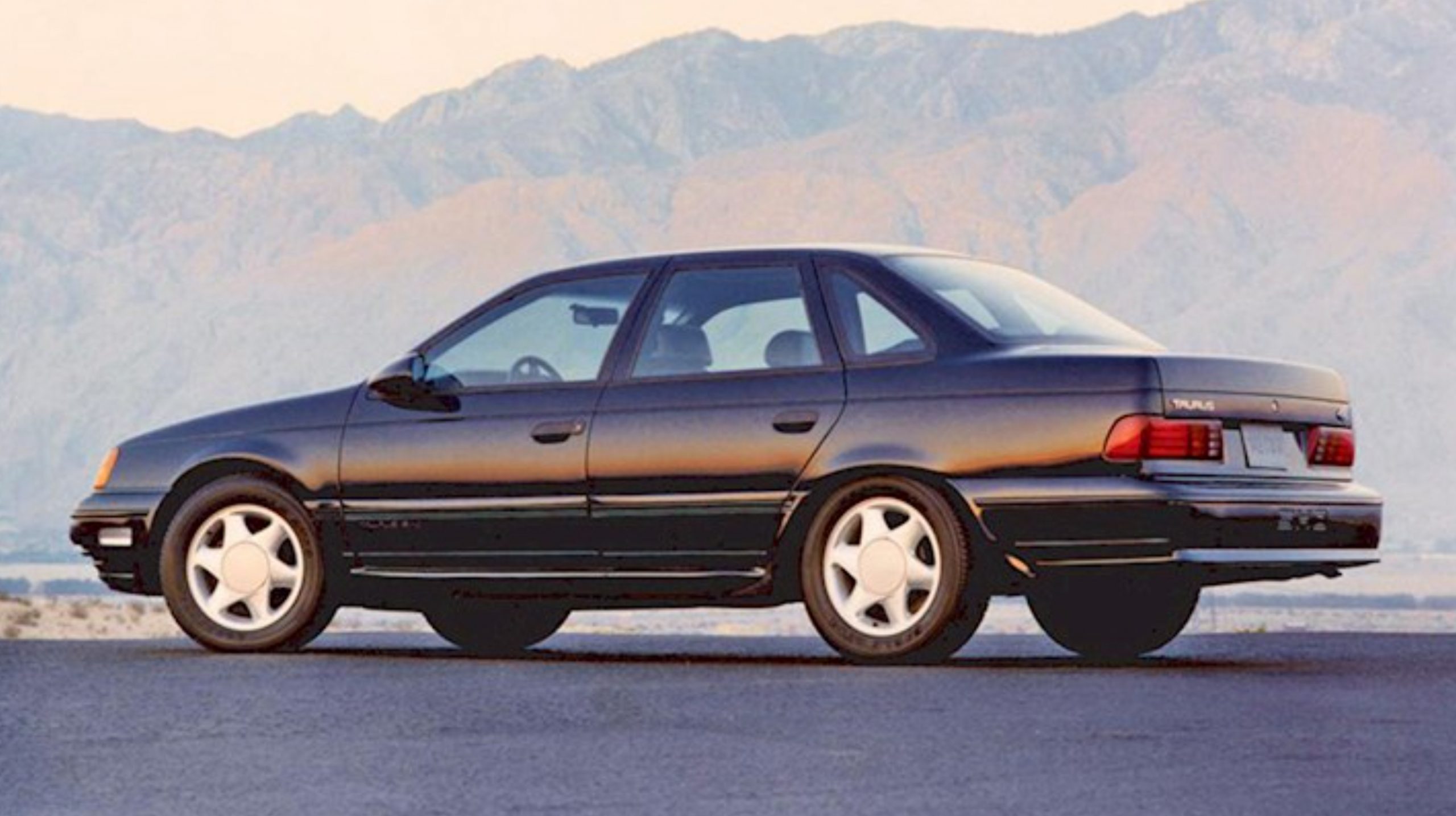
With double overhead cams and a 7000 RPM redline, this 220 horsepower V6 from Yamaha could propel this Taurus to sixty in a mere 6.6 seconds and a top speed higher than 140. That’s a second or so slower than the same year M5, but the SHO could be had for a fraction of the cost of the smaller hot BMW. Ford also had the audacity to release the SHO with a five-speed manual – a move that really got car geeks swooning over the mild-mannered-looking performance sleeper.

Suddenly, the poor 6000STE went from being sort of irrelevant to essentially invisible. Still, that didn’t stop Pontiac from coming up with its own super family car.
Better Than That Four Door Thunderbird, At Least
Pontiac’s first move was to take the STE badge off the old 6000 and find a new home for it. Up until now, the vaunted Grand Prix badge had never been placed on a car with more than two doors, but Pontiac decided that it was time to expand their well-received, all-new-for-1988 coupe into sedan territory. Far from being a travesty and disgrace to the name, the four-door Grand Prix was a rather sharp-looking car, and for the STE version, Pontiac had no interest in following Ford’s path of making a sports Taurus with a very basic outside and interior.

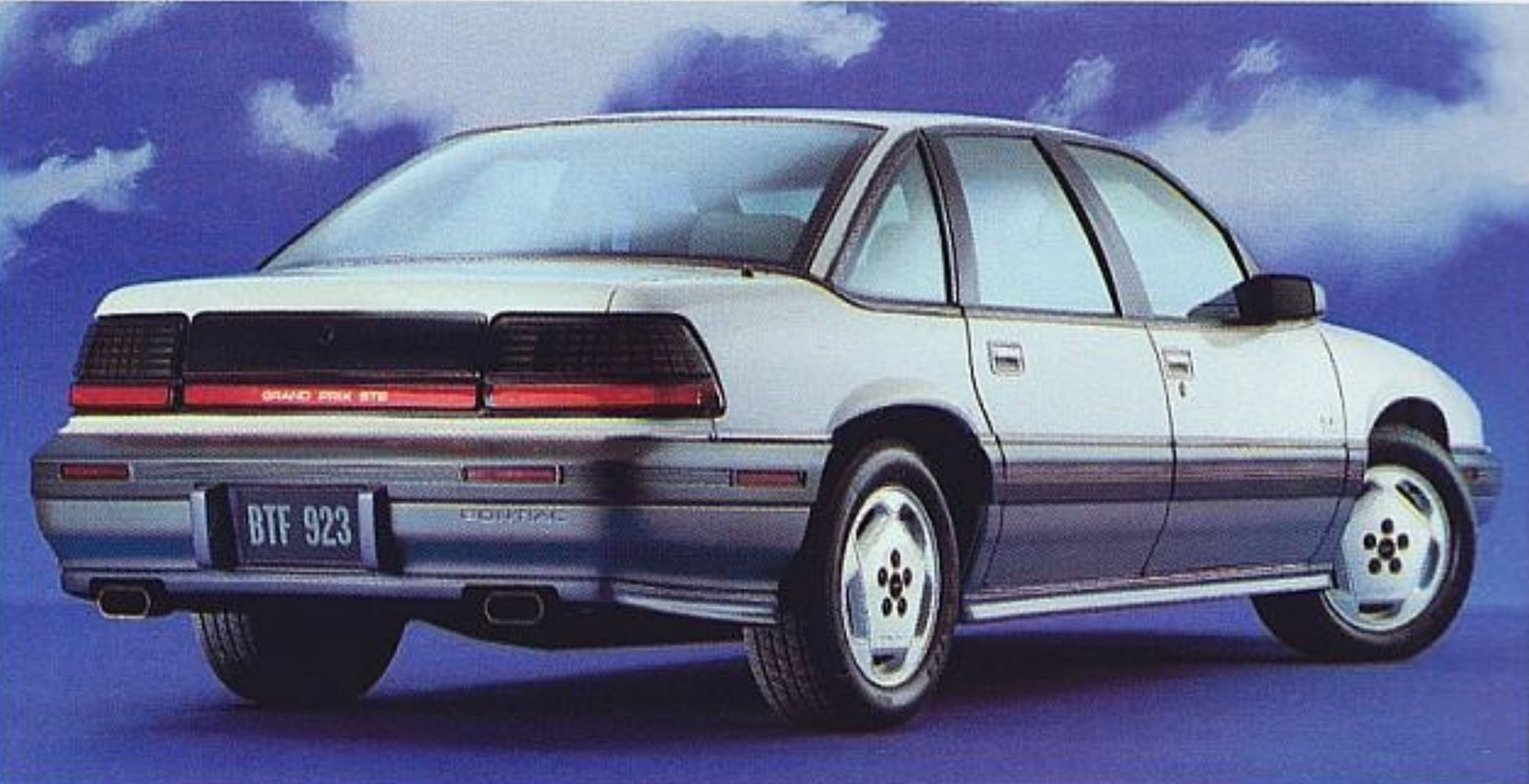
Up front, Pontiac added a full-width “light bar” nose in a manner not unlike the Mercury Sable; driving lights fit into the transparent “grille” area between the headlights while the rest illuminated with extra bulbs. The vented hood was quite racy for a mom-and-pop sedan.

This special Grand Prix was adorned with the ride-Pontiac-ride “visual excitement” which Motorweek once described as “spats and spoilers hanging off the car like Spanish moss on an oak tree”. Oh, John Davis, you have a way with words. In back, a “heckblende” filled in the space between the black-grid, smoked-out taillights. Subtle ground effects finished off the look. Certainly, the whole car was more eye-catching than the restrained Taurus SHO, yet at the same time, it was rather subdued for a top-of-the-line 1990 Pontiac product.
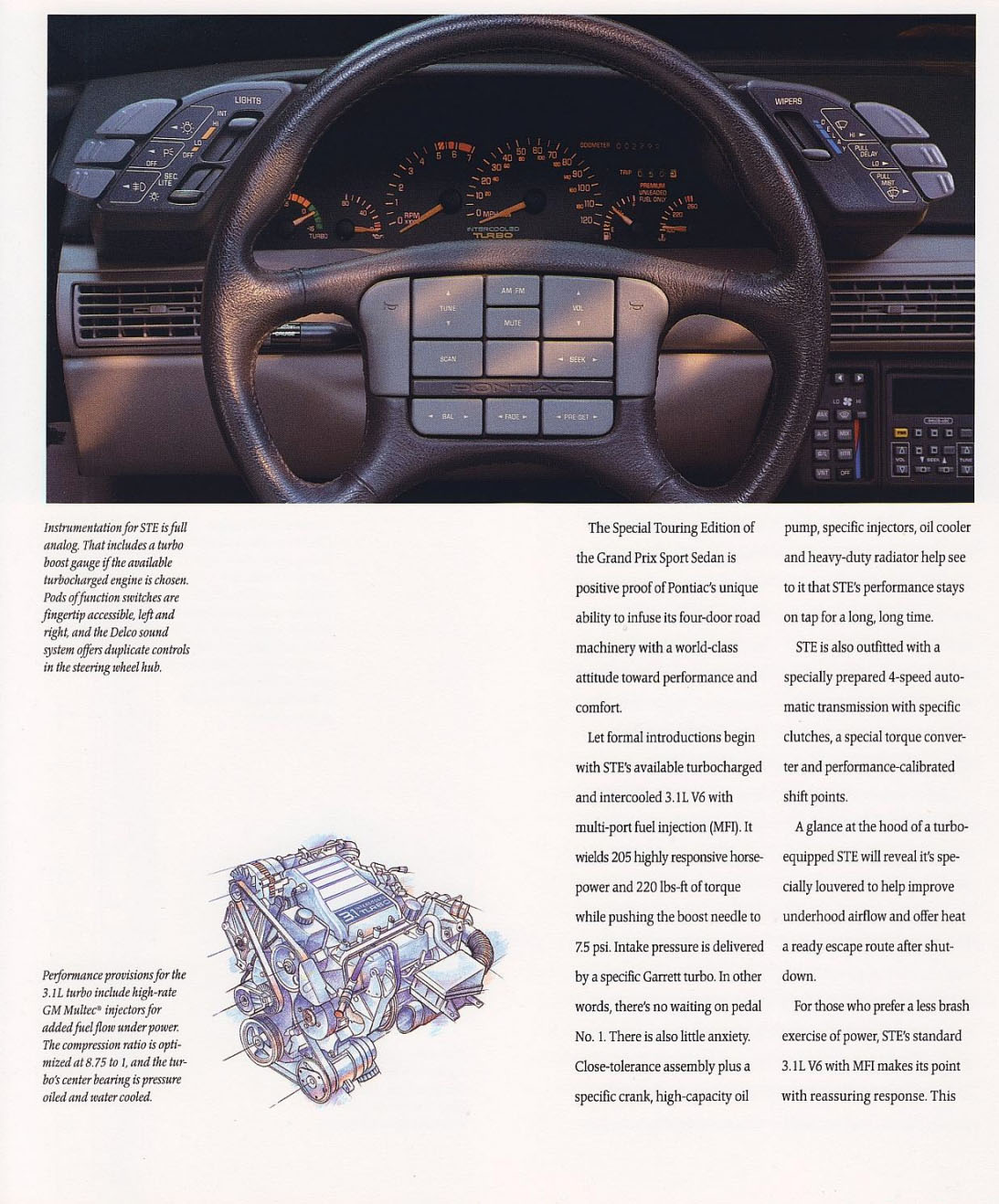
Inside, however, GM let loose with the full MC Hammer-era Pontiac treatment. A steering wheel covered in buttons? You’ve got it.
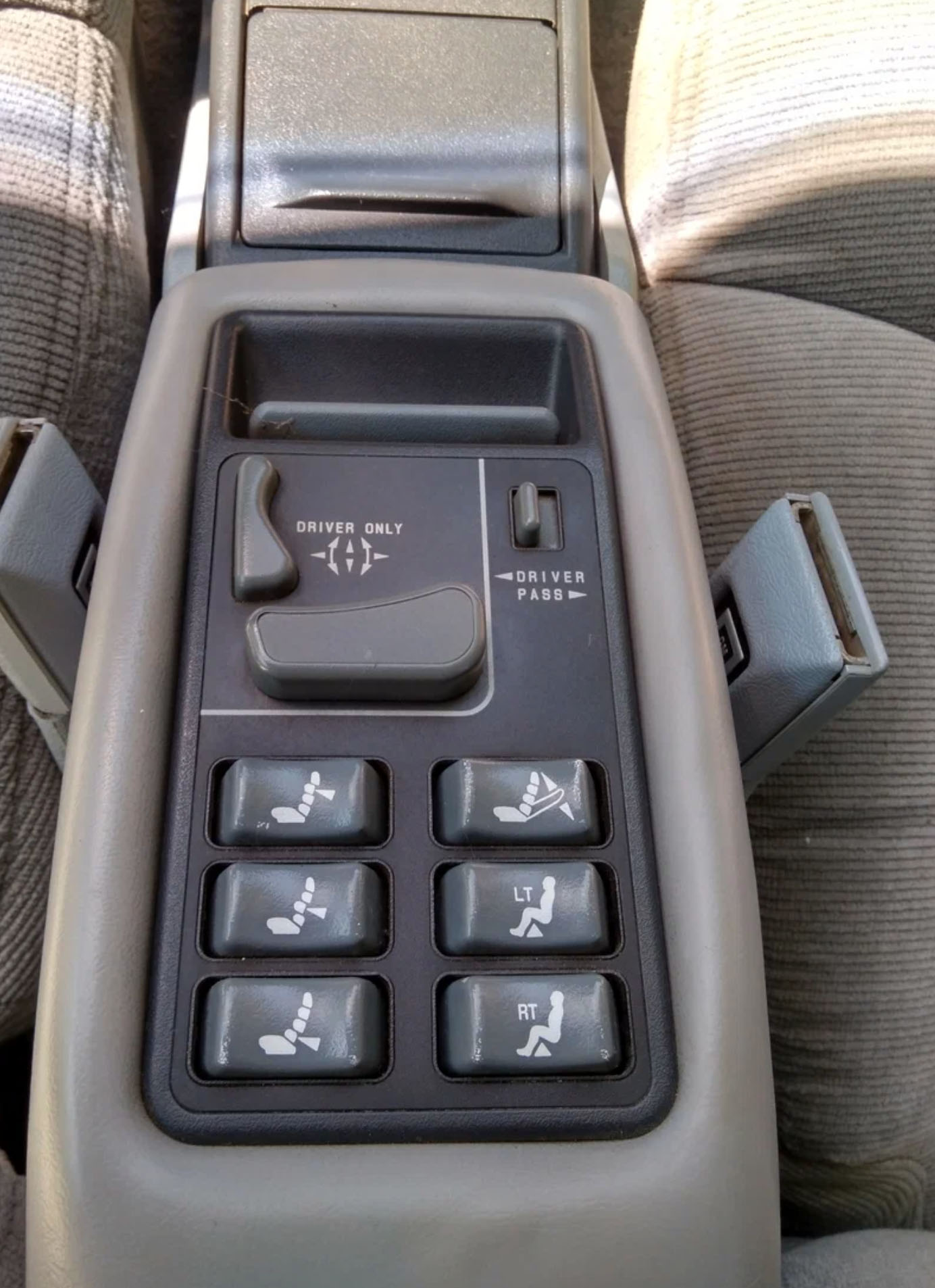
Between the seats, the console featured overwrought seat controls similar to those of the same-year Bonneville. Why does “driver only” get the logical seat-shaped switch while the passenger gets something entirely different?
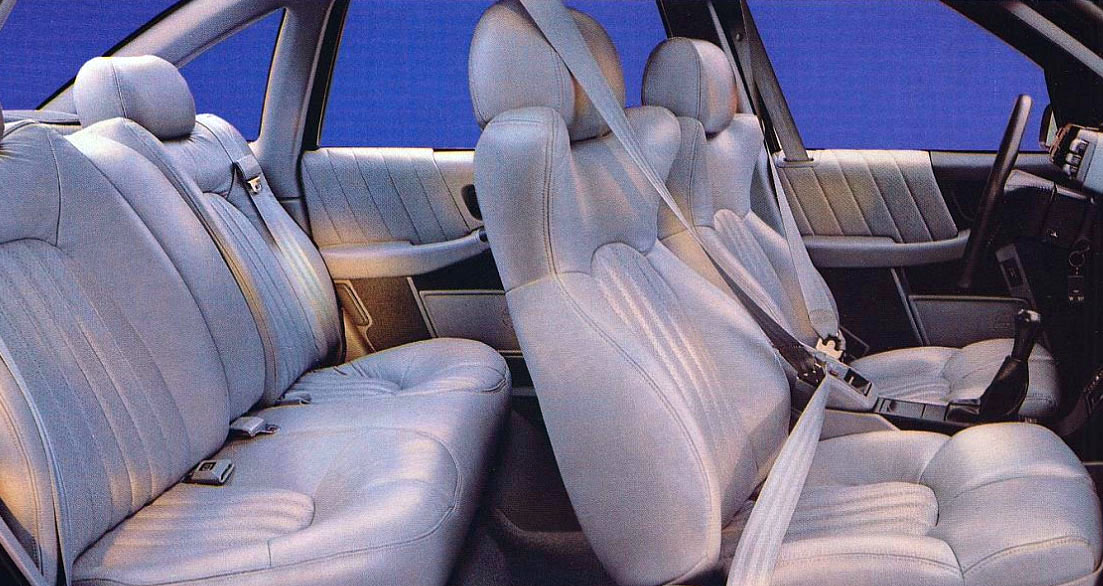
At least those seats look pretty comfortable with decent lateral support. Boy, Pontiac really went nuts with seats that looked like medical devices or something, didn’t they?
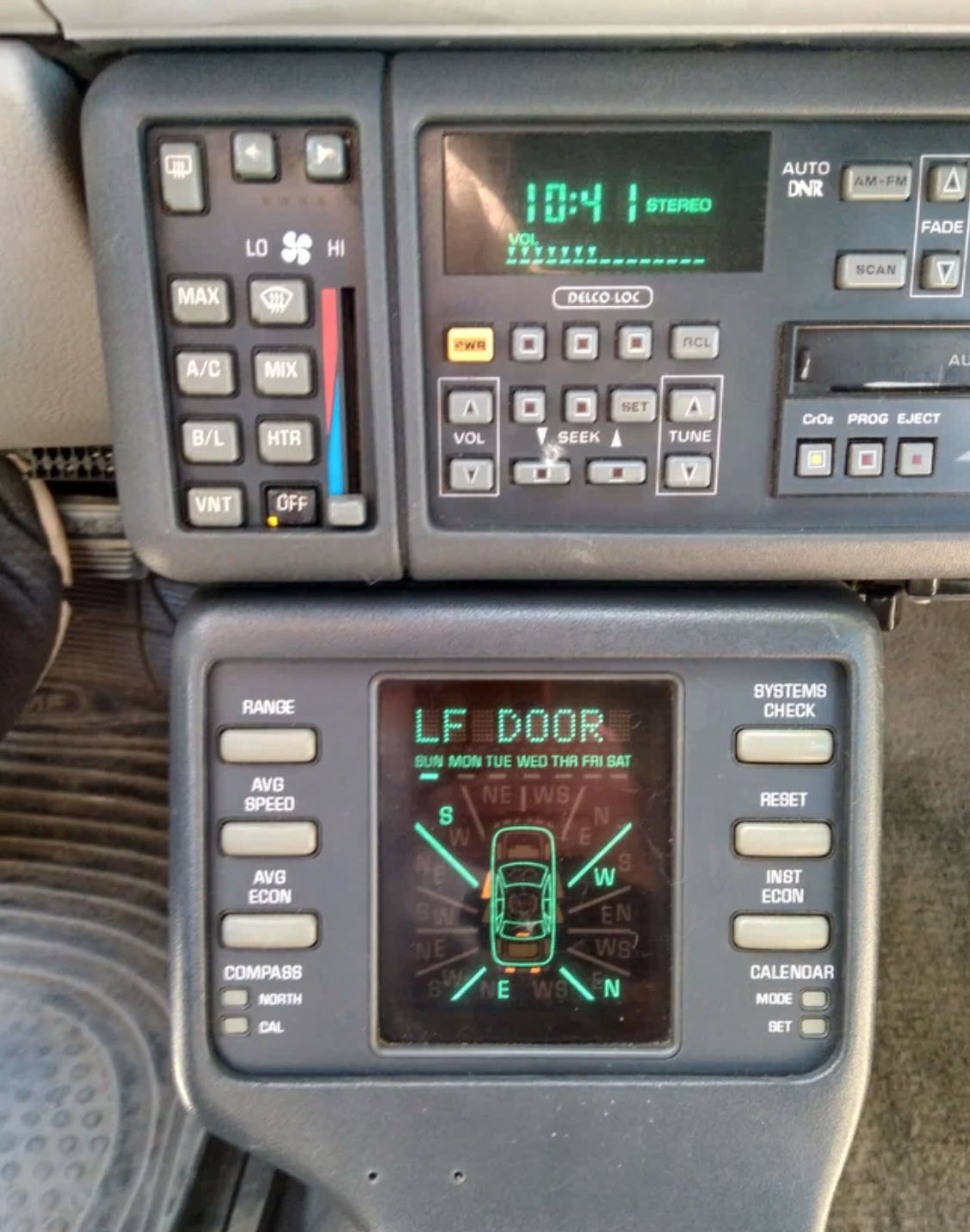
Displaying compass direction, date, and various “system functions” could have been done with a very simple, easy-to-read display, but Pontiac’s STE didn’t do that. Instead, we got a “DIC” (Driver Information Center) that packed this minimal amount of information into a freestanding Colecovision way down in front of the shifter.
Enough of the games and gadgets – is the same damn 140-horsepower six under the hood? Thankfully, no; Pontiac wasn’t going to let the Ford upstart totally overshadow the former critic’s darling.
Put The Puffer On The Pontiac
Ford used outside help from Yamaha to make its ultra-fast four-door family car, and the Pontiac crew found the outsourcing path made sense for them as well. General Motors went to ASC/McLaren, the partnership of the Detroit-area specialist best known for making convertibles for many (if not most) car brands at the time, and a division of the famous race car builder. The Michigan-based McLaren offshoot had begun in 1969, primarily to develop motors for Indy and Can Am cars, and they’d worked with Ford on the two-seat Fox Body Mustang/Capri in the late eighties.
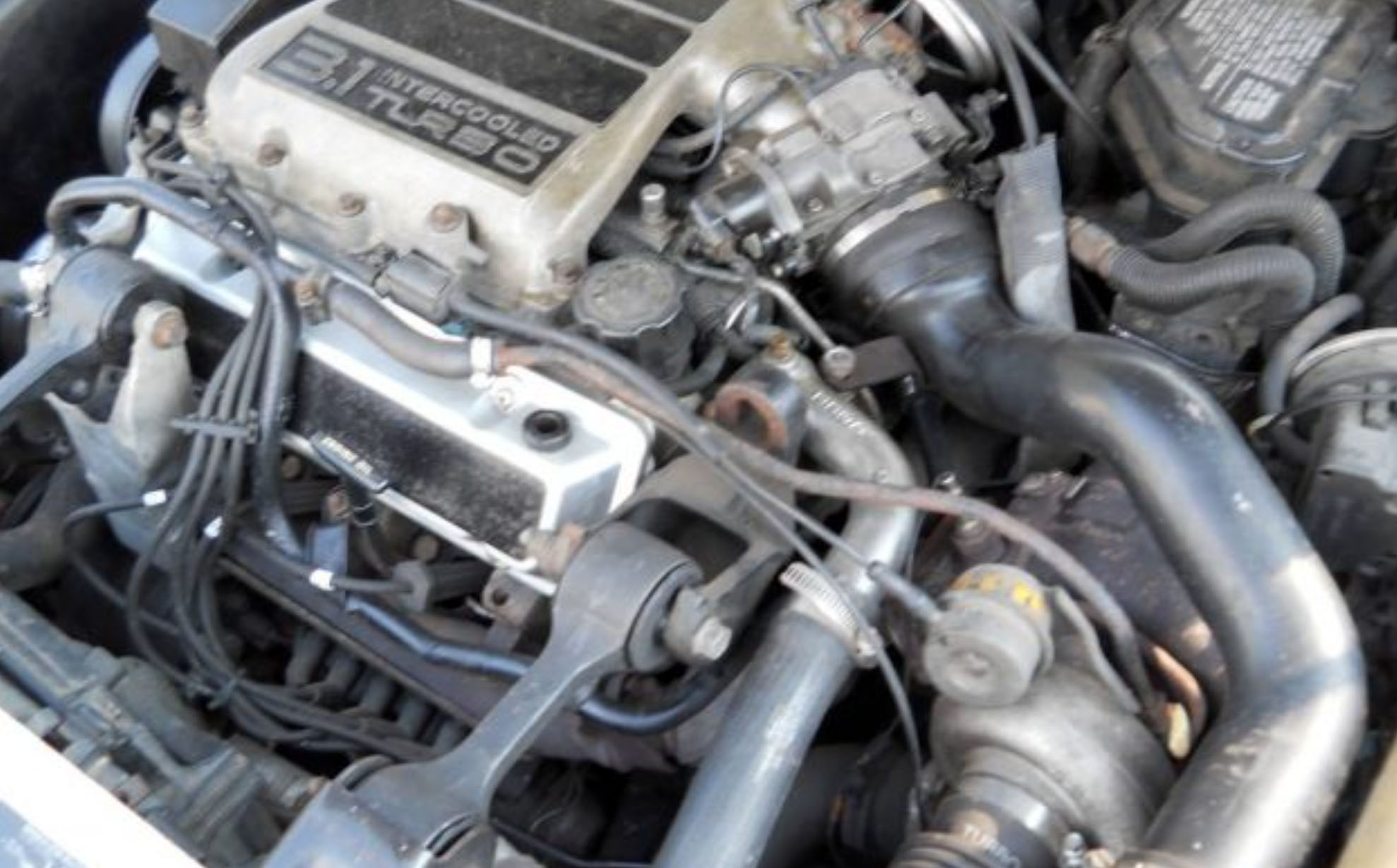
The Grand Prix coupe was the first to receive the ASC/McLaren treatment, which included adding a turbocharger and intercooler to the 3.1-liter six to pump output up to 205 horsepower; a huge jump from the 140 of the stock lump.
With the introduction of the first four-door Grand Prix, Pontiac offered the turbo mill as an option for the reborn STE sedan. Whether such a car was in the cards before Ford launched the SHO is unknown, but the STE turbo certainly couldn’t avoid such comparisons.
Motorweek got the turbo STE up to 60 in 9 seconds flat, a full two seconds slower than the SHO they tested the year before. I’ve seen figures from other publications that got the Pontiac’s sprint down to eight seconds or even a bit less. Being twenty horsepower down on the similar-weight hot Taurus and saddled with a mandatory four speed automatic meant that in a head-to-head race the poor Pontiac didn’t stand a chance. However, the dragstrip isn’t the only race that you need to consider for fast four doors, and the STE offered some compelling arguments over the Ford.
No PRNDL For The SHO
Say what you will about monochromatic sedans with ground effects, but any driver worth of his Members Only jacket in the late eighties wanted such a look for their sporting family car. It has to be said that the 1990 Grand Prix STE – for better or worse – certainly cut a more dramatic profile than the rather stock appearance of the SHO. Also, we Autopians might champion three-pedal cars, but the vast pool of buyers now and back then seem to disagree.
The fact that the SHO was available with the five speed was a small triumph, but in a move that seems unfathomable today the manual was the only transmission you could get for the fast Taurus; an automatic was not an option until the second-generation model in 1993. The hottest Pontiac Grand Prix STE’s automatic-only format might have gotten black marks from enthusiasts, but it had the potential to increase its popularity over the Ford by a significant amount.
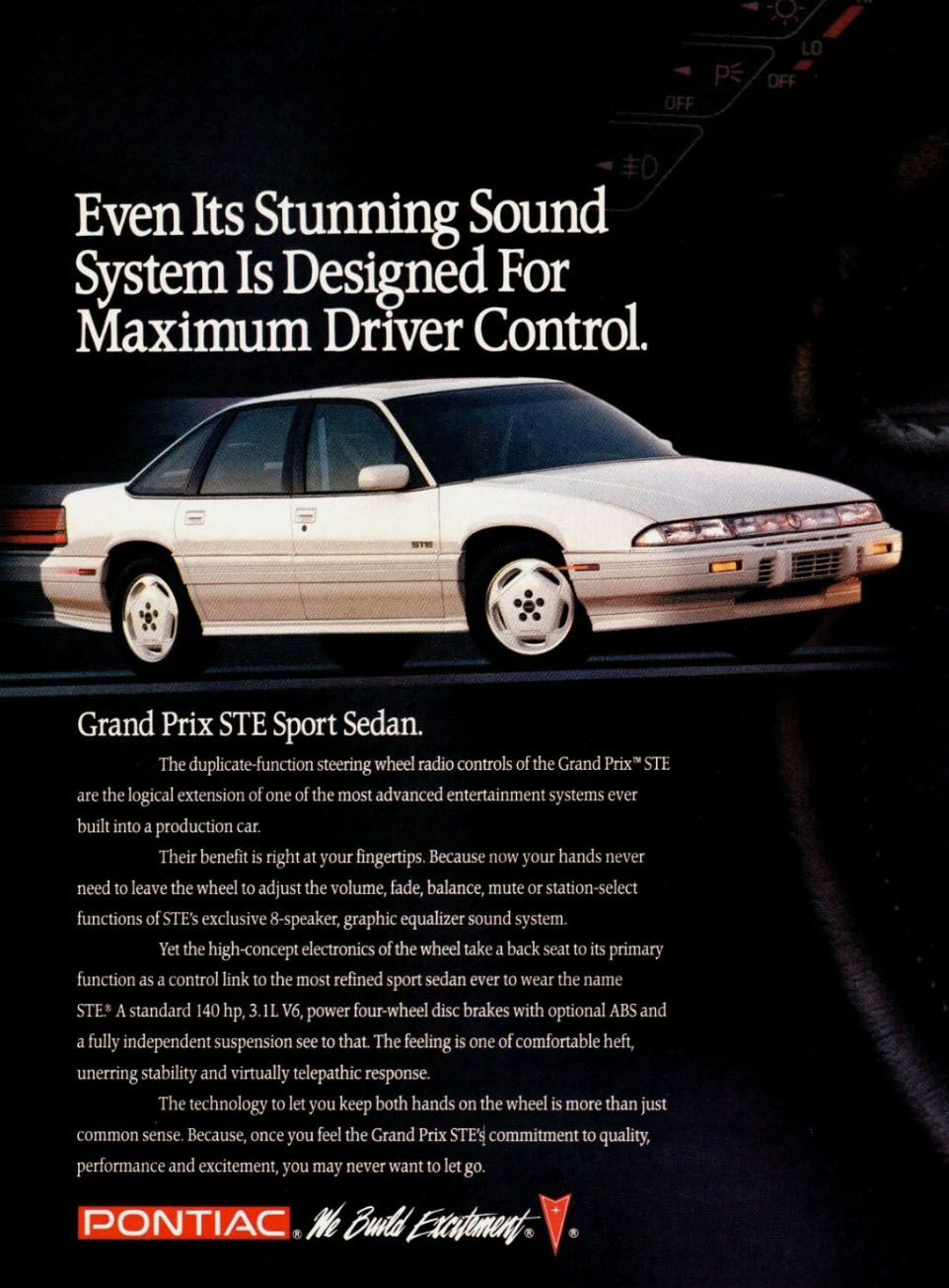
Not that it mattered in the end. It appears that a mere 1000 Turbo STEs were built for 1990; the only year the blower-equipped motor was offered in the four-door. Surprisingly, Pontiac didn’t give up and decided to still up the ante against the Yamaha-powered Ford.
Too Little, Too Late
For 1991, General Motors hit back at Ford with the LQ1 V6, also called the Twin Dual Cam or TDC motor. At 3,340 cc, it was an in-house bored-out version of the previous 3.1, and dual overhead cams actuating four valves per cylinder matched the specs of that enigmatic Taurus. This time, Pontiac was taking no prisoners; your LQ1-powered Grand Prix STE could be matched to an automatic or a Getrag 284 five-speed manual transaxle to effectively level up the playing field for a SHO-down.
Unfortunately, despite the 400cc advantage over the Yamaha-Ford, Pontiac’s LQ1-powered STE only managed to pump out 210 horsepower with the manual, or 200 with slushbox versions. Contemporary tests showed zero to sixty times of high-to-mid sevens, but nothing to match the still-faster Taurus. Without the King of the Hill status, interest in the hot Pontiac mid-sizer continued to wane. Only 1,833 LQ1 STEs found homes in 1991, and a mere 125 of those had the stick. Things didn’t improve for 1992; only 1,127 Grand Prix STEs of any kind left the factory, and only 57 of the 628 LQ1 versions that year were manuals. That’s rarer than the 1000 “Richard Petty Edition” coupes sold that year which still fetch reasonable numbers on auction sites.
Any remaining examples today don’t seem to be so prized. This one below was listed recently for a mere $3995. The seller claims it’s the nicest one of those 57 made still in existence, which I don’t doubt.

My mental calculator has already more than doubled that price determining how much I’d need to spend altering the, uh, “questionable” modifications.
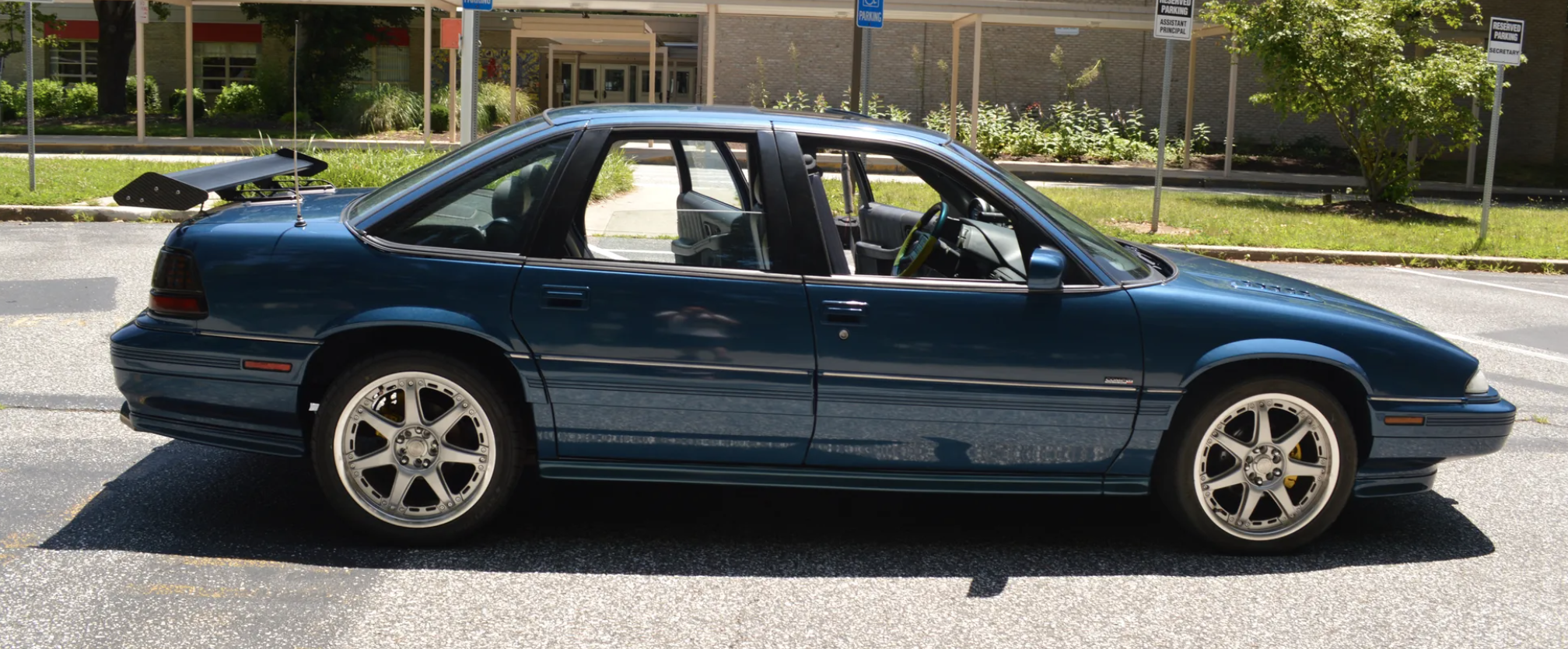
I guess I could just rubber-plug the spoiler holes for the ironing board wing? To each his own, but I couldn’t go around the block with that thing on there. And get me some GooGone for those stickers. Man, I’m just aching to put this thing back to stock since it’s so clean.
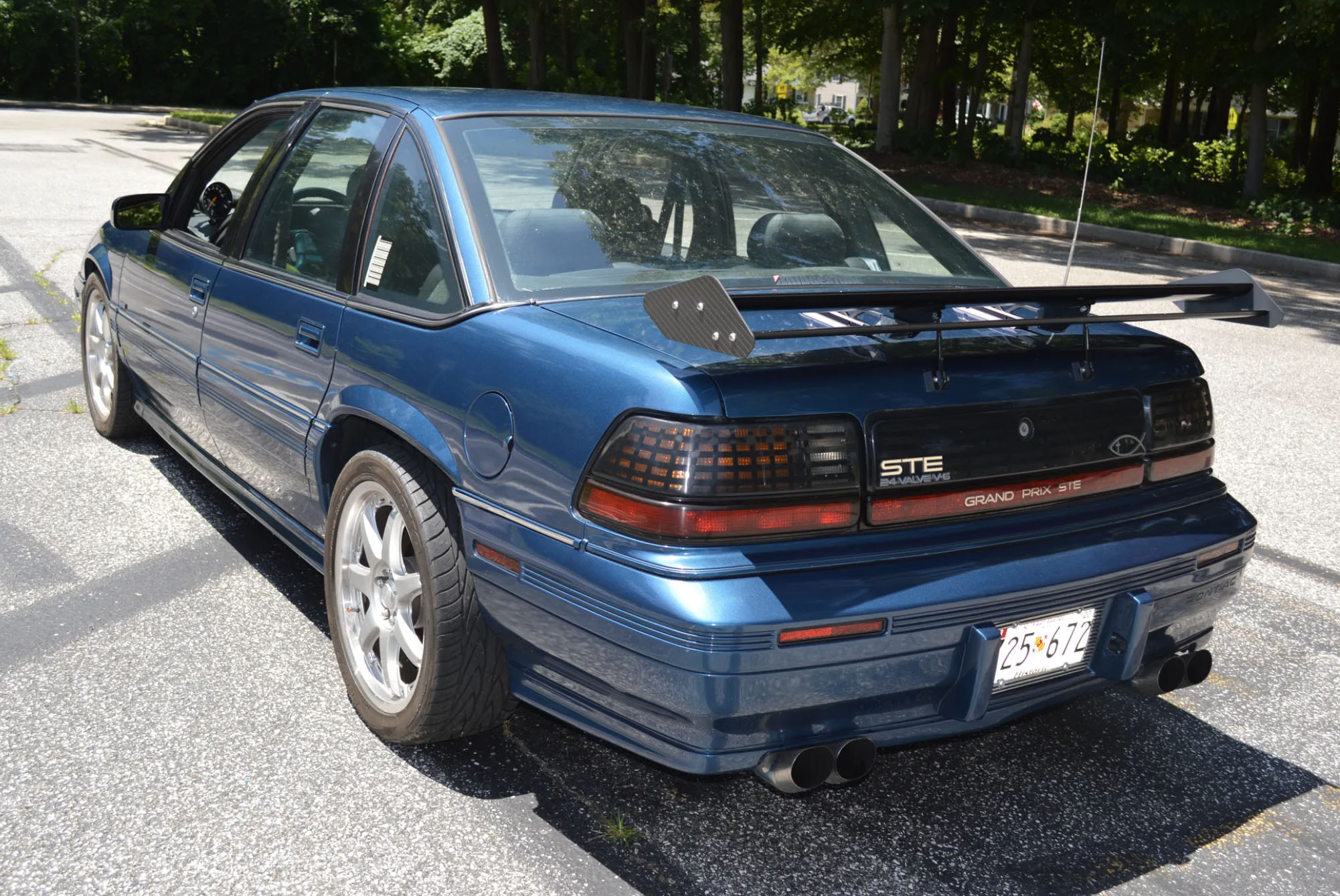
The inside is equally clean for a 188,000 mile car; possibly not as spacious as a Taurus in back, but still quite good.

Minor driver’s-side bolster wear on a 1990s GM car with this kind of miles on the clock is expected. Eliminating the offending yellow items in this thing would take but a few minutes, and you’d have a nearly perfect cabin.

If it runs as well as it looks, it would be a fun bargain for under $4,000. Good luck finding one of the other 56 built.
The Grandest Of Prix That Nobody Sees
For 1993, Ford threw down the gauntlet and finally offered an automatic for the second-generation SHO, a still subdued-looking car but now with a more sporting appearance than before.

Effectively, the Blue Oval had now eliminated any of the poor Grand Prix’s advantages. Only 505 LQ1 Pontiac STEs sold in this final year; reportedly only one grail-of-grails example was optioned out with the five speed. With that, the last manual transmission-equipped Pontiac Grand Prix of any kind ever, the STE saga was done for good.
Sadly, it looks like the 1990-93 Grand Prix STE has to be added to the pile of GM products from the Corvair to the Fiero and the Allante that showed great potential and finally got massaged or even drastically altered into the cars they were always meant to be only long after the spotlights had left them. The General just couldn’t seem to improve them fast enough to live up the hype, and buyers had moved on. Nobody even seemed to have noticed the passing of this sedan that was, by almost any standards, a far better car than the 6000-based STE that got all of the accolades.
Again, it sure sucks to be Yesterday’s Big Thing.
Pontiac Points: 77 out of 100
Verdict: Spicy powerplants, a choice of gearboxes, just enough flashiness, and plenty of practicality. Is this forgotten sedan one of the best Grand Prix to ever SHO up?
Top graphic image: General Motors





If you’re going to add questionable appendage to your ride, do you think it might be helpful to mount it correctly (right side up)?
Another way the Taurus beat this car is Ford made $$$ The wbody cars, at least the first gen sedans and coupes lost GM something like a billon dollars in 1991 money. They lost $2-3k on each one they sold. And part of that was how many different variations there were. Like 6 different bumper covers for the Grand Prix depending on trim level or number of doors. I had a 1991 Regal sedan, the drivers door card had something like over 40 variants depending on interior color, crank vs power window, burl walnut or oakish plastic trees, leather vs cloth seats, manual vs power mirrors, it was INSANE and every option was ala carte
GM’s costs and infrastructure bloat were simply out of control by 1985 or so. They were drowning under their own weight. So they spent multiples of what everyone else did…to make worse products. It’s said that the original GM10 (W-body) platform cost $7B. And somehow, GM was delusional enough to think it could take 21% of the North American passenger-car market with these cars.
They also spent $5B on the Saturn Corporation, which was another colossal waste of money.
I had the ’94 4-Door Grand Prix, obviously not this version. I bought it for $300.00 and 190,000+ miles on the odometer. Bench seats in the front. That was amazing first car, I loved it.
This article brings me back. There was a time when the family driveway had my brother’s sho and my dad’s lumina with the dohc 3.4. early 90s both were fairly strong. Late 90s they were getting left behind. The progress out of malaise was an incredible time to come of age.
I had the Revell plastic model of the 1989 Grand Prix Turbo, but it was the 2 door version with the gold mesh wheels and flared fenders.
Neither car excited me but at least the Taurus gave birth to the auto antichrist – The SHOGun!!!
When I say, “Who’s the master? You say, Sho Nuff.” Unfortunately, the GP was no Bruce Leroy.
I remember the STE, but dismissed it as another sad GM slap-and-dash “performance” trim. I don’t think there was much of anything that could have gotten me to care about W bodies. Even if it was quicker than the SHO, it wouldn’t have been as good.
GM really had the worst interiors in the ’80s and ’90s. The cheapest plastic in the shittiest colors that didn’t necessarily match, buttons that look like they came on one of those attachments for a toddler’s walker, and they felt even worse to use. I think their earlier cars were better even with the fake wood and Transformers chromed plastic that peeled off from the lightest contact with skin oils because that’s how bad these were.
Love the color on that blue one, though!