

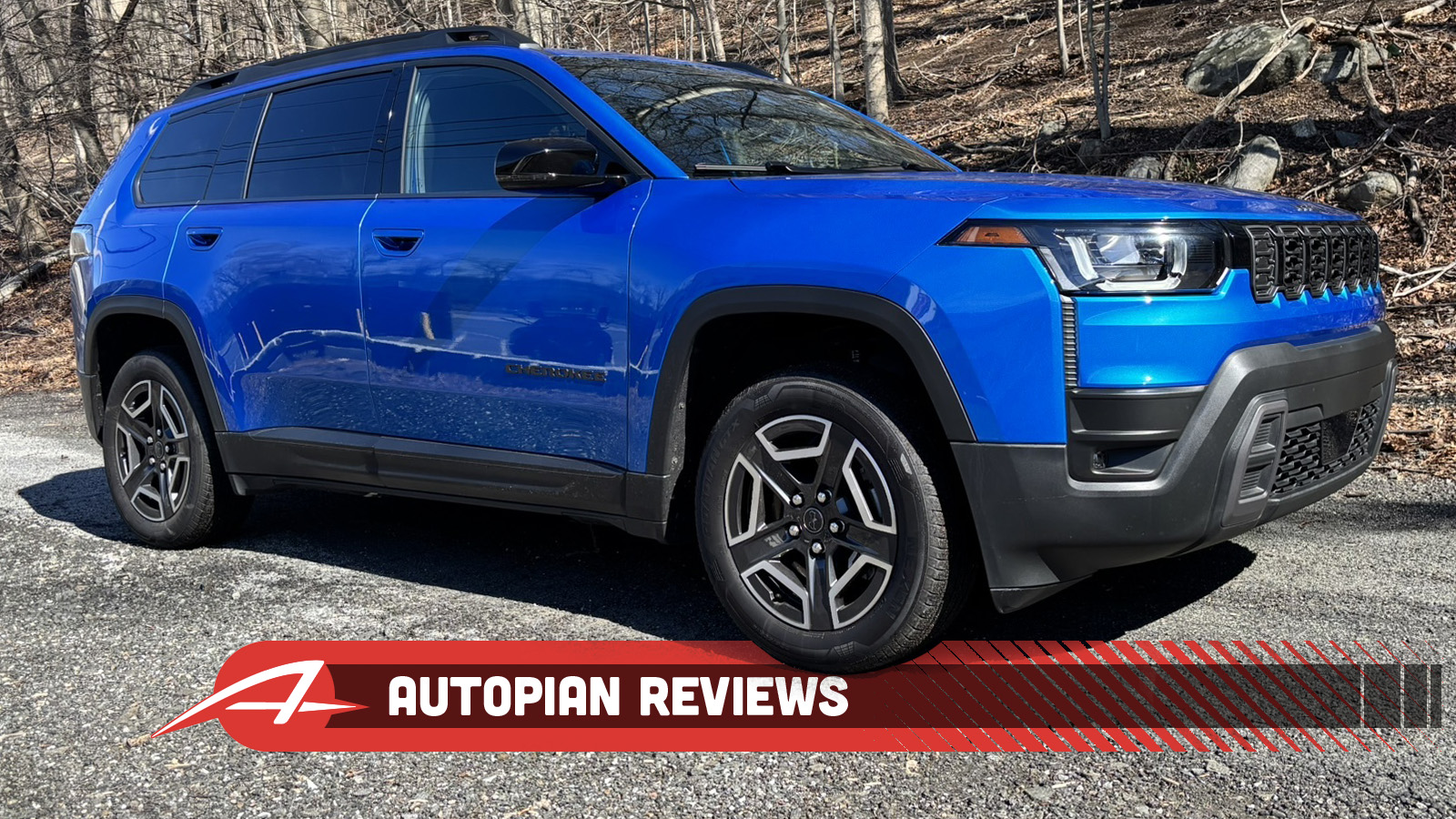
The most popular vehicle-type in America is now the compact crossover, which is a name that somewhat obscures the fact that none of the compact crossovers currently for sale in the United States are actually compact. They’re all growing, and the new hybrid Jeep Cherokee has grown the most.
This is a good thing. The last Cherokee managed to underdeliver as a regular crossover for normies, or as a true successor to the beloved XJ. While an off-road-friendly version is surely coming, the new Cherokee doesn’t make the mistake of trying too hard to be a Jeep and, instead, tries hard to be something you can reasonably cross-shop with a RAV4.


It could probably try a little harder, but for a first attempt at a vehicle from the re-re-organized company now known as Stellantis it’s not bad. Most of the ideas here are sound. The basic premise makes sense. It’s the execution that’s imperfect.
The Basics
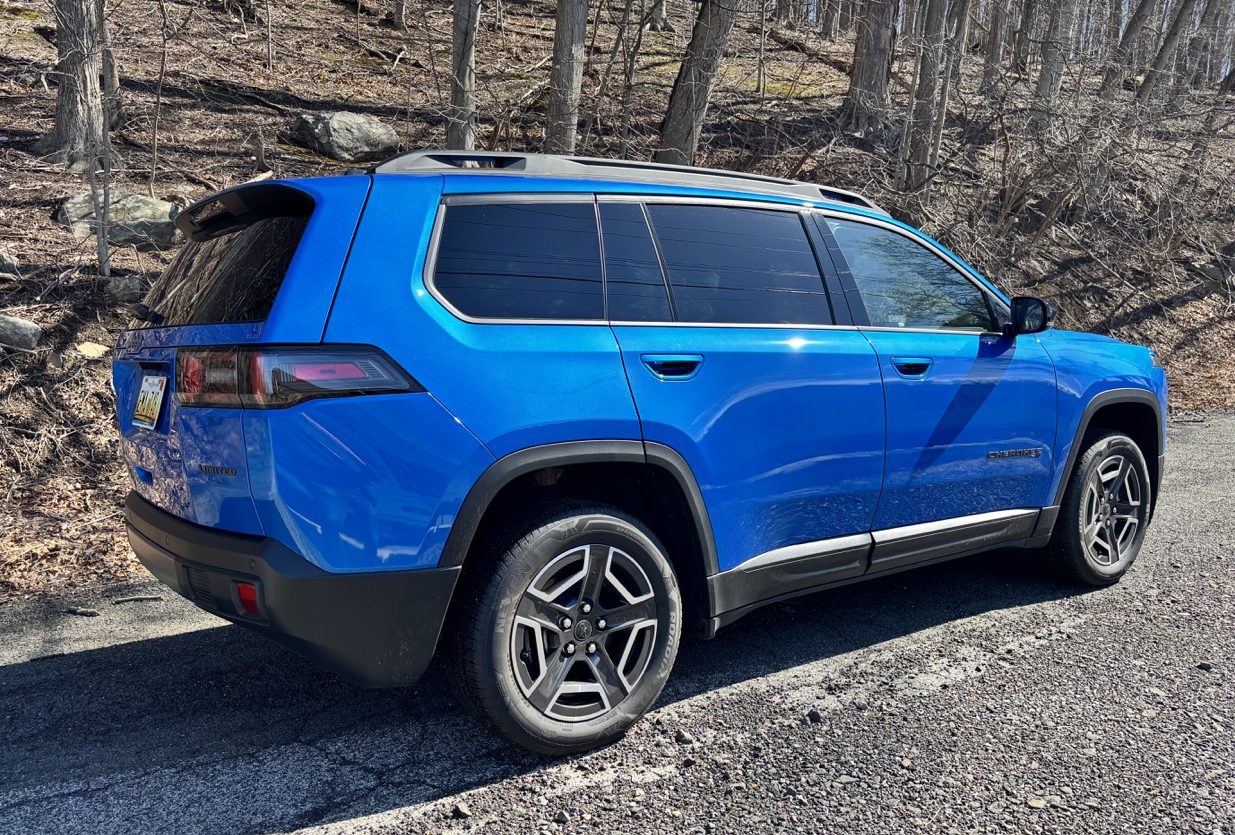
Engine: 1.6-liter turbocharged inline-four hybrid with two AC motors
Transmission: CVT
Drive: all-wheel drive
Output: 210 horsepower (combined) and 230 lb-ft of torque (combined)
Fuel Economy: 35 mpg hwy, 39 mpg city, 37 mpg combined
Base Price: $36,995
Price As-Tested: $43,590 (including $1,995 destination charge)
Why Does This Car Exist?
That bit about the execution being a little iffy is unfortunate given how competitive this class is. The Toyota RAV and Honda CR-V have been in a constant state of iteration for years, which shows in the extremely high quality of both of those products. Every few years whatever version of Chrysler exists decides that it needs a smaller unibody CUV to slot in under the Jeep Grand Cherokee.
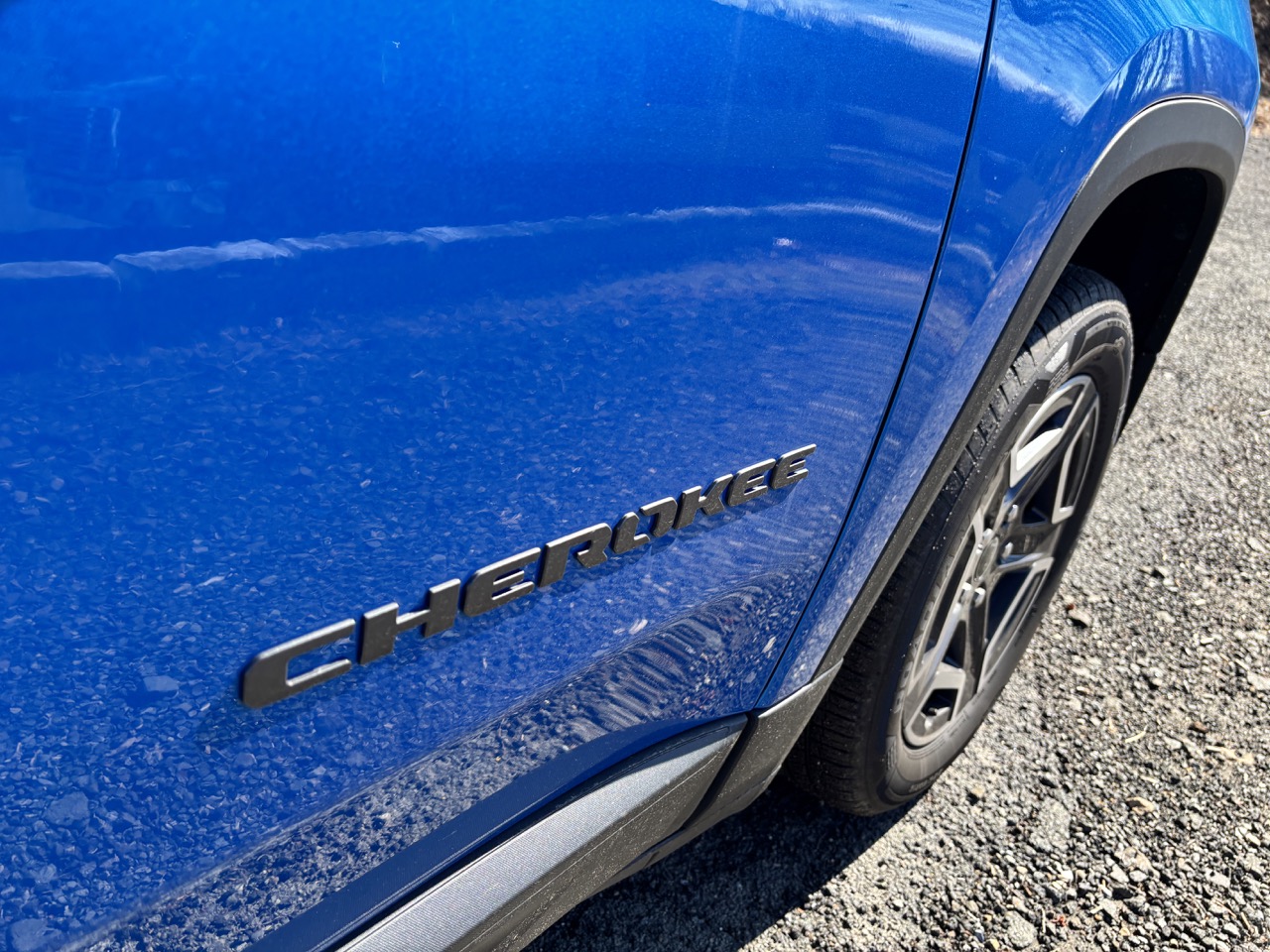
Sometimes, in a flurry of excitement, the company will make a bunch of smaller CUVs (Liberty, Renegade, Compass). None of them carry as much emotional and historical weight as the Cherokee badge. For most people, the Wrangler is the Jeep-shaped thing with no roof, and the Cherokee is the Jeep-shaped thing with a roof, usually available in two sizes.
The last Cherokee was based on the Fiat Chrysler-developed platform that also underpinned the Chrysler 200. That product went away in 2023 and we’ve waited almost three years for a replacement, this time based on a platform created by Stellantis and using a motor shared with a bunch of Peugeots and Citroëns. Honestly, that’s not that big of a deal. The XJ Cherokee started with a batch of Renault motors. French powertrains run deep in this American crossover.
Like many other automakers, Jeep resisted electrification and pursued plug-in hybrids. Then, suddenly, Jeep embraced electrification and built a very expensive EV that few customers seemed to want.
The Cherokee is sort of a vehicular mea culpa for a bevy of past sins, offering up a legit good hybrid powertrain in an overall legit usable package.
It’s A Crossover That Crossovers As Well As Your Average Crossover
I used the Jeep Cherokee as it was meant to be used: A thing to move kids and other people around the ‘burbs. It was more than sufficient at the task.
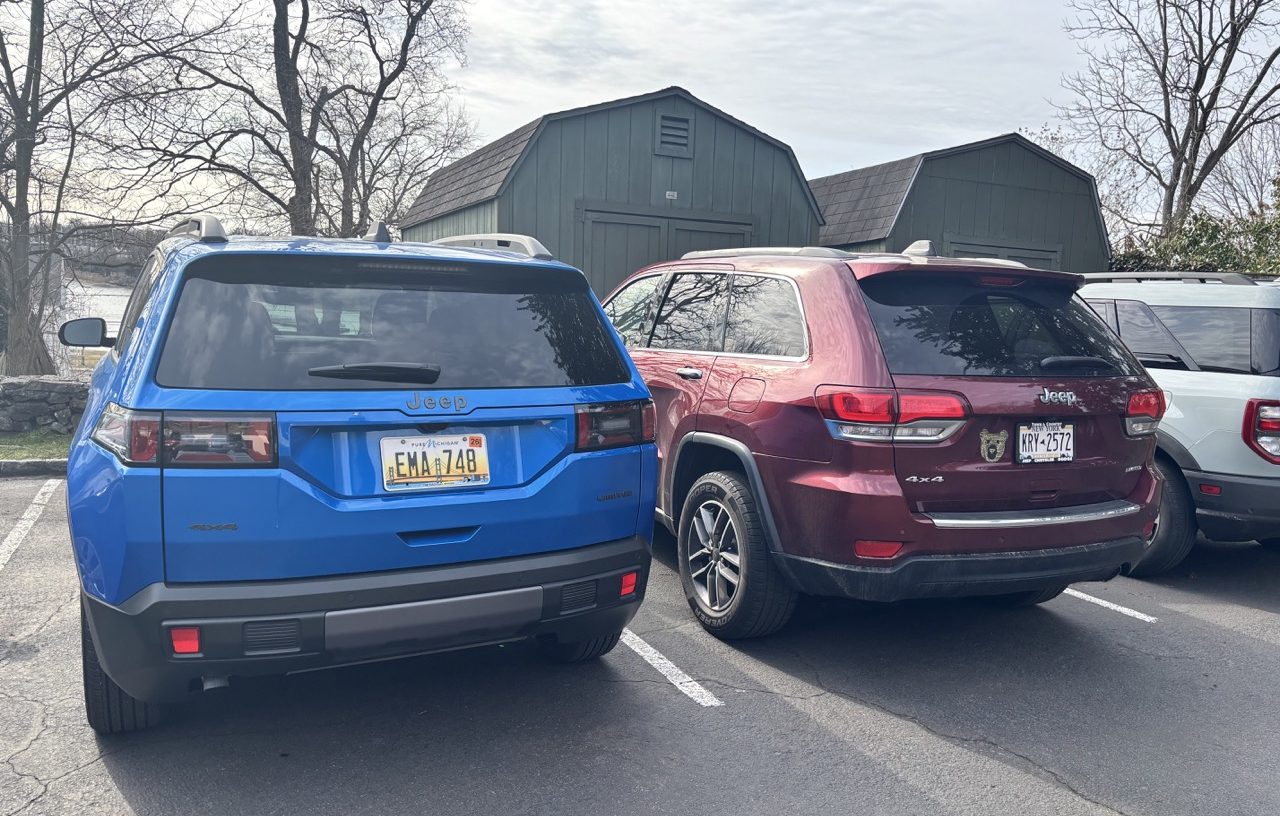
If you’ve been in any previous Cherokee, the first and most obvious realization is that this is much larger. Here’s a photo of my press car next to a Grand Cherokee. While the Grand Cherokee is grander, it’s by a much smaller degree than in the past.
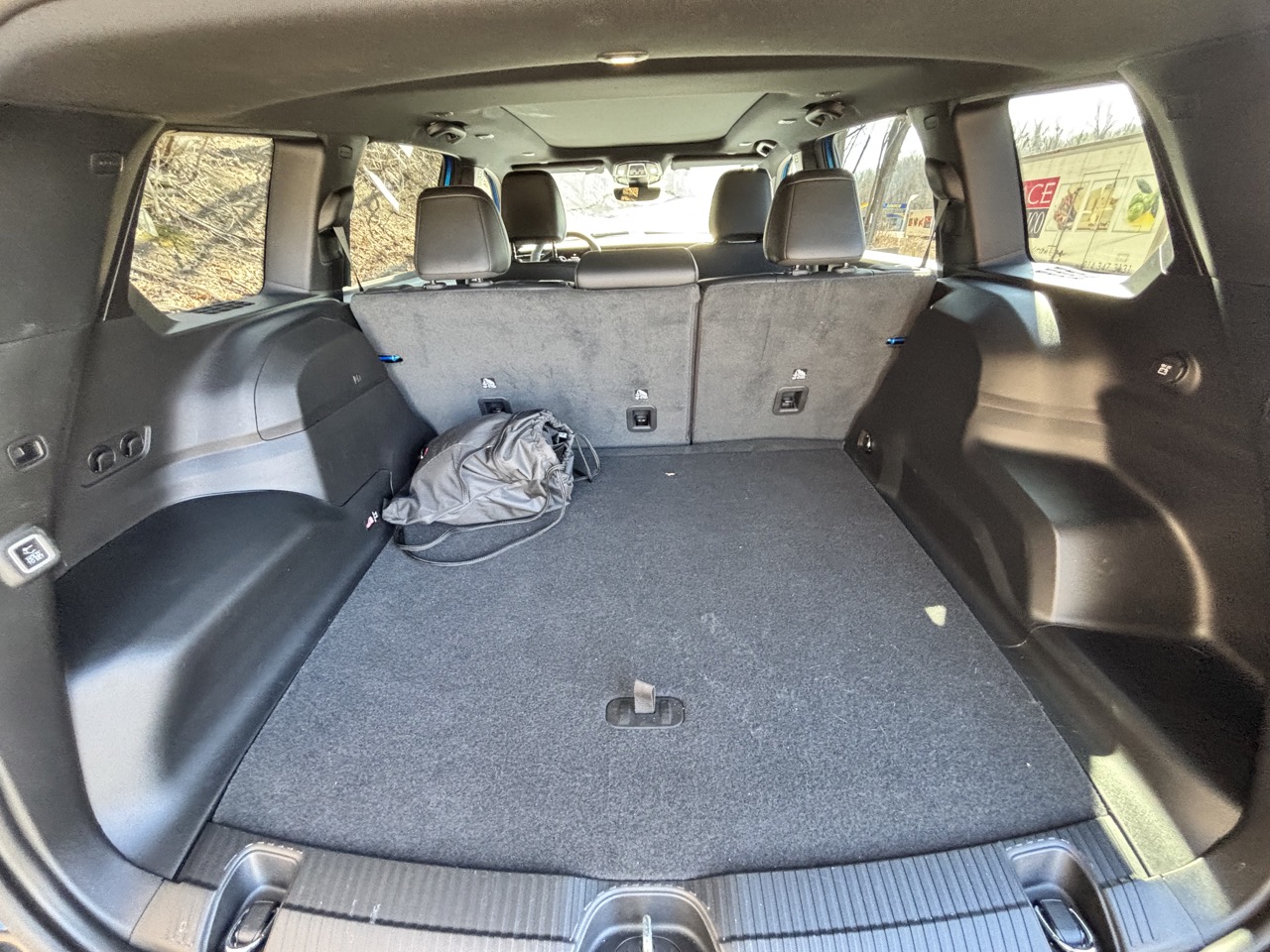
Trunk space is good, the rear passengers get more room for their legs than in the KL, and everything feels nice enough. It’s like the Jeep planners looked at the highly competitive segment and aimed for somewhere in the middle. Is it as big as a CR-V or as efficient as a RAV4? Nope. Is the design up to spec with the Mazda CX-5 or Kia Sportage? Of course not. Does it compare favorably with the Nissan Rogue, GMC Terrain or Volkswagen Tiguan? Absolutely.
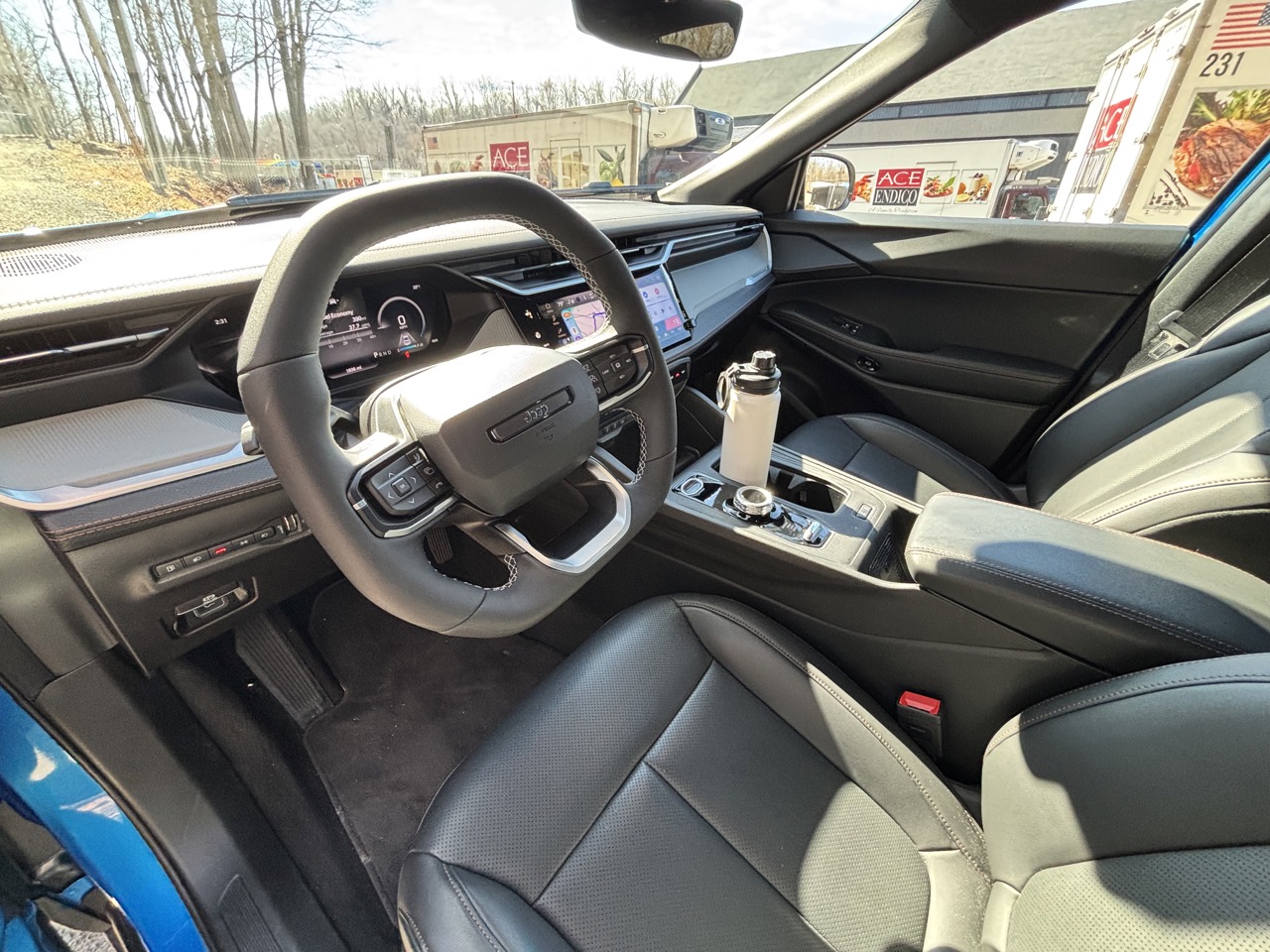
Rather than offering up two big, flat screens, Jeep designers integrated the flat-panel gauge cluster into the upper dash and the center 12.3-inch infotainment system (with UConnect 5) back where an old double-DIN might go. This makes both screens easy to read and is a much more elegant solution than just slapping an iPad-shaped tablet in front of the driver and calling it a day.
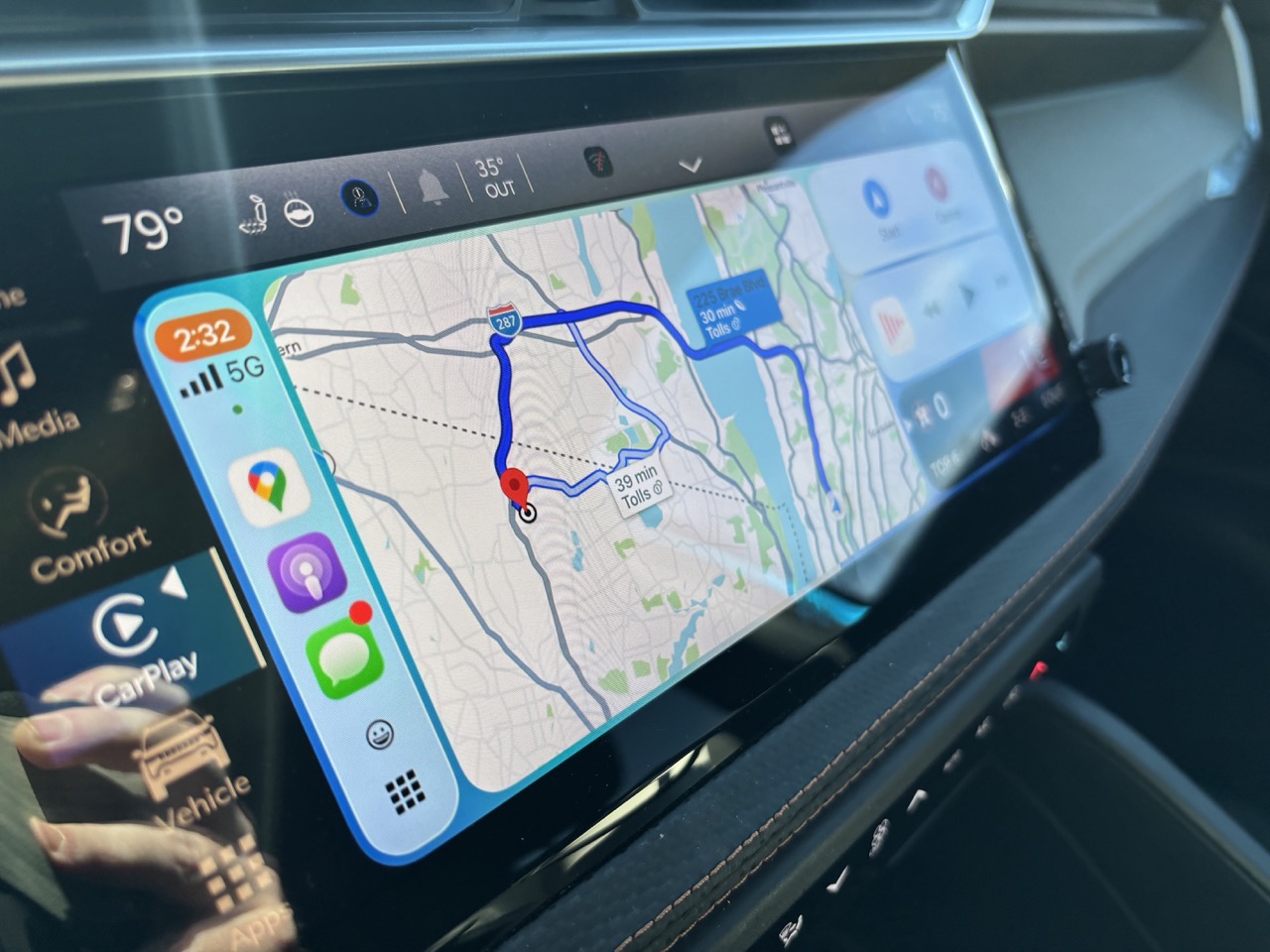
Nothing here is trying to do too much and, therefore, doesn’t disappoint. While Uconnect 5 isn’t the best infotainment system available, it’s far from the worst. I don’t love that the seat controls and HVAC buttons are all touch-capacitive. It could be worse, they could all be screen-based controls. Beggars, choosers, et cetera.
The French Hybrid System Is Also Quite Good
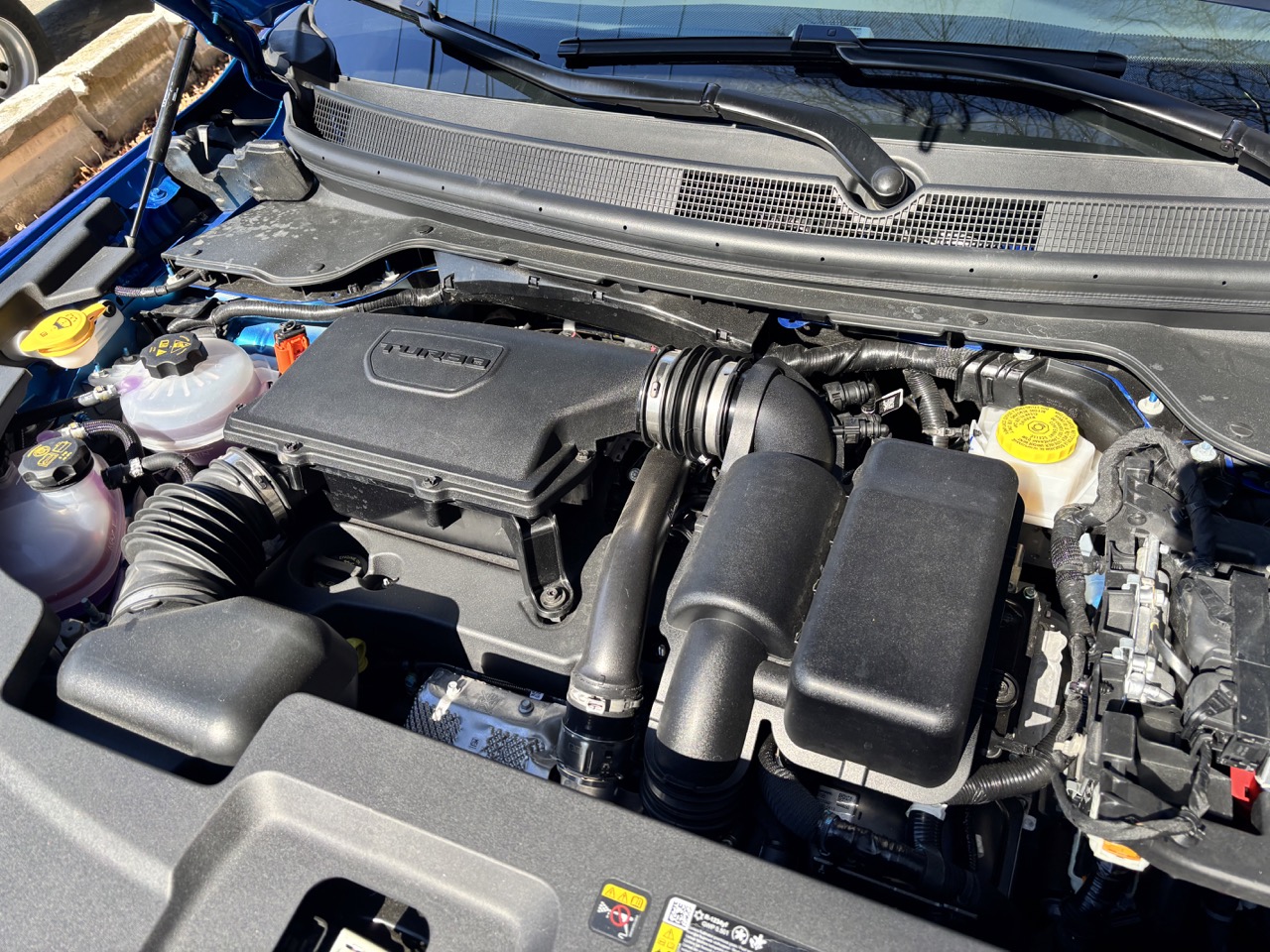
Some version of this 1.6-liter “Prince” motor has existed going back to the Obama Administration, and has been featured in everything from the Peugeot RCZ to the Mini John Cooper Works GP.
This latest iteration is American-built and designed for hybrid applications, pairing the high pressure turbo motor (up to 38 psi of boost) with a two-motor system not unlike what’s used in most hybrids these days. Backed up by a 1.03 kWh lithium ion battery, the system puts out a combined 210 horsepower. It’s got an “electronic variable transmission” which is just another name for a planetary gearset.
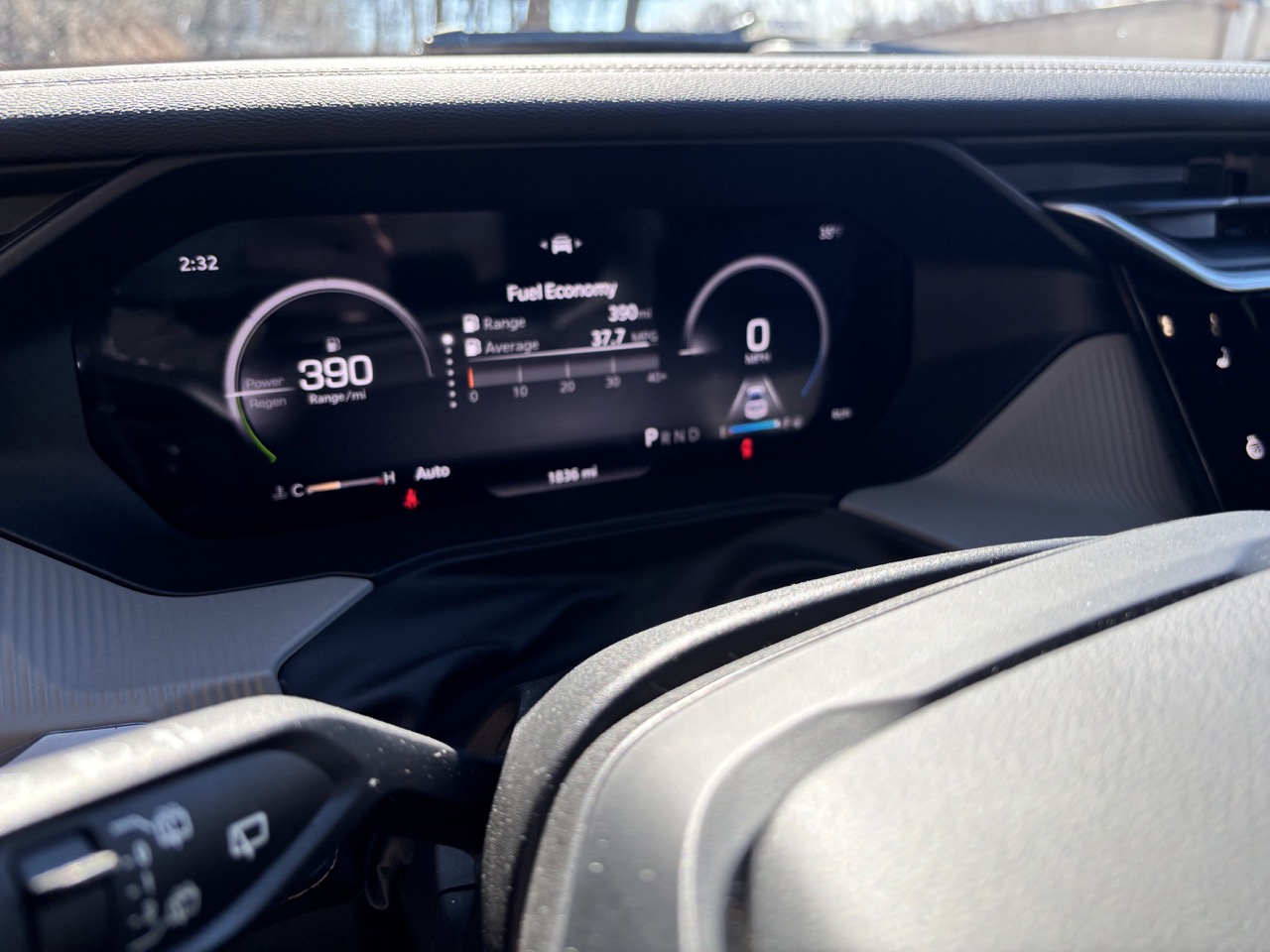
The Cherokee also does the very smart thing of using the lithium ion battery to support the 12V battery so you don’t kill the smaller battery while you’ve got a much larger battery right there. It’s a good system, and it felt like I had more power than my CR-V in most situations. It also returned a very good 37.7 MPG in a week of mixed driving, which edged out my hybrid crossover. When it worked, it was barely noticeable as a hybrid at all.
What’s That Sound?
Yeah, so, bad news for the first model year Cherokee buyers. I’m not sure if it was just my Limited 4×4 trim or not, but there were a few refinement issues with the vehicle that happened frequently enough that it’s worth pointing them out for anyone in the market.
The most obvious and unnerving one was an unpredictable and loud intermittent clunk when braking in the Cherokee. I couldn’t perfectly replicate it, so my best guess is it’s something in the planetary gearset when the motor quickly switches from propulsion to generation under certain conditions. Whatever it is, no other new hybrid I’ve driven does this and, while it doesn’t seem to impact drivability, it made me uncomfortable every time it happened.
Also while braking I noticed that the tuning on the regen felt off to me. Trying to predict the braking force necessary to slow the Cherokee was difficult, and I found myself overdoing it and underdoing in roughly equal measure.
I was also disappointed to find out that the Cherokee had electronic doors for no real obvious reason and, as Jason wrote, the rear doors don’t have an emergency release (and instead use supercapacitors for emergency power). The action on the doors didn’t feel as fluid as on other vehicles and it overall just seems very un-Jeep to me. It’s as if the product planners noticed on one else in the class had similar doors and thought it would be fun to offer them. It’s not fun. The next update of this vehicle should just ditch them altogether.
Is It A Jeep?
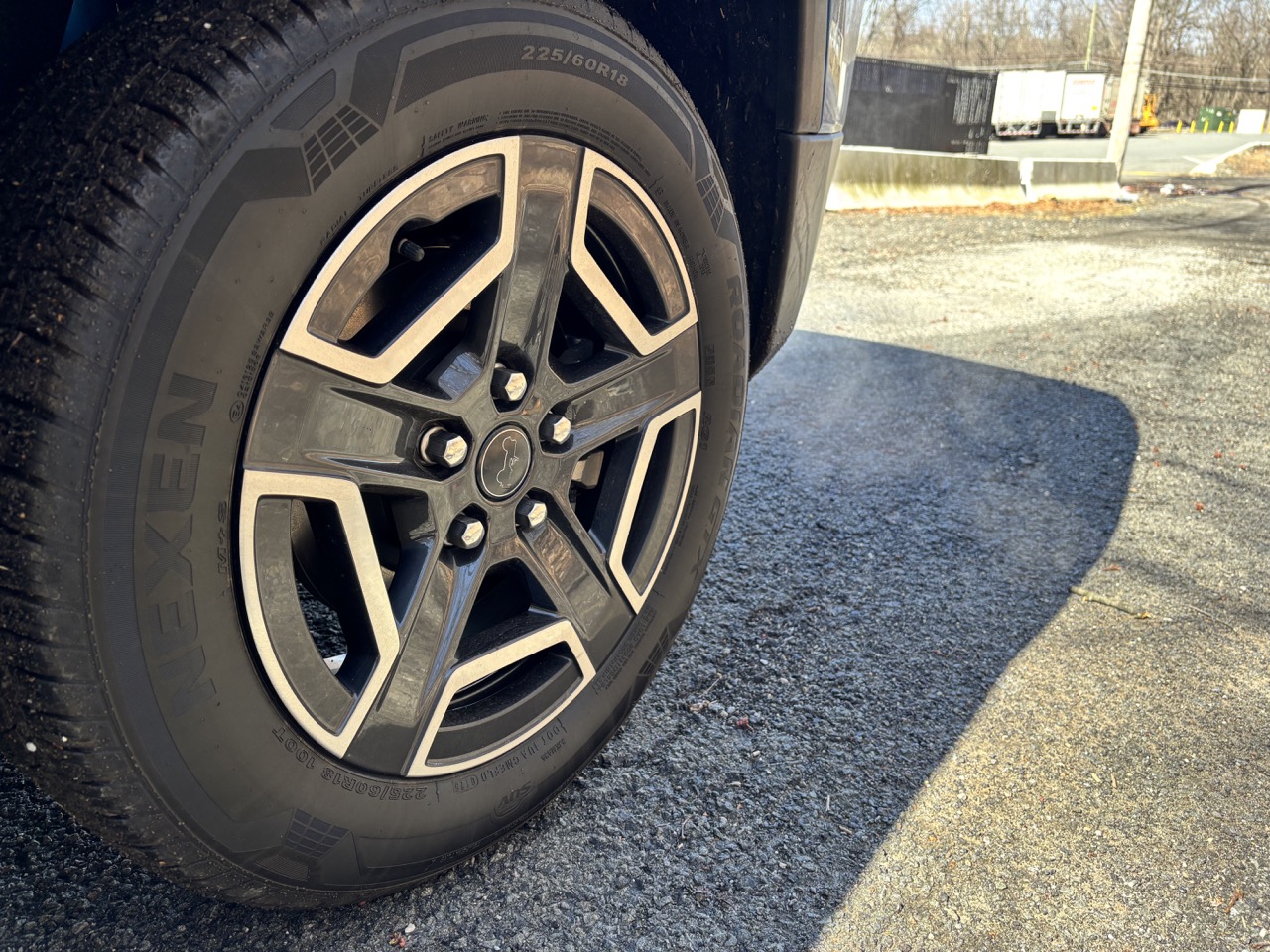
This is the question that David asked me when I told him I was driving the new Cherokee and I’m not sure I have a great answer. The otherwise attractive wheels (which echo the old Chrysler pentastar logo) have little WWII Willys Jeep caps in the center. That feels very try-hard to me.
On paper, the Jeep does have a few of the necessary requirements. There are multiple modes for different terrains. The approach and departure angles of 19.6 and 29.4 degrees, respectively, are the best in this class. The eight inches of ground clearance are about in the middle of what’s available, but I suspect the more off-road-oriented variants will improve on that. It did absorb bumps very well, and the AWD system has a mechanical connection to the rear wheels instead of a motor, as with some hybrids.
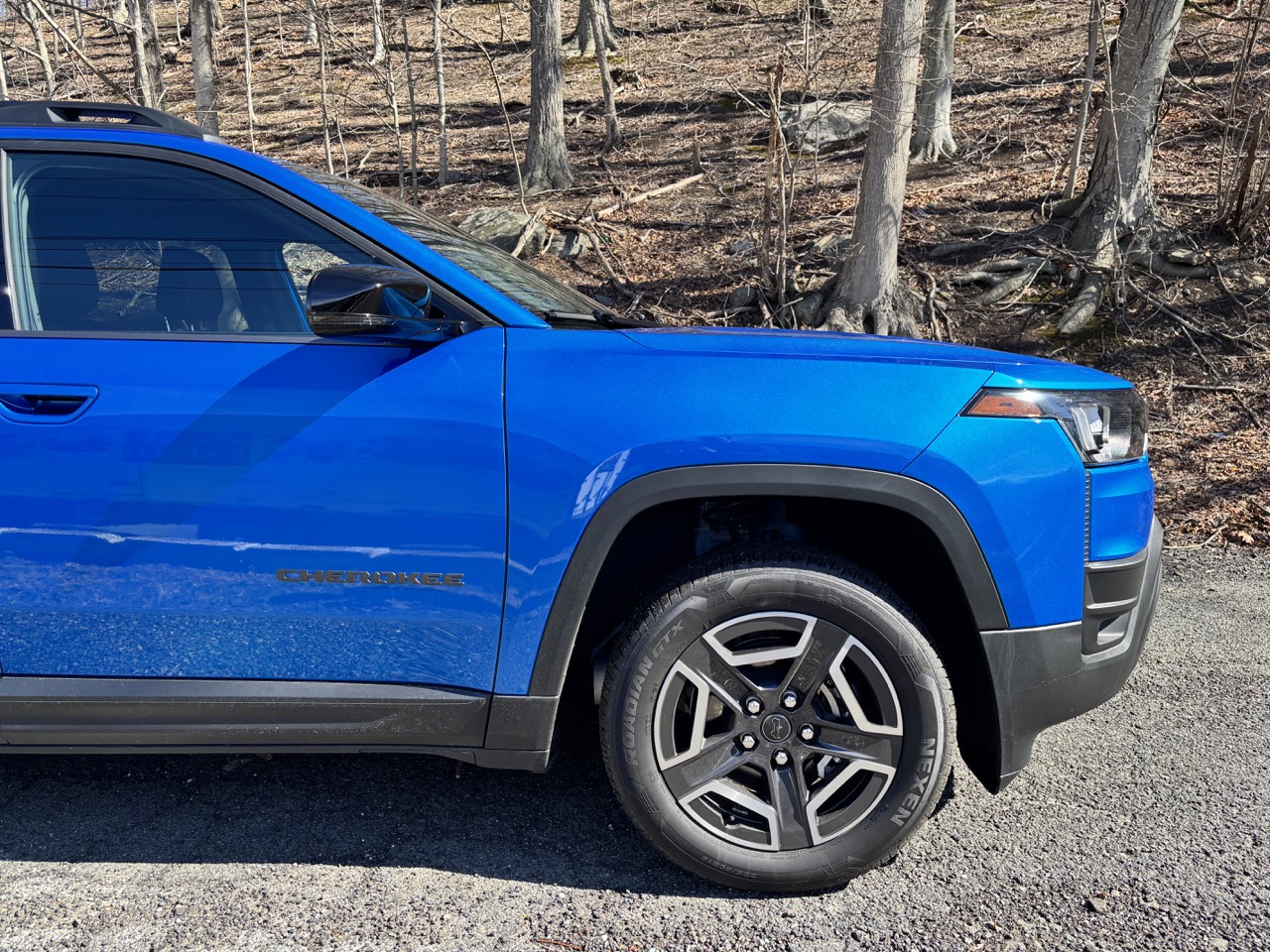
There are hints of previous Jeeps in the very square proportions, even if those proportions feel a little tacked on to the crossover. On the inside, there’s nothing about this that says Jeep to me.
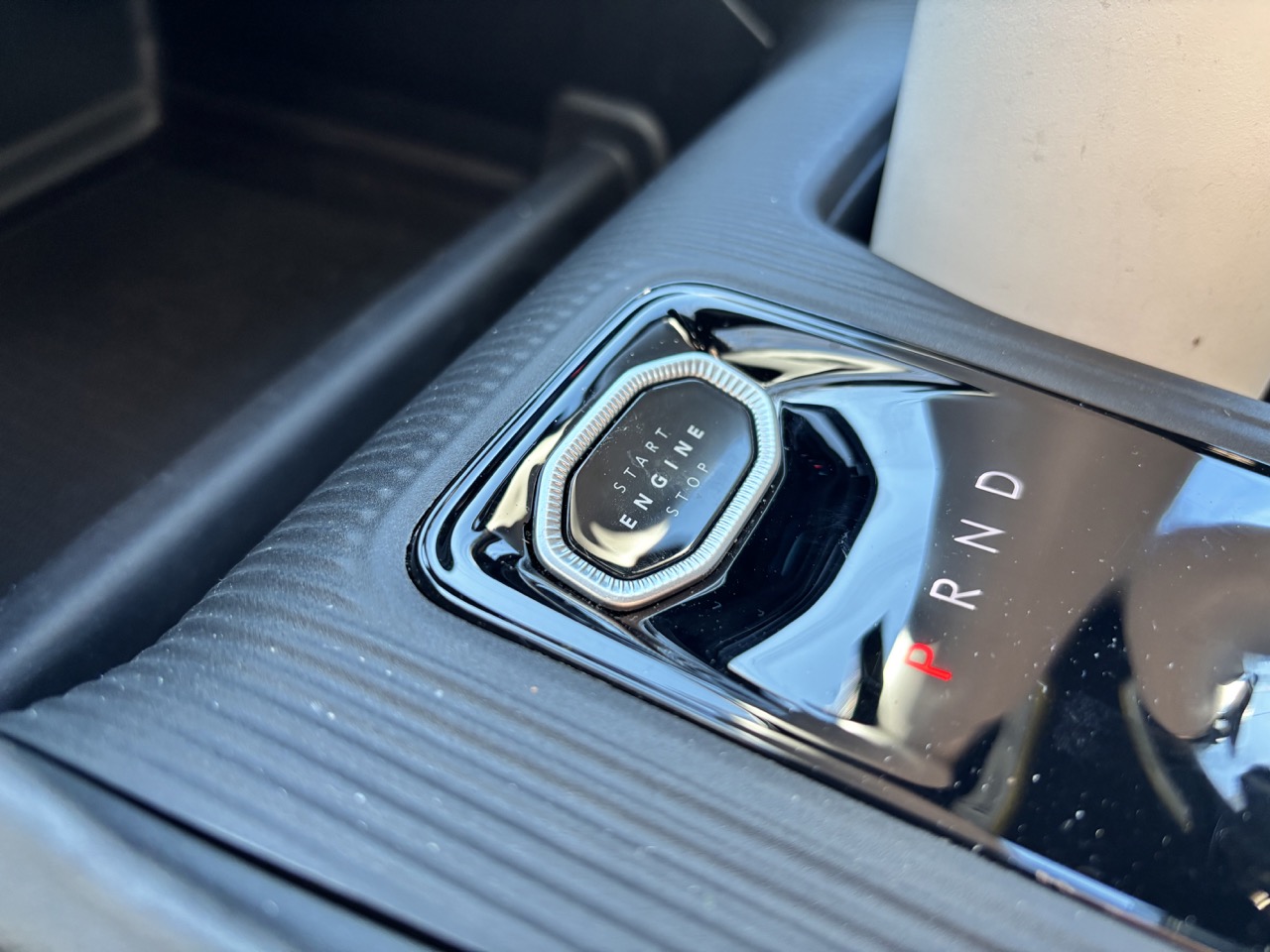
In fact, I asked my wife what she felt after going on a few trips in it with me and she didn’t even realize it was a Jeep until I told her.
Is It Good Enough?
This wouldn’t be the first vehicle I’d buy in this class, but it wouldn’t be the last one I’d buy either. It really does find itself perfectly in the middle of the older, non-hybrid vehicles like the Nissan Rogue and Volkswagen Tiguan and the newer offerings from Honda, Toyota, and Kia.
Middle of the range is an ok place to land, but in this class you still need to be close to perfect. There are too many good options. The other option is to be a value play. The Cherokee, on paper, is too expensive. Just going off the MSRP, the $43,000 you’d spend on a Limited equipped like mine is enough money to buy you a TrailSport Hybrid CR-V, which is a much better vehicle.
My guess is that most people will not actually be spending that kind of real money on the Cherokee. This is a vehicle destined for consumers looking for a deal and, likely, those folks will be able to find a Jeep dealer happy to make that happen.
As a first attempt at making a third attempt (or fourth, depending on how you count things), it’s not bad, and I’m hopeful that Jeep can eundertake the kind of iterative improvements that other vehicles in this class get to enjoy. A 2026 Cherokee is a decent car. Unfortunately, a decent car isn’t good enough for compact crossover in the Year of Our Jeep 2026. Bring on 2027!
Top graphic image: Matt Hardigree





The Prince engine?!? The horrifyingly unreliable piece of shit that destroyed MINI’s reputation for the better part of a decade and dug them into a hole they’ve yet to recover from, that Prince engine!?!
Because people already think Stellantis products are reliable – that Prince engine?!?!?!
mugatu_crazy_pills_clip.mp4
I don’t know if it’s the styling or the look of the materials (or a combination), but this thing looks offensively cheap for a 2026 car.
The door handles are gonna be a no from me dawg but it looks plenty practical and it’s not offensively fugly. Plus nows a good time to drop a hybrid when gas prices are rising 🙂
I think this will do reasonably well *if* the dealers can price it well. It should certainly run circles around the Hornet! And it’s not as if the Cherokee hasn’t been just another CUV for some time now, so this isn’t any worse in terms of not being an XJ.
Those wheels actually remind me of some aluminum or magnesium wheels that were available in ‘68 or ‘69 on a couple of Mopar muscle cars. They were all recalled because the bolts would stay tight on them at the time.
“older, non-hybrid vehicles like the Nissan Rogue and Volkswagen Tiguan”
…
(What I’m trying to say is that the “first (1st) drive” article for the current Tiguan is less than one year old. How could that Tiguan be any older than the CRV that was introduced in 2022?)
wondered this also
the new tiguan is also getting great reviews for the interior materials
I sat in one of these at a recent auto show and was actually pretty impressed with the materials and fit and finish. Might have been a tarted-up example and the price in CDN isn’t particularly competitive, but at least they screwed it together well. Pretty spacious too boot, and the infotainment was pretty smooth.
Maybe i just had low expectations, but didn’t think it was the worst Jeep i’ve ever sat in.
Stellantis interiors are generally good, and often better than the competition. And it’s dereliction of duty for any reviewer to not ding Toyota for their awful interiors when doing a comparison. (The Toyota may win the comparison as the better car overall, and that’s fine, but reviewers too often brush aside their major shortcomings.)
I completely agree regarding Toyota. The press and people in general are way too quick to set aside real drawbacks just because it’s a Toyota.
Word choice matters. When reviews talk about “simple, durable, hard wearing materials” to describe the interior, they would say “cheap plastics” if it wasn’t a Toyota.
“When reviews talk about “simple, durable, hard wearing materials” to describe the interior, they would say “cheap plastics” if it wasn’t a Toyota”
I’ve seen this phrase discussing the new Tacoma/4R interiors and I agree it’s a stupid disingenuous way of pretending a $50K SUV or truck doesn’t feel like an economy car.
But I’ve also frequently seen the opposite approach taken by car enthusiast mags to slag on Toyotas when they are trying to pretend that the competing Honda or H/K model doesn’t have a similar prevalence of hard plastics and cost-cutting.
We tend to remember what supports our narratives.
I sampled the interior of an Elite-trimmed 2026 Honda Pilot at an auto show recently, and was aghast at the sea of ‘simple, durable, hard-wearing plastics’. It was awful and a few steps back from the interior of our 2007 Pilot EX-L.
“The Toyota may win the comparison as the better car overall, and that’s fine, but reviewers too often brush aside their major shortcomings”
That depends on the reviewer. The outlets I read don’t do that at all, they tend to be critical of Toyotas over matters that then get ignored or glossed over in the other brands they prefer.