


One of the main drivers in the Finnish automotive landscape has always been cost-of-operation. Traditionally, we’ve had expensive fuel and considerable taxation, and the cold climate isn’t the most car-friendly. There aren’t that many fuels that can be fully produced locally since we aren’t an oil country; these days, renewable diesel is produced in Finland, as well as CNG biogas and bio ethanol for use in road vehicles. Gasoline and diesel refined in Finland contain bio components from local sources, including food waste.
We’ve also had local automotive production in Uusikaupunki, starting with Saabs but encompassing such varied marques as Porsche, Mercedes-Benz, Fisker and Lada over time. After a humble start assembling Saab 96s for the local market beginning in 1969, Valmet production expanded to include vehicles for export, and out of those, the Saab convertibles are probably the best-known.


All the Seinfeld era Saab cabrios were Finnish-built at Valmet, and only the final generation of 9-3 convertibles moved to Austrian production at Magna-Steyr. Combine these two things: the strive to drive cheaply and the ability to build cars to answer local demand, and you open the door to some rather interesting experimentation.
Saabs From Finland
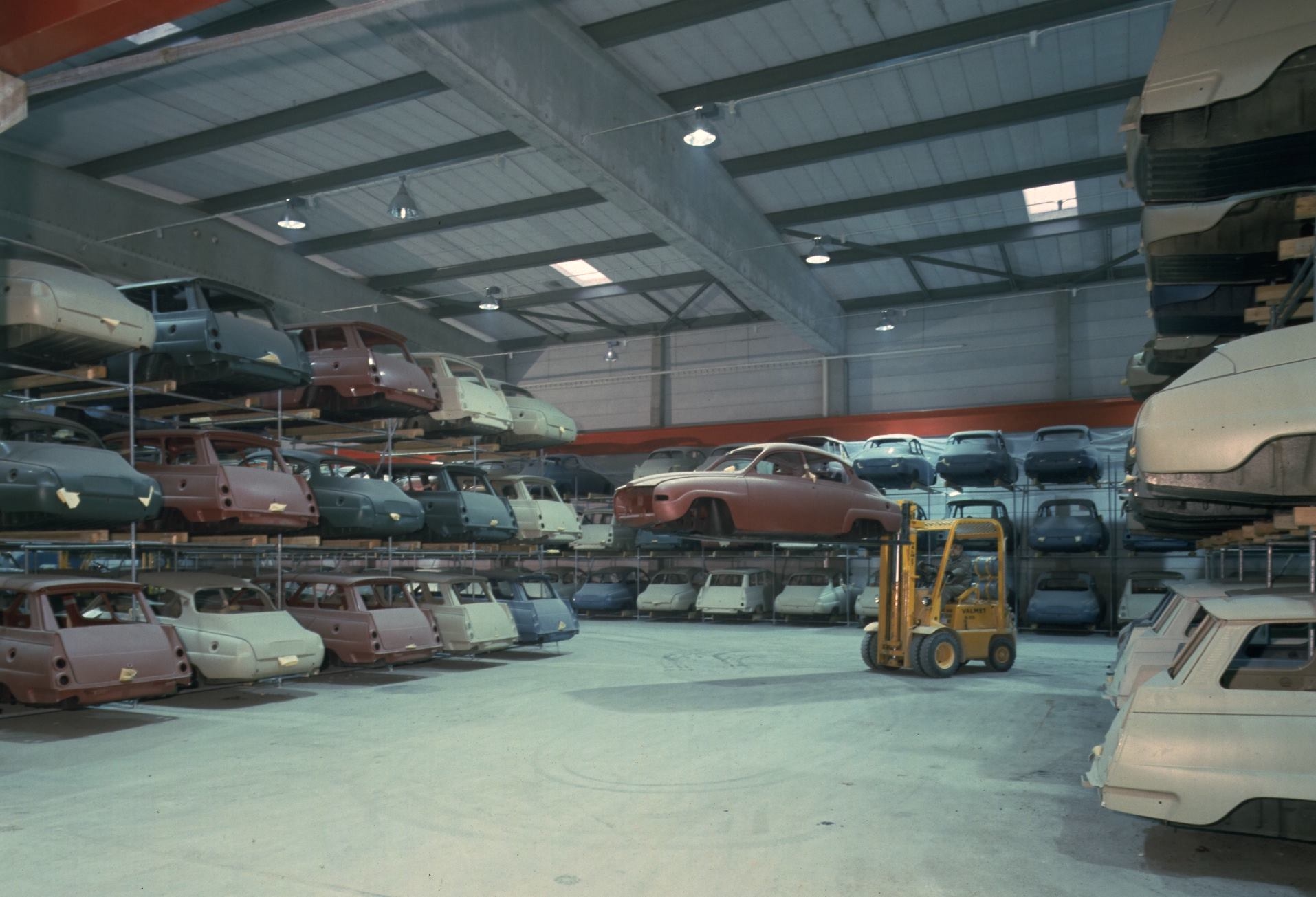
Finnish production also meant the Saab factory could experiment with other low-volume stuff as well as convertibles. Stretched, “Finlandia” specification 99s and 900s were produced here, providing better rear legroom for statesmen and industry leaders.
And since the 1970s were oil crisis times, the Finnish factory soon considered alternative fuels. As an example, gasoline prices rose by a quarter overnight in January 1974 and diesel prices by 40%–in comparison, heavy heating oil nearly tripled in price. As turpentine was a by-product of the Finnish paper industry, it was initially on the table but soon deemed unsuitable for use in vehicles, despite being sometimes used as a gasoline substitute for trucks in wartime.
Petrol Or Kerosene?
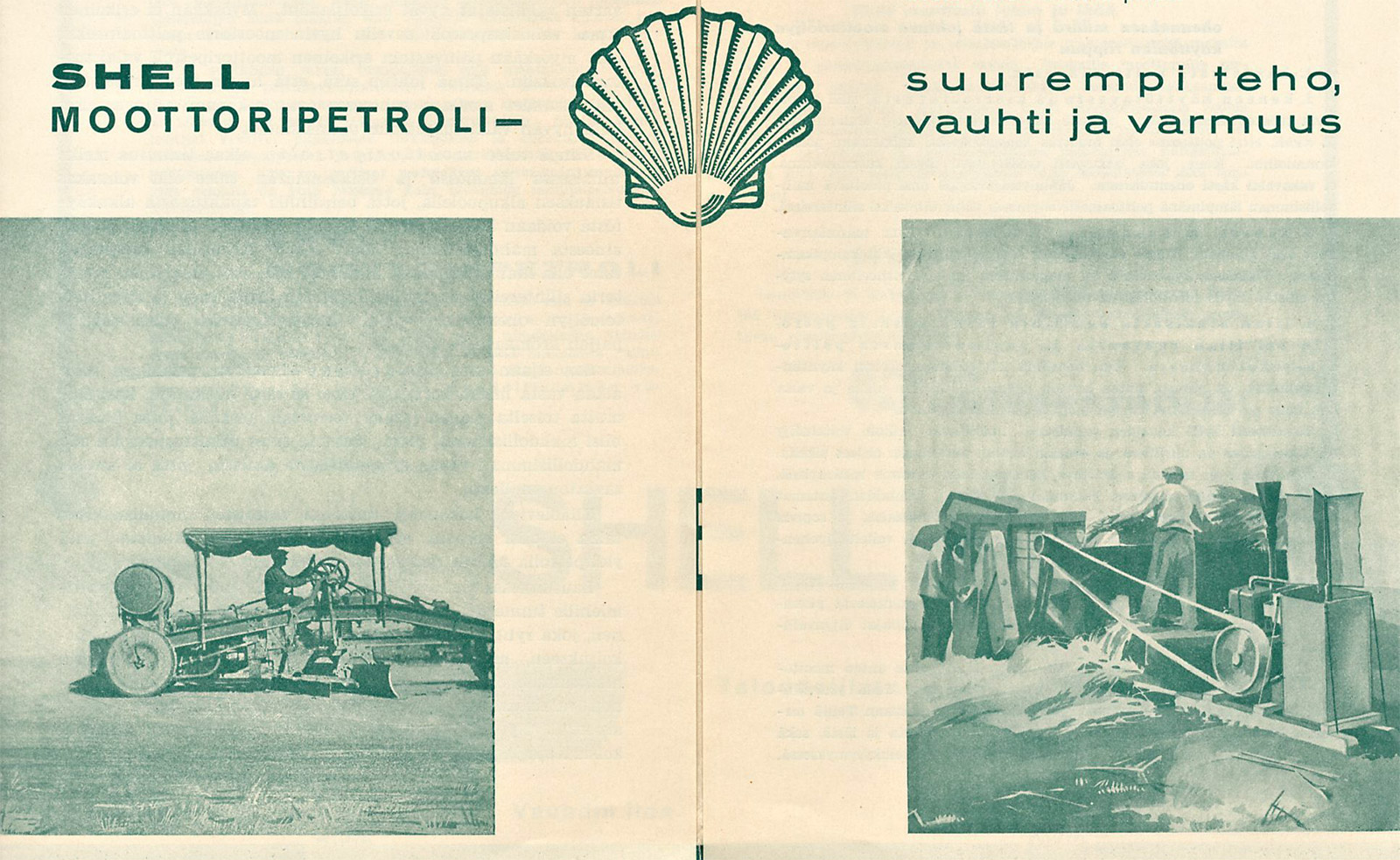
Way back, the national fuel industry also produced kerosene for boats and tractors as well as aviation applications and lighting. Not all tractors ran on diesel, but some used kerosene in the olden times.
This is also a good moment to go into specific terms: kerosene was referred to as “petrol” in Finland, while only aviation kerosene was called “kerosene.” This is likely confusing for British readers, as the word “petrol” stands for regular gasoline in the UK. But it’s the reason why Finnish car variants engineered to run on kerosene were called “Petros.” For convenience, we will refer to the fuel as kerosene in this article, no matter what the badging.
And as a bonus language tip, the word for gasoline in Finnish is bensiini, likely derived from the Swedish “bensin” and German “benzin.”
Could Kerosene Work?

Given that fuel prices soared in the 1970s, motor kerosene started to attract attention. The thought process makes sense: since it cost a fraction compared to regular gasoline was also more lightly taxed at the pump, shouldn’t it be considered as an alternative fuel?
Developments soon got underway by the time of the second oil crisis in 1979, with some home mechanics also converting their gasoline cars to run on kerosene by lowering compression and setting up a dual fuel system. It was also possible to mix kerosene with gasoline, but mixtures with more than 50% kerosene were advised against. An engine block heater was also necessary at the very least, to improve cold starts.
Because alternative fuels from the viewpoint of the government can introduce the possibility of tax evasion, conversions were also subject to an initial 20-fold yearly road tax when the car was re-registered as a dual fuel vehicle. Factory kerosene cars were taxed the same way as diesel-powered cars, which is to say more heavily than gasoline cars to offset some of the cheaper fuel cost, but they didn’t incur the punitive registration tax.
Suomen Autoteollisuus, which produced heavy Sisu trucks and also imported British Leyland cars, experimented with kerosene during the winter of 1980-1981. The company picked a Range Rover for the purpose and proceeded to fill the tank with a 50/50 blend of kerosene and high octane gasoline. The only modification for the car itself was retarding the ignition by 3-4 degrees; the carburetors remained with stock adjustments and the motor oil was recommended to be diesel engine specification. The company noted fuel consumption was unchanged, cold starts worsened below -15 Celsius degrees and engine power dropped slightly, especially at low revs.
Enter The Saab Petro
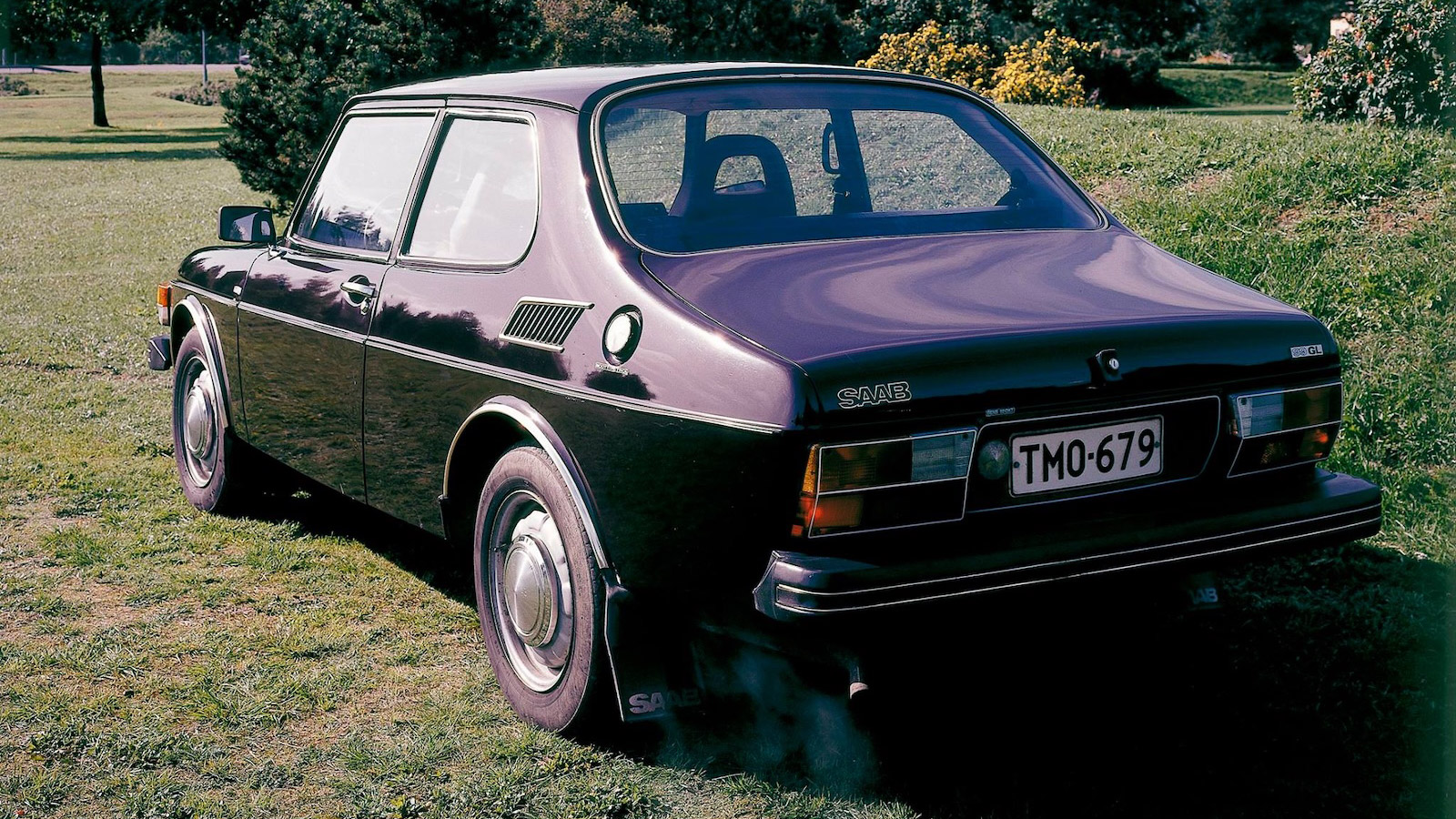
The first factory-built kerosene-powered car for Finland was the Saab 99 Petro in 1979. It was based on the two-door, base model 99 sedan with the two-liter naturally aspirated four, with compression reduced using 99 Turbo pistons. The setup also included two tanks with their own fuel lines and fuel pumps, with the kerosene filler neck located next to the license plate in the rear. The tanks for the dual fuel system were 40 liters for kerosene and 19 liters for gasoline.
You couldn’t run the car solely on kerosene: as motor kerosene had a significantly lower octane rating (65 RON) than regular early ’80s gasoline (92 RON), the system injected gasoline into the cylinders with a vacuum operated valve at start-up with a cold engine, when choke was used, and under heavy load. Yet, pinging would remain an issue for the entire duration of the kerosene experiment.
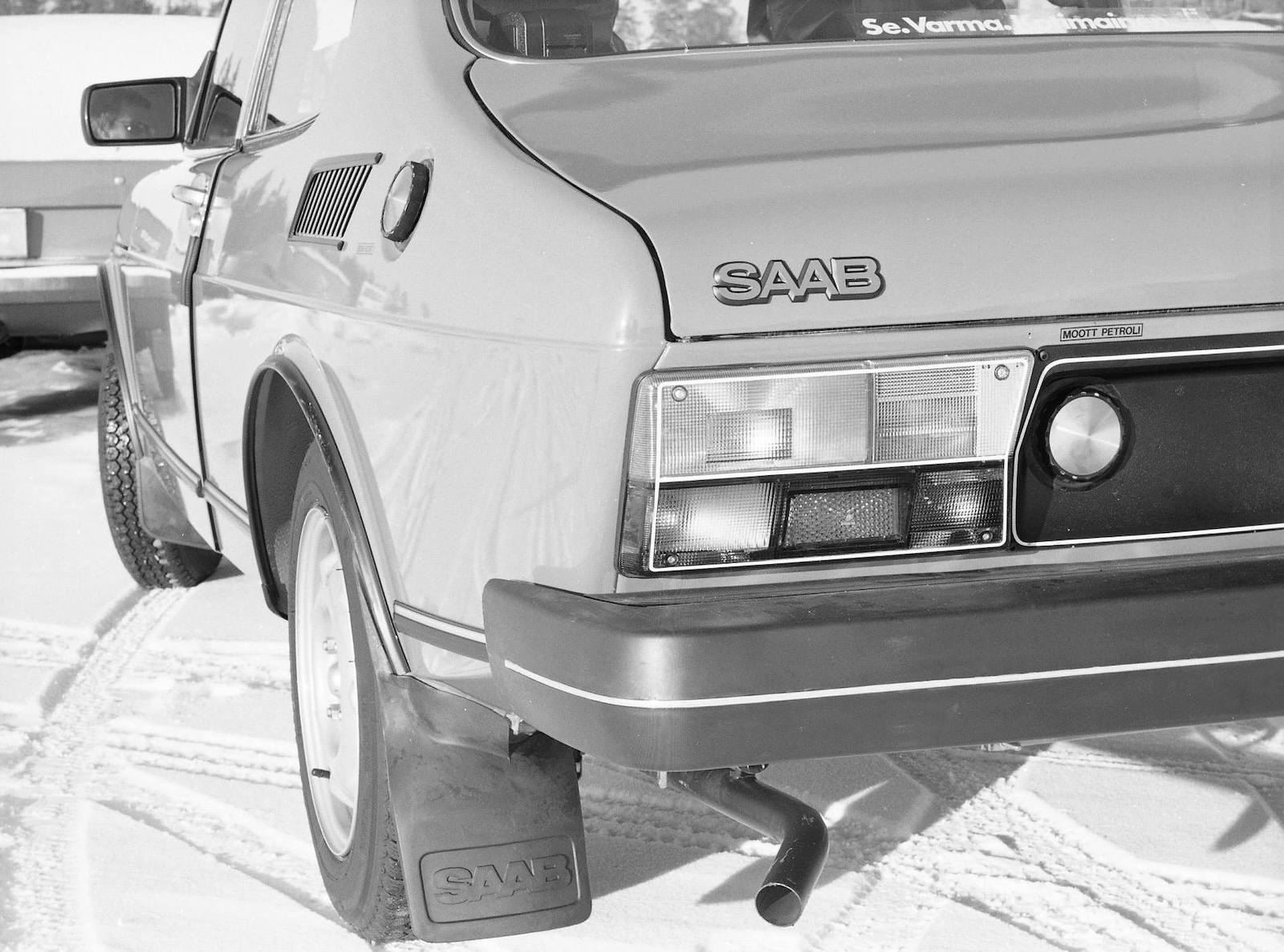
During driving, the dual fuel system would work automatically, but the driver had the option of switching between fuels depending on the amount of either fuel in the tanks and whether the car would need to be started up on gasoline after parking. The fuel gauge was shared, meaning there was a specific switch to change the readout from tank to tank.
Fuel consumption rose only by less than a half litre per 100km, but engine power was reduced by 15% to 85 horsepower. Gasoline usage represented 10%-30% of the entire fuel consumption depending on driving.

Once the Saab 99 Petro program was up and running, Saab-Valmet also begun producing a cheaper option, the Horizon. That one takes some explaining up front.
Saab’s Chrysler-Simca-Talbot
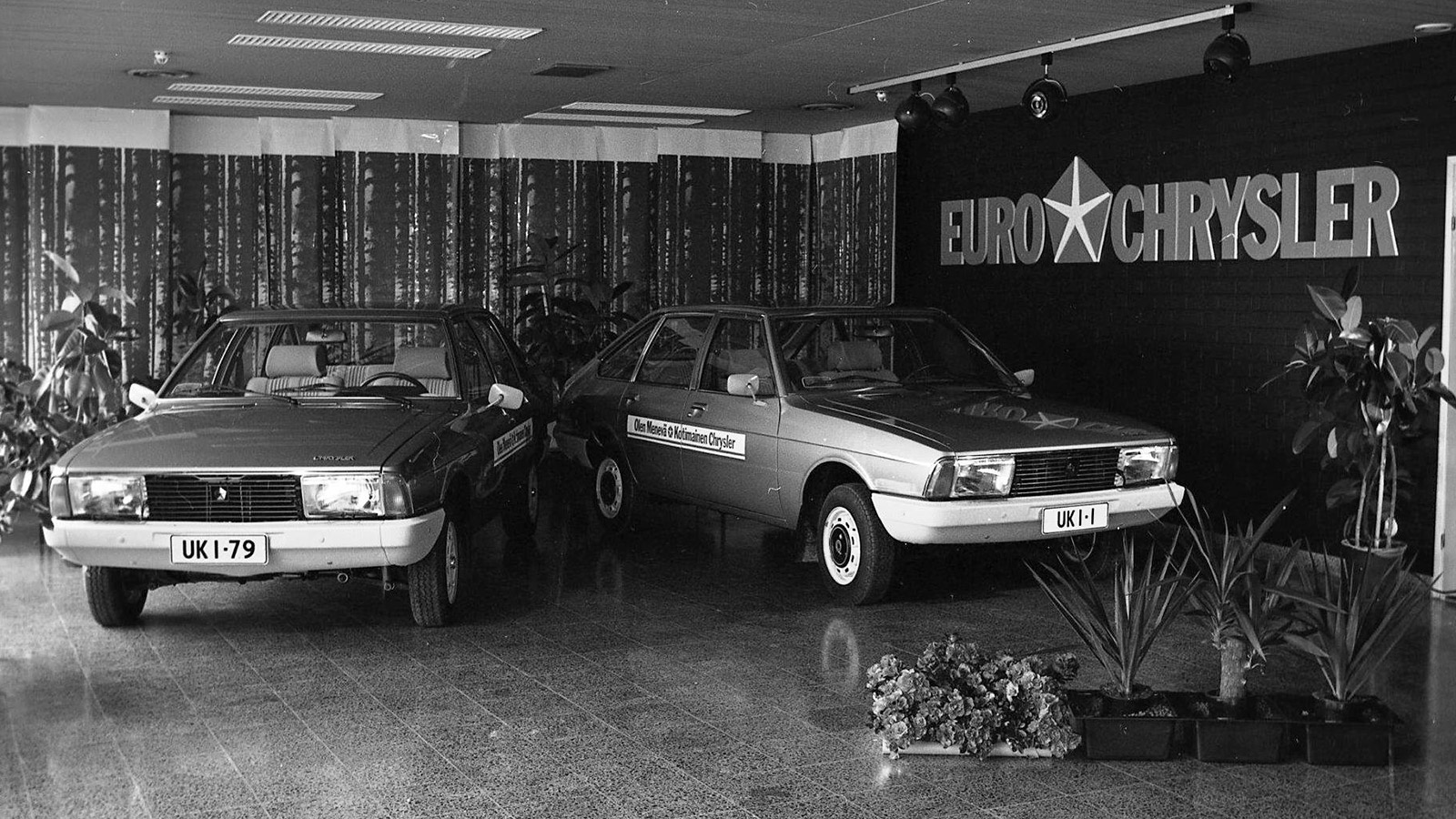
As the Saab 96 was really getting on a bit in by the late 1970s, Saab needed to replace it with something for the lower end of the model range, below the 99 and the future 900. As it was a relatively small manufacturer, it had to rely on other carmakers to boost its offering: in the future, Saab would do this again and again with 9-2X “Saabarus” and 9-7X “Trollblazers”.
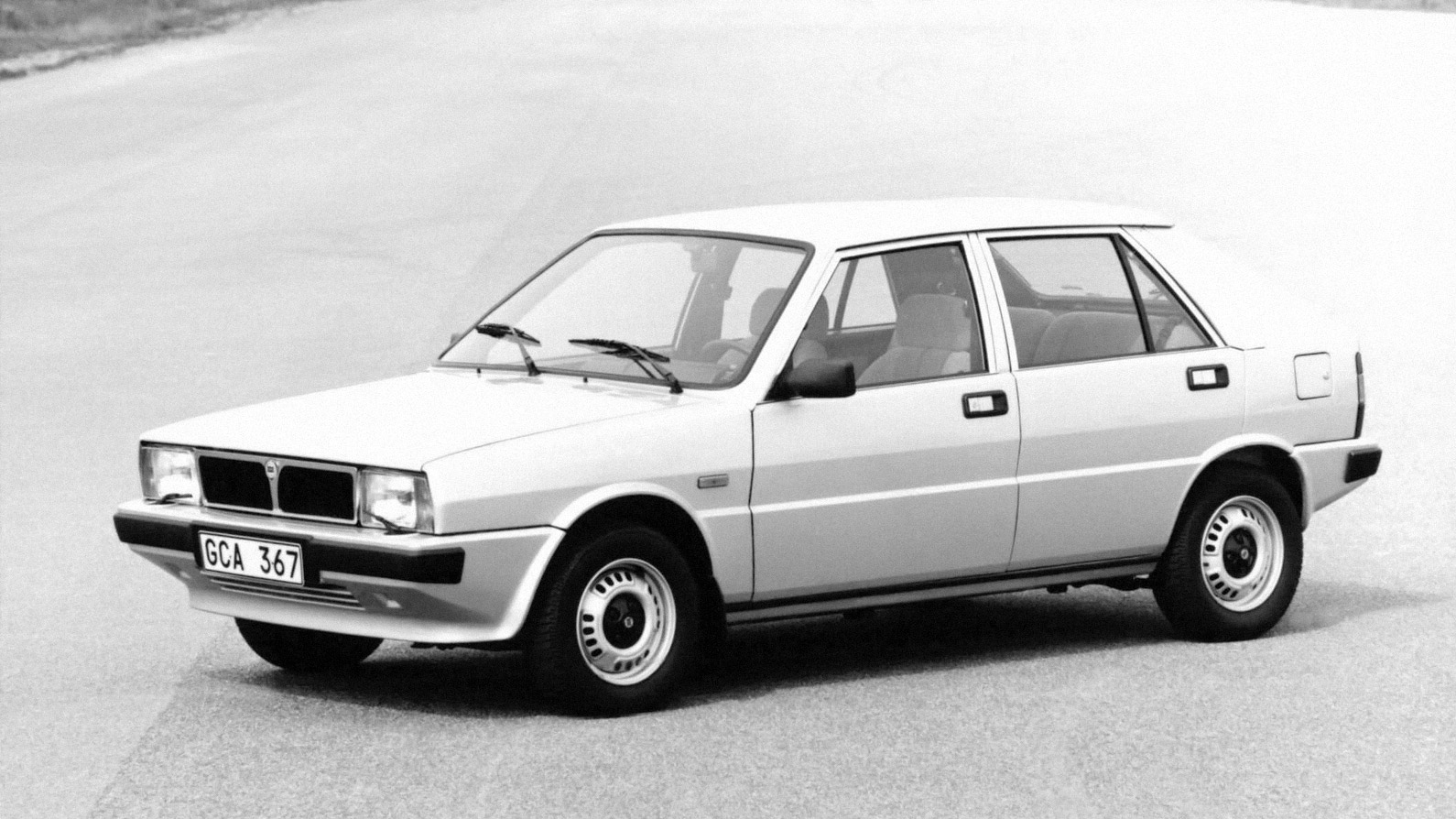
For the Swedish market, Saab badge-engineered the Lancia Delta as the Saab-Lancia 600, complementing it with the Autobianchi A112 for the supermini price range.
The Delta was initially considered to be produced in Finland as a Saab 96 successor, but this was met with significant resistance from the Finnish operation and the Uusikaupunki factory eventually began producing Chrysler-developed cars instead.
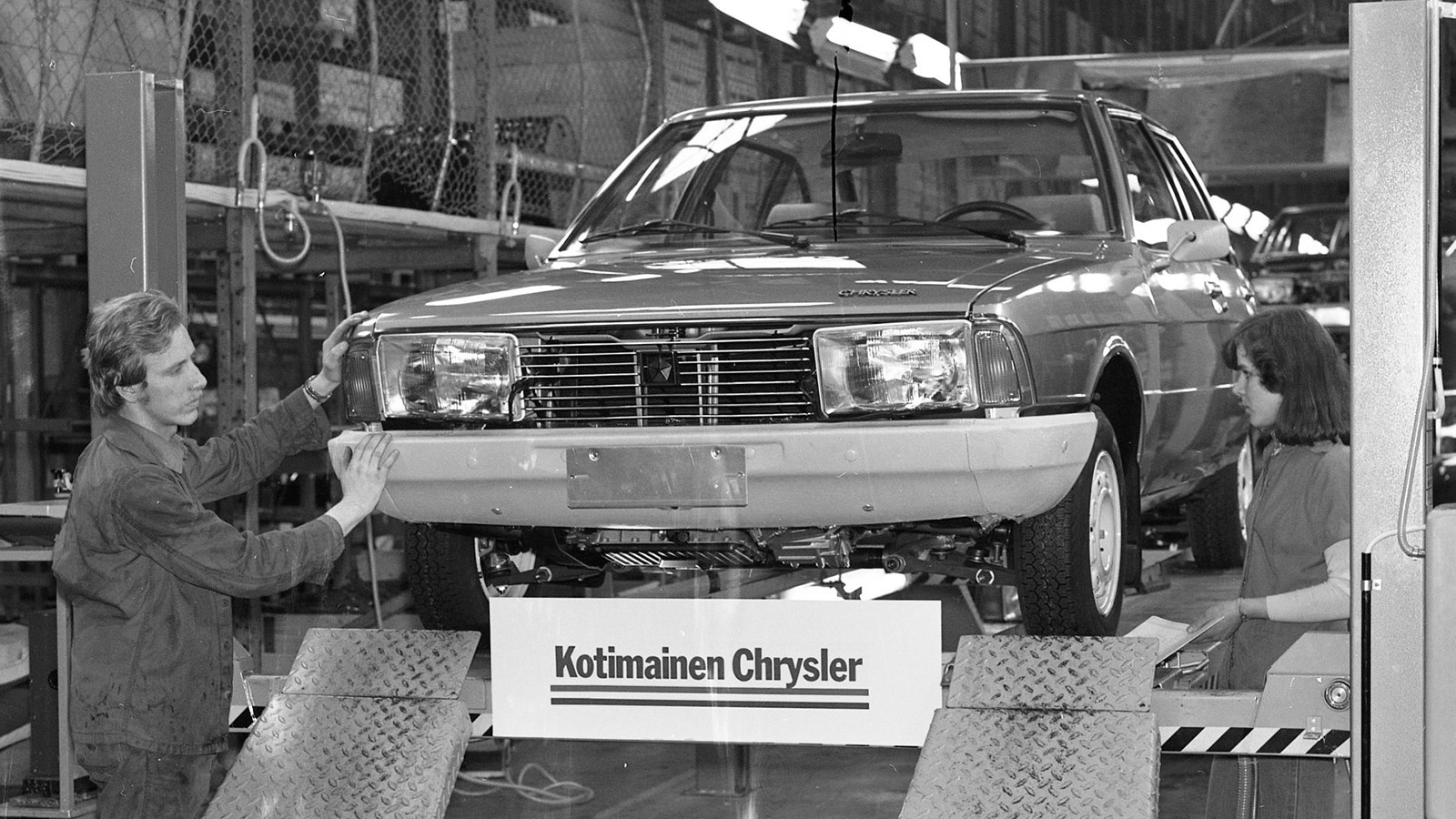
These weren’t North American models, but the Chrysler-Simca 1307 and the Horizon, which both had won the European Car of the Year award in 1976 and 1979, respectively, before Peugeot began badging them as Talbots (after buying Simca’s remnants from Chrysler Europe).
Saab-Valmet was initially only interested in building the Horizon, but Peugeot demanded that the bigger car, also sold as the Chrysler Alpine in some markets, would also need to be built in Finland. The Saab 96 would continue to be produced up to 1980.

American readers know the Horizon as the Plymouth Horizon and the Dodge Omni, but the European model was slightly different, and the Valmet-produced one especially so, as some Saab features were introduced in them to win over buyers accustomed to Saabs.
The first change, already at the car’s MY1980 start, were sturdier bumpers that differentiated the Horizon from its French siblings; for 1981, the car received a tougher suspension setup, a better heater and different, likely domestically sourced upholstery. Later on, front seat backrests were also changed to high-back Saab design. The 1.3-liter engine was also supplemented by a 1.5-liter “big block”.
Kerosene In The Horizon
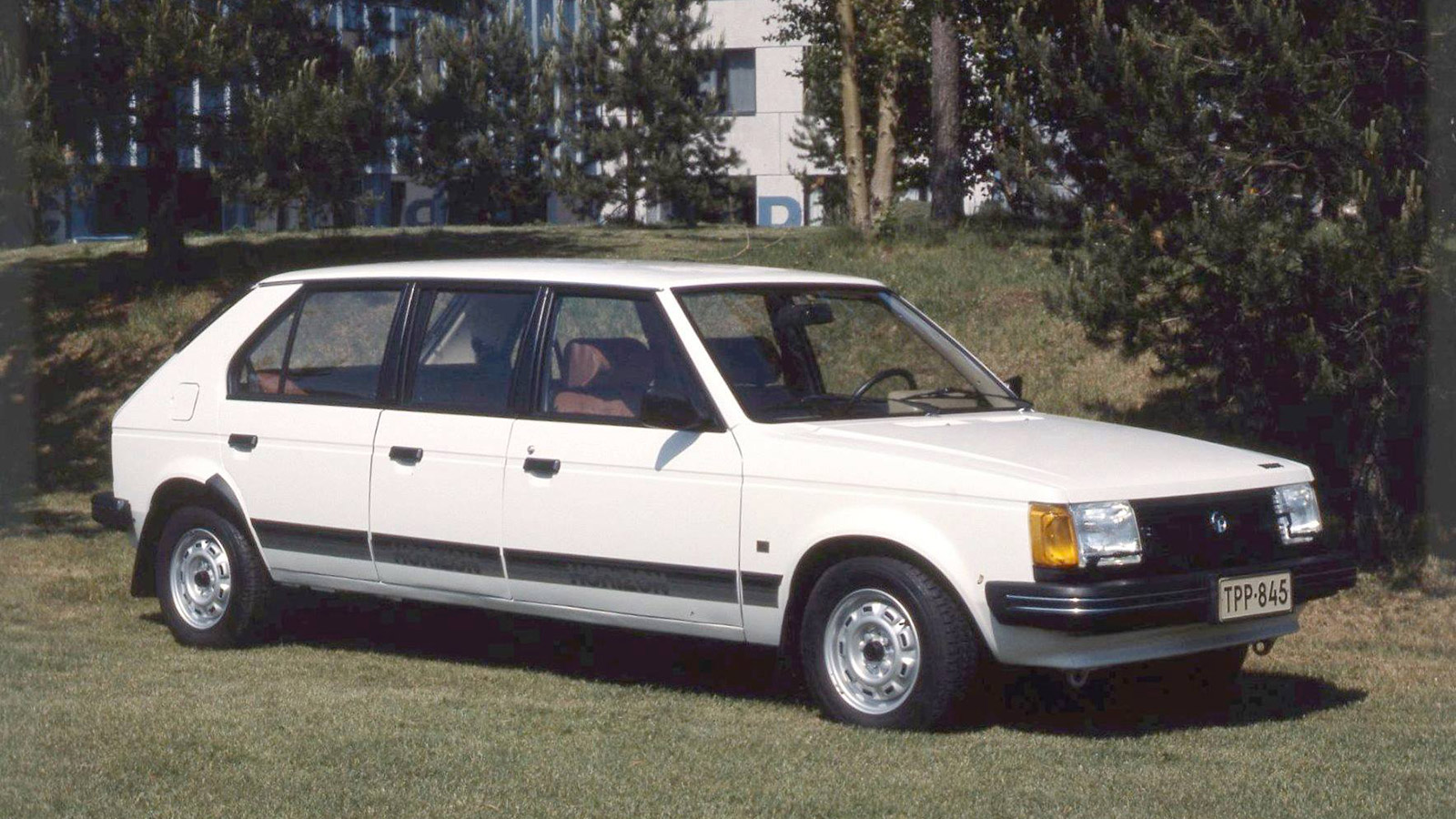
In 1981, the Horizon Petro was also introduced. While the Saab 99’s kerosene option was done relatively easily, the Horizon needed more development to run on the stuff. First of all, the 1294cm3 engine was off the table as the power drop would render it completely useless. The larger 1442cm3 engine was then modified with Spanish low-compression specification pistons and a thicker head gasket, resulting in 7.7:1 compression (7.2:1 in the Saab).
The Horizon’s dual fuel system had a small 12-liter tank for gasoline; the car’s original fuel system was dedicated for kerosene with the supplementary gasoline setup alongside. When the engine temp reached 70 degrees Celsius, it would automatically switch over to kerosene, again receiving doses of gasoline under heavy load. The dashboard also had similar switches as the Saab for using gasoline, and this time there was a separate fuel gauge for kerosene, replacing the oil pressure gauge. Gearbox ratios were also changed to account for the lower engine power: the Horizon Petro had just 60 horsepower and a positively weedy 90Nm torque figure – that’s 66 lb-ft. The 1.5 GLS running on gasoline had 85 horsepower!
Turns Out The Fuel Kills Engines
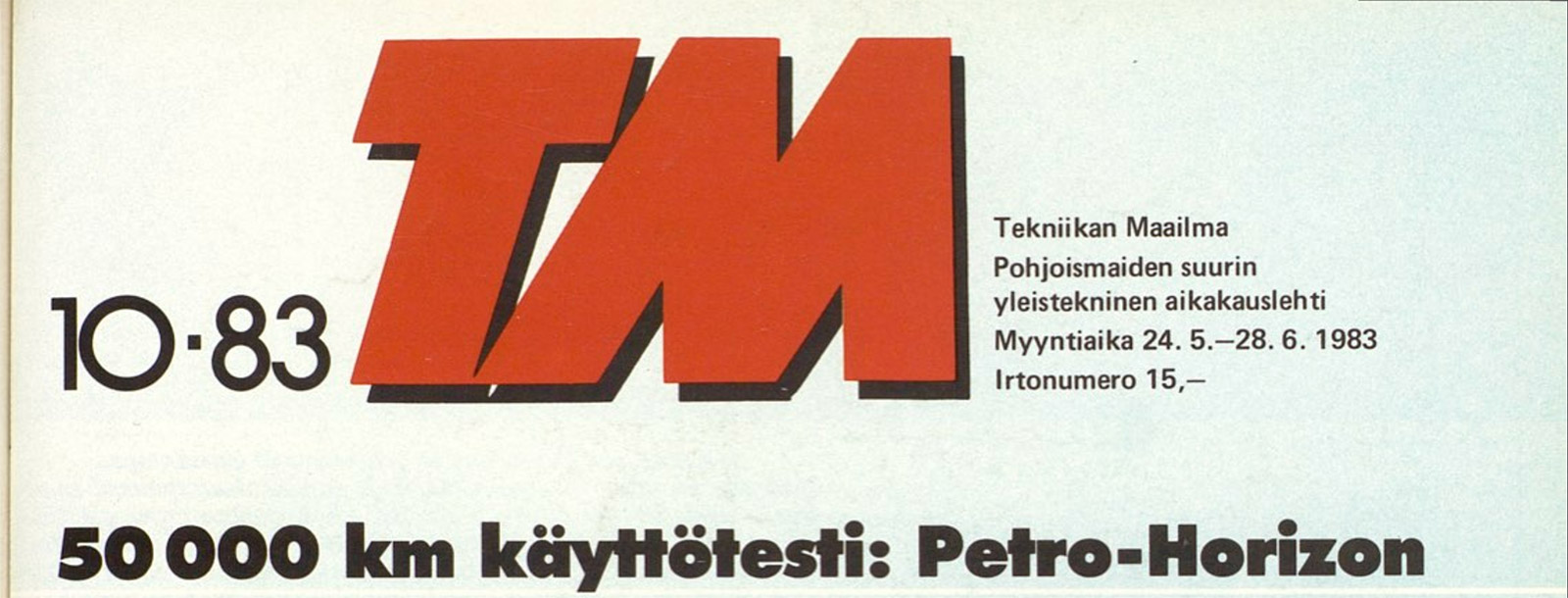
One of the biggest automotive magazines in Finland, Tekniikan Maailma (= Tech World), ran a long-termer Horizon Petro from fall 1981 to spring 1983. These two winters proved the Horizon to be compromised and complicated to use and the 30,000 mile/50,000km distance was enough for the engine.
The magazine, in its 10/1983 issue, reports that the engine felt low on power from the get-go, with noticeable pinging under load even when the gasoline injection system was working, as sometimes it didn’t. The engine also had a tendency to “diesel” and needed to be switched off in gear. When a cold engine reached operating temperature, the kerosene switchover was noticeable from the loss of power and bucking when accelerating. It would also often die on idle.
Despite a recall halfway through the test to address pinging, the characteristics would remain for the entirety of the long term test. The recall included adjusting the ignition advance, reducing engine operating temperature and adjusting the carburetor: while the recall did significantly reduce pinging, it would not eradicate it and the magazine says the car became even slower. From the recall onwards, engine oil change intervals were as much as halved, to 3500-5000 km (2100-3100 miles) from 7500 km (4600 miles): the magazine was not notified of this and the 50,000km test was done with 7500km intervals as the service book specified.
And this showed. A complete engine teardown is part of the magazine’s long-term test reports and at that point, it was concluded that kerosene was inherently unsuitable to be mixed with motor oil. Or as the magazine put it: “Kerosene is passable as a fuel, but not as a lubricant.” All lubricated surfaces showed considerable and premature wear after just 30,000 miles/50,000 km due to diluted motor oil, coupled with detonation marks in the pistons due to the low octane. Cam lobes and the fuel pump lobe showed significant wear and bottom end bearings were worn out, with noticeable upper cylinder wall scoring also detected.
The engine also started to drink oil more significantly towards the end, necessitating adding 3.7 liters of oil per 10,000km (3,77 qt per 6000 mi). The magazine said the engine would have needed a complete overhaul by then, at a year and a half old. That would definitely eat into any fuel cost savings, and when you note the Horizon Petro was far more expensive to buy than the regular gasoline versions (45950 FIM for the 1.3 GL, 51950 FIM for the 1.5 GLS and 53950 FIM for the 1.5 Petro), the car would have had to be far better than it was to justify its purchase price. And man, was it slow: the regular 1.5 sprinted to 60 mph in 15 seconds and the Petro took nearly 20.
That’s All, Folks
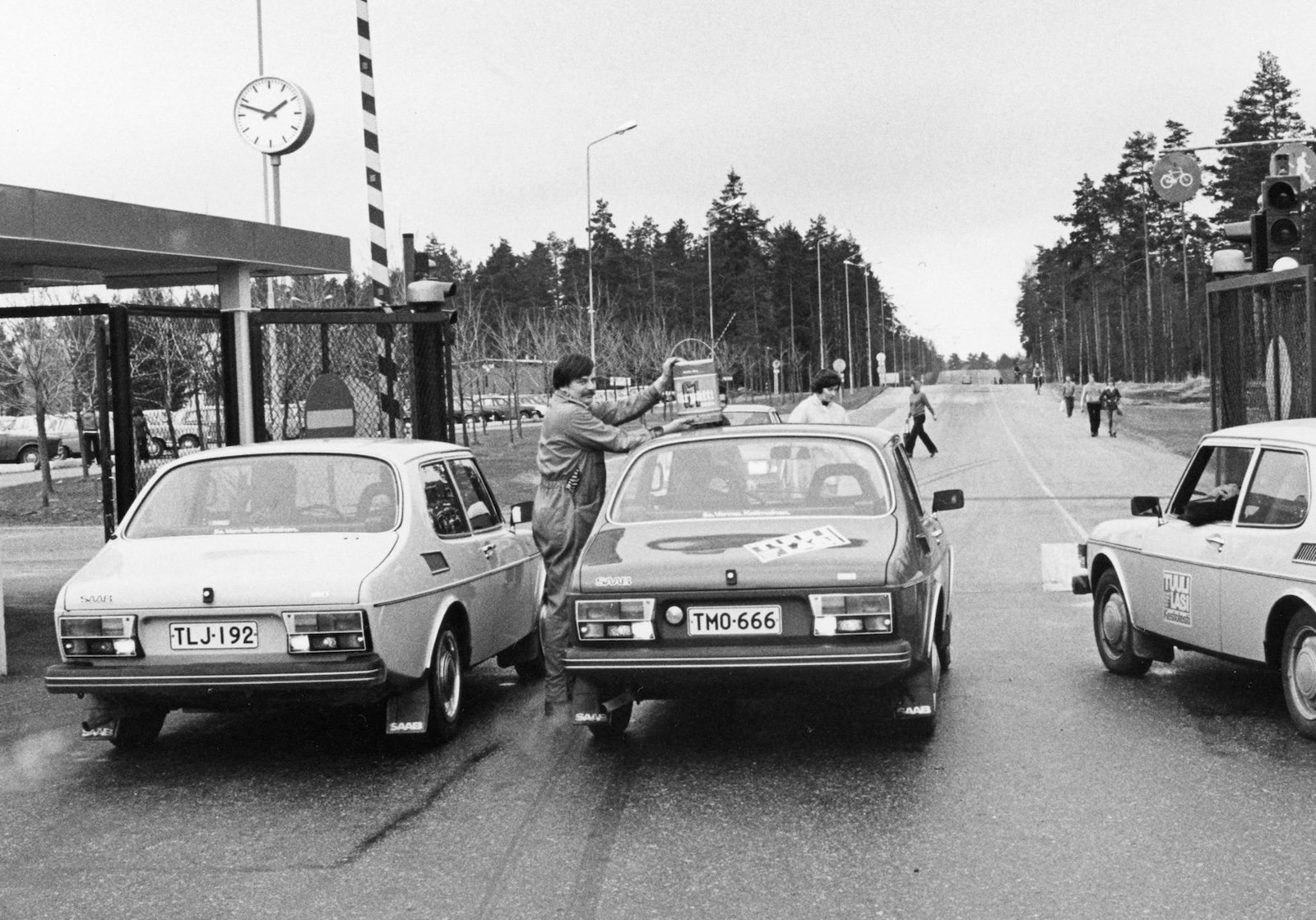
By the mid-1980s, the kerosene experiment was largely over. What had been a cheap fuel had become increasingly more expensive due to demand and taxation changes, reducing its benefits. Already by summer 1980, kerosene prices had doubled largely thanks to the national fuel company Neste upping them. Kerosene was also imported from the Soviet Union as part of the bilateral trade agreements of the time, but it was hardly cheaper by the time it reached the pumps. In just a few years, liter prices were bumped from 70 pennies in 1978 to far beyond two Finnish Marks; naturally, inflation of the time also played a role. In today’s money, a quoted 2,14 FIM/liter price of 1983 corresponds to $4.5/gal.
Had kerosene remained enticingly cheap, it would have perhaps helped, but regular engines originally designed to run on gasoline just couldn’t take it, unlike aviation turbines. Due to the lubrication and detonation problems that magazines and customers discovered, kerosene cars lacked the durability and longevity of their gasoline and diesel counterparts, and teething issues made them less reliable.
As a result, they were completely undesirable on the used car market, and some owners simply modified them back to gasoline. This also solved the problem of the smoke and smell that had followed the cars.
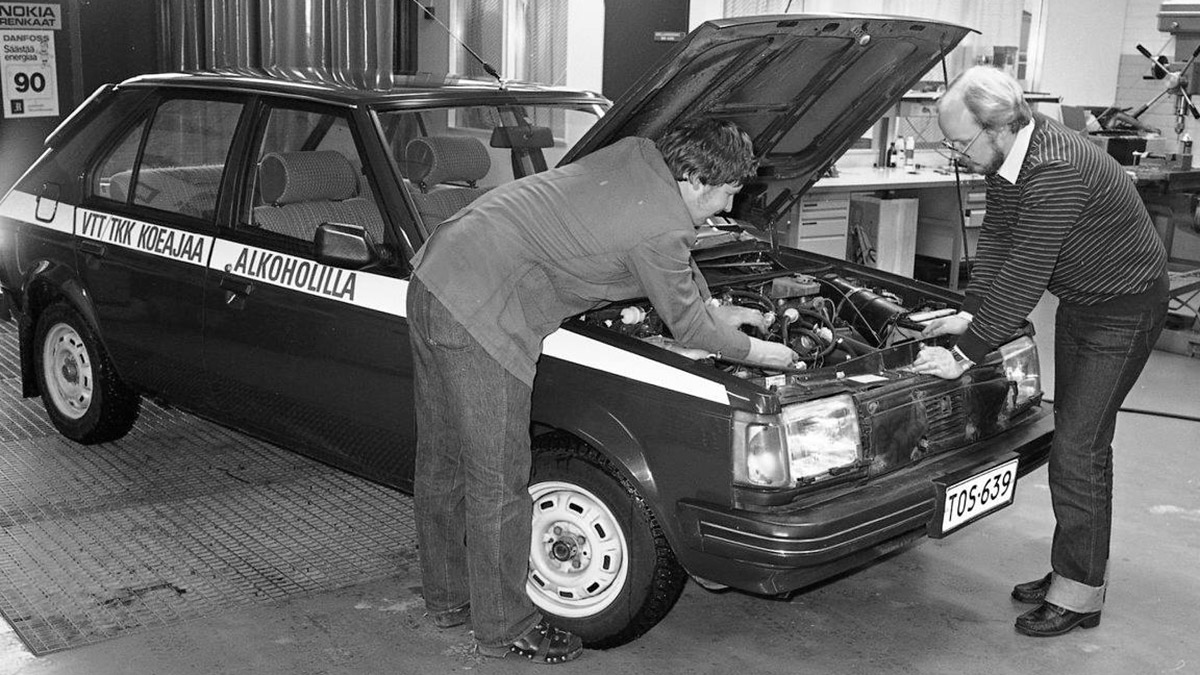
After selling 3,749 Petros, Saab phased out the 99 in 1984. Its successor, the 99/900 mixup called the Saab 90 never received a Petro derivative, as the 900 hadn’t either. Talbot introduced a diesel variant of the Horizon in 1984, which immediately ended sales of the Petro version, which had reached 2,385 cars. Horizon Petro sales had already taken a 70% dive in 1983 registrations. 1985 was the final year for Horizon anyway, as it was soon replaced by the Talbot-developed, but Peugeot-badged 309. The VTT Technical Research Centre of Finland ran Horizon tests with alcohol fuel, but those didn’t lead to production.
Later on, Saab introduced ethanol models in Europe as ethanol fuels worked well with its turbocharged engines. While ethanol blend fuels are cheaper and less oil dependent, running on ethanol blends means higher fuel consumption due to their energy content. Still, ethanol is somewhat widely available today while motor kerosene hasn’t been available in Europe for years as demand dropped completely.
The solution to expensive fuel, then, has often been to buy frugal diesel cars. In the past, almost every Finn doing any sort of big miles has gotten a diesel car, sometimes leaving out the back seat to be able to register the cars as vans which cuts, the extra road tax. People living in Eastern Finland have simply fueled up in Russia, gasoline or diesel, at the same time saving money but supporting the regime. These days, the border is closed, and diesel is easily a fifth more expensive than gasoline in the times of the Iran War.
As we now pay ten bucks per gallon even for gasoline, the only genuinely cheap way to drive is choosing EV, which doesn’t suit everybody’s routines or wallets or charging capabilities, even if it rules out some typical combustion engine problems.
That reminds me that a Talbot Horizon was converted to electric at the factory… but that’s a story for another time.
(All photos by Valmet Automotive unless otherwise noted)


My favorite Valmet product is the diesel-engined Talbot 1510 GLD, a car not offered anywhere else in the world. SAAB seats included.
I am also intrigued by the 2-liter Volvo 240 Diesel (5-cyl); it was also sold in Italy but still very rare. Imagine; a Volvo 240 with 68hp… it used more fuel than the 2.4-liter six as well.