

If you’ve been reading my ramblings about cars for a while, you know there are a number of concepts that I keep returning to when it comes to what I value in a car. Many of those things are ridiculous, I know that. But I think some actually make sense, a humble sort of rational sense that belies my usual nature, which is that of an idiot. But I do firmly believe that there are certain traits that mainstream, everyday cars should have that benefit everybody: traits like affordability, utility, and maybe the biggest one, forgiveness. Volkswagen had a concept car way back in 1982 that I think embodied these simple but elusive traits, and it’s all but forgotten today.
The car was called, tellingly, the Student. It was only VW’s second attempt to make a city car that slotted in below the Golf; well, I guess second time after the Great Liquid-Cooled FWD Switchover, or the Autounification of Volkswagen. The first (successful) try was the VW Polo in the 1970s, though long before that, back in the air-cooled era, VW also toyed with the idea of a small city car to slot in below the Beetle, if you can imagine that. We’ve written about that car– the EA48 – before, and like the Student, that car never went beyond the prototype stage.


The Student was a genuinely interesting and clever attempt to make a truly entry-level car, and while I think it has some influence on later Volkswagens, I’m not sure we have anything that really accomplishes what this could have on the market today.
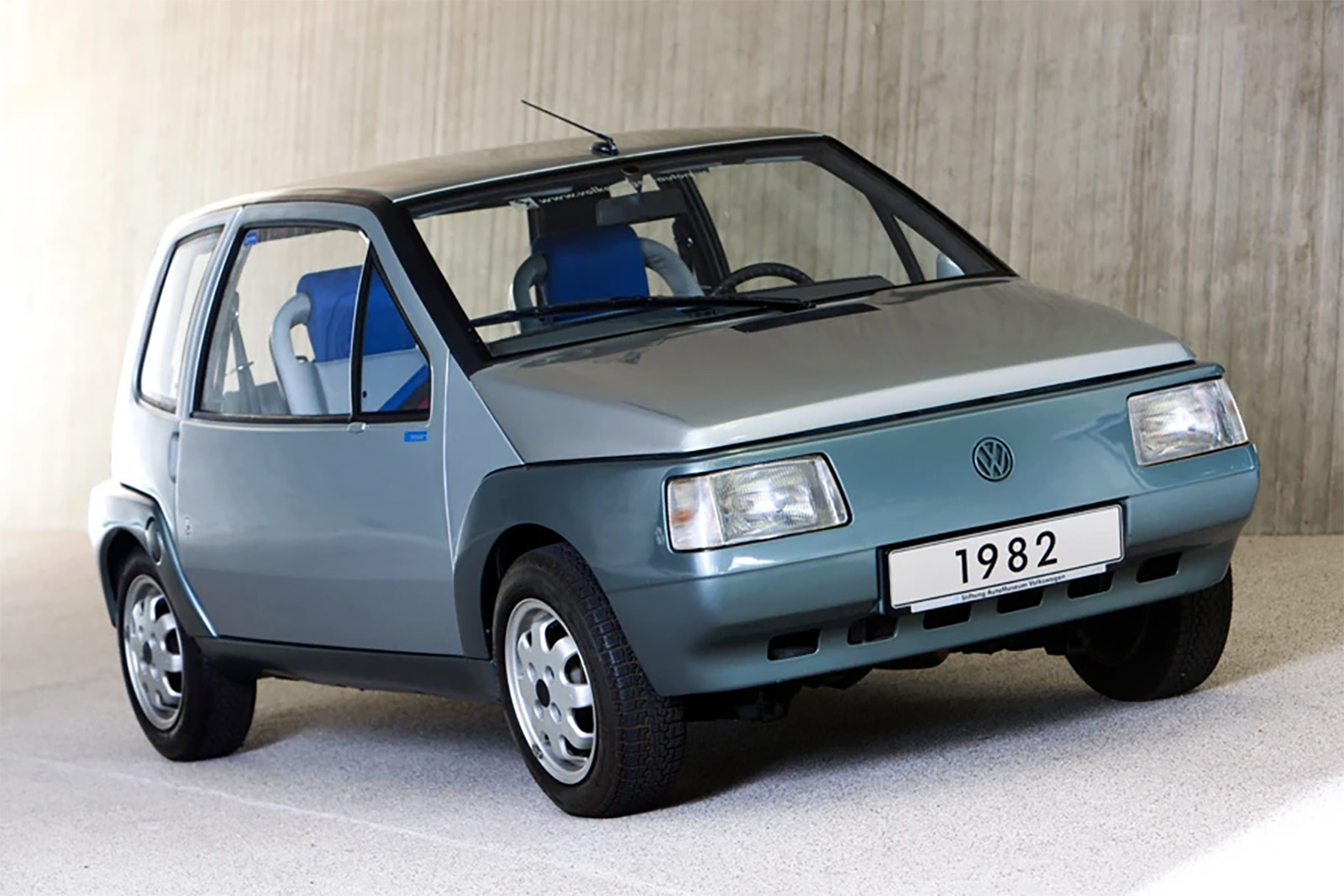
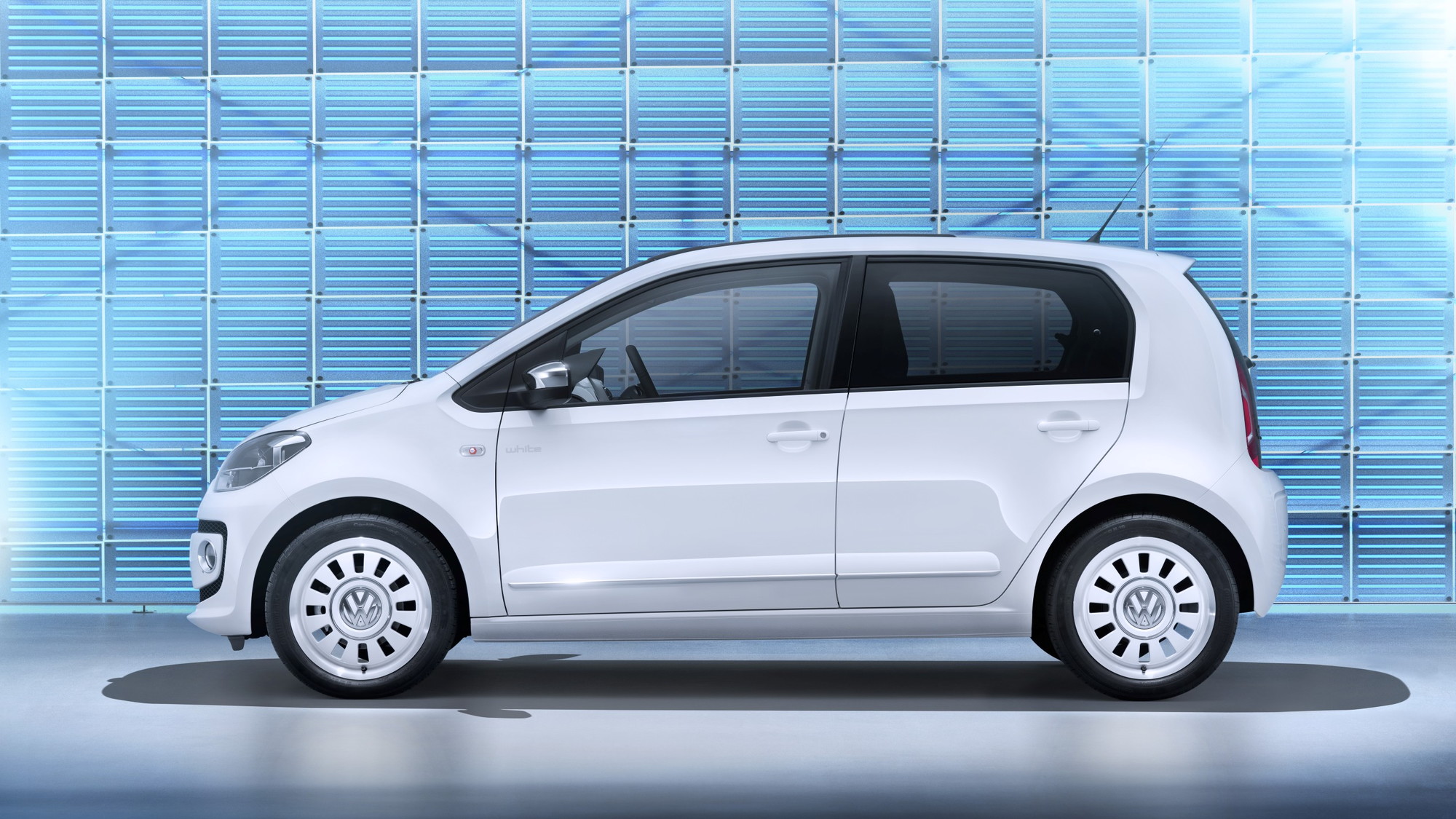
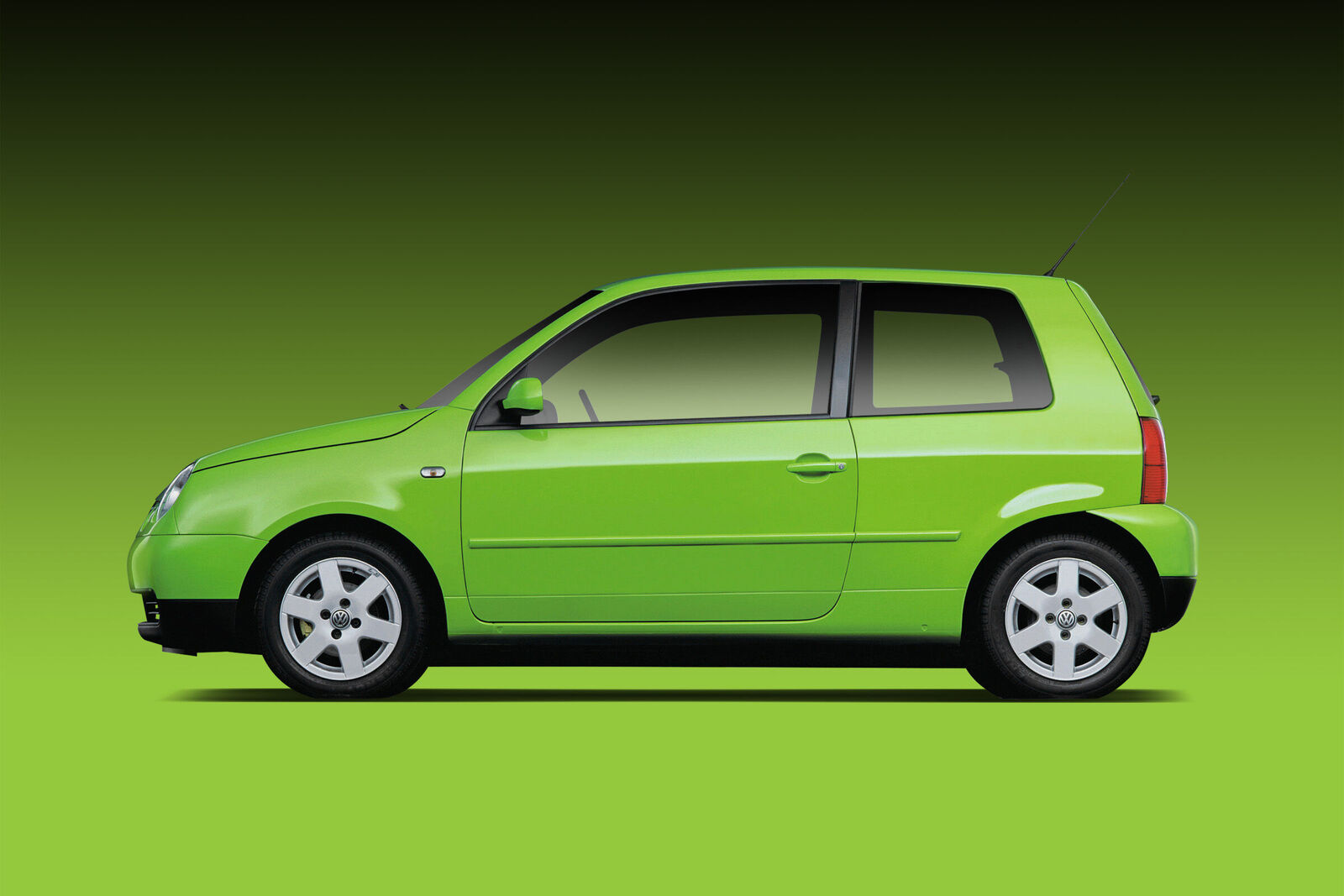
I mention VW’s interest in entry-level city cars just to note that VW understands the Golf isn’t the lowest rung on the ladder, and there’s still a good market below it, which VW has filled with cars like the aforementioned Polo, the Lupo, and the Up!. In fact, the old Student concept reminds me a bit of the Up!, especially from the rear.
I haven’t heard much mentioned of if the Student concept was a direct influence on any of the Up!’s styling, but I think you can definitely see it, especially from the rear:
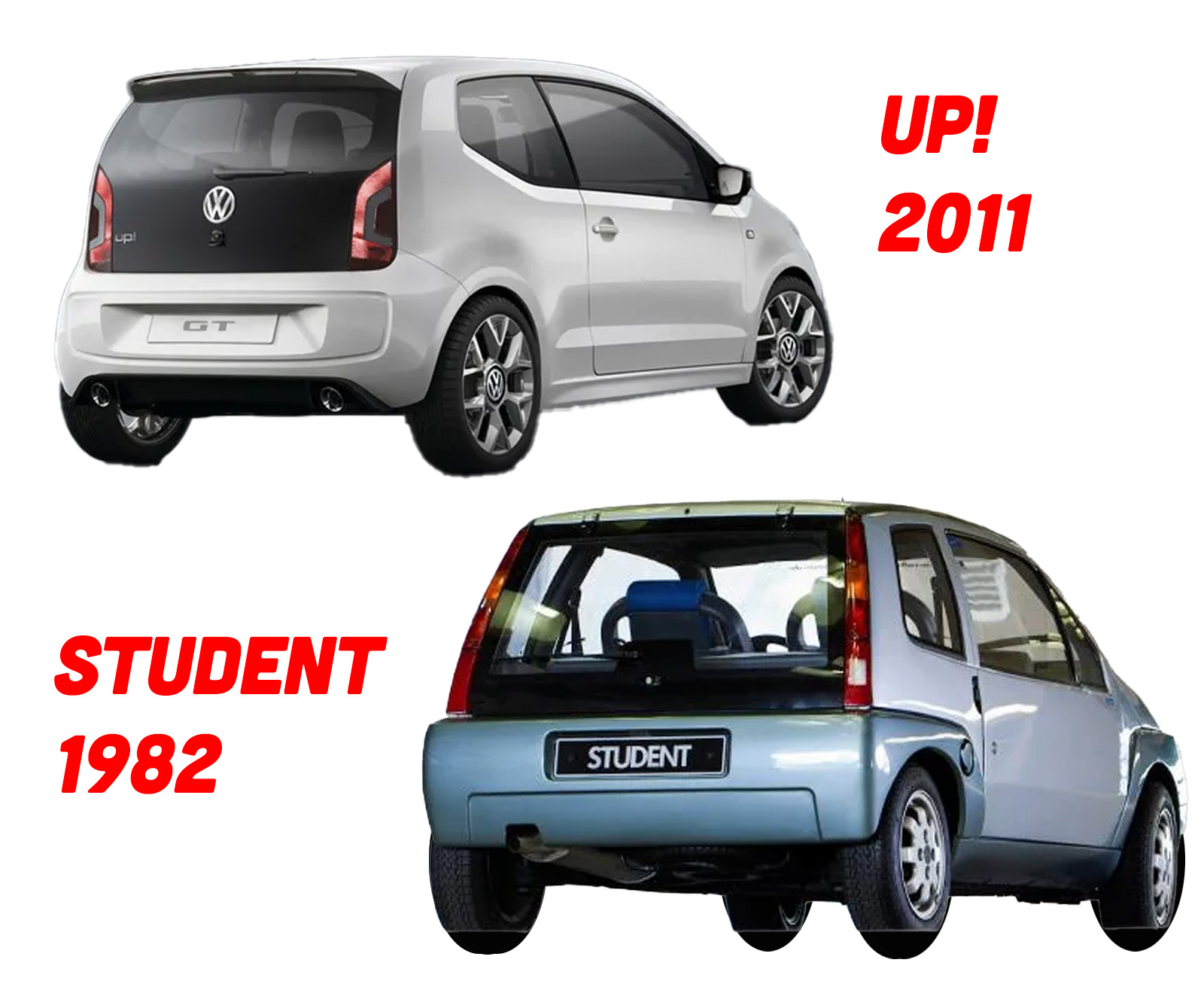
A lot of it is just clever small, inexpensive car design, like having a window act as a hatch. You need to have the rear window anyway, so why not just let that be the hatch itself? Save the hassle of designing a hatch to enclose the window and save the stamping costs and metal and whatever. The sizes and proportions are quite close, too (as they are with the VW Lupo of 1998 as well), but I think. that’s just convergent evolution at work, since both cars have the same fundamental goals.
I think there was one other place where the Student’s design influenced later Volkswagens, and this one we can’t attribute to converging designs for similar goals, because this time the influence was on a car in the upper part of VW’s lineup: the Passat.
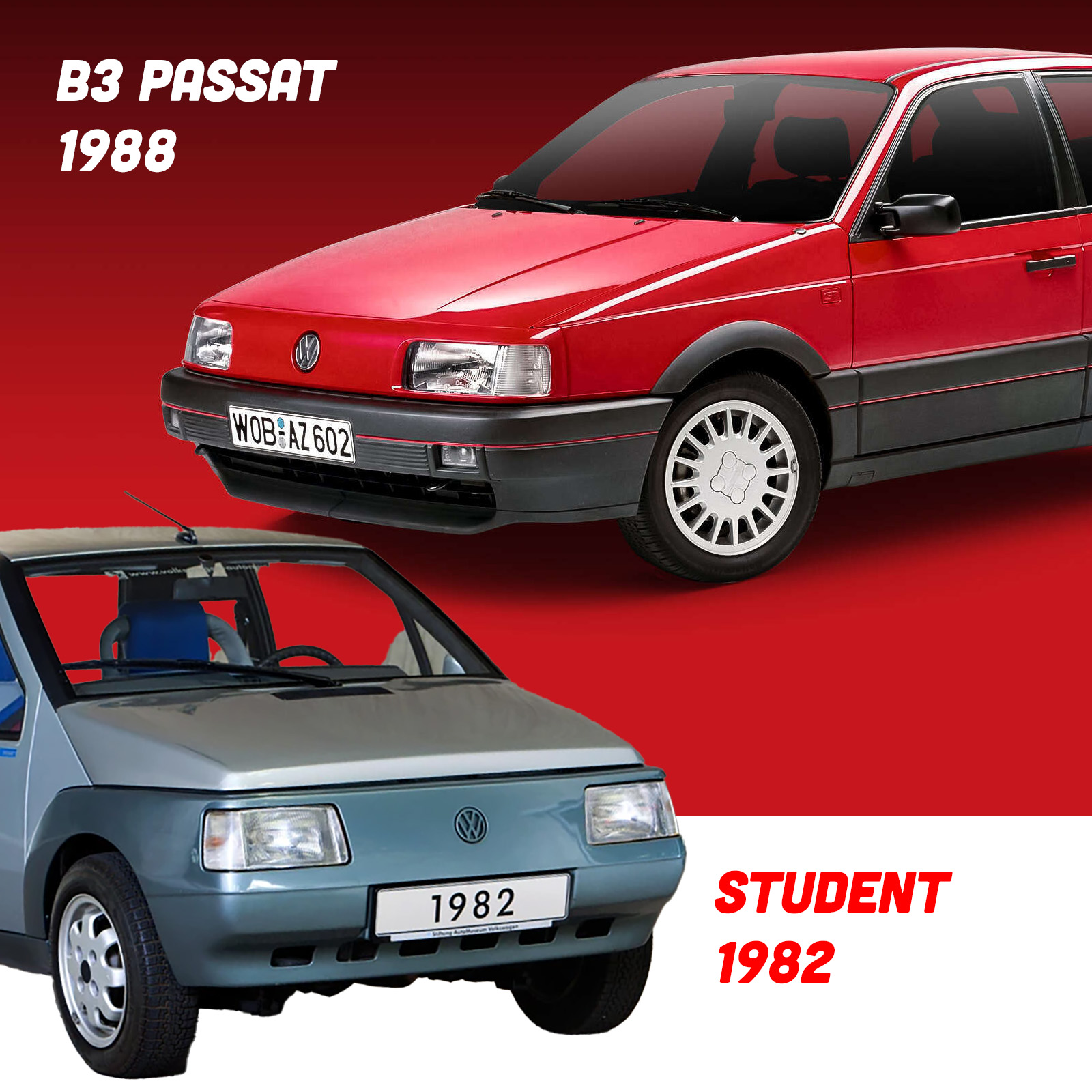
The B3 Passat’s dramatically smooth, grille-free front fascia looks a hell of a lot like the face of the Student, down to the shape of the light units and everything. I think it’s pretty likely that the Student was a direct influence on this era of Passat because the same person, Herbert Schäfer, designed both cars. It’s a nice looking, clean design!
There is, however, one big difference in how that design is realized in the Student compared to the Passat, though, and that difference directly ties into one of those big concepts I was talking about: forgiveness. The Student’s face and fenders are all made of plastic, plastic that (I believe) has its color pigmented into it, not painted. This front mask – and its matching equivalent at the rear – is designed to be forgiving of bumps and scrapes and all of the effects of occasionally sloppy driving, on your part or some other idiot’s. I love when a car accepts our fallibility, and is designed to deal well with whatever fate hands it, unlike so many modern cars that have fragile painted bumpers with skins that cost thousands of dollars to replace, studded with cameras and ultrasonic sensors and wildly expensive lighting units that turn a small bump into a five-figure repair bill. Who needs that?
Schäfer must have agreed with me on some level, because look at the big black plastic bumpers on that Passat, and how they wrap all the way around the car! That’s what I’m talking about.
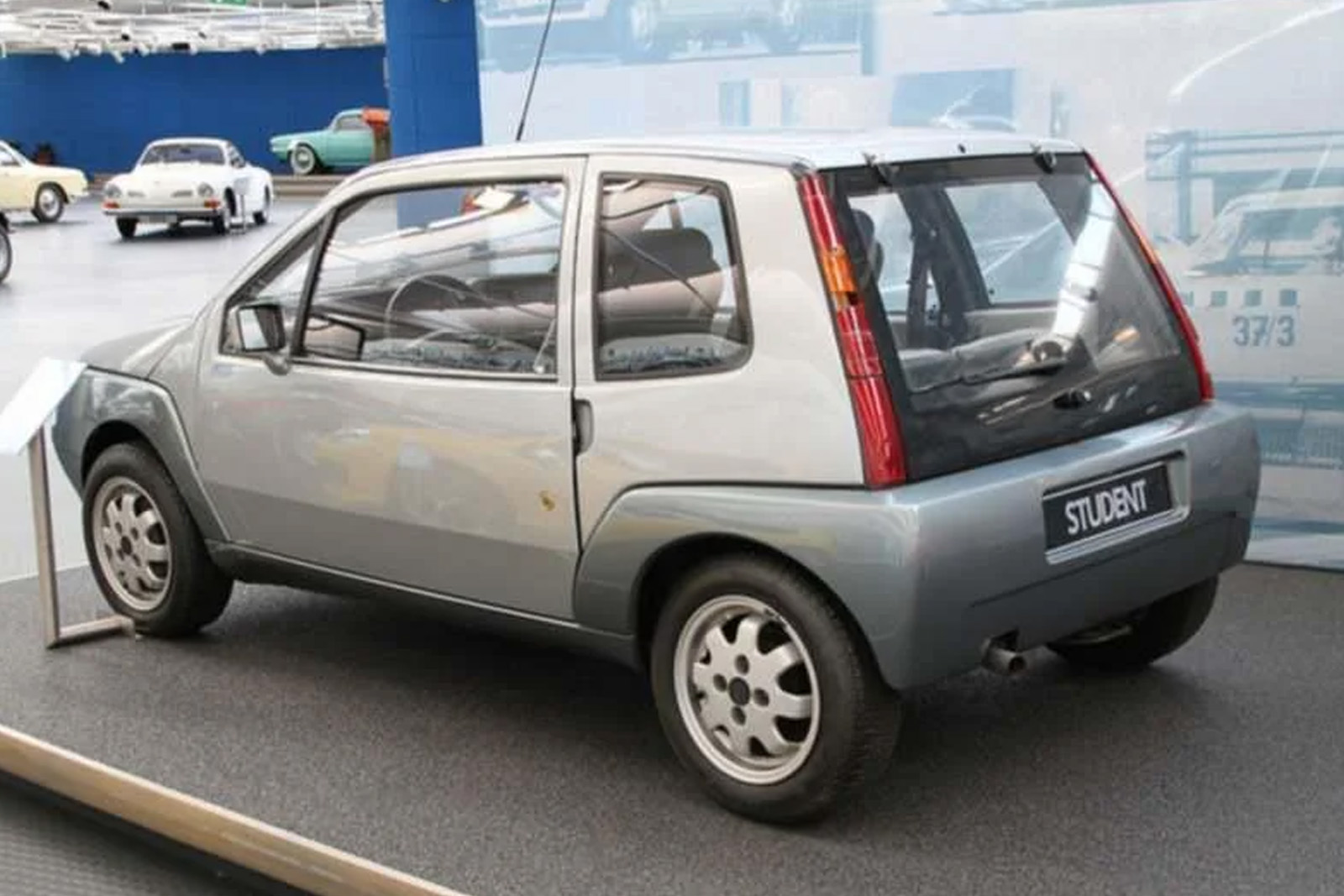
The Student seems like it could have taken a pretty good beating at both ends there.
The other quality that the Student had that feels missing today is a pretty basic one: it was designed to be cheap. In America especially, it’s very hard to find a genuinely affordable new car, because carmakers don’t seem interested in serving that lower-return part of the market. And that drives me clamshit. The student used the Polo’s 1.1-liter inline-four making about 50 hp, which is plenty for this kind of car.
It also has those great minimalistic door handles that I love! Just a cut-out from the door skin! So good.
This was designed to be a car a student could afford, as the name suggests, and like the original Beetle that started the company, this concept doesn’t feel like it’s trying to punish you for the crime of being un-rich. It has some charm and character, even while being a bargain.
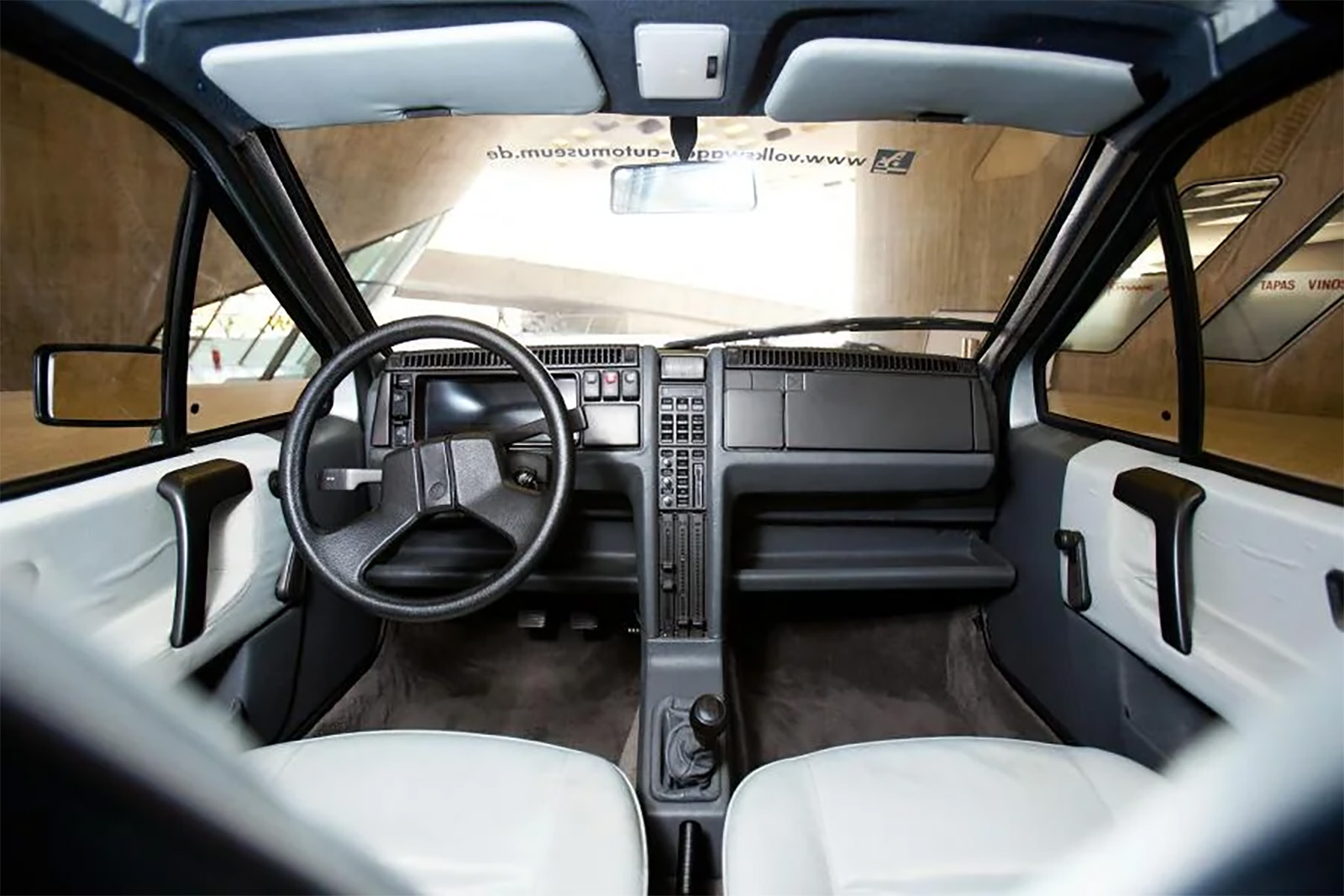
The interior layout is simple and clever, too. There’s plenty of recognizable early-80s VW parts-bin stuff, but the layout is novel, with that tall, narrow, vertically-oriented center stack area. Could you have put a radio in there? Maybe you’d have to sacrifice that passenger-side shelf area. Feels like a reasonable trade-off, though.
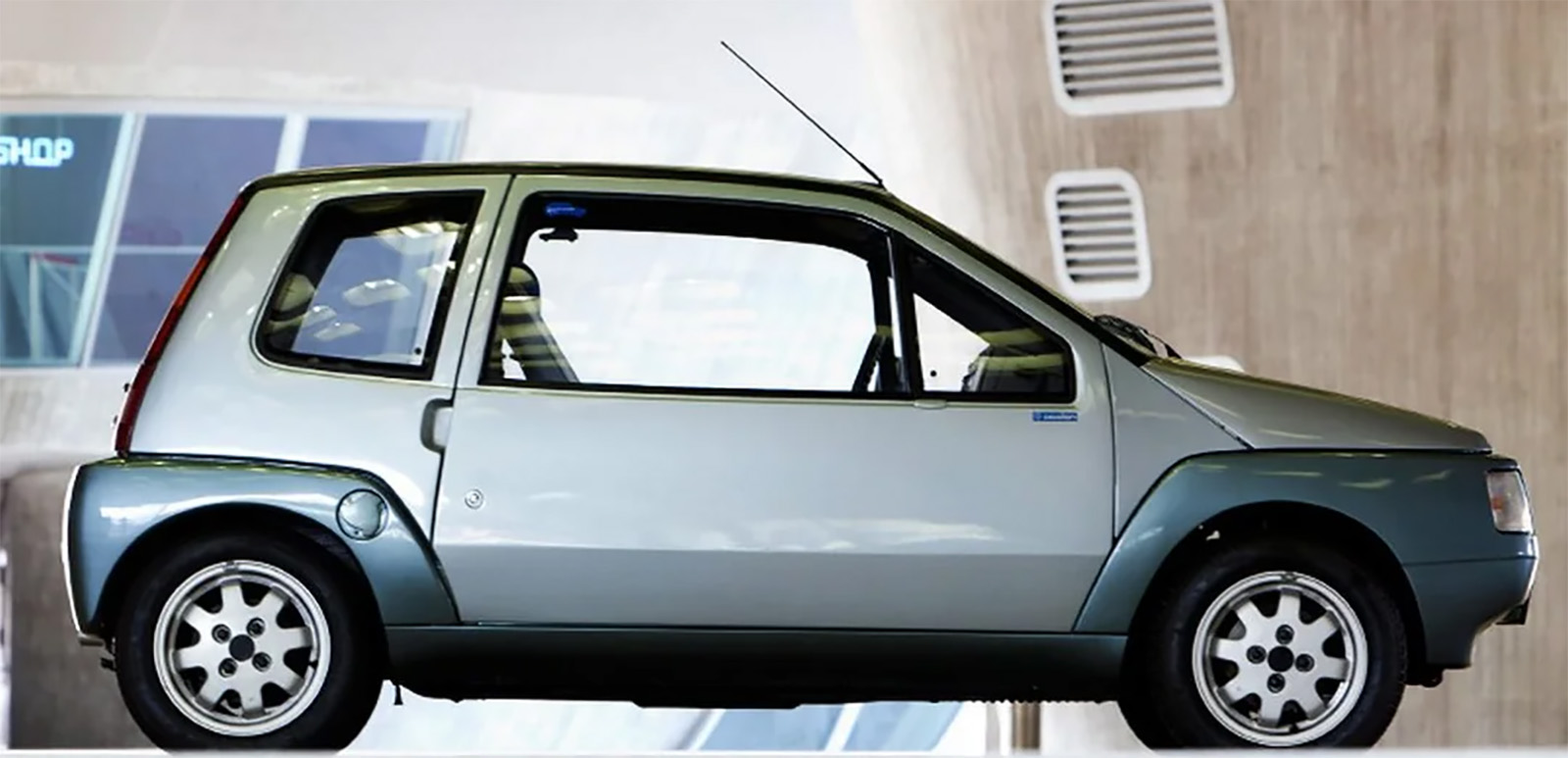
The Student is definitely one of the lesser-known and appreciated of the VW concept cars. This is a shame, because it’s a good reminder of what VW once did very well – making affordable cars that still retained some character and charm, and be things that one might actually choose to drive instead of being a car that you, you know, had to drive.
Oh well. Maybe one day VW will get back to their roots with cars like this one.


Never heard of this particular car, but predictably, I like it. So, thanks Jason! 🙂 Something that is inexpensive to buy and own is generally a very positive thing IMO. Cars get a lot of use/abuse, especially by newer drivers and in crowded urban environments, so planning for that just strikes me as smart. While I’m not thrilled by every aspect of the design, I could certainly live with it if need be. Of course, having owned a number of VWs and kept some of them on the road for decades, I’m kind of over the brand now.
This reminds me so much of the mk1 ford ka. Not because of the shape, the ka was definitely a product of mid 90’s ford jelly bean design, but the fully plastic unpainted fascia (initially) and the sheer simplicity in design that just worked. I remember driving around in my sister in law’s and being astonished about how bare it was but it just worked
“Could you have put a radio in there? Maybe you’d have to sacrifice that passenger-side shelf area. Feels like a reasonable trade-off, though.”
*Zooms in on photo* is that maybe a sideways mounted tape deck? ????
Nice piece on a very neat car. The Honda Fit might be the closest, most-revent spiritual successor. They always tempt me with their damn practicality and timing chains
I own a 3rd generation and love it. Twelve years and counting.
At least a tape deck and maybe a radio as well. And what’s up with the three vertical items below? I think the one on the left isa fresh air vent control, but the other two?
I do like the air vents across both dash tops, if that’s what they are.
Big question: Even with the same level of equipment, how much of this design would survive today’s safety requirements?
wasn’t there a VW Noah that was like a mini van on the cheap? seems like this was the start and the noah was for when you got out of school?