


One of the main drivers in the Finnish automotive landscape has always been cost-of-operation. Traditionally, we’ve had expensive fuel and considerable taxation, and the cold climate isn’t the most car-friendly. There aren’t that many fuels that can be fully produced locally since we aren’t an oil country; these days, renewable diesel is produced in Finland, as well as CNG biogas and bio ethanol for use in road vehicles. Gasoline and diesel refined in Finland contain bio components from local sources, including food waste.
We’ve also had local automotive production in Uusikaupunki, starting with Saabs but encompassing such varied marques as Porsche, Mercedes-Benz, Fisker and Lada over time. After a humble start assembling Saab 96s for the local market beginning in 1969, Valmet production expanded to include vehicles for export, and out of those, the Saab convertibles are probably the best-known.


All the Seinfeld era Saab cabrios were Finnish-built at Valmet, and only the final generation of 9-3 convertibles moved to Austrian production at Magna-Steyr. Combine these two things: the strive to drive cheaply and the ability to build cars to answer local demand, and you open the door to some rather interesting experimentation.
Saabs From Finland
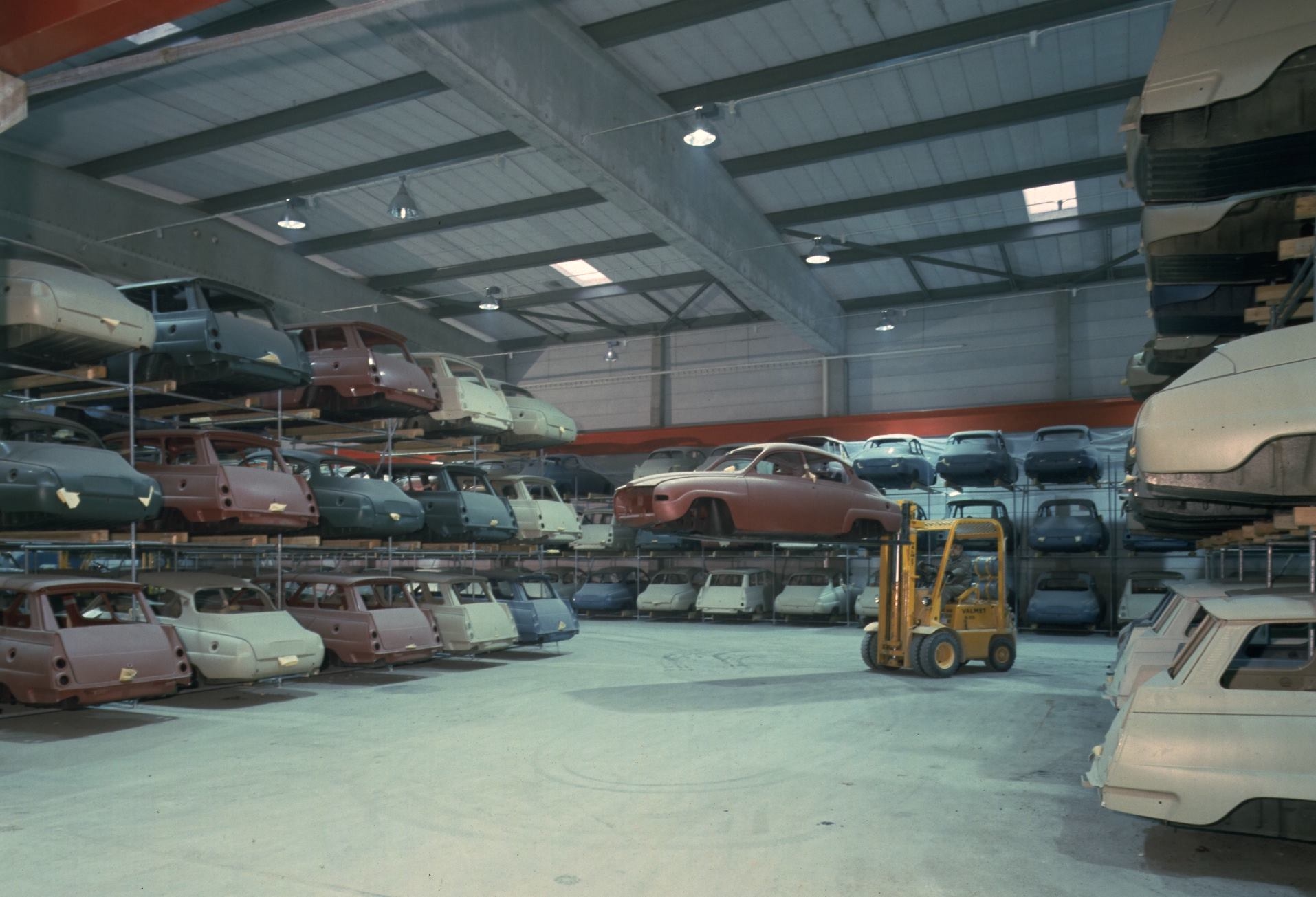
Finnish production also meant the Saab factory could experiment with other low-volume stuff as well as convertibles. Stretched, “Finlandia” specification 99s and 900s were produced here, providing better rear legroom for statesmen and industry leaders.
And since the 1970s were oil crisis times, the Finnish factory soon considered alternative fuels. As an example, gasoline prices rose by a quarter overnight in January 1974 and diesel prices by 40%–in comparison, heavy heating oil nearly tripled in price. As turpentine was a by-product of the Finnish paper industry, it was initially on the table but soon deemed unsuitable for use in vehicles, despite being sometimes used as a gasoline substitute for trucks in wartime.
Petrol Or Kerosene?
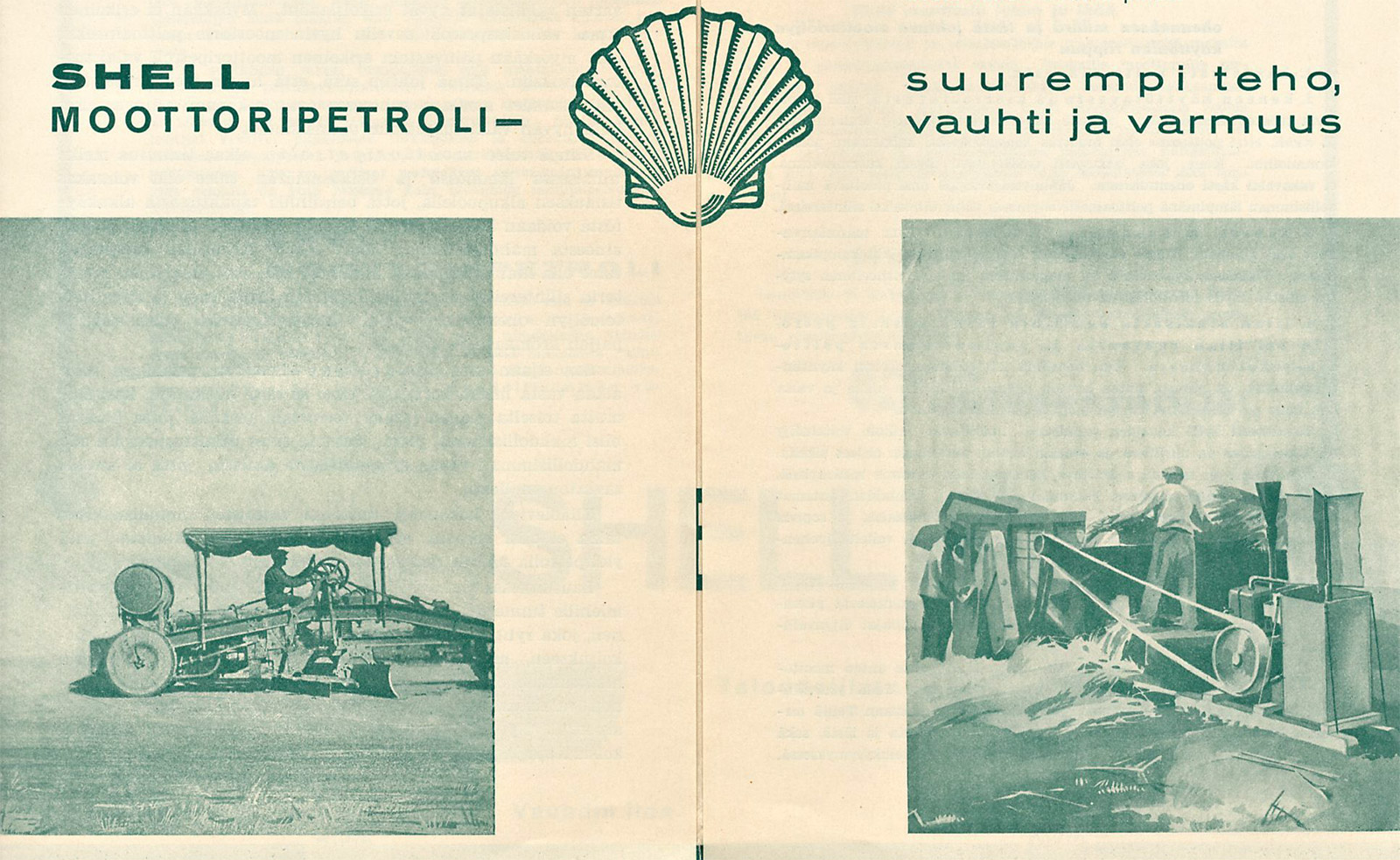
Way back, the national fuel industry also produced kerosene for boats and tractors as well as aviation applications and lighting. Not all tractors ran on diesel, but some used kerosene in the olden times.
This is also a good moment to go into specific terms: kerosene was referred to as “petrol” in Finland, while only aviation kerosene was called “kerosene.” This is likely confusing for British readers, as the word “petrol” stands for regular gasoline in the UK. But it’s the reason why Finnish car variants engineered to run on kerosene were called “Petros.” For convenience, we will refer to the fuel as kerosene in this article, no matter what the badging.
And as a bonus language tip, the word for gasoline in Finnish is bensiini, likely derived from the Swedish “bensin” and German “benzin.”
Could Kerosene Work?

Given that fuel prices soared in the 1970s, motor kerosene started to attract attention. The thought process makes sense: since it cost a fraction compared to regular gasoline was also more lightly taxed at the pump, shouldn’t it be considered as an alternative fuel?
Developments soon got underway by the time of the second oil crisis in 1979, with some home mechanics also converting their gasoline cars to run on kerosene by lowering compression and setting up a dual fuel system. It was also possible to mix kerosene with gasoline, but mixtures with more than 50% kerosene were advised against. An engine block heater was also necessary at the very least, to improve cold starts.
Because alternative fuels from the viewpoint of the government can introduce the possibility of tax evasion, conversions were also subject to an initial 20-fold yearly road tax when the car was re-registered as a dual fuel vehicle. Factory kerosene cars were taxed the same way as diesel-powered cars, which is to say more heavily than gasoline cars to offset some of the cheaper fuel cost, but they didn’t incur the punitive registration tax.
Suomen Autoteollisuus, which produced heavy Sisu trucks and also imported British Leyland cars, experimented with kerosene during the winter of 1980-1981. The company picked a Range Rover for the purpose and proceeded to fill the tank with a 50/50 blend of kerosene and high octane gasoline. The only modification for the car itself was retarding the ignition by 3-4 degrees; the carburetors remained with stock adjustments and the motor oil was recommended to be diesel engine specification. The company noted fuel consumption was unchanged, cold starts worsened below -15 Celsius degrees and engine power dropped slightly, especially at low revs.
Enter The Saab Petro
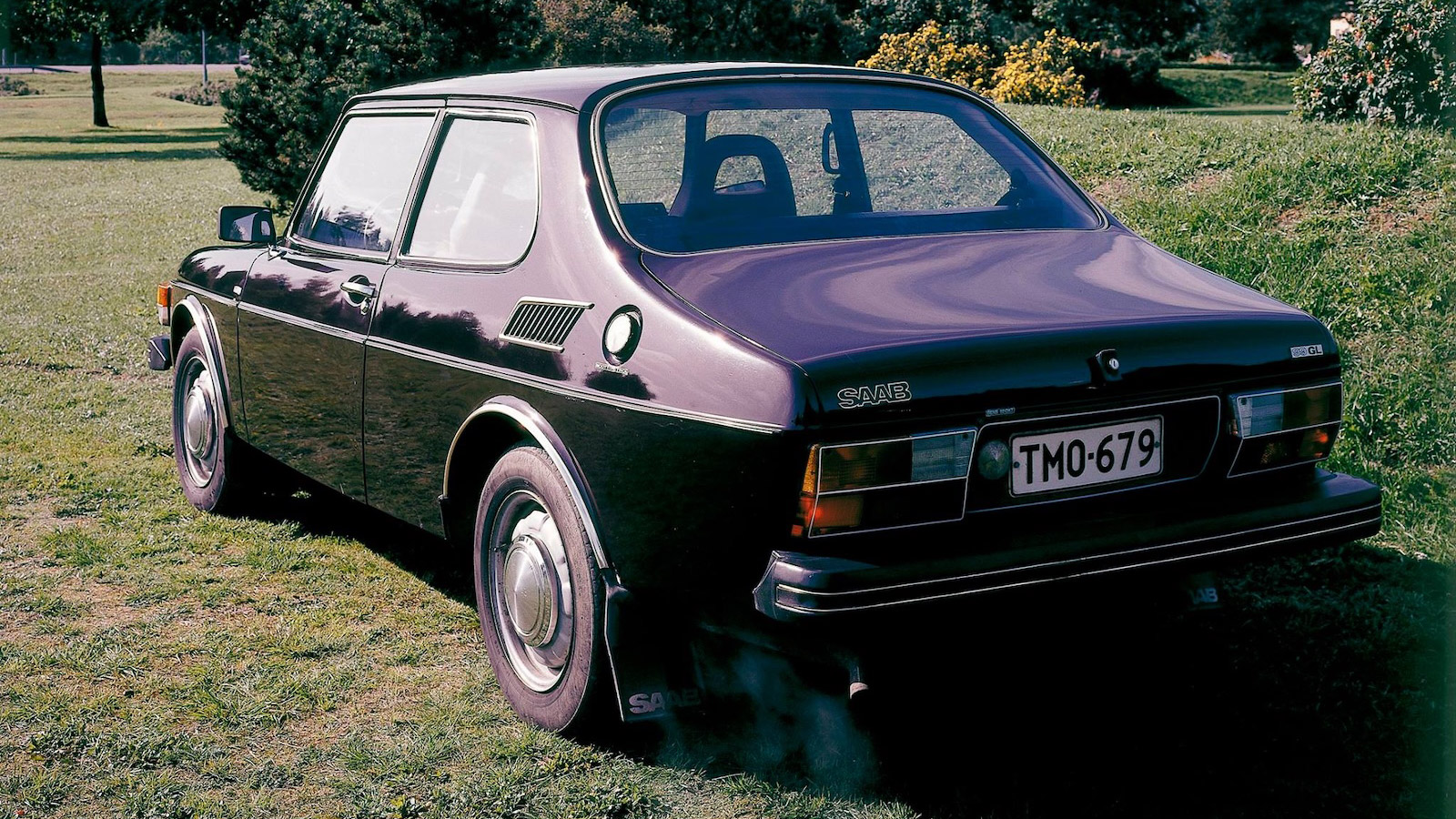
The first factory-built kerosene-powered car for Finland was the Saab 99 Petro in 1979. It was based on the two-door, base model 99 sedan with the two-liter naturally aspirated four, with compression reduced using 99 Turbo pistons. The setup also included two tanks with their own fuel lines and fuel pumps, with the kerosene filler neck located next to the license plate in the rear. The tanks for the dual fuel system were 40 liters for kerosene and 19 liters for gasoline.
You couldn’t run the car solely on kerosene: as motor kerosene had a significantly lower octane rating (65 RON) than regular early ’80s gasoline (92 RON), the system injected gasoline into the cylinders with a vacuum operated valve at start-up with a cold engine, when choke was used, and under heavy load. Yet, pinging would remain an issue for the entire duration of the kerosene experiment.
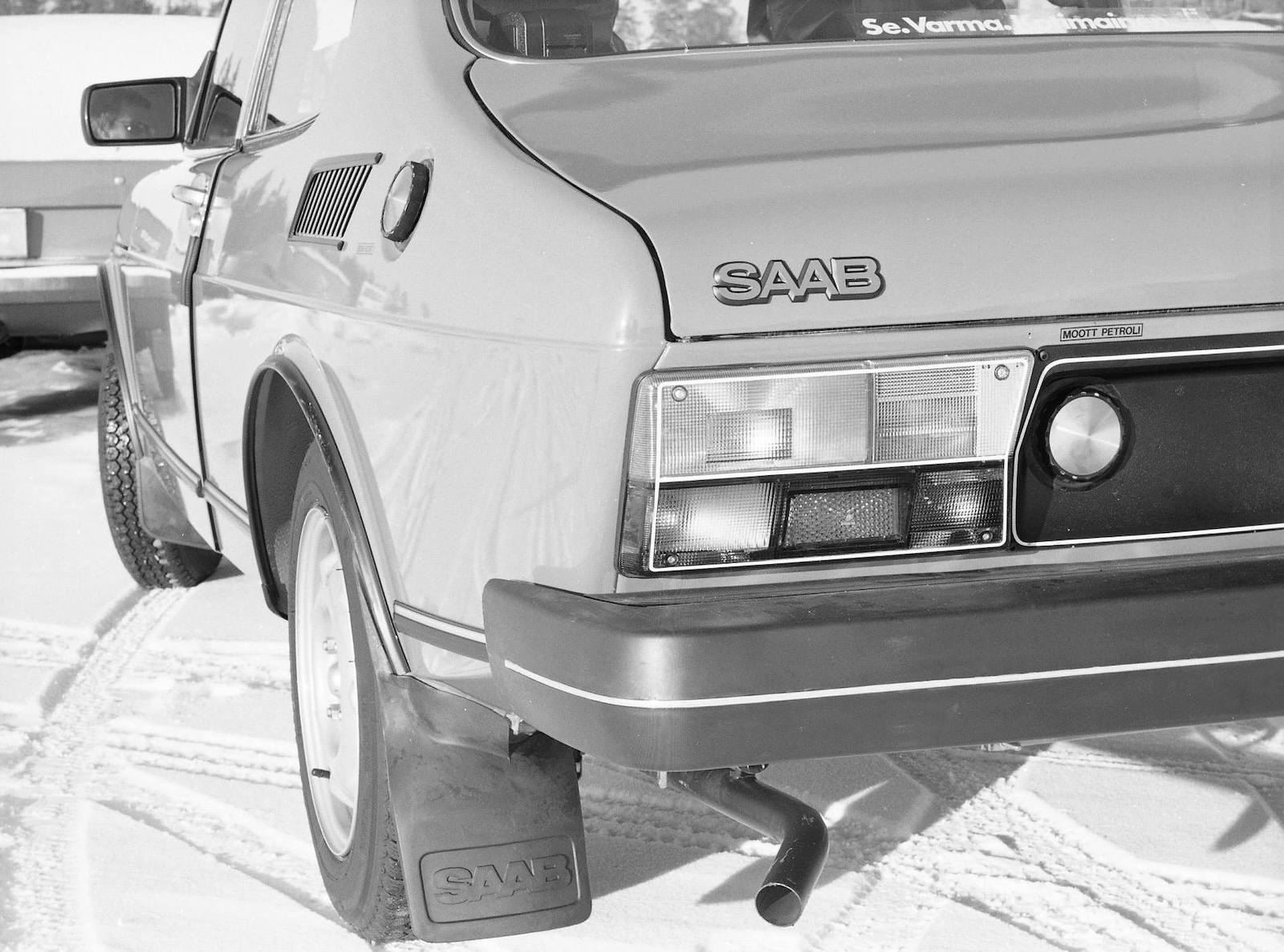
During driving, the dual fuel system would work automatically, but the driver had the option of switching between fuels depending on the amount of either fuel in the tanks and whether the car would need to be started up on gasoline after parking. The fuel gauge was shared, meaning there was a specific switch to change the readout from tank to tank.
Fuel consumption rose only by less than a half litre per 100km, but engine power was reduced by 15% to 85 horsepower. Gasoline usage represented 10%-30% of the entire fuel consumption depending on driving.

Once the Saab 99 Petro program was up and running, Saab-Valmet also begun producing a cheaper option, the Horizon. That one takes some explaining up front.
Saab’s Chrysler-Simca-Talbot
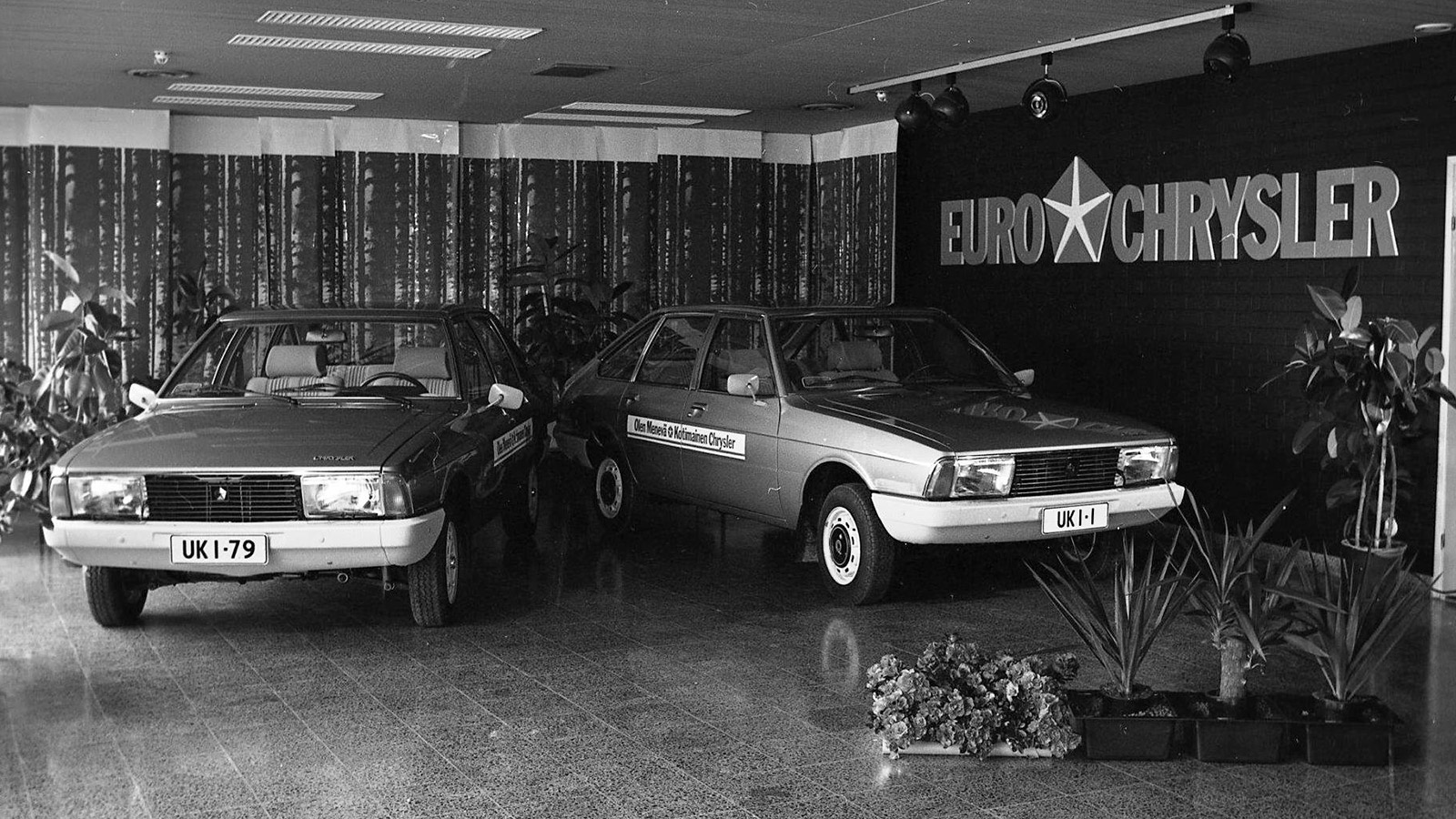
As the Saab 96 was really getting on a bit in by the late 1970s, Saab needed to replace it with something for the lower end of the model range, below the 99 and the future 900. As it was a relatively small manufacturer, it had to rely on other carmakers to boost its offering: in the future, Saab would do this again and again with 9-2X “Saabarus” and 9-7X “Trollblazers”.
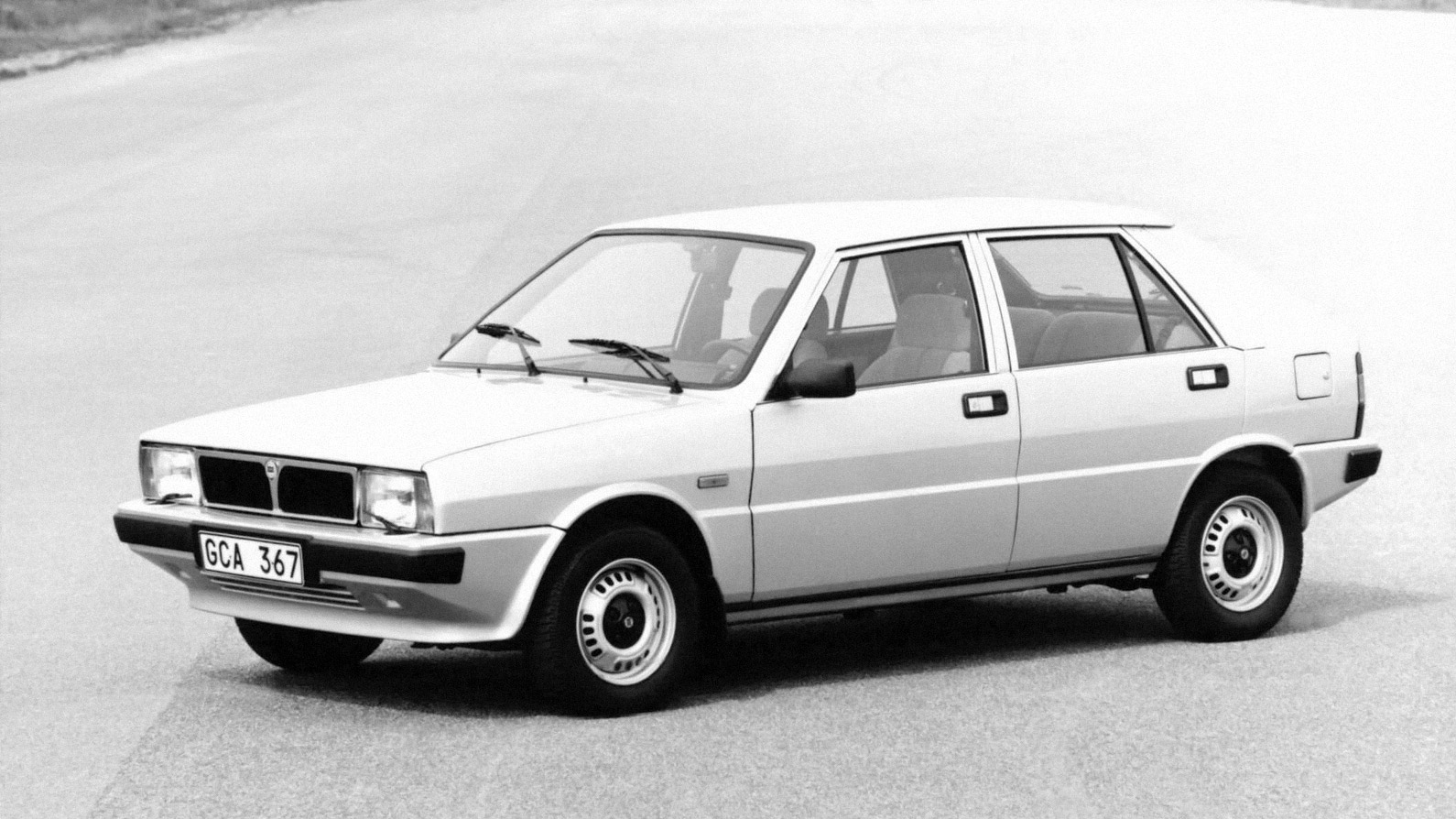
For the Swedish market, Saab badge-engineered the Lancia Delta as the Saab-Lancia 600, complementing it with the Autobianchi A112 for the supermini price range.
The Delta was initially considered to be produced in Finland as a Saab 96 successor, but this was met with significant resistance from the Finnish operation and the Uusikaupunki factory eventually began producing Chrysler-developed cars instead.
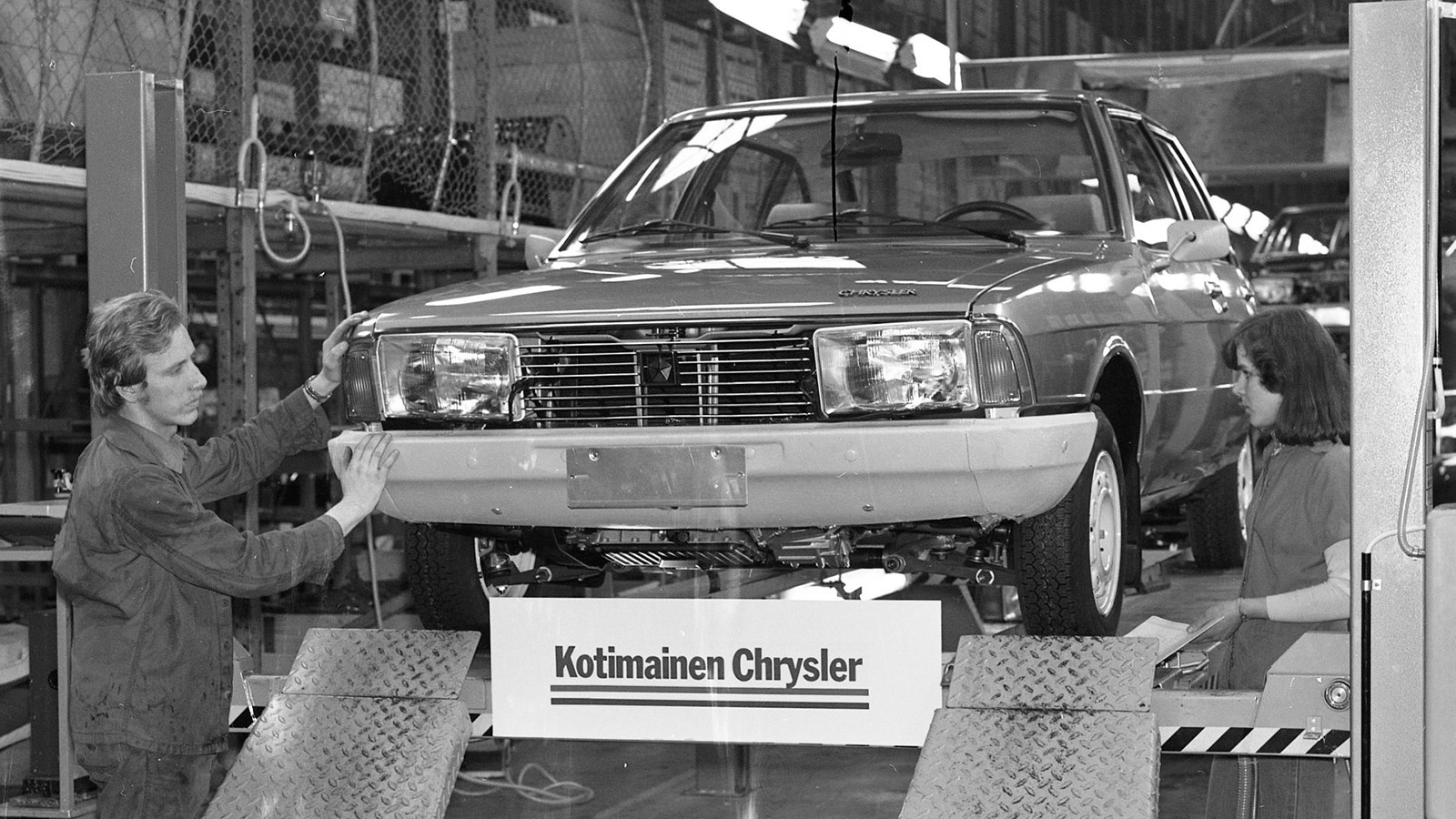
These weren’t North American models, but the Chrysler-Simca 1307 and the Horizon, which both had won the European Car of the Year award in 1976 and 1979, respectively, before Peugeot began badging them as Talbots (after buying Simca’s remnants from Chrysler Europe).
Saab-Valmet was initially only interested in building the Horizon, but Peugeot demanded that the bigger car, also sold as the Chrysler Alpine in some markets, would also need to be built in Finland. The Saab 96 would continue to be produced up to 1980.

American readers know the Horizon as the Plymouth Horizon and the Dodge Omni, but the European model was slightly different, and the Valmet-produced one especially so, as some Saab features were introduced in them to win over buyers accustomed to Saabs.
The first change, already at the car’s MY1980 start, were sturdier bumpers that differentiated the Horizon from its French siblings; for 1981, the car received a tougher suspension setup, a better heater and different, likely domestically sourced upholstery. Later on, front seat backrests were also changed to high-back Saab design. The 1.3-liter engine was also supplemented by a 1.5-liter “big block”.
Kerosene In The Horizon
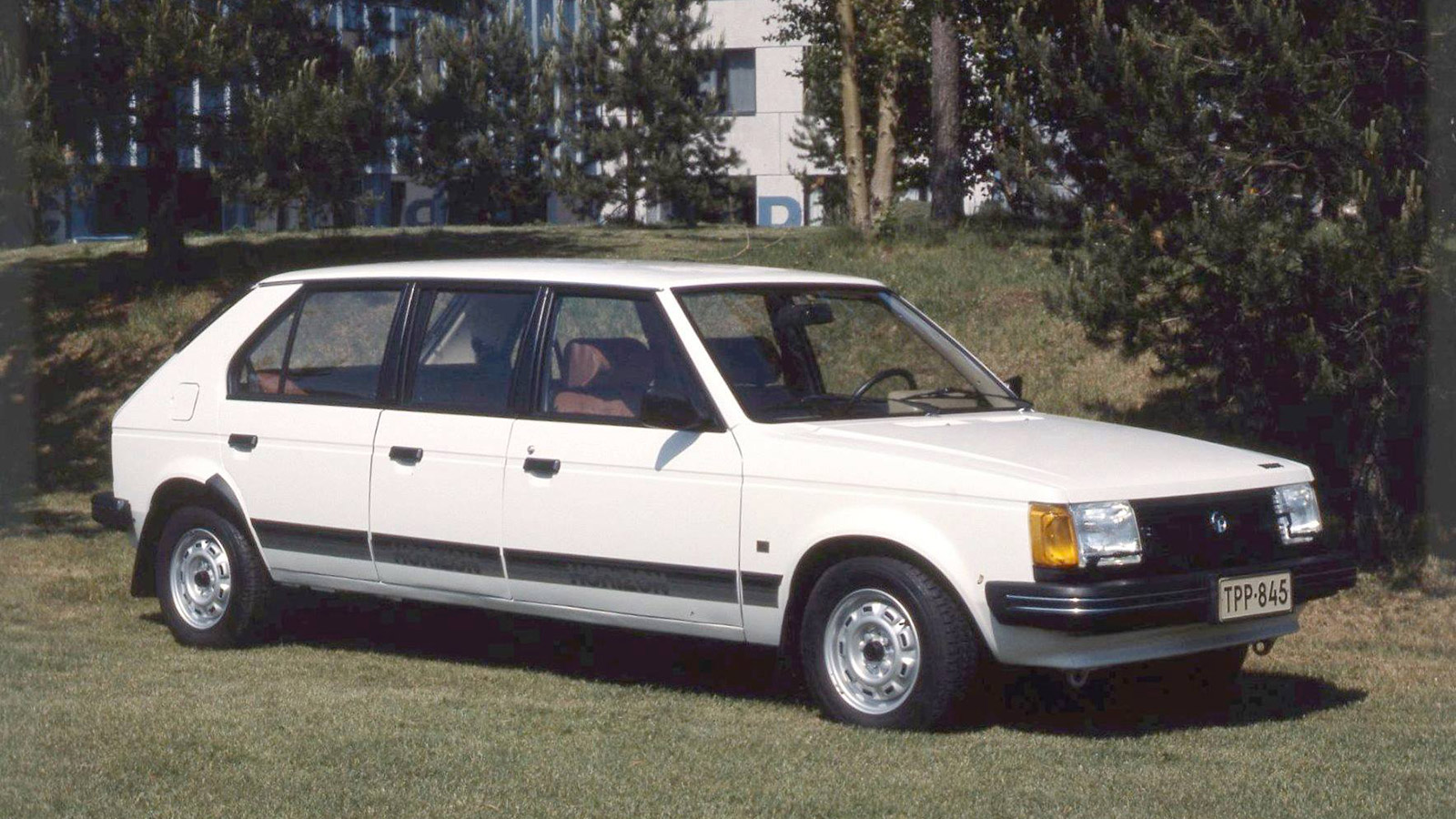
In 1981, the Horizon Petro was also introduced. While the Saab 99’s kerosene option was done relatively easily, the Horizon needed more development to run on the stuff. First of all, the 1294cm3 engine was off the table as the power drop would render it completely useless. The larger 1442cm3 engine was then modified with Spanish low-compression specification pistons and a thicker head gasket, resulting in 7.7:1 compression (7.2:1 in the Saab).
The Horizon’s dual fuel system had a small 12-liter tank for gasoline; the car’s original fuel system was dedicated for kerosene with the supplementary gasoline setup alongside. When the engine temp reached 70 degrees Celsius, it would automatically switch over to kerosene, again receiving doses of gasoline under heavy load. The dashboard also had similar switches as the Saab for using gasoline, and this time there was a separate fuel gauge for kerosene, replacing the oil pressure gauge. Gearbox ratios were also changed to account for the lower engine power: the Horizon Petro had just 60 horsepower and a positively weedy 90Nm torque figure – that’s 66 lb-ft. The 1.5 GLS running on gasoline had 85 horsepower!
Turns Out The Fuel Kills Engines
One of the biggest automotive magazines in Finland, Tekniikan Maailma (= Tech World), ran a long-termer Horizon Petro from fall 1981 to spring 1983. These two winters proved the Horizon to be compromised and complicated to use and the 30,000 mile/50,000km distance was enough for the engine.
The magazine, in its 10/1983 issue, reports that the engine felt low on power from the get-go, with noticeable pinging under load even when the gasoline injection system was working, as sometimes it didn’t. The engine also had a tendency to “diesel” and needed to be switched off in gear. When a cold engine reached operating temperature, the kerosene switchover was noticeable from the loss of power and bucking when accelerating. It would also often die on idle.
Despite a recall halfway through the test to address pinging, the characteristics would remain for the entirety of the long term test. The recall included adjusting the ignition advance, reducing engine operating temperature and adjusting the carburetor: while the recall did significantly reduce pinging, it would not eradicate it and the magazine says the car became even slower. From the recall onwards, engine oil change intervals were as much as halved, to 3500-5000 km (2100-3100 miles) from 7500 km (4600 miles): the magazine was not notified of this and the 50,000km test was done with 7500km intervals as the service book specified.
And this showed. A complete engine teardown is part of the magazine’s long-term test reports and at that point, it was concluded that kerosene was inherently unsuitable to be mixed with motor oil. Or as the magazine put it: “Kerosene is passable as a fuel, but not as a lubricant.” All lubricated surfaces showed considerable and premature wear after just 30,000 miles/50,000 km due to diluted motor oil, coupled with detonation marks in the pistons due to the low octane. Cam lobes and the fuel pump lobe showed significant wear and bottom end bearings were worn out, with noticeable upper cylinder wall scoring also detected.
The engine also started to drink oil more significantly towards the end, necessitating adding 3.7 liters of oil per 10,000km (3,77 qt per 6000 mi). The magazine said the engine would have needed a complete overhaul by then, at a year and a half old. That would definitely eat into any fuel cost savings, and when you note the Horizon Petro was far more expensive to buy than the regular gasoline versions (45950 FIM for the 1.3 GL, 51950 FIM for the 1.5 GLS and 53950 FIM for the 1.5 Petro), the car would have had to be far better than it was to justify its purchase price. And man, was it slow: the regular 1.5 sprinted to 60 mph in 15 seconds and the Petro took nearly 20.
That’s All, Folks
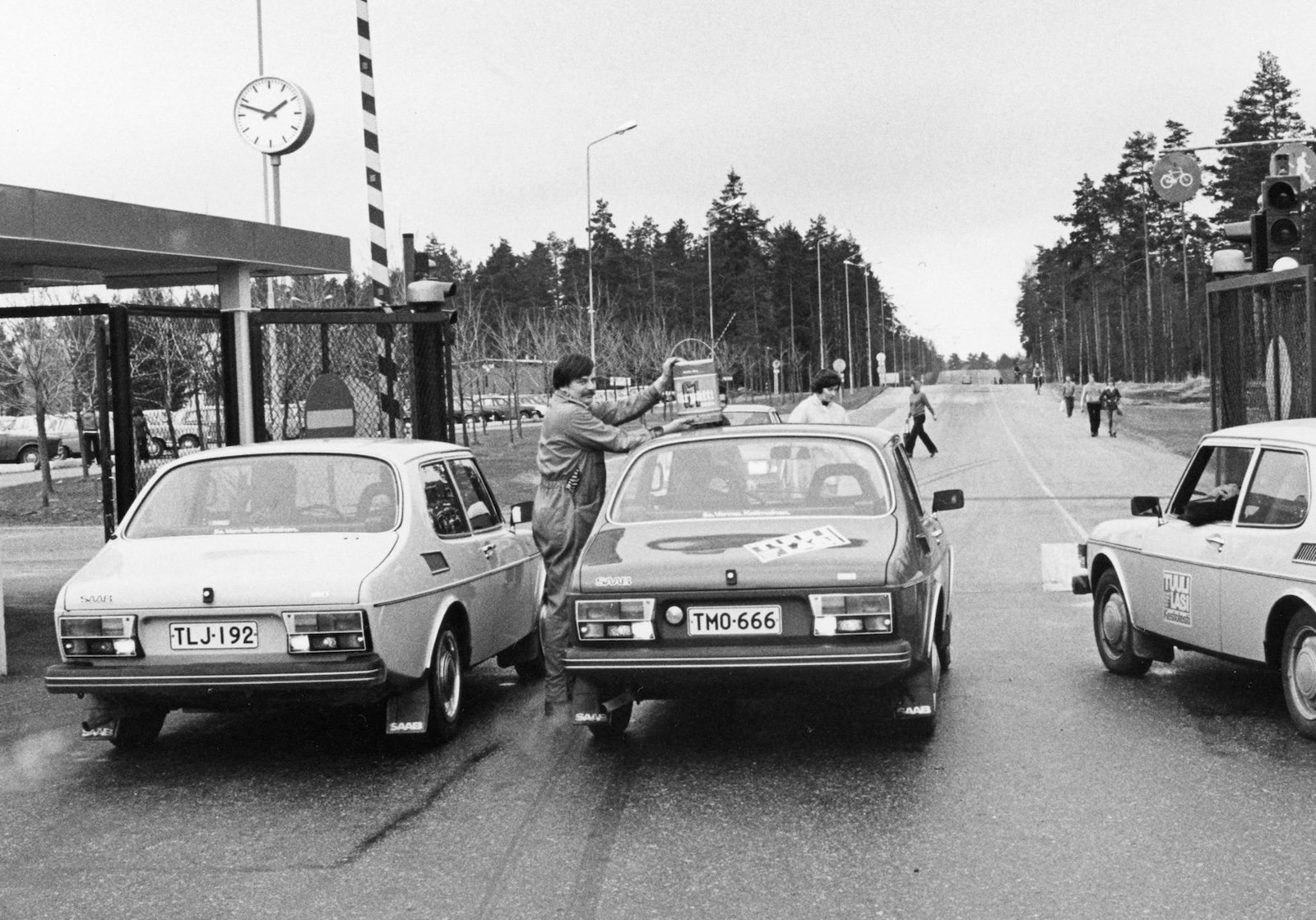
By the mid-1980s, the kerosene experiment was largely over. What had been a cheap fuel had become increasingly more expensive due to demand and taxation changes, reducing its benefits. Already by summer 1980, kerosene prices had doubled largely thanks to the national fuel company Neste upping them. Kerosene was also imported from the Soviet Union as part of the bilateral trade agreements of the time, but it was hardly cheaper by the time it reached the pumps. In just a few years, liter prices were bumped from 70 pennies in 1978 to far beyond two Finnish Marks; naturally, inflation of the time also played a role. In today’s money, a quoted 2,14 FIM/liter price of 1983 corresponds to $4.5/gal.
Had kerosene remained enticingly cheap, it would have perhaps helped, but regular engines originally designed to run on gasoline just couldn’t take it, unlike aviation turbines. Due to the lubrication and detonation problems that magazines and customers discovered, kerosene cars lacked the durability and longevity of their gasoline and diesel counterparts, and teething issues made them less reliable.
As a result, they were completely undesirable on the used car market, and some owners simply modified them back to gasoline. This also solved the problem of the smoke and smell that had followed the cars.
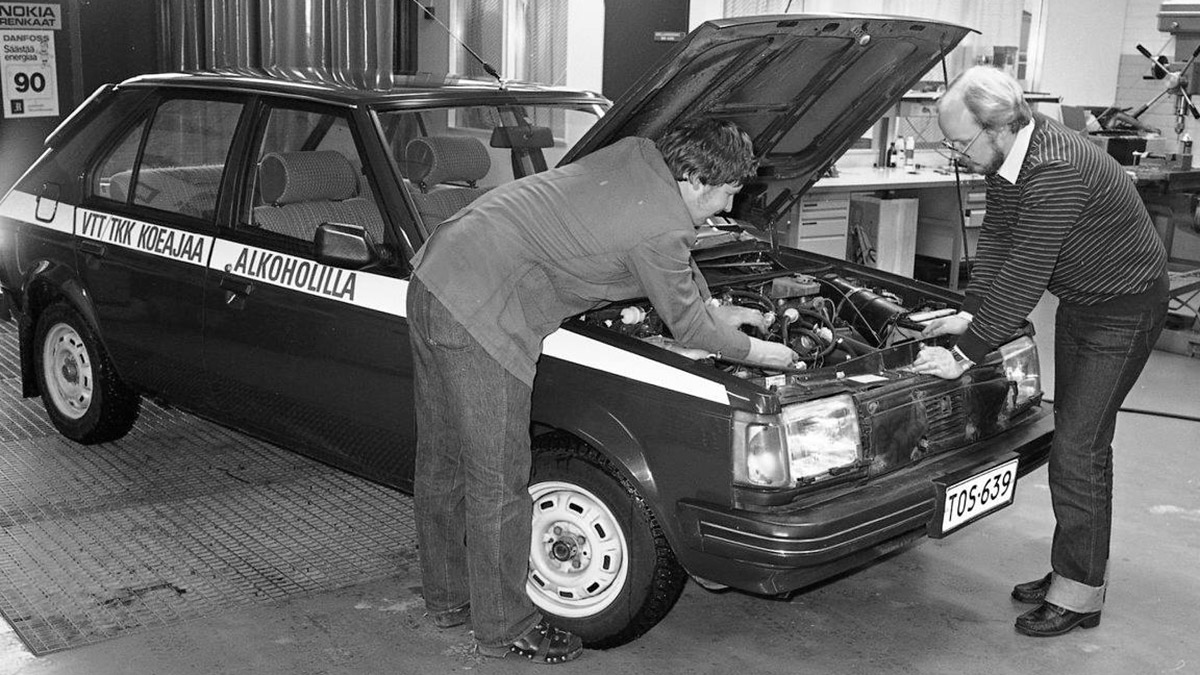
After selling 3,749 Petros, Saab phased out the 99 in 1984. Its successor, the 99/900 mixup called the Saab 90 never received a Petro derivative, as the 900 hadn’t either. Talbot introduced a diesel variant of the Horizon in 1984, which immediately ended sales of the Petro version, which had reached 2,385 cars. Horizon Petro sales had already taken a 70% dive in 1983 registrations. 1985 was the final year for Horizon anyway, as it was soon replaced by the Talbot-developed, but Peugeot-badged 309. The VTT Technical Research Centre of Finland ran Horizon tests with alcohol fuel, but those didn’t lead to production.
Later on, Saab introduced ethanol models in Europe as ethanol fuels worked well with its turbocharged engines. While ethanol blend fuels are cheaper and less oil dependent, running on ethanol blends means higher fuel consumption due to their energy content. Still, ethanol is somewhat widely available today while motor kerosene hasn’t been available in Europe for years as demand dropped completely.
The solution to expensive fuel, then, has often been to buy frugal diesel cars. In the past, almost every Finn doing any sort of big miles has gotten a diesel car, sometimes leaving out the back seat to be able to register the cars as vans which cuts, the extra road tax. People living in Eastern Finland have simply fueled up in Russia, gasoline or diesel, at the same time saving money but supporting the regime. These days, the border is closed, and diesel is easily a fifth more expensive than gasoline in the times of the Iran War.
As we now pay ten bucks per gallon even for gasoline, the only genuinely cheap way to drive is choosing EV, which doesn’t suit everybody’s routines or wallets or charging capabilities, even if it rules out some typical combustion engine problems.
That reminds me that a Talbot Horizon was converted to electric at the factory… but that’s a story for another time.
(All photos by Valmet Automotive unless otherwise noted)





Thanks for this Antti! This was actually fascinating to me, and the best possible way to spend an overcast Saturday morning with coffee that a guy my age can hope for. 😉 Plus, I LOVE old Saabs and never tire of seeing photos of them, especially given how infrequently I see them in person anymore, even here in car-crazy/rust-free LA. 🙂
Thanks again! 🙂
This was absolutely engrossing. I am always curious about automotive development in other parts of the world – American politicians be damned, some of us ARE aware that there’s considerably more to this globe than just one portion of North America. And I want to know more about it.
Can I just express my appreciation for the moniker “Horizonzon.” That was brilliant.
This was a fascinating article. More worldwide car stories, please—there is so much incredible automotive history out there. (Who would have known that Saab rebadged and sold the Omni domestically? God, I hated those things)
In addition to tractors, Briggs & Stratton made dual fuel small engines until at least the early 90s. These had a split fuel tank for the usual start on gasoline and switch over.
It will be interesting to see how or if countries without oil reserves convert to EVs.
Can you imagine an engine tear down as part of a long term test today? That’d be nuts now but super cool.
They still do that.
Tekniikan Maailma’s testing makes C&D look like kids magazine. Especially the yearly mega winter comparisons are pretty amazing. Also the massive winter & summer tyre group tests are something that one would suppose be thing that foreing magazines could try to buy to get access of.
I’ve gotten to assist the winter test crew in Lapland a couple times and it really is a thing of wonder.
The German automotive magazine, Auto Bild, still does the complete disassembly of motor, gearbox, and body then lays them on the floor for photos.
My dad knew a guy who added a secondary kerosene system during WW2 gas rationing. It worked, though far from perfect.
I’ve read about this in diesels for a while. And in principle, this is the same way that LPG and WVO systems work — heat up the engine on pure diesel and then switch over. With today’s technology, I bet a simple module that measures RPM, load/throttle, and engine temp could automatically meter the fuel at optimal blends.
Awesome article!
For some reason, Saab has been woven in and out of my life for years – mostly unintentionally. This association has been excellent for demonstrating the quirks of Scandinavia as a whole.
If you haven’t seen this video yet, make it a must watch:
https://youtu.be/jgfGbxtDD1c?si=VsUWooBspGNslsXg
Yes, the plates on the car are ‘LT’ – so not Scandinavian, per se – but interestingly, this video was my first introduction to the oddities of dual fuel vehicles. The 940 in the video above has some sort of LPG(?) switch on the dashboard, which gets repaired without voiceover, description, or music.
The kerosene topic above seems like a very industrial way to solve a problem in a poor way, with results that should have been foreseen. I used to heat a condo with kerosene. With a capsule tank, and a blue 5-gallon jug. I stained the vinyl flooring more than once…
Burning kerosene would have worked a lot better if the other tank had something with a higher octane rating like ethanol or methanol which would allow for a higher compression ratio.
We had a John Deere model D that could start on gasoline then switch over to kerosene. Or you could mix up a batch of gasoline, diesel and used motor oil or whatever would burn and switch over to that.
Of course with a 501 cubic inch two cylinder that made horsepower in the mid thirties and had a a flywheel about the size of a sewer lid, they could accommodate pretty wonky fuel
That was pretty common on diesels and heavy equipment in general up through the 1960s or so .It was a pretty good idea….via a decompression valve, it made a ginormous diesel relatively easy to crank over, and could often use an ordinary size car battery and starter to get things going, even in cold weather. The diesel was knocked down to 8:1 or so with the decompressor, so it would fire up on gasoline, usually through a fixed-venturi carburetor. There was no throttle valve, the size of the carb was deliberately limited to allow allow “fast idle” RPM. In effect, the engine was it’s own pony motor.
Once the engine was warm, the decompression was closed and the diesel injection pump turned on and it’d instantly switch to diesel, while the gas to the carb was cut off. I guess it’d keep also running on a bit of gas until the tiny carb emptied out, which was only a few seconds.
Being in upstate NY at the time working for a small contracting company (meaning all of our equipment was ancient junk) we would also start mixing in kero with diesel in the winter to give our crap a chance of starting. Kerosene was available out of the pump around there (although with the hose tethered to the ground specifically so you could only fill jerry cans, not stick it in a vehicle….that tether was magically always broken). A diesel running on a 50/50 blend with kero will start much easier in the cold and generally run fine, although the exhaust will be pretty smoky.
We started our D by just grabbing the fly wheel. Sometimes a spitz of ether if it was cool. Easy peasy.
The pony motor on the Caterpillar on the other hand did its best to remind you of the hostility and passive aggressive rage of your average pony, which when it deigns to move at all with a rider would gallop flat out on a tour of all the riderless pony sized gaps between barns, rouge trifoliate orange bushes and utility pole anchor cables. Am I fond of ponies? I am not. Same goes for pony motors.
Start the caterpillar and only turn it off to change the oil until the season was over. Damn pony motors.
Lovely content. I’ve read a lot about European cars and the many issues that have complicated people’s lives over the decades, and did not know much of this story. I also love Saabs – my first car was a 1972 tan (kind of a dirt-colored) Saab 99. It was a great vehicle if not very dependable. At some level, I think I continue to judge cars based on the 99 – it was compact, clever, and handled quite well. It was great seeing some 99 photos.
It’s really interesting to hear about local market vehicles, and how they are adapted for certain conditions.
Also, after seeing the movies and learning they are a truck, I kinda need a Sisu truck. An early one.
My Dad told the story of during WWII when gas was rationed. He and his friends had their moms apply for Kerosene coupons saying they had a kerosene stove. The boys then rigged up a separate tank for their Model T and tied a line into the gas line with valves to allow them to switch fuels on the fly. They would start it on gas and as soon as they got out of town switch it to kerosene. As they approached the next town they would switch it back to gas. This allowed them to get to the next town over that had a movie theater on Saturday night. He said it made all sorts of noise but it got them where they wanted to go!!
A fascinating piece of Finnish autopianism. Thanks, Antti!
We, Argentines, came to know about Finland due to the ’80s and ’90s rally beasts (most races were held in my province) and Jorge Luis Borges’ narrative and poetry.
Also, living in Budapest I learned that you guys spoke the same-ish language some 2000 years ago!
so if the oil prices keep going up, i’ll probably talk myself into buying a used turbo subaru and getting it converted for E85 fuel because it will “save” me money hahahaha
Kerosene is basically diesel, so Saab basing a kerosene engine on a gasoline engine is the same thing GM did at that time, with the same unreliable results.
This was even worse though, by attempting to keep with spark ignition and hybrid gasoline operation. Kerosene works better as a diesel fuel alternative in a proper diesel engine. It would have been more successful to just outfit cars with outsourced diesel engines and sell them as dual-fuel diesel/kerosene-burners.
Realistically, kerosene’s BTU output is lower than diesel, and is poorer for engine life without lubrication additives — but it would probably have been just fine in the relatively simple and overbuilt small diesels of the era.
Fun fact — Kerosene is still a perennial favorite in the additives for “winter blend” diesel formulations around the world since it helps prevent gelling-up in subfreezing temperatures (to a point) and is largely a substitute (if more costly and lower-BTU output) fuel by itself.
This is exactly what I was thinking. Why not make kerosene an ‘alternative fuel’ for.Saabs equipped diesel engines?
Mercedes, vw and at least Peugoet had TD engines diesel motors in the 80s, surely Saab if they had no suitable diesel engine could have made a deal with one of them?
Kerosene’s lack of lubricity is hard on moving parts. Worse yet, it’s a solvent, so it also strips away any good lubricants already present.
It will burn in a diesel engine, and it’s been used during desperate situations (like war). But it’s destructive to diesel injection systems, so it’s not a long-term solution without lubrication additives.
Saab considered diesels and likely ran tests, but the classic 900 and the 9000 never got diesel engines. I think the GM900 didn’t either, until the facelift to 9-3 gave it the 2.2 TiD. Up until that point diesel had been Volvo’s business, out of the two Swedes.
That’s right, I think Volvo went in on a diesel engine deal with VW in the 80’s
To @Camp Fire’s point above…
I guess I would have expected…
1) Saab to only try this with diesel engines
2) Finland fuel suppliers realize the lubrication issues inherent to kerosene and added lubrication additives to the kerosene offered for light cars…
Of course with the right lubricant additives perhaps the fuel would have been suitable for ‘gas’ based engines too, hence Saab wouldn’t have to worry about trying to make a deal with someone else for diesel engines
Above is actually why I expect evs in the future will be the norm, as it is a matter of being green, as in economics.
ICE (both gas and diesel) comparatively are like mechanical watches and evs are like quartz. Current largest drawbacks being time to recharge on a road trip and range. CATL (producer of 40% of the world’s batteries), recently announced a 15C battery, meaning a vehicle with said battery could recharge 10 – 90% in under 5 minutes*, while maintaining 90% of its capacity after 1000 cycles. W/300 miles range that would mean at least 300k miles and still 90% battery capacity.
*does require a rapid charger able to output 1500 KW which of course is massive too, at approx. 4x most rapid chargers currently in USA
I am here for all Finnish content. Never been, but I known a few via study and work. Good solid people, and not to be unleashed on the Spanish coast as a pack of ERAMUS students on holiday. Great times, but I don’t know anyone here well enough to talk about it.
I love the Antti posts. It’s really interesting to hear about Finland and their cars
Not just rebadged Talbots – Tony the FIAT 126 is immune to Kerosene.
https://www.youtube.com/watch?v=mbnlxTbMZ1k
I know Finland imported an unusual mix of cars but the Chrysler/PSA/Valmet deal explains why the game My Winter Car has a Talbot
Sigh… I just really want a Saab. That’s all.
Tis sad.
Particularly a 2-door 99 sedan.
Would be cool.
With Aztec wheels
and
TURBO!!!!!
Actually a HS friend of mine had one like this, a ’78. He complained about its reliability but he was the antithesis of a gear head and treated everything like a rented mule. Had he treated the car better I think it would have been a damned fine car.
Life is too short to worry about reliability.
He said ritualistically while waiting hours on the dark, freezing, rainy shoulder for a tow truck…
Growing up we had a 1979 Saab 99 GL 5-door in classic seventies brown. 4-speed manual. My dad replaced the US spec headlights with Euro spec Hella headlights and bulbs (we brought them back from Sweden during a family trip), added the VDO tachometer that was missing from the US market dash and updated it with Inca wheels, keeping the steelies for the winter tyres. That was my learner car. As a result, I’ve based all my manual clutch car experiences with that Saab as a reference. Which means every clutch I’ve used since, has always felt like a cheap plastic toy, prone to fail at some point.
I remember when I would visit small town India as a kid years ago, folks would run kerosene in Rajdoot two-stroke motorcycles. Gas would be used to cold start, and then a valve would be flipped to burn kerosene once warmed up. I suspect gasoline was expensive – heavily taxed, and kerosene much cheaper as it was used for cooking and a staple. They smoked badly.
you ever come across any diesel Royal Enfields?
I did. I tried kick starting a diesel Bullet when I was little, and the owner had to do it as it took a bit of effort. He had to slow crank it to get it right at the bottom of the compression stroke before giving it a good kick. You had to be careful because it can kick back – I guess because of the higher compression.
The first part of this really should be revised to “After the highest, noblest, and best possible start…”
Neat bit of localizing! The Petro versions seemed good when under development but as it happens time moves on and technology evolves. Besides, gasoline is just so good at what it does that finding a suitable replacement is quite difficult.