

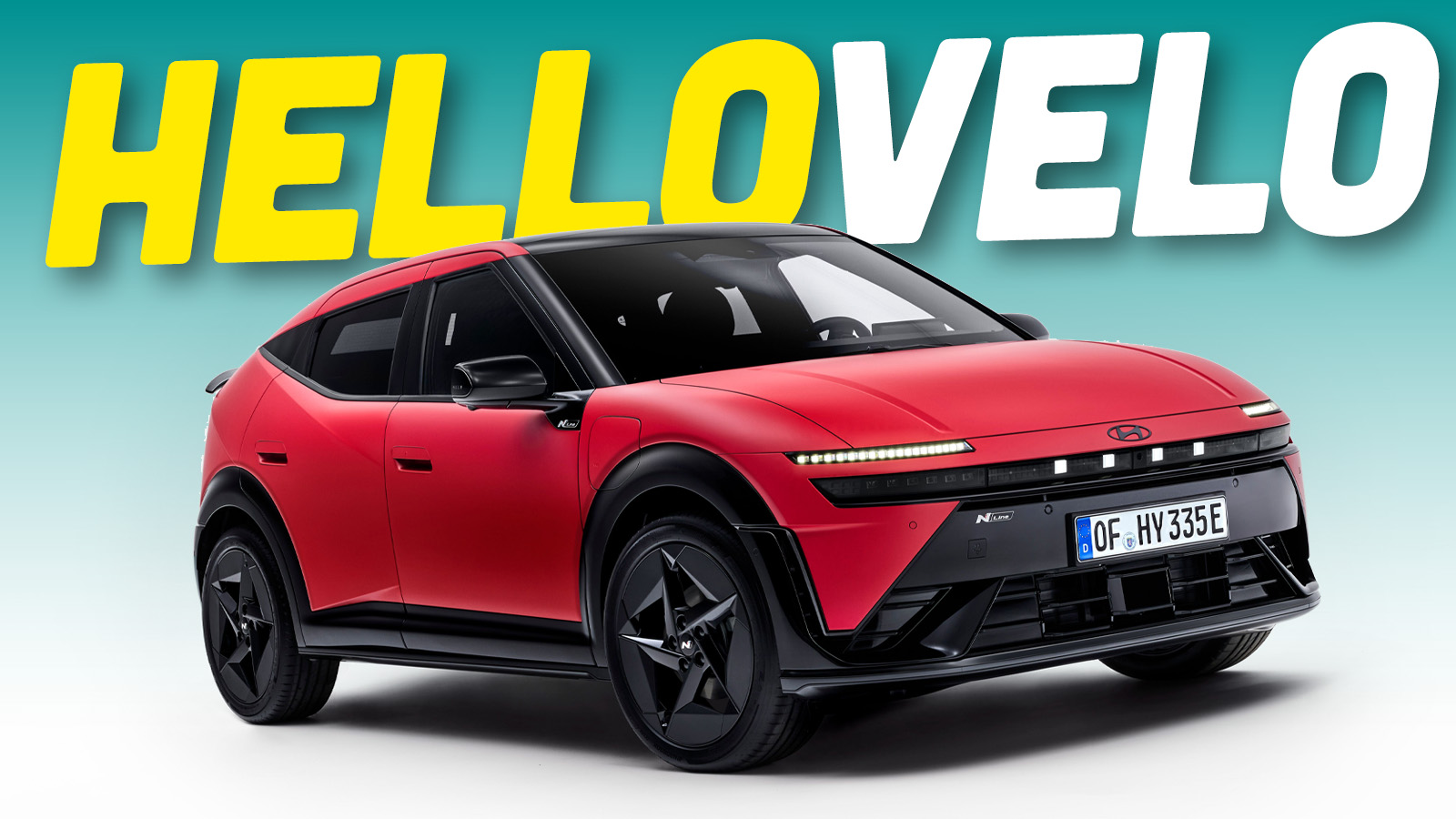
Over the past 30 years, it feels like the world has forgotten that economy cars can look sweet. There used to be a whole segment of rakish hatchbacks pairing sporty looks with ordinary mechanicals, and now that’s all fallen by the wayside. Thankfully, it’s not dead yet. This is the Hyundai Ioniq 3, an electric hatchback that won’t set any performance records but seems aspirational in a way most current cheap cars don’t because it just looks so cool.
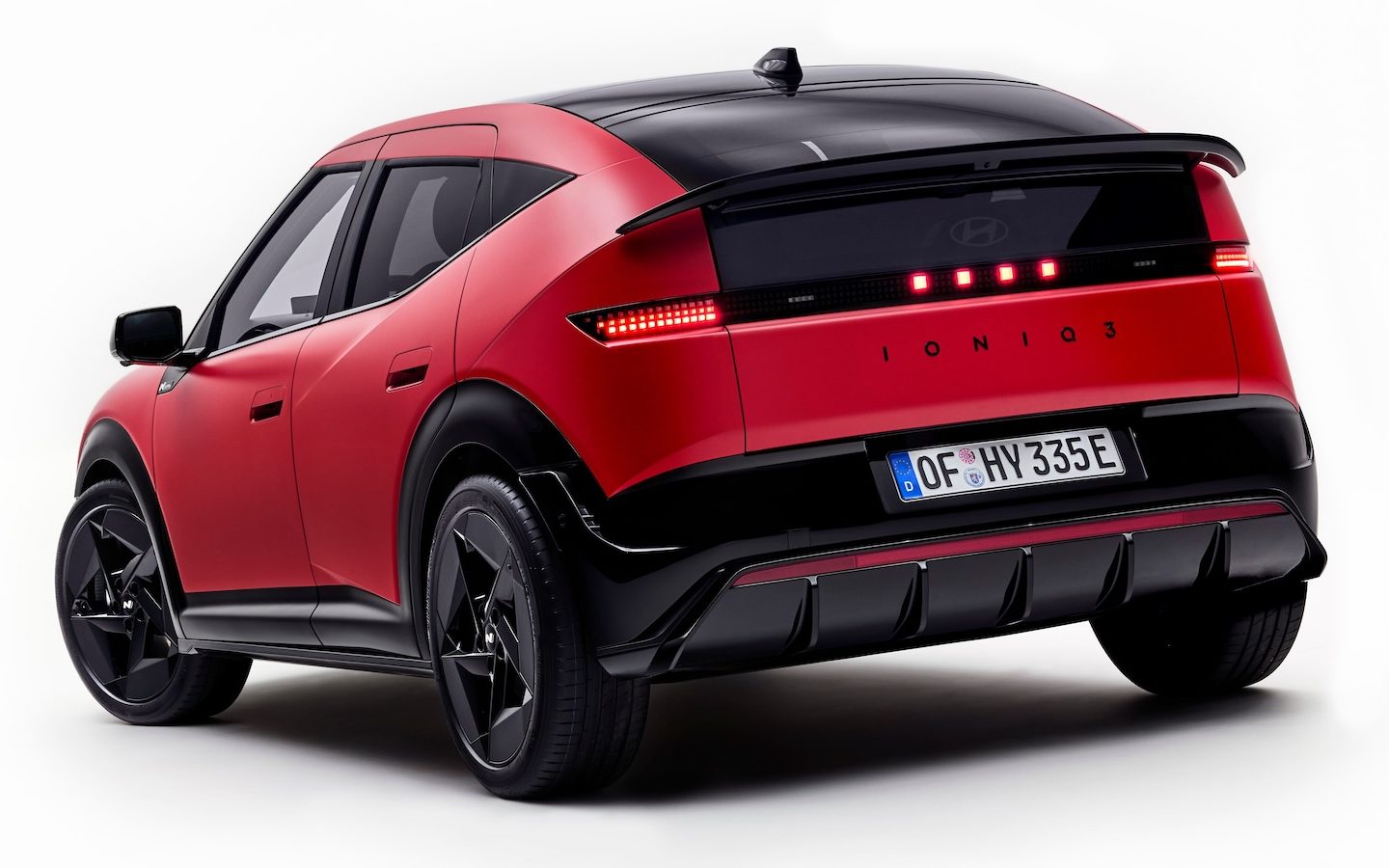
The first thing you need to know about the Hyundai Ioniq 3 is that it’s actually, genuinely small. We’re talking 164.2 inches stem to stern, roughly eight inches shorter than the already compact Toyota Corolla Hatchback. However, it packs a whole lot of attitude into 13.68 feet thanks to an edgy kammtail silhouette. It’s an impressive thing to pull off, given how short the rear overhang is and how the roofline doesn’t start to dip until it’s above the rear axle, but it makes this hatch look rakish and contributes to its drag coefficient of 0.263.


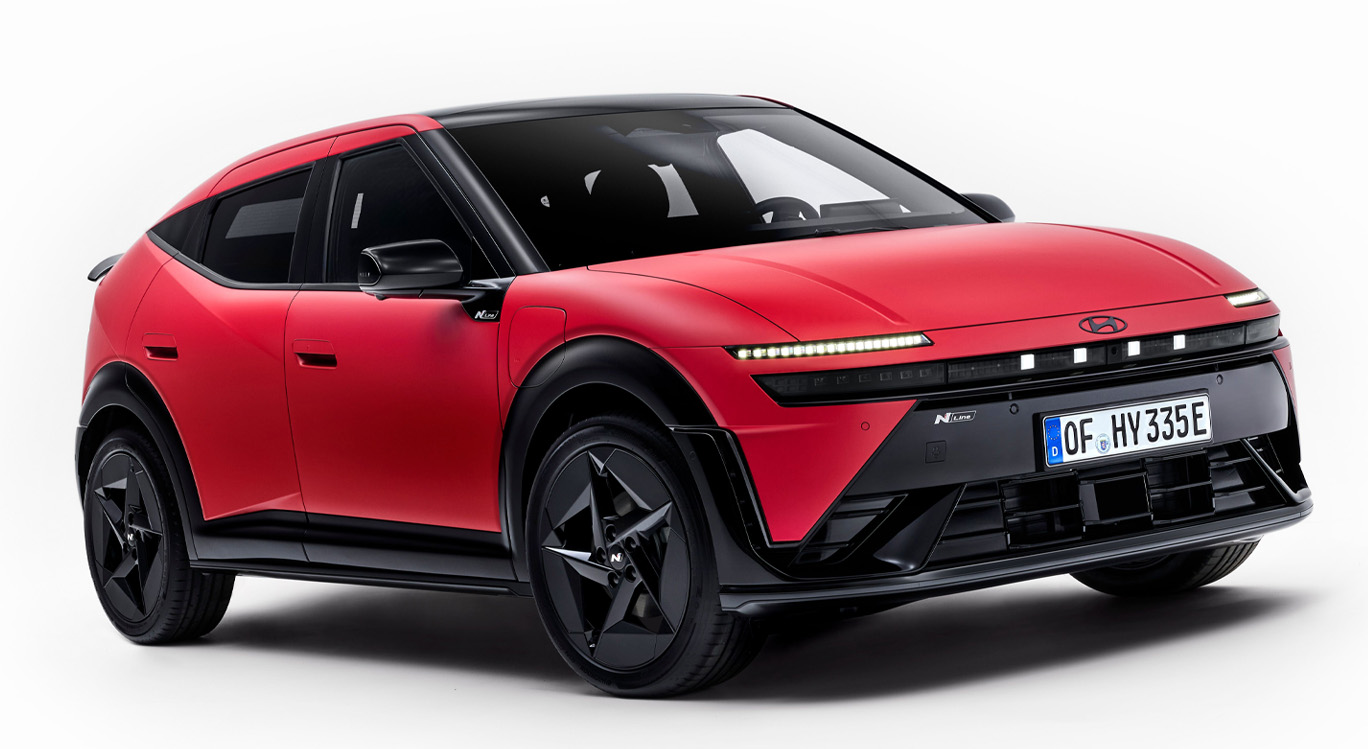
Hyundai’s only shown off the Ioniq 3 in sporty N-Line form so far, but as far as factory body kits go, this one goes hard. Wide grille mesh, flics to hide the air curtains, a big spoiler, and a chunky faux-diffuser write some big checks. Obviously, since this isn’t a hot hatch, don’t expect the test track figures to scare a GTI, but it’s a sporty commuter car in the vein of the Toyota Paseo, Honda CR-X, and Mazda MX-3.
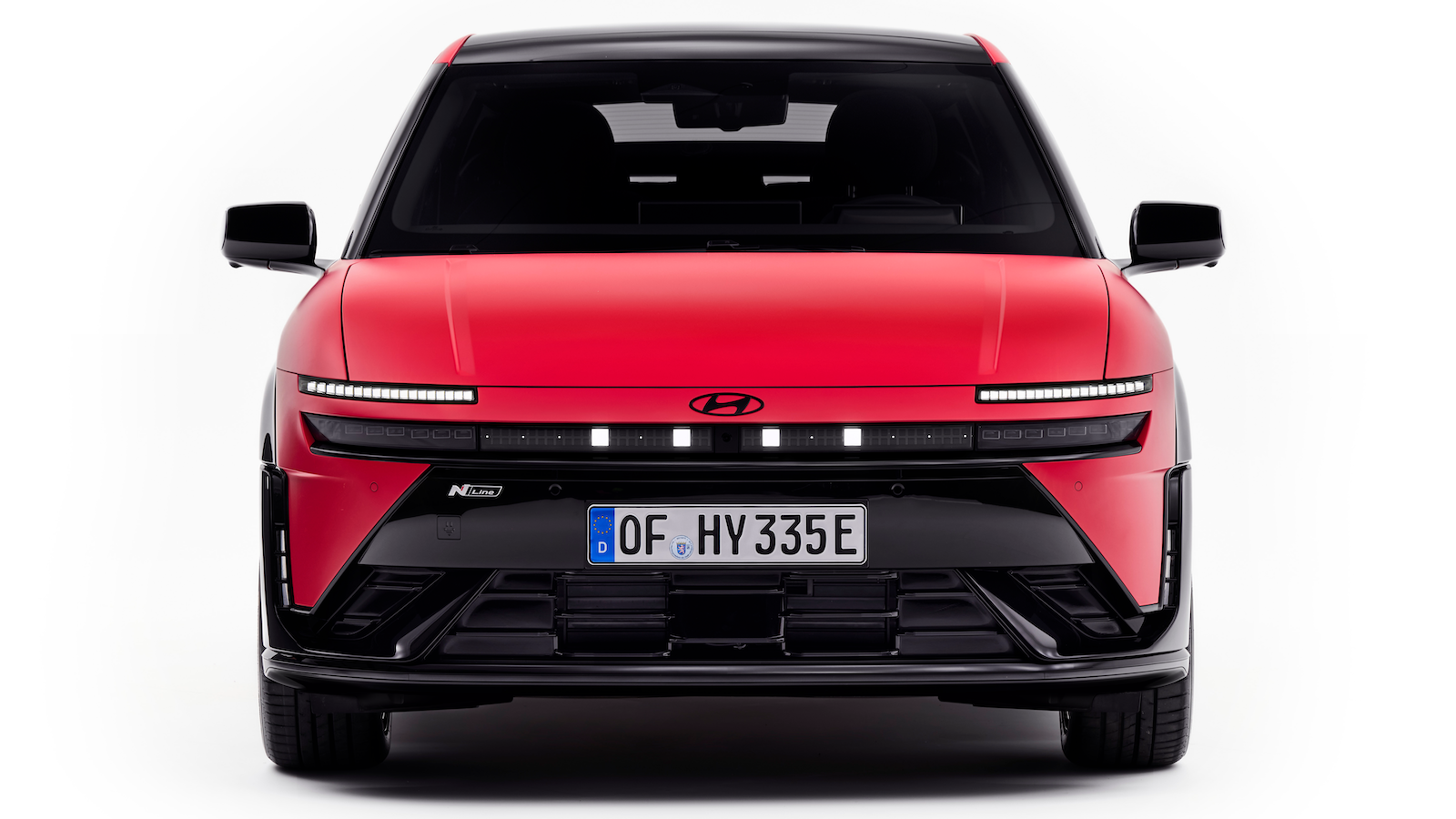
It’s also worth talking about the lighting situation on this electric compact. Because the headlight beams are actually beneath the daytime running lights, the Ioniq 3 technically has eyebrows that line up with the main headlights perfectly. Also, those four square lights on the front are rather distinctive. It’s a bold strategy, but you definitely can’t accuse it of being boring.
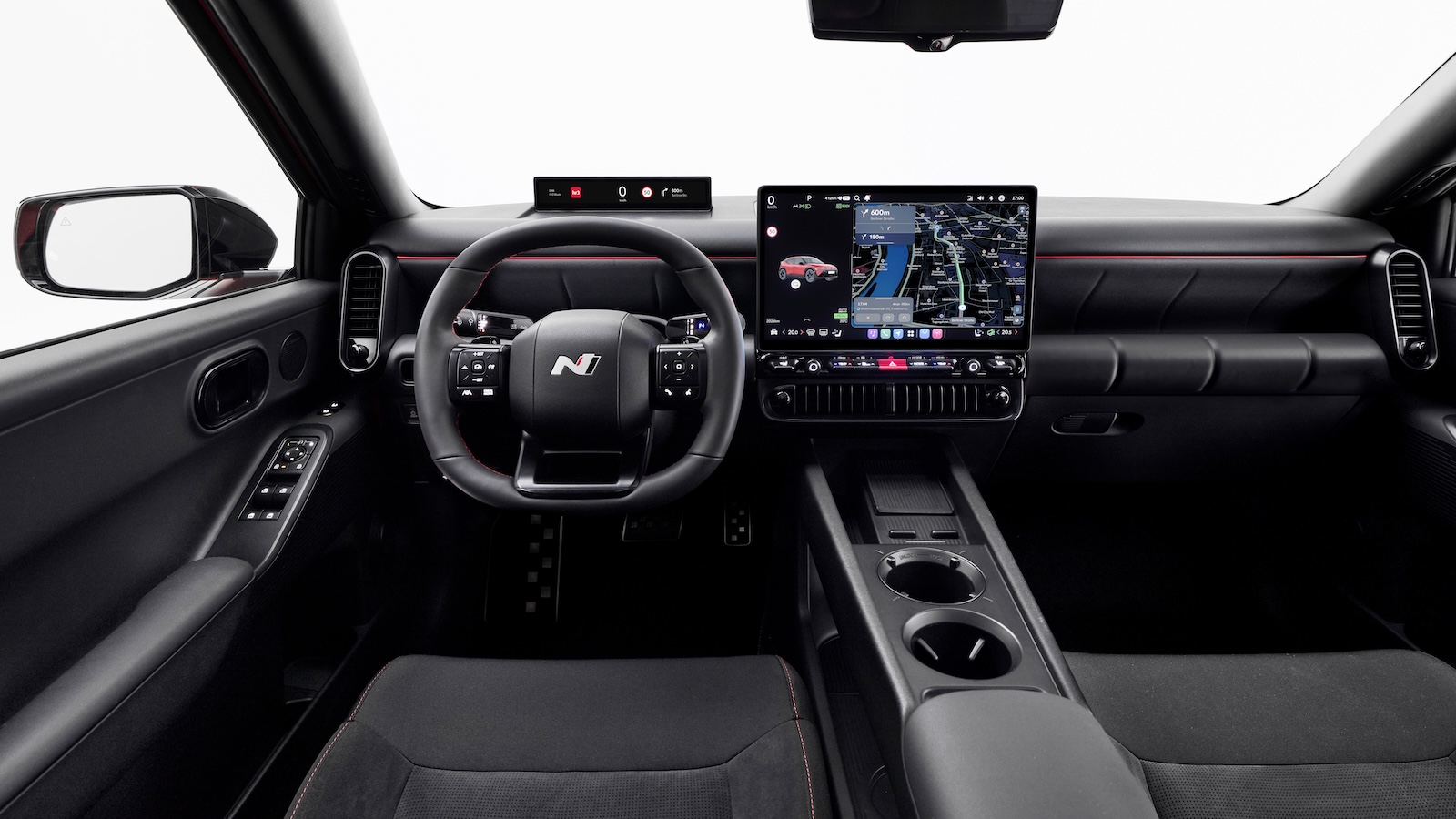
The inside of the Ioniq 3 is just as interesting as the outside. It’s the first car to get Hyundai’s new Pleos infotainment system, an Android Automotive-based setup with a choice of 12.9-inch or gargantuan 14.6-inch screens. With an app dock at the bottom and vehicle info on the driver’s side of the screen, it’s a lot to take in. Thankfully, Hyundai is still sticking with buttons and knobs for important stuff. The heated seats, climate temperature, fan speed, and climate mode are all on rocker switches, while volume and tuning knobs are on proud display. Also, the presence of two speedometers is unusual. One in the infotainment, one in a thin digital cluster mounted high on the dashboard. I kinda dig it.
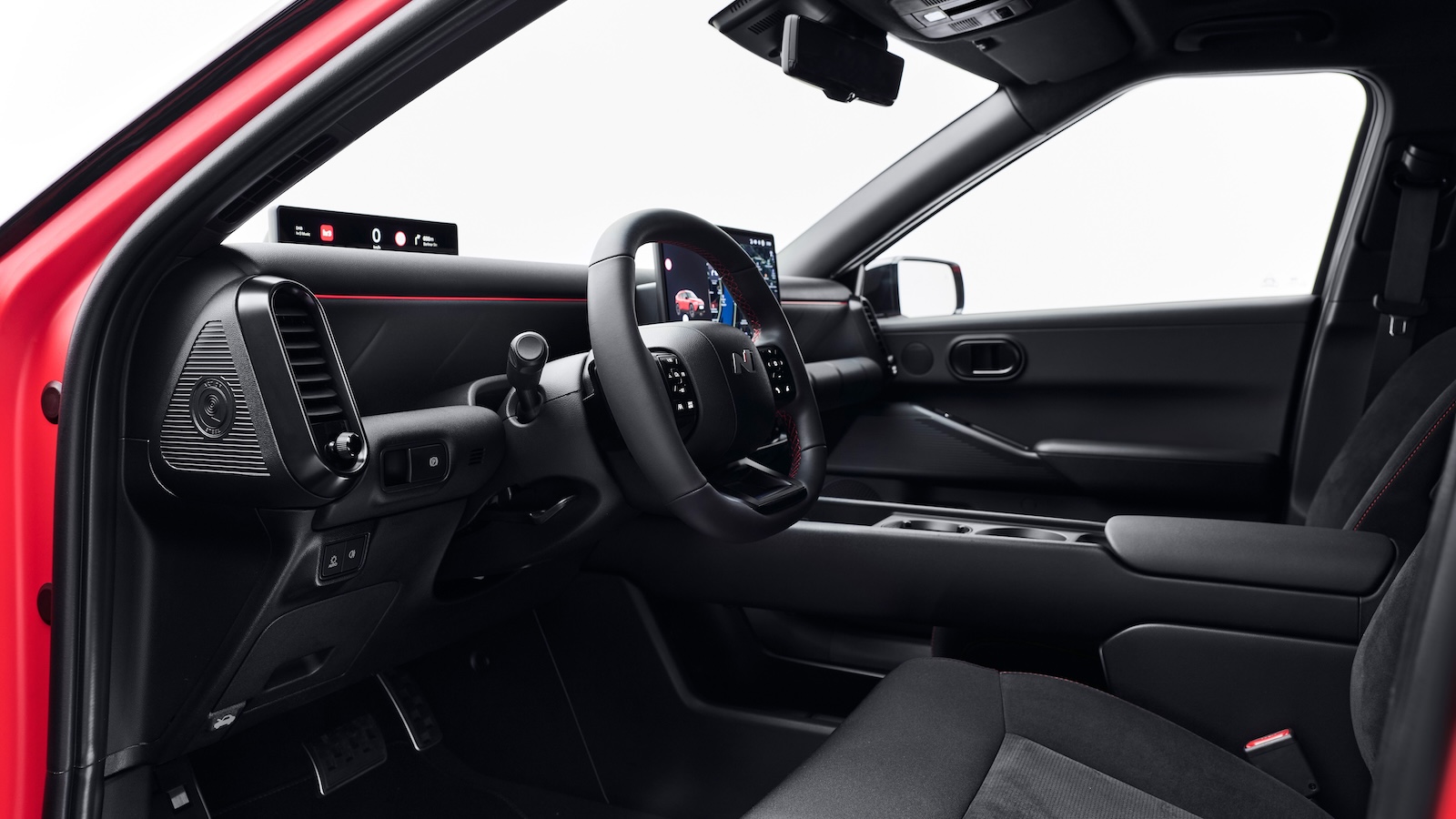
Beyond the tech, the cabin of the Ioniq 3 features a bunch of neat textures and finishes, from the ribbing on the ends of the outer air vents to the pleated textile on the dashboard. A two-tiered center console with loads of storage cubbies should swallow up tote bags and parking passes easily, and the overall look in here feels pretty architectural for what is essentially a mass-market hatchback.
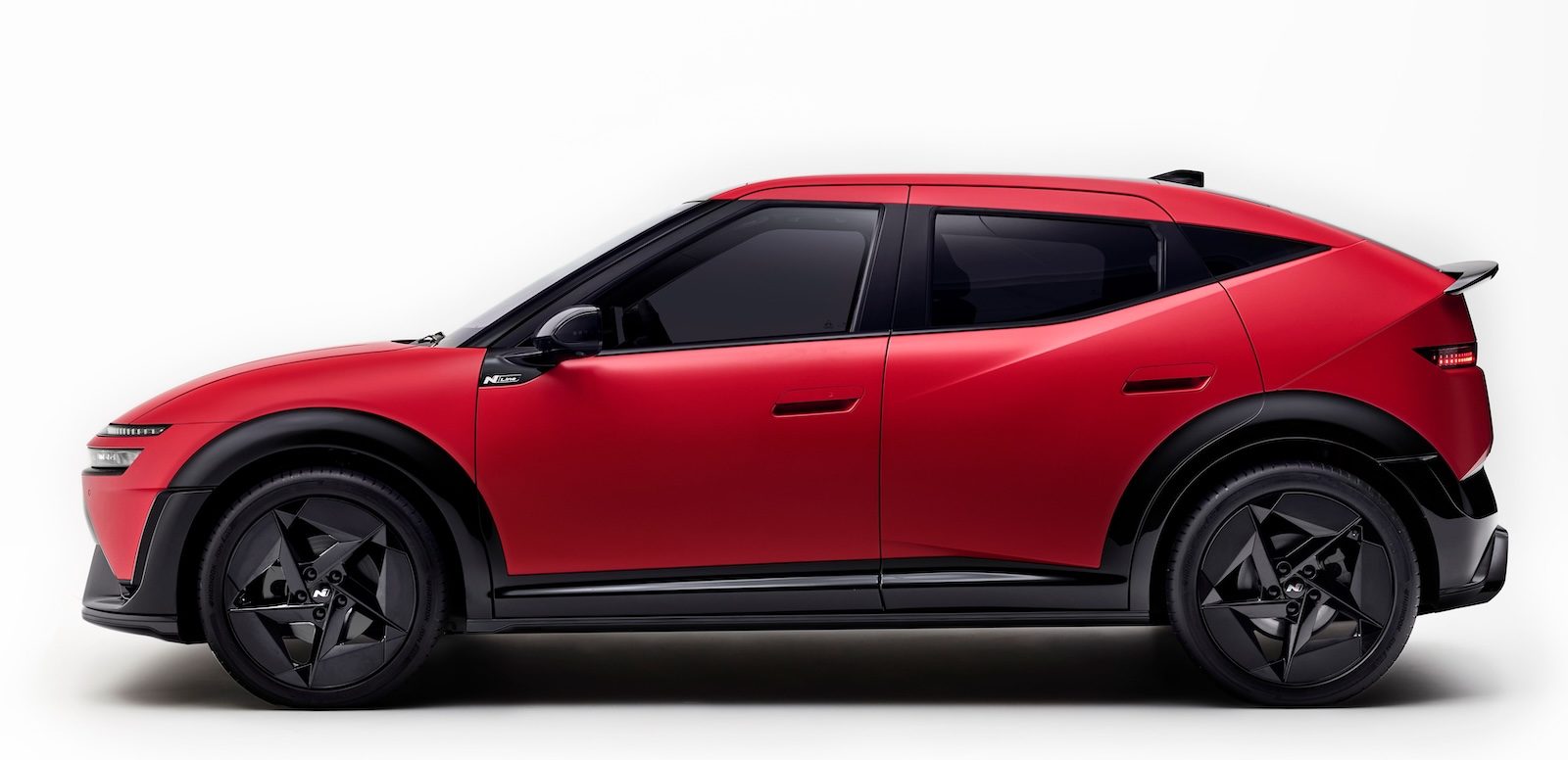
Under the skin of the Ioniq 3, you’ll find the 400-volt variant of Hyundai’s E-GMP electric platform with a choice of 42.2 kWh or 61 kWh battery packs. The former’s good for a modest 213 miles of WLTP range, while the latter ratchets things up to 308 miles of WLTP range. The tradeoff, other than cost, is straight-line acceleration. While the standard-range model pumps out 145 horsepower, the long-range model sees that figure sink to 133 horsepower. As such, models with the small battery pack will saunter from zero to 62 mph in nine seconds, and models with the long-range pack stretch that figure out to 9.6 seconds. This isn’t a hot hatch, it’s just a hatch. A rather striking hatch.
So, kammtail hatchback form factor, great looks, economy car performance. Aside from an additional door, the Ioniq 3 really feels like the spiritual successor to the quirky Hyundai Veloster. It’s always great to see a manufacturer having fun with its economy cars, and while it’s not currently expected to come to America, wouldn’t it be great if the next Elantra looked a little more like this?
Top graphic image: Hyundai


I like it, but then again I like a lot of small, affordable EVs that we don’t get in America and probably never will.
Not a fan of how the beltline starts kicking upward halfway through the rear door. By the time you get to the rear corner of the car, there’s just this huge expanse of metal, making the car look chonky. I’m sure it causes a horrible blind spot.
Other than the below average power, this looks like something I would love for a commuter. Looks good (wheels notwithstanding), plenty of range as a secondary family car (we have the van for trips). AND REAL DOOR HANDLES! I’d like an option for maybe 180ish hp to make it at least feel a little sporty to better match the look.
But I’m daydreaming anyway, this will never make it to the land of gray, blobby CUVs.
It looks really nice. I’m curious what the rear visibility is. It looks like it could be cramped.
Great, now give me a 3N with maybe 250 hp to either set of tires
I like that this exists, but am I the only one who doesn’t like the square steering wheels?