


It might not have had the range of the venerable Chrysler K-Cars, but the Ford Fox body certainly showed some versatility of its own. This lightweight chassis underpinned everything for four-cylinder powered Fairmont sedans to ground-pounding V8 Mustangs. Granada station wagons with boring sixes shared Fox components with high-end Lincolns that featured air suspension and BMW turbo diesel mills. No, a Fox minivan never existed but there was even a rare Fox body pickup truck called the Durango that our Mercedces Streeter has written about.
One thing that Ford never gave us with the Fox was an SUV crossover. Probably that’s because that type of car had yet to become popular before the demise of most versions of this chassis, but I think it could have easily happened. American Motors had already given us something like this, but the Fox would have made a far better example of this kind of mash up. More importantly, getting-back-on-their-feet Ford could have done it for relatively minimal investment. Let’s see what that would have looked like by making what I’m calling the 1986 Ranch Wagon.


If The Eagle Laid An Egg
Pioneers almost always face a terrible fate, but they do an invaluable service for the rest of us. American Motors is one car company that took the slings and arrows that the narrow-minded public often hurled at those that dare present new ideas.
Four-wheel-drive station wagons did exist in the late seventies, most notably things like the Subaru 4X4 wagon and even the limited-run Dangel Peugeot 4X4 estates, but these had four-wheel drive systems not really intended for on-road use due to the lack of central differential.
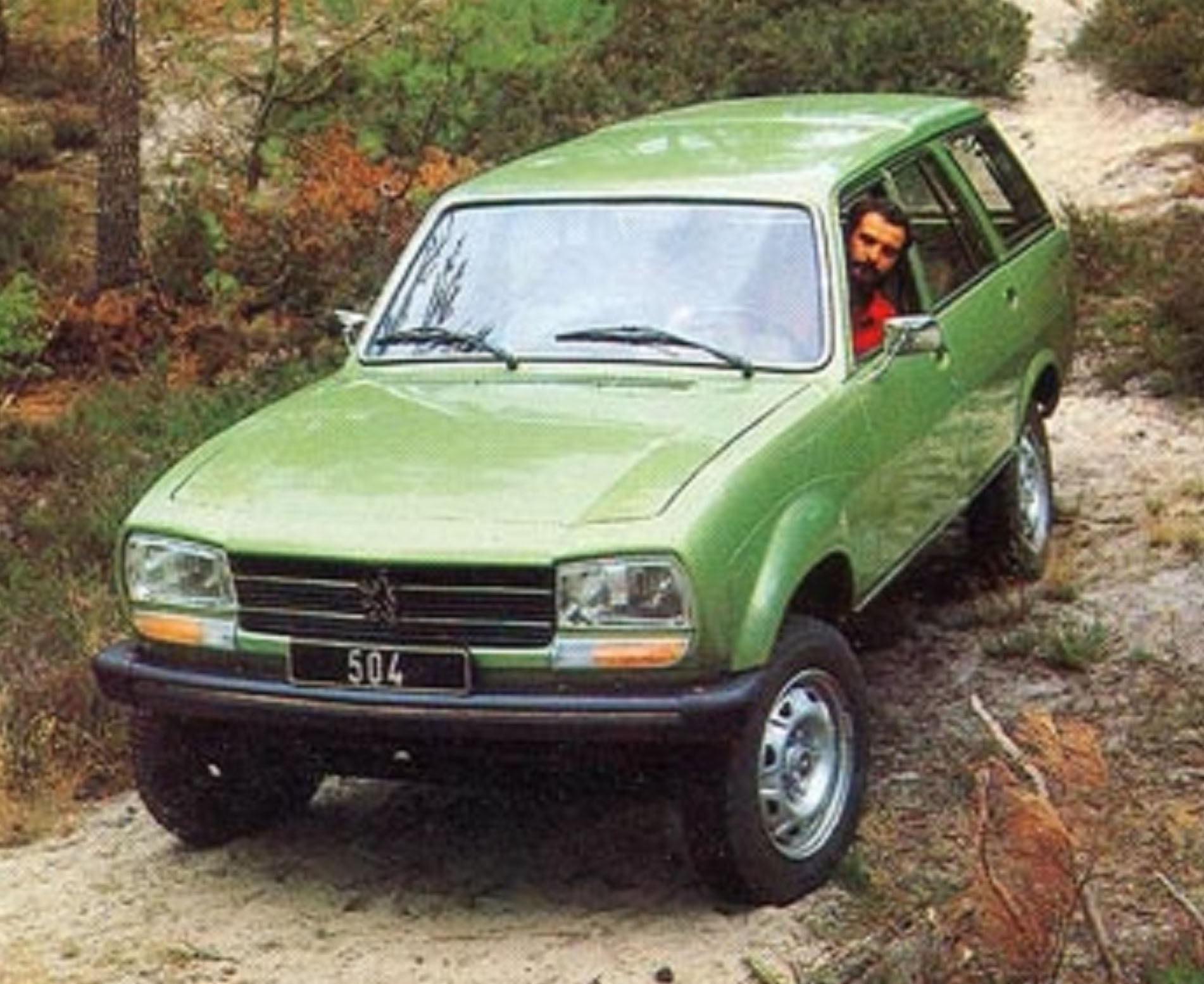
In 1980, American Motors offered a new kind of everyday car with four driven wheels: The Eagle. Locking hubs and two-speed He-Man transfer cases? Forget it. Mom could just get in and go with no questions asked, regardless of weather.

I’ve written about this groundbreaker before:
The brainchild of AMC’s chief design engineer Roy Lunn, the Eagle was to be a “line of four-wheel drive vehicles with the ride and handling conventions of a standard rear-wheel drive car” on a unibody platform. Always strapped for cash, AMC used its by-then-decade-old Hornet compact as a basis for this groundbreaking car. Oddly enough, despite AMC’s experience with Jeeps, they contracted FF Developments in the UK (makers of the awesome, pioneering all wheel drive Jensen Interceptor FF) to build a prototype in 1977.American Motors had predicted that consumers would want something with the mild capabilities of a utility vehicle with four-wheel drive and car-like comfort, and most importantly, fuel efficiency. Their gamble paid off when the second energy crisis hit in 1979 and sales of truck-based four-wheel drive machines (like AMC’s own Jeeps) tanked. Extra traction is nice, but if you never go to Moab, why suffer a 12-mile-per-gallon monster? The Eagle was just what the market needed.
The viscous-coupling center differential gave the Eagle on-road advantages that the only other car that might be considered a remote competitor (the much smaller Subaru part-time 4WD wagon) didn’t have. Audi’s Quattro was the only car offering something similar, but in 1980 it was only available as a high-dollar sports coupe (and not in NHTSA- or EPA-compliant specification yet, anyway). After testing an Eagle, Four Wheeler magazine deemed that it was “the beginning of a new generation of cars.” The author of this article likely had no idea how right they were.

AMC was able to move over 60,000 cars in the debut year, but sales quickly fell off. Most believe that it wasn’t lack of acceptance of the AWD concept; it’s just that the system was installed in a car introduced in 1969 and wasn’t really competitve with contemporary products. It took nearly a decade after the Eagle showed up for the Big Three to offer all-wheel drive as an option in their cars, and the idea of lifted sedans and wagons took even longer. Is there a way that Ford might have at least been able to dip their toe in the waters earlier? Fox yeah!
OutFoxed By The Jellybean
Like the Dodge Aries and Plymouth Reliant, nobody knew what they were in for when Ford debuted the Fairmont coupe, sedan and wagon to replace the Maverick (and essentially the Torino).

I’ve written about this before, too:
The Fox program was a sweeping change for Ford and ushered in a new era of more efficient and better-driving cars, even if it didn’t fulfill its initial goal. You see, many people think the 1981 front-drive Escort was Ford’s first “world car” failure, but it wasn’t. During the 1973 energy crisis, Ford launched a program to build a global platform to replace not only the American offerings like the Maverick and Torino but also the European Cortina and Taunus. Ford planned to have at least two sizes to make a one-car-fits-all solution. It took barely a year for Ford to realize that the wants and needs of the different continents would make such a program unfeasible.
Ultimately, US Ford took the ball and ran with it, developing a unibody design with a layout and boxy look that seemed almost like Dearborn’s interpretation of a Volvo 2-Series. A live axle on coil springs in back was paired with Macpherson strut front suspension and rack and pinion steering, allowing for a wide engine bay that could accommodate a vast array of motors from a Pinto four up to a 302 V8. The Ford Fairmont and its Mercury twin, the Zephyr, were introduced in 1978 and available in a bunch of body styles including two- and four-door sedans, as well as a station wagon.

This clean and functional-looking car was not exactly a thing of unparalleled beauty, but then neither was a boxy BMW or a Volvo 240 (a car it was almost identical to in every dimension and basic technical specification). Just a straight-up no-nonsense design.
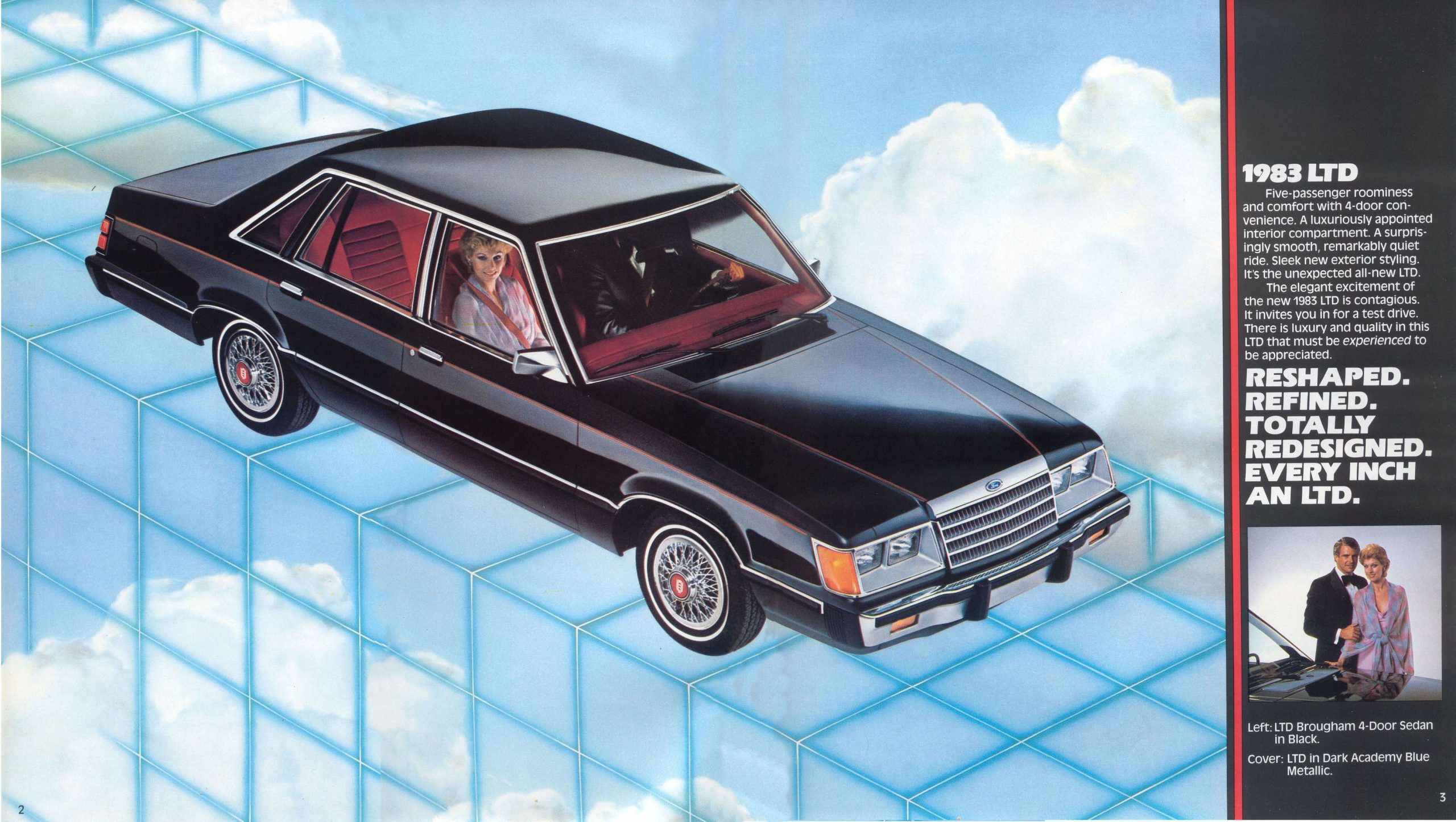
By 1983, Ford started to “downsize” products further. With the launch of the Ford Tempo, the Fox now ranked as a “full sized” product below the just-wouldn’t-die “super full size” Crown Victoria. Ford put a new front clip on the Fairmont, as well as an angled backlight and angled tail to create the 1983 LTD. Despite the angular looks and sunken-in Mustang-style headlights it was deceptively aerodynamic with a drag coefficient of .38.
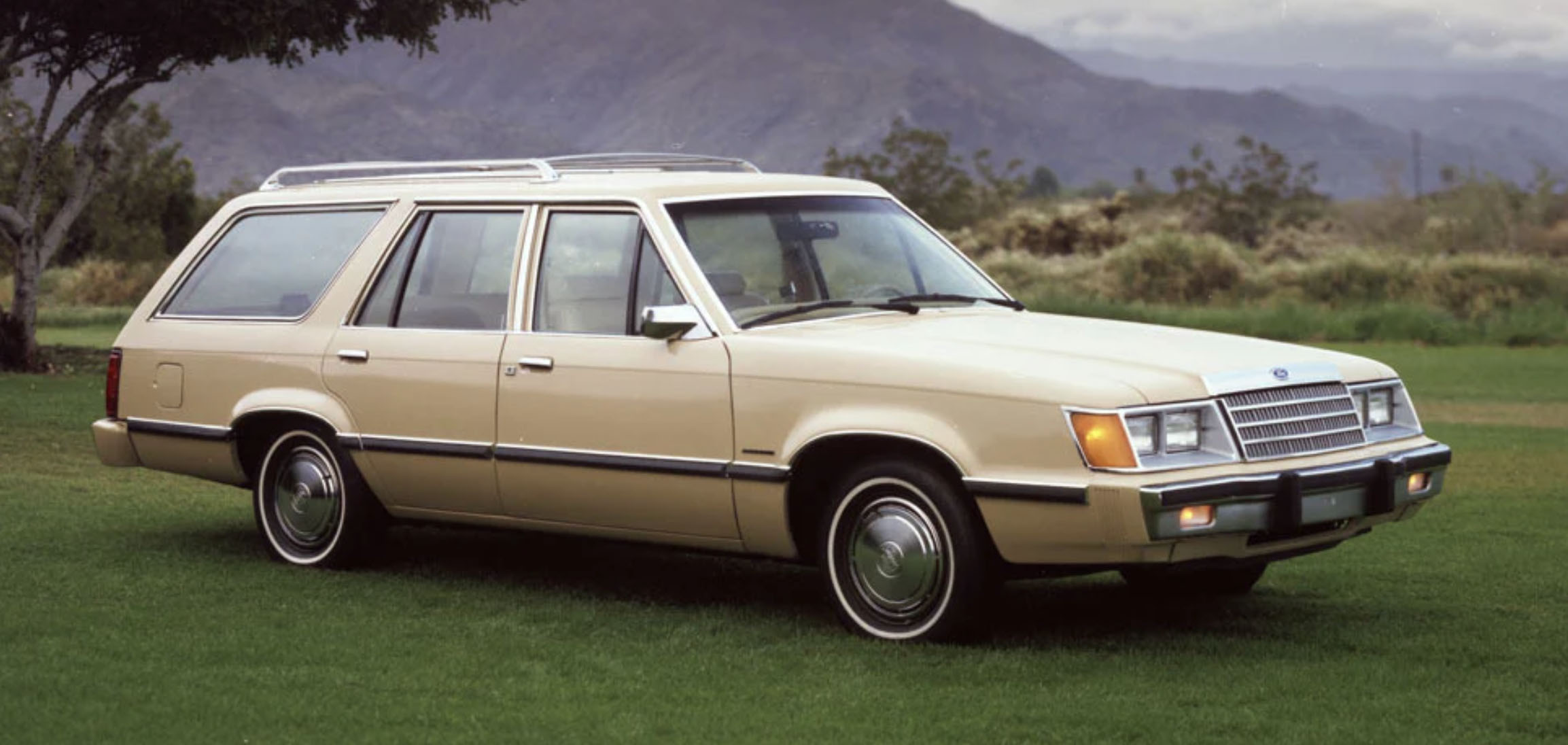
Externally, the station wagon version of the LTD received very little behind the firewall that was different from the Fairmont beyond different taillight lenses and bumpers. It’s especially noticeable in the Boring Beige and cheapest non-dog-dish wheel covers you could get:
When the Taurus debuted for the 1986 model year to take on the “full sized” place in Ford’s lineup, the Fox LTD was dropped. Actually, that was the end of any Fox that wasn’t a Mustang, Capri or a Lincoln. It’s not like the chassis was state-of-the-art then but, as early nineties Cobra ‘Stangs prove, it was hardly done. I see one role for a Fox wagon that might have been the perfect swansong for this much-loved chassis and also given Ford a shot at an emerging market to make up for their infamous fumbling of the minivan.
I Thought About FoxCross As Well
To make a Fox wagon crossover, we’d follow the same formula as the AMC Eagle did with a slightly lifted ride height and a central differential with a viscous coupling. This would push up to 35 percent of power to the front wheels; like the later Eagle models you’d have been able to disconnect the front drive mechanism for better fuel efficiency in times when you don’t need AWD. Unlike the Eagle, the Ford Ranch Wagon would have switched between RWD and AWD with a push button on the dash, and you’d be able to lock the central differential for extreme conditions

Styling would also have followed the Eagle formula that AMC applied to the old Hornet. To compensate visually for the raised height, you’d have had wheel flares and even small rocker extensions. Updating the looks of the LTD/Fairmont, I’d add a new bumper and composite headlights and new fascia with a more truck-like grille and high-mounted turn signals to sort of suggest a taller SUV than station wagon. Actually, it’s very similar to the nose I suggested for a Fox Body pickup truck some years back. Blacked-out chrome also goes a long way to updating what, by 1986, would have been an eight-year-old design.
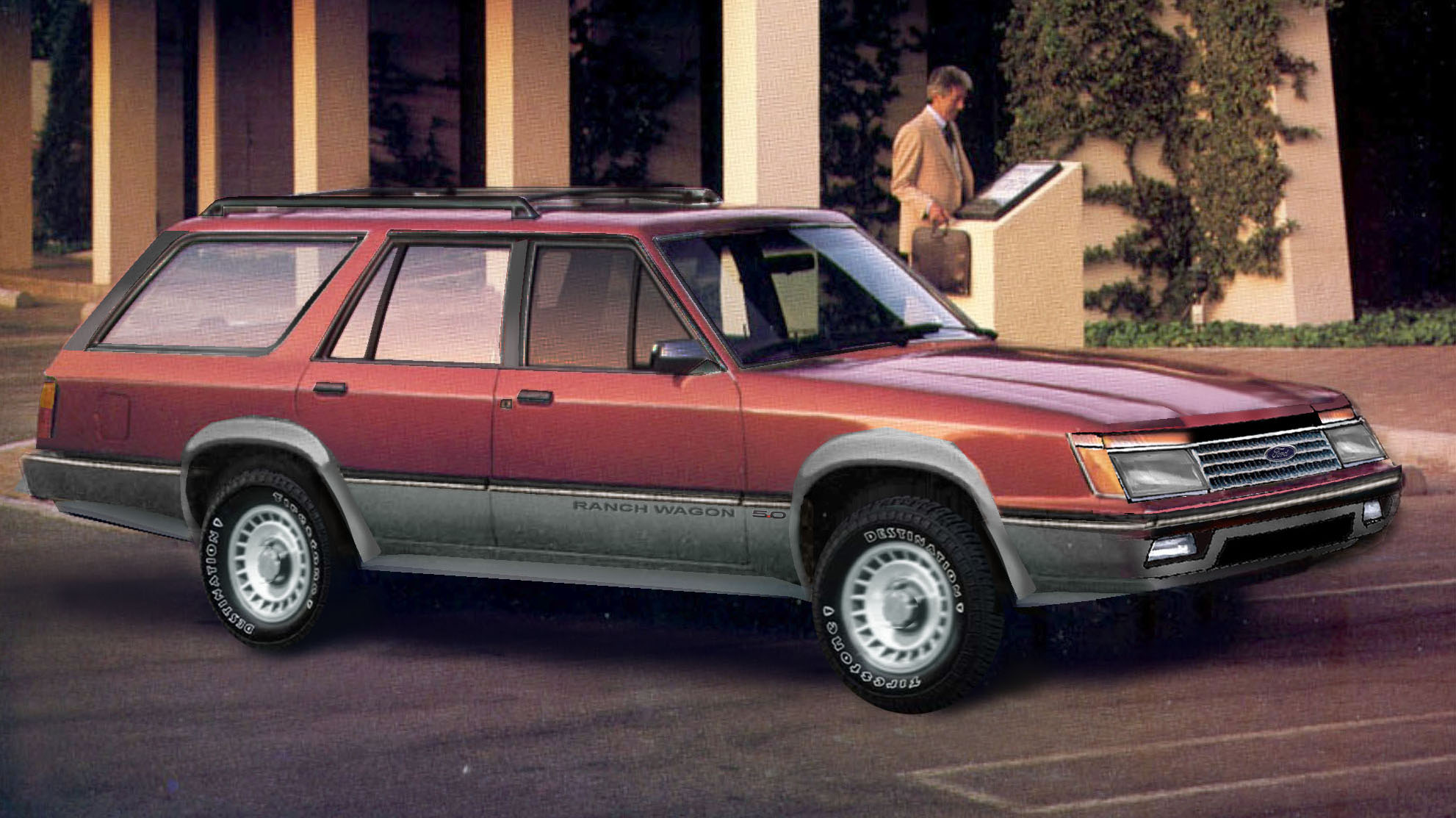
Here’s an animation of a stock 1985 LTD and the 1986 (or, you know, 1987) Ranch Wagon.
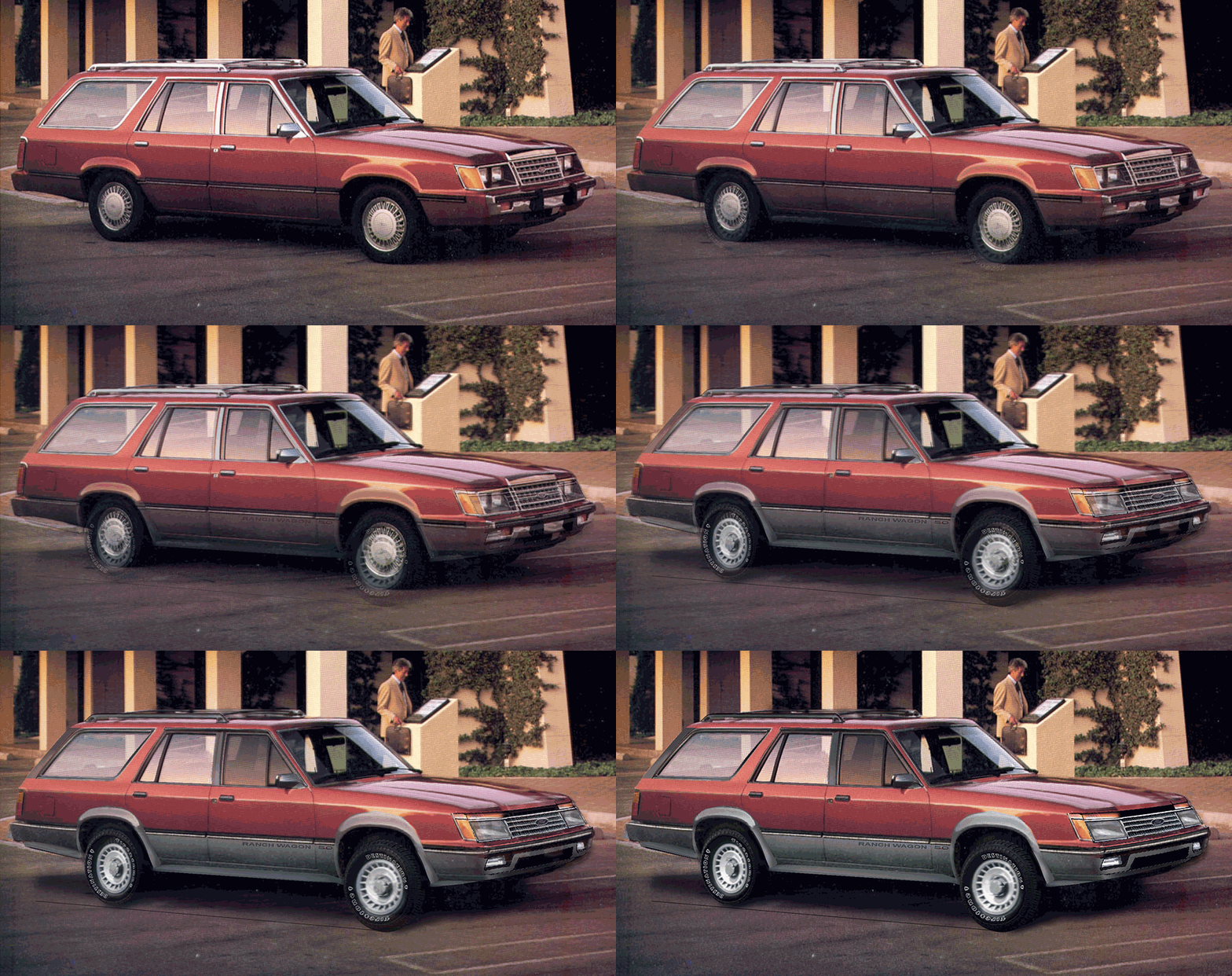
I thought those turbine-style wheels sort of simulated the (larger) ones available on contemporary F-Series trucks, but what if we offered wheels that looked more like the ones on Ford Broncos as an option? Let’s have some fun.
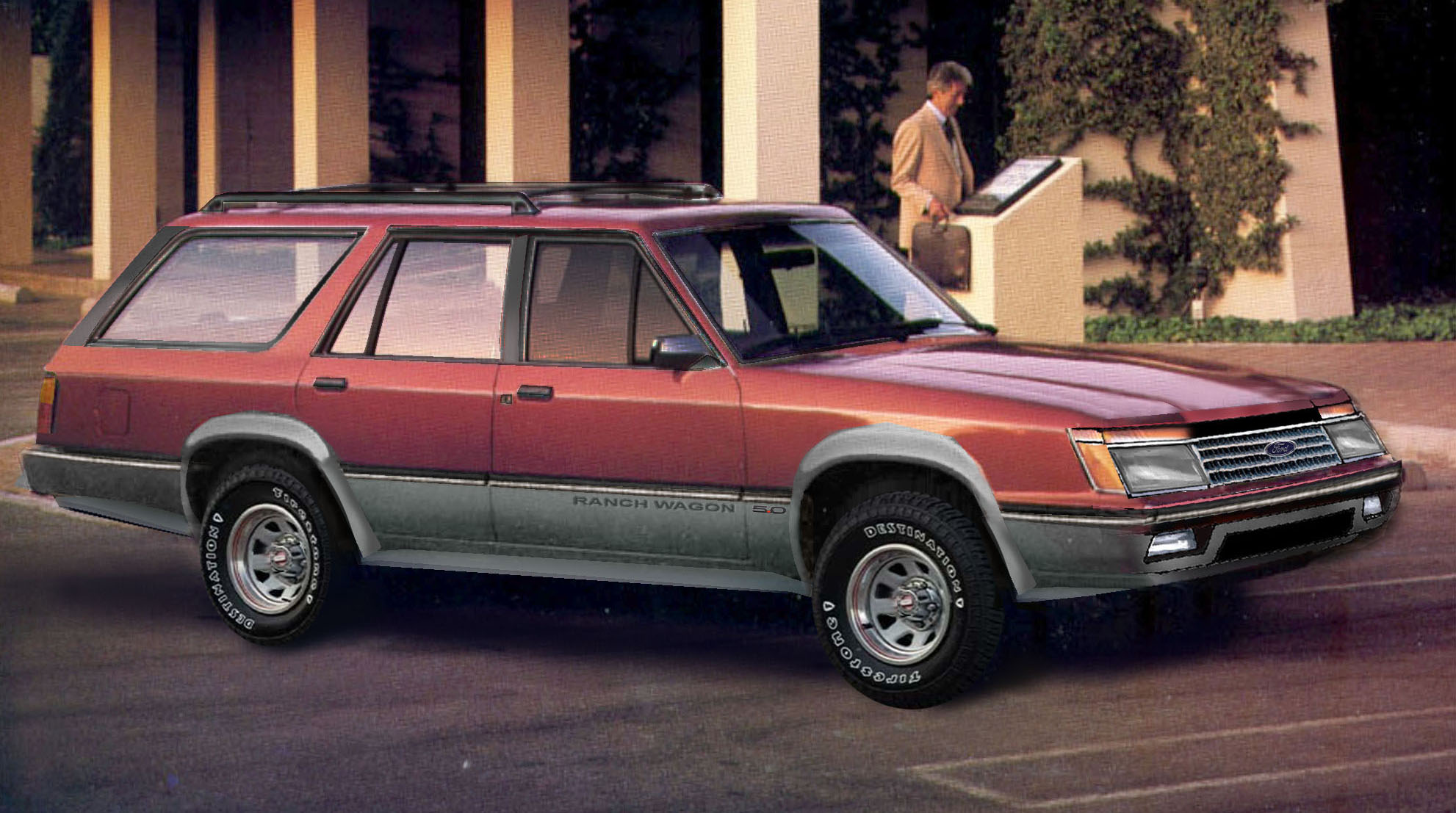
In the back, a new bumper is matched with different, thinner two-color taillights and matching reflectors to continue like a part Heckblende on the tailgate. Backup lights are relocated to the bumper. Also, note the black painted or trimmed rear pillars. I’m liking those ten-hole wheels on this thing!

Let’s animate between RWD wagon and AWD crossover SUV:

Inside, the dash of the LTD was looking pretty old by 1986:
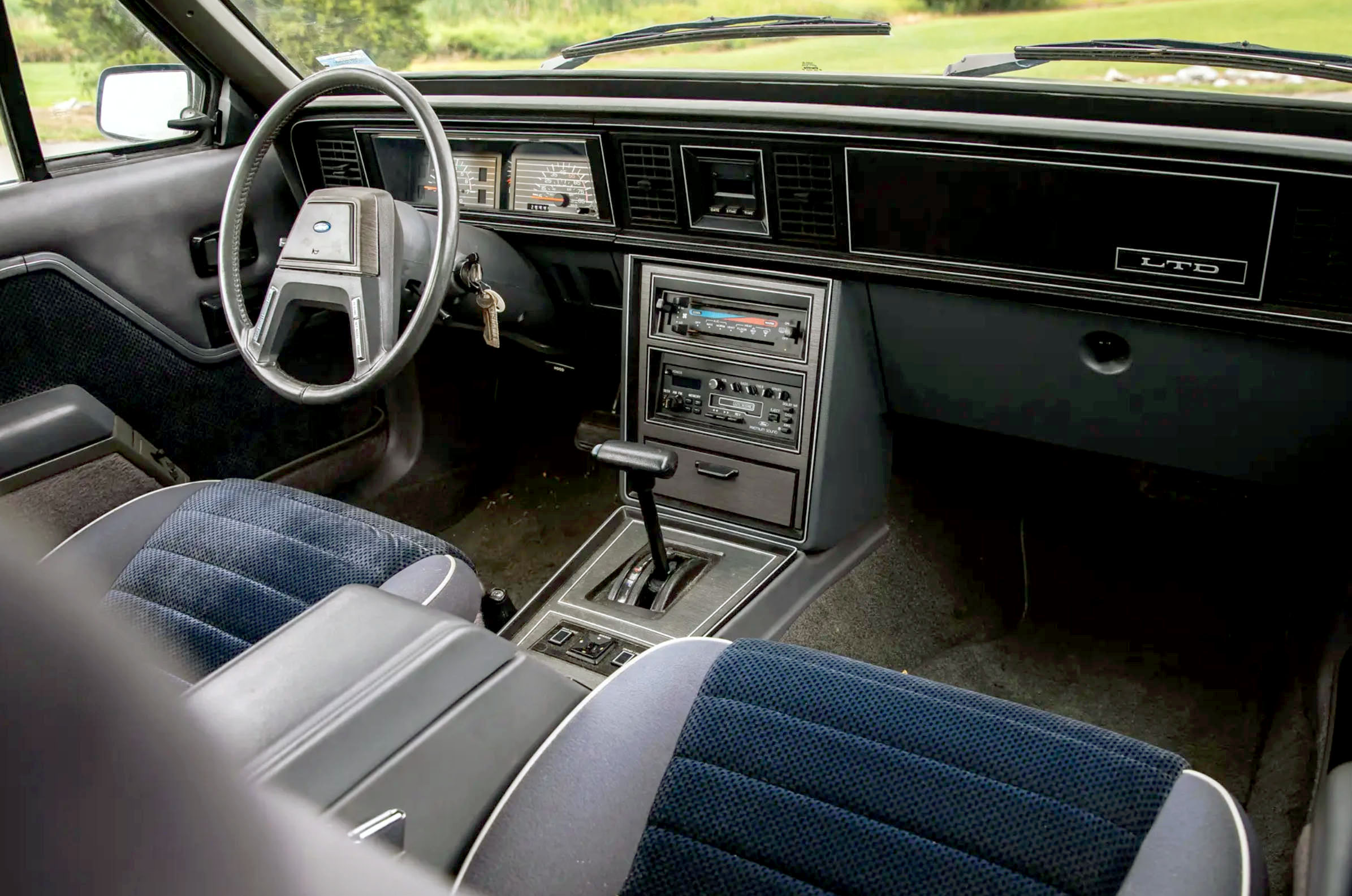
I’ve kept much of the interior the same but updated it with bits like Taurus seats, steering wheel, and even window/lock switches to replace those vertical things on the LTD that I didn’t like (vertical in-a-row window switches are so counter intuitive to operate). The new dash is more rounded but also includes controls for the AWD alongside Ford parts bin pieces. I even put a new handle on the automatic shifter that Ford had used since at least the 1965 Mustang.

Under the hood, I can see a standard six cylinder but would imagine most would get the optional Windsor V8. If examples of such a car existed, one wonders what the likes of Roush or Saleen or even home-grown stuff that enthusiasts like our own LTDScott (gotta mention him in any LTD post) might be able to do with them.
Just Kidding: Here’s Why I Really Want An AWD Fox
I’d be lying if I didn’t say that the Ranch Wagon was a bit of a ruse. Well, not exactly, but the most exciting application of an AWD system for the Fox would be in something more sporting like the Mustang. I’ve already written about the 1965 Fergusen AWD Mustang, and most of you were quite excited by the prospect of a Pony Car that could make its way through the snow.
It’s not just better winter traction that we’re talking about; it’s handling and acceleration improvement in the dry as well. Proving out this point are some builds that heroic souls like this one did with a variety of different components to make an AWD Mustang mated to gobs of horsepower. Here you can see it in action on the drag strip:
Look at this thing launch and just disappear with essentially zero drama! Naturally, a factory-developed car with all of Dearborn’s development resources behind it would be a much cleaner build; they’d likely have the ability to get a front drive system in without moving the motor. Imagine a version of the Ranch Wagon’s AWD system in a Mustang Cobra; the possibilities for the final years of the Fox Body in alternate universe late eighties are pretty interesting, to say the least.
A Fox Can’t Fly But It Could Have Been An Eagle
I’m well aware that the old Fairmont wagon was nearly a decade old by the time I’m suggesting that it should have been turned into a lifted crossover. Still, it was younger and more competitive in 1986 than the Eagle was at its 1980 debut. Also, AMC had limited resources to tweak the old Hornet chassis and, more importantly, there was supposedly no way to get a small V8 to fit into the Eagle (a type of engine that AMC didn’t really have anyway).
Also, it’s important to remember that Ford was flying high by the end of the eighties, but they were still reeling from some money-losing years at the beginning of the decade. With the launch of the Taurus as well as a revamp of most of the other lines (Tempo and Thunderbird to name two) there wasn’t an infinite supply of money to develop an all-new product for a category in its infancy. The Ranch Wagon could have been developed for pennies compared to their new front-drive jellybean-shaped cars. Ford didn’t even have a four door Bronco or Bronco II at the time to compete with GM’s offerings so anything more family-oriented would have been welcome.
Ultimately it would have been nice for at least one of the Big Three to have explored the Subaru Outback-style lifted wagon idea. Instead, they ended up pursuing truck-based products that people bought but didn’t really need in a trend that sadly continues today. Yet another lesson from the great American Motors that nobody bothered to listen to.
topshot source: Ford


Thanks for the intriguing article.
That looks like a Tempo steering wheel, not the original Taurus. I know this from staring at the Taurus steering wheel (and those digital gauges!) from the back seat of a Taurus wagon throughout my childhood.
I really like this idea, yet I agree that the basic shape of the Fox wagons was pretty long in the tooth by 1986.
I’m not sure it could have been accommodated on the same shoestring budget, but I’m picturing your creation with a raised roof aft of the front seats (a la the Vista Cruiser or classic Land Rovers) coupled with a taller hatch and rear side windows.
To replace the AMC Eagle it needs to be lifted, Eagles fly high!
I did raise it (well, the wheels since I was too lazy to lift the body) but yeah, it could use more!
It needs AI Hallucination levels of Lift. God the 80s were glorious.
Taurus X, 20 years early.
that’s exactly what it is. And that didn’t really sell well decades later so maybe this would flop too!
The Eagle might have really taken off if it had been given the Outback treatment, a taller roof to combine with its taller stance. In terms of practicality it isn’t a huge improvement but it could have balanced the vehicle’s appearance. And it could have given the designers a chance to thoroughly update the styling – I agree, it needed it though a last-year model with blacked out trim doesn’t look bad at all.
Also, the variant models SX/4 and Kammback. The SX/4 is deeply appealing but the real star of the show was always the Kammback. It wouldn’t need much updating at all in my opinion. If I could daily one of those right now, I would.
Why is it that I absolutely love tall wagons when they’re vintage (or vintage concepts), but I have yet to find a modern CUV that doesn’t fall between ‘tepid ambivalence’ and ‘mild nausea’?
Because SUVs are too short to look like real wagons!
If I can’t lie down in the back with the seat down, it’s not a wagon!
Hold my beer… https://www.youtube.com/watch?v=3EguvQrlLn8
Love it. I really like the Fairmont wagon, and an AWD version would just be cool. Great work yet again.
All great ideas but if history has taught us anything it is that the big three was way more successful with pickups than anyone has ever been with a 4wd wagon.
“When the Taurus debuted for the 1986 model year … that was the end of any Fox that wasn’t a Mustang, Capri or a Lincoln.”
While Capri soldered on for one final year, the bubble-back Mustang-clone was done – outselling the XR4ti by 8000 units.
The big sellers for ’86-88 on the Fox platform were the Thunderbird and Cougar.
Anyone who wanted 4wd/AWD Ford wagon had a new 4th Gen Bronco and the tippy Bronco II. Ford’s development money in this space was going towards the 1991 Explorer.
Meanwhile – US buyers were deeply tired of the Fairmont/Zephyr-derived LTD/Marquis (and the Fox Granada/Cougar in between). When the Taurus and Sable debuted, nobody wanted anything to do with the boxy Fox – (or the GM A-bodies for that matter)
Anyone who had one was seriously uncool.
Yet if Ford had done something like this – it wouldn’t have received a unique dash. The 1985 Thunderbird/Cougar dash and steering wheel would have been the answer.
Ford wouldn’t have been able to give these away.
“but the Fox would have made a far better example of this kind of mash up.”
Than the awesome AMC Eagle? Strongly disagree
“Like the Dodge Aries and Plymouth Reliant, nobody knew what they were in for when Ford debuted the Fairmont”
On ALL of those…YES, no one knew what hell they were in for…some of the worst cars ever made were the Fix Or Repair Daily/Found On Road Dead Fairmont and the Plymouth (Un)Reliant/Dodge Aries pieces of junk
“Let’s animate between RWD wagon and AWD crossover SUV”
That’s still a wagon, not a CUV/SUV… literally nothing changed as far as height
As described, this sounds awfully close to the Aerostar’s E-4WD system from 1990. If I recall, those parts eventually migrated to the Mercury Mountaineer and were mated to the venerable 5.0. What I’m saying is the parts were *right there*.
Back in the day, this would’ve been a hoot with a 95HP V8. /s
Oh, come on, be fair. It was almost 120 horsepower. Less than a turbo three cylinder today, but…
*waves hi*
That is indeed an interesting concept. It would fascinating to see how they could adapt rear leaf spring suspension into a Fox chassis, but then again Ford was able to shoehorn IRS into them.
This kinda reminds me of the super rare Falcon XY 4X4 Ute.
Glad that you’re intrigued by it! Yes, the Peugeot 504 Dangel replaces the rear double coil spring axle with leaf springs.
I love it, even if only for its strong resemblance to Bob Belcher’s car in Bob’s Burgers.
Hey, that’s a Volaspen in the show
They did a remarkably good job of animating the dashboard in the car.
Yeah, they draw the Plodge grille pretty accurately
But, the ’83-’86 LTD was the standard police car & taxi in Grand Theft Auto: Vice City
“How are we supposed to fit a Twin Traction Beam in THIS?!”
– Ford Engineers in this alternate reality, probably. You know they’d try.
we can only hope
Ford had an AWD system for the Tempo sedan, it would’ve made more sense to shove that under a Taurus wagon, if it could be beefed up to handle a heavier car with much more load space. If not, even putting that under an Escort wagon would’ve made more sense.
All true, but I want a Windsor V8. Not sure why, I just do.
What you can’t tie a Windsor knot, can’t gain access to Windsor Castle but expect to get a Windsor V8? Sorry tiny dancer maybe settle for some Grey Poupon.
At least you can visit the Windsor Ballet.
An AWD Escort wagon would be like an 80s version of a bronco sport, cool mental picture.
An AWD Escort wagon would have made tons more sense – as competition with the Toyota Tercel Wagon, the VW Golf Synchro, and the Honda Civic Wagon/Shuttle
In Australia Ford had the Laser instead of the Escort as the compact offering – It was based on the Mazda 323 but with a different front and rear clip. At one stage Ford tapped onto the Mazda bubble era awesomeness and was able to sell a turbocharged and all-wheel-drive version with height control suspension and diff lock. https://www.whichcar.com.au/features/modern-classic-ford-laser-tx3-4wd-turbo
Flashbacks to my old Mercury Tracer….
Yes – a AWD wagon version of these would have been much better.
I had an Escort and the form factor was upright and relatively roomy inside. It would have lended well to a “outback” treatment. But the early versions of the car were total garbage.
my ex had an 84 wagon automatic that I hated. agreed.
Go entirely the other way, and somehow Ford decides the Sierra 4×4 estate is the thing to save Merkur.
Here’s an easier idea: take the AWD system from under a Chrysler minivan and put it under a Reliant wagon.
already did that! Scroll down to the K Cross
How Chrysler Could Have Gone Even Harder With The K-Car – The Autopian
I can’t believe I missed this article and now I’m a little concerned that I actually like the TC Maserati Lido sedan.
Very cool. The 80s, in my memory, was not ready for AWD (except in Audis). There were so many AWD crossovers boxy things that just did not make it, like the Stanza wagon, Colt Vista Wagon, and Wagovan. The were cool they just did not sell like their descendants would a generation or two later.
Those all came from Japan and were not so much unpopular as supply-limited due to quotas.
So people really wanted them and were clamoring for them to buy and the manufacturers and dealers could not sell them to the people demanding them?
Boxy wagon with the option of getting wood paneling?! I’m not ashamed to say I’m, um, titillated.
I started with a wood paneled one and stopped. Kinda wish I hadn’t
Mountain Squire? Off-Road Squire? It could work.
Country Wagon