

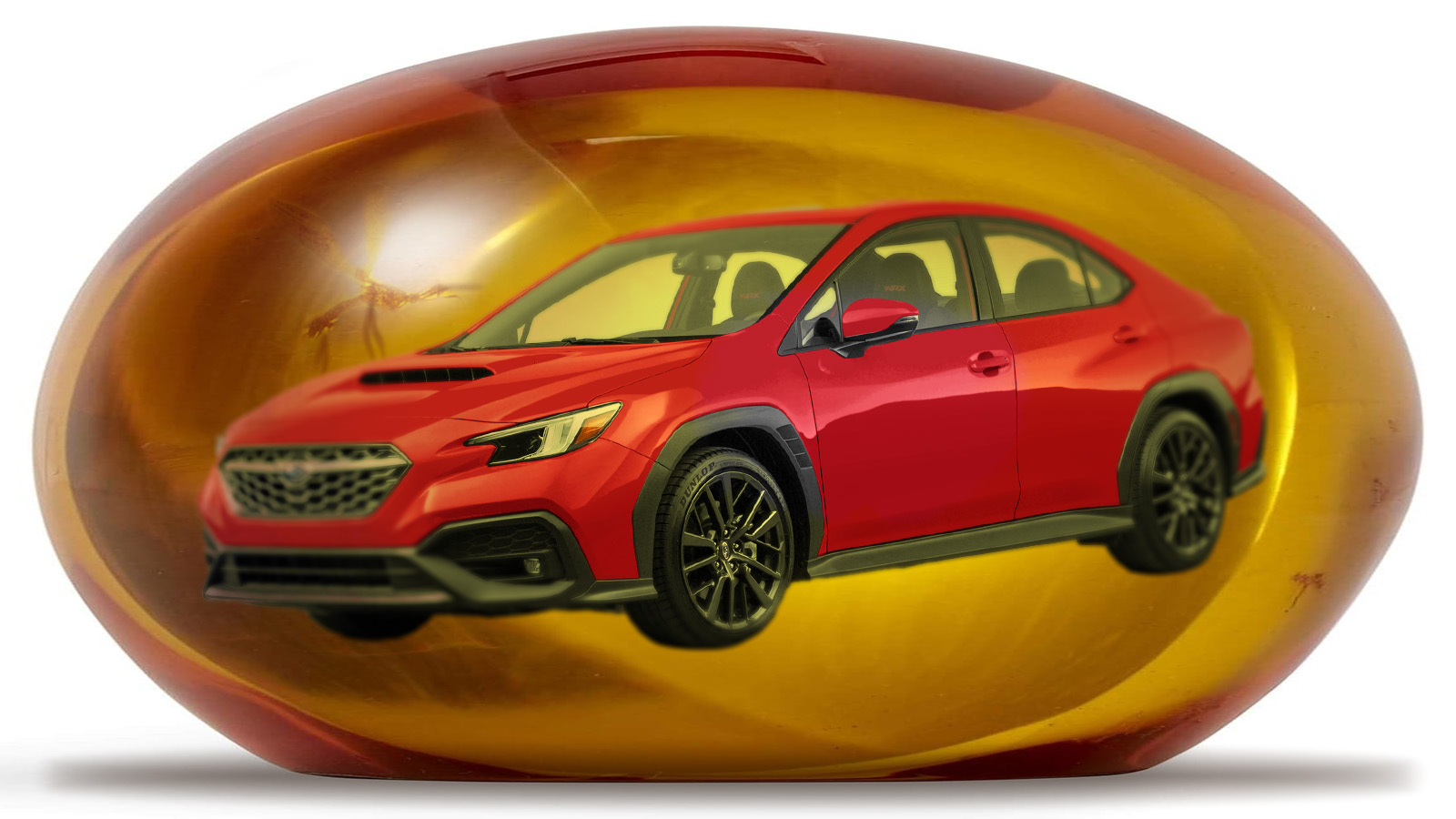
The car industry is at a weird inflection point right now. The federal government’s elimination of emissions standards for vehicles built in 2012 and later means automakers no longer need to redesign cars and engines to squeeze out even more efficiency and range than before for fear of federal penalties, at least in North America. California is the exception, because it has its own fuel economy laws, but the Department of Transportation is currently suing to revoke the State’s exemption allowing it to make its own standards. So who knows how long that exception will last.
For normal cars, like the hundreds of grey, uninspiring crossovers you see on your commute to work every day, this deregulation doesn’t mean much. Automakers will continue to give those cars normal lifecycles and redesign them as necessary to keep showrooms fresh and fuel efficiency higher than competitors’ vehicles. For some enthusiast cars, though, it’s a different story.


There are a few reasons why sports cars have been disappearing from manufacturer lineups. More than ever, the average person can no longer afford a second weekend car as a toy, prompting carmakers to offer sportier versions of everyday cars instead, so people can have one car that can do it all. But fuel economy was another reason. To meet CAFE standards, which required fleet-wide averages for carmakers, sports cars were often the first on the chopping block because they were usually the least efficient and least profitable.
Now, though, because fuel efficiency isn’t a concern, automakers have one fewer reason to kill their fun cars. At the same time, because the sports car market is more of a niche than ever before, there are fewer incentives to develop all-new models. The result? Enthusiast cars that are suspended in limbo, not dying, but not evolving, either. And for people who like cars, I think that’s a good thing.
Here’s what I mean: Let’s say things just continued how they were, and federal emissions standards were still in place. Every year, these emissions regs get stricter. That means automakers have no choice but to eventually redesign their vehicles to meet those regulations. That’s not really an issue for a car like the Chevy Traverse, where GM sells enough to pay for development costs for the next model, and still makes a healthy profit.

On the flip side, when the emissions regs catch up to something like a Camaro, it becomes tougher for GM to justify that spend. Not only do you have to spend the money to make it faster, more capable, better-looking, and better-suited for crash tests, but you also have to make sure it’s more efficient than before. And because of the ever-tightening regs, you can’t just keep the current one on sale. So instead, the car simply dies, with no replacement.
But because of this deregulation move, carmakers can now keep their current sports cars on sale without fear of them dragging down CAFE numbers. Because there aren’t any emissions penalties to worry about, what’s to stop them from continuing to produce the same cars for years? Sure, manufacturers still need to keep things fresh in terms of design and equipment, but that’s less of a concern for enthusiast cars than for everyday commuters. Even with the regs in place, the life cycles for sports cars are usually longer than those of your average vehicle.

The WRX is a great example, as it really hasn’t changed much in the past 12 years. Sure, it looks a little different and has a few more horsepower, but otherwise, the bones are virtually unchanged. In America, Subaru can continue to sell that car here for the foreseeable future, while in places like Europe, emissions regulations are forcing the company to eventually pivot to an all-EV fleet.
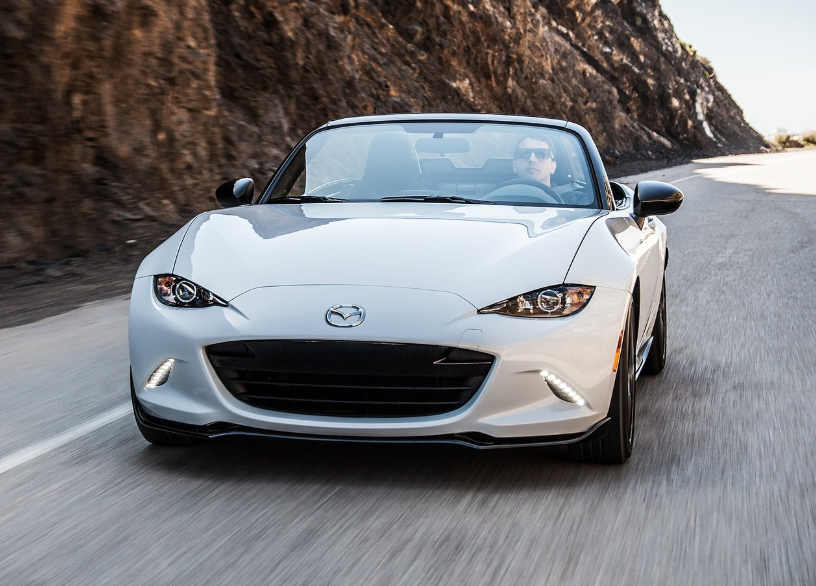
While the next-gen Miata is rumored to be in development, Mazda could now get away with simply building the current ND-generation car forever, if it really wanted to. If justifying the cost of an entirely new car were not possible, Mazda could theoretically just give the car a heavy facelift instead of killing it outright to keep its CAFE numbers in check. While that wouldn’t be as cool as having an all-new Miata, I’d rather have a refreshed version of the old car than no Miata at all.
The same goes for cars like the Golf GTI and Golf R. In their current form, they’re likely doomed in Europe due to emissions regulations. But in America, the only reason they’d need to be redesigned is if the crash safety regulations changed to make their crash structures obsolete. Otherwise, why not keep building them? So long as demand is steady, it’s not like it costs the automakers anything to take this approach. Every time they build another example, the cost of development and assembly is amortized over a greater volume of vehicles.
The current Mustang is pretty new, having been released back in 2023. But the logic still applies; Ford no longer has to worry about whether GT’s 5.0-liter Coyote V8 is dragging down its fleet-wide fuel economy averages, which means that, if this deregulation stays in place, Ford wouldn’t have to eventually choose between building a new one or killing it off, so long as it still meets crash safety regulations. The Mustang is also the only game in town for pony cars these days, giving Ford even fewer incentives to refresh it more often than necessary.

While I don’t think this applies to every sporty car on the market right now, especially the high-end, exotic stuff, I do think it’s a net positive for people shoppers who want something truly sporty. We all want to live in a world where every automaker has a lineup of sports cars that it totally revamps every five years. But that hasn’t been a reality for decades. If I had to choose between the current selection of fun cars getting old or some of those cars disappearing from showrooms altogether, I’d choose the former every time.
Top graphic images: Subaru; Amazon




The US is the only market that seems to be going backwards.
In time to come they’ll be rendered insignificant as automakers adapt to more progressive markets like Europe and Asia.