


With all the doom-and-gloom headlines around EVs in America, you can be forgiven for thinking that the sky is falling. Honda writing down its 0 Series models, GM pulling back investment on next-generation EV trucks, Hyundai scaling back Ioniq 6 plans. Legislative changes last year really did put a dent in electric car sales, but according to J.D. Power, the other side of the dip might be just around the corner.
At the same time, GM is absolutely raking it in, the Tesla Cybertruck really isn’t living up to sales expectations, and Range Rover is launching an electric coupe-SUV-type-thing. Welcome back to The Morning Dump, where we break down the morning’s car news headlines for your perusal. Let’s get cracking.


The EV Dip Might Just Be A Blip
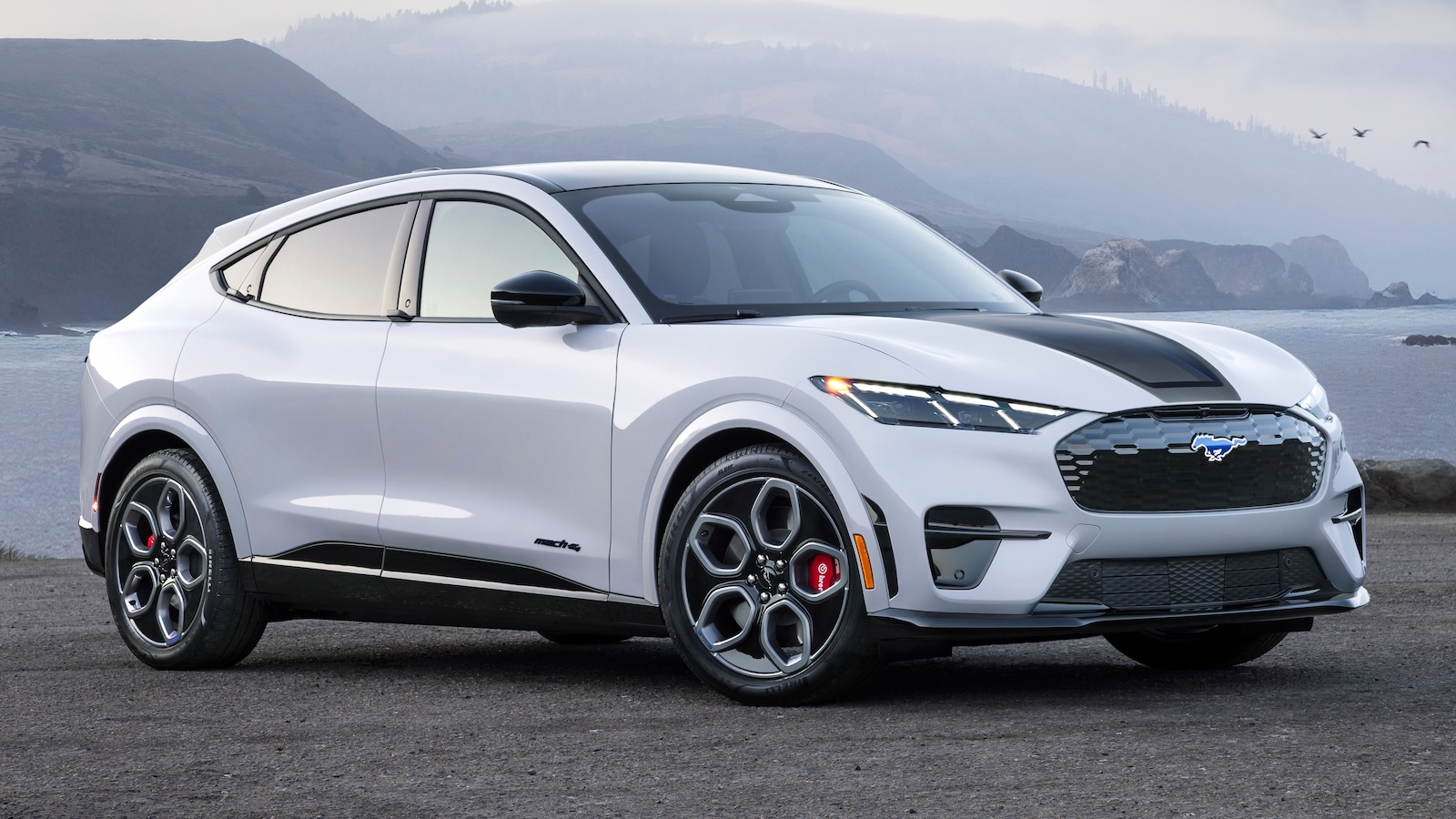
It’s been a rough past 12 months for electric cars in America. From disappearing incentives to cancelled models, the industry is undergoing a thorough recalibration. However, this adjustment doesn’t mean that EVs are dead in America. J.D. Power’s latest EV Volumes study is out, and it claims that a bounce-back in EV sales might happen quicker than many expected. While market share for 2026 is expected to dip from 9.4 percent to 8.2 percent, this may just be a blip.
In 2027, 15.6% year-over-year growth in new EV sales is expected across the US. In turn, the EV share is projected to rise to 9.3%. This is forecast to nearly double to 18.1% in 2030, reaching 36.8% in 2035 and 56.2% in 2040.
Alright, so a few interesting claims to unpack here. The study combines battery electric and plug-in hybrid sales, and saying they’ll nearly return to 2025 levels in 2027 seems like a bold prediction, but there’s some substance to back it up. The war in Iran has resulted in a prolonged period of instability in global oil markets, running up the cost of gasoline at the pumps. This in turn has led to a bump in second-hand EV resale values, with more consumers looking to save on running costs. With the national average price of a gallon of gasoline sitting above $4 again per AAA’s fuel price tracker, going electric might be more of a financial play than anything else. At the same time, 36.8 percent U.S. market share by 2035 is far below the global forecast of 61.3 percent of overall market share. Reading between the lines, expect hybrids to continue playing a significant role for at least another decade as American drivers look to reduce their vehicle running costs.
Interestingly enough, J.D. Power claims Canada’s EV trajectory more closely follows America’s rather than Europe’s, and that has some interesting implications on both impending tailpipe emissions legislation for 2035 and provincial EV mandates.
The wider light-vehicle market is forecast to grow by 3.0% in 2026, with EV sales climbing by 40.2%. This would hand the powertrain pair a 13.1% share. However, this remains below the 13.7% peak recorded in 2024. This is predicted to be surpassed by a 24.1% share in 2030, rising to 42.5% in 2035 and 61.8% in 2040.
Earlier this year, Prime Minister Mark Carney spoke about plans to tighten fleet average carbon dioxide emissions from 172 grams-per-mile to 74 grams-per-mile by 2035. In theory, that would work out to somewhere around a 68 percent EV mix in 2035 which is well above J.D. Power’s demand forecast of a 42.5 percent EV mix. Will the great EV legislative walk-back continue? Only time will tell.
GM Just Keeps Making Money

For now, having a lineup of both solid EVs and regular cars is likely the safest bet, which helps explain why GM can’t stop winning when it comes to balance sheets. The automaker just beat its earnings forecast for the 16th time in a row, buoyed by a highly profitable product mix, resilient consumer demand, and regulatory easing. As Reuters reports:
The company’s quarterly earnings before interest and tax (EBIT) rose to $3.9 billion from roughly $3 billion a year earlier. On an adjusted basis, it earned $3.57 per share, topping analyst expectations of $3.20, according to LSEG data.
GM raised its 2026 profit outlook by $500 million to a range of $14 billion to $16 billion, after boosting it by the same amount earlier this year.
Those are some significant gains, especially in the wake of new expenses. Onshoring production of models like the Chevrolet Equinox, a reduction in EV sales volumes, “higher software expenses” and tariffs are all expected to add billions in combined costs. However, not only has GM’s North American profit margin improved from 6.1 percent to 8.6 percent, it’s kept the average transaction price of a GM vehicle to around $52,000. This reflects fairly clearly in the Q2 sales report: Sales of the reasonably priced Chevrolet Trailblazer are up 28 percent, the Buick Envista and Chevrolet Trax are more-or-less holding ground, Chevrolet Bolt sales are up, while models like the Chevrolet Corvette and GMC Sierra are also seeing sales gains to level things out. Total U.S. sales are holding within 5 percent year-over-year, and a strong EV lineup’s there for when America’s electric sales dip recovers.
The Tesla Cybertruck Hasn’t Been Having A Great 2026
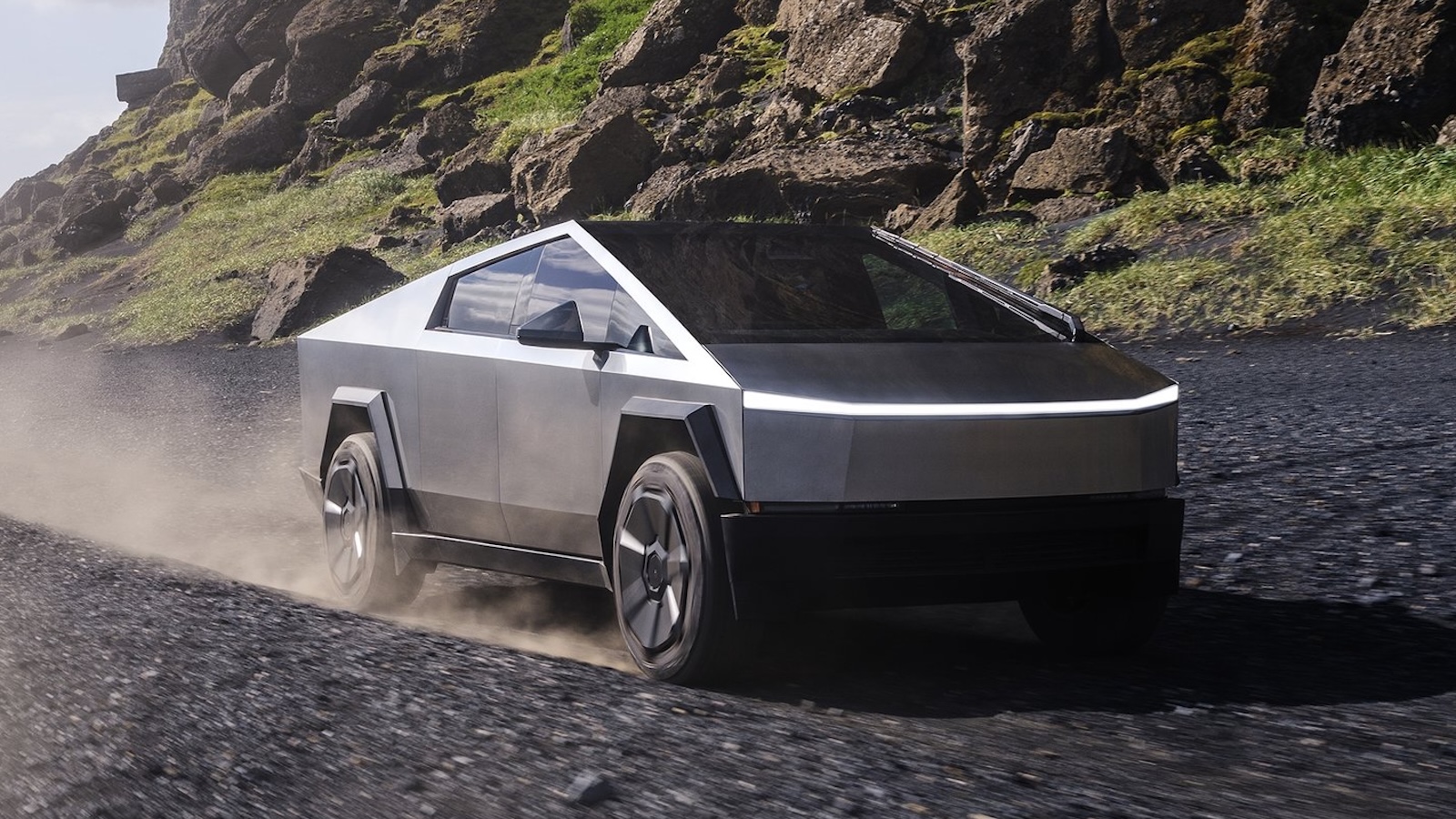
There’s one long-range EV that probably won’t be leading a market-share comeback, and that’s the Tesla Cybertruck. It’s reportedly not living up to its lofty sales forecasts to the point that Bloomberg is comparing it to the Edsel.
Edsel sales dropped each year the model was on the market, and Ford discontinued the car in 1959. Cybertruck sales are off to an even worse start. Only 7,133 have been registered in the US this year through May, according to S&P Global Mobility data provided to Bloomberg News. That count is buoyed by Musk’s other companies, with SpaceX building out a fleet of Cybertrucks.
Even with fleet sales, that works out to around 1,427 Cybertrucks sold per month this year. Not ultra-low volumes, but certainly not high volumes. That’s just S&P’s data; according to Cox Automotive’s U.S. EV registration tracker, only 7,236 Cybertrucks were registered through the first half of the year.
It’s worth noting that electric pickup sales are pretty much down across the board. The only model to post a sales gain through the first half of 2026 according to Cox Automotive was the GMC Sierra EV with a volume bump of 9.8 percent. Still, it sold fewer than half as many units as the Cybertruck. This year has been tough for Tesla’s truck, as on a year-over-year basis, the only dedicated electric pickup truck to post a larger percentage decline than the Cybertruck was the Ford F-150 Lightning, and it’s been discontinued. Considering Tesla’s initial ambition of 250,000 Cybertruck sales per year, the model doesn’t appear to have met expectations.
Et Tu, Range Rover?
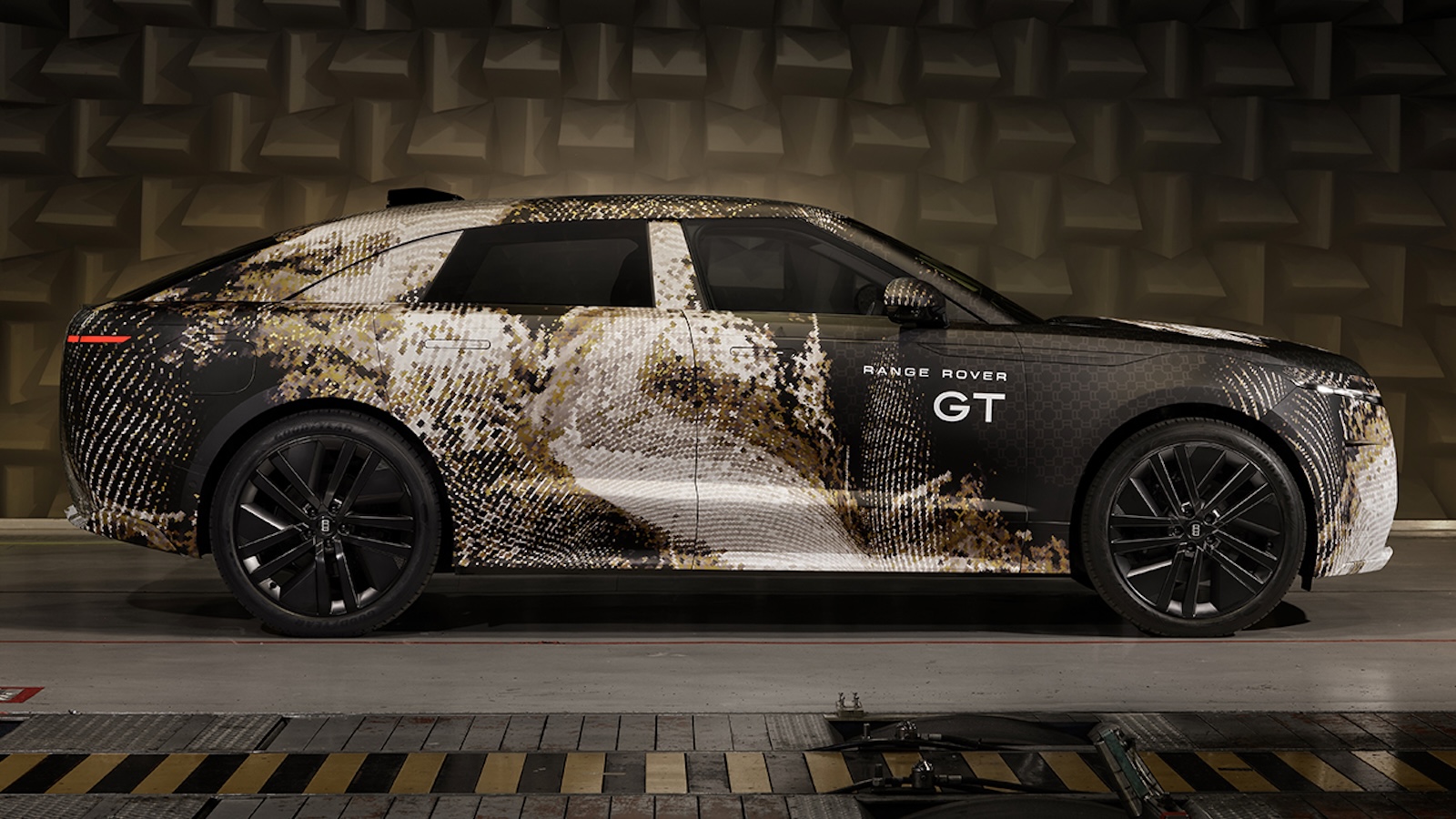
Even though it’s been 18 years since the BMW X6 entered production, it’s still somewhat amazing how less practical, swoopy-roofed crossover SUVs have become a market all their own. In addition to BMW, Audi, Mercedes-Benz, Porsche, Infiniti, Buick and Polestar have all entered the arena, and it’s not done growing yet. This is the Range Rover GT, an incoming heavily-fastbacked model from Land Rover that’s quite unlike anything else we’ve seen from the marque. Partly because of its styling and partly because it rides on a new electric-first architecture.
Obviously, Land Rover hasn’t revealed the entire car, but it has given everyone a camouflaged sneak peek so here’s what we know. The Range Rover GT will launch as a battery electric vehicle first, with flexibility for hybrid powertrains down the road. The wheels are enormous, the interior looks well-appointed if rather minimalist, and it can be had in a four-seat configuration with a console instead of a middle rear seat. Beyond that, range and power and battery pack size remain under wraps. It’s certainly an unusual development, but one that could be a natural successor to the Velar. Regardless, expect more details to surface later this year. Realtors, start your checkbooks.
What I’m Listening To While Writing TMD:
For some reason, the mood of the morning is “Up In Hudson” by Dirty Projectors. Not sure why, but I can’t complain. This track’s still absolutely fantastic.
The Big Question:
Since price is probably the biggest factor when it comes to most purchases, how have gas prices affected your current car-shopping endeavors? Are you suddenly finding that the math on an EV makes sense?
Top graphic image: Chevrolet


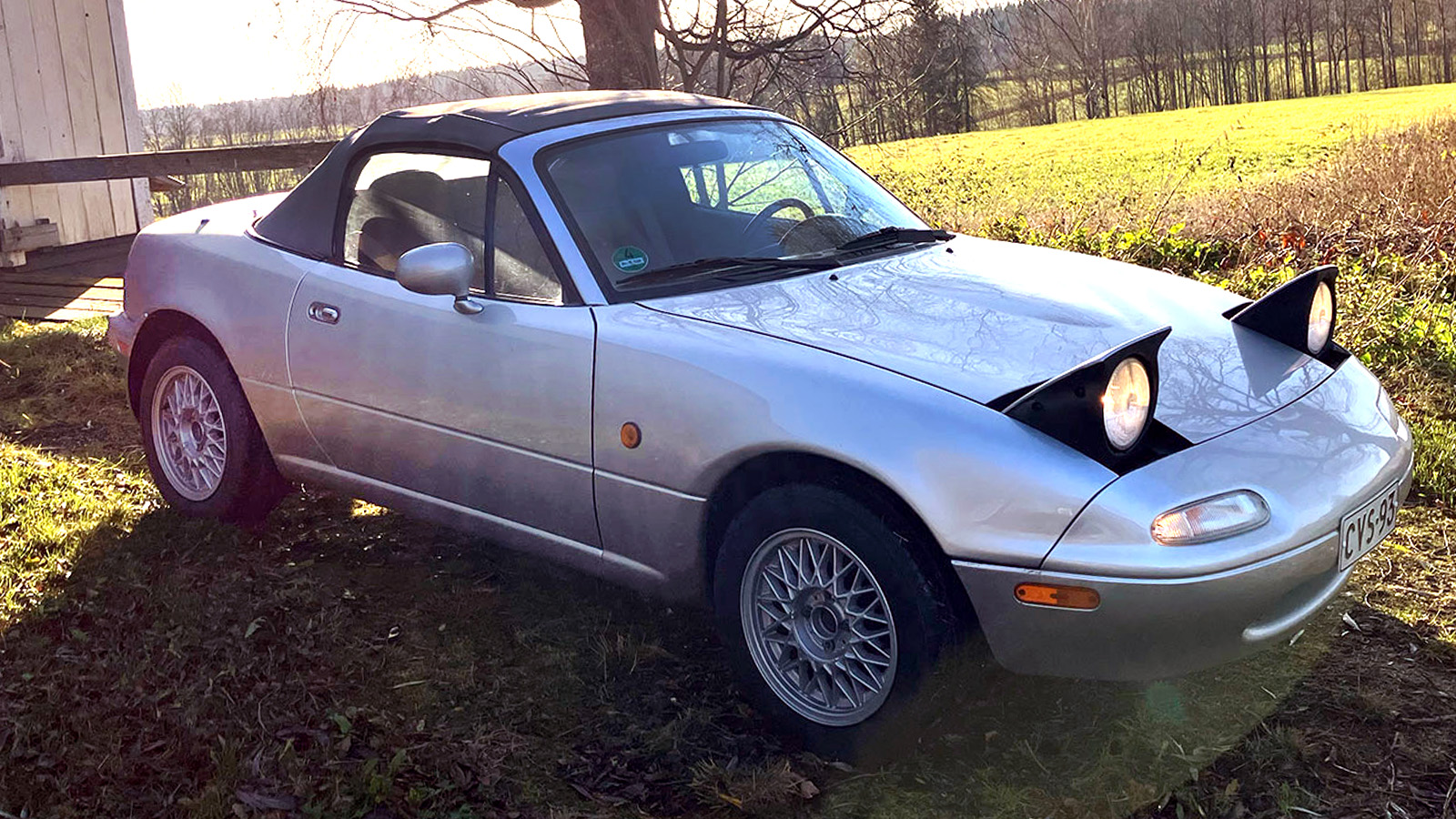

Funny enough, gas price/cost saving wasn’t my top priority when I bought an EV. I was getting a paltry 16mpg out of a hoonable 4cyl turbo that was 19 years old when it started blowing blue smoke and refusing to start. It had other issues, but it was clean and rode well enough. When that went out of service I was stuck driving my old truck,which does 9mpg in the city and about 11mpg on the highway. Not ideal but not that expensive at the time. The EV gets about the same “mpg” as the 4cyl, based on how often to refill vs how far/long I could drive before the next fill. As I am unable to do home charging (thank you, apartment life) I am limited to fast public chargers, which I use about once a month. This was about how long between fillups in the 4cyl. At the time, I was saving about $10 per month charging the EV vs filling up the 4cyl. That was before the gas prices jumped. Right now, each month, it would cost about $130 to fill the truck, about $50 for the 4cyl if I still had it, and about $30 for the EV, which is my daily driver. Oh, and I can hoon the EV, too. It’s a Polestar 2 with performance enhancements. Unfortunately, I’m going to need some very pricey tires soon as I have been a little rambunctious with my driving.
I bet whatever a Polestar 2 costs is a lot of fuel for the truck though so guessing not just a financial reason
You’re absolutely right. Do you spend 20k on a replacement that’s better in almost all ways, or spend the 20k fixing up the beater to keep it running but continuously falling apart?
I chose both, since I have the EV and kept my truck!
Am I seriously the only automotive enthusiast who doesn’t hate fastback SUVs? I grant you that I don’t carry a lot of bulky items or tall friends, but they are probably the only vehicle style left that actually stands out anymore. Plus, they’re the only vehicle truly unique to the 21st century, unlike the typical 2-box designs that had their origins in the 1960s.
I don’t hate them but they make absolutely no sense to me*.
I believe the point is to look distinctive and to also point out that you have money to burn on a more impractical vehicle. 2 door coupes were the primary way to do that but it seems SUV “coupes” have taken over that spot.
(*Sedans also make no sense to me in a world where a hatchback or wagon exists.)
I hadn’t thought about it that way (as in SUV coupes being the modern version of the coupe money to burn signal). It is a great point.
I likes them too. The BMW 6 series styling made my jaw drop when it came out, before I realized it was impractical.
Crossovers are mostly just tall wagons. People need to get over the reflexive hate and consider there are millions of people with bad backs who really appreciate not having to get into lower vehicles. As someone who owns two old low-to-the-ground cars and busted up discs even after surgery, I get significant pain getting into the old vehicles and my crossover doesn’t hurt. Pretty easy math, even though the old cars are supreme–once you’re in them. The pain isn’t worth it to daily them. I know I’m far from alone in this predicament.
I like them too. Compellingly shit. I like convertible SUVs like the crosscab, evoke and whatever that VW one was too. Way back in the year dot when I first started drawing cars as a tacker I did the odd sedan 4wd because I thought why does it need to be a hatch just cause its going off road?
I think almost all of them are ugly (especially Mercedes, but that goes for most of their vehicles nowadays). But I’m not super judgy if people want one.
Gas prices hasn’t impacted my plans, I’ve always wanted to get a good EV for a good price to replace our paid off daily drivers that all get >30mpg (therefore making the increased fuel cost fairly limited, so far it has only added about a dollar a day for each of our commutes and if you can’t make an extra $60-75/month work in your budget you should already be looking at cuts). Something like a Bolt has long been on my list, but the ones you want to buy used retain their value too well (nothing under 15k for a 2019+ premier with a good battery health and reasonable miles).
Why does the Range Rover GT look an awful lot like a Cadillac Lyriq?
It does. It really does.
The experts haven’t ever gotten it right on the EV Market. I believe anyone who wants a new EV, and many who found out that they didn’t have bought them. Sure the used market may grow but tha percentage of the whole market is only going to go down. No incentives anymore, an aging infrastructure that is at capacity, frequent power outages and fires this is not a market segment that is going to grow with out the government shutting down ICE cars.
I’m finding I’m really glad we picked up an Accors Hybrid earlier this year. I’d love to get into an EV eventually but not there yet. We’ll see where things are next time it’s time for a regular car.
Good grief. The same company that considers “I can’t figure out how to operate the turn signals” and “car exploded” both equally when counting issues with cars?
Back on topic, the news release for Canada indicates a first quarter 2026 with nearly 20% increase of EV/PHEV sales as compared to last year; nearly hitting the 10% mark of all new vehicles sales in May.
A couple more months of the war on affordability will likely see increasing number of shoppers for new cars reconsider whether they want to be tied to outcomes of wars and invasions in the middle-east or Venezuela.
Well if you crunch all the numbers as Thomas did while the first quarter grew almost 20% over the same period last year, last year’s numbers fell almost 25% vs 2024. So while it may appear the market grew it did not even get back to 2 years ago.
I’ve just spent some time with family, so I have a couple anecdotal references on this one.
For me and much of my family, the recent spike in gas prices hasn’t pushed anyone to an electric car, but the logic behind that has more to do with the long tails of personal economic choices than whether the shift to electricity makes sense writ large. In short, the rich kids had already gone electric, the poor ones struggle to see the benefits, and some people just want more of the same.
The way people respond to changing market forces is astounding. So many different viewpoints and biases resulting in wildly varying approaches to important economic choices like optimizing what you drive… whether and how to switch things up.
One of my siblings bought a Mazda CX-50 a few years ago and I was fairly impressed with it. Handsome bodywork, an impressive interior, and not too many problems. But she miscalculated in choosing an engine. Our family tends to drive fast. She picked the less powerful NA engine for its fuel economy, only to discover that constantly asking the motor for maximum power is at odds with high MPG. Ultimately, it takes a certain amount of energy to move a car at your desired rate, and a fuel-sipper driven like a pony car is still going to get terrible mileage… maybe worse, because it’s not made to hoon. Our dad has built a few engines and once put a 454 in an early square-body Blazer that came with a small block. He still swears the bigger engine delivered better economy.
My approach to buying cars is… well, it’s hardly even relevant to today’s TBQ because I’ll probably die before I buy a new car. I definitely think an electric car is in my future, but that’s going to have to wait until the fleet of used electric vehicles better resembles the ICE cars I’ve owned: Heavily depreciated but retaining significant value at the bottom end of the range. It’s all about that juice-to-squeeze ratio, and the current crop of EVs just isn’t there yet.
Now back to my sibling. SF Bay Area fuel prices are grinding away at her budget and the base CX-50 dissatisfaction (no guts plus no glory in the form of fuel economy) is becoming problematic.
So now what? A new Kia Seltos is under consideration, which sounds like more of the same muddy compromise. If I, like her, had a two-car garage and were trying to split the difference between a reliable, fuel-efficient city ride and something that can go camping, I’d spend that new-car money on a used Fit and then get any one of the horde of beater Japanese 4x4s that will get one to and from a trailhead with confidence. But the Seltos is fresh and shiny and only takes up one parking spot. The one-car solution is a powerful motivator, and new cars are uplifting for people who don’t react to the smell of 40-year old MB-Tex by going crosseyed and muttering “yesss” in appreciation of ancient perforated vinyl.
Regardless of how her situation pans out, I feel that particular motivation to switch cars is ill-timed, seeking marginal gains in reaction to momentary and unpredictable stimuli.
Another sibling dailies a nicer, newish Model S. He’s devastated that his hero decided to stop producing those and plans to hang on to it for as long as possible. He kinda halfway believes they’re going to restart Model S production if Elon’s robot butlers fail to find an audience. Instead of stepping up to the final big Tesla sedan, he replaced his pickup with a Silverado EV. It’s shockingly practical. Why take an old Jeep up into the hills when the electric pickup delivers you there smoothly, with AC and without coating you in trail dust, and has plenty of outlets in the bed for stuff like coolers, tools, a drone and a Starlink panel. Range? Gimme a break. We’re just going to the cabin, not cosplaying Oregon Trail. That huge battery is plenty for most applications.
His wife wants to replace her Tahoe with an Equinox or Traverse. They tried explaining the difference but I gave up. One is bigger. Both are easier on gas than a Tahoe. Her main reason for not wanting, say, a Blazer EV is probably because they don’t have a third spot to plug in.
So yeah. Idiosyncrasies. They vary.
You raise the perfect example for the larger market “Don’t plan on buying anything new”
Kia claims that a hybrid will join the Seltos lineup by the end of the year. Otherwise the 1.6T option supposedly gets decent real-world mileage while being fun to drive.
(Personally I would take precautions with that or any Kia turbo engine, such as much more frequent oil changes. Kia components don’t scare me nearly as much as Kia dealers.)
I currently drive a pickup and my wife drives an Enclave, it doesn’t make sense to purchase an EV. We tow our 5,000+lb camper multiple times a year (currently at 5 trips, with plans for at least 2 more) as well as towing a 3,000 lb boat, usually on the same trip, all while hauling our 4 kids.
I’m not willing to stop every hour to charge while towing, so that automatically puts an EV as a third vehicle in our household, where the math to offset an EV payment does not come close.
I bought a Model Y two years ago. Wonderful car! We were shopping for a larger car anyhow. My car then was efficient at 36 mpg or so but it was too small for what we wanted. A 7 seat MY AWD ticked all the boxes. I buy new and run it into the ground.
Selling my 13 old 250k mile car, bought new, paid for an electrician to install a L2 charger in the garage. Our utility offers a rebate for off peak charging that can be substantial at some times of the year. It’s based on the difference between wholesale and retail prices, as it was explained. It’s given us a decent chunk of change.
Once they come out with an EV where the doors can come off, we’ll get one of those. Slate is close but not AWD. I refuse to buy another daily without AWD. Especially an EV! I didn’t realize how much a RWD EV will use the friction brakes before driving a rental. Or roast the inner rear tire around a corner when accelerating quickly. My AWD MY just doesn’t do that. I don’t care much for ICE AWD but find myself quite enjoying EV dual motor AWD.
Thank you for coming to my TED talk.
The 2026 Jeep Recon EV has removable doors. That said, I highly recommend you stay the hell away from any Stellantis EVs or PHEVs. They have all been insanely unreliable.
The Pacifica PHEV sounded amazing on paper. But as usual, Stellantis rushed that system out and let it languish with unresolved issues. And no AWD, which was a deal breaker for my household.
I’m in Quebec, you don’t need to do math for the math on EV’s to work.
As long as it’s a small hatchback, and not Tesla.
Never seen so many Nissan Kicks on the road before.
Why not Tesla? They seem to be the best EVs on the market.
Having a CEO that supported the annexation of their country would put a dent into their popularity. Quebecois also, is also slightly removed from American English speaking media.
Tesla’s sales were down 85% year over year here. Elon’s political position did not go over well here.
The Equinox EV is now the best selling EV, taking the crown from the Model 3.
We have great competition for EV sales here, all the manufacturers push hard for their slice of the pie. We have good numbers of all the EV’s available on the road here.
IIRC, we’re over 20% of new cars being EV’s here.
From what I hear it really helps if you don’t 😉
We switched the family daily to an EV (a cheap used Bolt) the first week of the war. No regrets so far.
Basically, we never use it for trips longer than 200 miles round-trip and always charge home.
The problem is kWh rates.
Eversource sets the rates twice a year, in January and August.
Not hard to guess what is happening, the rates are going up.
It’s now around 31 cents, going up to 35-ish next month.
No sensible TOUs here either, the one they offer has a participation fee plus you pay way more for your on-peak hours while off-peak hours are barely less expensive.
So while we’re still saving a bit compared to a gas car that would see the same use, the transportation costs are increasing, overall.
Not to mention the registration “penalties” in some states (including mine).
Would I do it again?
Yes, because the thing barely needs any maintenance, it’s quiet, and even low-key fun to drive.
I can just forget about it and use it as a pure transportation appliance.
That leaves me more energy and funds for uh, less sensible transportation choices (Jeep, motorcycles, etc)
In our area electric rates are supposed to double in 2027 and be triple by 2030 due to data centers.
My eversource rates were 27¢/kWh. But, the house is now condemned because of the garbage truck that hit it. So, my ex has to charge at the hotel where they stay. I’ll find out how much of a hassle that is next week.
Do you mind expounding on that garbage truck story, thanks.
2 months ago a garbage truck loaded with gravel was parked up the street from my house. The parking brake let go and it rolled into my house.
It bullseyed the gas meter, shattering it. It hit the primary bathroom shower, which was the 9th bathroom I had re-done, and to the most premium standards one could use and install in a bathroom (full schluter, matched tile, 140 gallon tub with built in speakers, walk in shower, lots of custom hand built hardware).
The water from the shower that broke open leaked down onto my electrical panel directly below. This is a 60’s era space home akin to the Jetsons. The lights in the house are low voltage press buttons that switch latching relays for the 110V AC for each of the lights. The whole panel is toast, and there is no electrician in the state of CT with knowledge of how to work on or fix this setup (I maintained it myself, having to rebuild the relays when they failed).
If my ex was in the shower, she would have been killed. The house is now condemned, and we are trying to navigate having it repaired, which may take a whole year. My ex, 2 kids, and 4 cats have been living in a hotel for almost 3 months now. She just found a place to live temporarily until the work is done.
I just started my week and a half vacation 45 minutes ago. I am heading back to CT from CA to visit my kids and pets and finally get a look at the damage, which is almost exactly as it was the day it happened. They boarded up the hole, but that’s it.
Holy shit man, that’s insane. Thanks for being willing to divulge that, sounds like an absolute nightmare.
A complete nightmare. But, no one was hurt. It’s tough not being there to help, too. I fly in 11 hours though!
No, the math has always penciled out for me, the issue is the lack of EVs, REVs, and PHEVs I actually like.
The Ram 1500 REV looks promising, but I need to see the payload figures, and even then all the prototypes seen testing on the roads have been with 5 seat interiors and the short bed, whereas the Ram 1500 I have now has a 6 seat interior and a 6’4″ bed.
Honestly the only current production automobile I’m considering buying is a Maverick Hybrid with the 4K tow package, which I’d probably have custom height adjustable air suspension put on (since it’s not a package from the factory)
As far as future likely to be made automobiles are concerned there are only two that come to mind that I’d buy:
A HD Ram with the Cummins B6.7 Octane gas engine and the Mega Cab
and
A Maverick Tremor Hybrid
I love EVs, but since I got my 25 Leaf S noone has made an EV I want to buy that also works for at least some of my use cases.
The only thing close that I’m interested in is a big TV. Otherwise give me ICE
My thinking on EVs has certainly changed. It wasn’t range anxiety that kept us out of that market, it was letting the technology mature with better batteries (hopefully get the weight down), and increased dependability. We started with a plug-in hybrid (Fusion), then a regular hybrid (Maverick), which have been pretty good.
As gas prices started spiking over $6 in our area, my hesitation changed, I’m now looking for a good used EV with a touch of luxury and comfort. So yes, the price of gas has shifted us in that direction.
I recently switched jobs, lost my work truck, and ended up with a new 44 mile commute that I have to pay for. I originally was going to just drive my personal truck everyday, but that was getting really expensive fast at 16mpg. I ended up with a Ioniq 5, despite being kinda anti EV forever. Its a dream commute car honestly. Super quiet, very fast from 5-75mph, and costs me nothing to fill up due to cheap Seattle electric rates. I probably save about $350 a month in gas when it hits $6 a gallon. While that wont pay for the entire car, its a lot. Plus the car makes the terrible traffic so much easier to deal with, i just set the automatic cruise and it drives itself in stop and go traffic.
A used Ioniq 5 is definitely on my list, if not at the top. The closest dealer has a good rating and has several to choose from. It’s 30 miles away so next trip that direction I’ll be stopping in.
Now that is the proper way to evaluate a car purchase. You see that the EV savings don’t offset the cost but to you the small difference is worth it for the great ride. I myself would be willing to drive a a car with square wheels if it saved me money
Gas prices or gas taxes? In PA we are down to around $4. Over 25% of that is taxes. From what I have experienced it is usually the specific rules and the taxes that make up to 50% of the cost in California. Either way far better than the over $5 a gallon of 2 years ago. Why does everyone only go back 1 year? It is really falsifying the facts.
If I recall correctly when they were considering temporarily suspending the state gas tax, it was around $.65 per gallon in CA. Our special CA blend is the excuse the refineries use for the high price. I’m no petroleum engineer, so I don’t if that’s just smoke or something real.
When the price started climbing a few years back, I started commuting my 50 mile round trip full time in the Fusion and charging at work with 110. The Fusion is older and was used so it would go 12-14 miles on battery. My mileage went up from around 35-40 to 75-80.
Being retired, we use it now for just slow in town driving. I occasionally have to drive on the freeway just to get the engine to run for a bit. Between it and the Maverick, we’ve saved quite a bit on gas.
Buying a new (or new to you) car to save money on gas when you don’t need a car does not make financial sense except maybe for someone who racks up an extreme number of miles and gets a much more efficient vehicle.
Gas money savings is good argument for an enthusiast who just wants a different car to make to their significant other, though.
I agree in addition I’d like to see some evaluations from people who are at the 4-5 year mark of EV ownership. What were the problems what were the benefits and what is the real costs from front bumper to back bumper? We saw the same thing when just ICE cars were available “my brand new Cadillac is so much better than my 2001 Dodge Dynasty” of course it is it is 25 years newer and new.
Gas prices do not factor in at all in my car purchasing decisions, and never have. Gas could be $10/gal and it wouldn’t matter (and I have paid more than that in Europe). I don’t drive enough on my own dime to care. The current gas price spike is costing me roughly +$25/mo (and I could negate most of it by running regular in both cars). Oh no, however will I afford that and still eat? I’m making a nice profit on this year’s annual migration due to work stops along the way – love it when that works out.
That said, the types of cars I like (Land/Range Rovers excepted, but I drove my Rover 400 miles between registrations this year) tend to be reasonably efficient to start with. Even at 16ish mpg, I spend more on registering the Rover than I do on feeding it. It really needs a new home – anybody want a decent stickshift Disco I?
“The CyberTurd hasn’t met sales expectations”. Well, THAT might be the understatement of the new millennium. I can’t imagine what sort of tiny-peen’d idiot one would have to be to buy one.
EVs are going to be fine. They aren’t going to stop selling and they aren’t going to 100% replace ICE anytime soon if ever (in the US). Companies need to figure out what the right balance is (and IMHO that right balance includes lots of hybrids). As always, there is a happy medium that the market will land on eventually. It would be nice if a company would build one that isn’t stupid in various ways, but I am not holding my breath. Pretty much the only way I would buy one is if somebody comes out with a legit “take a nap/read a book” self-driving at a realistic price. That MIGHT get me to buy a new car. On the other hand, the days of my migrating between FL and ME are coming to an end, at which point I REALLY won’t be doing much driving, so why spend the money?
I resemble this remark.
Environmental concerns are absolutely top of mind for me but my three vehicles’ engines all displace between 4.4 and 5.4 liters. How can I split that ethical hair? Because I live in a city and don’t drive much. Using the cars is an amenity, not an imperative.
Going to work? Getting a few things for dinner? Meeting friends? I use an e-bike or walk. Even longer rides when I’m stocking up for a few weeks are easy to run on the bike with panniers and a backpack.
Costco runs? Going someplace out in the ‘burbs? Moving something big? I have the vehicles for that. They’re old and cheap and get not-great mileage but the ten- to twenty-mile jaunts I use them for wouldn’t be much more efficient in thriftier, less enjoyable cars.
If I’m going to use a car, I’m using one I enjoy.
Exactly. The very best thing you can do is just drive less. I live in the ‘burbs, but it’s about as dense as a suburb can be. 95% of everything I need daily is less than two miles away, and I work from home (and have for 20 years now). A couple trips to the airport a month, and I try to combine those with getting the 5% of things that I need to go to a bigger city for. Most months I use one tank of gas unless I had an unusual number of work trips or the months I migrate to Maine and back. And my migrations are usually work-sponsored by timing them to do a client engagement on the way, so I don’t care there either.
But the cars I drive the most do 30mpg highway and 25mpg around town, so no big deal regardless, gas is cheap.
Here here this is my thinking that is why I own a ski chalet and a beach house in addition to my main house. That means I can keep a car at each house and decrease my pollution contribution by only taking my private jet to the vacation homes once for the season instead of every week. Sure my help complains they can’t afford to buy or rent because the rich people are buying all the housing stock. I simply share my wisdom and tell them then you should not be poor in a rich person neighborhood. When will they ever learn. Sarcasm
We went EV a few years ago and won’t go back for our city car. I think the two biggest factors that sway anyone getting an EVis…
Ability to charge at home daily. 220v level 2 highly preferred but maybe not a show stopper if the commutes are short and 120v level 1 is an option. With daily at home charging using low residential rates, EVs can be practical for every day use.
The huge increase in level-3 chargers along interstate routes have also come into play. There are more, and they’re a bit more reliable, so although not always easy, an EV can be used for occasionallong distance road trips too.
I’d not recommend an EV to anyone who didn’t have at home charging. That’s the deciding factor in my book.
Same here.
First EV was a 2016 Spark EV on a $99 a month lease. I never had a Level 2 charger and just plugged the 110V cord that came with the car into a dedicated plug in the garage.
2nd EV was a 2017 Bolt. With 3X the range of the Spark it opened up a wider area to roam and I added a Wallbox 48amp charger for $500. (Set to 24 amp to use an existing 30 amp 240V circuit)
Can’t charge at home or work? Don’t get an EV.
They’ve made everything I’m looking at more expensive, because suddenly everyone cares about saving gas. Fortunately I don’t plan to be seriously in the market for another year or two, but given that stability doesn’t seem likely anytime soon I don’t feel great about where things will be in a year either.
Also, a huge factor for me is registration costs in my state. My Prius costs about $35 a year to register because it’s so old. A new-ish EV would cost more like $800 a year, plus a $200-ish EV surcharge. By my math, that would basically offset any cost savings of electric vs. gas. Admittedly, any newer car, gas or electric, is going to have that problem, but it’s definitely making it easier to hold on to the old beater.
I just paid $239 to register my 8-year-old car in California. And yes, the registration cost does go down for every year that you own a car, so imagine what it was costing me in the first few years. (And the purchase price was about $30k, not a luxury car.)
I feel like the math on the EV has not really made sense with the exception maybe on the least desirable EV, the Charger EV, but really only because new old stock is selling for nearly half off just to get them off the lot.
Strangely, the Electric companies near me are raising rates and playing games with peak hours, which is pretty much the time I would start charging anyway. Also the unregulated fast chargers still pretty much cost the same per mile as a gallon of gas, even with stupid Iran price hikes.
Base Equinox EV is $35,000
Base Equinox ICE is $29,000
At national averages the EV saves $1500 a year in fuel.
Any EV today lets you set charging hours. I go from Peak ($0.44 / kWh) to Off-peak ($0.06 per kWh) at 9 pm so that is when my car is programed to start charging. Off-peak is 9pm to 7am which is plenty of time to charge.
Are we supposed to be surprised that EV sales are rebounding? Tax credits ending pulled ahead a lot of sales to 2025 so of course 2026 sales are low. After a year things even back out and it is business as usual again. The same thing happened with the EU pulled back their EV incentives.
Still doesn’t make enough financial sense. Home electricity prices for me make it $0.10 per mile, assuming about 3 miles per kWh, which is my minimum requirement.
The math is a Present Value exercise, and a “what can I do with my money now instead of buying a car?” exercise. And a big input is, “How long will this vehicle last / what is the resale value on a future-year basis (in case we need a change)?”
And, post-depreciated used EVs are a better buy.
Oh, for actually needing a new car, and not merely flipping a perfectly cromulent car, EV is probably the way to go, seeing as nice ICE cars are also expensive, PLUS the gas and maintenance. The difference in price between ICE and EV if, say, $10,000, that can be made up pretty quickly if driving 10000 miles a year.
Towed my car to the shop today. I think it might be done. Only one thing you can do with “all dead”: check the glove compartment for loose change,
I can’t not flip the bird to any cyberturd driver. I just can’t help myself.
I’m going to go after one of the Ionic Ns either the end of this year or early next year, so I’m definitely interested. It has nothing to do with gas prices, because if I was worried about that I wouldn’t have bought a supercharged Jaguar in the first place. I just have been led to believe that (the 5 N at least) are really good drivers’ cars.
OOF crazy profits and yet people are struggling, I will not be car shopping as long as my current car can get me around under its own power, everything is just really expensive (yes pedantic posters median income is up also but not for everyone.)
Crazy profits? GM made a 2.7% profit margin. That is less than my savings account.
I gloat inwardly at the lack of Cyber muck sales. To liken it to the Edsel smells like death to me and I am here for it. and yes this goes beyond the absurdity of the vehicle all the way to the putridness of Leon Skum. Perhaps not rational, but then neither is spending greater than 60k on a car or truck.
Sad that the depreciation on EV’s has leveled and going backwards of the Utopian Ideal of buying used cheaply. C’est la vie and I’ll wait another year on the Ionic 5