Home » Here’s Why Modern Cars’ Airboxes Look So Weird

Here’s Why Modern Cars’ Airboxes Look So Weird

Airbox Weird Ts

One of the first things you do when you tune a car is bin the terrible OEM air box and put on a nice cone filter, and maybe some sort of cold air intake kit. OEM air boxes are weird-looking things that always seem like an afterthought crammed into a corner out of the way. Here’s why that is.

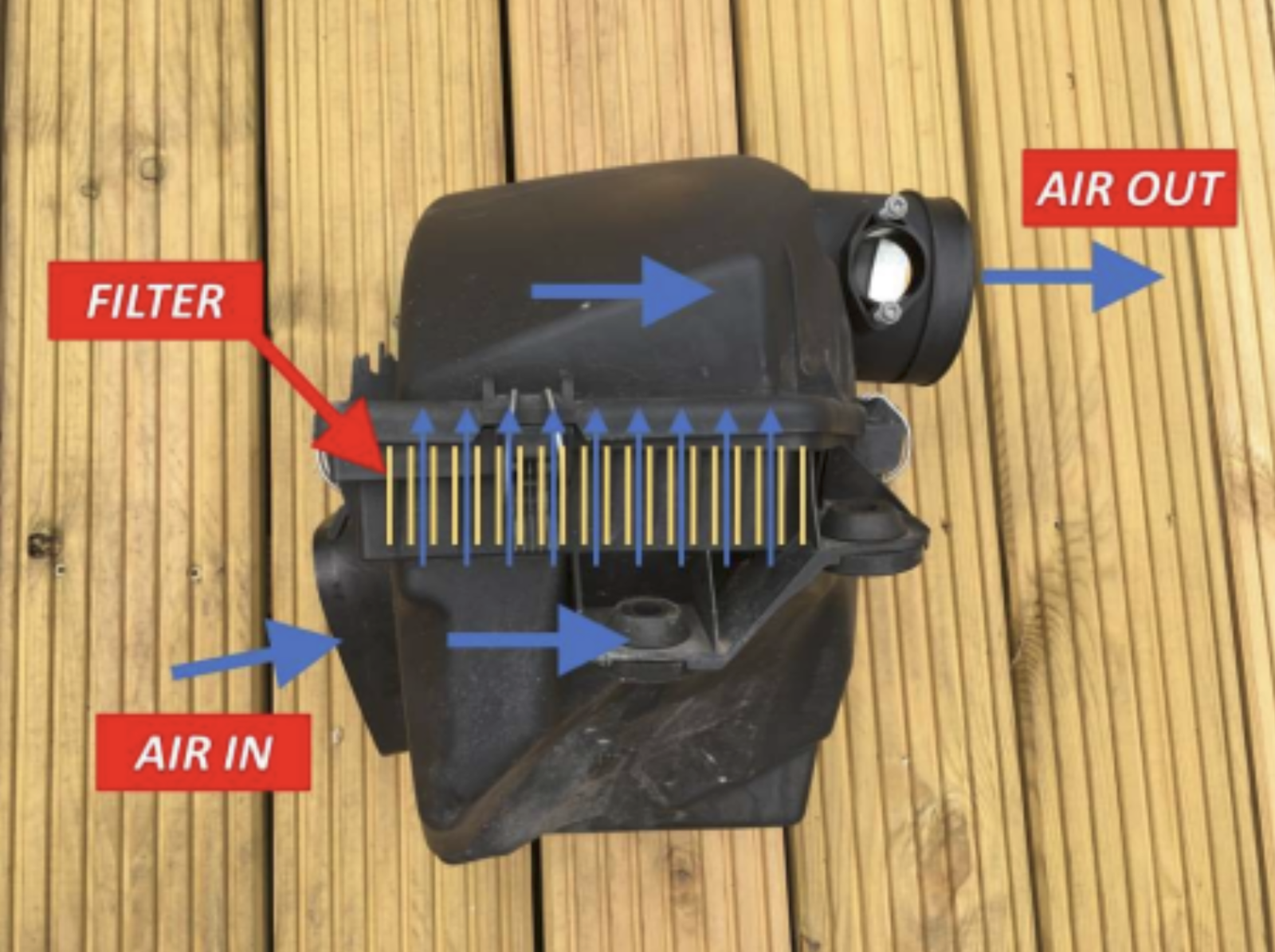
Take this one below as an example. The inlet and outlet don’t line up at all, and the air has to do this weird S-shaped zigzag to get in, through the filter, then out again.  

Vidframe Min Top
Vidframe Min Bottom

Spacer

Airbox 9

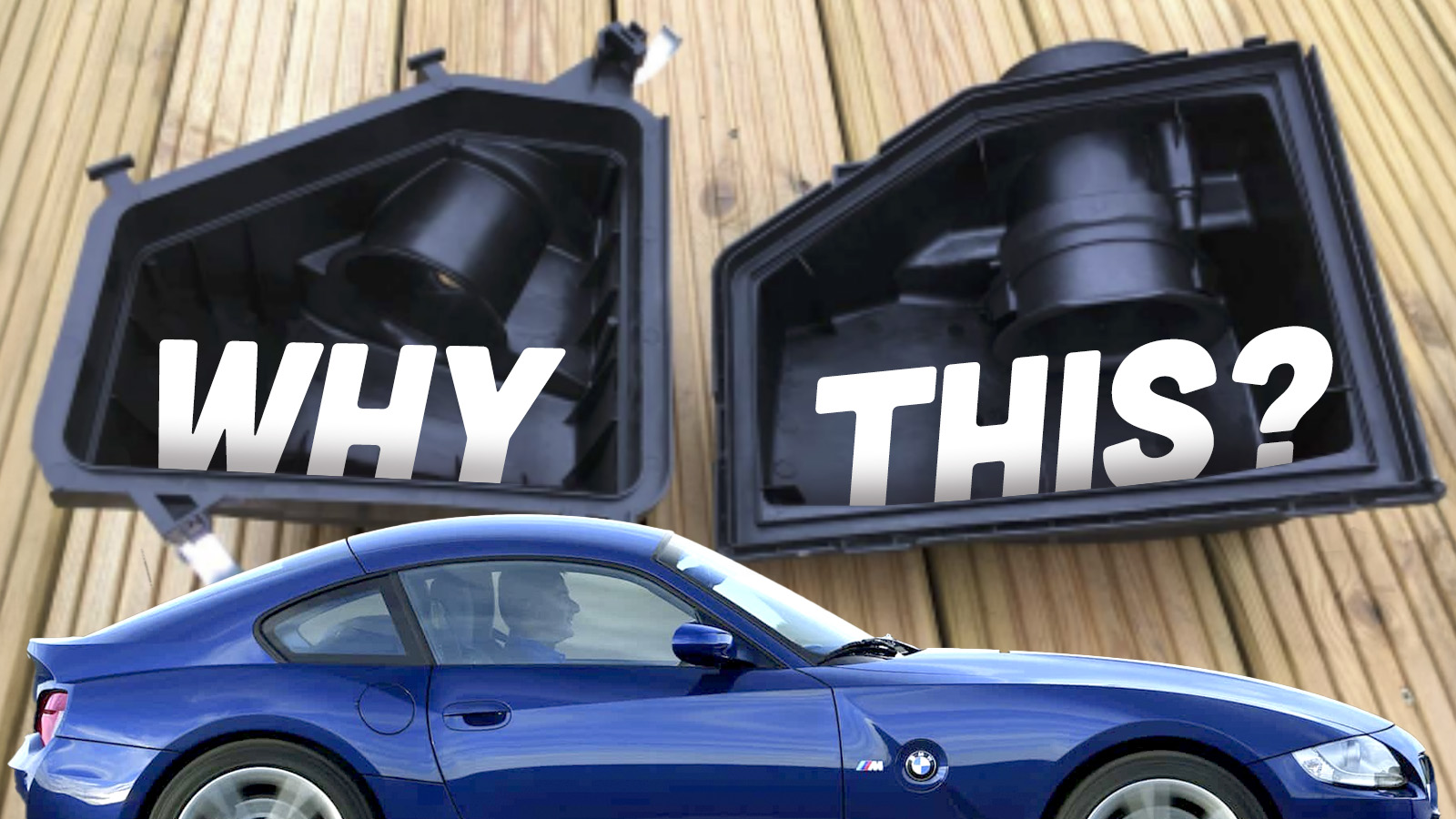
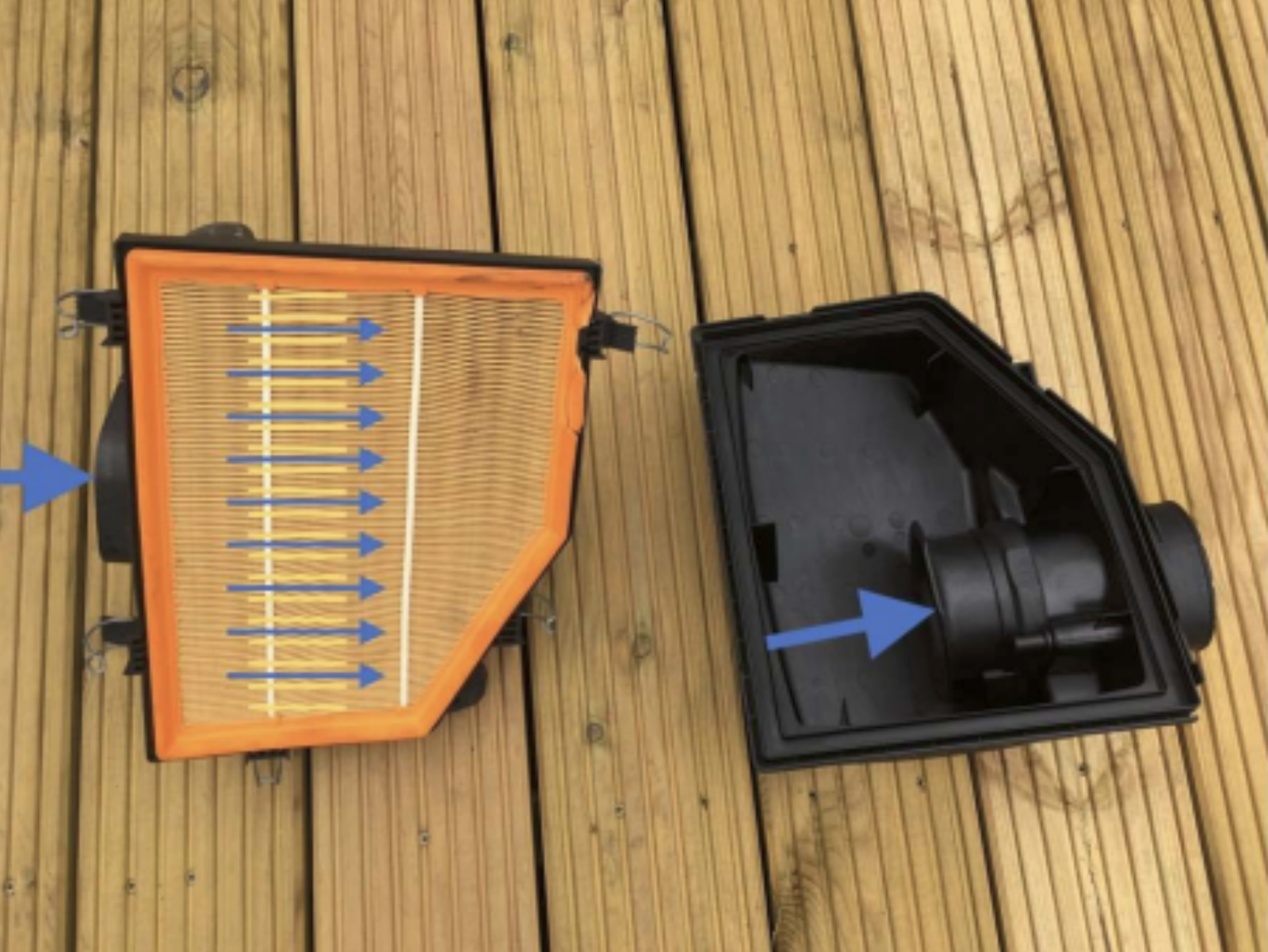
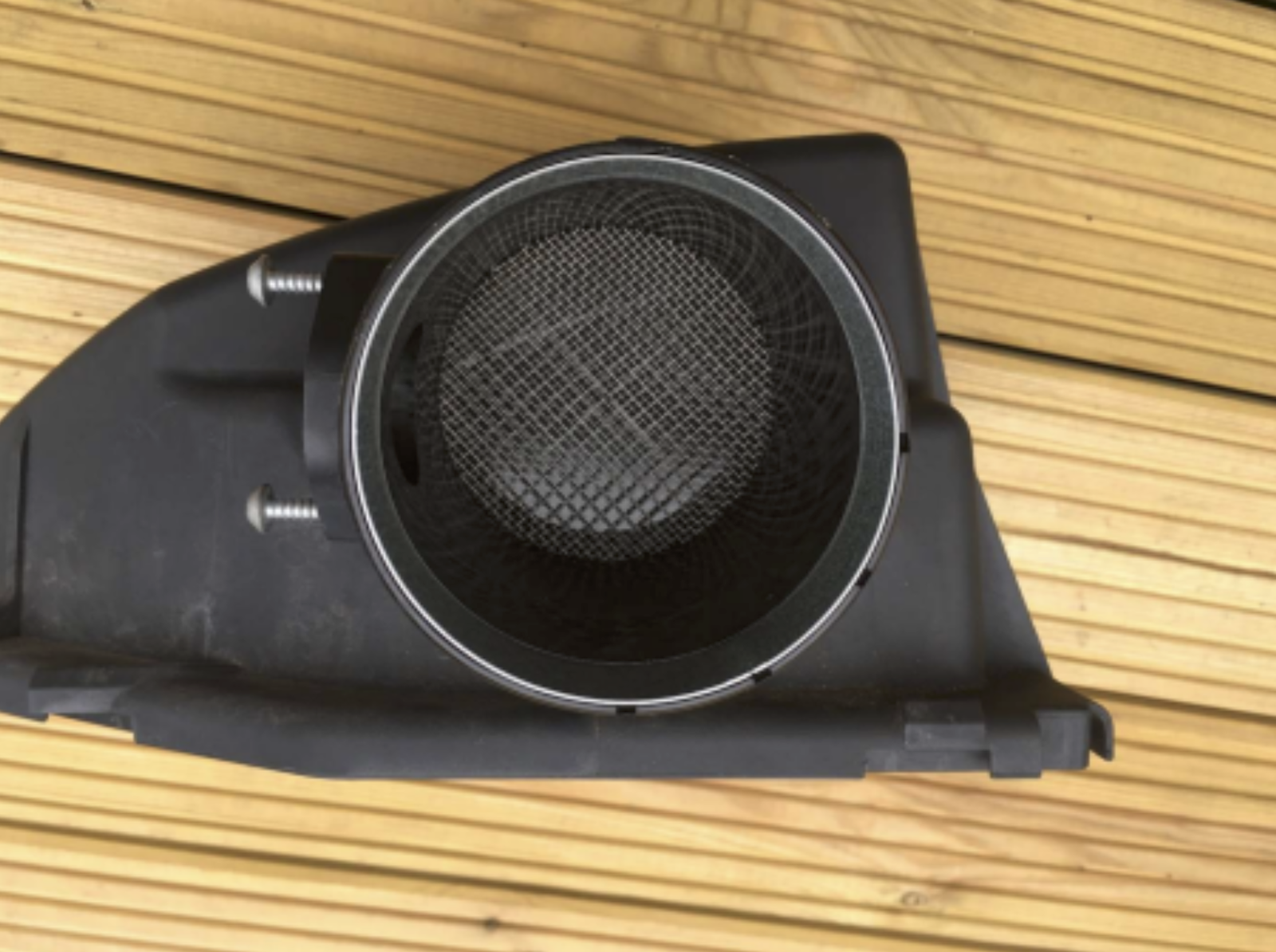
It’s even worse when you look inside; the outlet at the top isn’t even at the edge or pointing at the filter. It’s sort of in the middle but off to one side and at 90 degrees to the air filter, with the internal part of the tube masking off a chunk of the filter. 
Airbox 8

It’s not just a terrible one-off, either: I found another car from a totally different manufacturer with a very similar, oddly designed air box.  

[Dave Larkman is a mechanical design engineer who had a 25-year career at Lotus  Cars and Lotus Engineering (the consultancy business that worked for other OEMs), eventually becoming Lead Engineer of Powertrain Design.  He has also been a semi-pro drifter, rides sports bikes, and used to feel ashamed about his taillight collection until he found Jason Torchinsky on the internet. Wait, why am I writing this in third person? It’s me, Dave, writing my own bio. – DL [Ed note within ed note: You know Dave from his excellent article “I Was So Bored At Work I Redesigned A Tiny Engine Part For Fun And Accidentally Saved 22,000 Pounds Of Aluminum.” -DT]]
Airbox 7

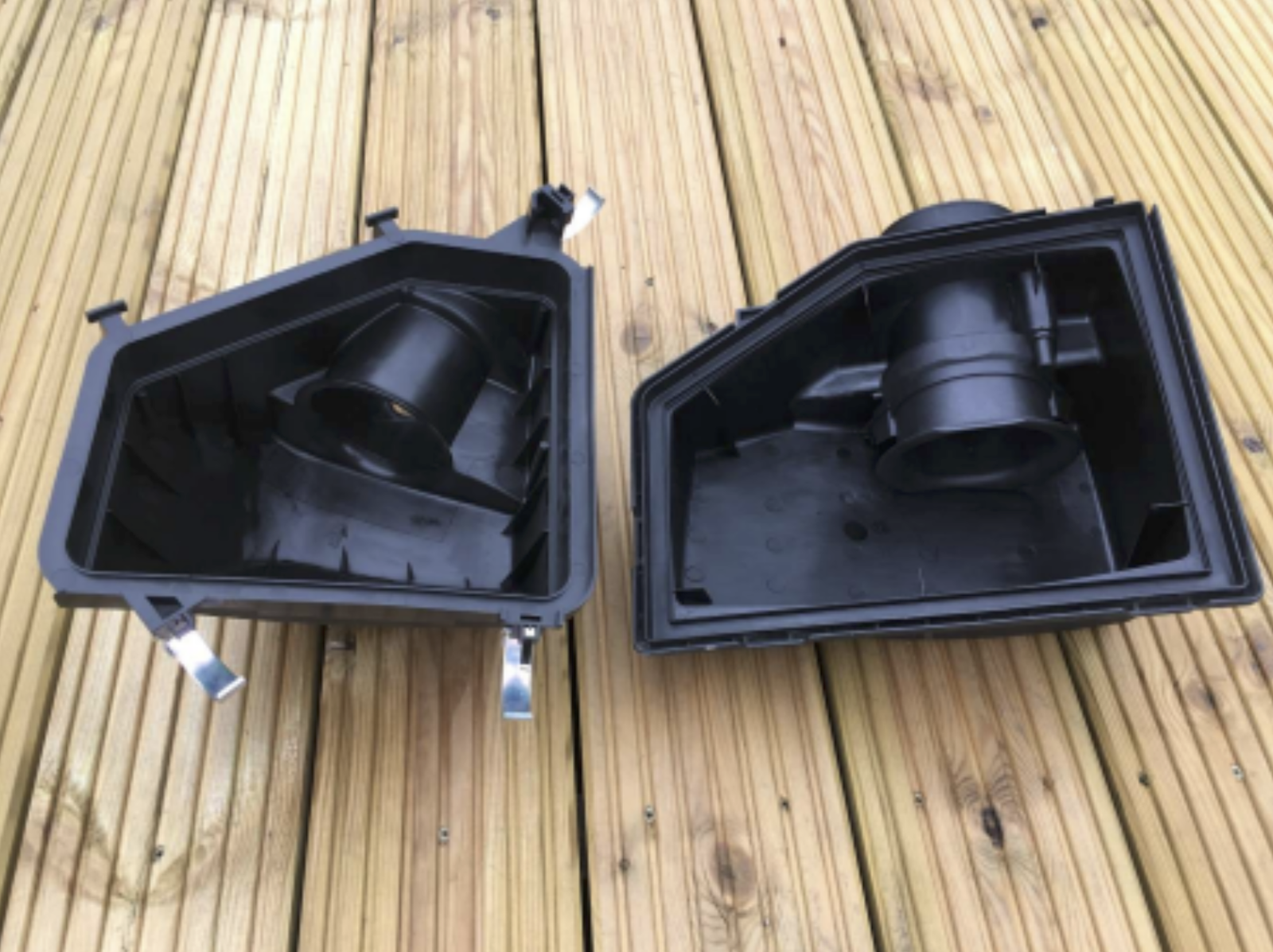
The one we were just looking at is on the right, and from this angle, you can see that the bellmouth for the outlet was so close to the filter that they actually had to put a flat on it to make room. That can’t be good, can it?
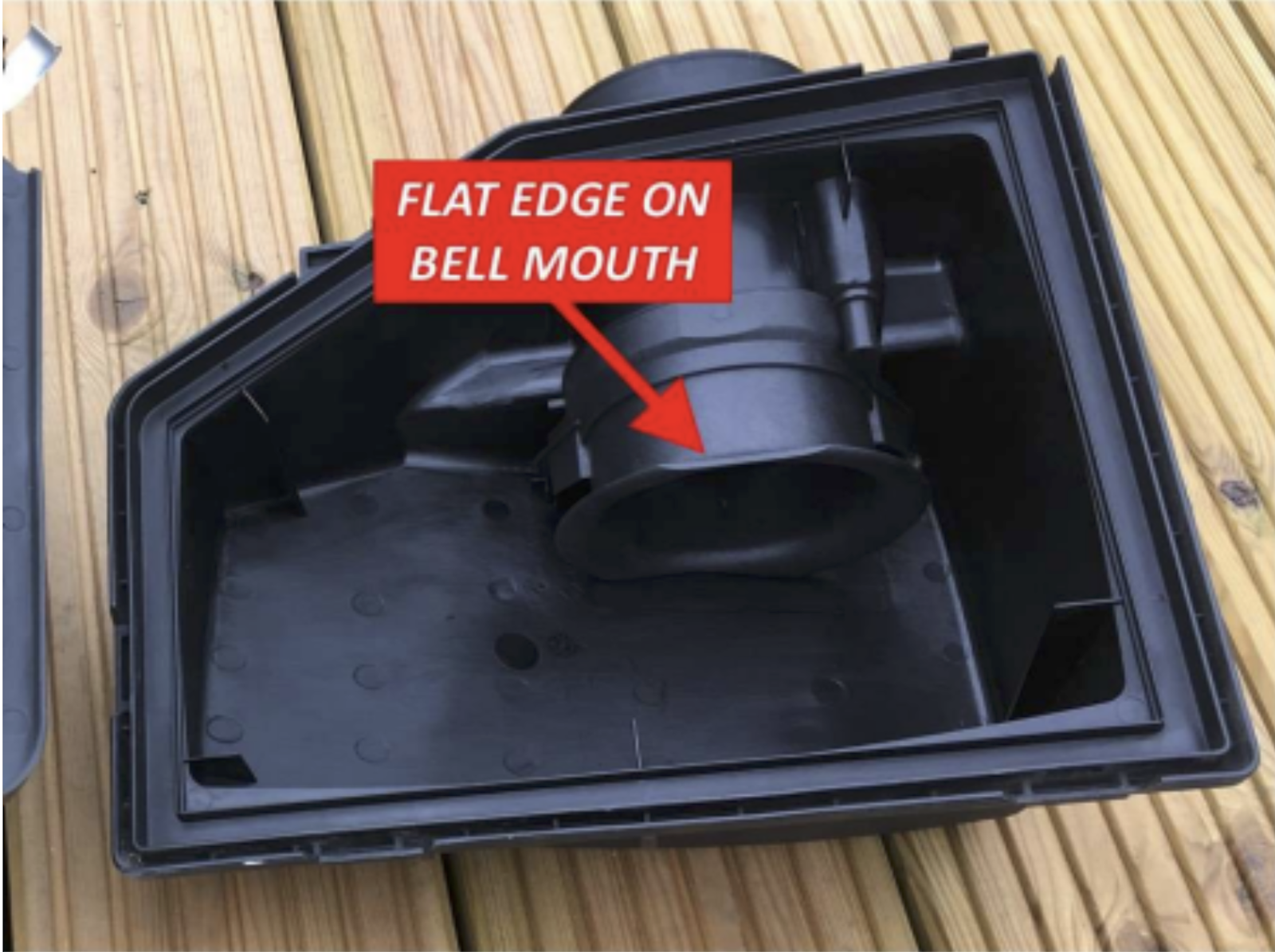
Airbox 6

You can tell they were worried about the odd positioning of the outlet on the other one because they moulded in a little arrow to show the air which way to go:
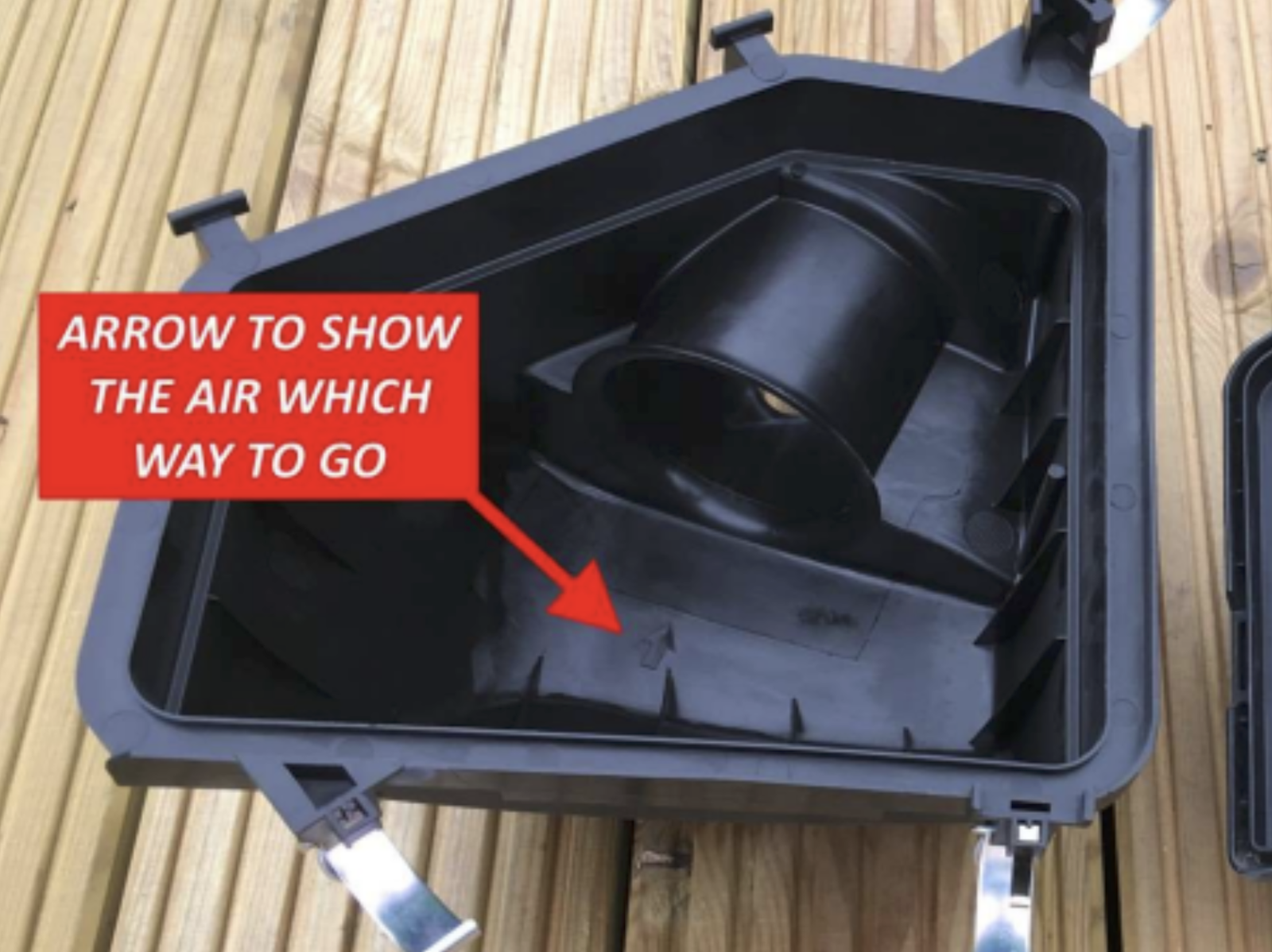
Airbox 5

So what cheap, terrible economy cars did these air boxes come from? The first one is from this 2007 BMW E86 Z4 M Coupe. It has the glorious 8,000 rpm S54 making 338bhp from 3.2 litres of naturally aspirated straight six. This was Engine of the Year in 2001, and held the 3.0-4.0 title until 2006. So, despite how it looks, we can assume that the airbox works quite well.
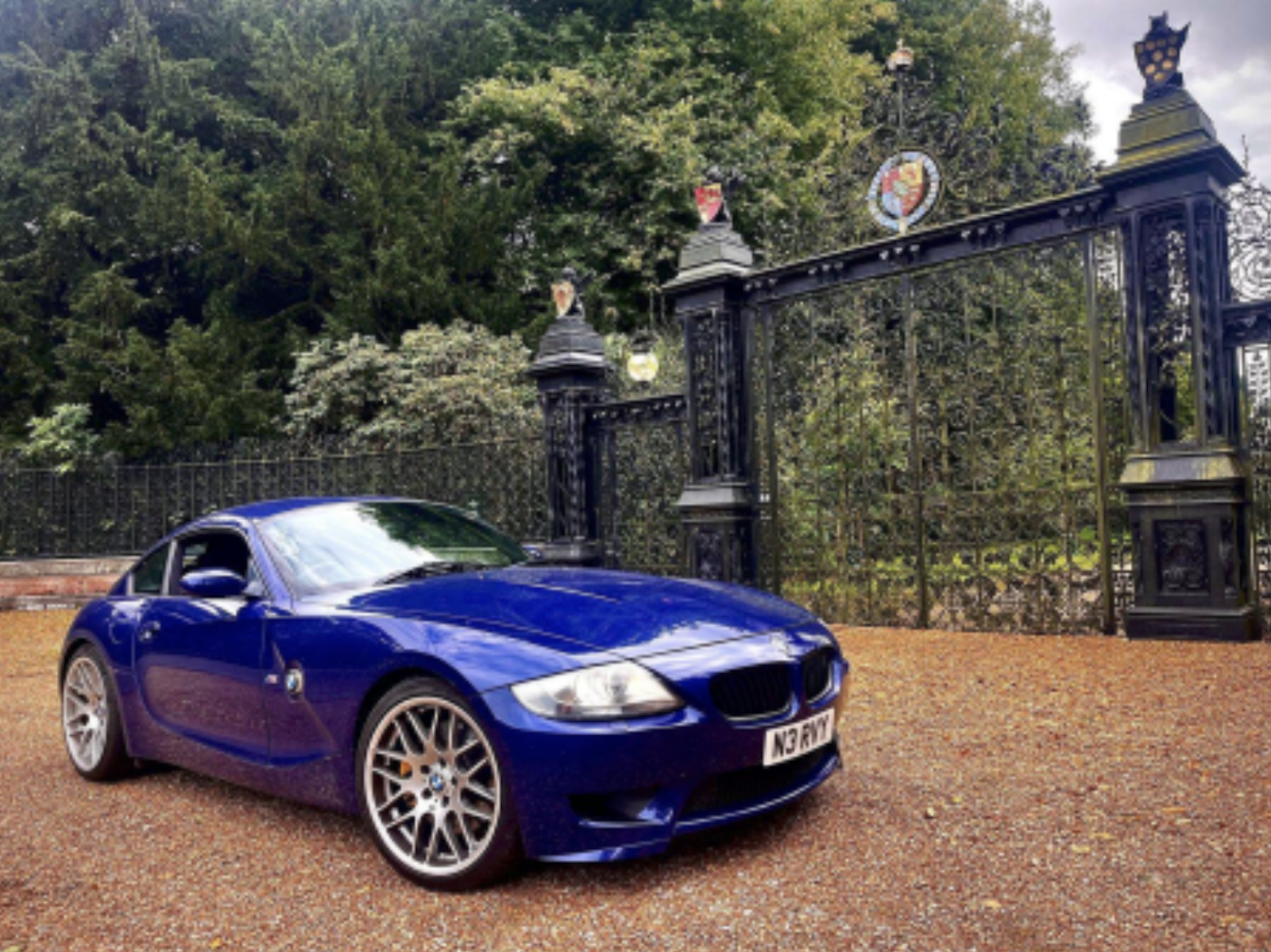
Airbox 4
You can’t tell, but I’m in the driver’s seat flipping off the photographer while trying not to get in the picture. Why he decided to take the photo outside the back gate to his butler’s house, I don’t know. Photo: Matthew Bagely

The other air box is from the 400bhp version of the Lotus Evora/Exige/3-Eleven, and was the first airbox I designed after moving from Lotus Engineering (the engineering consultancy that helps other OEMs) to Lotus Cars (the car maker). Most of my airboxes have a little arrow in them to show the air which way to go; I’m not really sure why I do it. I got asked what it was once in a design review and had to pretend it was an EU-mandated recycling mark. There’s another airbox out there that I wasn’t allowed to put a Lotus badge on, so it says Lotus inside it, but in braille. 
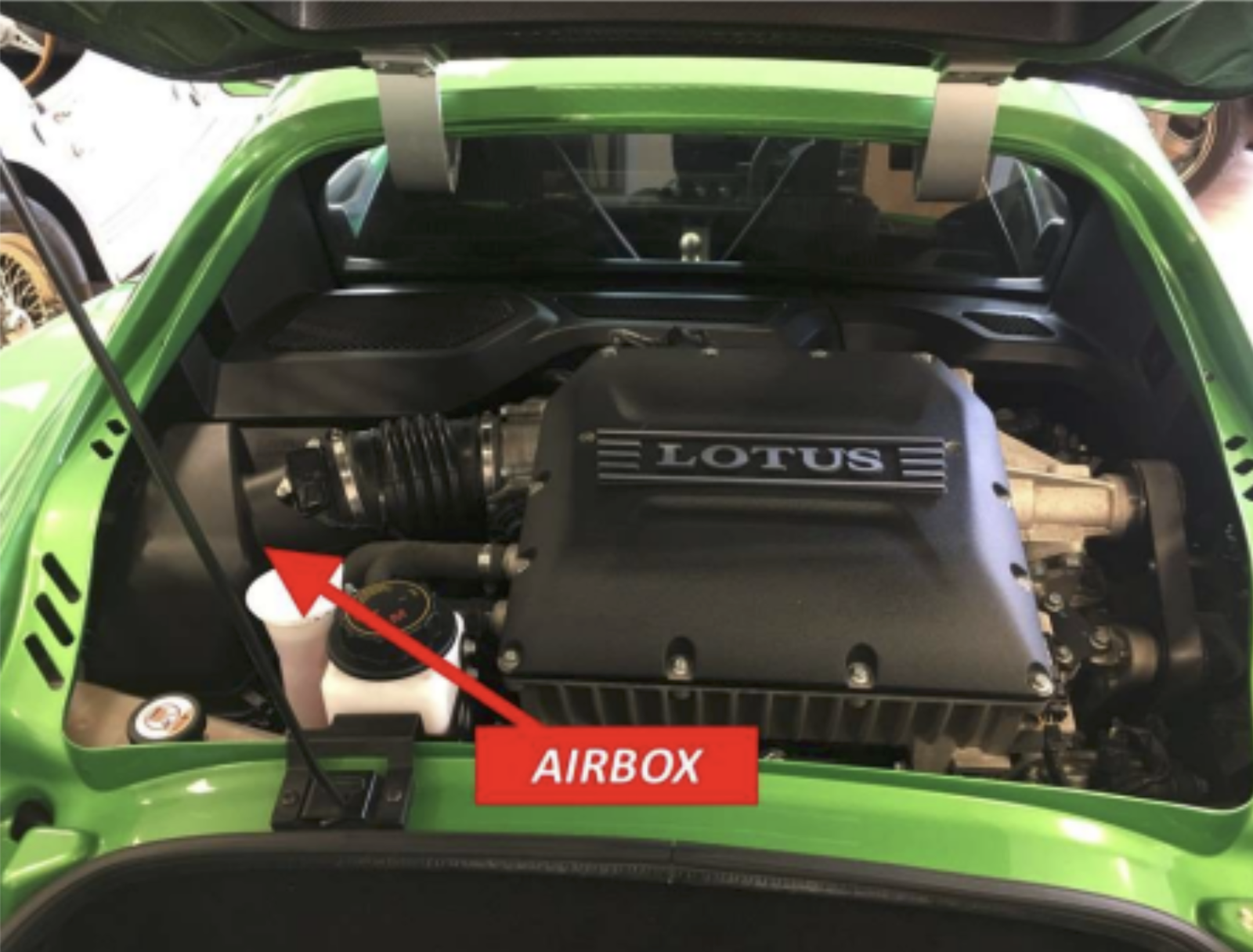
Airbox 3

So what’s going on here with the weird sideways-and-in-the-way exit tube? It’s all about reducing the pressure drop through the panel filter, and for that, you need a nice even flow over the entire surface of the filter, spreading the air out, slowing it down, and letting it get through the millions of tiny holes. The best way to do this is to have a long, tapered inlet pointing straight at the filter, and a long tapering outlet also pointing straight at the filter. 

But that won’t fit in a car. So what we do is blow the air in sideways at the bottom, and suck it out at the top in a position and direction that makes the air spread all over the surface of the filter. Place the inlet and outlet so they line up nicely, and all the air wants to go through just the bit of the filter that’s on the direct route, which effectively acts like a much smaller filter. This gives you a much higher pressure drop, which adds pumping losses/reduces power, even if you have a huge air filter element.

So we play with the position of the outlet in the air box top, doing iterative steps of analysis and flow bench tests until we hit the targets. Or preferably get to the point where we’re well above the targets, and further tweaks don’t make improvements, because this is power and/or efficiency for free.  

After doing this a bunch of times, I find it’s always best to try to visualize internal air flows as being sucked along, rather than blown through a system, and that works for exhaust systems too. I’ve worked with some fantastic analysis engineers, and they’ll talk you through the CFD (Computational Fluid Dynamics) results, helping you visualise the streams of airflow, so you can work together to make improvements that compromise the rest of the system the least.  

There is a lot more going on with airbox design than just the air flow; the walls all have slight double curvature to make them stiffer without having to add ribs, to keep weight down, and avoid nasty resonance. You avoid any flat-ish faces that reflect up the outlet to avoid weird resonances at the  Mass Air Flow sensor (it took weeks to work out what was going horribly wrong on that particular development engine). The flow at the MAF sensor also has to be laminar and also increase in a nice,  repeatable way from idle all the way up to peak flow, which is what the expensively tooled internal bell-mouth is for. The data from the MAF sensor is critical for controlling the engine, so getting a nice, reliable signal really helps. The BMW even has a mesh of thin steel blades before the MAF tube to help smooth out the flow.  
Airbox 2

All of this in a package that fits in the car, allows the air filter to be removed easily for service (yep, we do check for this, and even model the filter removal envelope so no one puts a fuel hose or something in the way), and also includes as many useful brackets moulded in for free as you can get away with. You have to design the whole thing with all of these criteria in your head, as well as the tooling design for the injection moulding machine that will make it. 

And then, when you think you’re finished, someone does a pass-by sound test in a car with the production bodywork instead of the prototype body, and you suddenly have to make it quieter by a couple of decibels and annoy the toolmaker by adding a load of ribs to their shiny new tool anyway.  

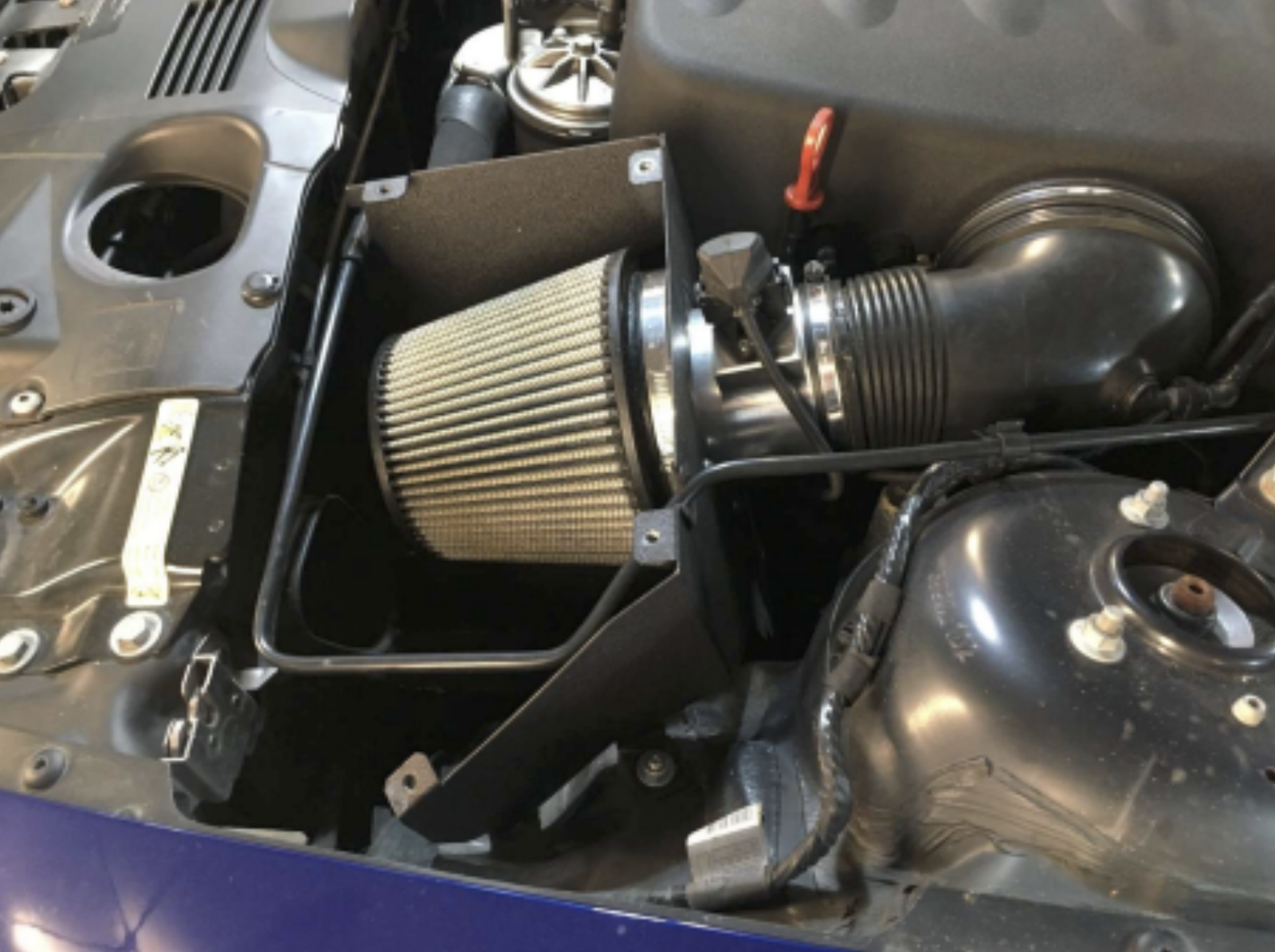
All that effort, and grief, and testing to make something that flows nice cool air brilliantly with a stable MAF signal, while being easy to service, acting as a bracket for cooling hoses and wiring harnesses, and cheap and light and quiet, and then the first owner rips it all out and puts in a cone filter. 
Airbox 1

The Z4M does sound epic now, though; I’m very conflicted. 

Story images except where noted: Dave Larkman
Top graphic images: Dave Larkman; BMW


Share on facebook
Facebook
Share on whatsapp
WhatsApp
Share on twitter
Twitter
Share on linkedin
LinkedIn
Share on reddit
Reddit
Subscribe
Notify of
156 Comments
Inline Feedbacks
View all comments
Chris Miller
Member
Chris Miller
2 minutes ago

When do we get to roll the tape we’ve been secretly storing up on Dave’s life? What a fascinating little slice of your past; and brilliantly written! Can’t wait to hear more!

WM
WM
2 hours ago

So I should install a cone filter?

Eric Gonzalez
Eric Gonzalez
7 hours ago

Love your articles! Keep them coming! This is why I’m such a fan of The Autopian

By the way, this is a very contrasting article vs Mercedes’ “I still pay for Photobucket”.

Ian McClure
Ian McClure
18 hours ago

Every time I see see something about how good modern airboxes/intakes are, I think back to the old trick of “flipping the lid” on old American V8s. And how dyno tests often show it really did work, which in turn highlights just how lazy the engineering was on a lot of those engines.

Bassracerx
Bassracerx
8 hours ago
Reply to  Ian McClure

large v8s understressed, underworked. its de rated on purpose lol.

EricTheViking
EricTheViking
2 hours ago
Reply to  Ian McClure

Flipping the lid also led to higher fuel consumption.

My best friend in the early 1980s did that to his 1981 Pontiac Grand Safari wagon owned by his parents. His parents were wondering why their Pontiac got all peppy, throaty, and such while the needle in the fuel gauge moved a tad too “fast”. He was so busted, and a big chunk of his meagre wages from his part-time job went to his parents for a couple of months.

PlatinumZJ
Member
PlatinumZJ
18 hours ago

There’s another airbox out there that I wasn’t allowed to put a Lotus badge on, so it says Lotus inside it, but in braille. 

I love this so much.

BlownGP
BlownGP
18 hours ago

I hate to say it but the recent car stock intake’s are pretty damn good. Really not point in changing them. Not like my old 1998 Grand Prix where the air filter was squeezed between boxes vertical and you would slice your knuckles every time you changed it.

sentinelTk
Member
sentinelTk
19 hours ago

Efficient packaging. Next question.

Ricardo M
Member
Ricardo M
21 hours ago

Great read, factory airboxes are pretty fascinating.

Still gonna block off my heimholz chamber to reclaim my glorious intake noise.

Last edited 21 hours ago by Ricardo M
TheDrunkenWrench
Member
TheDrunkenWrench
21 hours ago

being sucked along, rather than blown

Out-of-context quote of the day. You engineers are a freaky bunch.

Santiago Iglesias
Member
Santiago Iglesias
22 hours ago

Nice hot air intake, lol

Shinynugget
Shinynugget
22 hours ago

Please write an article about cone filters as a companion piece. One of the concepts I some modders not understanding is that in the pursuit of better air flow, they’re also getting dirtier air. Sometimes by a lot.

Frank Wrench
Frank Wrench
1 day ago

Thank you for this article! I’m sending it to my son.

The first thing he did when he bought a 2000 Audi TT a few years back was buy a “cold air” intake. Told him it was a waste of money, was actually a hot air intake, engineers spent a lot of time optimizing the stock intake, etc… but he bought it anyway. And I have to admit, it’s kinda cool 🙂

TooBusyToNotice
TooBusyToNotice
1 day ago

This is the article I’ve wanted to read since cold air intakes became a thing. Unfortunately I have a cold with a killer headache and will have to wait a little while longer. I tried, but the brain just won’t comprehend right now.

Last edited 1 day ago by TooBusyToNotice
Johnologue
Member
Johnologue
1 day ago

This is very interesting perspective! I wouldn’t have guessed that designing an airbox to pull air through the filter on an indirect path would mean better airflow, but it makes sense as it was explained.

Reminds me of arguments around PC case airflow, with rules that don’t make a lot of sense in practice like, “exhaust fans on top because heat rises” even though fans probably move a lot more air than convection could in any consumer PC case. At least, any consumer PC case that hasn’t also become an internal combustion engine.

Slow Joe Crow
Slow Joe Crow
1 day ago

The right airbox can make more power. Late 90s Buell motorcycles got a significant power boost over a Sportster with the same engine by having large carefully tuned airboxes and mufflers in place of the small and restrictive stock Harley-Davidson items. The rest was cylinder heads, cams and tuning. Of course most H-D owners immediately tossed the stock mufflers and many tossed the air box too. This made the bike louder but probably only slightly more powerful.
Something I should do is drill some holes in the airbox of my BMW Airhead. This was a factory mod on some models to get more air to the filter.

Willard
Member
Willard
1 day ago

The 6.0 Powerstroke (in trucks at least) was a fantastic example of a good “air box” design. I put air box in quotes because essentially the entire air box was a filter, and it was massive. It was designed to hold something like 4-5lbs of dirt and still pass air through. Many people have their engines turned up to 5-600 HP (almost twice original output) and still experience no bottleneck with the stock setup. Many have also made it to 200k miles before replacing, since it has a filter minder it makes it possible to try and do that. The filter is expensive (almost $100) but with that kind of longevity who cares

Jb996
Member
Jb996
1 day ago

I used a dual port manometer (measures pressure) to measure the pressure drop across segments of the stock airbox while at WOT. (2014 Mazda 3) I had to drill and insert hose nipples at various places, and cap them off later. Outside to before filter, before filter to after filter, and after filter to throttle body.
I don’t remember offhand, but the total drop was only like 2-3 inwc, most of that was across the filter. From my research at the time, that was about as low as what was practical anyway, and not worth “fixing”.

I didn’t want to go to a high-flow (but little to-no actual filtering) K&N. Project Farm has tested air filters and shown how much gets through a K&N. That seems terrible for an engine.

Manometers are cheap these days, anyone considers changing for power, should just measure it first.
… and realize the OEM did a pretty good job.

Last edited 1 day ago by Jb996
Jb996
Member
Jb996
1 day ago
Reply to  Dave Larkman

I have no doubt, and I’m sure that lots of measurements are still done to calibrate and validate the CFD models.

I guess my lesson was that for everyone who considers a hot-air intake cone filter for “improved performance”, that actually measuring the pressure drop of the stock air system is not that difficult or expensive. It was very informative.

Love your articles, BTW.

Thatmiataguy
Member
Thatmiataguy
2 days ago

In 2013 I bought a brand-new 2013 Ford Focus with the naturally aspirated 2.0 and the 5-speed manual. It came stock with a conical filter element rather than the flat flow-through filters you usually see.

I gained a dyno-verified 5 horsepower in that car by simply removing the cover from the top of the air box. Not butt dyno, I paid real money to verify the before and after horsepower gains. Sure it was sucking in hotter air, but that engine seemed to prefer more air regardless of the temperature. Go figure.

The fact that it cost $0 to do and took 2 minutes to remove was just icing on the cake.

That same car also had a huuuuuuge muffler on the back; it can easily be seen poking underneath the back of the car going from left to right. I had a theory that my car had so many catalytic converters and resonators (3!) that removing the muffler wouldn’t even be that loud. And you know what, I was right. With the muffler cut off, I could only hear the exhaust at all when the Focus was idling, and even then just barely. With any throttle application, the sound of the intake noise more than drowned out the sound of any exhaust sound.

Oh, and cutting off that muffler added another dyno-verified 5 horsepower for the cost of a hacksaw blade. My takeaway was that engineers leave horsepower on the table due to 1) cost concerns, 2) emissions reasons, and 3) noise regulations. If none of those are a concern to the end user, then sometimes a bit of horsepower can be unlocked for cheap.

Just my personal experience.

Thatmiataguy
Member
Thatmiataguy
1 day ago
Reply to  Dave Larkman

Very interesting. Although 87 octane fuel was recommended for that engine, I started filling it with 91 due to the relatively high compression ratio of the engine to see if that would allow the ECU to advance timing a bit and produce a bit more horsepower (forgive my ignorance, I dropped out of mechanical engineering after 2 semesters). So at least by running 91 octane I was greatly reducing the chances of experiencing knock, correct? Or maybe it’s the same outcome but just with a slightly higher ceiling.

SarlaccRoadster
SarlaccRoadster
17 hours ago
Reply to  Dave Larkman

Not necessarily, since you get slightly better gas mileage with the higher octane fuel (I’ve tested this on a couple of cars, running full tanks of both options)

INVUJerry
INVUJerry
1 day ago
Reply to  Thatmiataguy

I did the same thing with the intake on my 01 neon and saw a noticeable improvement. The stock muffler I left in place, but taking the lid off definitely showed gains.

When the neon was released a lot of people complained about a “rough idle” in the single cam cars. It turns out there was a slight overlap on the cam on the intake and exhaust cycle causing it to “chop” a touch when the AC would be turned on. There was a revision for 1996 that lose I think 4WHP.

TheNewt
Member
TheNewt
2 days ago

The guerilla marking on the air boxes is awesome. Braille is a nice touch.

Beto O'Kitty
Member
Beto O'Kitty
2 days ago
Reply to  TheNewt

Humorous retort.
Now that’s the blind leading the blind.

Ken Harden
Member
Ken Harden
2 days ago

I have a 2016 GTI with a APR tune…and am still running the stock air intake and filter. I’ve thought about ‘upgrading’ but I keep getting talked out of it for a combination of:
–It actually is not going to make a performance difference
–It is more likely to be in harms way if you are in heavy rain or other severe weather
–The filters themselves are not as ‘filtery’ and you may end up ingesting more fine dust

Dunno, I am kinda stuck on what to do. I will note it has ‘graduated’ to my fun car and only gets driven a few times a week so not a lot of miles.

SarlaccRoadster
SarlaccRoadster
17 hours ago
Reply to  Ken Harden

My 2017 GTI has a pretty aggressive tune (it’s my track car), and a bunch of performance upgrades, but still the stock filter box. If it takes constant running at redline in midwest summers temps without complaints, I’d say leave it alone.

Rod Millington
Rod Millington
11 hours ago
Reply to  Ken Harden

Most modern, turbocharged cars you are replacing some components in the intake for reliability (looking at you plastic intercooler pipes) or noise. Very little performance gains to be made.

Plus, the old gains were 10hp on a 180hp engine and now it could be 10hp on a 450hp engine.

Beto O'Kitty
Member
Beto O'Kitty
2 days ago

Interesting post, thank you. Louder is not faster. The sound is more important because it says “look at me”.
If that wasn’t true than an all EV NHRA drag race would exist. If it did the ET’s would be quicker but it would be essentially quiet. No NHRA drag race fan would buy a ticket to see that style of racing.

Space
Space
2 days ago
Reply to  Beto O'Kitty

If they added fireworks or tesla coils I might be tempted to go, especially if kids are free.

MaximillianMeen
Member
MaximillianMeen
2 days ago
Reply to  Space

Jacob’s Ladders too. They make both light and noise. Maybe throw in a plasma ball or two for addition looks.

Last edited 2 days ago by MaximillianMeen
Beto O'Kitty
Member
Beto O'Kitty
2 days ago
Reply to  Space

Great idea. Maybe they could just combine those two things and incorporate them into the dragster!
(sarcasm)

Last edited 2 days ago by Beto O'Kitty
Johnologue
Member
Johnologue
1 day ago
Reply to  Beto O'Kitty

I would’ve assumed the reason for a lack of EV drag races is that electric motors would be too predictable.

Lotsofchops
Member
Lotsofchops
2 days ago

But K&N said I get more horsepower! They’re not gonna lie to me of course.

Lizardman in a human suit
2 days ago
Reply to  Lotsofchops

Hey, going up .001% in horsepower is still an increase

TK-421
TK-421
22 hours ago
Reply to  Lotsofchops

I can hear the turbo better on the GR Corolla now. It was worth it.

Spectre6000
Spectre6000
2 days ago

THANK YOU!!!!!

Every time a see a gravel catcher at the end of a slice of plumbing aisle detritus (aka cone filter) my eyes involuntarily roll audibly. I’m sure there are intakes out there that are genuinely bad (they’re going to be found on extremely cost or packaging oriented cars and even then, I doubt the hot air intake will actually improve anything), but 9 times out of 10, some aftermarket jag isn’t going to beat the R&D budget and brainpower of an OEM that’s even halfway trying.

More noise is not more better. Sound is to horsepower as stickers are to horsepower.

Frank Carter
Frank Carter
2 days ago
Reply to  Spectre6000

In 2014 my Model S P85D proved to my sons that louder isn’t always faster. Hence the Corvette has quiet mufflers also…

Disphenoidal
Member
Disphenoidal
2 days ago

I played with removing an airbox, mainly for auditory reasons, although decided the result was a little too loud. One of my peeves is that forums and the like promote the idea that OEMs make things like bad intakes because they want the car to perform badly. Like somehow they benefit if the consumer gets less value. Of course the OEM has every incentive to maximize customer value for a given cost. And I know from personal experience that where possible, engineers really do try to squeeze everything they can out of a particular set of constraints.

Tbird
Member
Tbird
1 day ago
Reply to  Dave Larkman

As a fellow engineer you have confirmed my suspisions of the OEMs.

Really No Regrets
Member
Really No Regrets
3 days ago

Always enjoy your articles as your writing style is almost lyrical while also informative with good amounts of humor/humour. Such tasty reading regardless of the subject. It’s fascinating to want to read about air filter box design, primarily because of the author’s gift with language. Looking forward to your next treat.

Cheers!

Really No Regrets
Member
Really No Regrets
3 days ago

Almost forgot… I want to thank you for responding to so many commenters. Their comments and your responses add additional texture and nuance to the article, or maybe a related subject, which keeps me engaged longer and allows me to continue to savor the article. Thanks.

MustBe
Member
MustBe
2 days ago
Reply to  Dave Larkman

Agreeing with Really No Regrets. Please, more Larkman detailed insider views of how making cars is hard, yet rewarding.

156
0
Would love your thoughts, please comment.x
()
x