


I’m not sure if you saw it last week, but our Mercedes Streeter pointed out a rapidly circulating post on social media that’s causing a lot of controversy beyond just our little world of automotive geekdom. You see, a person on the platform was expressing the opinion that he would never, ever put his now-driving-age children into a sedan on today’s roads, much less a compact one. No sir, it’s an old F-150 or Excursion to keep them safe on the roads. While some readers understand the dad’s logic (who doesn’t want to protect their kids?) others were wary of a child with around 40 hours of driving experience piloting a three-ton truck.
I fall squarely in the latter category, but as our Mercedes Streeter concluded, the choice is really up to the parents. While my hope is that pure logic and the barrier of gasoline cost will keep new drivers out of body-on-frame behemoths, I’m not taking any chances. It’s time to design the ultimate Volvo wagon to protect my family from kids texting while driving trucks.


Maybe If They Wore Helmets?
In case you missed the post last week, you should really read it. Here’s a snippet of the post that got this thing all started:
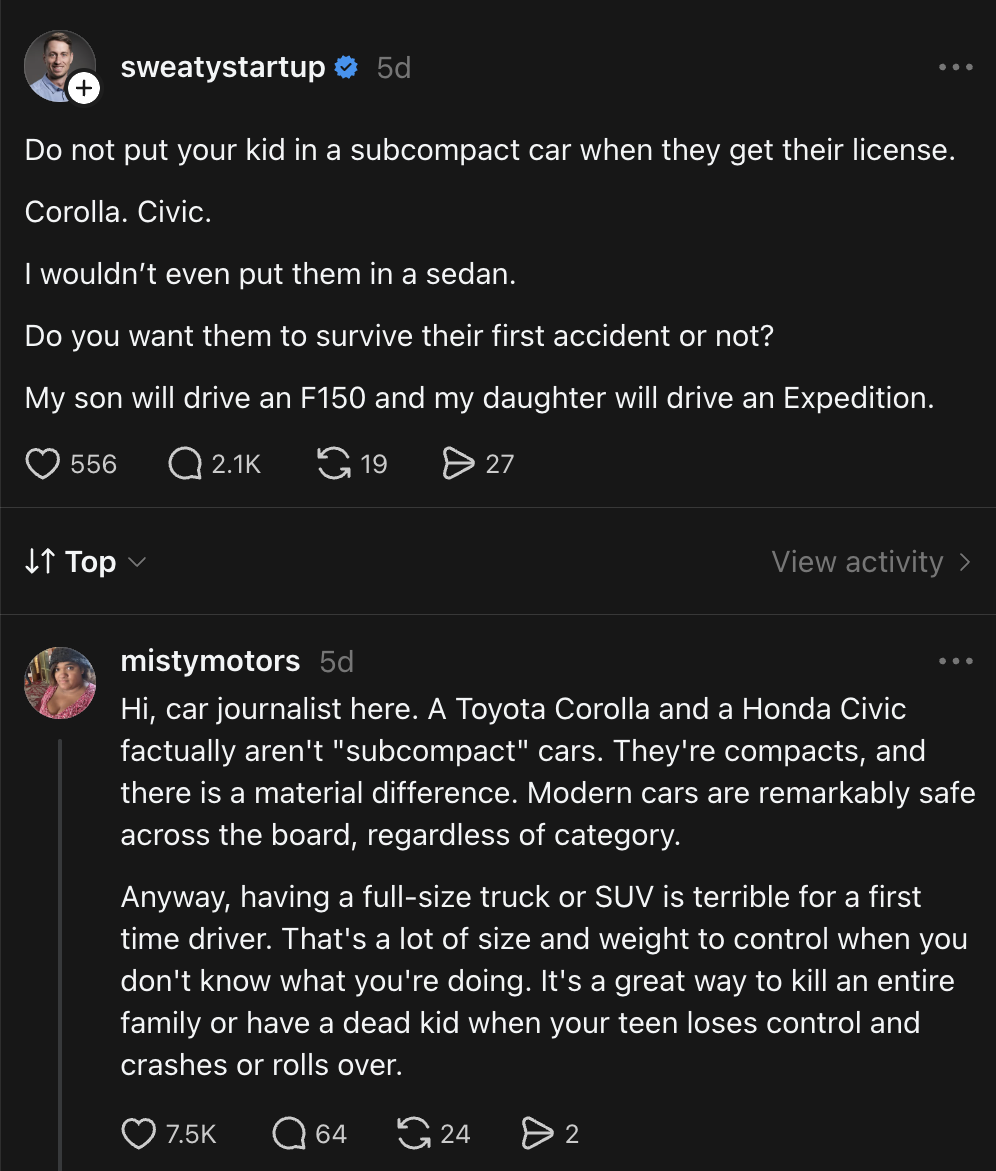
Let’s face the facts: this “bigger is safer” thing will lead to insane escalation in terms of vehicle size. It’s basically the “they grab a knife then we grab a gun” mentality. If that’s the case, then we want a really big Howitzer-sized gun of a car.
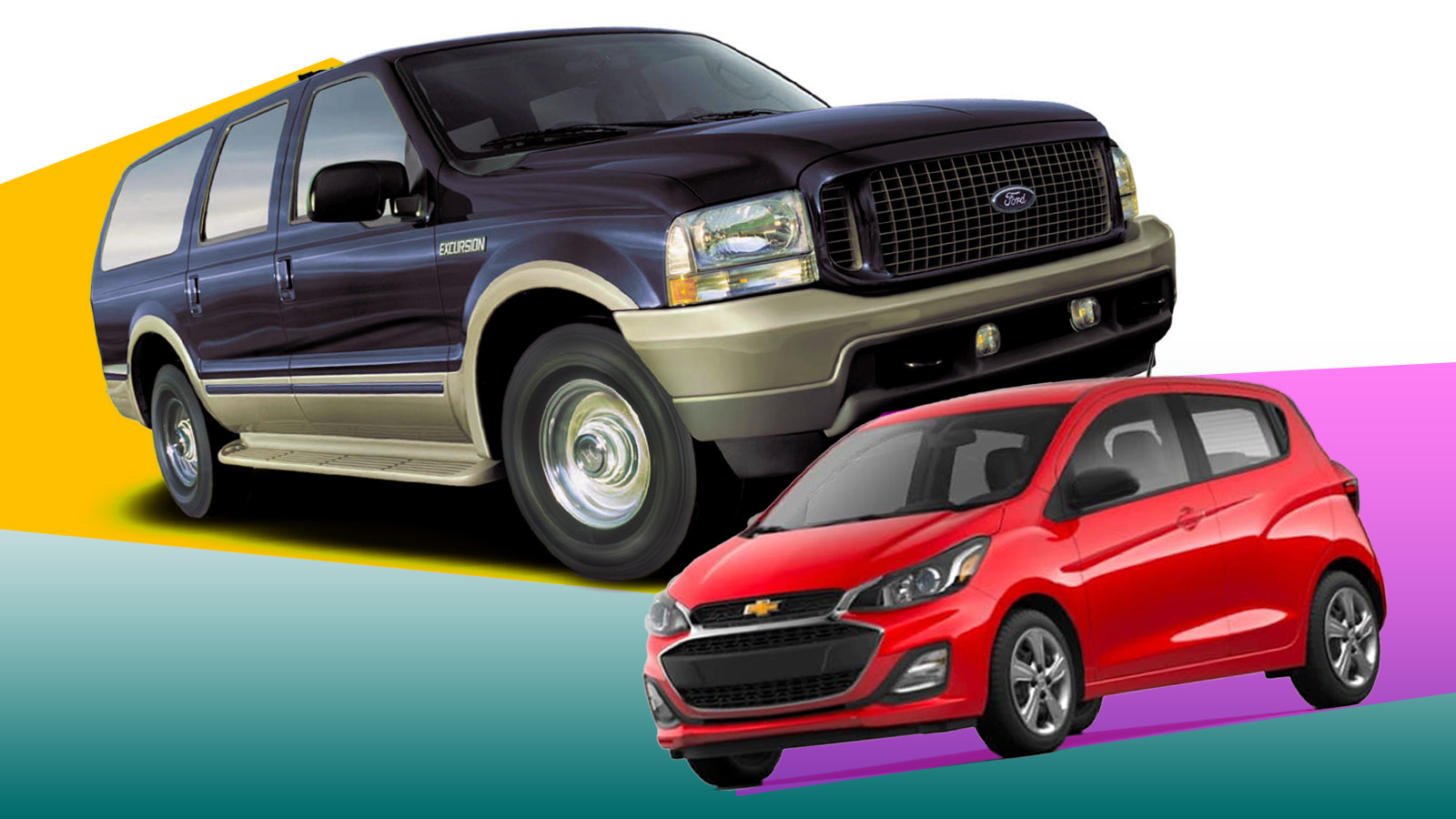
It didn’t used to be that way. The idea of a “safe” car used to be rooted in the design of the machine and not the pure size. We had countless safety car concepts in the early seventies, most of them rather awkward and unattractive.

Consummate showman Malcolm Bricklin even made a sports car called the SV-1 (Safety Vehicle One) that incorporated a whole bunch of features including ten-mile-an-hour bumpers, a built-in roll cage, isolated gas tank and gullwing doors that didn’t open onto traffic. Whatever you think of Malcolm, it’s undeniable that his ex-Ford designer Herb Grasse fulfilled his goal of making a safe car that wasn’t ugly.

Regardless, most “safe” cars of the day didn’t seem to put sleek aesthetics first. Boxy Mercedes sedans were at the top of that list, but for NPR Prairie Home Companion-listening self-righteous nature conservancy types that couldn’t pop for a Benz then the Volvo 245DL wagon was the “safe” car of choice.

Today, the streets of Chicagoland’s northern suburbs are filled with large European and American SUVs, but fifty years back it was more likely to be Volvo estate cars or larger, full-sized GM B-Body wagons like Oldsmobile Custom Cruisers. Despite the size disparity, those with the Swedish car were rather convinced that their Volvos stood a better chance of protecting them in a crash than the domestic choices.

Some decades later, that logic still seemed to persist as WASP moms still might choose a Mercedes E-Class or a cool-looking Volvo 850 over a clunky Suburban.

Today, it seems that thinking is rapidly going out the window. The caveman approach of just-make-it-bigger appears to be prevailing wisdom. European SUVs like the X7 are getting larger, but they still won’t overtake domestic utes and pickups in the size race. For that reason, we need an all-new Volvo wagon to end all Volvo wagons; I know just the answer.
Making Suburbans Look Like Smarts
Let’s face it: if bigger is better, you can’t get safer than a medium- or heavy-duty truck as a starting point for a “safe” consumer truck. It’s been done before by companies such as Freightliner, or even a passenger truck version of the GMC Kodiak some years ago.

There was a similar monstrosity called the International CXT, based on a Navistar commercial vehicle, which claimed to be the world’s largest pickup truck.

Still, we need to step it up a notch to be ready for the inevitable expansion. We have to go full-on semi-truck with our urban safety wagon, or we’re gonna be obsolete in a few years. As luck would have it, Volvo even offers a tractor-trailer truck to use as our basis for a big wagon. It’s called the VNL.

I know what you’re thinking: piloting something as big as a house is a job usually reserved for people who rap on CBs when they aren’t dodging lot lizards on the way to get a Salisbury steak at the Iron Skillet on I-80 while waiting for a shower to open up. How can I, much less a true WASP mom, get behind the wheel of one of these? Well, take a look at the VNL cabin. That’s some posh surroundings there, even if the wood is likely as plastic as a VISA card.

Here’s your next concern: am I really supposed to drive to Whole Foods while rowing through gears on an 18-speed manual transmission? I mean, I like stick cars, but something like this Eaton transmission on many a rig is a bit much:
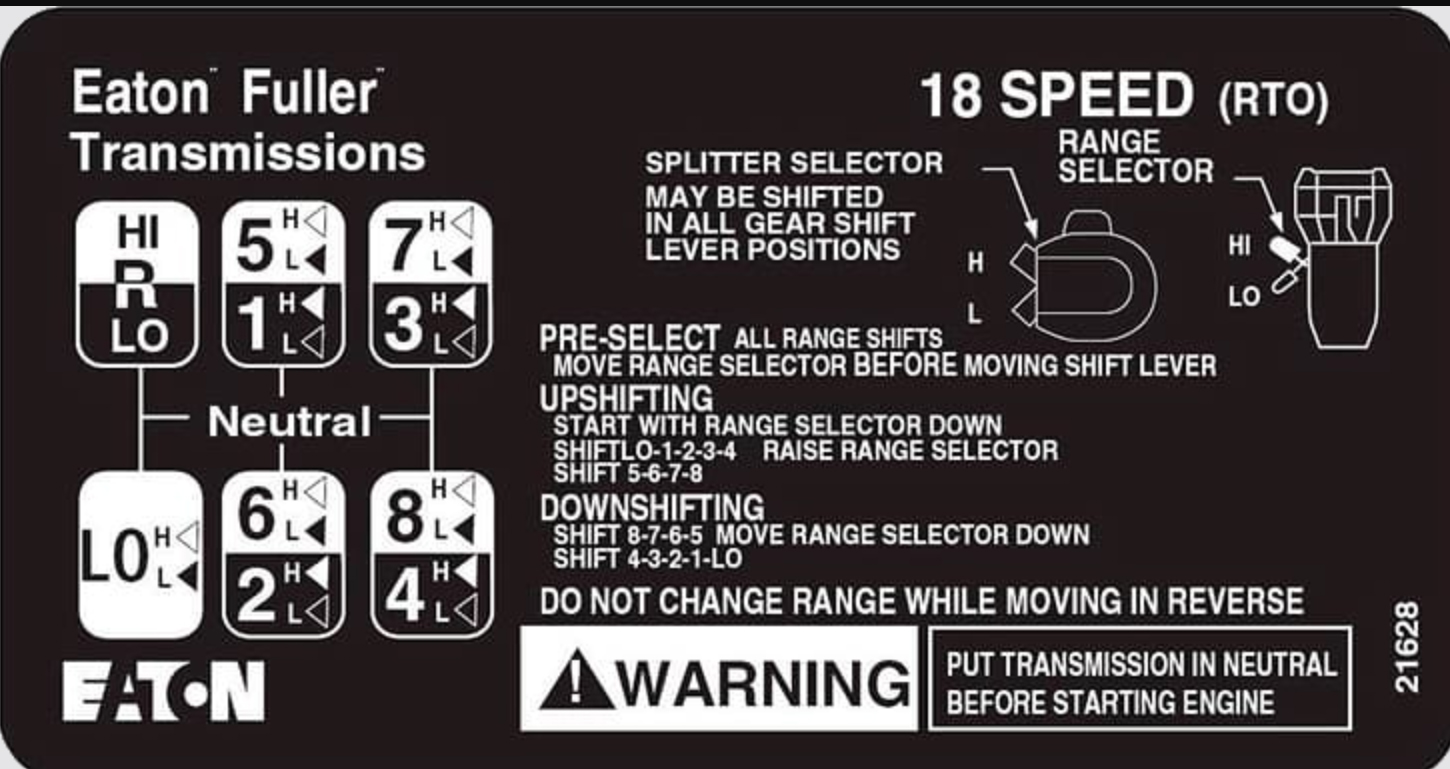
Have no fear! The VNL has an automatic transmission, controlled by a simple wiper-stalk-looking thing, not some big honking B&M shift lever. Theoretically, it’s easier to drive than a six-speed Miata until you have to park it or navigate, say, Boston.

I’m sold! Let’s design this thing.
Maybe We Do A Hybrid Model?
I see no reason to change anything forward of the B pillar on the VNL to make our 24000DL wagon. This is aerodynamically refined European design maximized for efficiency – efficiency for carrying a truckload full of frozen burgers to Costco, but that’s beside the point.

Here you can see an animation between the commercial truck and the 24000DL:

The tall, enclosed cabin will have four traditional doors with roll-down windows like any other wagon that could likely fit in its entirety inside the big Volvo’s interior. Three rows of forward-facing seats would match any big American SUV, but the 24000DL would beat them with head count.
Up front, there are two massive spaces for driver and passenger, but the second row could fit three full captain’s chairs with room for a walkway between two of them to the third row. The third row can accommodate up to four people wide, with storage space below this sculpted bench. Oh, but it gets trickier. There’s so much range on the diesel tanks that we could easily bust the biggest bladder, but with room to move around, we could incorporate a favorite Jason Torchinsky automotive dream: the under-seat toilet. Yes, one of the lift-up seat cushions on the far end of the bench would reveal a cartridge toilet that you could use after closing a privacy curtain around you (the privacy glass should prevent anyone from outside seeing you, at least).

The audio system is loud enough to cover up any noises you don’t want heard, and any smells could be easily expelled out a quarter panel exhaust vent, not unlike what’s on the original 245DL wagons.
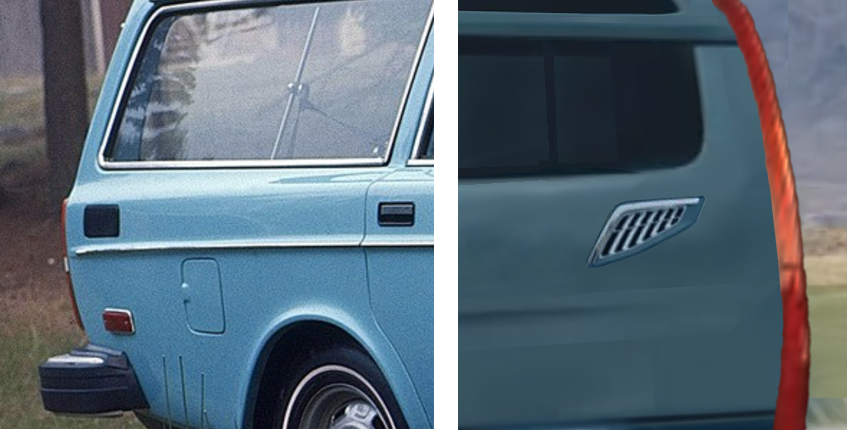
Even with three rows, you have plenty of cargo space behind the electrically actuated hatch, which might articulate to cut down the length when opening.

No, the button to close it would NOT be on the end. Wow, you could nearly transport a four-by-eight sheet of plywood sideways, couldn’t you?
We Have Safety, But At What Price?
You have questions about the 24000DL, I know. The price? The fuel economy? Hey, I thought we couldn’t put a value on kids’ lives in mere dollars and cents. Still, if you need to ask, the standard VNLs go for around $150,000 to $200,000, with specialty ones exceeding $350,000 (likely around where our VNL 24005DL might price out). That’s not bad compared to a Bentley or Rolls Cullinan that a kid in a Bigfoot replica might drive over. VNLs average around 7.0 to 8.5 miles per gallon, which is only a little worse than my 2009 200-Series Land Cruiser. This big Volvo wagon is starting to make a lot of sense.
Laugh all you want. If this absurd trend of bigger-is-safer continues for new 10th-grade drivers, this is the logical conclusion. Don’t say that I didn’t warn you.
Top graphic base image: Volvo




It’s worth noting that the 240s have exemplary handling.
Generally only known to owners and those trying to out drive one.
To sell it in Europe you need to get rid of a seat…
A 10 seater falls in the bus/coach driving license category.
Oh and you’ll also have to find ways to make it under 2.5 metric tons (loaded) otherwise a commercial light truck license will be needed. (along with the bus/coach one)
now if you can also make it under 2m high it would be great. (2m is a category change for toll roads… under that you’re a car, above that you’re not a car anymore and you have to pay like that truck carrying a 20″ container (there’s also a category when you two a trailer and for semi trailers… and in some cases for motorbikes, though for them it’s to pay less than cars) )
Feels like a very specific kind of man that equates “safety” solely with being the biggest/strongest in the room. His username is another piece of the puzzle.
The entire driving world outside our continent seems to have the sense to realize that if bigness is the problem, the answer is NOT more bigness.
Asking a full size SUV to do the job of a Prius sucks almost as much as the inverse. Especially on a teen’s wage.
I hate how plausible you’ve made this look.
Good job?