

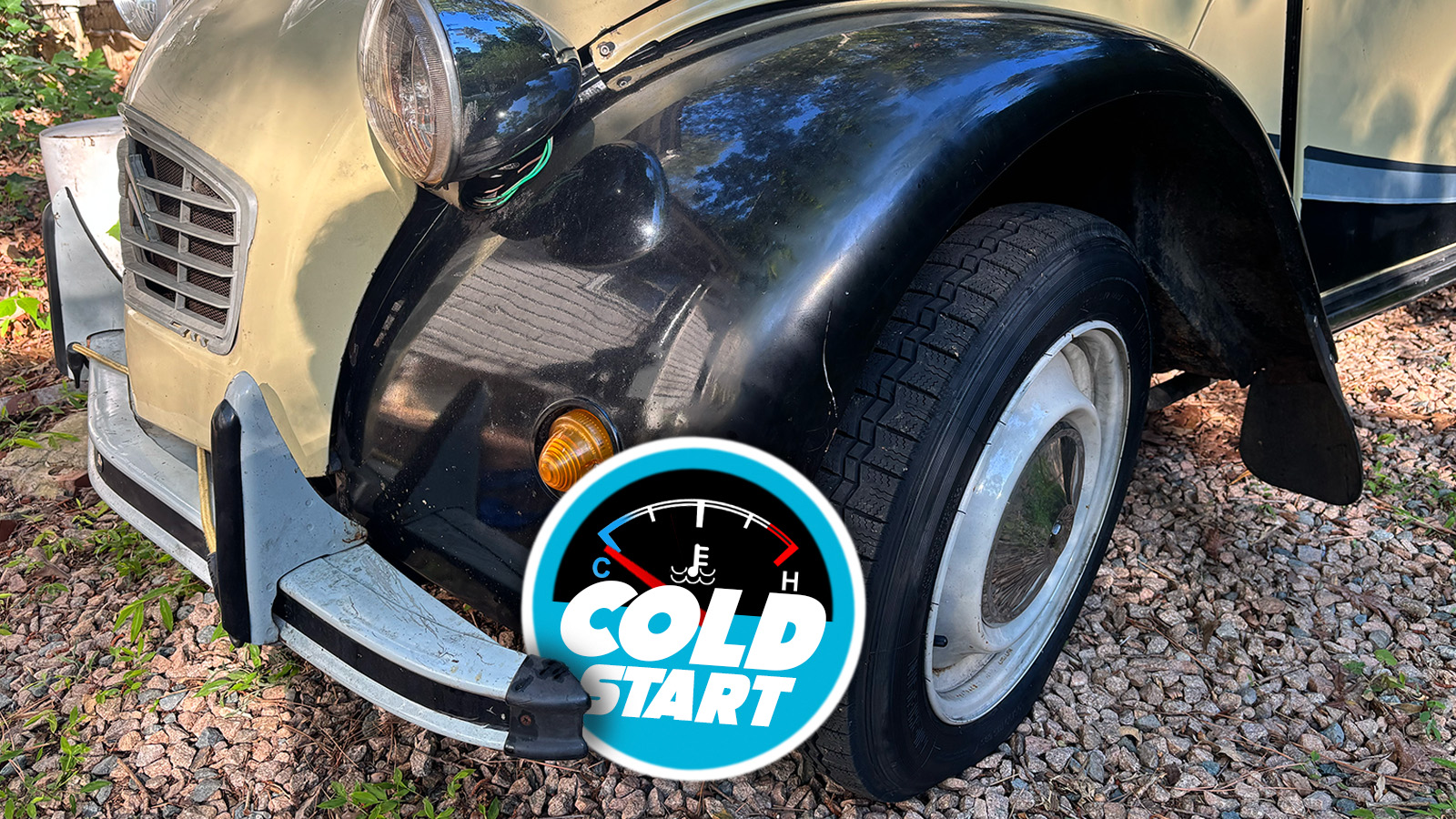
New tires! Who doesn’t like getting a new set of tires? It gives you that same rejuvinated feeling that you get when you, say, get a fresh haircut or a new inguinal hernia support belt. I just got a new set of tires for my Citroën 2CV in anticipation of our 1rd Autopian Members Only Track Day, which you should absolutely come to, if at all possible. Reschedule that surgery! Skip that funeral/wedding/b’nai mitzvah/coronation and head over and join us for some track-time fun!
Anyway, I’ve needed to get some new tires for the 2CV regardless, since the ones on the car may pre-date the birth of my teenage son and are pretty dry-rotted. There’s no way they’d be allowed on a track, and probably shouldn’t be allowed on normal public roads, either. So, I finally got a new set of tires, and the 2CV is somewhat unique among classic cars in that there seems to be an overwhelming consensus about what tires to get: Michelin X tires.


There’s a reason for this, one that has some historical import to the greater automotive world as a whole, and I’ll get into that in a moment. But first, let’s look at how bad my old tires were:
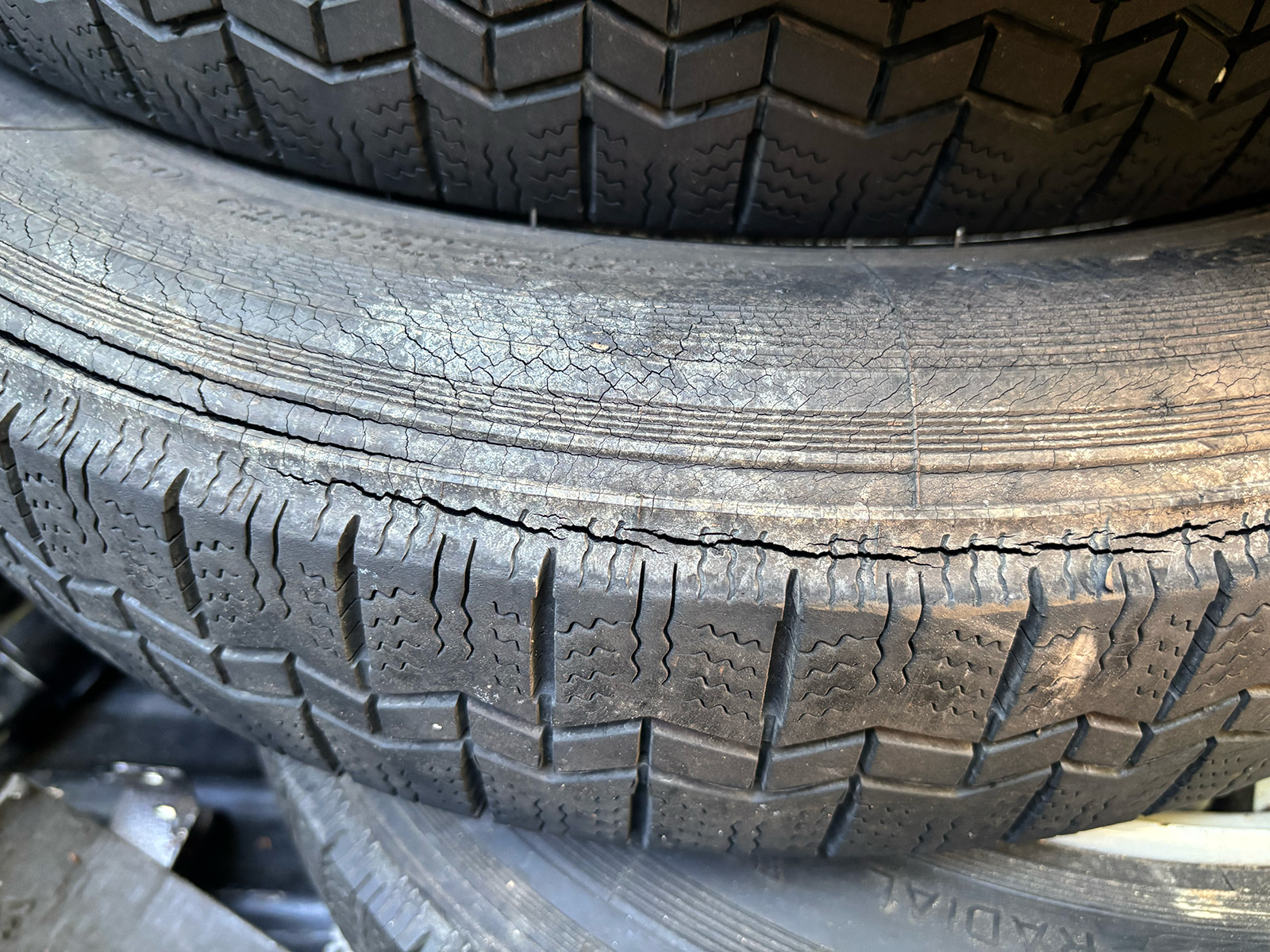
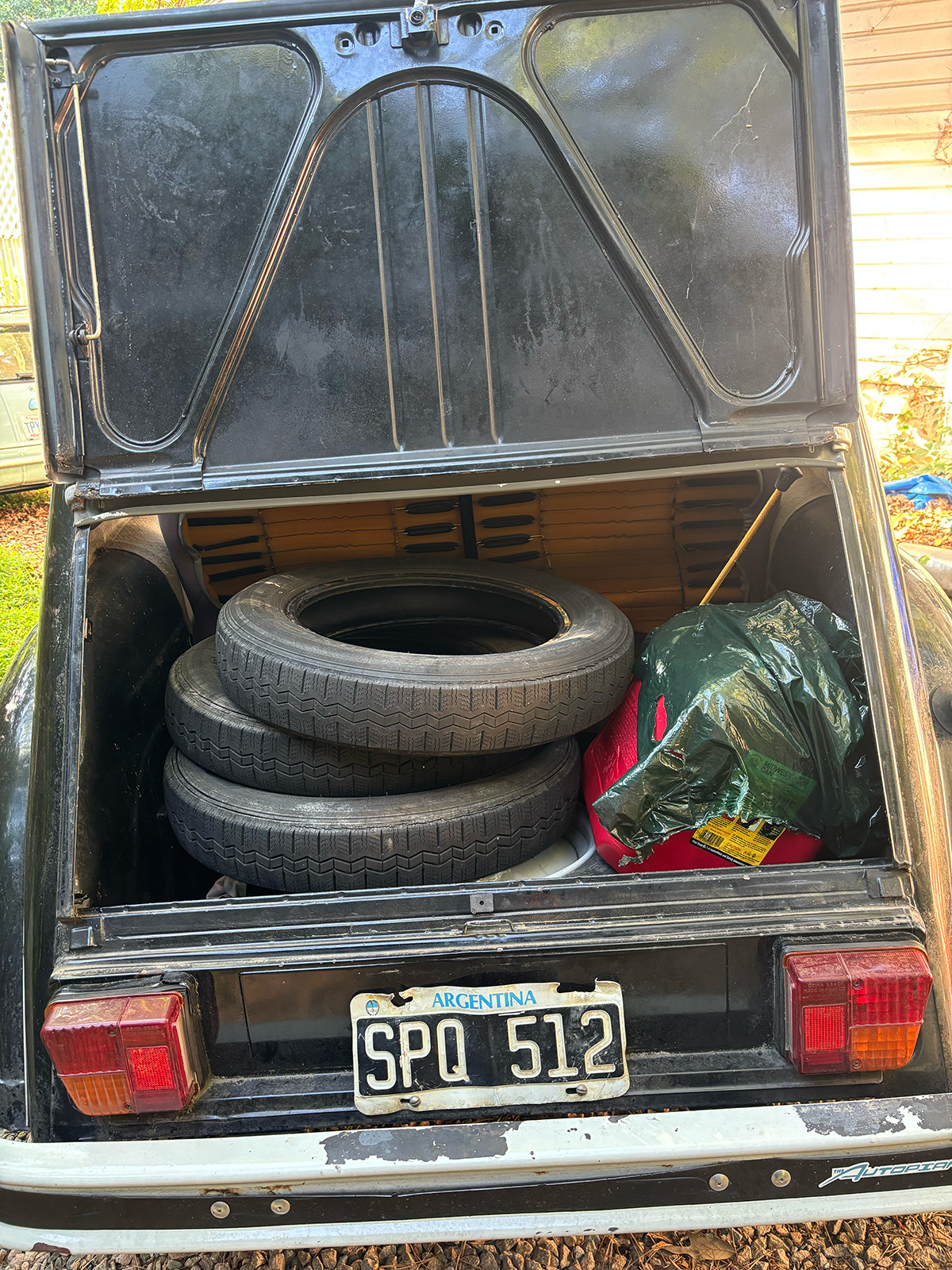
Oy, yeah, those aren’t great. They look like they’re made of iguana skin. The date code says they were from late May, 2009, which means these tires are old enough to drive themselves now, given proper training. Because these skinny-ass tires are sort of hard to find now, I kept the old ones, for some hypothetical emergency/civilization collapse, but I hope I never need to actually use these again.
Okay, let’s take a moment to talk about why these tires are the only ones to get for a 2CV and why they’re such a big deal. The reason has to do with the fact that Michelin actually owned Citroën at the time of the 2CV’s development. Michelin took a controlling interest in Citroën in 1934, after the company put itself in financial jeopardy developing the wildly-advanced Traction Avant. The 2CV project started as the TPV (Toute Petite Voiture) project in 1936, and the Michelin X – the first mass-produced radial tire – was being developed at the same time.
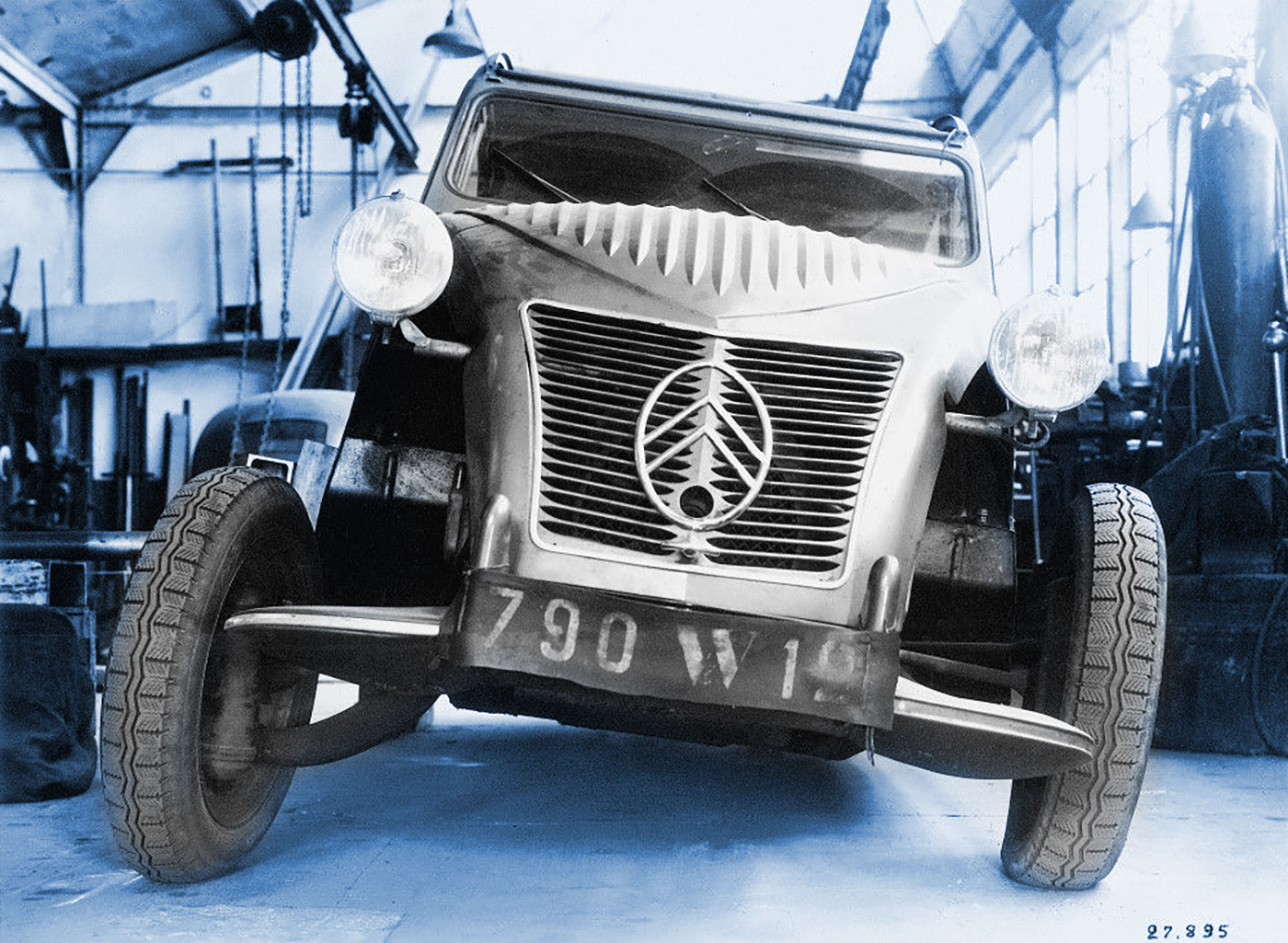
In fact, the 2CV’s suspension design was co-developed with these new radial tires, and that particular tire design should be considered an integral part of the 2CV suspension. The qualities of a radial tire compared to the then-common bias-ply tires all factor into the 2CV’s suspension setup, relying on radial tires’ more flexible sidewalls, less rolling resistance, better heat dissipation, and so on.
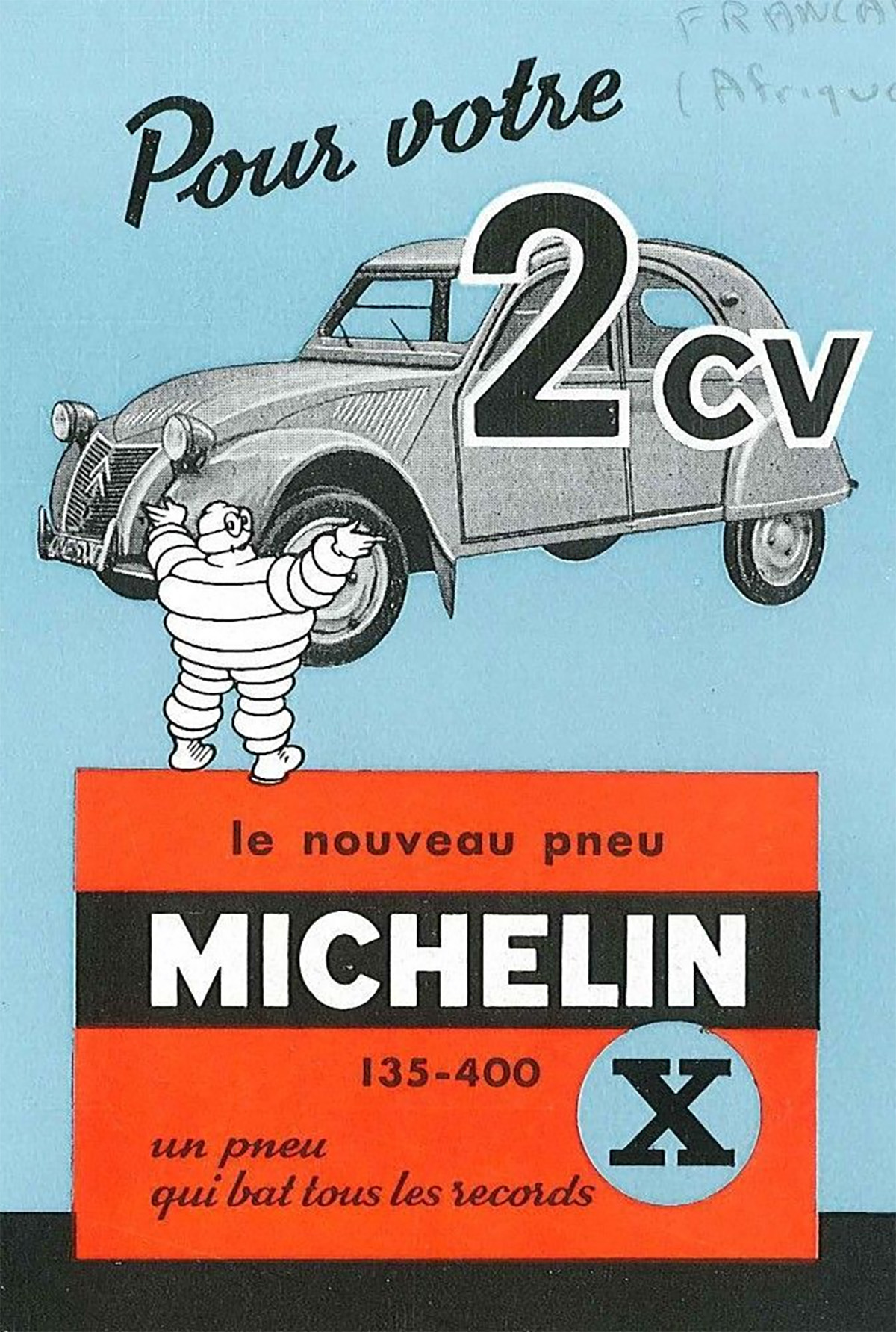
As a result, the 2CV became the first car to be equipped with radial tires as standard when it was officially released in 1948/1949, and within a couple of decades, this would be come the overall standard for the entire automotive industry, continuing to this day. If the 2CV can be said to have a technical influence on the greater automotive world, this is how.
This is why 2CV people are so into Michelin X tires: they were designed specifically for the 2CV. So, that’s what I got, because I’m not here to make trouble. Well, not that kind of trouble.
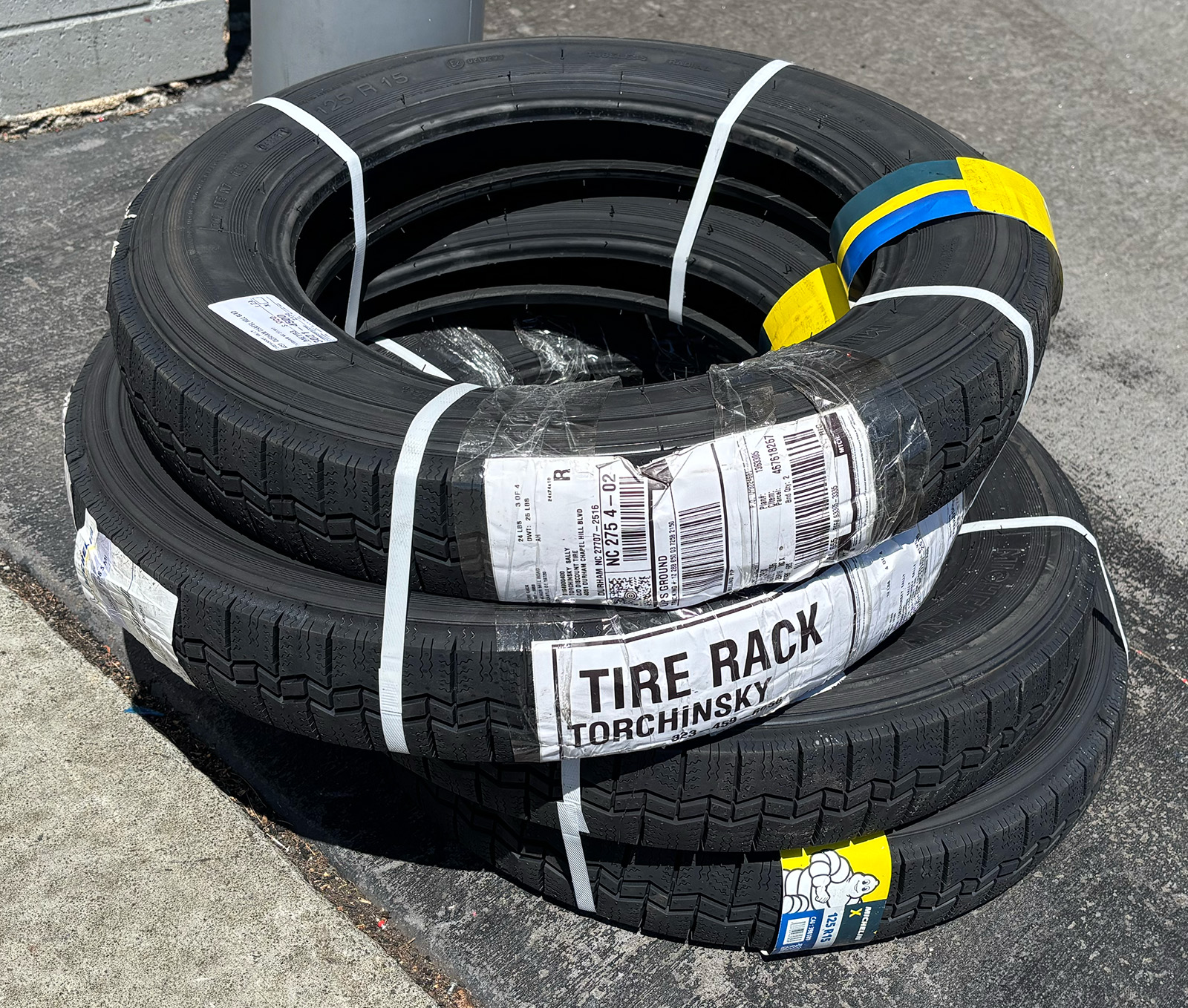
The specific size of tire the 2CV uses is hilariously archaic compared to modern tires, 125R15, making for something that looks more like a motorcycle tire or a large O-ring than a normal tire. A stack of four of the tires I ordered was about two modern tires tall.
Taking a car like an old Citroën to a tire shop is a bit different of an experience than taking a modern, mainstream car, mostly because no one really knows exactly how to interact with it. When they asked for my keys so the service people could drive it into the bay, I told them that if they’d like, I’m happy to drive it in, since it’s all a bit weird. They assured me their techs would have no problem.
That was not the case.
I wanted to get some video of a baffled tech trying to figure out how to start, let alone drive the thing, but they snuck out to the car too quickly for me, and realized that this was not something they were equipped for before even getting in. I saw the tech standing by the car, looking somewhat befuddled, and went over to the car. He was happy to let me drive it in, as nothing is really where you think it should be in a 2CV. I’m sure he’d have been fine once I explained it, but the man has work to do, so he just handed me back the keys.
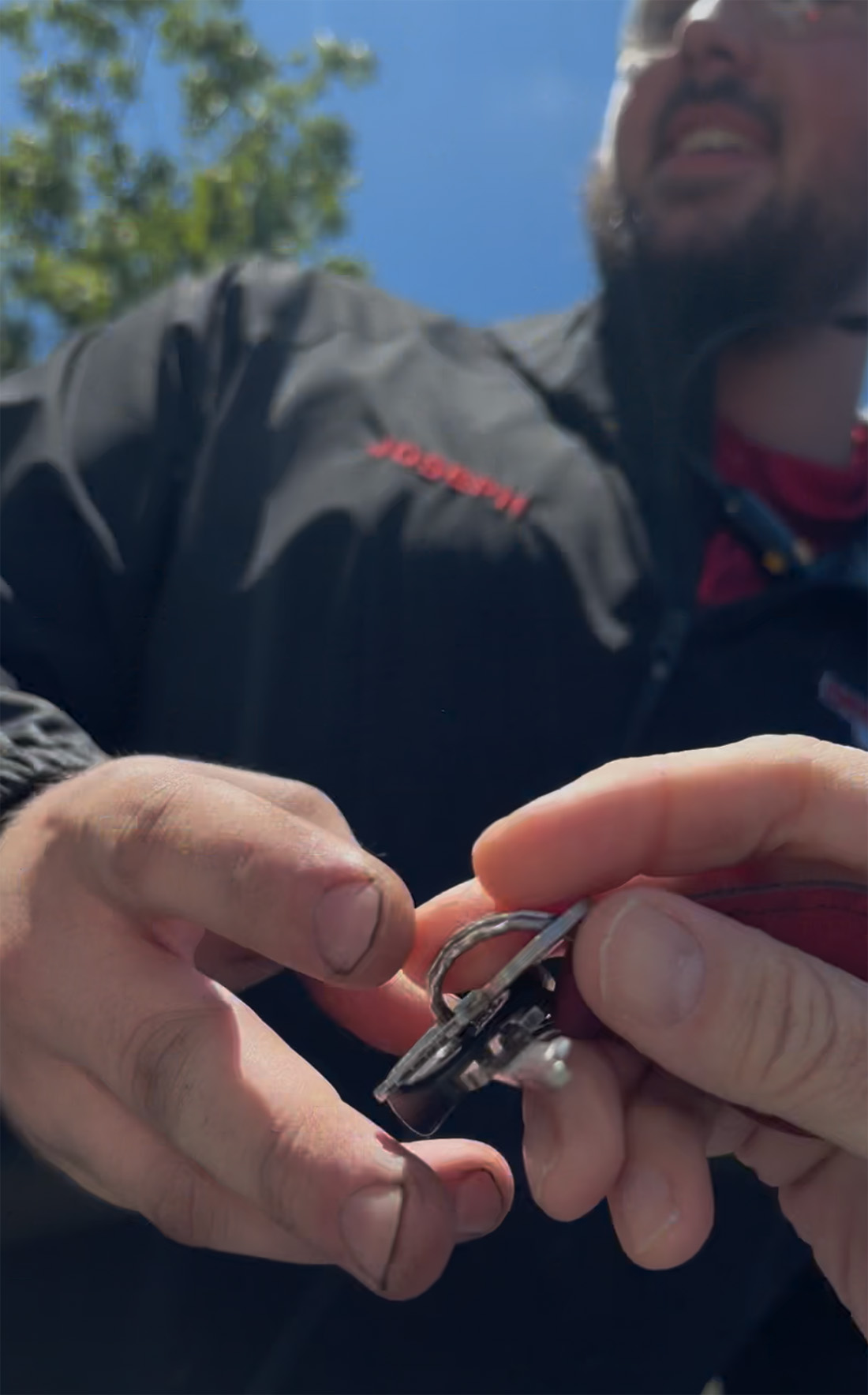
Fine by me!

Once in the bay I was happy to see that they took care to figure out where to best position the floor jacks, and it was fun to see it free of wheels, giving me a decent idea of what it’d look like if it was a hover-car:
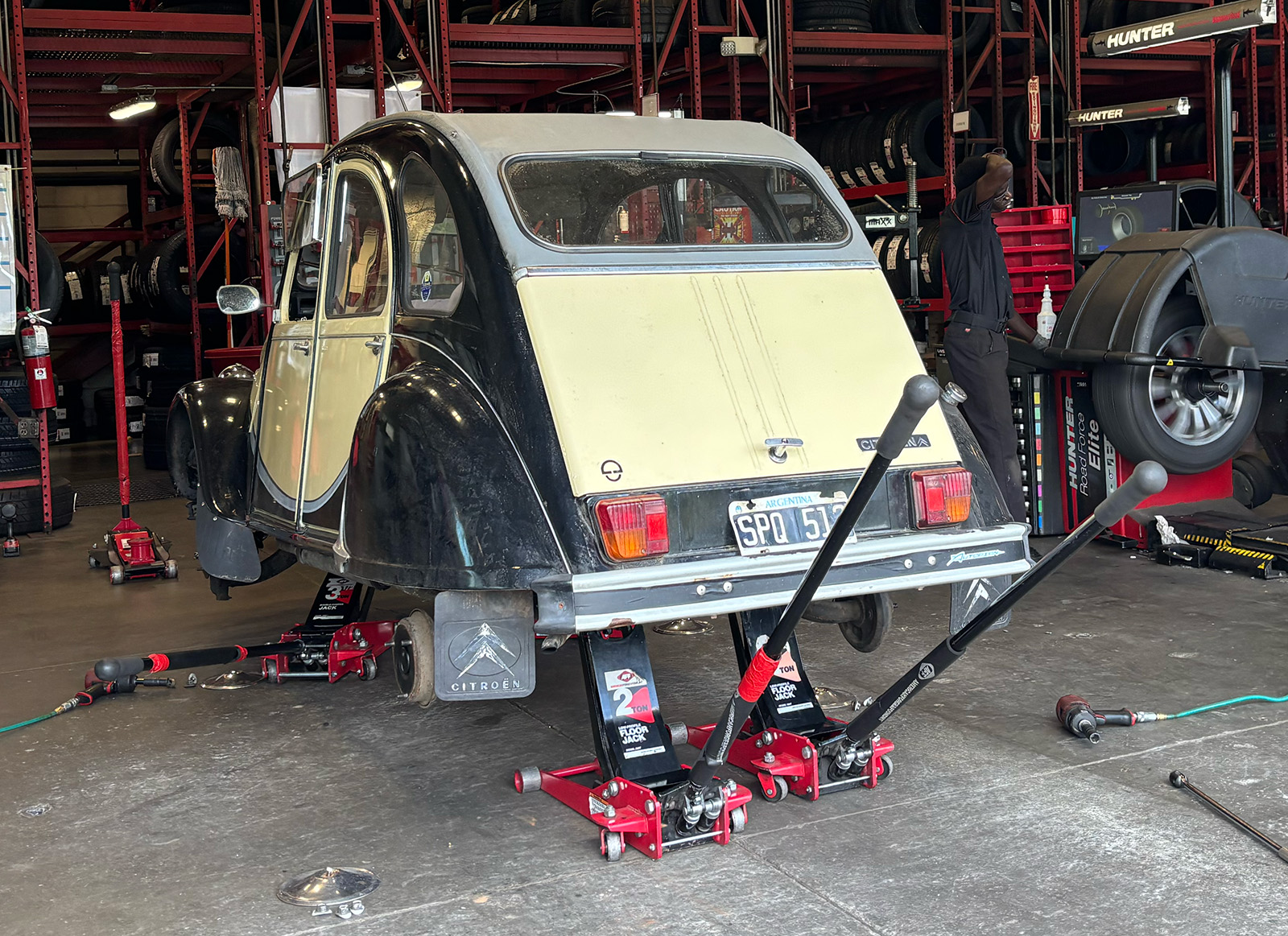
I think it works as a hover-car! The skirted rear fenders definitely help with that.
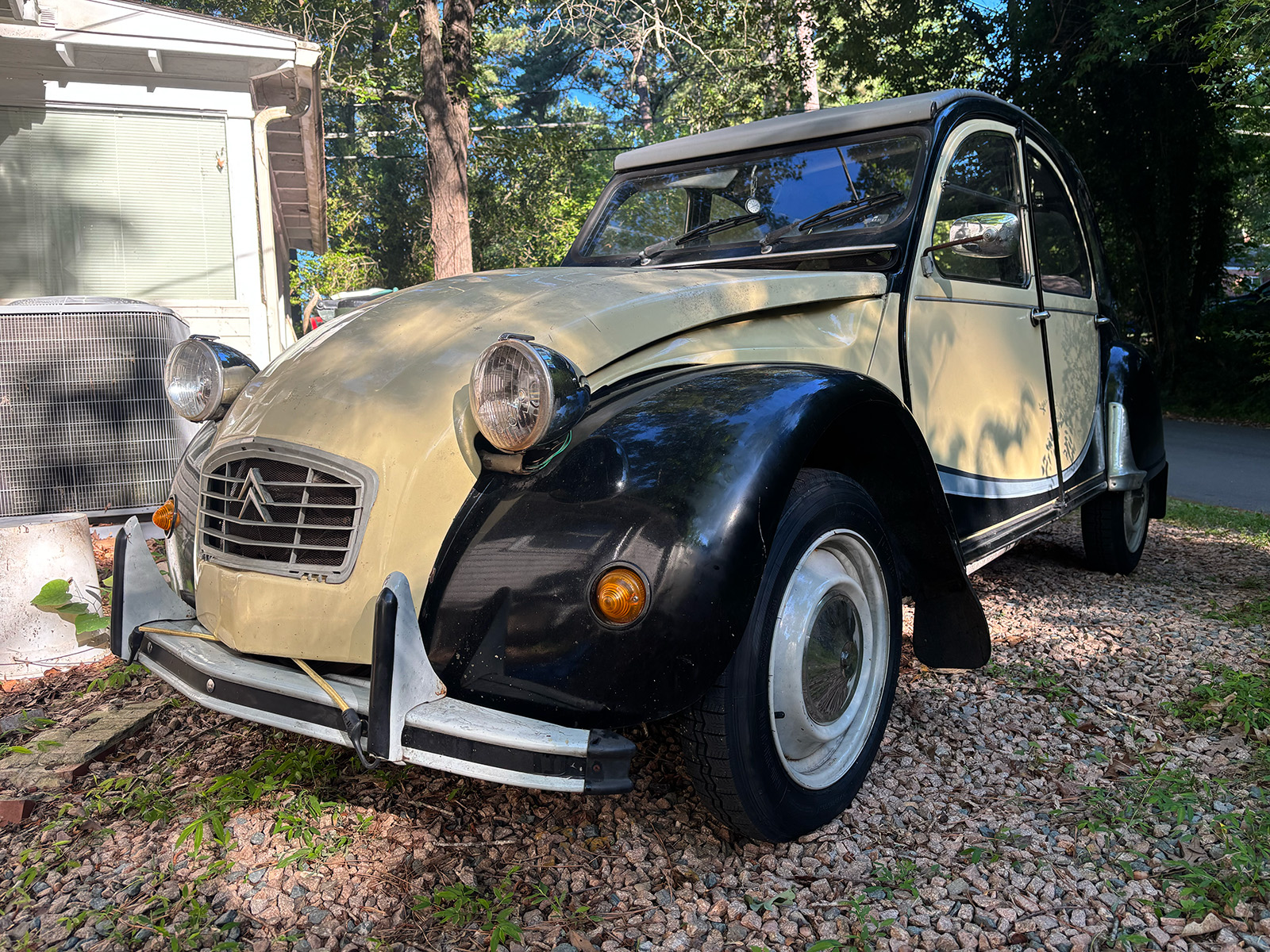
Look at those snazzy new shoes! I’m excited to try them out on the track later this month; really feel those skinny bagels grip the road and flex their sidewalls or whatever they’re going to do.
Anyway, new tires. See, sometimes I make rational decisions! To celebrate, here’s a picture of my cat Neptune calculating if he can grab a piece of sushi from between my chopsticks:

Oh, and that’s an outdoor carpet on a deck. My indoor floors are not that filthy, I promise.




10-year-old me was fascinated by the tread design on the Michelin radials on a neighbor’s DS 21. And goodness, that was 59 years ago.
Henceforth, I will think of you as Jason “Tire Rack” Torchinsky.
Also, what is the preferred pronunciation of “1rd?” I’m thinking “first turd.”
As someone who owned four used Peugeot 404’s during the seventies, I know well the allure of the Michelin X. They were the only tires I would buy, (sometimes used…) and they really were great tires.
I have a 41 Chevy pickup with original artillery wheels. I bought Coker radial tires that look like bias ply. Coker recommends that you install tubes with radial tires if you are using older non-radial wheels. I had a hell of a time finding a tire shop that would do that. Chain stores wouldn’t touch it, even though I showed them that Coker said it was fine. Some local shops said it was illegal. Finally talked to a restoration shop that told me about a local tire place. Great tire shop in an industrial area with a couple classic cars in their bays. Took care of it without any concerns.
I’ve been using that method for years without any problems.
It took me some time too to find a good shop to mount tube tires on my 61 Austin Healey Sprite with wire wheels. The have even been good with driving the car in and out of their shop but are less than enthused about the knock of wheels. They always make me tighten the nuts myself sighting that they are not liabtfor how tight to make them.
Tire shops that deal with ag or aviation customers will do tubes.
I would think that tire rack would know just by looking up which installers they ship robes to.