

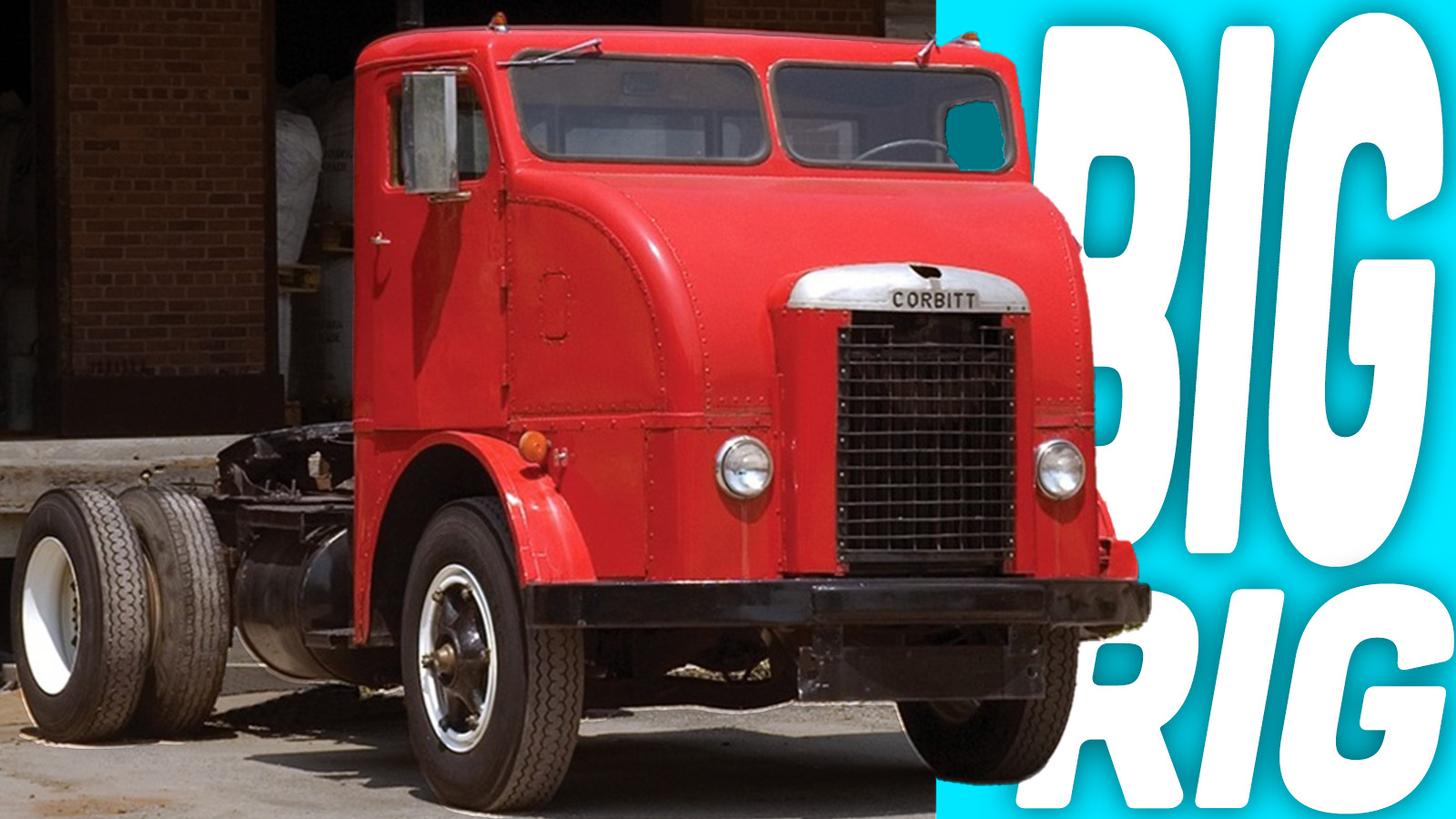
Semi-tractors are some of the tallest vehicles on the highway, towering a touch over 13 feet above the pavement. In the cab, drivers sit so high that they can see over most smaller vehicles. But there’s often one large blind spot, and it’s the trailer being hauled by the tractor. Back in the 1950s, the owner of a trucking company thought he had the solution. What if the semi-tractor was so tall that the driver could see over everything, including their own load? This is the Corbitt D600 series, the truck that tried to beat every other truck on the road in the 1950s by being taller and smaller while offering more cab room, but didn’t quite catch on.
Until 1982, each American state dictated the maximum dimensions for a semi-tractor and trailer. While the states generally agreed that trucks and buses should be no wider than 96 inches, total length limits varied wildly, often ranging between 35 feet and 60 feet. That means that both truck and trailer had to fit within such lengths.


Total weight limits varied nearly as broadly. As the New York Times reported in the 1940s, the state of Texas limited truckers to loads no heavier than 7,000 pounds in an effort to buoy ailing railroads. Farmers were allowed twice that weight if they were delivering produce to a train. Weight limits were a topic of hot debate within the Texas legislature back then because, as the NYT noted, Texas had the lowest weight limits in America by a wide margin. During the same period of time, Ohio allowed trucks up to 60 feet long with up to 72,752 pounds of gross weight.

This was a nightmare for everyone from the top to the bottom. If you were an owner-operator, you had to know what states your rig was legal in and what states you couldn’t drive in. If you operated a fleet, you had to try to find a truck that could operate in as many states as possible. Sometimes, neighboring states had completely different rules.
Since the states couldn’t agree on how long or how heavy a truck could be, much of truck design throughout the 20th century was dedicated to beating the rules. The cabover, a design where the cab and engine are positioned on top of the front axle, ruled the road due to its compact size. Seemingly every year, a truck builder would come out of the woodwork with a rig that was smaller, lighter, or had some sort of novel idea designed to allow an operator to carry a greater load and make more profit.
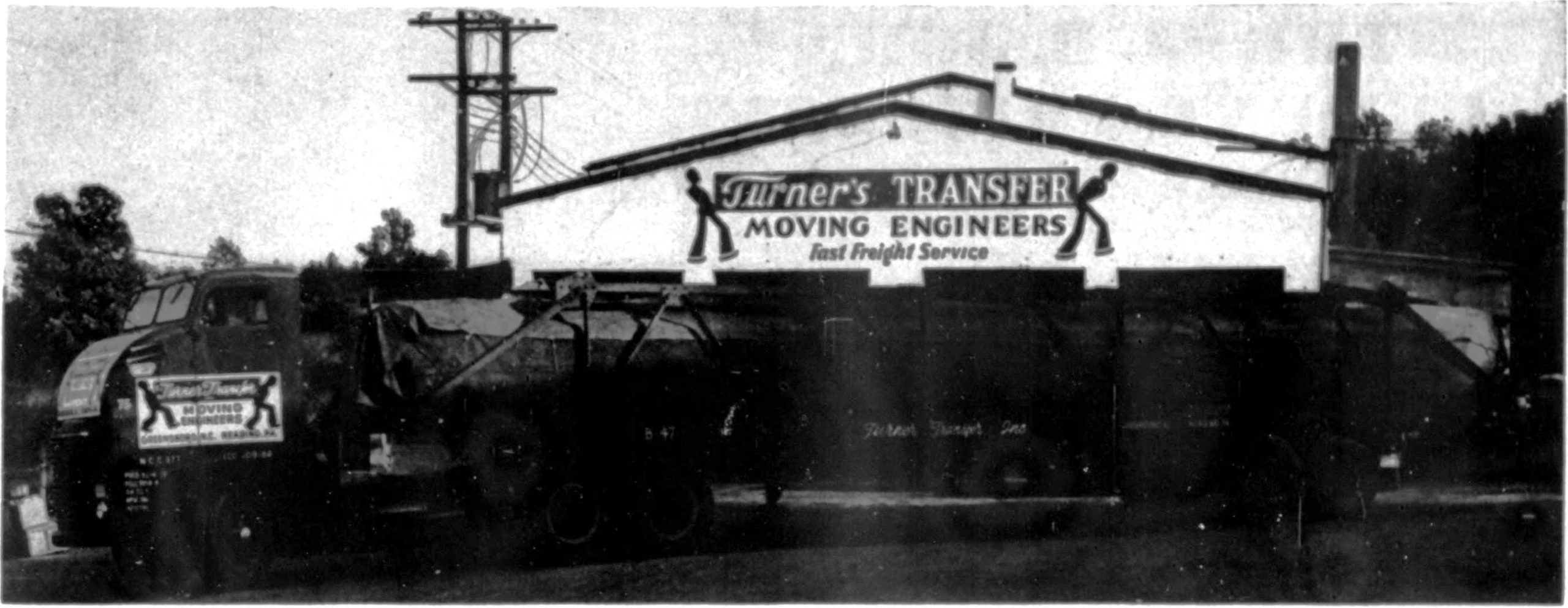
Back in 1950, Guy M. Turner, the owner of Turner Transfer of Greensboro, North Carolina, refused to accept the realities of operating a truck back then. He didn’t like how trucks had poor outward visibility, couldn’t carry a whole crew, and got poor fuel economy. So, he designed what he thought was the truck to rule them all.
Heavy Haul Experts
This story starts with a moving company. In 1924, Guy M. Turner and his brother launched Turner Transfer, Inc., a trucking company with a twist. Instead of moving typical cargo, his trucks would move heavy machinery. If there was a load that was too big for another trucking company to handle, Turner made sure it got to its destination.
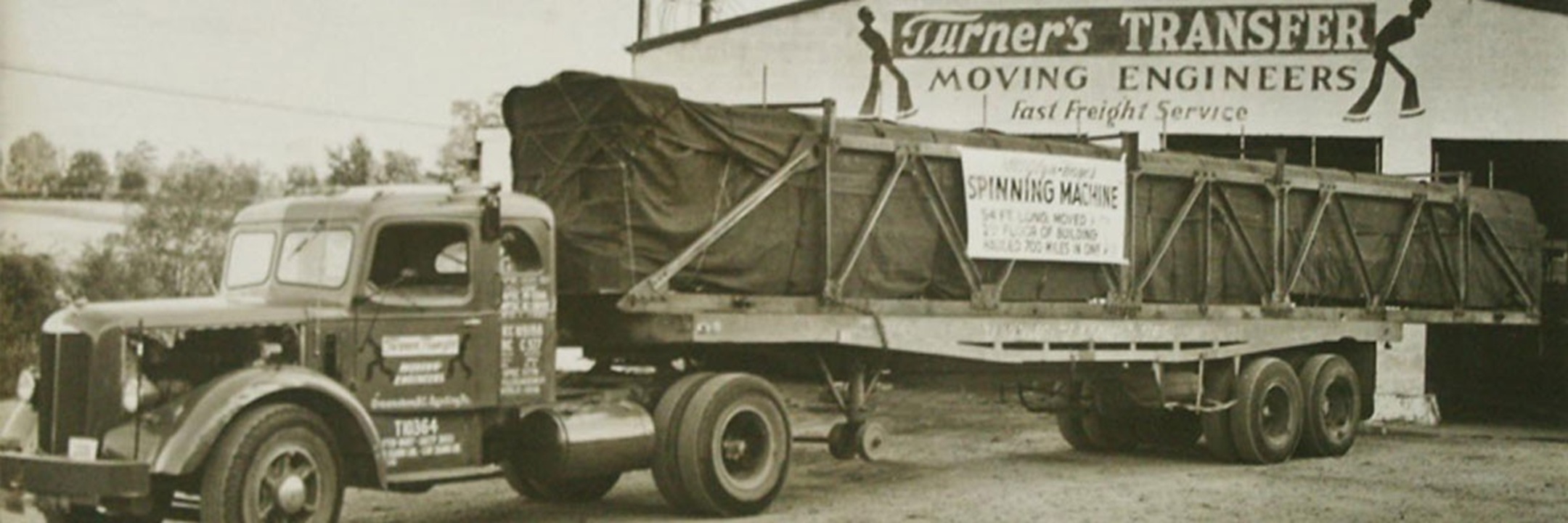
According to the North Carolina Employment Security Commission, Turner Transfer was the oldest interstate operator in North Carolina, and it started as a modest operation with a fleet valued at $10,000 to $12,000 ($193,035 to $231,643 in 2026, respectively). However, Turner’s specialty was in engineering ways to get large pieces of equipment down the road. Over time, Turner Transfer would become one of the first names in heavy equipment moving, with operations in 31 states, Canada, and Mexico.
One of Turner’s specialties was the moving of 30-section hosiery-knitting machines that stretch 54 feet long and weigh 21 tons. But that’s not all, as Turner had also hauled dryer and mixer rotary tanks, a 14-ton tie-knitting machine, cranes, and even an entire Douglas DC-3.
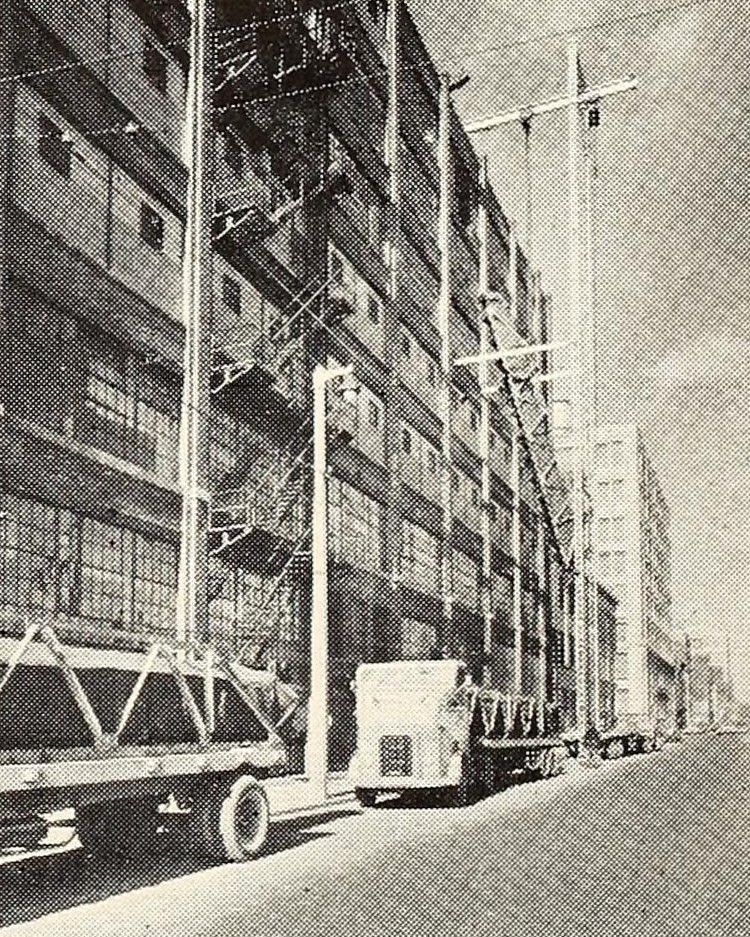
During World War II, Turner Transfer aided the Allies by hauling heavy supplies. After the war, Turner Transfer helped to ship textile machines to Europe.
Turner’s company got so good at hauling big things that he had customers from all over the world who needed something gotten from one place to another. Business was booming so hard that, in 1949, Turner bought a Cessna 195 and hired a Navy pilot to fly it. That year, he flew for some 500 hours over 80,000 miles visiting clients all over. Turner used the plane to rush riggers to jobs, to fly replacement parts to broken trucks, and to fly between company offices.
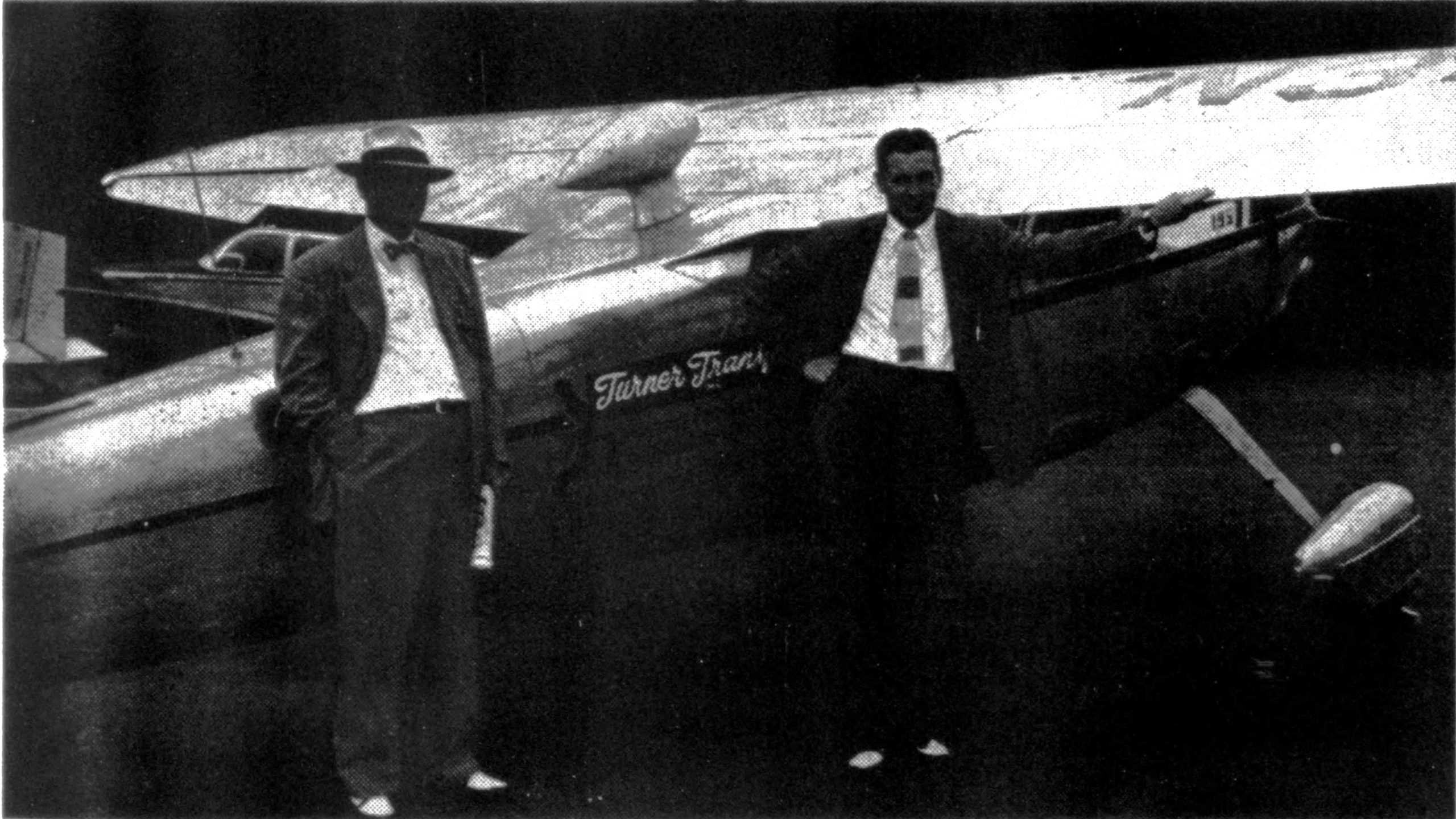
In 1984, Turner Transfer was purchased by its current owner, Jimmy Clark, who operates the company under the name of Guy M. Turner, Inc., and continues to move heavy goods.
While Turner was best-known for his company, he also made a mark on trucking history by trying to create the ultimate truck.
Turner’s Dream
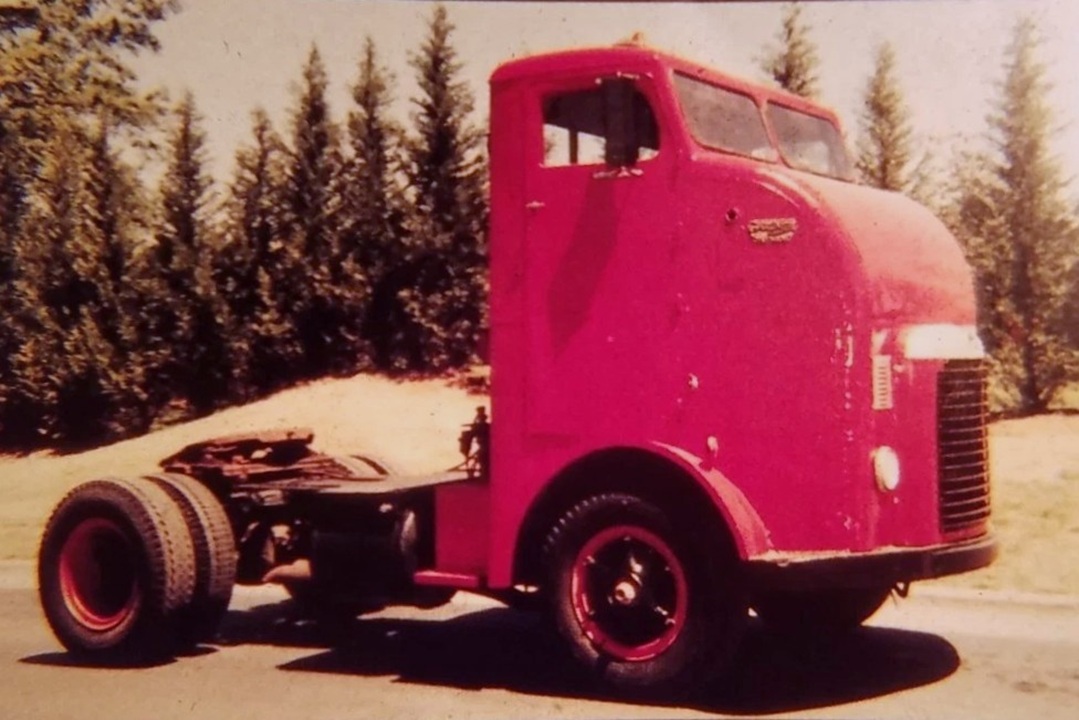
According to the Corbitt Preservation Association, in 1950, Turner came into work one morning with an idea that had come entirely out of left field. In the night before, he had a dream, and in that dream, he had a vision for the perfect truck.
Turner then detailed exactly what he saw in this perfect truck. This rig would be able to beat length restrictions by being able to haul a 40-foot to 45-foot load. The cab would be large enough to seat a whole four- or five-man heavy machinery moving crew. The engine would beat the abysmal fuel economy standards of the era, when trucks often got 5 mpg or worse, by being a diesel. Unlike other cabovers, the truck would also be easy to service. Then, there was the pièce de resistance.
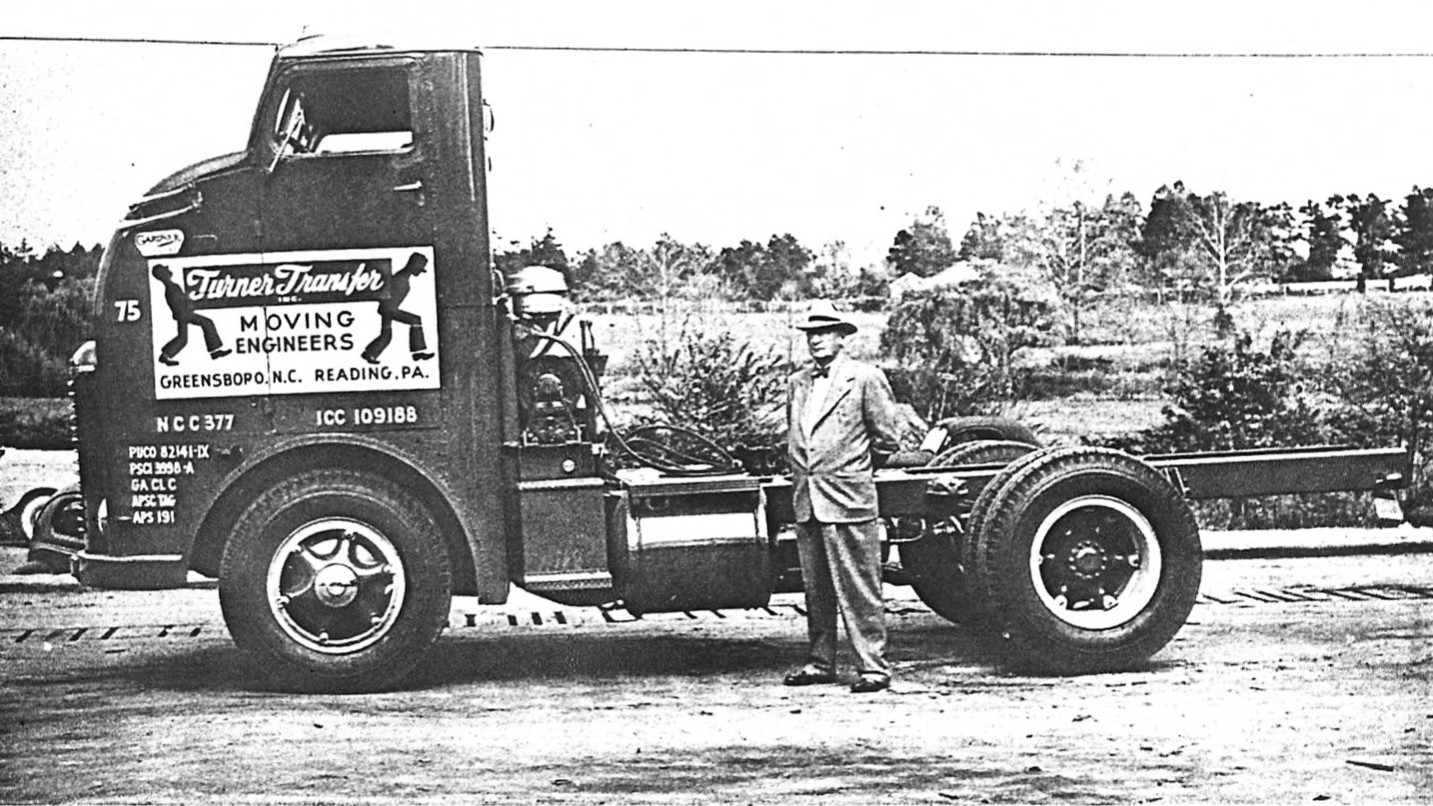
One of Turner’s complaints about trucks from the 1940s was that they were just too short. While drivers could see most traffic ahead of them, the trailer and load were massive blind spots that they could not see over or around. Turner also believed that existing truck cabs were so short that the vision of drivers was obscured in fog and blinded by the headlights of oncoming cars.
Turner’s solution was a bit silly. He would pen a shockingly vertical cab where the driver seat was so high that the driver’s eyes would be 10 feet above the pavement. Notably, this put the driver’s eyes about two to three feet higher than other cabs from the era. Since trucks and their loads tended to be shorter back then, this meant that the driver of Turner’s truck would have an unimpeded 360-degree view of their surroundings. They’d be able to see ahead of them, down the sides of the trailer, and be able to look behind the trailer just by looking out of the back window.
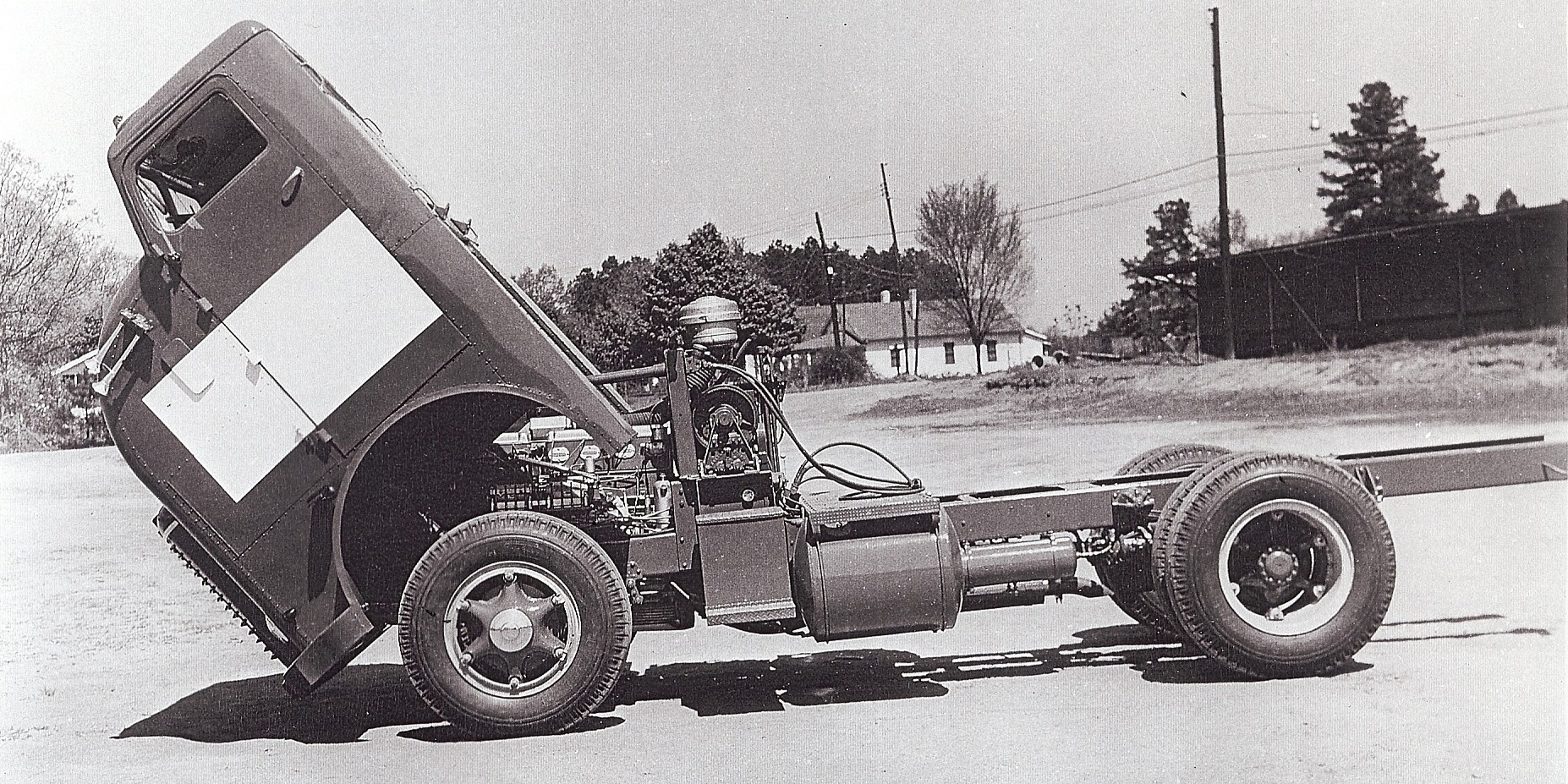
To facilitate easy engine servicing, the cab would open 45 degrees using a hydraulic ram. Then there was the engine. Apparently, Turner couldn’t find an engine in America that got satisfactory fuel economy, so he started looking overseas and found a diesel in England that fit the bill.
Now, it just had to be built, and since Turner Transfer was not a truck manufacturer, Turner had to find a company willing to build his dream. That company was the Corbitt Motor Truck Co. of Henderson, North Carolina.
A Brief History Of Corbitt
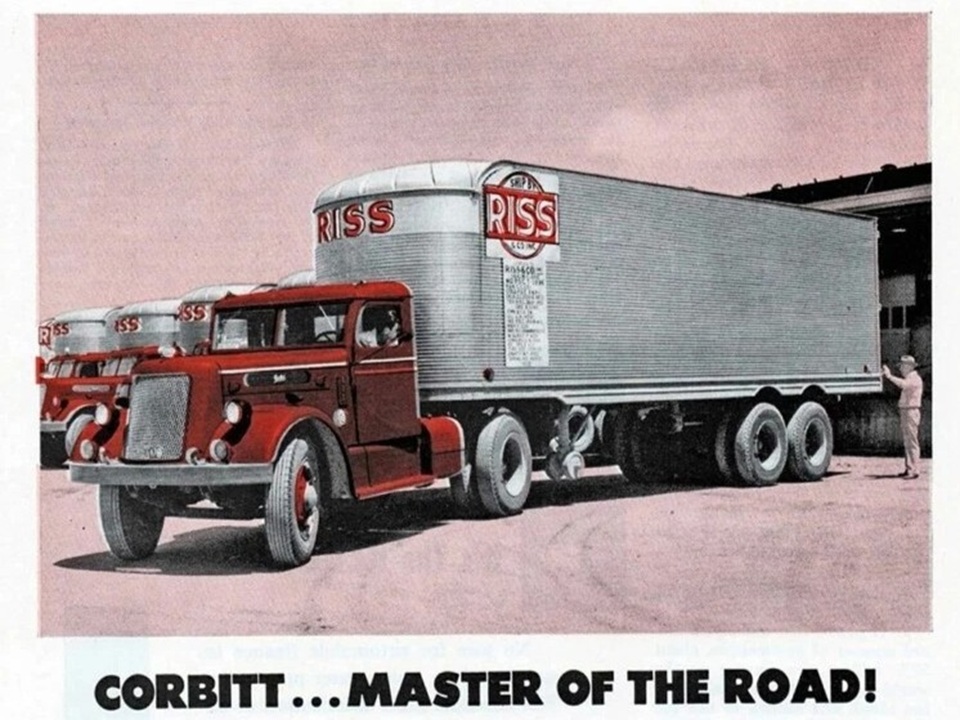
The Corbitt Preservation Association tells the company’s story:
After an apprenticeship in the tobacco business under J.P. Taylor of Henderson, Richard J. Corbitt became a buyer and seller of leaf tobacco, representing Taylor in his birthplace of Enfield, NC and in Henderson, where he settled permanently in 1894. The following year he went into business on his own. Corbitt foresaw the big companies dominating the tobacco industry, so in 1899 he decided to enter the buggy manufacturing business. In 1899, there were four buggy builders in Henderson; eight years later, Corbitt had bought all three of his competitors.
In 1905, Corbitt built his first automobile, which he called a “motor buggy”. Automobiles went into full production in 1907. He imported laborers from Detroit so he would have workers knowledgeable about automobiles. But this only added to his costs, and he was losing money on every car he sold. In 1910 Corbitt built his first truck and the profit picture began to change. In 1913, he decided to forget automobiles and become a full-time truck builder. For most of the next 40 years, the company made money, building trucks and trailers. The trailers included vans, drop-frame vans, and flatbeds up to 36’ in length. Most of the large motor carriers of the Carolinas came to be Corbitt customers. In 1917 the company built North Carolina’s first school buses. In 1917-18, it supplied trucks to the US Army and Navy. It started building 4x4s and 6x6s for the Army in the early to mid-1930s In 1934 Corbitt bought obsolete automobile sheet metal from the Auburn Motors Company and used it for the front ends of its lightest trucks, those in the 11-13,000 pound gross vehicle weight category. Many people considered this a very handsome truck. It was sold for two or three years; only one is known to have survived.
From 1939-1945 Corbitt designed and built over 3,200 50SD6 6-ton, 6×6 prime movers for the US Army. These trucks were equipped with either the 779 or the 855 cubic-inch Hercules 6-cylinder gasoline engine. They were used in every theater of operation during World War II. Corbitt lacked production capacity for all the trucks needed, so White, Brockway, Ward LaFrance, and FWD all built the same or very similar trucks. Altogether, over 10,000 of these trucks were built by the five manufacturers. One reason for Corbitt’s success with the military was that the small company was flexible and able to do quick modifications. The Army demanded an all-steel cab, so Corbitt discontinued the wooden frame from the 30s and built nothing but all-steel cabs from then on.

After the war, Corbitt built two T-33 prototypes for the U.S. Army. The massive 8×8 rig was 10.9 feet tall, 9.5 feet wide, weighed 25 tons, and wore quarter-inch-thick armor plating. A 450 HP rear-mounted radial engine provided drive power.
Corbitt remained popular in postwar America, managing to sell 600 trucks in 1946 and even being the truck manufacturer chosen to drag the Howard Hughes Hercules from Hughes Aircraft at Culver City, California, to Long Beach, 28 miles away. Reportedly, the stunt became the largest bulk load ever pulled over the highway at the time.
Then came Mr. Turner with his bold idea, and Corbitt was happy to oblige. In 1951, the first Corbitt D600 series truck rolled out of the shop, and trucking periodicals went wild.
The Skyscraper Truck
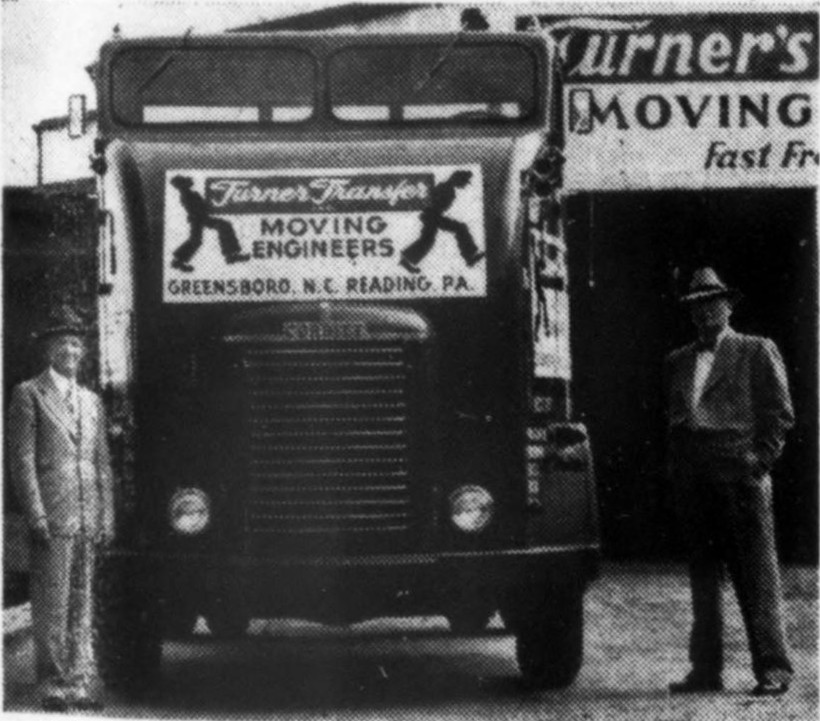
As Commercial Car Journal wrote that year, there were many features of the Corbitt truck that were weird for the day. Corbitt successfully made the cab as tall as Turner demanded, but also made the cab so wide that it could sit up to five men in something resembling comfort. Typical trucks might have fit three men on a good day. In addition to the girthy cab, the driver seat, which was independent of the large passenger bench, was to the farthest left position, a design decision that Turner touted as giving the driver the visibility they’d need to navigate tight traffic. Yet, as CCJ noted, the cab width was still within legal limits.
Amazingly, despite the cab’s short 94-inch bumper-to-back-of-cab (BBC) length, it was big enough to have two beds. The first bed was slightly ahead of the seating area, in a sleeper positioned under the hood. The second bed was the passenger bench. Due to image rights restrictions, I could not upload an interior image, but you can click here to see it. Click here to see what the truck’s internal structure looks like.
The final quirk with the cab was that it tilted open using a hydraulic system for easy engine maintenance.
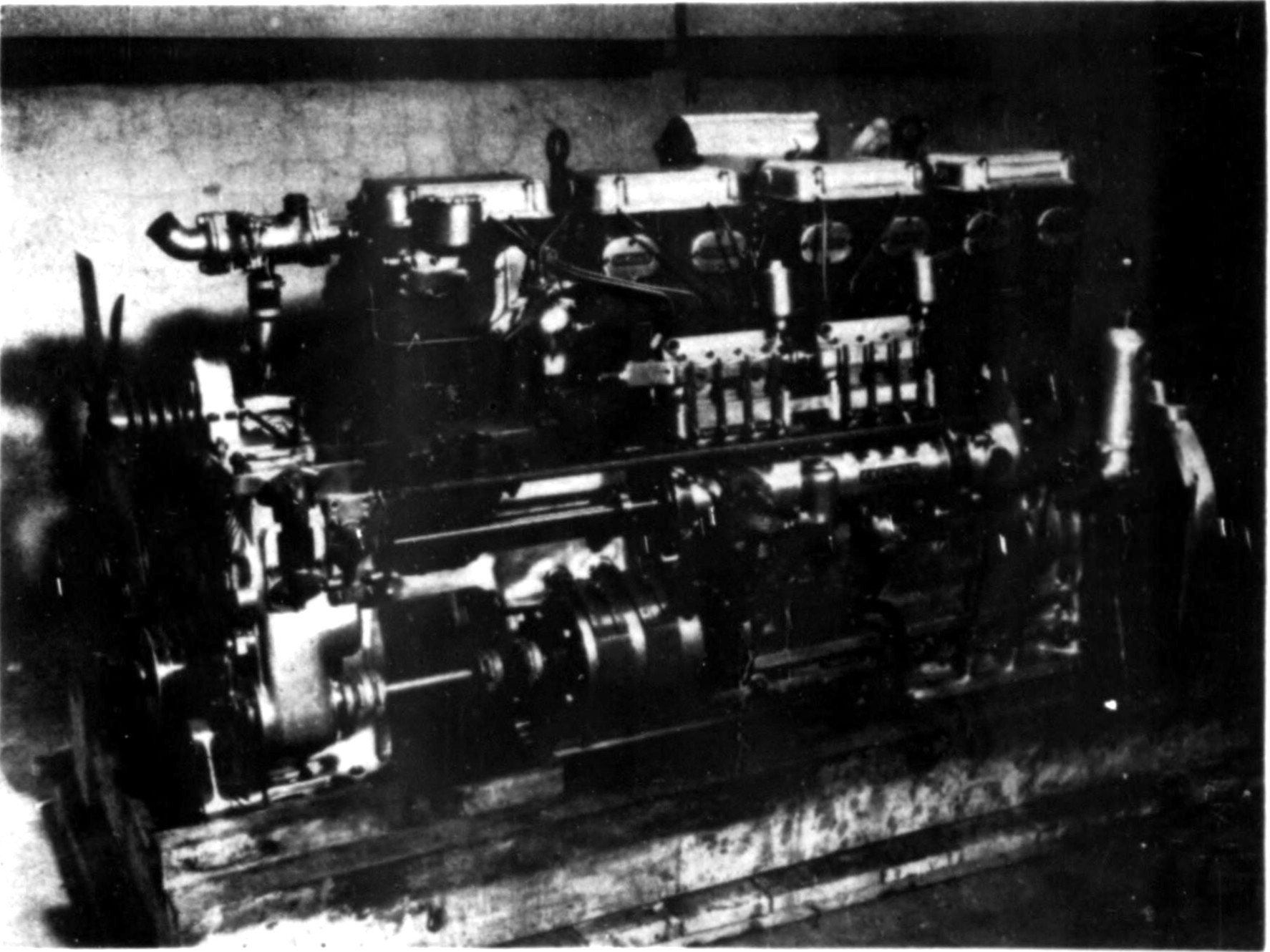
That engine came from Gardner of England, and it was a 680 cubic-inch straight-eight diesel with an aluminum crankcase and 175 HP on tap. Period reports said that the engine itself weighed 1,850 pounds. The truck’s engine bay was designed with a ventilation shaft, which had the effect of channeling engine heat away from the engine. Further limiting heat was an oil cooler. In terms of service life, Gardner quoted oil changes every 4,000 to 6,000 miles and 140,000 to 200,000 miles between overhauls.
Transmission choices and speeds were not documented in period reporting, but it’s said that the trucks were built in 6×2 and 4×2 drive configurations, with the rearmost axle being of Turner’s own design.

Not long after the first truck was built, Turner Transfer was impressed enough to order nine more units. The last was finished in 1953. The early D600s had the specific model name of D603T29.
As Diesel Power and Diesel Transportation wrote in 1951, one benefit of the Corbitt D600’s design was its use of air for the truck’s throttle and clutch. This allowed flexibility in where the engine could be mounted. In 1952, Diesel Progress wrote that the first Corbitt D600 was put to work, hauling loads at gross weights ranging from 52,000 pounds to 72,000 pounds all over the United States and Canada. Some rigs were 63 feet, including some overhang from the hauled equipment.

On the road, the trucks did a lot of what Turner expected. On most loads, the drivers really could see over their own trailers, and the cabs were spacious enough for five men. Apparently, the truck was also tall enough to help get the driver’s head above low-hanging fog. The engines returned an impressive 8.8 mpg on regular hauls, and that fuel economy figure includes three hours of idling while the truck was loaded and unloaded. The engine also featured valves that cut fuel off from individual cylinders to improve fuel economy.
Apparently, the public loved the trucks, too. In one anecdote, a Mississippi state trooper pulled over a Turner Corbitt truck just so he could get a good look at the thing. Allegedly, the trooper joked with the driver, asking him if a pilot’s license was necessary to drive the truck.
It Had Some Quirks

But, as the Corbitt Preservation Association says, the highly vertical design also had its drawbacks. The heater core was above the radiator, and getting hot water up there was difficult, leading to poor cab heating. The towering cabover design was also reportedly terrible for ride comfort, with one driver calling it “kidney-pounding.” While the Gardner engine had a power output that was similar to an American naturally aspirated diesel, it was noted to be a slow mill.
Still, the trucks fascinated many, and it earned nicknames like “Highboy” and “Tall Boy.”
Turner and Corbitt responded to complaints with upgrades. Some D600 trucks were built with cabs sitting 18 inches shorter than the early ones, or at least still slightly higher than a typical tractor of the day. Some trucks also came with Cummins diesels, direct accelerators, and Mack transmissions for a more familiar driving feel. Reportedly, at some point in later trucks, the hydraulic cab lifting system was removed, and the cab became static, which meant that service was achieved either through maintenance hatches or through partial disassembly of the cab floor.
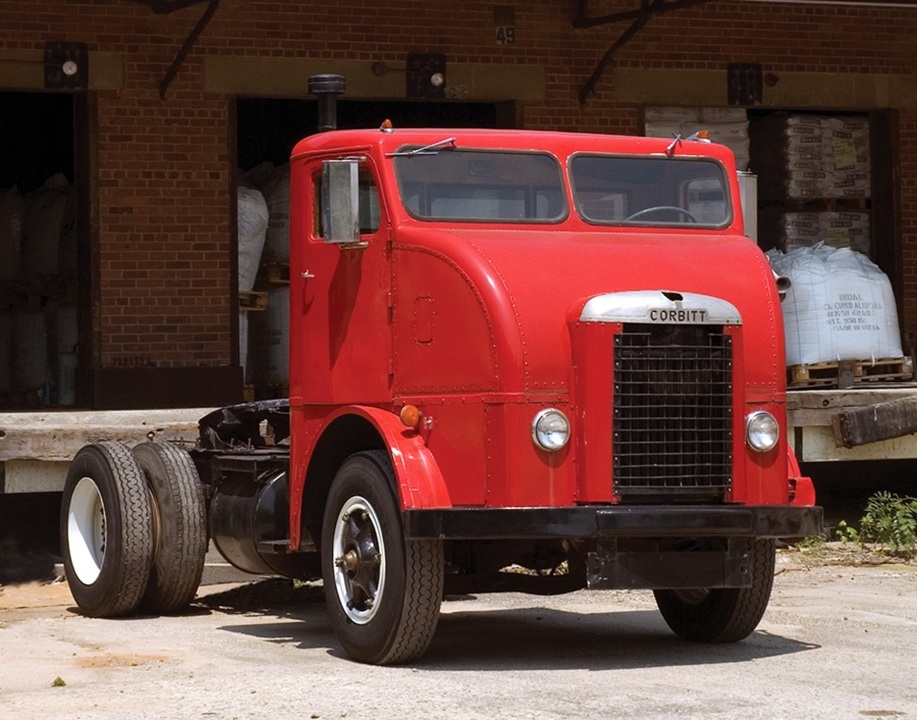
Turner would lose its production partner not long after the last D600 was completed. In 1952, Richard Corbitt was 80 years old (one report says he was 70 years old), and his health was declining. Reportedly, Corbitt planned for his son to take over the business, but that didn’t happen as his son passed. Corbitt couldn’t find a successor, and so late that year, Corbitt sold the business to the United Industrial Syndicate of New York City, a liquidation company. Corbitt Motor Company closed its doors in 1954. The very last Corbitt-style trucks were built by the Oren Roanoke Corporation of Roanoke, Virginia, until 1963. Since 2003, the Corbitt name has been owned by the Corbitt Preservation Association.
Not Entirely A Dead End
Ultimately, only ten of the D600s were built as Turner would move on to other platforms. Amazingly, it’s believed that a handful of these trucks have survived to the modern day. One of them even came up for auction in 2014. Here’s a video of one running (click here if you don’t see the embed):
While the Corbitt D600 was a dead-end, and one that perhaps not too many people even knew about in the 1950s, the concept behind it never really died. Today’s semis are a bit taller than the ones from the 1940s and the early 1950s. Cabovers are now a minority as the conventional now rules the road. Meanwhile, between sleepers and trailers, a lot of drivers can’t just crank their heads back to see behind them. Instead, the trucks of today rely on gigantic mirrors, sensors, and sometimes cameras to aid in visibility and safety. So, Turner’s dream of visibility is still around; it just went in a different direction.
But for a brief moment in the early 1950s, Turner achieved his dream of building his ultimate truck. Not many people can say they’ve been able to come up with a new vehicle and actually have it built, but Turner did just that. So even if they were so imperfect that they had to be cut down 18 inches, I respect that it even happened in the first place.
If you happen to know where an original Corbitt is, I would love to speak with its owner! I have to know more about these rigs. I’d love to drive one, too! If you have more details, email me at mercedes@theautopian.com.
Top photo: Smith Auction





The AEC Matador (one of my favourite trucks of all time) used Gardner engines as well. There was also an armoured version of it, with a *giant freakin’ flamethrower on the roof* called the Cockatrice that was used for runway defence during ww2. Presumably for incinerating German paratroopers, were they rude enough to have attempted invading Blighty.
>pioneers absurdly tall trucks with lots of passenger space
>macho advertising showing improbably enormous cargo being hauled up a mountain
Honestly, sounds like the man invented the modern pickup truck decades early.
Good evening everyone. I am the archivist for the Corbitt Preservation Association in Henderson NC where these Corbitt were built. 10 of the Tall Boys D600 were built. Only 1 survives that we know of and one cut down version survives as well. These were very unique trucks. The Tall Boy had an air operated throttle and air operated clutch and air brakes. With out air you were not going to go anywhere. They were 12’6” tall. As for the ladder to get in that was another task. You have to kinda jump on the back using a handle and swing around to the door to get in. It is a task. Ask me how I know, I’ve been in this truck many times. As for people saying it’s a sleeper cab that is a no. You could if you were small enough curl up in the floor board among your fellow riders if you wish I guess. When talking to a guy who drove these Tall Boy trucks he said the ride was very rough. These truck were custom built to Turner Specs. Corbitt would build you what ever you wanted if you had the money. For more information on these great trucks and the Corbitt brand check out our website http://www.corbitttrucks.com. I can be reached at gjammer35@aol.com if you need any more info on Corbitt.
Thank you so much for the reply! It’s fascinating to learn that these trucks didn’t actually have sleepers. When I write these stories, I try to base as much of my information on period reporting as possible, as history sometimes gets warped by rumors and urban legends over the span of decades.
The sleeper claim came from a 1951 CCJ report:
https://archive.org/details/sim_commercial-carrier-journal-professional-fleet-managers_1951-08_81_6/page/n95/mode/2up?q=%22Corbitt%22+%22Turner+Transfer%22
Is it possible that maybe only the first truck had this feature? Or maybe CCJ just fumbled their reporting? Either way, thank you again!
Wasn’t a lower door handle needed?
I’m mystified as to why they didn’t’ include a ladder for this. I think I’d just pee out the window instead of getting in and out at rest-stops.
I’ve read a lot of writing in this space that “didn’t really interest me…BUT in the end it was ALL interesting. Autopian continues to be an important part of my entertainment budget!
Same here. I’ve never had much of an interest in motorcycles, but you’d better believe I read every article Mercedes writes about therm.
“Are they big? I like them big. Very, very, very big.”
~ Professor Peach
I’m not sure about that lower coffin sleeper. Seems like a sweat box to me right next to the rad and above the engine so not that usable except when it is very cold out.
Thinking the same. I hope the intent was to use it for rest stops and not while your partner was driving the rig.
There was no sleeper. That’s just a made up story.
It’s weird how one image will hit your memory but another won’t. It’s a neat story with a sad ending. With a weird truck thats sort of euro style. Then I saw the interior shot and I know I’ve seen that truck at some show. Probably in southern Virginia or northern north Carolina.
Too bad he didn’t give the company to his employees. Like the guy in boat guy in NC just did. But I guess their fall was inevitable. Just crazy to think in this day in age in the US driving a few miles talking to someone building something similar to what you need and getting them to build exactly what you need. But its just a another day in China today but you might have to get on a high speed train to do it.
Hope it is not the California high speed train because as it is it would be quicker to walk from Mexico to Canada
No it exists, like the one in Florida that took 18 months to build.
Sorry sir but it was supposed to be done in 2023. To date $30 billion spent not one foot of track
30 billon and 30 years and a bridge is all they have to show for it. They still claim it’s the premier system. Brightline might crash a lot but it exists.
Five across? Not beyond walking distance and if it’s within walking distance, I’ll use my feet, thanks.
This cab is as wide as they could legally make it or just as wide as a bus which fits 4 people per row with an isle down the center. Plus back then people weren’t as wide as they are today.
Legal width back then was 96″ and that cabin area is a little narrower than that before including door width and I bet the separate driver’s seat also takes some precious space away from the bench. Even at 96″ that’s only 19.2″ for each person. Maybe that’s good for an airline seat, but as someone who was thinner than the average guy in the ’60s, that’s sitting awfully damn close to dudes moving to job sites and presumably moving stuff around and in a vehicle with a reported punishing ride and almost definitely without AC. Modern buses are up to 12″ wider, ride better, and have AC, yet not many people choose to take buses when they have other options and they tend to choose to sit next to empty seats instead of other people when they can.
Figure at least one if not two in the sleepers to operate 24 hours a day
People were tougher back then.
This was designed by someone who wasn’t going to use it, certainly not at capacity. Its not a matter of tough, it’s a matter of it being disgusting and the natural inclination toward rage when piled upon each other like rats in a mouse cage.
Truck cabs were tiny back then, even with only two seats – and I bet they very commonly squeezed in three men. This thing is huge by comparison. Different era, different norms. Working men stank, and were used to it. People didn’t think they would get “cooties” just because they were touching another human. Being on the spectrum was not a thing.
People needing “personal space” is a very recent development. A family of seven lived in my house in Maine, in space that is smaller than a lot of “great rooms” today.
There was a big bench seat in the Tall Boy. The cut down version had a dog house and could only seat 2
I’m amazed at the huge loads they were able to haul with around 180 hp back in the day. These days a 1.5 liter turbocharged triple or 4 cylinder puts out that much.
That HP’s probably at under 2000 rpm and I’d guess it’s making somewhere near 650 lbs/ft well before even that.
Maybe more, the marine version of the Gardner 8LXB puts out 728 lb-ft @ 1,000 RPM (and 175 hp).
So I spent a small amount of time looking it up and I’m not sure what engine this is as it says an I8, but the power level matches a 6 as the 8s were all a lot more powerful. If it was a 6, I was a little optimistic on torque, but it was a lot of torque at very low rpm either way
It’s the difference between getting there eventually and getting there quickly.
Once you get up to speed on the highway it doesn’t take much to keep it at speed except uphill. Wonder how good the brakes were
My folks hauled 14Klb+ RVs around with a 135hp/250lb-ft non-turbo diesel Suburban. It was fine. Just not fast. There is no need to go fast while towing.
This is how the Rapa Nui transported the moai back in the day. Don’t Google it, trust me bro 🙂
I like these history articles. They remind me that one can haul nearly anything with low enough gearing and if one goes slowly enough.
“Give me a big enough lever and I can move the world”.
-Archimedes.
This has got to be the third or fourth “many years ago someone did X to make trucks more efficient “ article this year.
But they’re full of cool information that’s fun to learn about. And here I thought Dodge invented the “Mega-Cab”.
It’s sort of officially become our format for truck history pieces. The idea being that if you see the headline, you know what you’re about to read. We used to do similar with Holy Grails, I guess.
I hope at some point you can arrange all of this amazing research into a coherent evolutionary chart – or at least a timeline of innovations – both dead end and not. I’d love to see these all contextualized together some day!
Oh my god I would read the shit out of a trucking history book by Mercedes.
My grandpa was a trucker from the late 50s until about 2009. Always told me stories about his time on the road when I was a kid, like the time his truck ended up inside a tornado, or what a “lot lizard” was. He passed away in 2024, and I still wish I’d have been able to go on a trip with him. These articles are so much fun for me. They remind me of him, and when the dates align, I wonder if he read about these trucks somewhere. Or saw them at a show. We used to go to the semi truck convention together when I was a kid, so I assume he had been going to them for decades.
“Are you not entertained?!”
Seriously, though, big rigs tend to get overlooked when going through automotive history, but there’s some truly fascinating innovations that came about because of the regulations around trucking and manufacturers’ and owners’ clever ways of working around them. I read every one of these, I think it’s great that we’re getting as many as we are!
I forget what it’s called but there’s a whole field of research about how constraints and limitations (“build a navigation computer the size of a shoebox to get us to the moon”) leads to creativity and innovation waaaay more than if someone is given unlimited funds and workers. It seems to me these very specific size/weight constraints served the same purpose. I’m sure today’s trucks are superior in every way, but they’re kind of boring now.
And it is exactly what it says on the tin, right? There were a lot of interesting dead ends in the trucking evolutionary tree.
It says what it does and does what it says. I appreciate and prefer titles/articles like that.
Sure the subject matter may not interest everyone, but I think that can be said about other articles here too. I don’t click on every article and you don’t have to either.
Personally I’ll keep clicking on the “make trucking more profitable” articles because I find them interesting, informative and often introduces me to a truck I may not of heard of before. Sure I skip the “regulatory why” since I know that part, but am very interested in the how they did it and why they thought their idea was better than all the others also trying to make trucking more profitable.
It’s the same as the “Some Geniuses Are…” headline construction. Think of them as “soft” feature headings.
I think it’s different: those are more “look at what these doofuses are doing.” This is auto/truck history. Hats off to Mercedes for finding all this stuff—I don’t know where else you could learn about it other than here.
Agreed on these, but the Some Geniuses articles are sometimes actual genius if it means keeping something on the road when it’d otherwise be cost-prohibitive.