

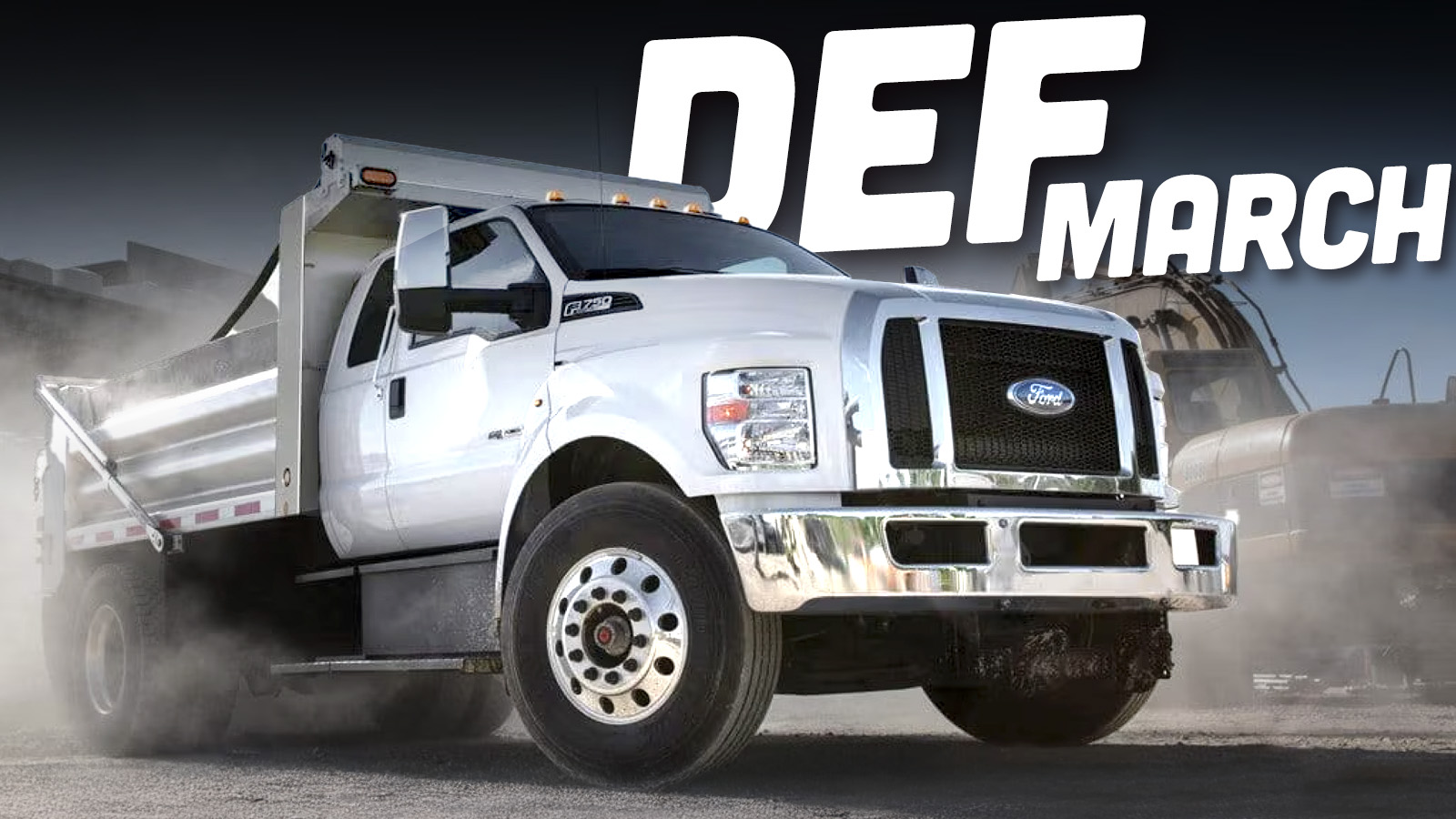
The diesel engine continues to be one of the greatest inventions in transportation. Much of the world runs on diesel, and if these engines aren’t reliable, they can cripple vital transportation systems. But they also come with an environmental toll. Today’s trucks use an assembly of emissions systems to clean up their tailpipes for cleaner air, and one of those systems is Diesel Exhaust Fluid. When your truck runs out of DEF, or the sensor fails, the computers will send the truck into a derate, or go into a full limp mode. In a reversal from past regulations, the United States Environmental Protection Agency has published a proposal to eliminate limp mode almost entirely, so truckers no longer have to worry about DEF anymore.
One of the pillars of the current presidential administration is deregulation, and one of its focuses has been on changing how the U.S. Environmental Protection Agency (EPA) handles diesel emissions regulations and what the Department of Justice (DOJ) does to those who violate the Clean Air Act. In prior administrations, including the first Trump Administration, those who ran shops that specialized in deleting diesel emissions systems faced potential heavy fines and prison time. If you ran your diesel vehicle out of Diesel Exhaust Fluid (DEF), or the emissions systems failed, your pickup truck or commercial truck would derate its engine power or enter limp mode.


In January 2026, the government took a major step in unraveling previous policy when the Justice Department announced that it would no longer pursue criminal charges under the Clean Air Act for the alleged tampering with emissions devices. Today, we now see the true impact of the federal government’s intentions. As of publishing, the administration has fully pardoned nine diesel tuners who were convicted of tampering with emissions equipment. Indeed, it appears that the Justice Department has stopped prosecuting diesel emissions cases entirely, and instead, the government is working on vacating sentences and expunging records of those convicted under prior administrations.

In lockstep with the government’s reversal of enforcement action, U.S. Environmental Protection Agency (EPA) Administrator Lee Zeldin has been leading an effort to deregulate diesel emissions equipment. In August 2025, EPA Administrator Zeldin told manufacturers to stop forcing trucks into immediate limp modes for low DEF levels. In February 2026, the EPA said that it was seeking to hold manufacturers accountable for foisting unreliable DEF systems on consumers. The EPA then openly considered just getting rid of emissions-related limp modes entirely. In March 2026, the EPA announced that, in an effort to eliminate limp modes and power derates from emissions system failures, the EPA will no longer require Diesel Exhaust Fluid (DEF) urea quality sensors on any equipment powered by diesel engines. Lawmakers have also been working on making emissions deletes entirely legal.
After mulling over the idea of eliminating emissions-related limp modes, the EPA is going through with an actual proposal to see it happen. If the EPA has its way, diesel trucks will no longer derate or go into limp mode after system failures.
There has been a long road to how we got here, so let’s take a look into why the government cares about diesel emissions so much.
Modern Diesel Emissions Systems Work Hard…

The modern diesel engine is a marvel of engineering. I recently got to drive a new Mack Anthem, a Class 8 semi-tractor that, at its most powerful, houses a 13-liter Mack MP13 straight-six diesel with 515 horsepower and 1,900 lb-ft of torque under its power barn.
Pickup trucks have equally nutty power ratings. You can stroll right into your local Ford dealership today and drive out in an F-250 Super Duty with a 6.7-liter V8 diesel with 500 thoroughbreds and 1,200 pounds of twist on tap. Today’s diesel pickup trucks can pull up to 40,000 pounds, or more weight than anyone can pull with their standard driver’s license. Yet, all of these trucks do this incredible hard work without a puff of black smoke. Perhaps even more amazing is that you can take a direct sniff at the exhaust pipe and it won’t even smell like diesel.
Today’s diesels have better efficiency than the diesels of old. But the engines didn’t do it alone. They’re also festooned with an array of emissions equipment that helps keep the air cleaner. If you have not read my previous stories on this, I’ll explain the history of modern diesel emissions equipment, but keep it short:
According to Diesel Power magazine, the implementation of diesel emissions equipment was gradual. Back in the 2000s, buyers of trucks found an Exhaust Gas Recirculation (EGR) system in their engine bays. EGR systems reduce emissions by recirculating a portion of an engine’s exhaust back into the intake. Even your modern gasoline-fueled car has an EGR system. Next came the Diesel Particulate Filter (DPF), which is an exhaust aftertreatment system designed to trap particulate matter before it leaves the vehicle.
As emissions requirements demanded diesels to run even cleaner, emissions equipment evolved. The Selective Catalytic Reduction (SCR) was an important advancement in diesel emissions reduction technology. 2010 model year heavy diesels have SCR to meet the EPA’s strict regulations. Any light-duty diesel that didn’t already use SCR phased in its use during the early 2010s.

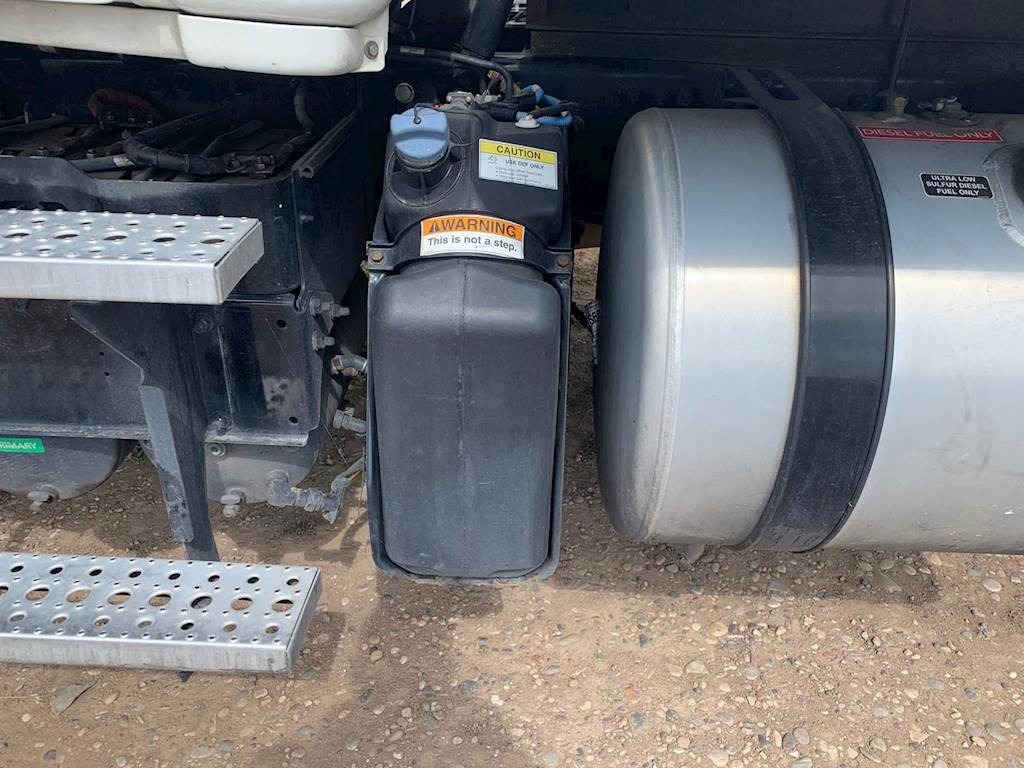
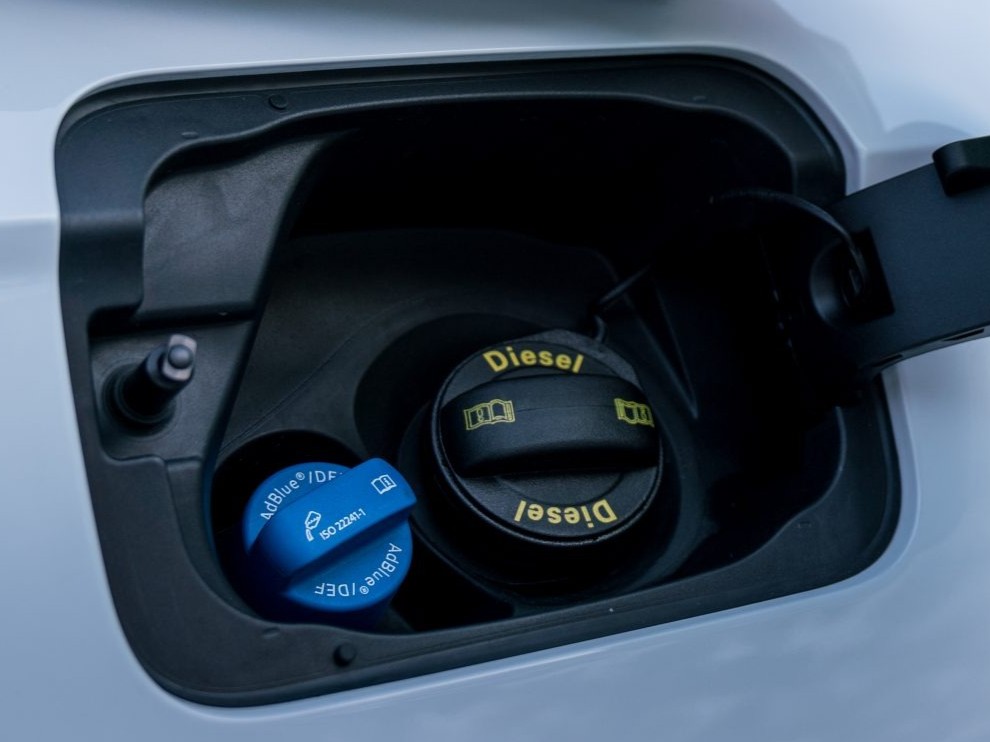
SCR uses an aqueous urea solution, Diesel Exhaust Fluid, or DEF, which is fired into the exhaust to convert NOx into nitrogen and water. DEF is 32.5 percent formaldehyde-free low biuret urea and 67.5 percent deionized water. The use of SCR has been reported to reduce nitrogen oxide (NOx) emissions by as much as around 90 percent.
Semi-tractors often have DEF tanks capable of holding more than 20 gallons of fluid. Depending on model, model year, and driving conditions, that fluid may last 3,000 miles to 5,000 miles or so before running dry. A new Ford Super Duty has a 7.5-gallon DEF tank and, depending on the use case, may go roughly 3,500 miles or so between DEF refills. Older Super Duty trucks were known for going longer between DEF fills. Towing blocky trailers reduces DEF range. Modern diesel passenger vehicles with DEF systems may travel several thousand miles before needing their tanks refilled.
This emissions equipment isn’t just in pickup trucks, SUVs, and semi-tractors, but passenger cars and farming implements, too. These vehicles don’t just use a single cleaning method, either. Peer under the hood and you’ll find your modern diesel hooked up to an EGR, DPF, and SCR all at the same time.
…But Can Fail Hard
FreightWaves, a logistics industry-focused publication, explains further:
Modern diesel emissions control is a stack of four interlocking systems. Exhaust gas recirculation, or EGR, routes a portion of exhaust back into the intake to lower combustion temperatures and cut nitrogen oxide formation. The diesel particulate filter, or DPF, is a ceramic honeycomb in the exhaust stream that traps soot, then periodically burns it off in a process called regeneration, which dumps extra fuel into the exhaust to hit temperatures around 1,100 degrees. Selective catalytic reduction, or SCR, injects diesel exhaust fluid, the urea and water mix every trucker knows as DEF, into the exhaust to convert nitrogen oxides into nitrogen and water. Watching over all of it is the onboard diagnostic system, the OBD, a network of sensors that monitors every component and reports faults.
The OBD isn’t just about diagnostics; it enforces compliance. Run out of DEF, or throw a sensor code the system reads as tampering or malfunction, and the engine control module begins derating the truck. First, it cuts power. Then, under the inducement strategies EPA required manufacturers to build in, it can limit the vehicle to as little as 5 mph. The industry calls it limp mode. A loaded truck limping at 5 mph on an interstate shoulder is a stranded asset, a missed delivery, and, for an owner-operator, sometimes the difference between making a truck payment and missing one.
While these systems have been great in concept and efficient in actual operation, there has been a lingering issue of poor emissions equipment reliability. Here’s what I said last time:
These vehicles will warn their drivers about depleting reserves, with these warnings ranging from visual reminders to audible alarms. If you fail to replenish the DEF, or the DEF system isn’t working as designed, the truck may immediately derate or enter limp mode until the issue is resolved. To use Ford as an example here, the truck may warn that it will enter limp mode in a certain number of miles, and then slow the truck down to 50 mph once the mileage threshold is crossed. If the truck believes the issue is severe, it may eventually limit the engine to idle. Other trucks have a similar system.
Many diesel owners carry spare jugs of DEF so that they can refill anywhere when needed. I always buy extra DEF whenever I test diesel trucks because I don’t know if I will run into a fuel station that doesn’t have DEF, or run into a station that does have DEF, but the price of it is absurd.
DEF systems do have an aggravating quirk, and it’s that the derates and limp modes still occur even when a part of the system fails. Unfortunately, some manufacturers and models struggle with emissions equipment reliability more than others. One infamously unreliable diesel truck is the Nissan Titan XD Cummins, which you can read my story about by clicking here. The cruel twist is that you could have a full DEF tank, but get stuck during a road trip because of a sensor or other system failure.
Under the EPA’s revised rules, a semi-tractor would be able to drive 650 miles or 10 hours before a 15 percent reduction in torque. A pickup truck will enter a 45 mph limp mode 4,200 miles or 80 hours after the detection of a DEF issue. Click here to read a previous story for more about the grace period.
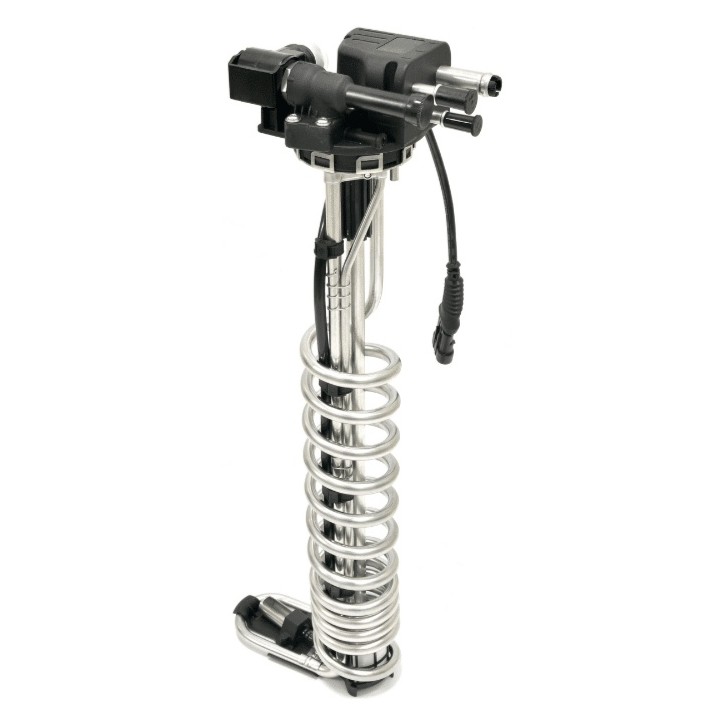
According to FreightWaves, a DPF replacement on a Class 8 truck can run between $3,000 and $7,000. Depending on who you ask, a DEF sensor replacement may range from as low as $500 to over $2,500. In my experience with Volkswagen’s infamously unreliable post-Dieselgate DPF system, a dealership quote to have a VW TDI’s DPF replaced isn’t too far off from the aforementioned number. Personally, I leave my emissions systems intact and just consider their eventual replacement to be the cost of owning a weird car.
Of course, that’s just the cost to replace the failed part. It doesn’t account for the time spent stranded on the side of a highway, the cost to tow your vehicle to a repair center, lost income, or missed payments.
Yet, a kit to simply delete and forget the emissions equipment entirely often costs a fraction of replacing the equipment. At the same time, several states don’t even test diesel vehicle emissions. If you’re the end user, it can seem like there’s no real consequence to throwing the emissions equipment in the trash. You can begin to see where the economy of illegal emissions deletes came from.
The EPA Attacks DEF
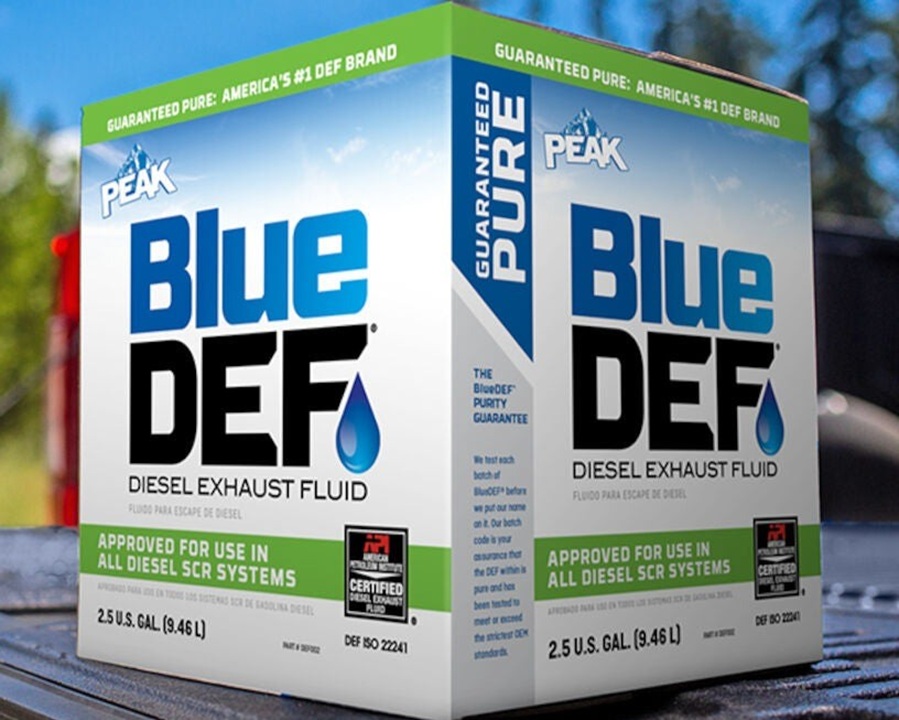
After taking the aforementioned steps to loosen the federal government’s requirements for what happens when DEF equipment is run empty or fails, EPA Administrator Lee Zeldin is proposing an ultimate solution. From the EPA:
Today, U.S. Environmental Protection Agency (EPA) Administrator Lee Zeldin announced a proposal estimated to save American truckers $12 billion through commonsense revisions to unnecessary and unworkable Biden-era compliance requirements. The reimagined approach also heeds calls from American truckers and diesel operators to eliminate deratements entirely, a burdensome problem often caused by Diesel Exhaust Fluid (DEF) system failures. If finalized, the savings could reach up to $6,000 per vehicle on new truck purchases, on top of the increased productivity operators are currently losing when deratements cause sudden speed loss on the road. Collectively, these savings will be passed on to American families through lower costs for food, household goods, and other products trucks deliver, while still maintaining strong environmental protections and ensuring clean air.
[…]
EPA is also specifically proposing to scale back the emissions warranty requirements that added the largest single cost to the trucking industry. Under the proposal, the Trump EPA would maintain the underlying emission standards, including nearly 90% of the nitrogen oxide (NOx) reductions, while sparing Americans from unnecessary warranty costs. Once again, the Trump EPA is demonstrating that environmental protection and economic prosperity do not need to be a binary choice. EPA is also proposing additional lead time before the longer regulatory useful life requirements from the 2023 rule take effect. This will allow manufacturers to ensure new technologies perform reliably under real-world conditions, rather than rushing unproven products to market.
[…]
EPA understands that sudden speed losses and shutdowns caused by DEF system failures compromise safety and productivity and are unacceptable. In August 2025, EPA issued new, clear guidance calling on engine and equipment manufacturers to revise DEF system software in existing vehicles and equipment to massively reverse deratements that were harming farmers and truckers. Today, the agency is taking a historic step to provide a commonsense solution to deratements for American operators. EPA is proposing to completely remove deratements and vehicle speed restrictions for newly manufactured highway engines and vehicles and new nonroad engines and equipment, including those used in agriculture. Instead of trucks and tractors lurching to a halt when DEF systems fail, under EPA’s proposal, operators would receive visible and/or audible alerts that allow them to continue operating until they can safely address the problem. EPA is also taking public comment on whether guidance should be developed to allow manufacturers to implement this change for in-use on road and nonroad engines and equipment. If finalized, American operators will be able to drive America forward without worry.
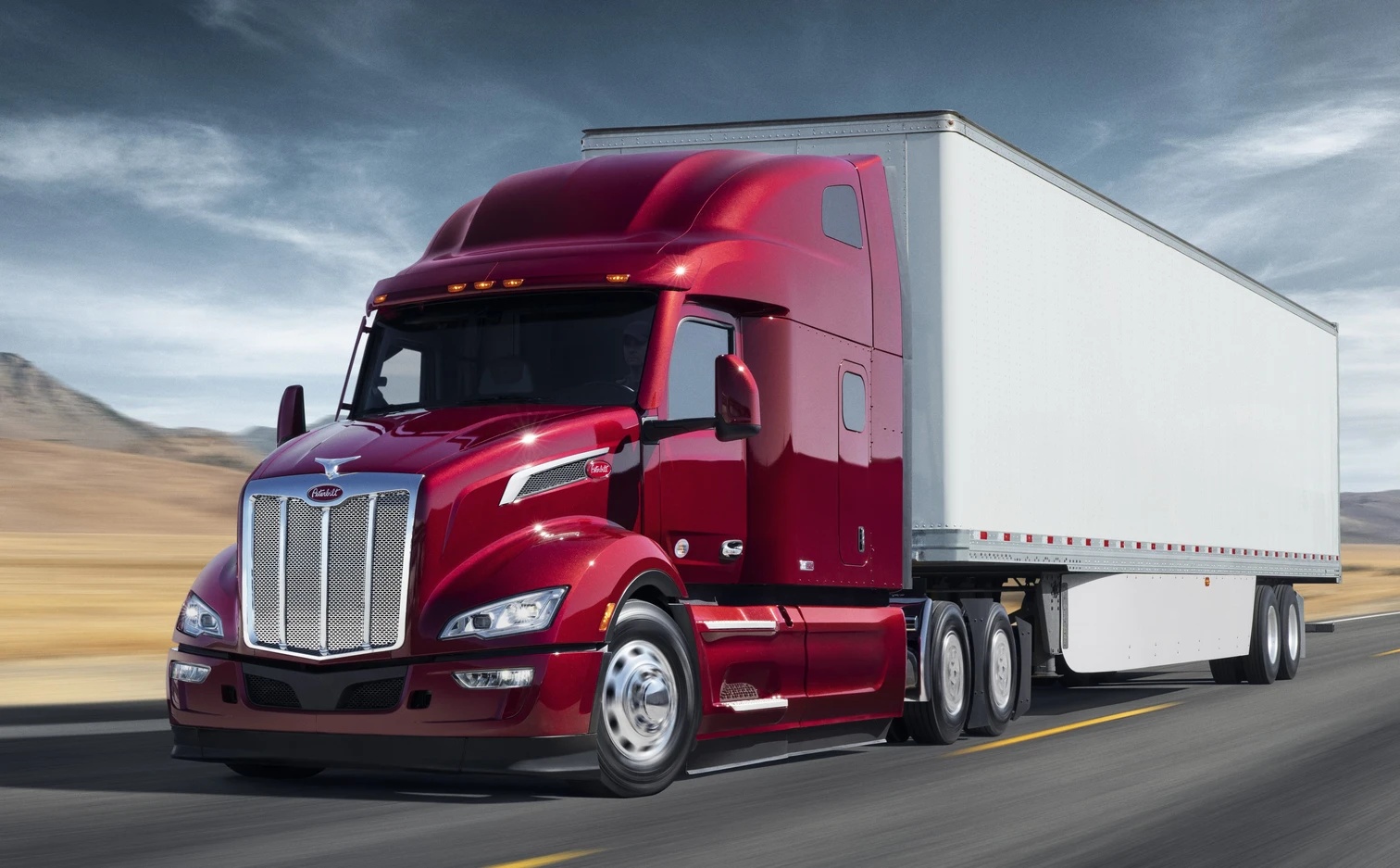
While the EPA’s press release talks only about system failures, the actual proposed rule specifically calls out what would happen when a truck is run low or out of “DEF supply.” In the actual proposal, it says that the truck will initially give you audible warnings about low and then empty DEF. After that, it’ll just warn you every hour. Engine manufacturers have the option (but are not required) to derate for running out of DEF or for poor DEF quality if either scenario will damage the engine or aftertreatment system. As for how the derate will work, the derate would decrease the truck’s speed by 1 mph every five minutes until the specified derate speed is reached.
The proposal also rolls back tougher durability requirements that would be required for future model years. It also reverses some of the extended emissions warranty requirements that were adopted in 2023. The EPA also points out that this proposal is mostly about DEF, and otherwise leaves intact 90 percent of the NOx emissions reduction standards established under the Biden administration.
Reportedly, even though the EPA dramatically extended the time that you could drive with an empty tank of DEF or with failed equipment, operators of heavy diesel engines didn’t think it went far enough. The EPA says “individual operators and States, such as Iowa, Alaska, and Nebraska, expressed concerns with inducements, and a bill was brought to Congress regarding relief for inducements in prolonged cold weather.” According to the EPA, the Small Business Administration and the United States Department of Agriculture also have been working with the environmental department to eliminate derates entirely.
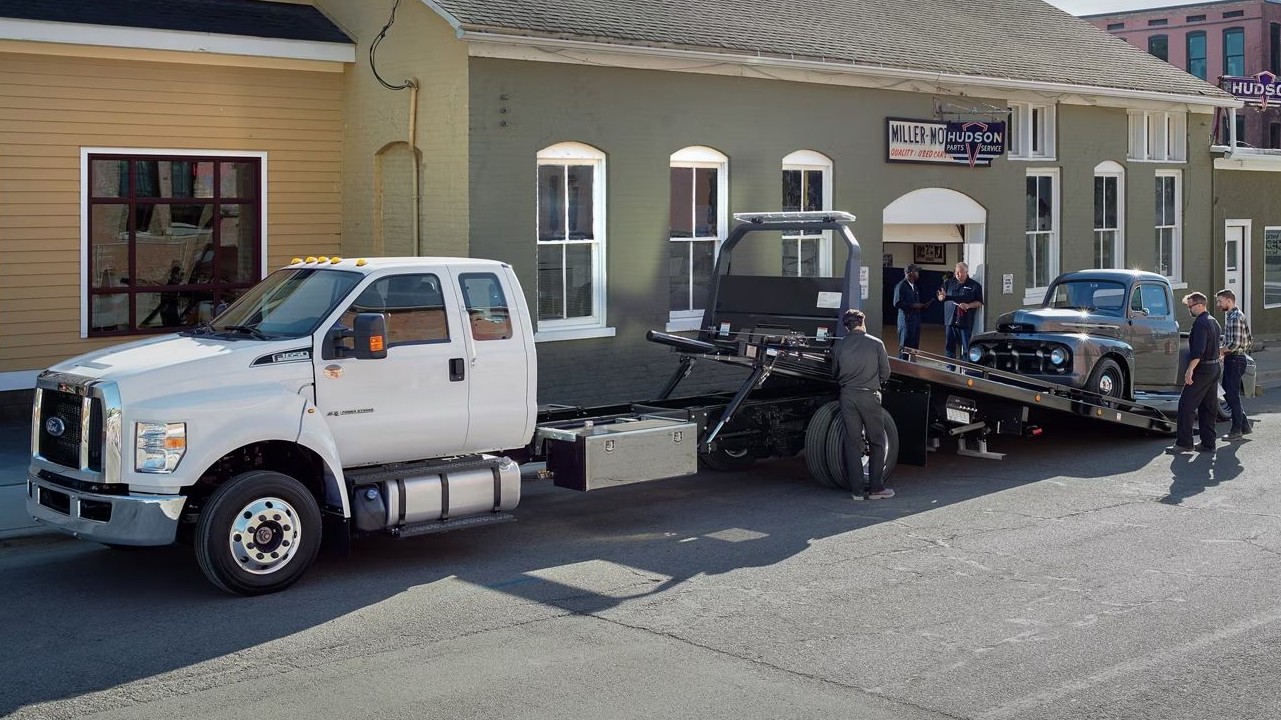
The EPA is also leaving the option out there for manufacturers to remove derates entirely for no DEF. It’s also requesting public comment on whether the provisions noted in the above paragraph are too restrictive or not restrictive enough. If an engine will no longer derate for an issue regarding DEF, it’s possible that some drivers will never refill their DEF tanks and just live with the nagging warnings. For some drivers, the only reason they refill their DEF tank is to prevent a derate or limp mode. So, it’ll be interesting to see where this proposal goes.
The EPA said it came to this conclusion when it evaluated studies on seatbelt usage. In those studies, drivers were most likely to put on a seatbelt when pestered by a visual and audible warning. It was found that a limp mode triggered by not wearing a seatbelt wasn’t any more effective than audible warnings.
The next step in the EPA’s plan to completely remove the requirement for derates and limp mode is a 45-day public comment period as well as a public hearing on the matter. Should the proposal become regulation, it would impact 2027 model year vehicles. So, older trucks would still derate, but new ones would not. If you want to read the legalese of the proposal, click here.
Photo: Ford


“the Trump EPA would maintain the underlying emission standards”
First of all, I don’t believe anything that has the name Trump in it (fascist who needs to be impeached and thrown in prison forever); and why are they even calling it that instead of just EPA? I get why; for context…but there’s no reason to other than for divisive propaganda as with everything else (“it’s not Biden’s EPA, we’re making it look like we’re doing something good even though it’s the opposite)
Also, HOW would they maintain the standards? When we all know they are just going to do the opposite and make it worse.
“savings will be passed on to American families through lower costs for food, household goods, and other products trucks deliver, while still maintaining strong environmental protections and ensuring clean air.”
Ha ha ha ha ha ha ha ha ha ha ha
This is seriously some of the biggest BS I’ve read in a long while. Like I just wrote, they are not going to maintain standards and will do the opposite. Most of all, there’s no way those “savings” will be passed on. Are they going to FORCE those companies to do that?! Costs of everything just keep going up w/ no end in sight…I can’t see them going down if this goes through.
Great article and thanks for keeping us informed!
Have to make the joke:
How will this affect my dream car which is a…brown manual diesel wagon? Ha ha
As a diesel truck owner who’s had limp home mode strike a perfectly good truck (bad sensor), yeah it fucking sucks. That being said, I am more than willing to give up an occasional bad time knowing that my emissions aren’t killing my child.
Keep calm and roll coal. Cough, cough.
I mean, limp mode coupled with faulty sensors and low reliability has caused a lot of unintended harm. But with the new rules, it sounds like it will simply become anything goes – why even design DEF systems to begin with?
Once again, the Crooked Trump administration and its supporters figure out another way to make the worst possible decision.
I really hope that in elections in the near future, the Maga/Republican gang lose by a landslide and the administration that follows does everything to undo Crooked Trump’s legacy.
When I was a kid, following any bus or large truck you could visibly SEE all the soot from the exhaust. Now it’s just the anit-social coal-rollers.
Maybe we should replace these hundreds of pages of complex and technology-specific regulations with a simple requirement that all exhaust be released at the front of the vehicle instead of the back. Then let the free marketplace work out the rest.
Gimme that lead laden black soot! Yum.
Great thinking.
A wise judge would require that this law cannot go into effect until the White House’s air intake comprises exclusively unfiltered diesel fumes.
Judging by their actions, they certainly are in SOME kind of fume already.
Limp home mode was totally lame and woke. Now replaced with a mode that the President can accept..Limp Dick mode. Sure, it’s a little softer, but the extra $200 on the dresser will help you forget that.
Its still going to trigger a CEL, any emissions checking area is not going to register this.
This is a horrid idea. I have respiratory issues that run in the family. Those issues have gone down partially thanks to ever tighter emissions regulations.
So this may “save” people on the cost of goods. It will absolutely shift the cost onto vulnerable people like me and my family. So I get to spend more time missing work because I can’t breathe. Just because some man-child doesn’t want to be inconvenienced filling the DEF tank or fixing their toy when it breaks.
Electrify everything. With solar, wind turbines (preferably within sight off a particular spot on the Florida coast), batteries and keeping the nuclear fleet up and running. Then we can stop worrying about emissions when there are none.
Or ditch the DEF and let natural selection solve the problem.
You go first. And if you’re in America, this is the one time I’m glad we don’t have single payer so you can go bankrupt to directly experience the deleterious effects of unfiltered diesel exhaust.
It’s not even really about ‘saving’ any money, even though it’s cosplaying as such. It’s about sticking it to the ‘libs’. The cruelty is the point, yet again with these fucking yahoos.
Everyone should remember that the next administration will reverse this.
That’s assuming this even gets put into place, which is no guarantee either.
This is the start of the regulatory process. In the first term the Trump Administration had a track record of not following the process correctly and having the regulations thrown out. Time will tell if they have learned.
The good thing is that they have always been more about the press release than actually doing the work to get something done.
That being said, I’m sick and tired of the overly grandiose Trumpian language in what should be dry-as-dust bureaucratic press releases. I’ve already consumed well over my Recommended Daily Allowance of bullshit and it’s not even 2 on a Saturday afternoon.
No doubt. It is also kind of funny to blame Biden for DEF and limp modes as that dates WAY back to JW Bush.
Exactly!
…also assumes we have an election in 2 years… ̄\_(ツ)_/ ̄
Barring nuclear war or some other apocalypse I’m pretty confident they will. Anyone who says otherwise is either lying to stoke fear or stupid.
No, the Supremes will somehow find a loophole/justification/pull it out their A** that a future Democratic President has no right whatsoever to excecute any Executive Orders, nominate judges, department heads, nor rescind those orders of prior administations.
They would get impeached or whatever the judge version is so fast.
Judges can be impeached but it is a near impossible bar to surmount.
This seems unlikely considering the recent ruling on birthright citizenship.
Should have been 9-0, not 5-4 split. Rights for me, but not for thee seems to be a guiding principle for some.
It’s alot more nuanced than that, the language of the 14th amendment is vague with the “jurisdiction” clause and if you beleive in original intent than it seems to lean the other way.
Just calling it “Rights” is too simple. Either way it is safe to say they all do not act as pure partisans.
Why is this administration doing as much as possible to kill Americans?
Because the delusional billionaire parasites that bought them think they can replace us with AI that they can control better and that will be their friends (they’re wrong on both counts).
Because their allegiance isn’t to America.
When your orders are coming from Russia, harming Americans and the country is a positive.
Because that’s the American Way(TM)!