

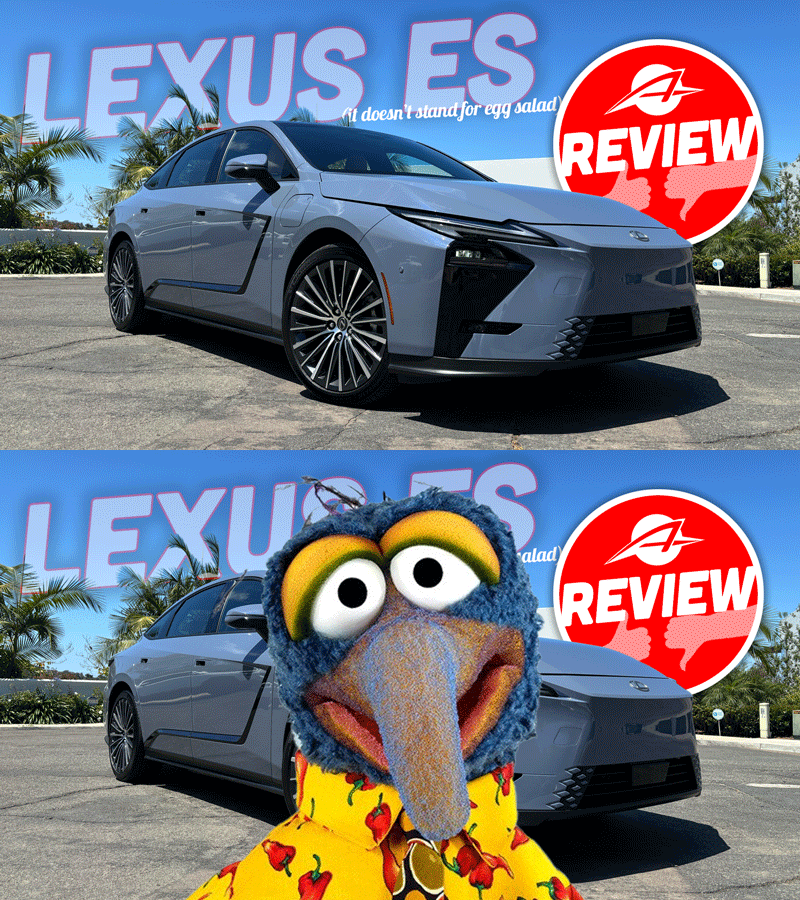
I should probably clarify that headline a bit first. Before anyone begins to needlessly worry, I promise you that my mom loves me and I, of course love my mom. Everything is fine there. However, I am old enough to realize that perhaps we all have had expectations about people in our lives, and, while I can’t prove it, I have a suspicion that my mom’s initial ideal expectations and hopes about her son would be that he (or, I suppose, I) would be the sort of person that the 2026 Lexus ES – in either battery electric or hybrid variants – was made for. Because it was definitely not made for me.
I’m not intending that to be a slight on this car – it’s the opposite, really – because what Lexus has produced here is an almost textbook definition of a Nice Car. That’s what the ES is: a nice car. I’m not a person who buys or values nice cars. I’m definitely right in the proper age demographic Lexus has targeted for these nice cars, but instead of buying a nice, modern car with lots of comfort and efficiency and quiet status-signaling and reliability, the car that I bought in my mid-50s is a weird French shed on wheels that makes all of 29 horsepower. I couldn’t afford this nice car even if I wanted it, which – and I say this without malice – I really don’t.


It was Rory Carroll, ex-Jalopnik EIC and current Alloy chief who used the words “nice car” while we were talking about this car, and he was dead-on. There’s no need to try and overcomplicate what we were all thinking. This is a nice car. A nice car I wasn’t necessarily that excited by, but a nice car indeed.
I can appreciate this nice car. And I can appreciate the hypothetical son I might have been who might consider buying this nice car. I’d be a son with a very different sort of job, perhaps in a medical or dental field, maybe a podiatrist or something, and I’d have money and be wise enough not to blow it on stupid things and I’d appreciate luxury and comfort and having a car that will not strand me on the side of the road in the rain because the fuel gauge can’t be bothered to gauge any fuel. I’d give friends a ride in this car (probably friends who make comfortable livings and I talk about taking vacations with in places where villas could be rented) and they would say “hey, this is a nice car” and then I’d say “thanks, I like it” but I wouldn’t go into the car’s strange history or weird technical quirks because the Lexus ES doesn’t have those things, and even if it did, I’d be the sort of person who didn’t really care.
But it has an air conditioner that blows not just cubes, but cubes made from filtered water and comfortable seats and everything is put together impeccably well and nothing rattles or falls off, embarrassingly, when a door is slammed. Let’s dig into just what the new Lexus ES is.
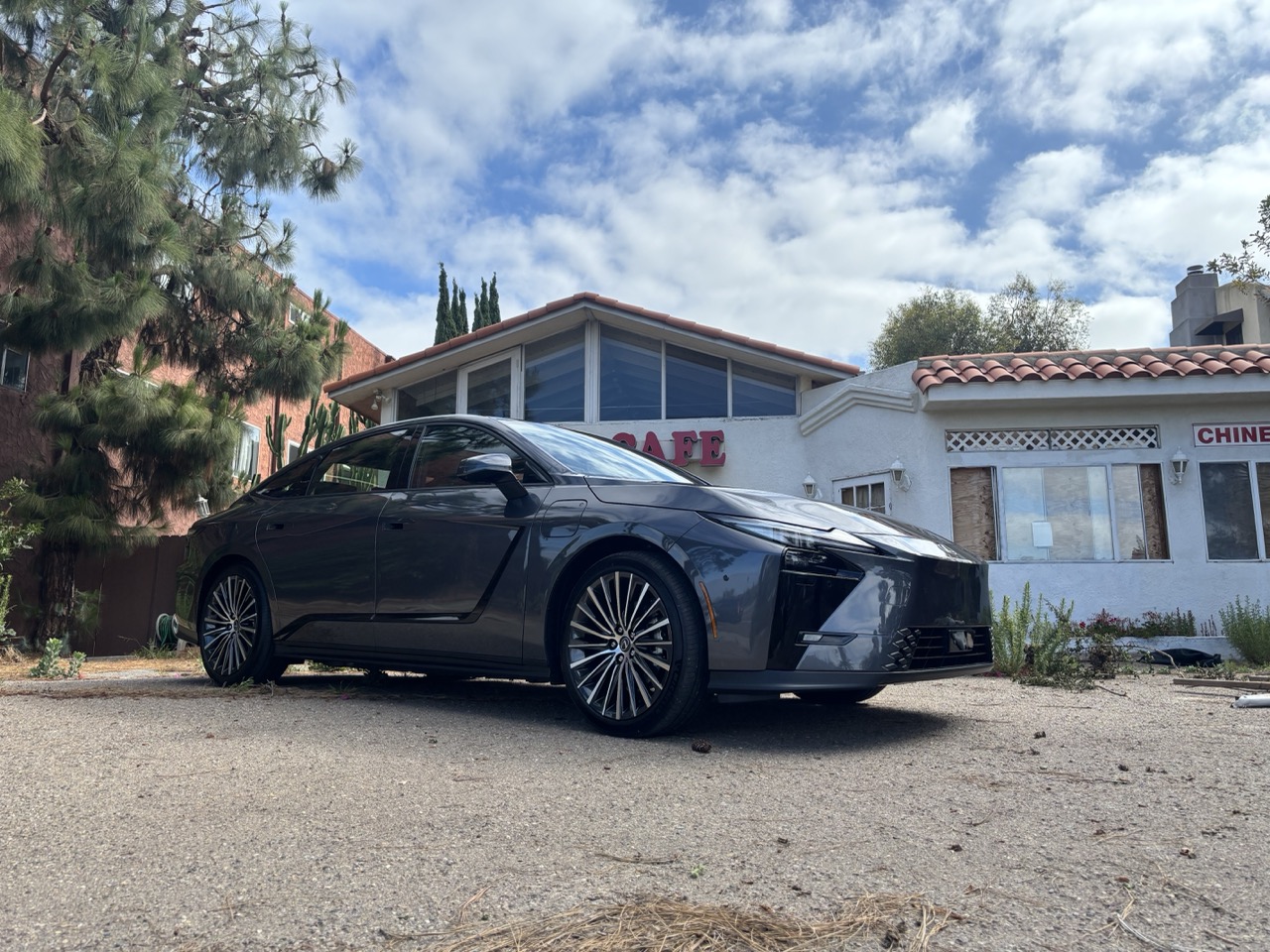
What Is It?
Like I keep saying, it’s a nice car. It’s worth noting that it’s very much a car, too, not an SUV or crossover or anything like that. the ES is an unashamed sedan, and despite its fastback profile, there’s a trunk back there, and it’s not trying to be anything but that. This is a four-door sedan, very much in keeping with the 37-year tradition of ES sedans, and now that it’s on its, holy crap, eighth generation, it seems pretty damn comfortable with what it is.
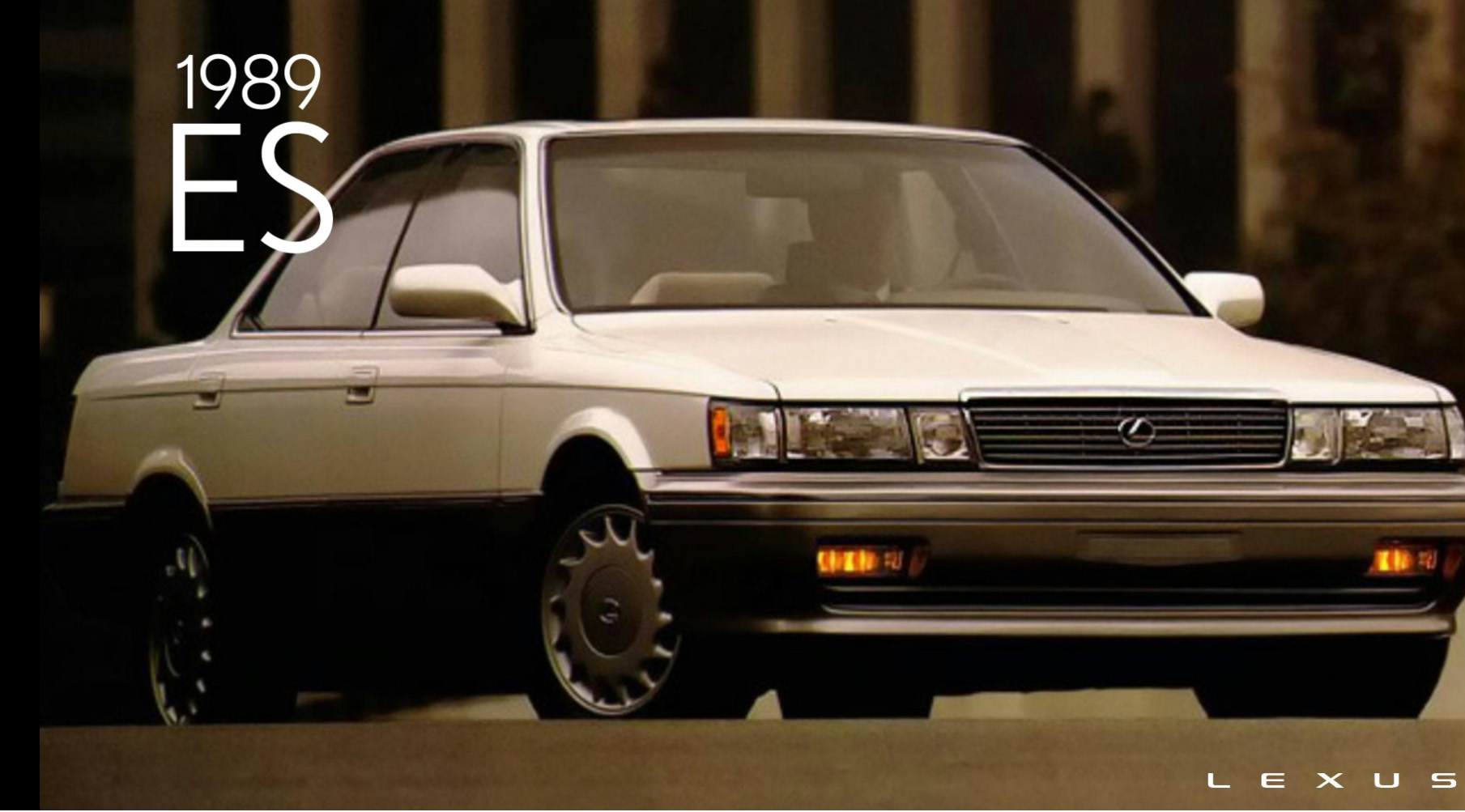
Essentially the same sort of person that wanted to buy a Lexus ES when it came out back in 1989 is still the same sort of person that wants to buy a Lexus ES in 2026. People of means, but without an overwhelming need to scream that to everyone. These aren’t cheap cars, but by modern standards, which are, unquestionably, absurd, they’re not wildly expensive, either.
They didn’t tell us pricing at the event in San Diego that I attended to drive these cars, but I looked on Lexus’ site and, damn, there’s all the prices, which I’ll share with you, because I’m into you:
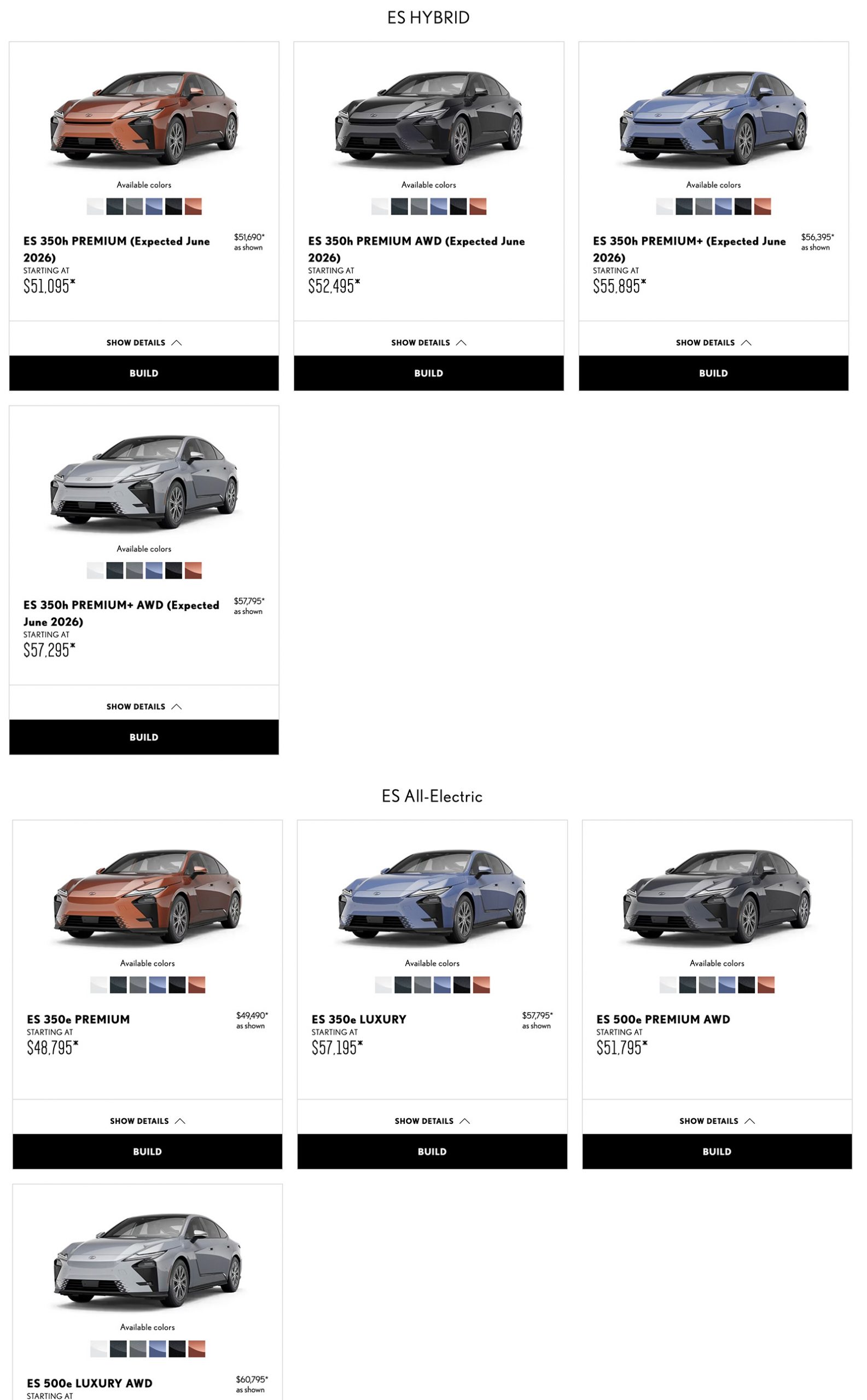
I think the real takeaway you should take, you know, away from this array of pricing options is the realization that the 2026 Lexus ES is really a car in two distinct flavors: a gas-electric hybrid and a battery-electric version. Somewhat surprisingly, the battery-electric version starts the cheapest, at $48,795 for the smaller-battery’d 350e, and goes up to the $60,795 500e Luxury AWD version.
The hybrid starts at just over $51,000 and goes up to a bit over $57,000.
The fact that this is one car with two completely different drivetrains is interesting, especially when I reveal to you pretty soon just how similar the cars seem to be to drive and live with.
The Differences In The BEV And Hybrid Versions
Do you want to impress your friends and people you hope to sleep with by being able to rapidly point out the differences between the two flavors of Lexus ES? Sure you do. Here’s the biggest tell: the hybrid version has an extra air intake on the front fascia. Look:
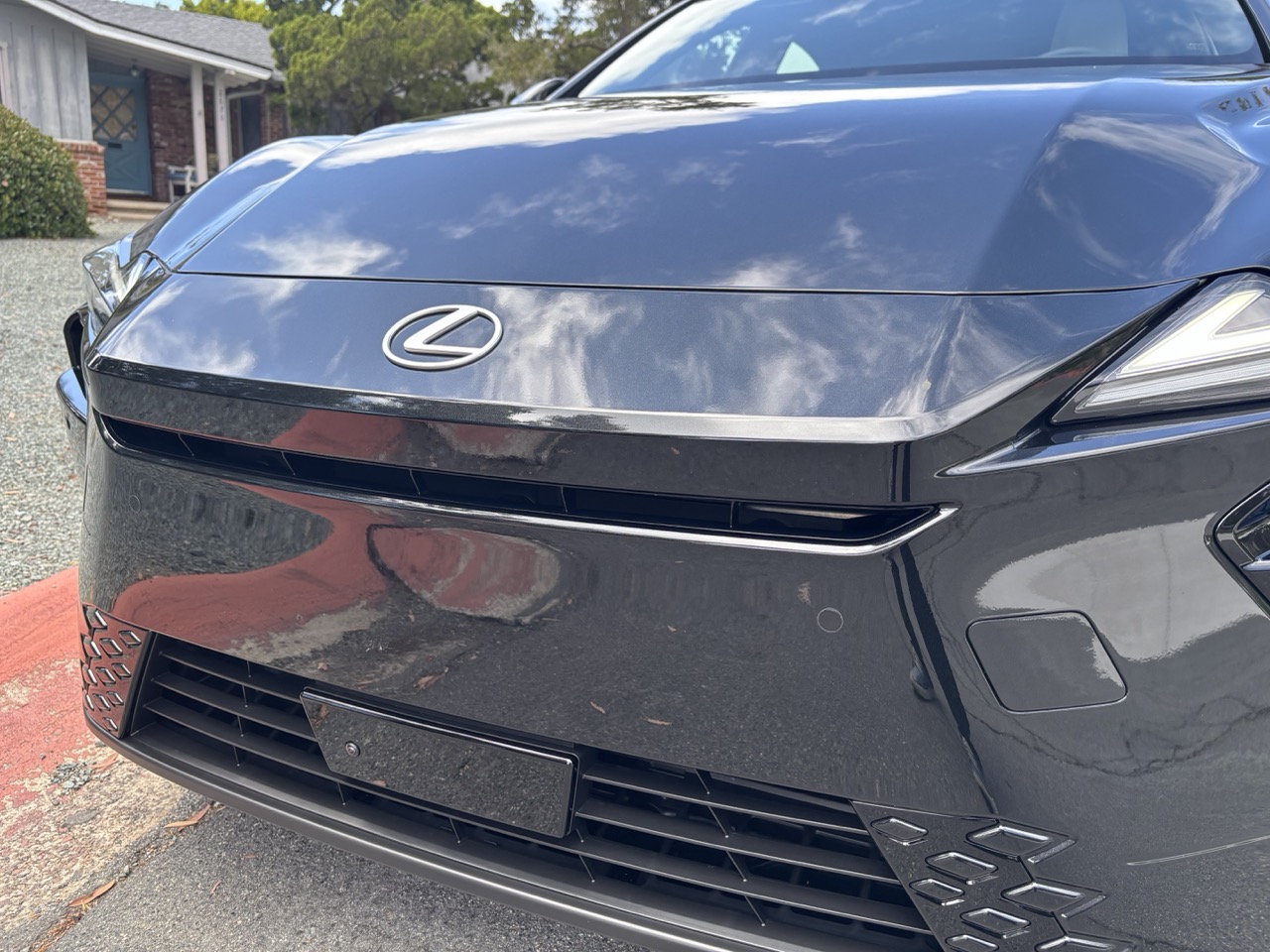
See that slight smile there? The BEV one goes without, perhaps reminding one of that creepy scene in the Twilight Zone movie where that kid with the gnarly powers took away his sister’s mouth. That always creeped me out; Let’s forget I mentioned that. Here’s the BEV front end:
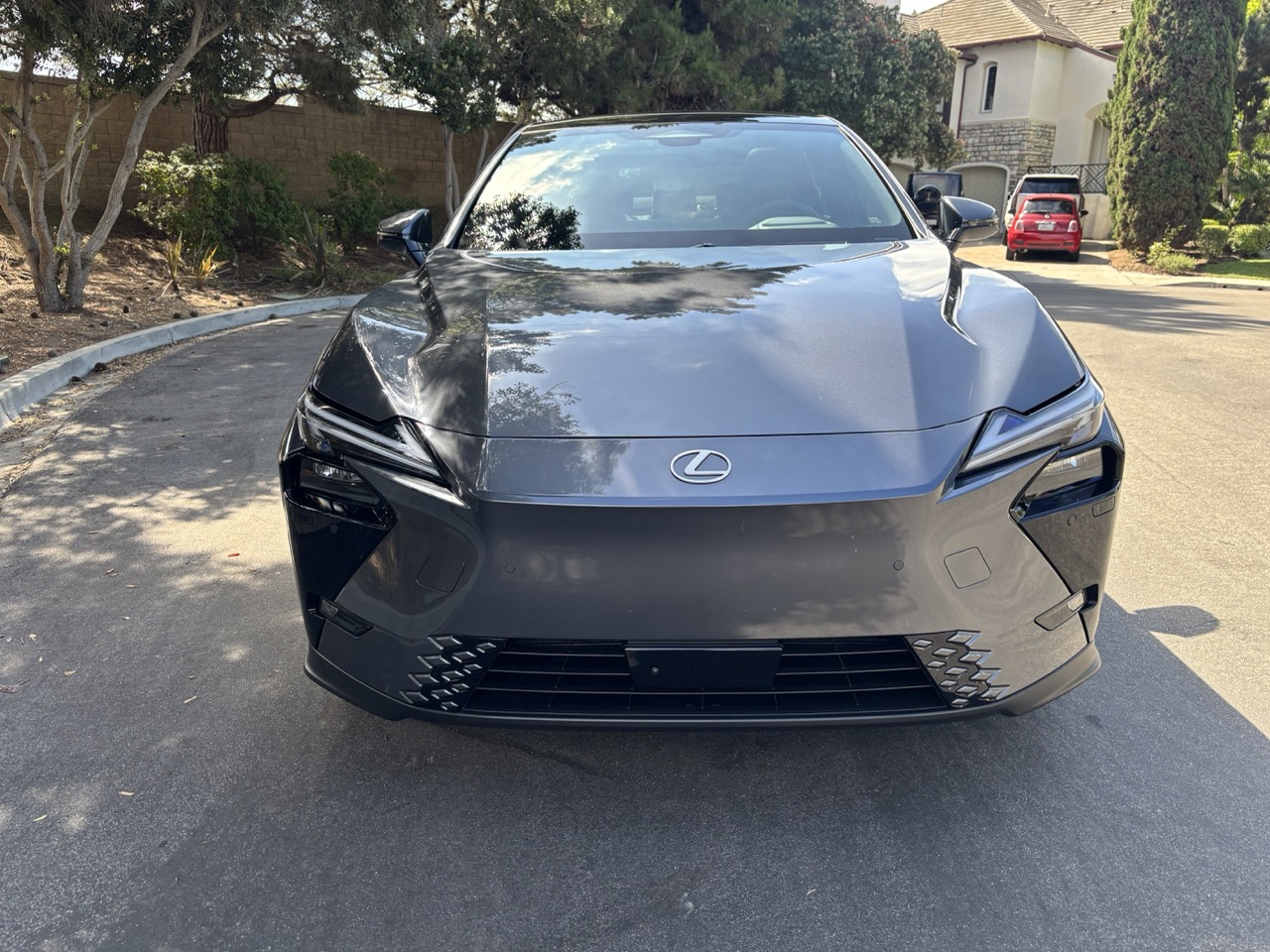
See? No upper air intake.
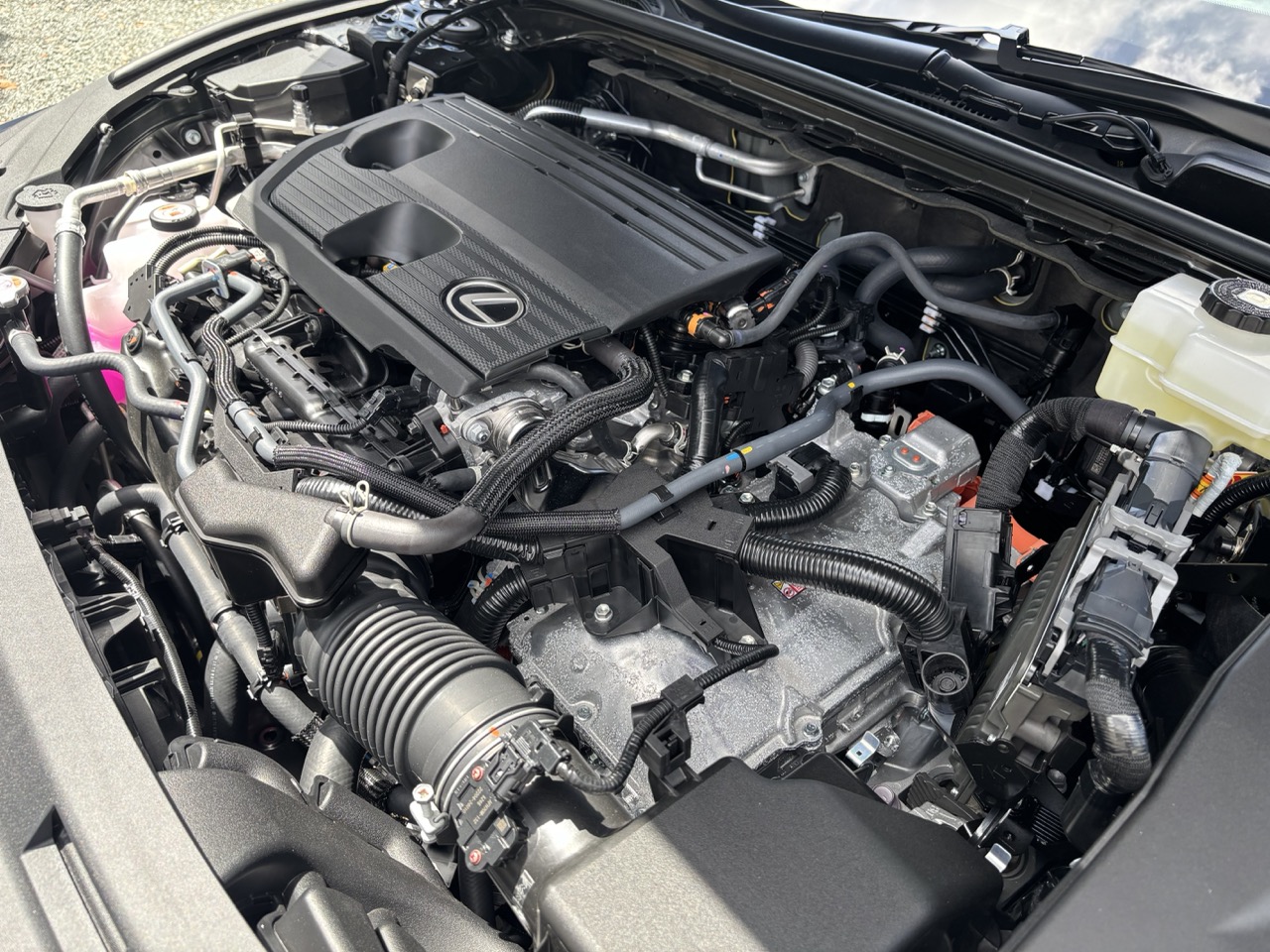
You can also see the difference under the hood, of course, with the hybrid version having a 2.5-liter inline four under the hood, making 244 total system horsepower, with either one electric motor co-driving the front axle, or another one at the rear, letting the car hit 60 from stagnation in 7.3 seconds for the FWD one, or 7.2 for the AWD model.
The BEV one comes in two flavors: both with a 74.7 kWh lithium-ion battery, but one has just one permanent magnet motor making 221 horsepower, good enough to get to 60 in 7.4 seconds, and a range of 307 miles. The 500e version has motors front (221 hp) and rear (118 hp) for a total of 338 total horsepower (I don’t know where the extra horse ran off to) and can get to 60 mph in 5.1 seconds. The range on the dual-motor one is 276 miles.
The BEV version does not offer a frunk up front, which, of course, enrages me, though I suppose you could place a pizza or something on the vast array of plastic that greets you under the BEV version’s hood:
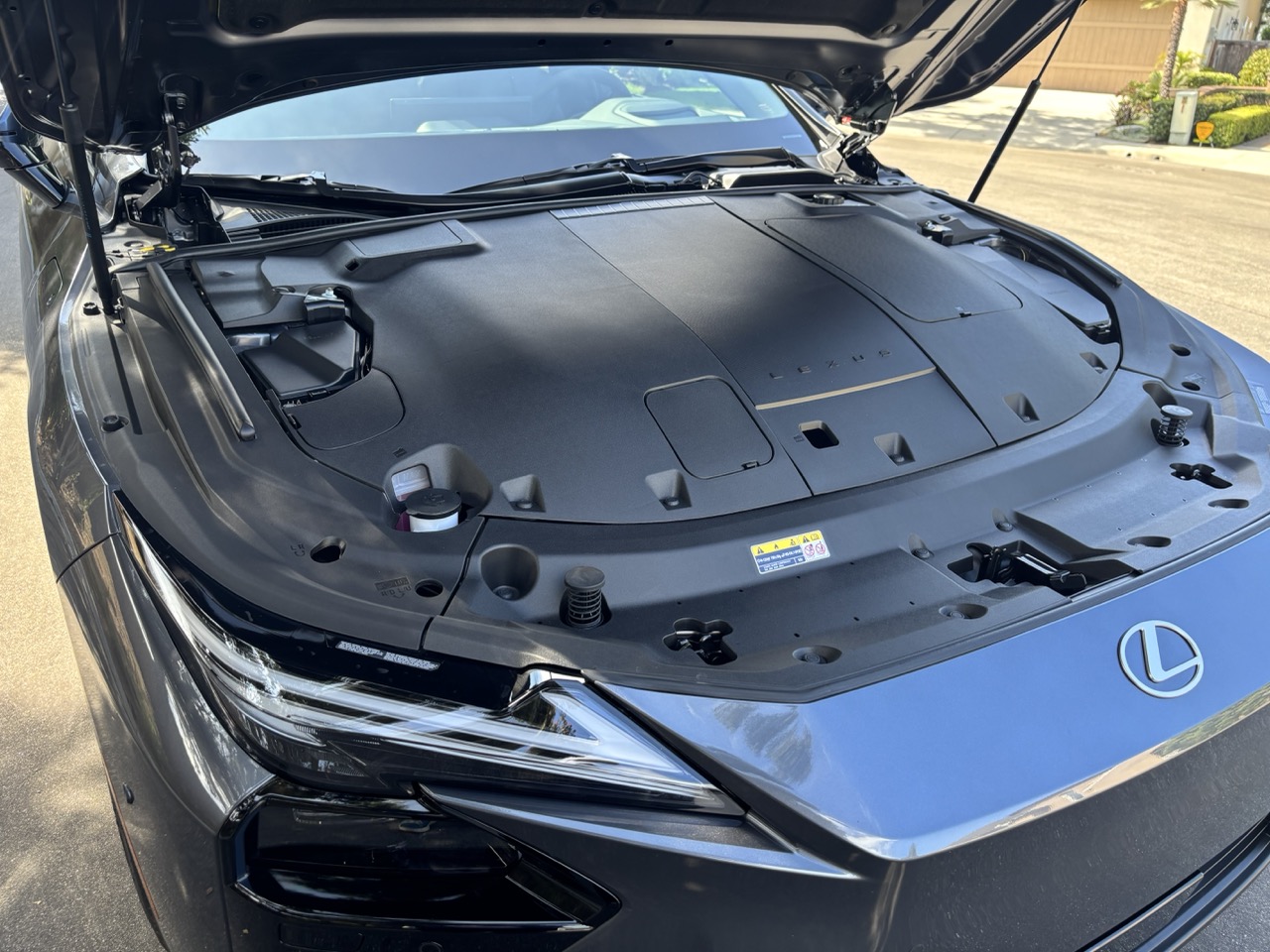
This has to be one of the least interesting under-hood views in all of motoring. I’m not sure I even get the point of covering everything in plastic, either. Isn’t the hood already doing that job? The only interesting bits under the hood are these:
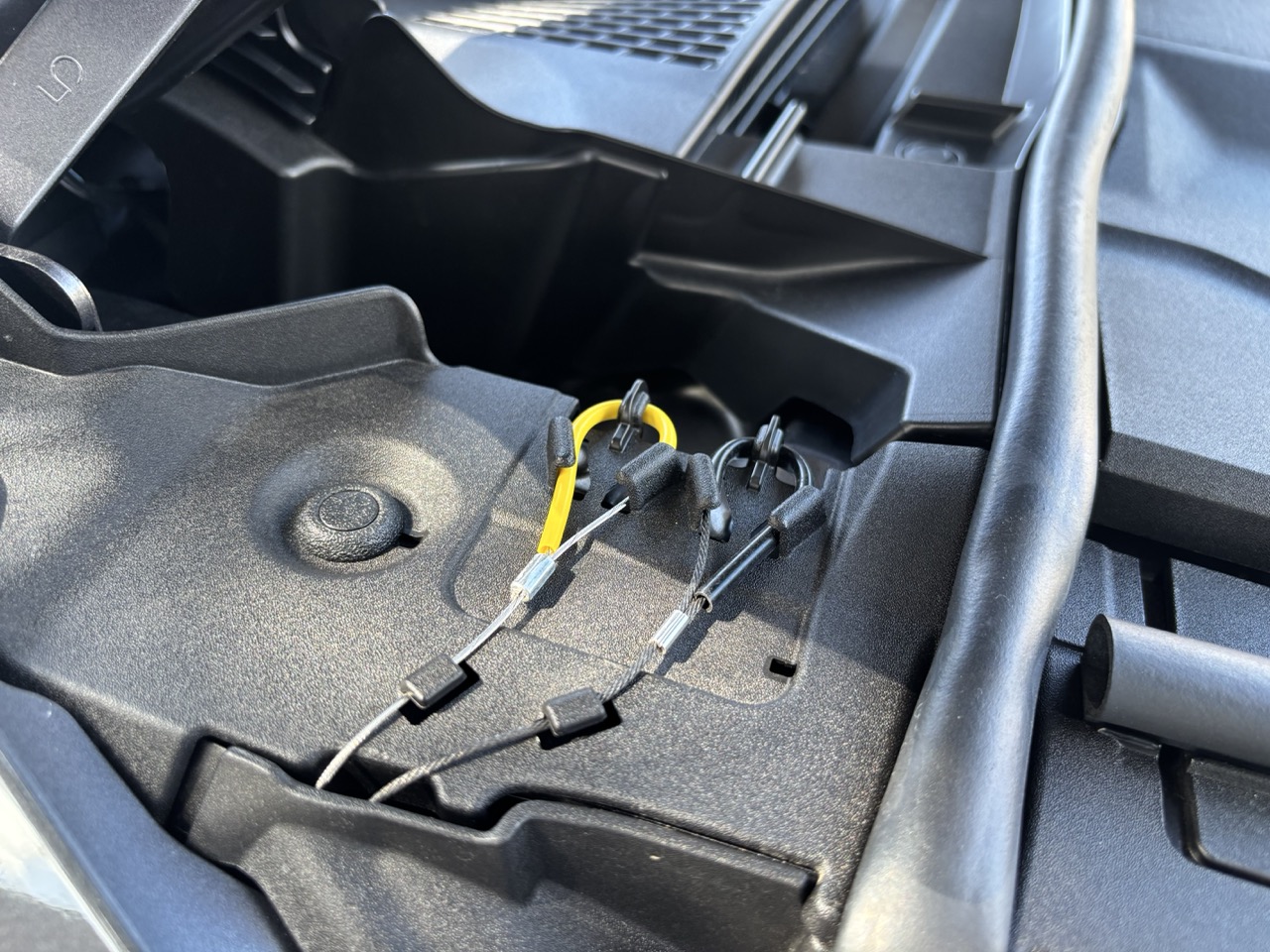
Those are emergency releases for the charging port door and charging plug, in case something goes wrong and you need to charge the car, or something goes awry while charging and you need to free the car from the grip of the charging port.
I was impressed with how both versions of the car seemed to have pretty much identical packaging, at least from an interior volume perspective, despite having such different mechanical and electrical equipment. I asked the lead engineer about the packaging, and he helped me by telling me what goes where in my crude sketches:
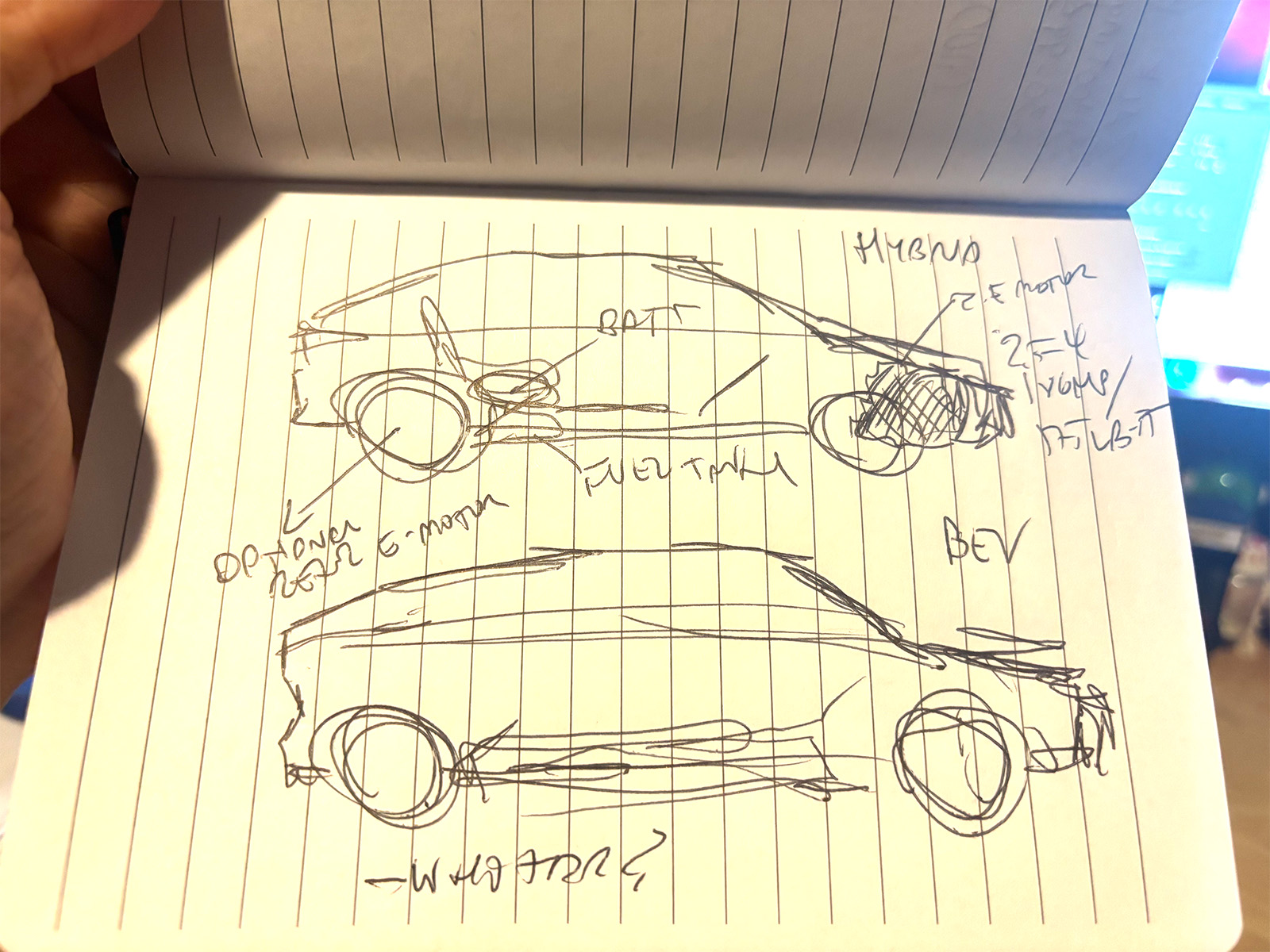
Well, he mostly helped with the hybrid version; the BEV has its batteries in the floor primarily, like most electric cars today, and the hybrid version packages its fuel tank and hybrid battery in that space. The ES still uses a transmission, it’s not one of those transmission-free hybrids, so that has to get crammed in as well.
The TNGA-K platform is very adaptable, and was designed for hybrid and BEV from the start, so I shouldn’t really be too surprised by any of this.
How Does It Look?
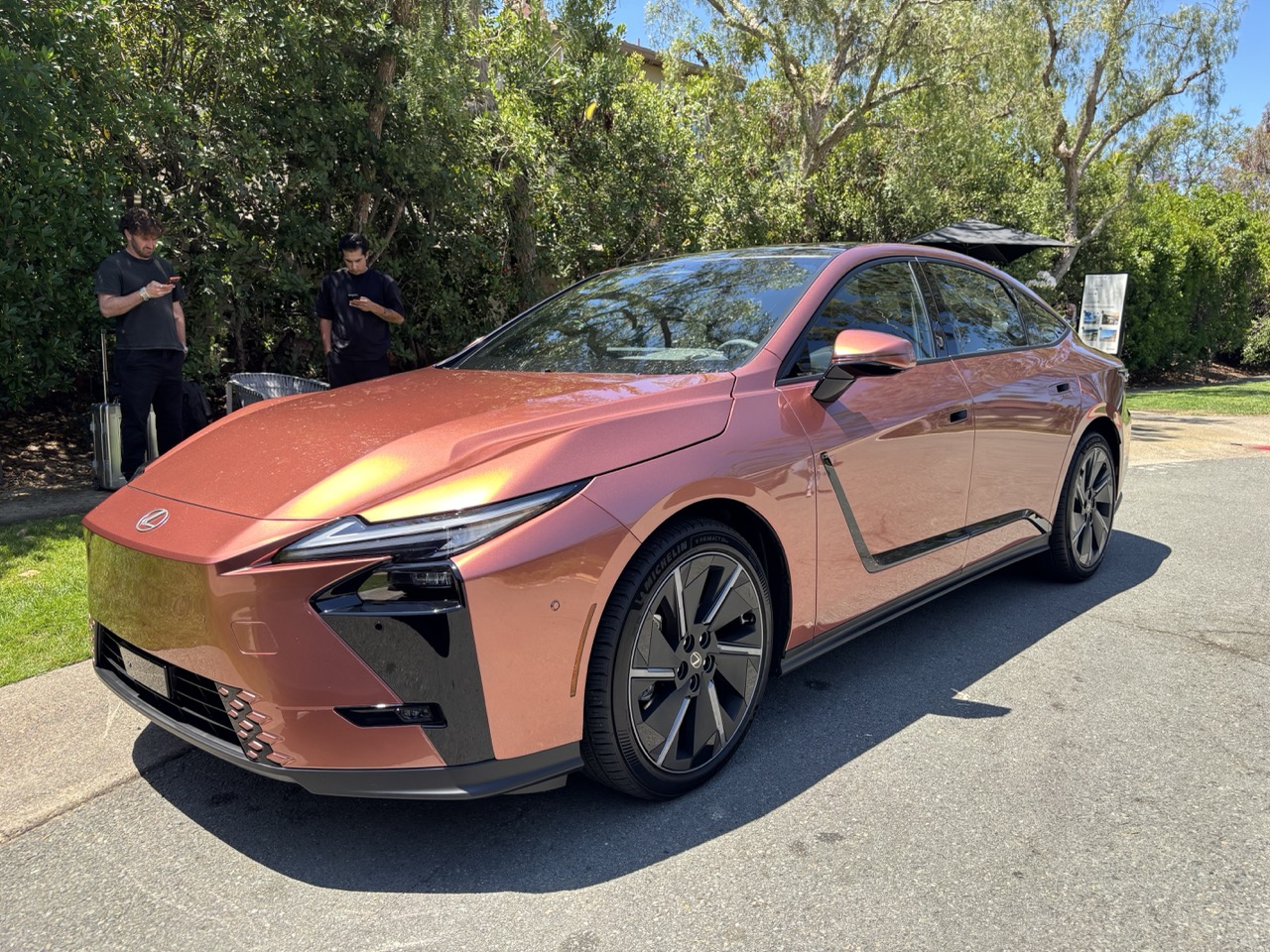
I think Toyota has come a long way in the past four or five years or so when it comes to design. They were headed down a very grim path of cybaroque excesses, with their cars becoming an unholy riot of gills and flaps and slits and all manner of folds and creases and other design elements that got along with one another about as well as Capulets and Montagues would if they got double-booked into a banquet space.
But once the latest design Prius came out in 2022, Toyota and Lexus have gotten a grip and calmed down dramatically, and now their designs feel much more cohesive and harmonious, even if Toyota/Lexus still can’t turn down a chunky character line if it shows up.
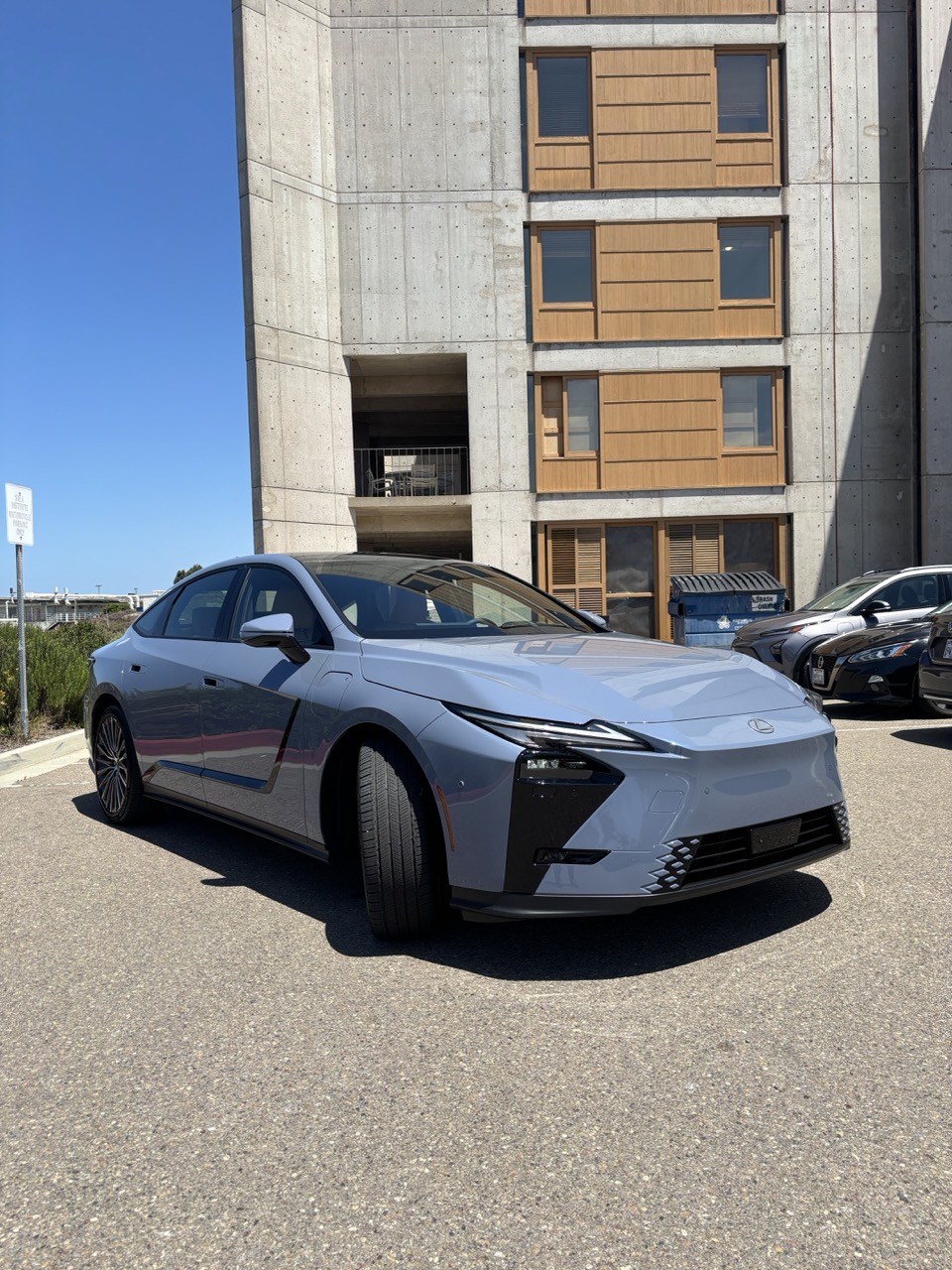
The most distinctive elements have to be the strangely complex hood stamping, which looks good and compelling from some angles, while from others looks kind of like you accidentally dropped a laundry basket full of typewriters on it. Sometimes I liked it, and sometimes I didn’t. The car is full of all sorts of character lines, and generally I think they do work.
Lexus’ designers seemed to feel that one of these character lines was worthy of extra emphasis, which is why that big hockey stick-shaped one on the side is done up in glossy black plastic:
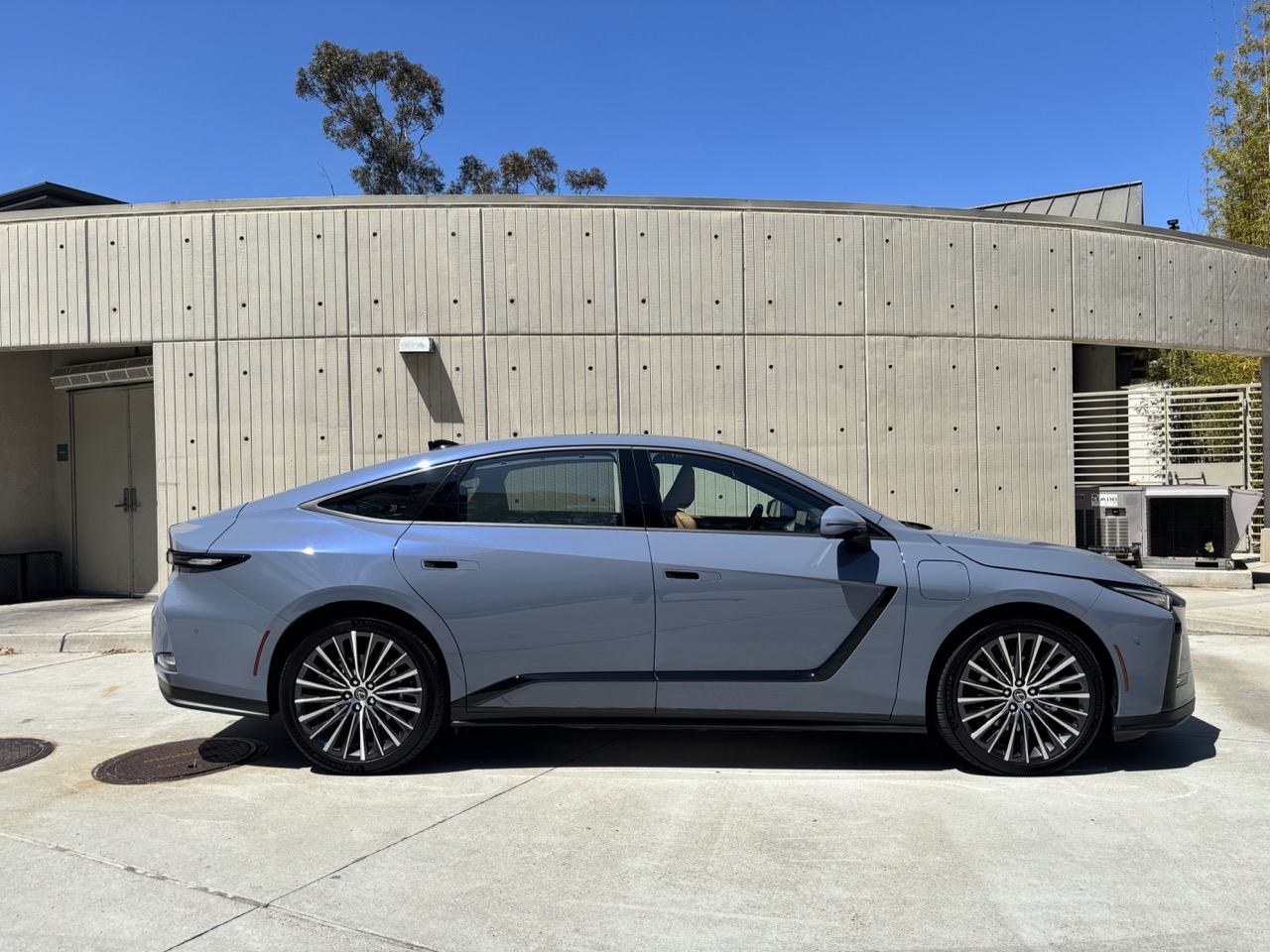
Actually, it looks more like a schematic diagram of a chaise lounge than a hockey stick now that I look at it. I don’t mind it; I think it breaks up the volumes pretty well.
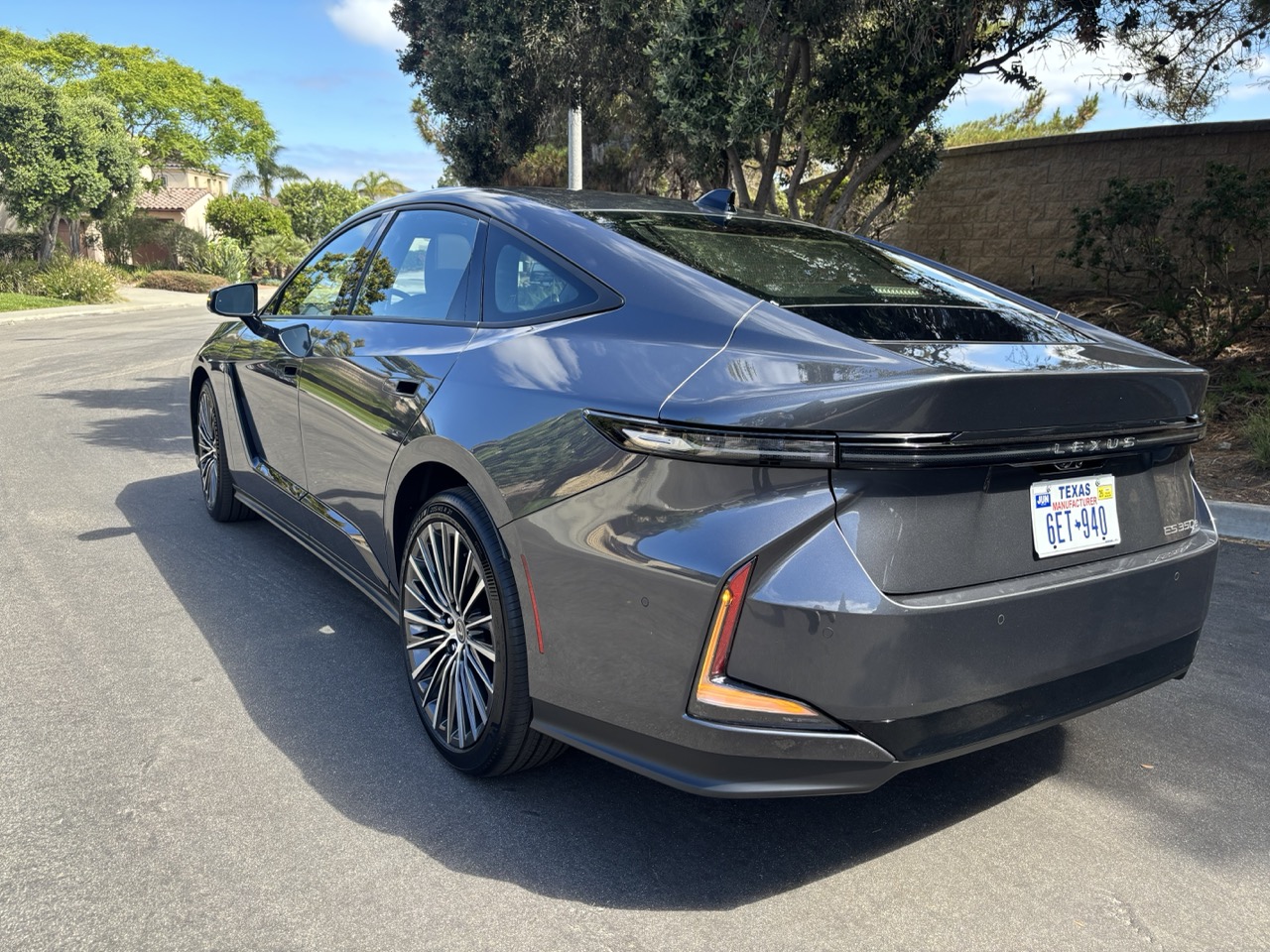
Around back you can see the dramatically-raked roofline and the full-width taillight, which is clear when off, instead of red. Actually, should we take a moment and talk about the lighting? Lexus is very excited that this is their first car where the LEXUS badge illuminates and, sure that’s fun, but let’s talk a bit more about the taillights and other lighting.
Let’s Talk Lighting
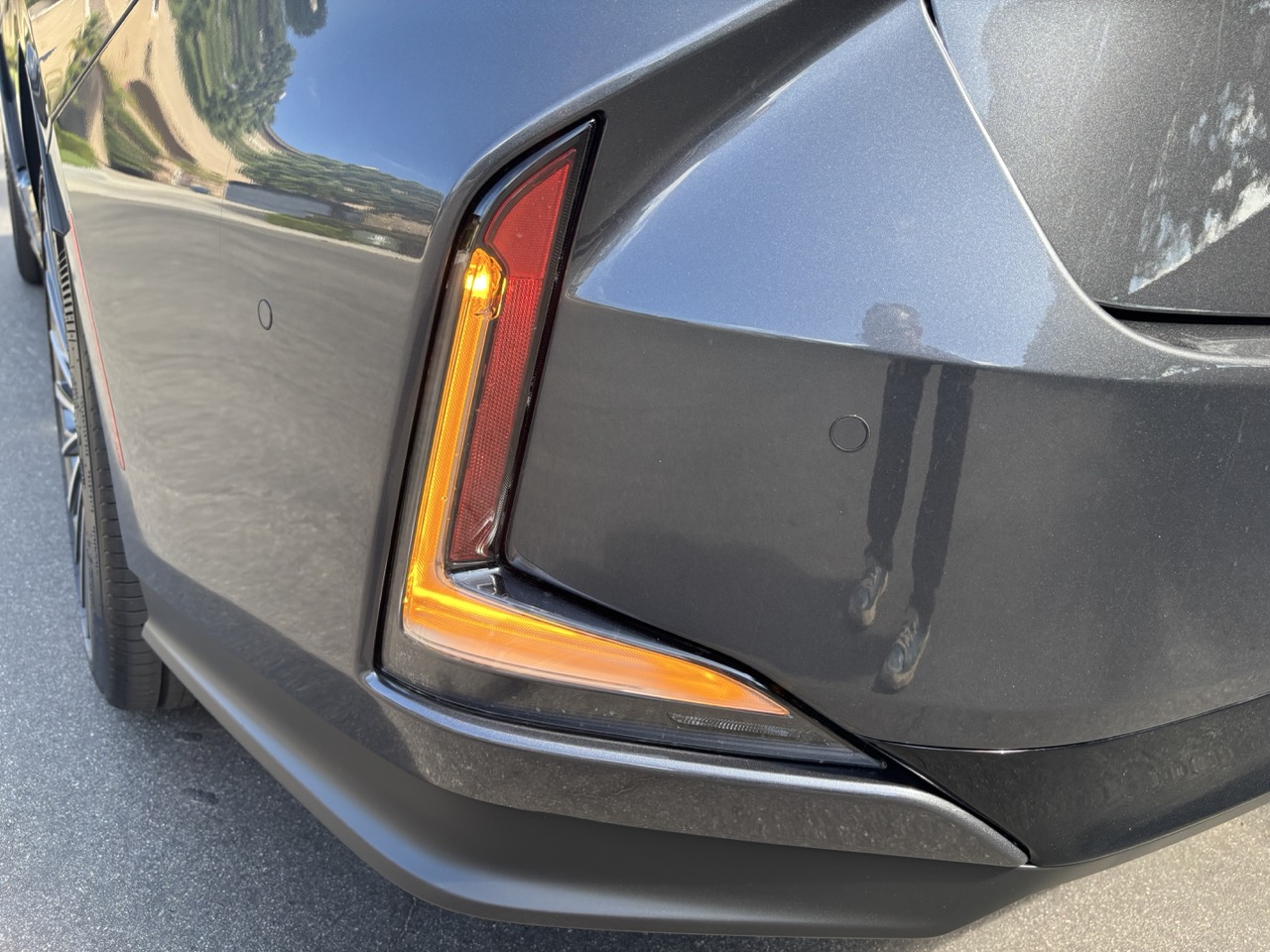
The rear indicators, I’m happy to say, are amber, and despite them being removed from the main taillight area running horizontally across the car, I think they’re quite noticeable and striking.
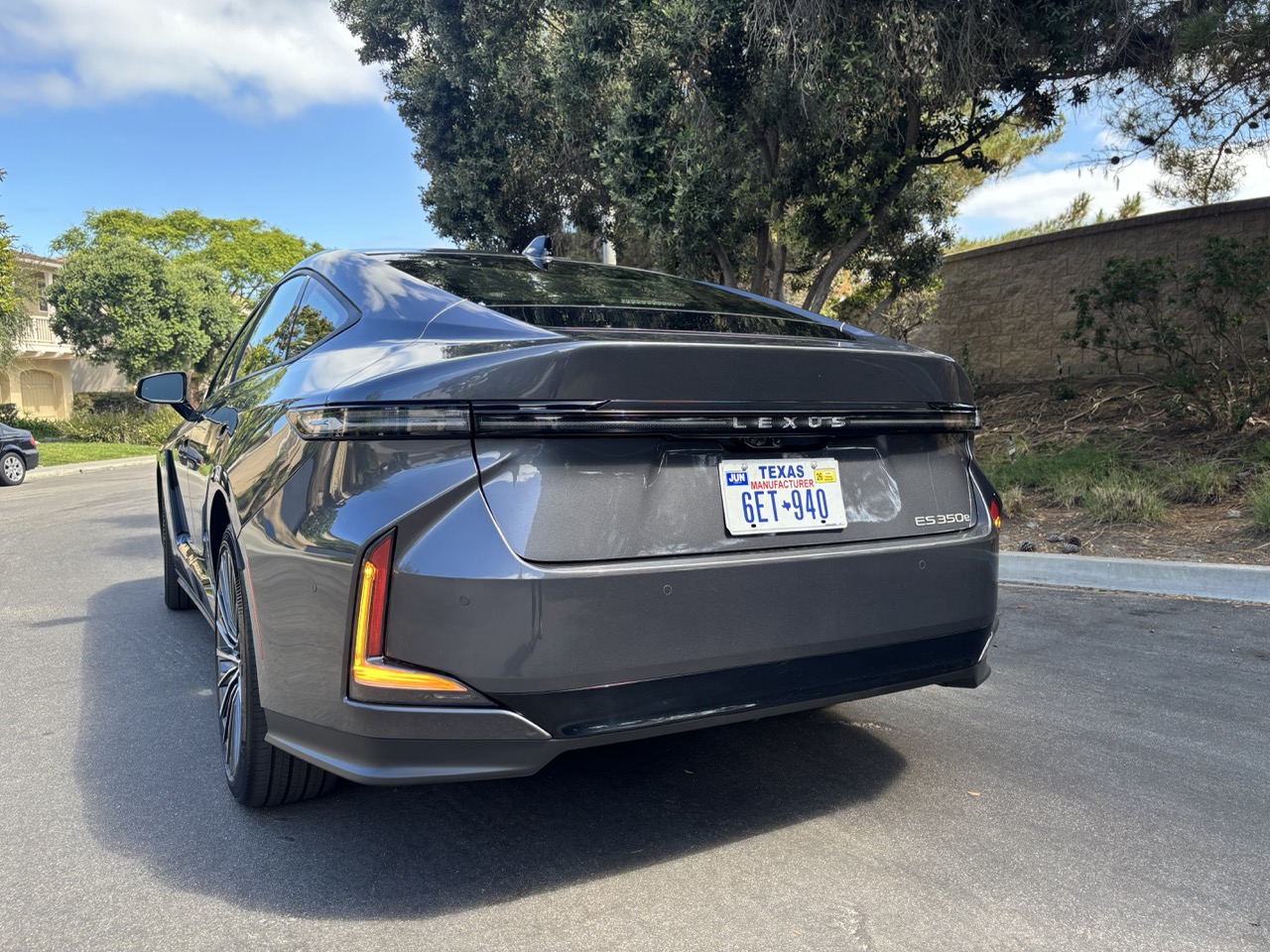
They’re obvious and suggest some directionality as well. They’re good turn signals. Up front, we have a pretty dramatic, lighnting-bolt-like indicator as well:
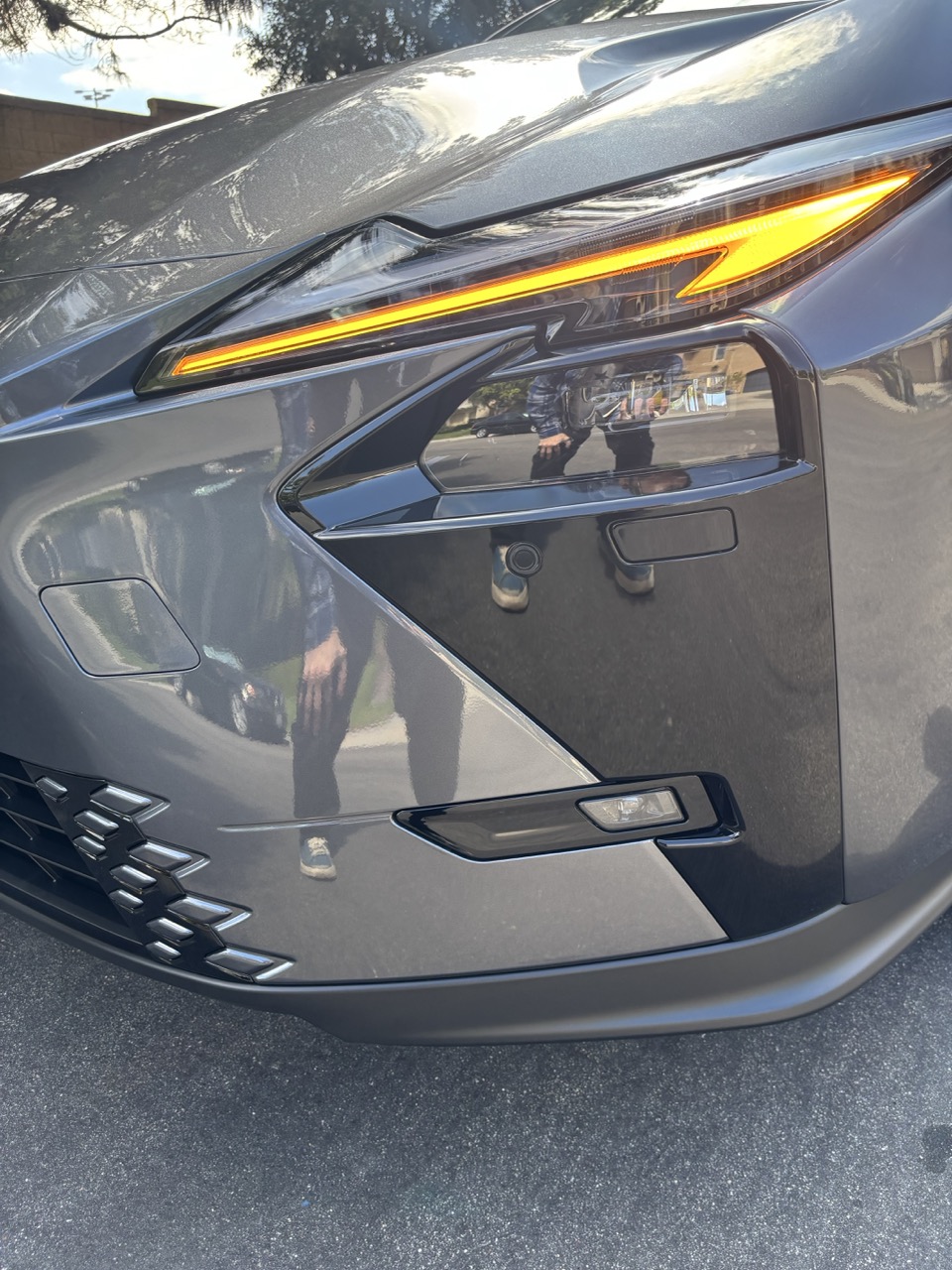
The main headlight beam is below the indicator/DRL assembly, and is that vaguely van-shaped lamp there. Below that is an auxiliary driving lamp that also functions as a corner lamp, which is a nice touch.

I don’t really know what Lexus means by “inward-facing” DRLs, though. Maybe they’re introspective, and prone to bouts of self-examination?
Overall, the lighting feels well-considered on the ES; I’m especially happy to see amber rear indicators, especially on a “premium” car like this one.
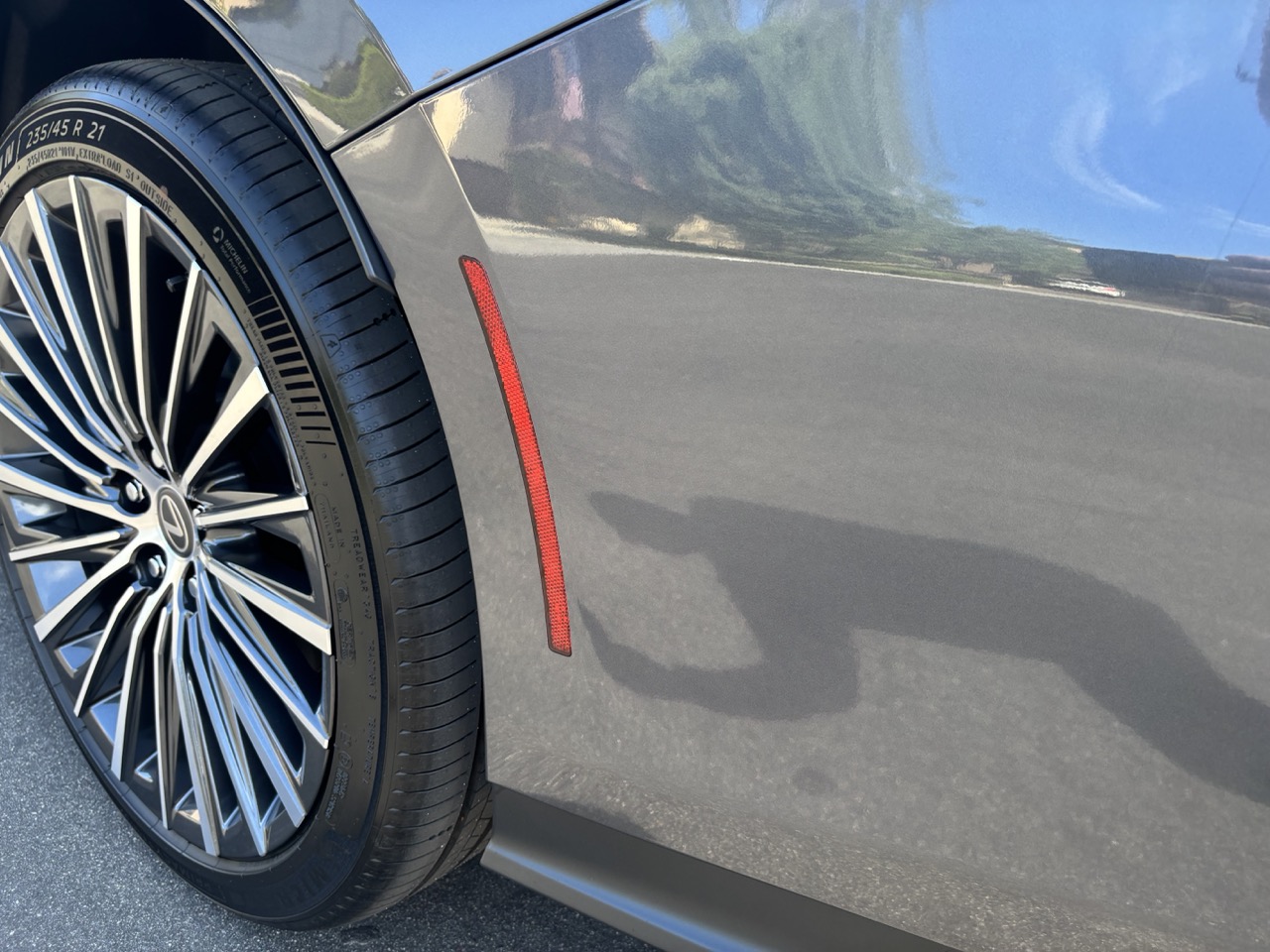
The side marker reflectors are very thin and elegant on the new ES, too, if that’s important to you. It’s important to me.
Okay, Back To The Exterior Design
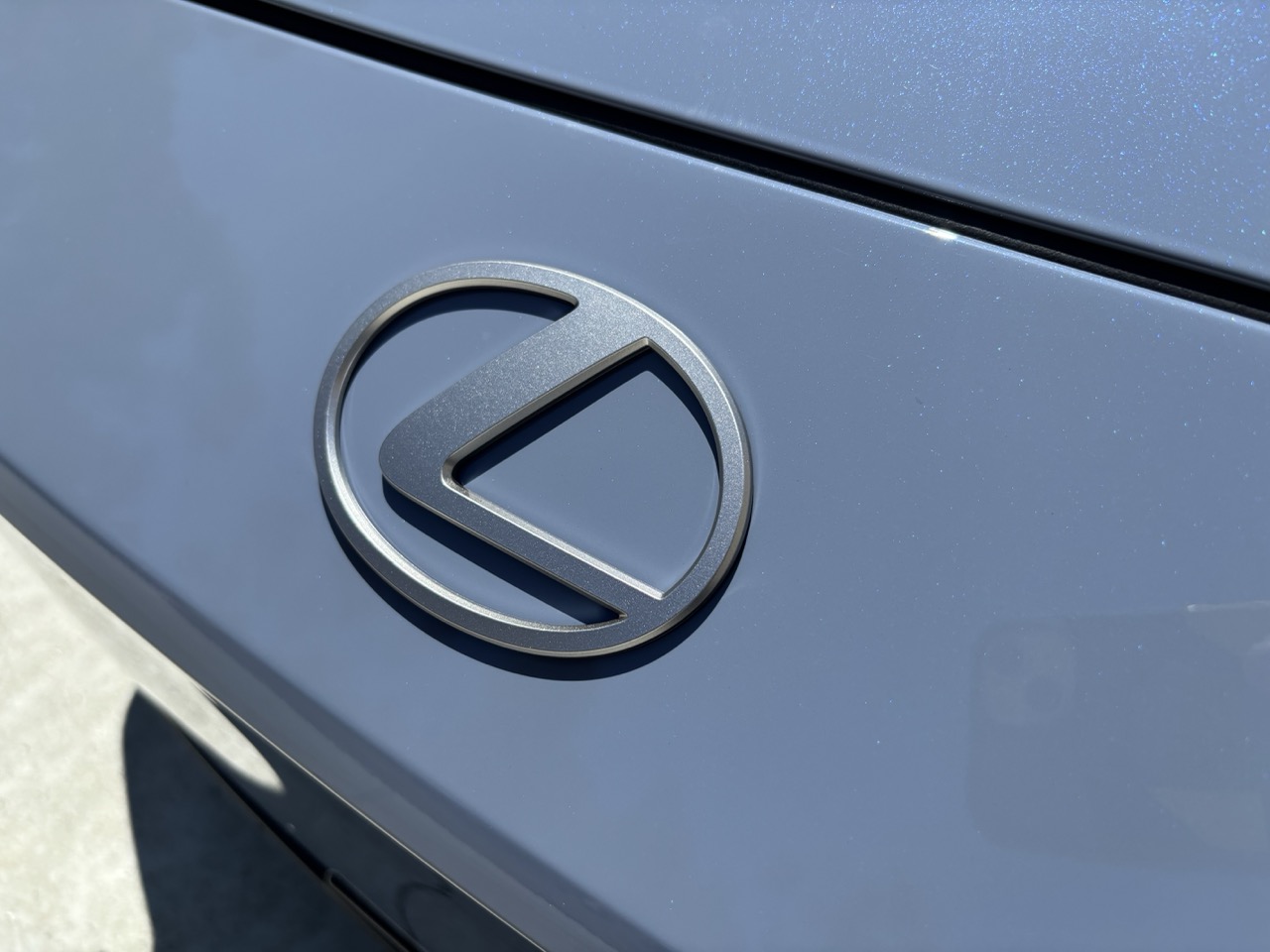
Lexus’ PR folks took care to point out that the Lexus ‘L’ badge is now a flat-surfaced thing, with a bit of texture. The old version was sort of beveled/chamfered, like this:
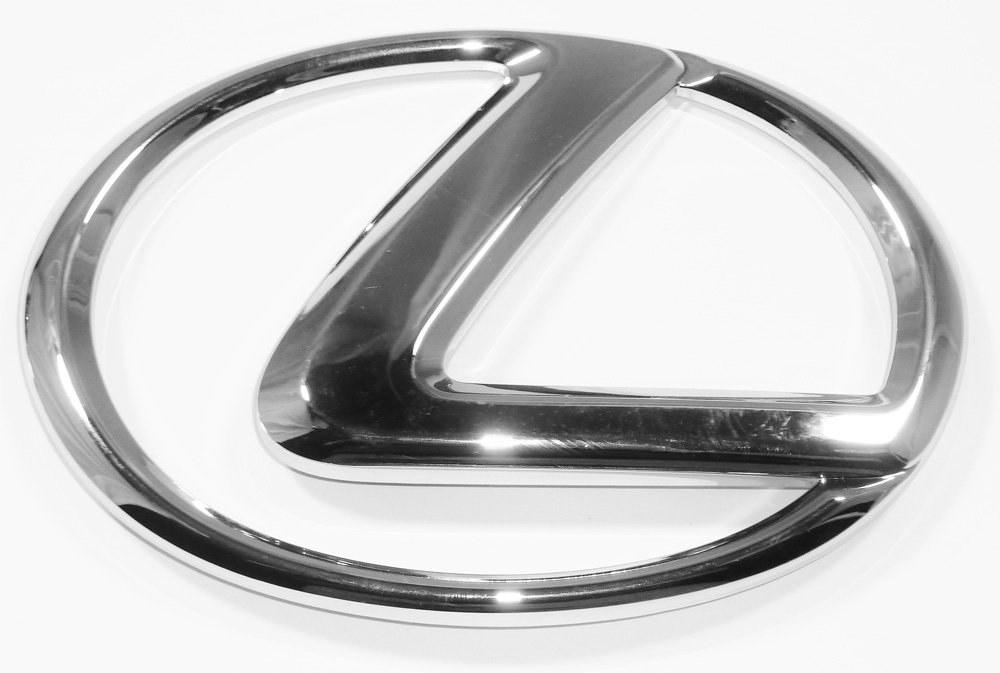
Do I like the new badge better? Sure, kinda, why not? If all that beveling and insistent shininess was keeping you out of a Lexus, boy do I have good news for you.
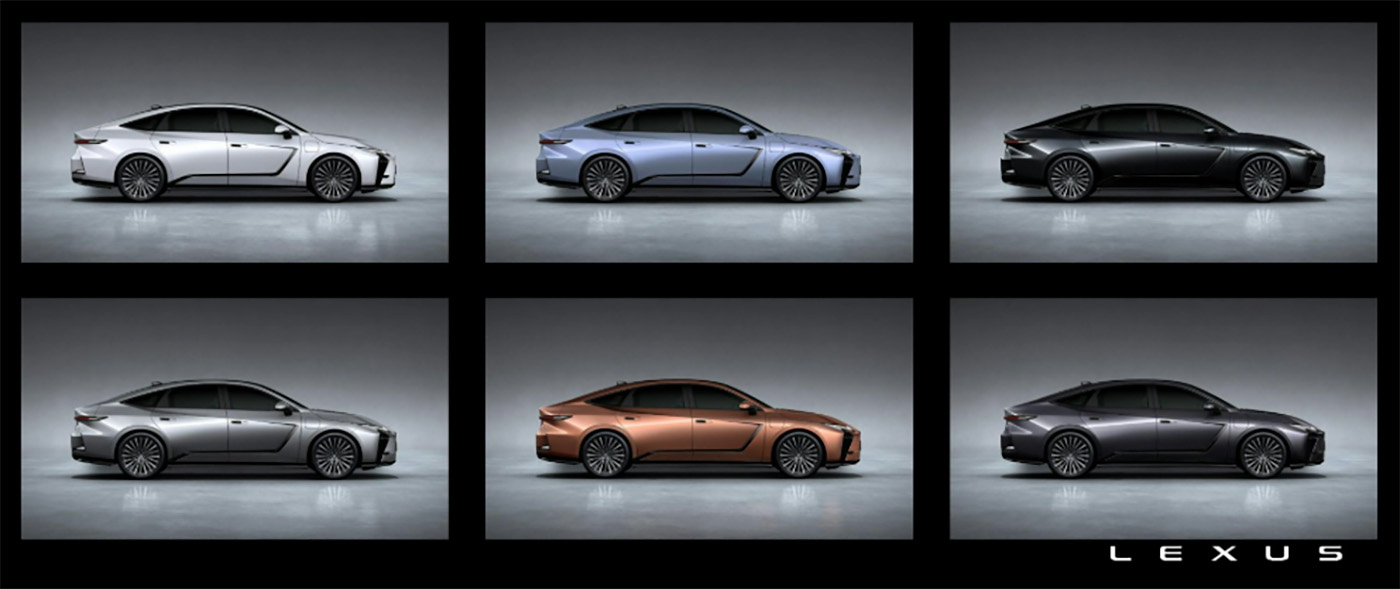
Oh! I almost forgot to tell you about the colors! There’s really just two colors, a coppery-metallic one, and a metallic pale blue-gray. The rest are grayscales, with a nearly-white and a nearly-black, and there’s one named “Caviar,” I think. I say get the blue or copper, because life is for the living, dammit.
Enough, Let’s Get To The Interior
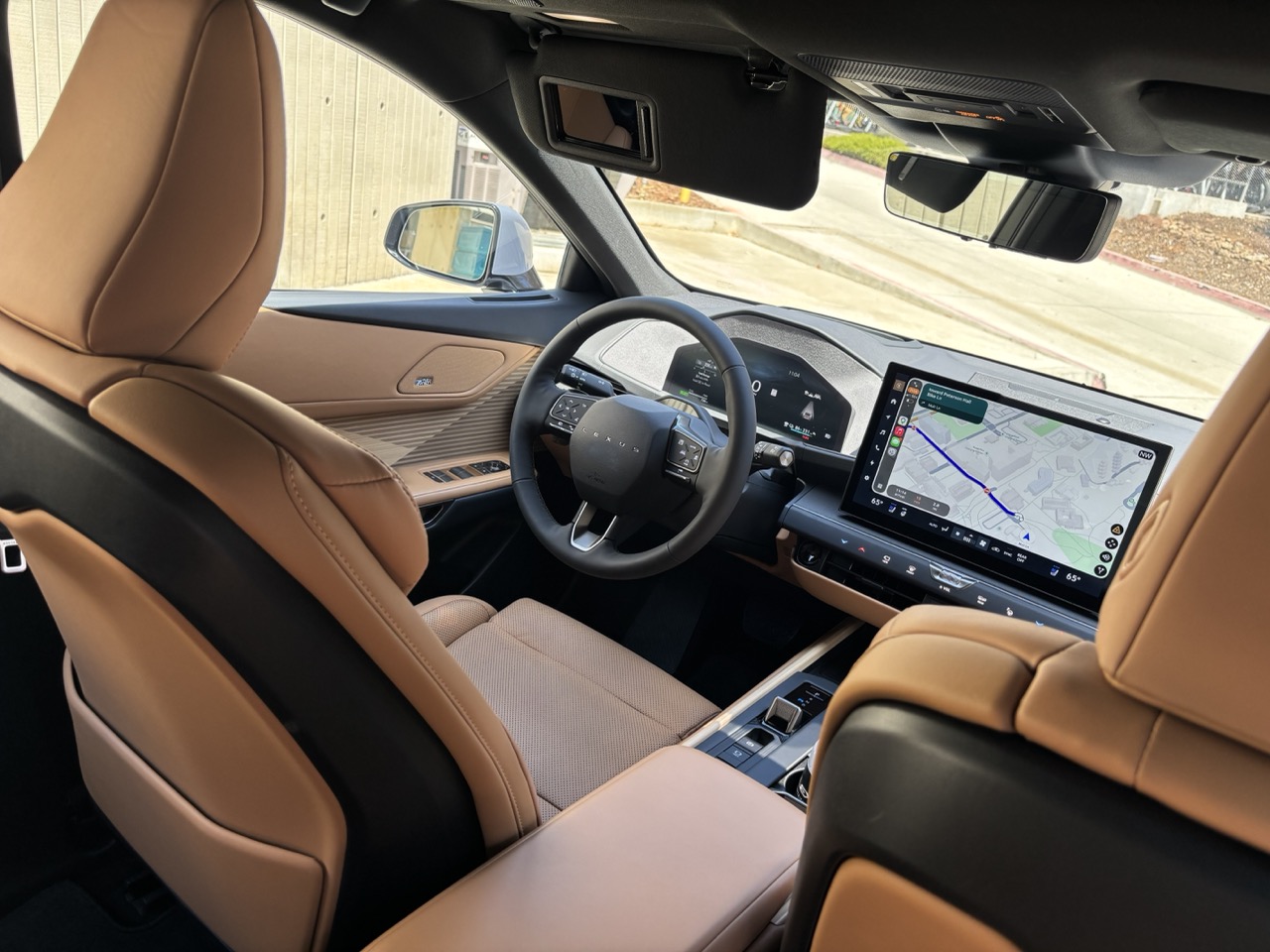
If you’re surprised that the Lexus has a very nice interior, then I’d like to welcome you to your stay here on Earth, a planet that’s part of the Kimpton Hotel Network. Try the Clams Casino! Enjoy your stay!
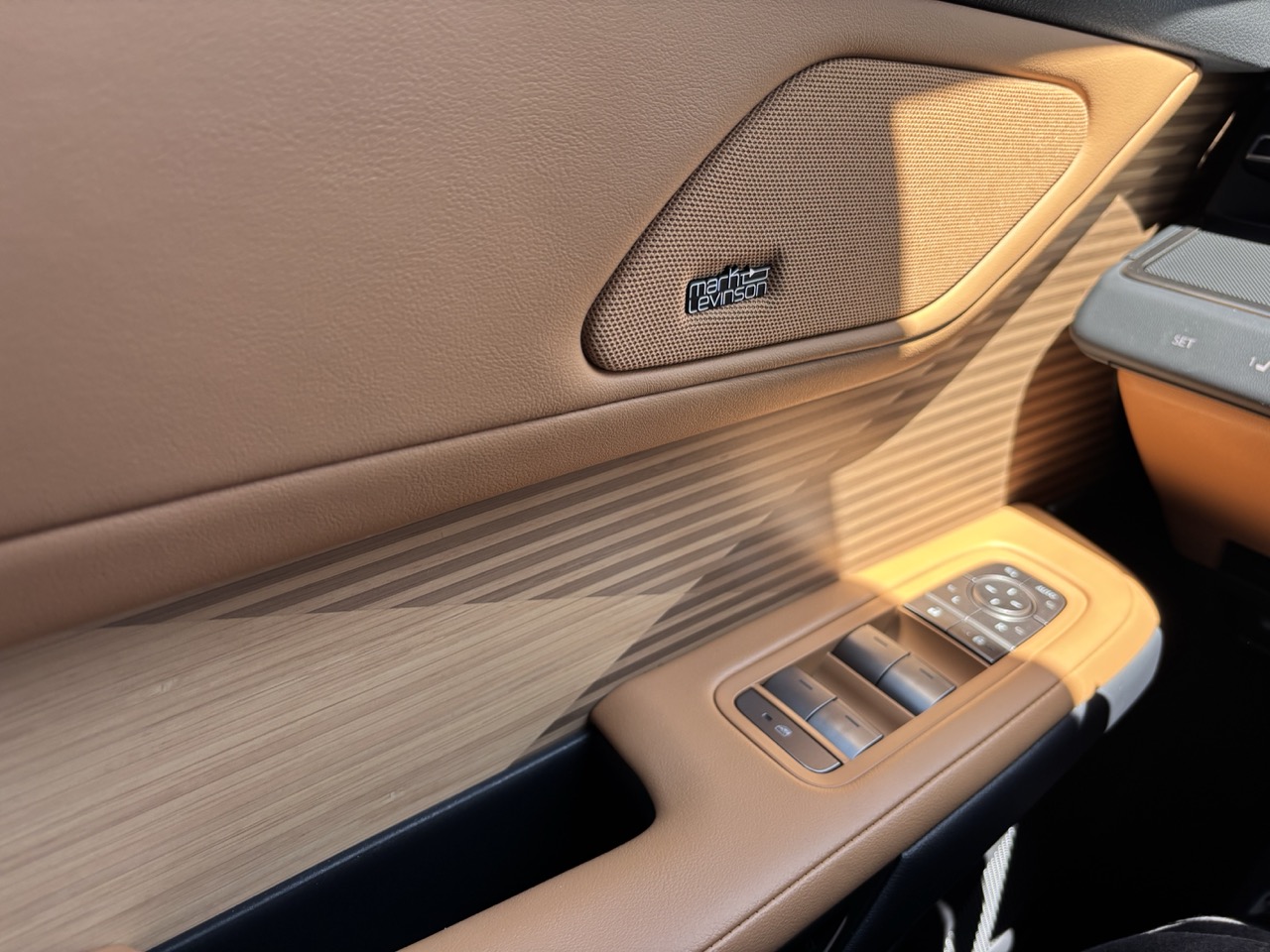
For everyone else, of course it’s a nice interior. Everything feels well-stitched and clamped and glued and stapled together, and there’s interesting materials all around! Like this nicely inlaid angles-and-stripes pattern wood in the door cards:
There’s this buttersotch-colored interior, and also a gray one:
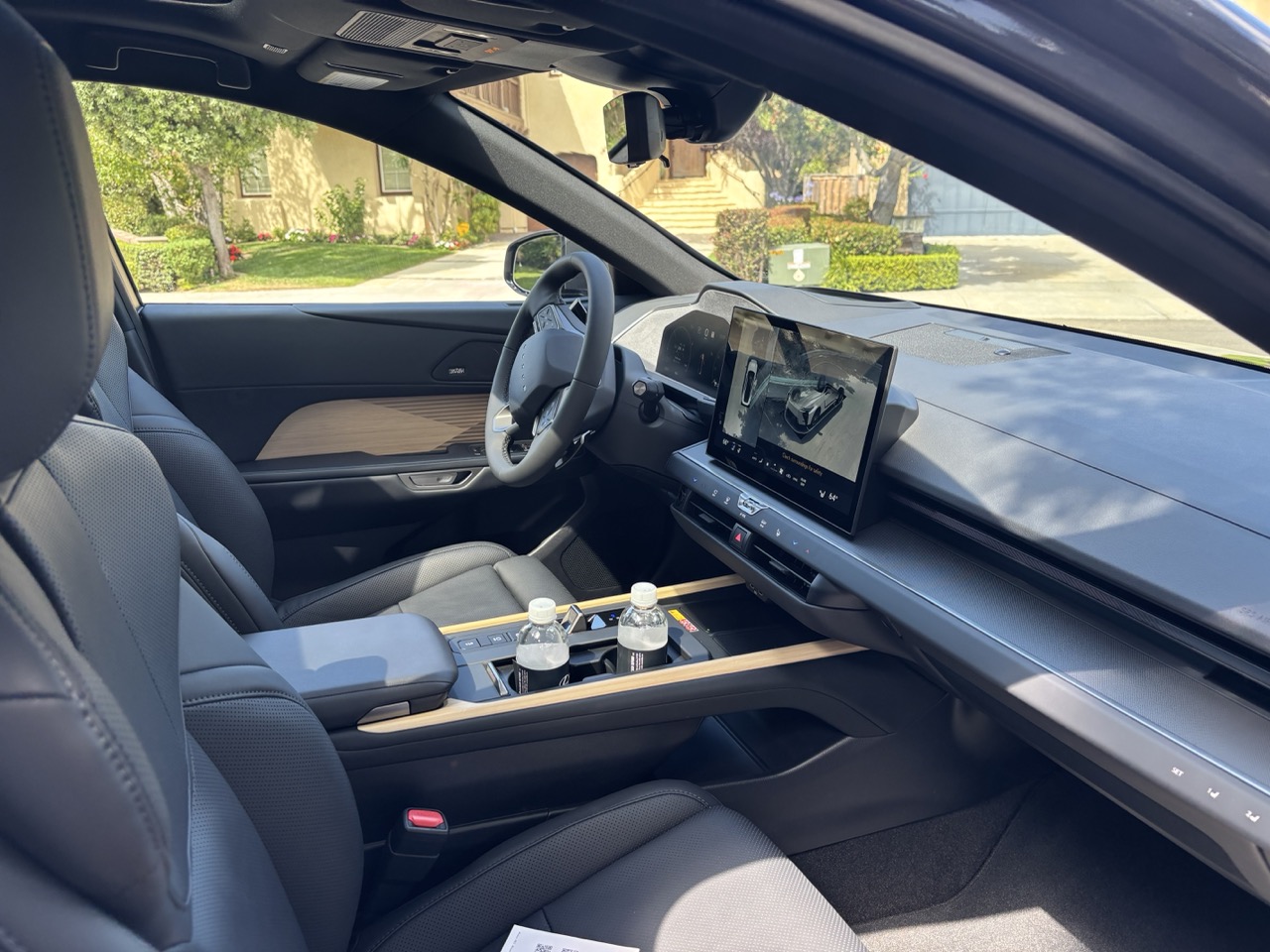
The gray one is far more boring, even if it does make the wooden trim areas pop. But look at the overall difference; this is the gray, which probably has a name like “Disinterest” or something like that:
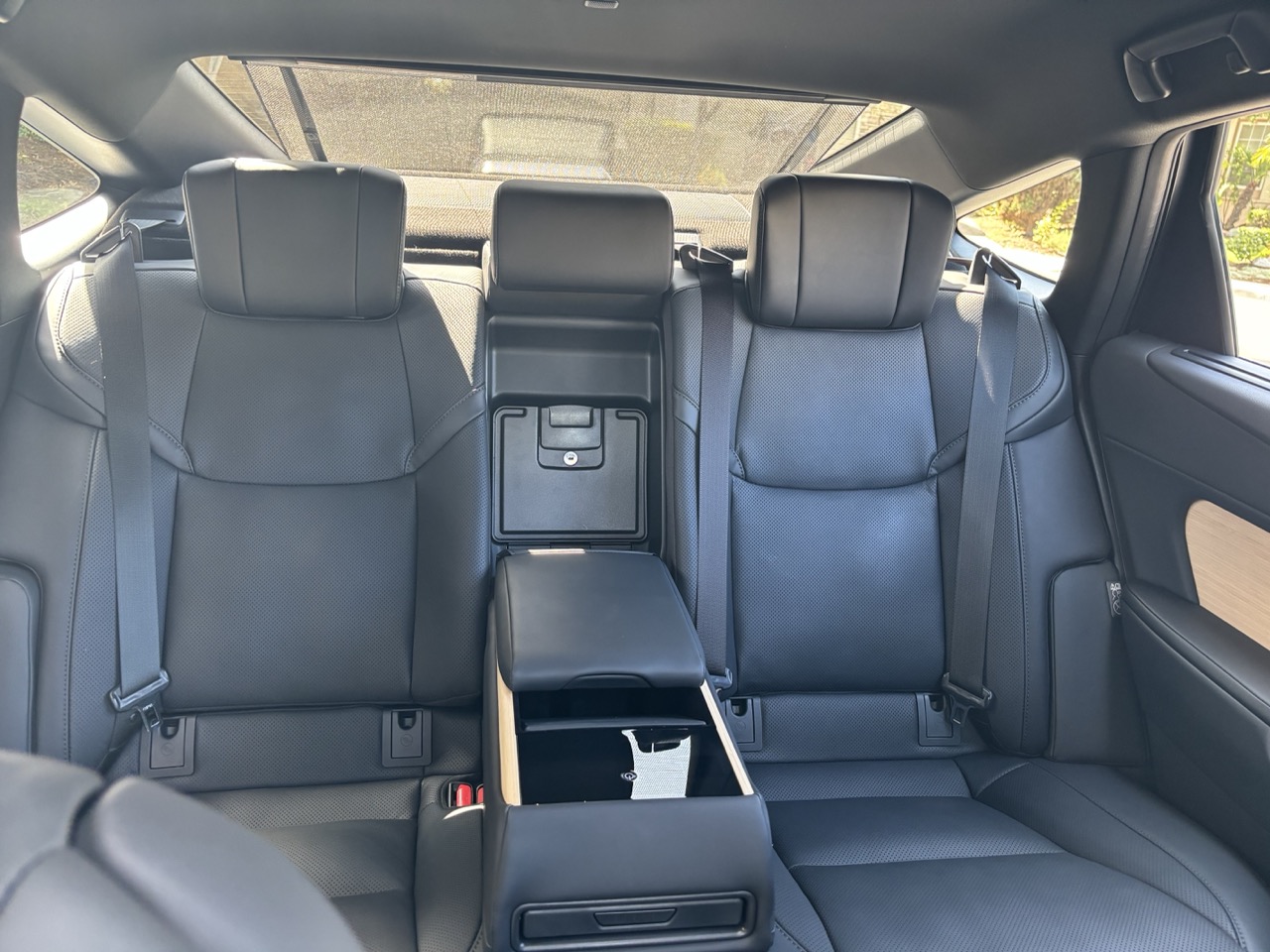
…and here’s the butterscotchy one:
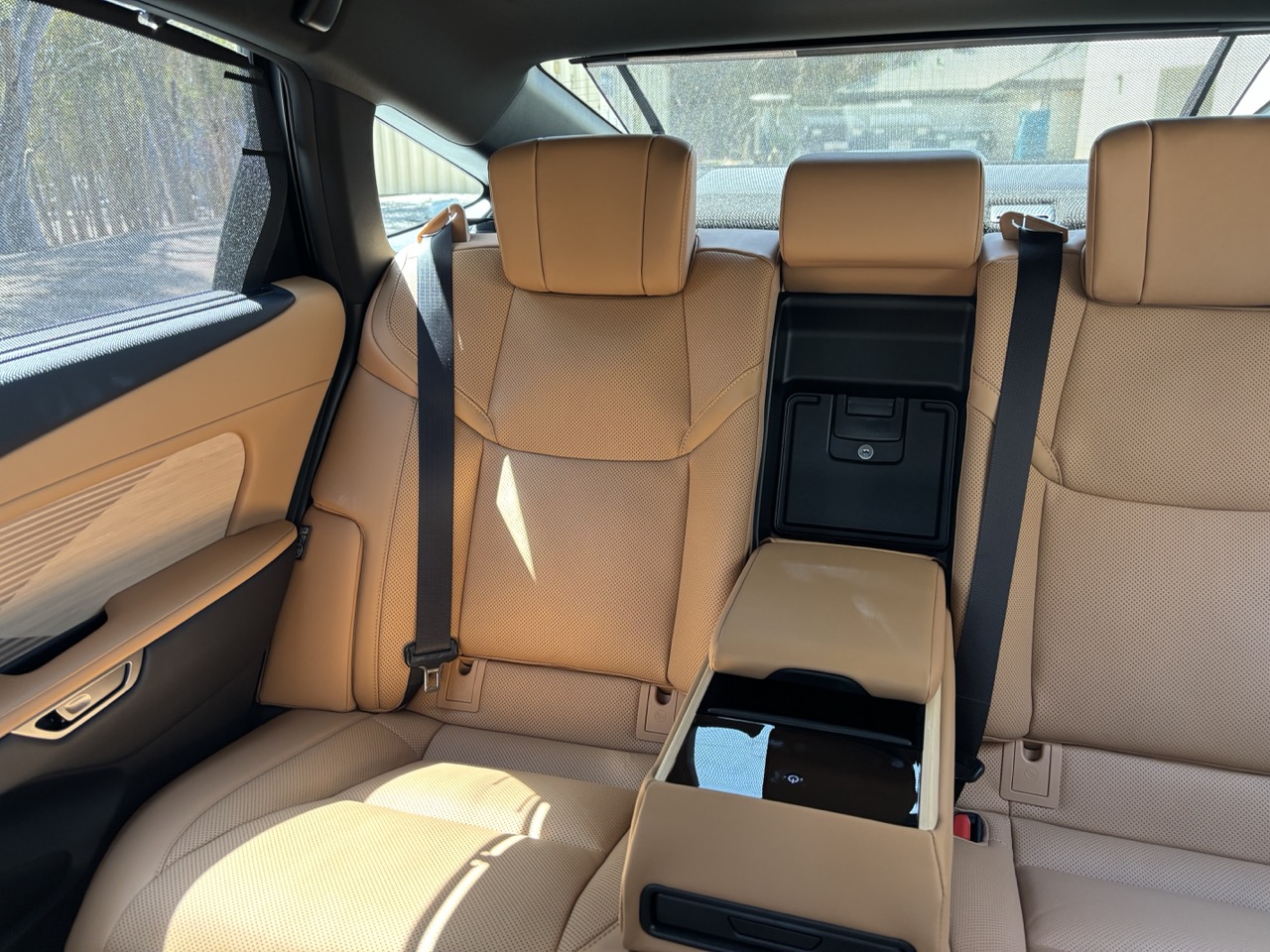
It’s much nicer, I think.
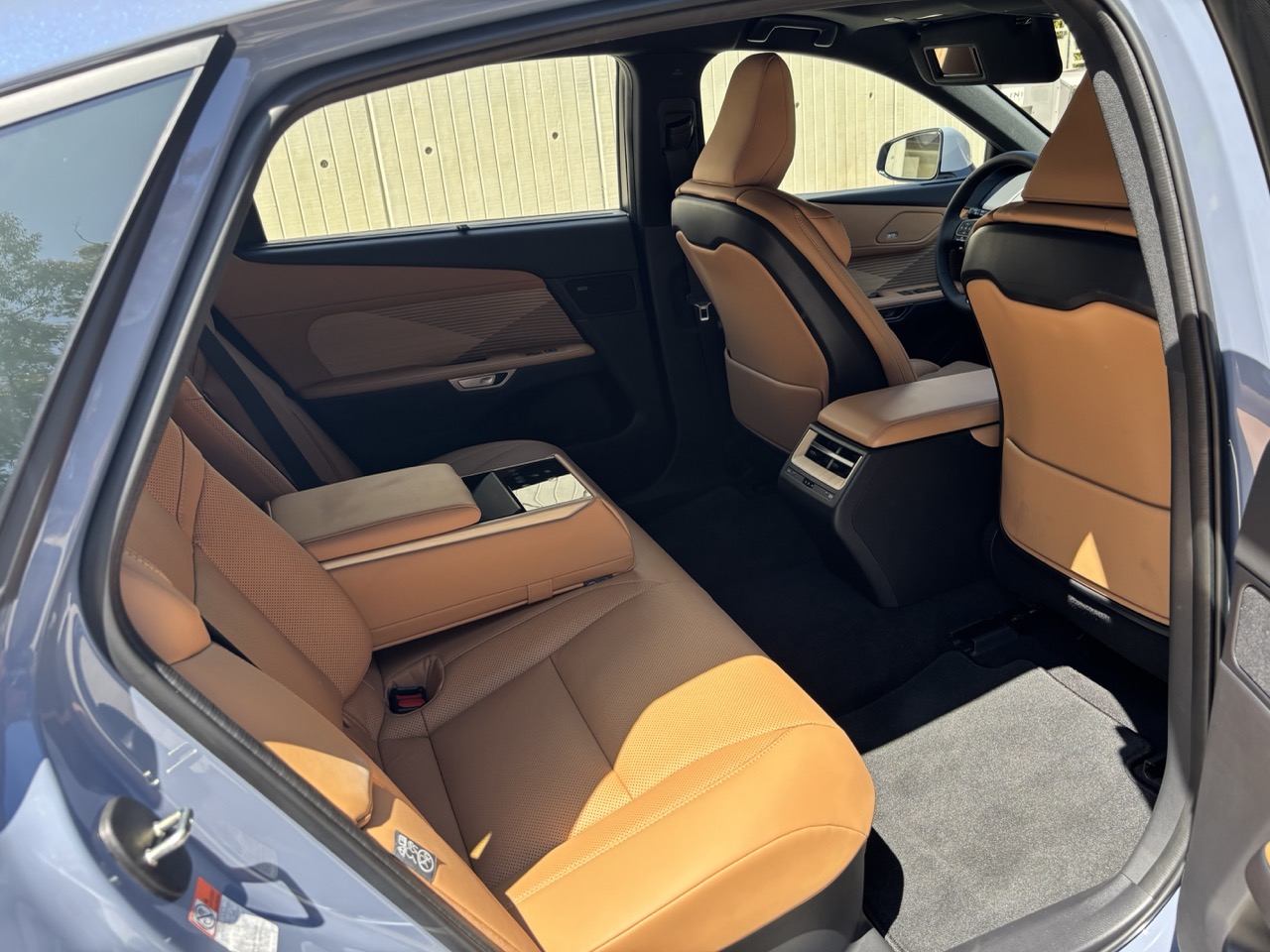
And speaking of nice, the back seat area is very nice, with rear seats that are heated and massaged and recline-able, even with an extended “ottoman” feature and plenty of legroom.
Oh, there’s also a white interior option, which is great if you never like to enjoy mustard time in your back seat.
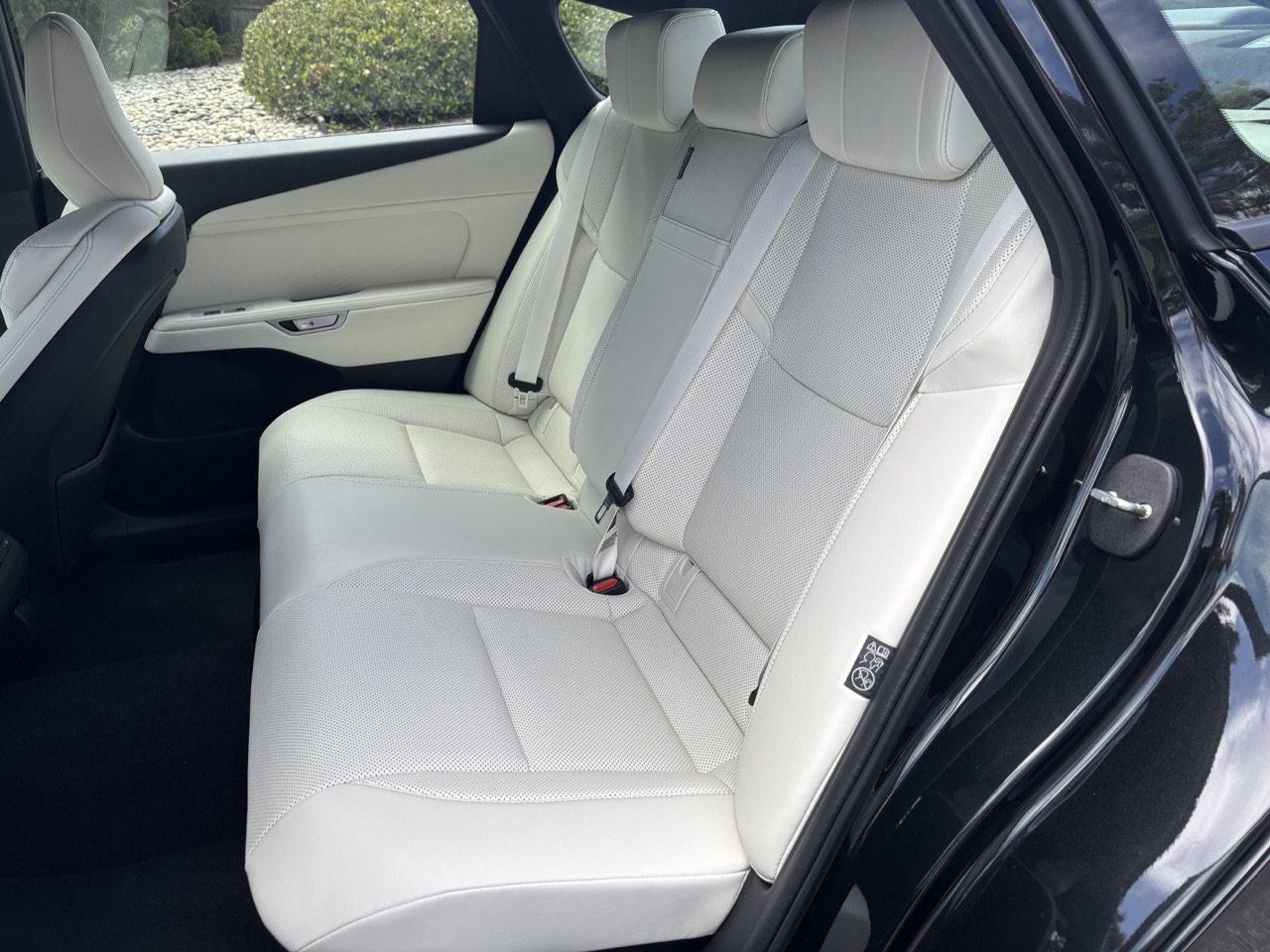
It’s clear that rear set comfort is a priority for this car, and I respect that. Second row passengers are as deserving of decadence and comfort as anyone, after all. Some even claim more so.
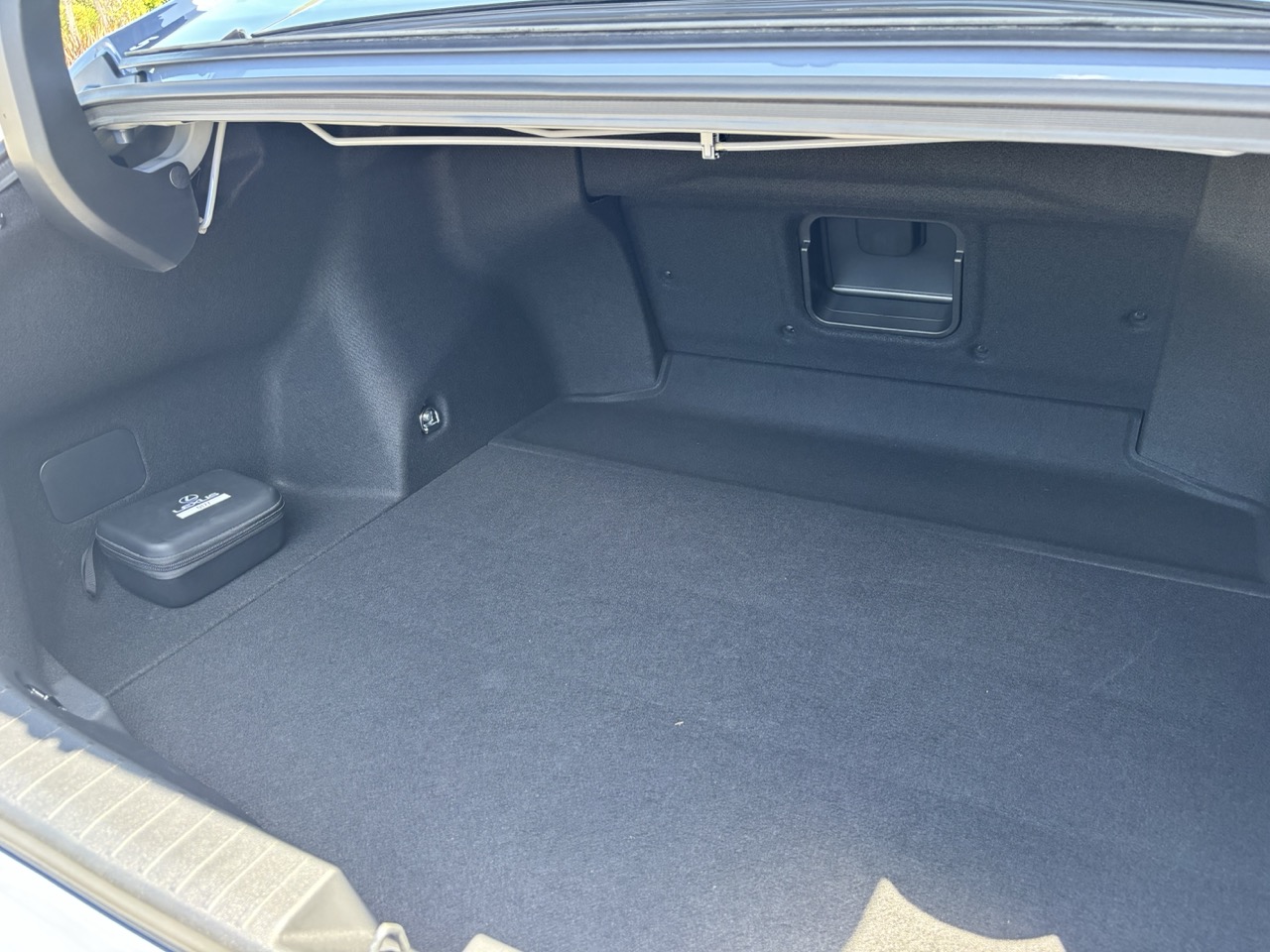
One downside of the powered and heated and massagable rear seats is that they don’t fold down to allow for larger cargo. There’s just a small pass-through for things like skiis, large salamis, well-behaved snakes, and six-foot party subs:
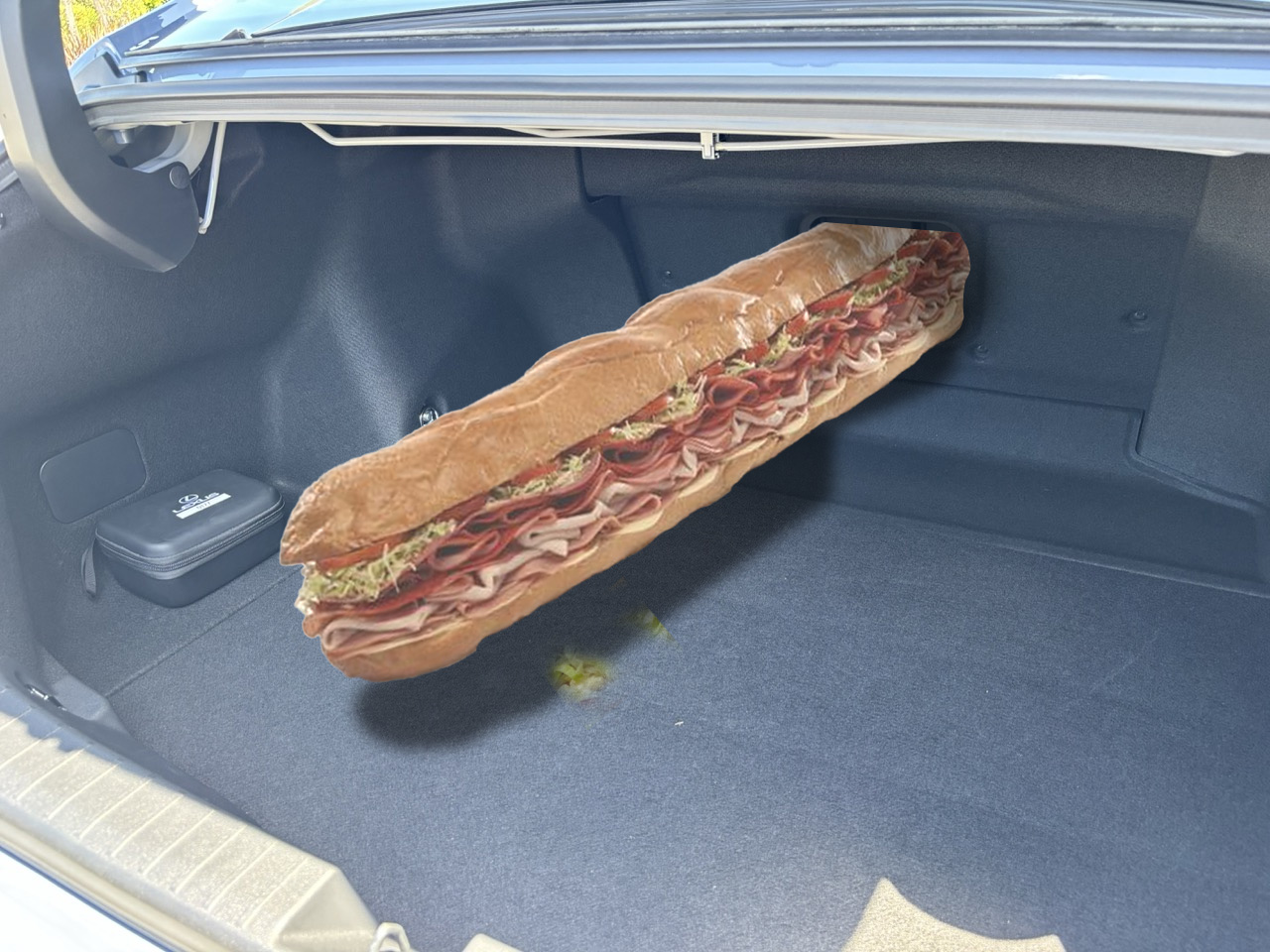
Beyond that, though, you’re not going to be carrying huge or awkwardly-sized things in the ES. The trunk is plenty big for most needs, though, and let’s be honest: nobody buying this is going to be loading the trunk full of 2x4s or plywood or bags of fertilizer. If you ask an ES owner to borrow their car to make a run to the dump or junkyard, the owner is just going to tell you “no” and not even punctuate their text with an apologetic emoji, because they’re not sorry, they’re not sorry at all, they deliberately bought a car without a hatch or folding rear seat precisely to avoid situations like this, and, yes, you.
I’m sorry you had to hear it this way, but that’s just how it is. No one is buying this car to haul shit.
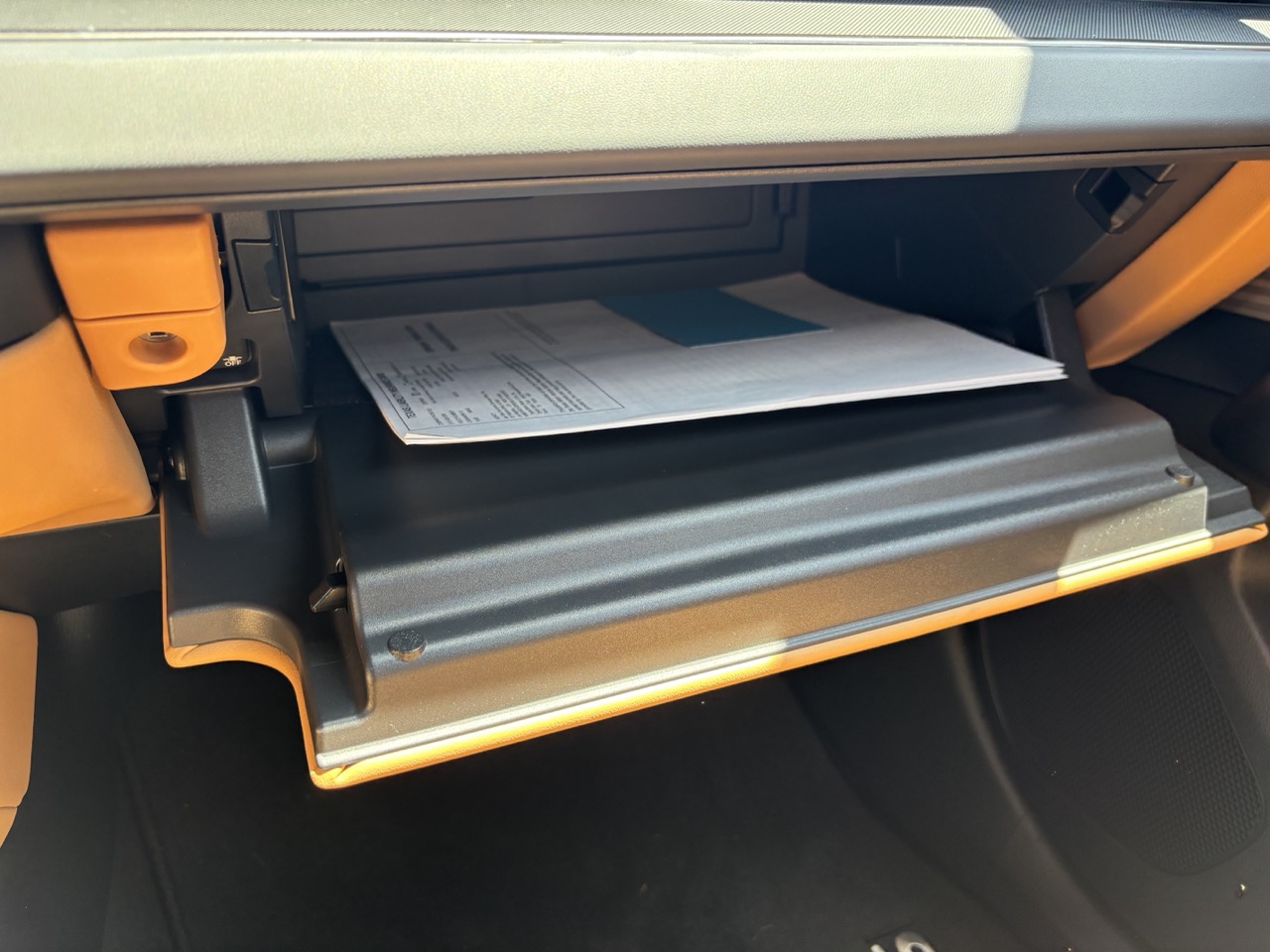
That said, I do think the glove box is a little small on the new ES. It’s just big enough for your copy of Dianetics, and that’s about it.
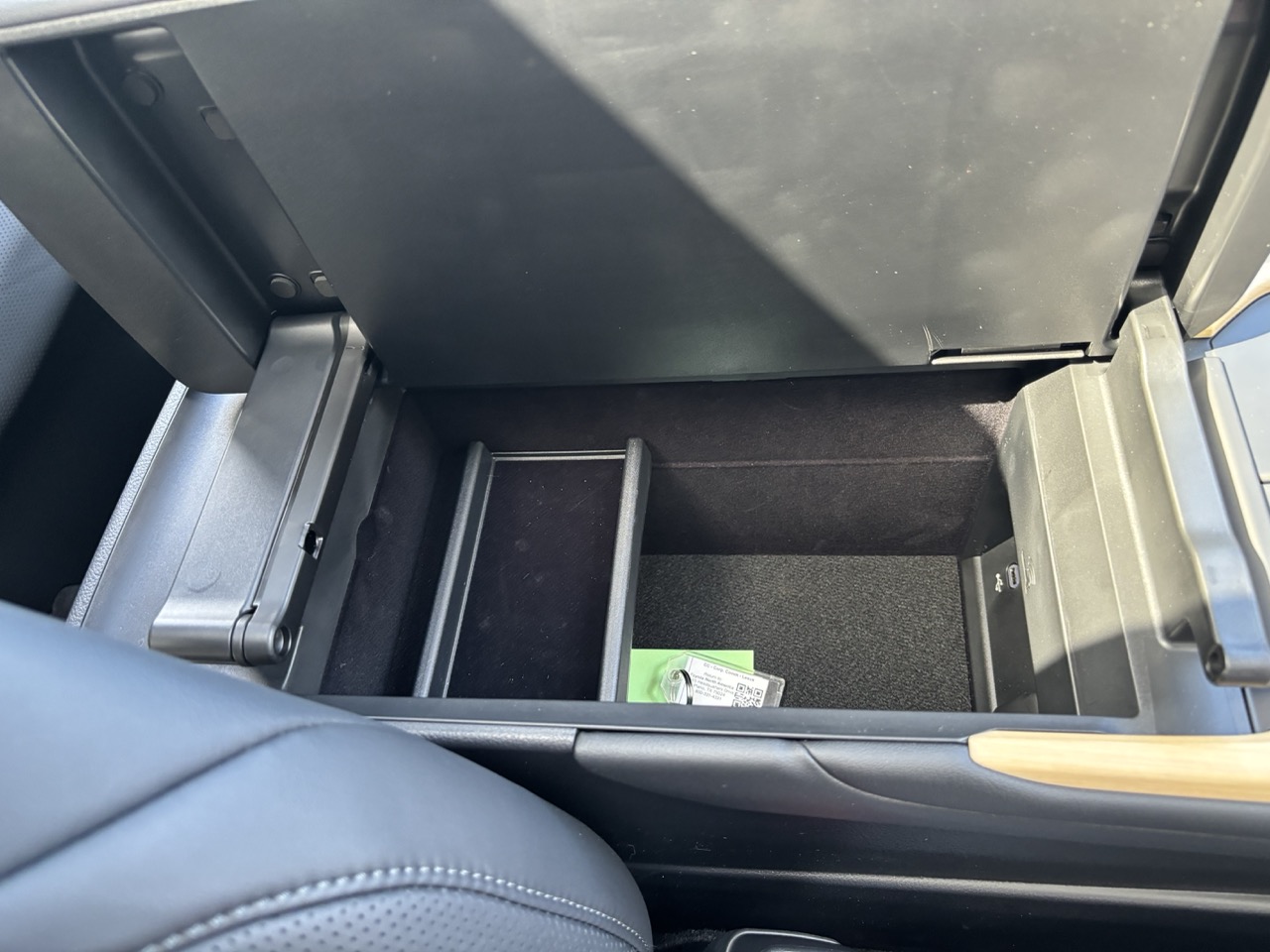
There’s some center storage, at least, and the expected door pockets, so you do have some space to stash your crap.
Controls, Gizmos, Electronic Stuff And All That
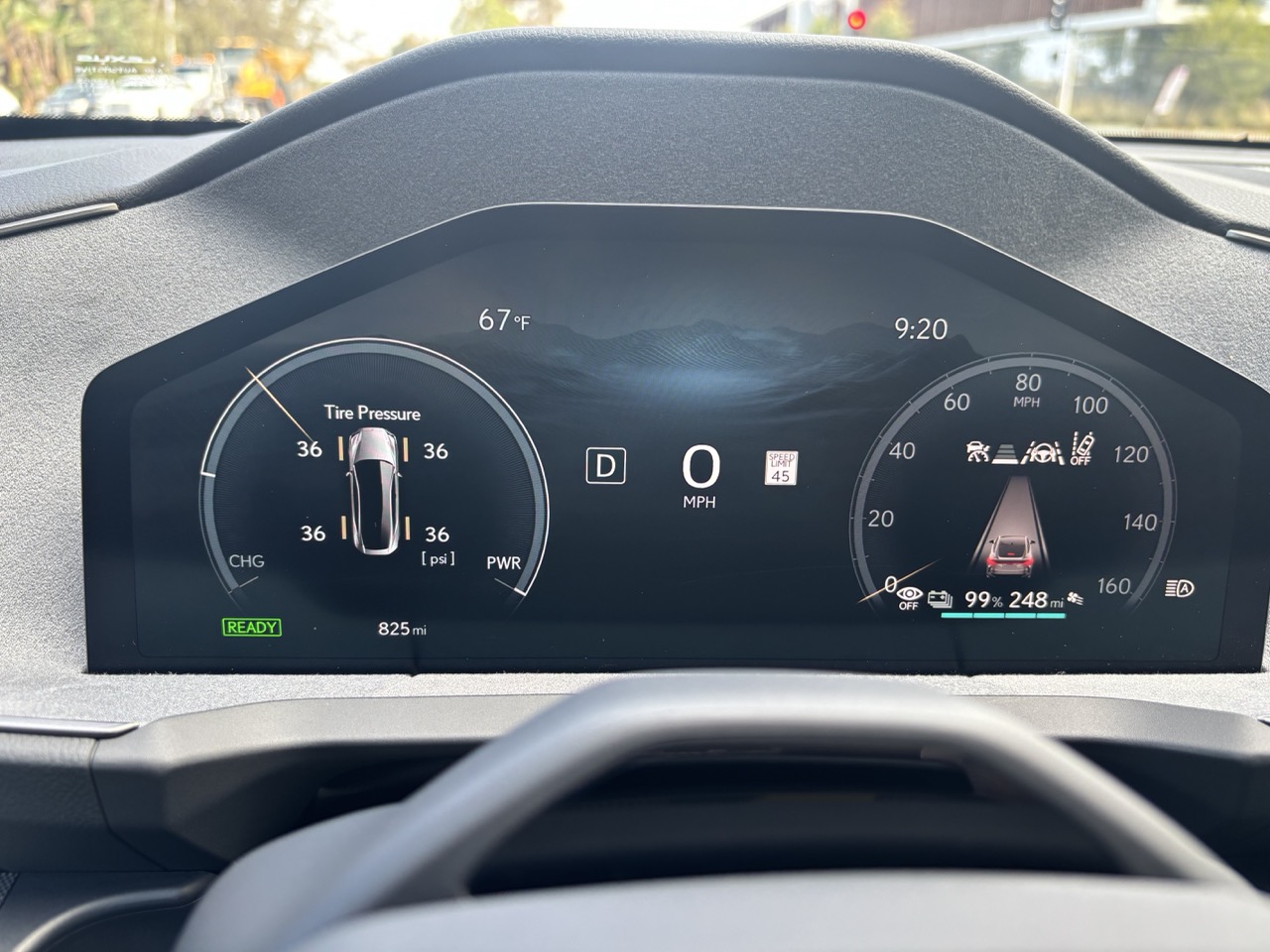
Lexus’ people made a bit point out of the fact that the LCD screen instrument cluster is not hooded. I’m not sure I ever minded the hooding, but if a hood over your instruments just frosted you, mazel tov. You’re free of the hood, at least in this car.
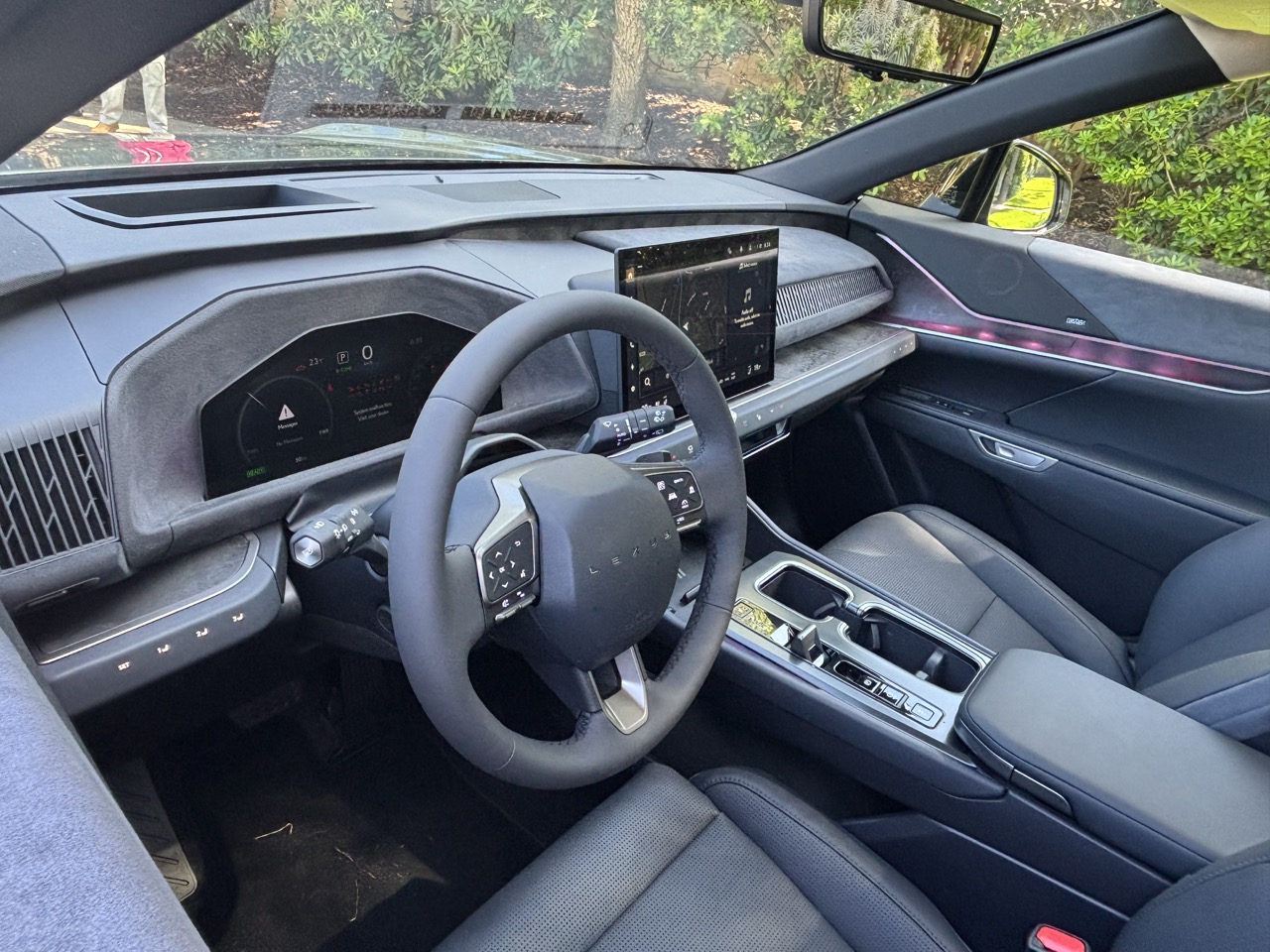
The visual effect is interesting, with the instrument display sitting there in a little cloister like some sort of sacred tombstone, which I guess is cool.
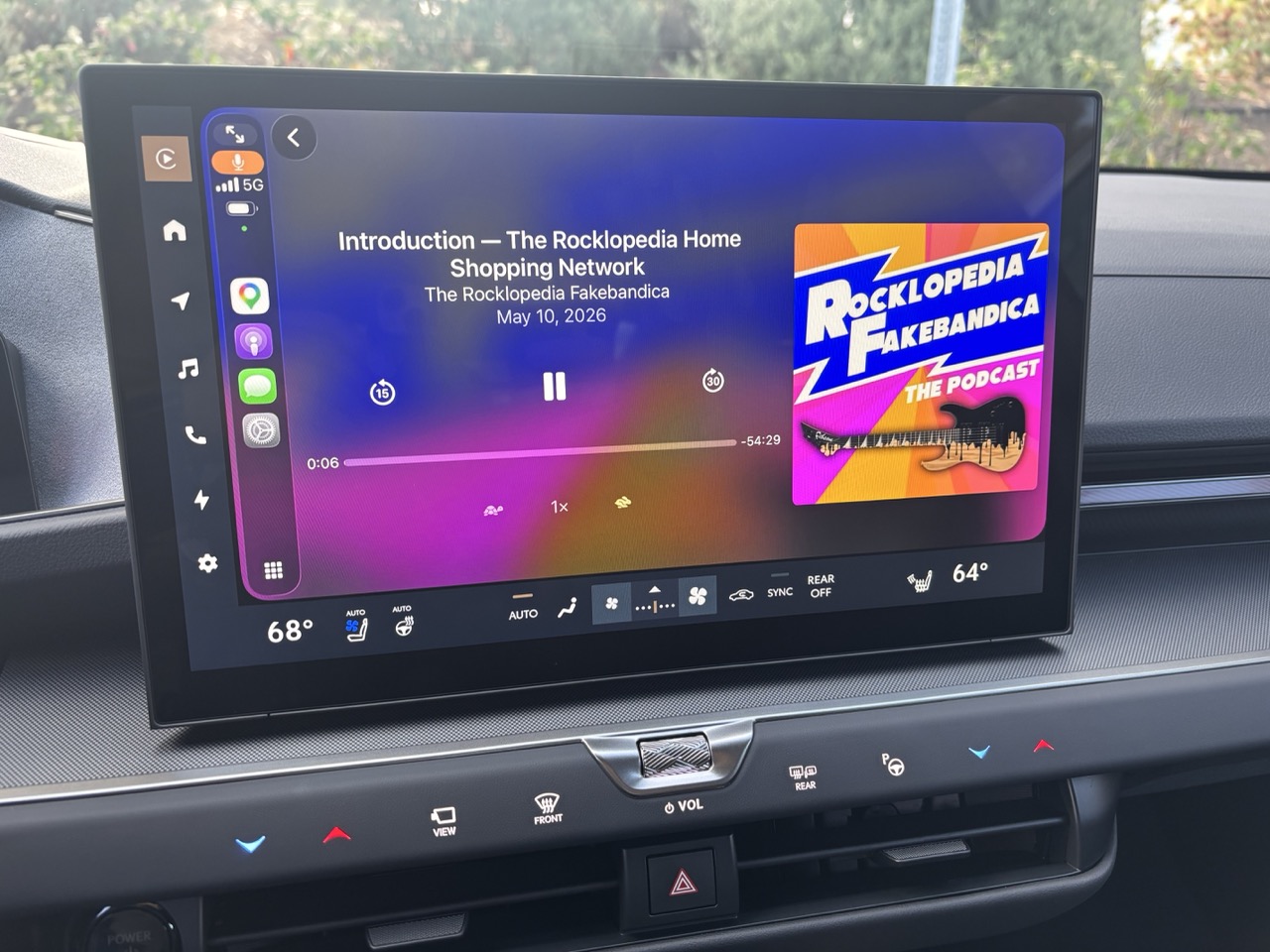
There are physical, non-screen-based controls for a lot of the functions, but they’re still flat capacitive touch-type buttons. They do have some haptic feedback, compressing a bit under your finger and then popping back, kind of like how it feels to poke a blister pack of a Hot Wheels car or something. You still can’t really find the controls by feel, though, save for the volume roller, which, while nicely textured, I’d rather was a rotary knob.
Oh, and, as you can see on the screen, there’s wireless Apple CarPlay and Android Auto, which is all most car buyers seem to want out of their center stack screens today.
The steering wheel has haptic touchpad-like controls as well, with tactile barriers between the functions.
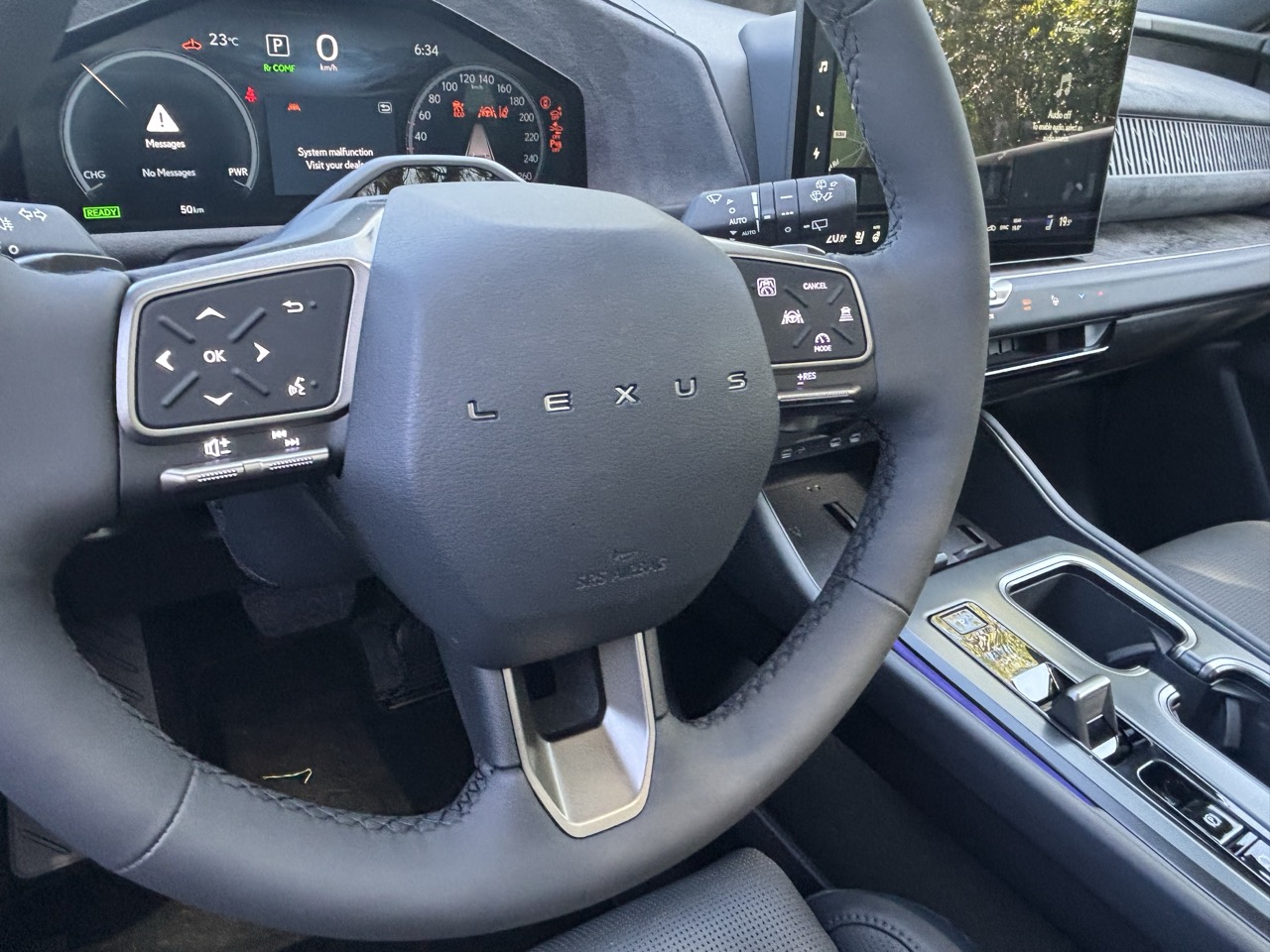
It’s better than having all these controls buried in menus on a screen, but there’s still room to improve, I think.
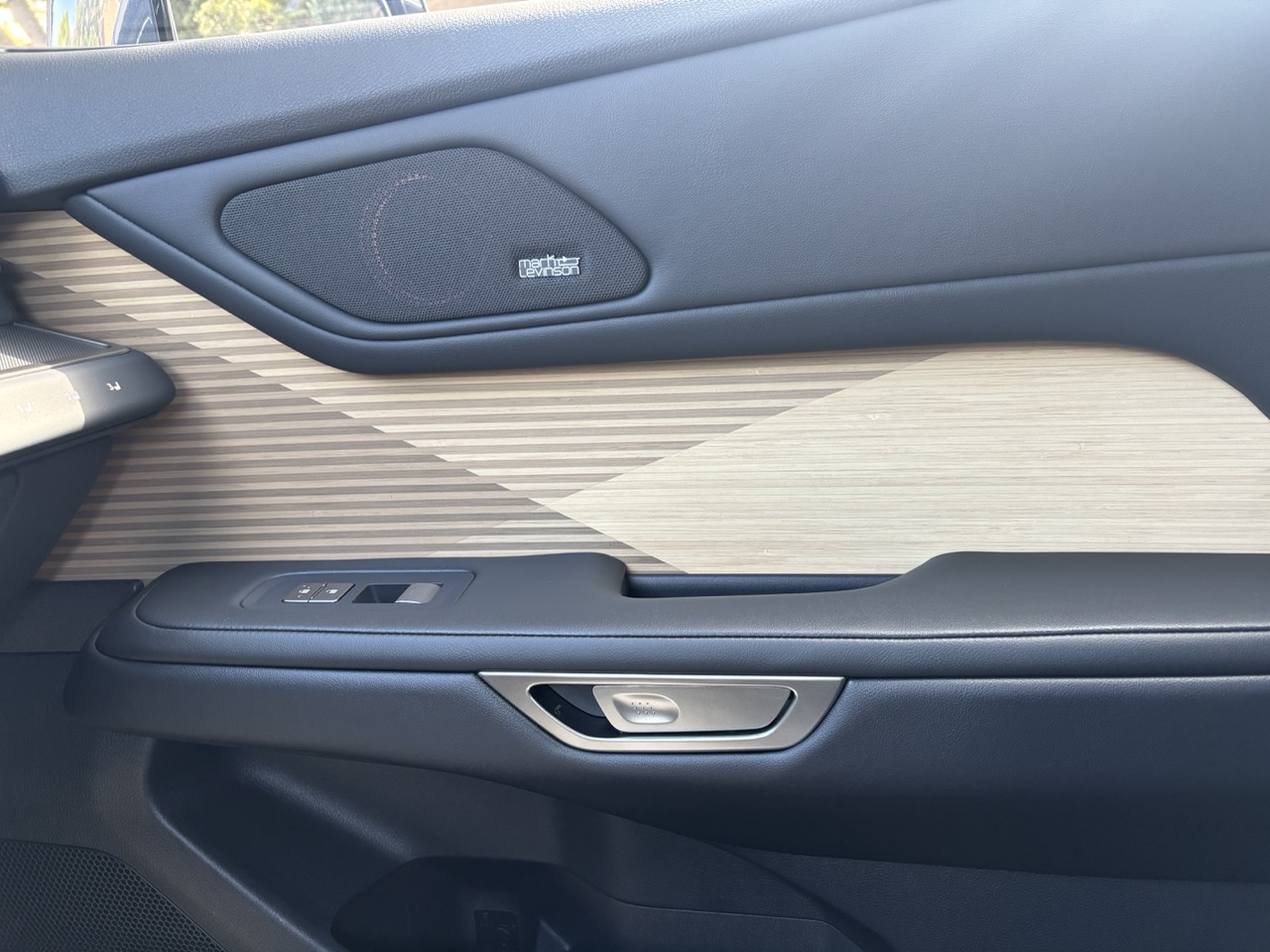
Oh, speaking of controls, Lexus is still using electrically-actuated door handles, a feature nobody asked for and nobody really wants, and I still find their door handle solution a bit stupid. I know there’s safety reasons for the handle, but the truth is I just don’t really care, and would prefer a solved-problem mechanical door handle, because there are safety reasons for those, too, and, I’m just done with overcomplicated door opening solutions.
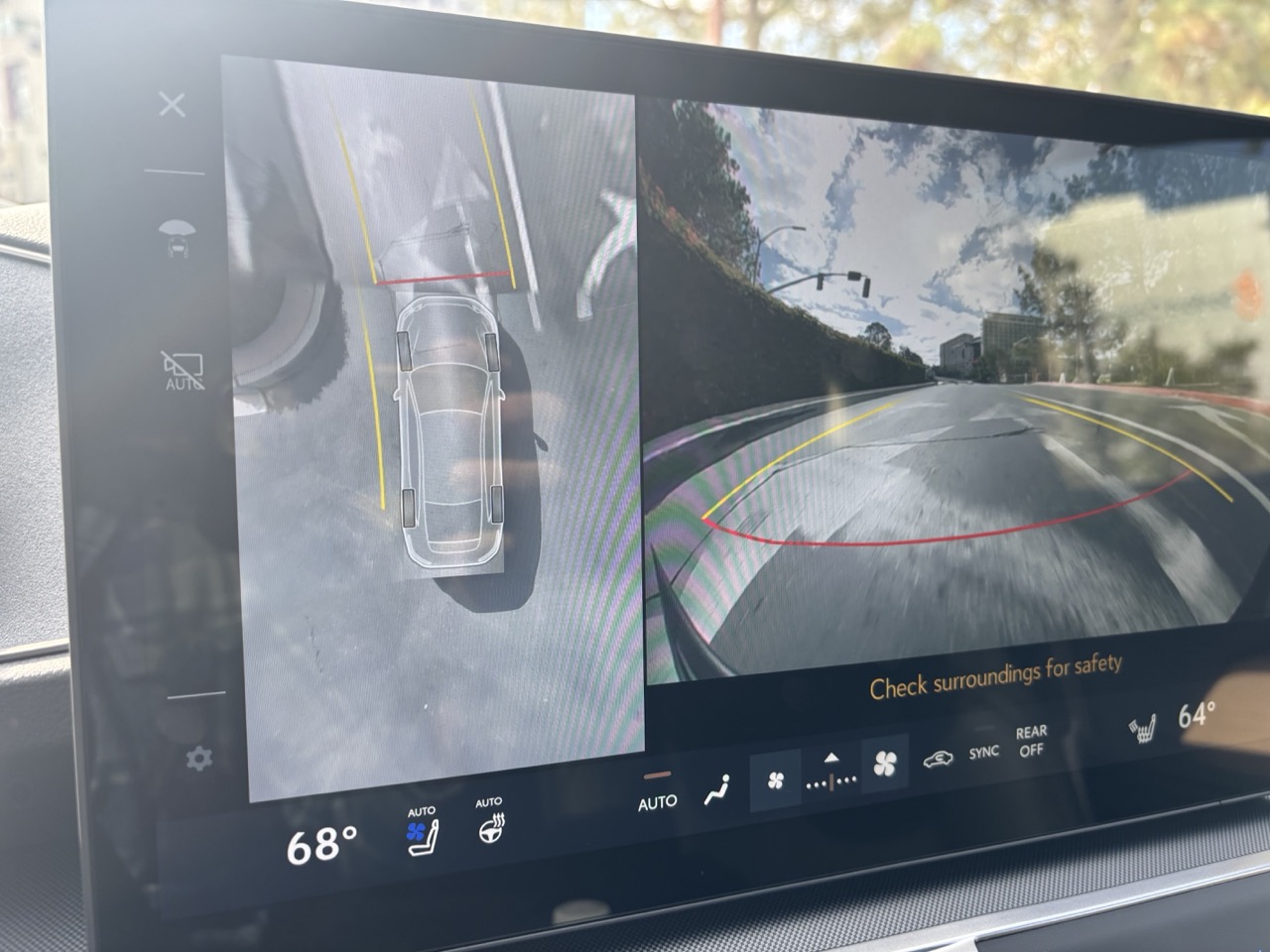
The overhead camera view system is a delight as always, and I actually mean that, and I was also happy to note that the wireless charging pads actually seemed to work relatively consistently, which isn’t always the case with new cars.
There’s also a heads up display, and there’s a new version of Lexus’ UX everywhere, which, I’ll be extremely honest with you here, I didn’t feel compelled to explore too deeply. I also spoke with the nice lady who is in charge of the Toyota/Lexus voice command experience, which I may have suggested was largely “useless,” and while I can’t say really that I have changed my mind a lot there, I did feel kinda bad.
I tried out some “Hey, Lexus” commands, but other than setting a nav destination or maybe changing music input sources and stations, I still don’t find voice commands all that compelling. Sorry. Wait, I mean, Hey Lexus, sorry.
There’s the expected driver assist features, too, the kind that effectively combine to form a Level 2 semi-automated supervised driving system, and the little bit I used it, it seemed fine.
How’s It Drive?
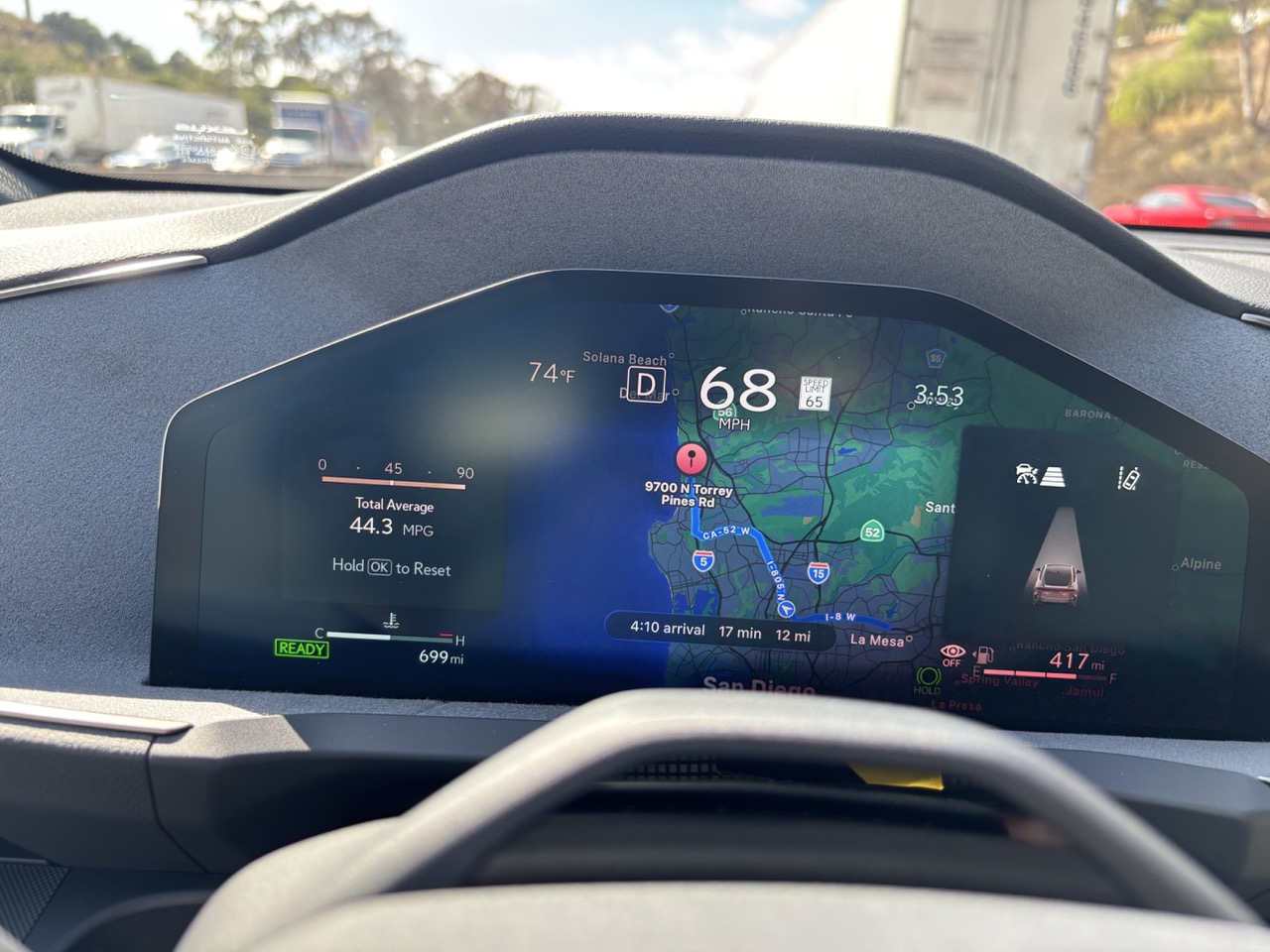
It drives just fine. It’s comfortable and easy and forgettable, but in a positive way, in this context. No one is really going to buy these to carve canyons or race for pinks, and that’s perfectly fine. It does what it needs to do, and does it well.It drives like a nice car.
What’s interesting is just how similar the hybrid experience is to the EV experience. Sure, the acceleration may be a bit better withe the pure EV, but not by much, and in the FWD models, hardly at all. There’s a touch more noise when the hybrid’s inline-four kicks in, but not much. This is a very quiet, smooth car regardless of drivetrain.
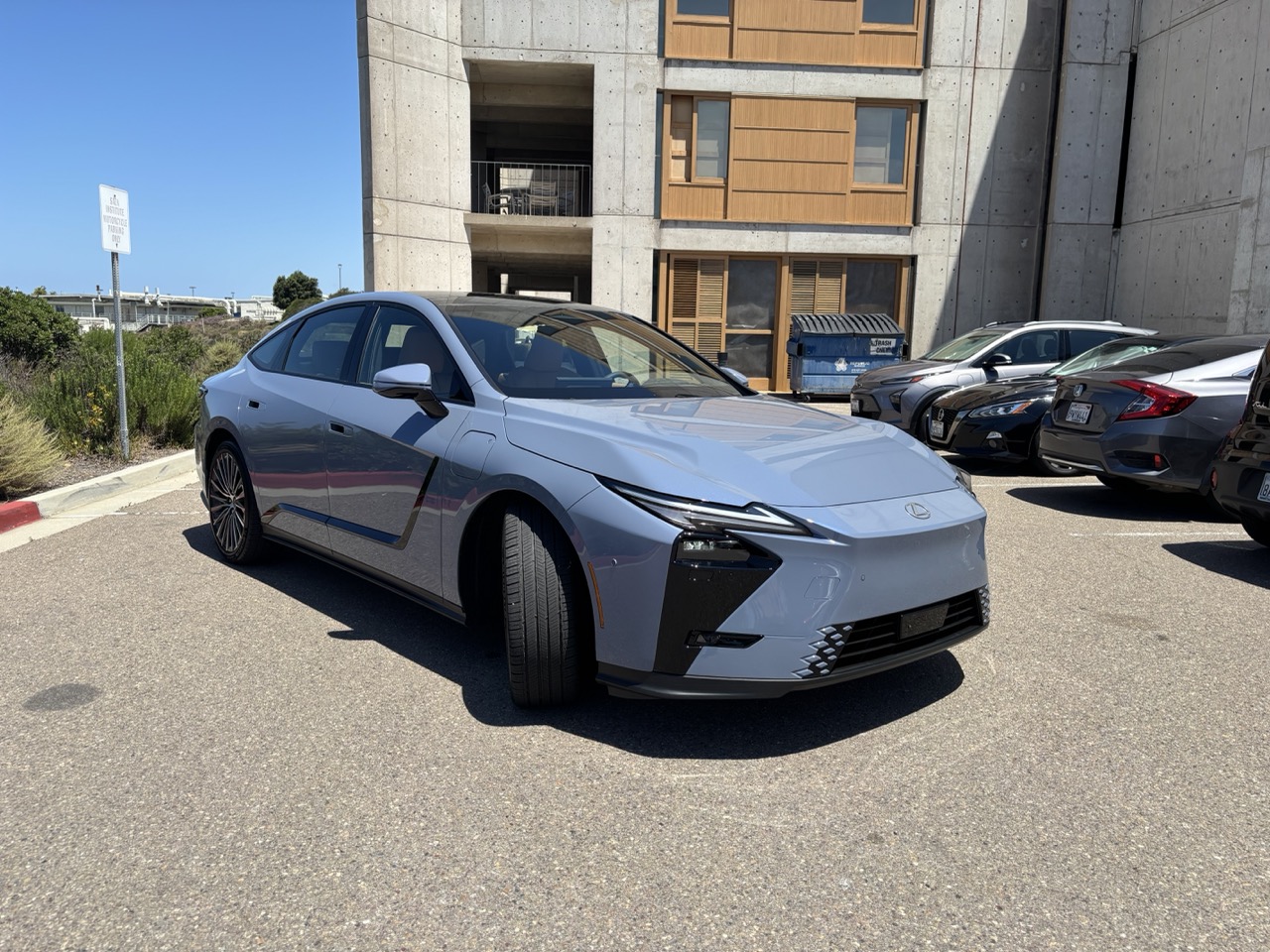 It handles fine; it’s not exactly light, so it feels planted. The acceleration isn’t exactly neck-snapping, but it is plenty quick when you push that pedal down, and passing was never a chore. The paddles on the BEV version adjust the brake regen, though it’s worth noting you can never set it to true one-pedal driving.
The truth is I barely remember what it feels like to drive, and I think that’s by design. So, in that case, mission accomplished, Lexus.
As far as how far you can drive, I mentioned earlier the BEV version goes 307 miles for the FWD one, and 276 miles for the dual-motor. It’ll charge from 10 to 80% in about 30 minutes, given the right charger: 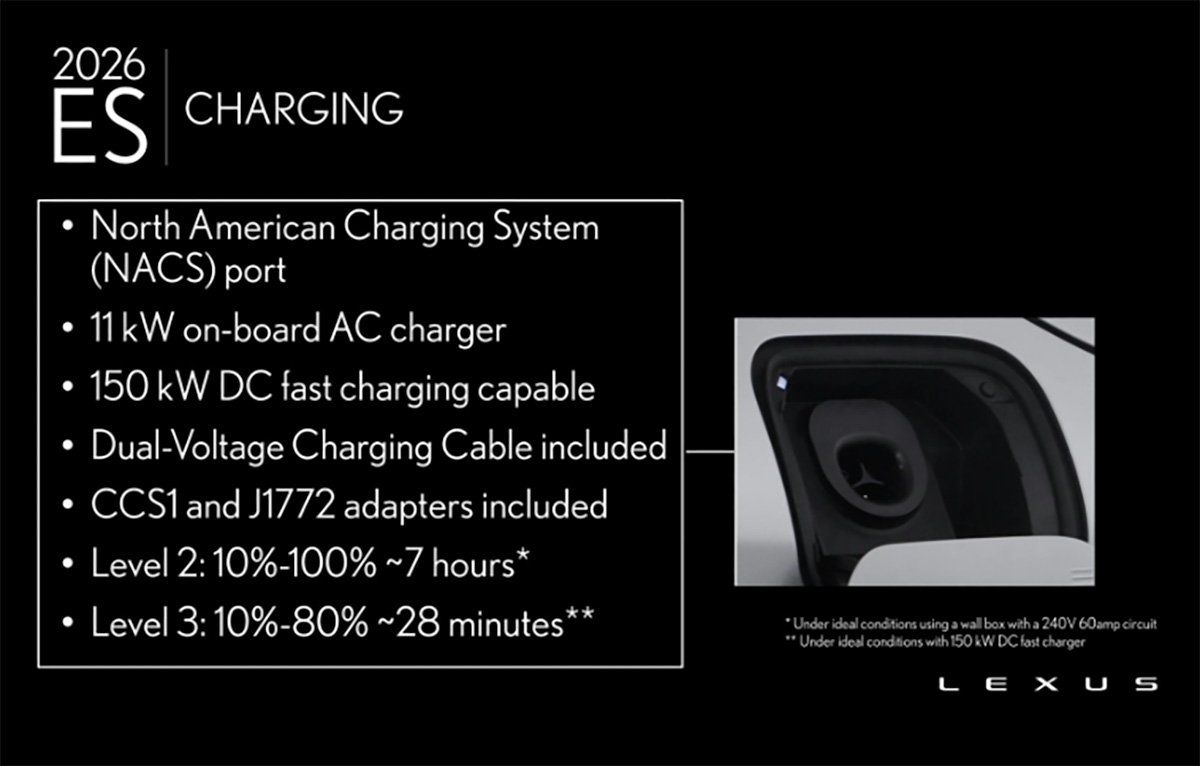
The hybrid one has roughly a 14 gallon fuel tank, so if you actually can get around the estimated 45 mpg, that’s a total driving range of an impressive 630 miles!

So, What’s The Verdict?
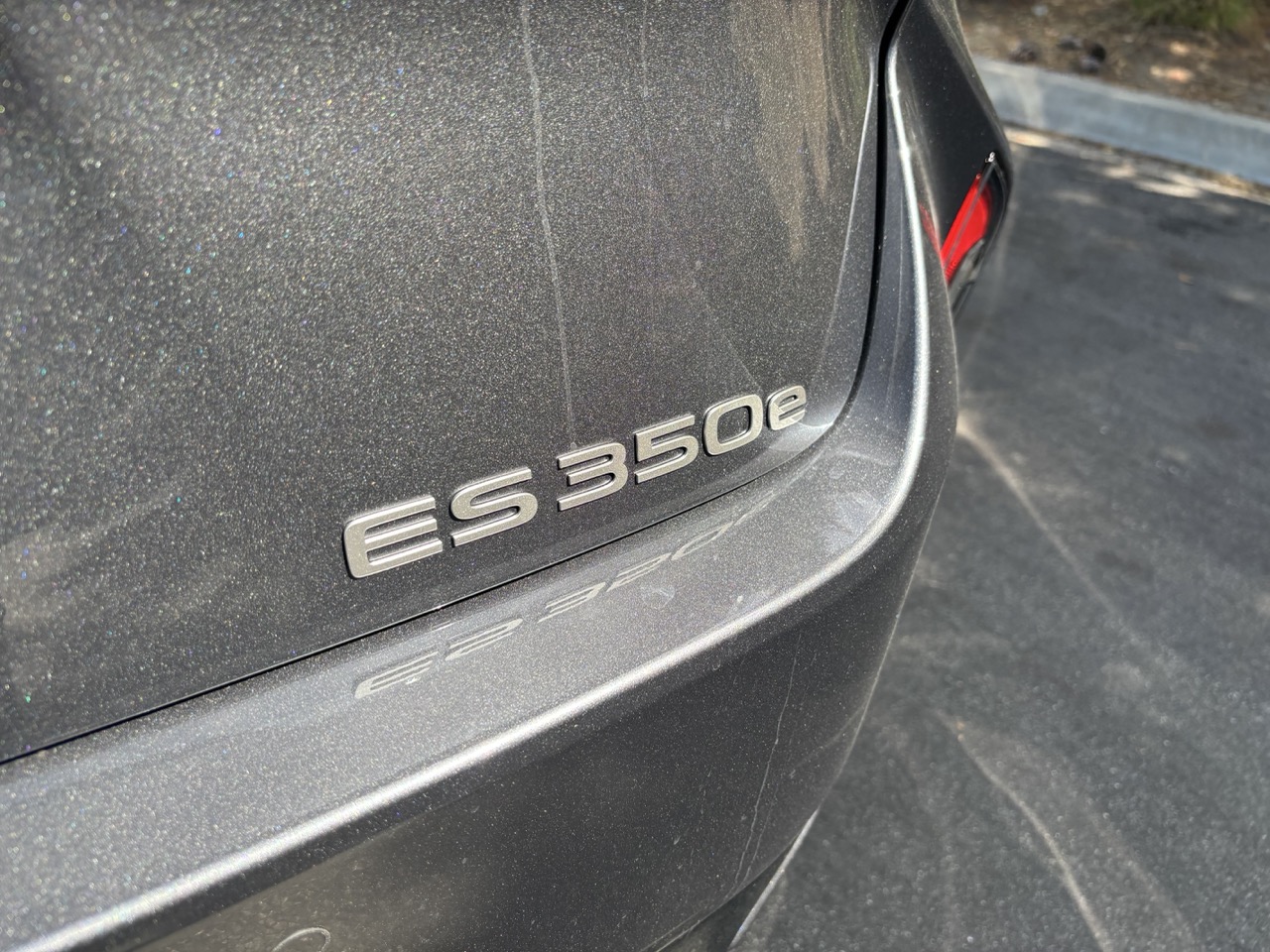
Like I said, this is a nice car. Too nice for me, but probably just right for, as I mentioned, the son my mom probably would have preferred. And that’s fine – there’s plenty of people in the world like that, people who want to drive something comfortable and reliable, stylish enough and incapable of hauling a go-kart or baby goat or a big bag of gonads. Sorry, I wanted another “go-” word and it’s getting pretty late.
This is a well-designed, well-engineered car that will likely inspire loyalty and appreciation if not passion. I’m sure there will be people who will absolutely love this car, in a quiet, intelligent way, and they will likely get many satisfied years of use out of it.
I won’t, though. I’m too broke and stupid, but I’m okay with that.



Let’s spend a moment to praise Torch’s integrity and ability to write a long, mostly positive review of a car he clearly didn’t like.
On the one hand:
* ugly and fussy
* confused identity. Presents like it wants to be a sports car, but it’s actually a luxury sedan. Probably what Stewart grows up to be on Beavis and Butt-Head. It’s like a fancy stretch Prius.
* non competitive range
* embarrassing 0-60
* non folding rear seats
* bullshit door handles
* sad colors
* bris’ed instrument cluster
On the other:
* Toyota engineering
* Lexus build quality
* mostly nice interior
I’ll pass. If they made a wagon with a bit more motivation, maybe. I don’t want to say they’ve betrayed the ES’s legacy, but they kind of have.
I’m always a fan of some long form, unconstrained Torch. This was a fun read from top to bottom.
I like the car. Out of what’s available in the mainstream market today, I’d probably choose this over a lot of other new cars. I’m coming to terms that rust and wear will mean that I’ll have to eventually come to terms with 2020+ cars. Assuming solutions are available for battery degradation, this will be a fine daily in 10-15 years.
I don’t understand why you’d want a hoodless instrument cluster display. The glare on the larger central screen would be bad enough.
When you have a mohel , everything looks like a … oh never mind.
The reflections on the screen that does the backup camera , and I guess the navigation and stereo if I ever used them, renders it so useless I turned it off, and stick post it notes to it since they is nothing else they stick to.
Maybe I should make it a little hat. A hood seems a little too informal.
Aftermarket shtreimels for Lexuses?
I think a tiny Borsalino would go over better in my part of Brooklyn. I’m a Stetson Stratoliner man myself.
A brisalino.
Sadly Lexus didn’t design in any whimsical animal faces into the dashboard design for this one, sigh.
The hoodless instrument cluster background is just boring nonsense, were Lexus designers told to make the stand alone flat cluster 2/3 the size of the background for cost reasons?
Looking at the cluster mounting slot cut into the background surround, it seems there should be a button to lower it completely into the dash.
In a whimsical note, the cluster and mouse fur?, textured background makes me want to slide a small pillow behind it, ya know the cluster is gonna get tired of standing upright and needs a little support after a long driving trip.
I was trying to parse whimsical animal feces, and figured that this being the Autopian, there had been a discussion of raccoon scat that I had missed.
For those unfamiliar, raccoons will climb to the top of a fence post or a tree to poop. They also poop on the roof of parked cars.
Torch, if you had pursued a medical career, obviously you’d be a urologist or colonoscopy specialist due to your umm, fascination with bodily functions. I’m thinking your medical opinions would use the word ‘lavishly’ abundantly.
Too ugly,can’t get past the ugly part. They put high belt lines on everything, then they put all sorts of busy crap all over it to hide the tall slab sided ugliness.
Slab sided is ok, the tall belt line is kind of ugly, but all the greebling amplifies the ugliness rather than disguises it.
In 6 years I’ll probably be shopping for a 5 year old one.
I miss the wedge-shaped ES300s of the 90s. Those were sharp-looking sedans.
Whether style, character, or powertrain, this new ES isn’t doing anything for me. I just completed a 700 mile roadtrip in our GS350 this weekend. It’s swift, planted, quiet, and pulled down 32 mpg despite 85mph interstate speeds. That’s a Lexus.
Yet another model showing Toyota is still half-assing their EVs. 276 miles EPA for the dual motor just isn’t competitive or acceptable for a modern EV in this class in 2026. 150kw fast charging is also just fine but still not competitive.
I disagree that Toyota has calmed down on their styling excesses. There is evidence of that in some models, but this new ES proves the opposite. It’s the typical mess of nonsensical creases and superfluous styling elements we’ve come to expect from Toyota. None of it is cohesive.
The lighting looks great and the interior is lovely, as always with Lexus. The two real colors on offer are also epic and deserve to be on much more exciting machinery.
I’m probably in the target market for this. Own a Prius, probably want something more comfy when it gets replaced, but still want something fuel efficient.
I don’t think most new cars are that great looking. This doesn’t have black wheels and offers a brown interior, so it is already ahead of some of the competition. Heck, I’d likely compare this to a BMW i4 with its bucktooth face, so the bar is low.
Doesn’t work for me. Too busy, gauche and something of an eyesore. Not fond of the dyed milk barf paint either. Lexus needs to get its mojo back. Maybe hire Jony Ive?
Oh god no please no Ive. Leave him cloistered in glass skyscraper with no door handles, never to be heard of again, and when he does escape with a new design, remind him it’s time for his meds and Fawlty Towers reruns.