


The diesel engine continues to be one of the greatest inventions in transportation. Much of the world runs on diesel, and if these engines aren’t reliable, they can cripple vital transportation systems. But they also come with an environmental toll. Today’s trucks use an assembly of emissions systems to clean up their tailpipes for cleaner air, and one of those systems is Diesel Exhaust Fluid. When your truck runs out of DEF, or the sensor fails, the computers will send the truck into a derate, or go into a full limp mode. In a reversal from past regulations, the United States Environmental Protection Agency has published a proposal to eliminate limp mode almost entirely, so truckers no longer have to worry about DEF anymore.
One of the pillars of the current presidential administration is deregulation, and one of its focuses has been on changing how the U.S. Environmental Protection Agency (EPA) handles diesel emissions regulations and what the Department of Justice (DOJ) does to those who violate the Clean Air Act. In prior administrations, including the first Trump Administration, those who ran shops that specialized in deleting diesel emissions systems faced potential heavy fines and prison time. If you ran your diesel vehicle out of Diesel Exhaust Fluid (DEF), or the emissions systems failed, your pickup truck or commercial truck would derate its engine power or enter limp mode.


In January 2026, the government took a major step in unraveling previous policy when the Justice Department announced that it would no longer pursue criminal charges under the Clean Air Act for the alleged tampering with emissions devices. Today, we now see the true impact of the federal government’s intentions. As of publishing, the administration has fully pardoned nine diesel tuners who were convicted of tampering with emissions equipment. Indeed, it appears that the Justice Department has stopped prosecuting diesel emissions cases entirely, and instead, the government is working on vacating sentences and expunging records of those convicted under prior administrations.

In lockstep with the government’s reversal of enforcement action, U.S. Environmental Protection Agency (EPA) Administrator Lee Zeldin has been leading an effort to deregulate diesel emissions equipment. In August 2025, EPA Administrator Zeldin told manufacturers to stop forcing trucks into immediate limp modes for low DEF levels. In February 2026, the EPA said that it was seeking to hold manufacturers accountable for foisting unreliable DEF systems on consumers. The EPA then openly considered just getting rid of emissions-related limp modes entirely. In March 2026, the EPA announced that, in an effort to eliminate limp modes and power derates from emissions system failures, the EPA will no longer require Diesel Exhaust Fluid (DEF) urea quality sensors on any equipment powered by diesel engines. Lawmakers have also been working on making emissions deletes entirely legal.
After mulling over the idea of eliminating emissions-related limp modes, the EPA is going through with an actual proposal to see it happen. If the EPA has its way, diesel trucks will no longer derate or go into limp mode after system failures.
There has been a long road to how we got here, so let’s take a look into why the government cares about diesel emissions so much.
Modern Diesel Emissions Systems Work Hard…

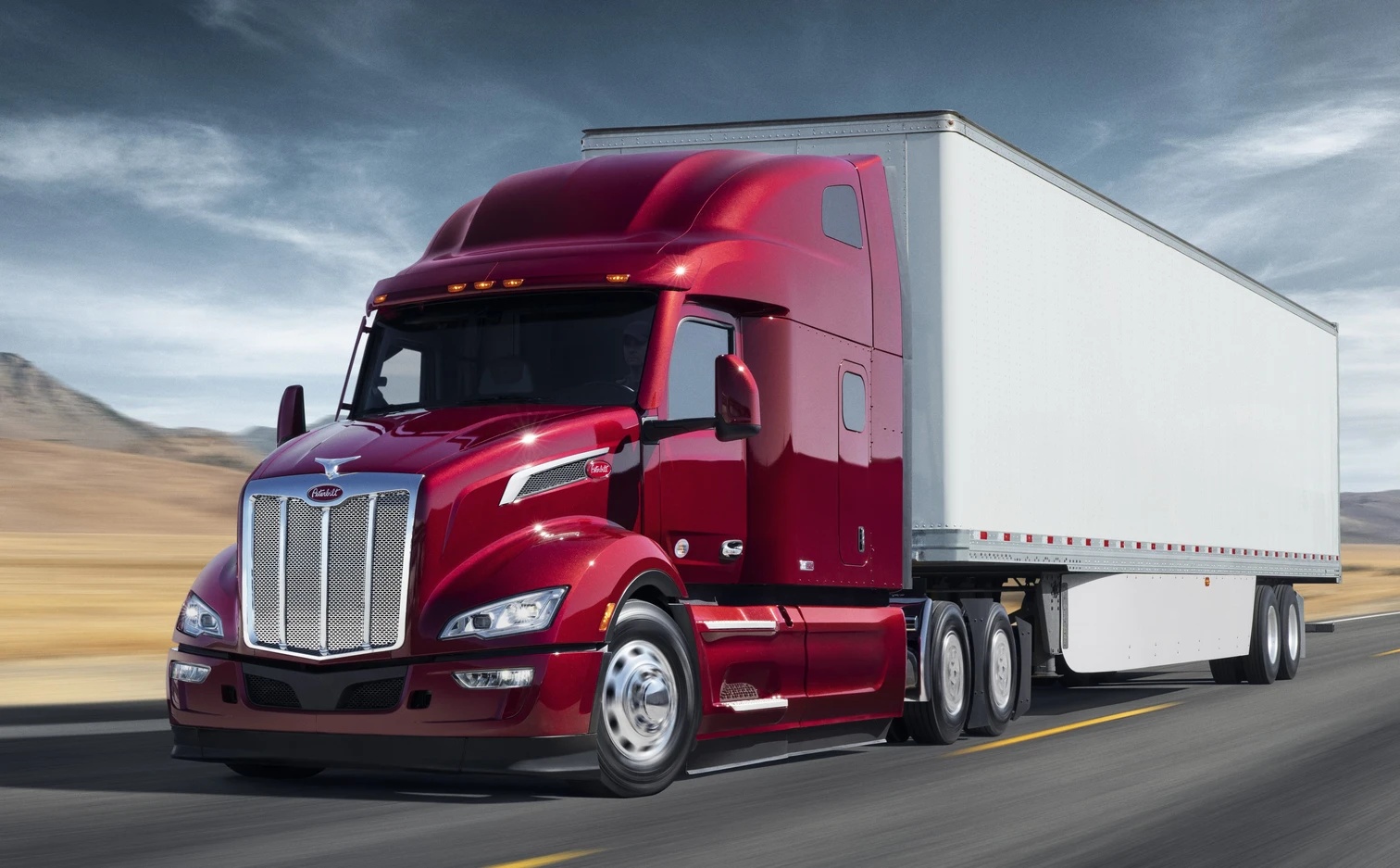
The modern diesel engine is a marvel of engineering. I recently got to drive a new Mack Anthem, a Class 8 semi-tractor that, at its most powerful, houses a 13-liter Mack MP13 straight-six diesel with 515 horsepower and 1,900 lb-ft of torque under its power barn.
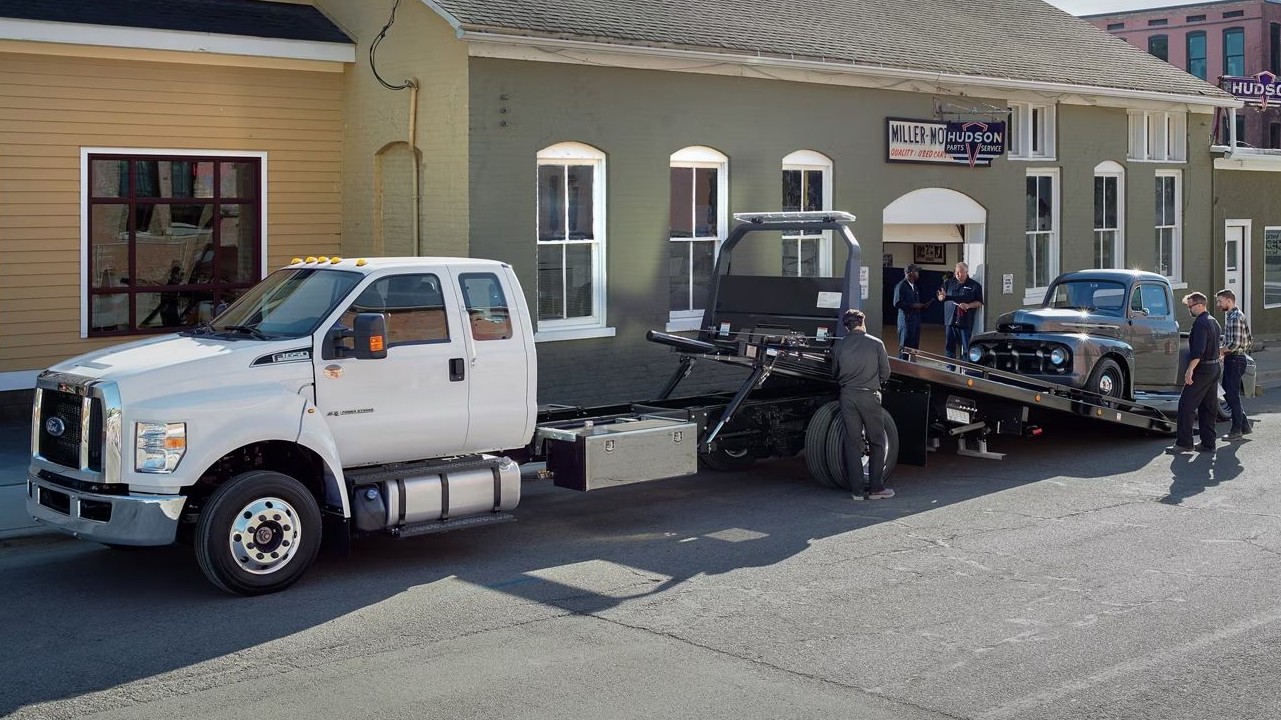
Pickup trucks have equally nutty power ratings. You can stroll right into your local Ford dealership today and drive out in an F-250 Super Duty with a 6.7-liter V8 diesel with 500 thoroughbreds and 1,200 pounds of twist on tap. Today’s diesel pickup trucks can pull up to 40,000 pounds, or more weight than anyone can pull with their standard driver’s license. Yet, all of these trucks do this incredible hard work without a puff of black smoke. Perhaps even more amazing is that you can take a direct sniff at the exhaust pipe and it won’t even smell like diesel.
Today’s diesels have better efficiency than the diesels of old. But the engines didn’t do it alone. They’re also festooned with an array of emissions equipment that helps keep the air cleaner. If you have not read my previous stories on this, I’ll explain the history of modern diesel emissions equipment, but keep it short:
According to Diesel Power magazine, the implementation of diesel emissions equipment was gradual. Back in the 2000s, buyers of trucks found an Exhaust Gas Recirculation (EGR) system in their engine bays. EGR systems reduce emissions by recirculating a portion of an engine’s exhaust back into the intake. Even your modern gasoline-fueled car has an EGR system. Next came the Diesel Particulate Filter (DPF), which is an exhaust aftertreatment system designed to trap particulate matter before it leaves the vehicle.
As emissions requirements demanded diesels to run even cleaner, emissions equipment evolved. The Selective Catalytic Reduction (SCR) was an important advancement in diesel emissions reduction technology. 2010 model year heavy diesels have SCR to meet the EPA’s strict regulations. Any light-duty diesel that didn’t already use SCR phased in its use during the early 2010s.

SCR uses an aqueous urea solution, Diesel Exhaust Fluid, or DEF, which is fired into the exhaust to convert NOx into nitrogen and water. DEF is 32.5 percent formaldehyde-free low biuret urea and 67.5 percent deionized water. The use of SCR has been reported to reduce nitrogen oxide (NOx) emissions by as much as around 90 percent.
Semi-tractors often have DEF tanks capable of holding more than 20 gallons of fluid. Depending on model, model year, and driving conditions, that fluid may last 3,000 miles to 5,000 miles or so before running dry. A new Ford Super Duty has a 7.5-gallon DEF tank and, depending on the use case, may go roughly 3,500 miles or so between DEF refills. Older Super Duty trucks were known for going longer between DEF fills. Towing blocky trailers reduces DEF range. Modern diesel passenger vehicles with DEF systems may travel several thousand miles before needing their tanks refilled.
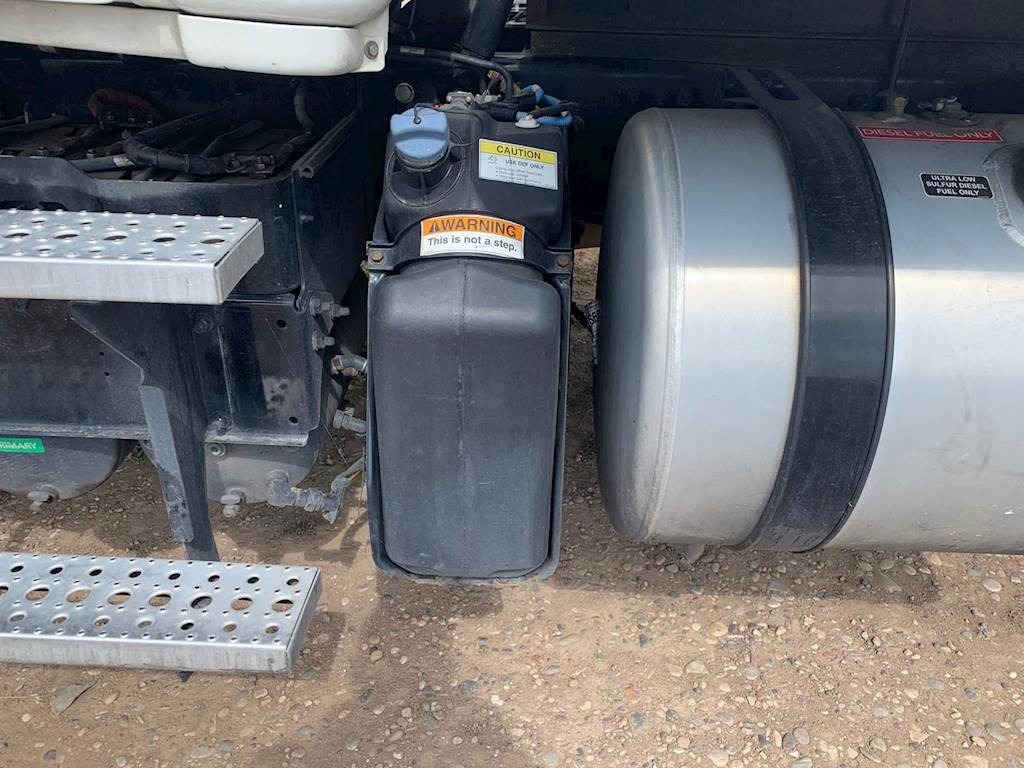
This emissions equipment isn’t just in pickup trucks, SUVs, and semi-tractors, but passenger cars and farming implements, too. These vehicles don’t just use a single cleaning method, either. Peer under the hood and you’ll find your modern diesel hooked up to an EGR, DPF, and SCR all at the same time.
…But Can Fail Hard
FreightWaves, a logistics industry-focused publication, explains further:
Modern diesel emissions control is a stack of four interlocking systems. Exhaust gas recirculation, or EGR, routes a portion of exhaust back into the intake to lower combustion temperatures and cut nitrogen oxide formation. The diesel particulate filter, or DPF, is a ceramic honeycomb in the exhaust stream that traps soot, then periodically burns it off in a process called regeneration, which dumps extra fuel into the exhaust to hit temperatures around 1,100 degrees. Selective catalytic reduction, or SCR, injects diesel exhaust fluid, the urea and water mix every trucker knows as DEF, into the exhaust to convert nitrogen oxides into nitrogen and water. Watching over all of it is the onboard diagnostic system, the OBD, a network of sensors that monitors every component and reports faults.
The OBD isn’t just about diagnostics; it enforces compliance. Run out of DEF, or throw a sensor code the system reads as tampering or malfunction, and the engine control module begins derating the truck. First, it cuts power. Then, under the inducement strategies EPA required manufacturers to build in, it can limit the vehicle to as little as 5 mph. The industry calls it limp mode. A loaded truck limping at 5 mph on an interstate shoulder is a stranded asset, a missed delivery, and, for an owner-operator, sometimes the difference between making a truck payment and missing one.
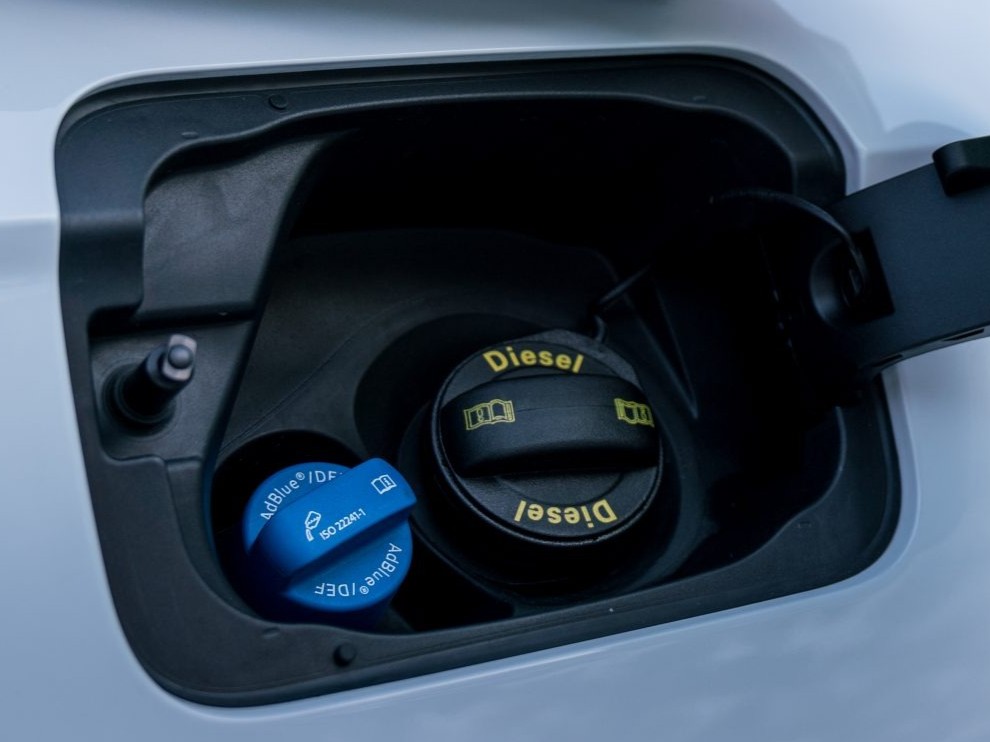
While these systems have been great in concept and efficient in actual operation, there has been a lingering issue of poor emissions equipment reliability. Here’s what I said last time:
These vehicles will warn their drivers about depleting reserves, with these warnings ranging from visual reminders to audible alarms. If you fail to replenish the DEF, or the DEF system isn’t working as designed, the truck may immediately derate or enter limp mode until the issue is resolved. To use Ford as an example here, the truck may warn that it will enter limp mode in a certain number of miles, and then slow the truck down to 50 mph once the mileage threshold is crossed. If the truck believes the issue is severe, it may eventually limit the engine to idle. Other trucks have a similar system.
Many diesel owners carry spare jugs of DEF so that they can refill anywhere when needed. I always buy extra DEF whenever I test diesel trucks because I don’t know if I will run into a fuel station that doesn’t have DEF, or run into a station that does have DEF, but the price of it is absurd.
DEF systems do have an aggravating quirk, and it’s that the derates and limp modes still occur even when a part of the system fails. Unfortunately, some manufacturers and models struggle with emissions equipment reliability more than others. One infamously unreliable diesel truck is the Nissan Titan XD Cummins, which you can read my story about by clicking here. The cruel twist is that you could have a full DEF tank, but get stuck during a road trip because of a sensor or other system failure.
Under the EPA’s revised rules, a semi-tractor would be able to drive 650 miles or 10 hours before a 15 percent reduction in torque. A pickup truck will enter a 45 mph limp mode 4,200 miles or 80 hours after the detection of a DEF issue. Click here to read a previous story for more about the grace period.
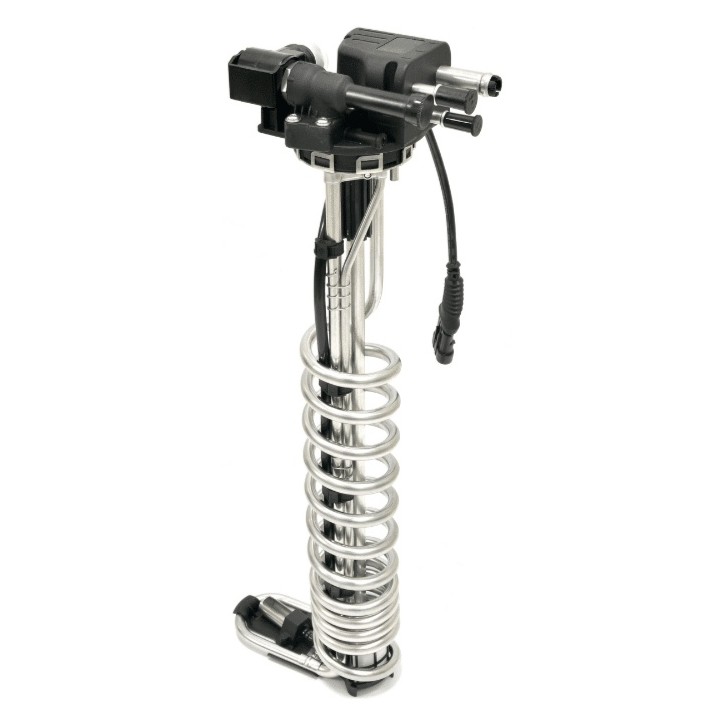
According to FreightWaves, a DPF replacement on a Class 8 truck can run between $3,000 and $7,000. Depending on who you ask, a DEF sensor replacement may range from as low as $500 to over $2,500. In my experience with Volkswagen’s infamously unreliable post-Dieselgate DPF system, a dealership quote to have a VW TDI’s DPF replaced isn’t too far off from the aforementioned number. Personally, I leave my emissions systems intact and just consider their eventual replacement to be the cost of owning a weird car.
Of course, that’s just the cost to replace the failed part. It doesn’t account for the time spent stranded on the side of a highway, the cost to tow your vehicle to a repair center, lost income, or missed payments.
Yet, a kit to simply delete and forget the emissions equipment entirely often costs a fraction of replacing the equipment. At the same time, several states don’t even test diesel vehicle emissions. If you’re the end user, it can seem like there’s no real consequence to throwing the emissions equipment in the trash. You can begin to see where the economy of illegal emissions deletes came from.
The EPA Attacks DEF
After taking the aforementioned steps to loosen the federal government’s requirements for what happens when DEF equipment is run empty or fails, EPA Administrator Lee Zeldin is proposing an ultimate solution. From the EPA:
Today, U.S. Environmental Protection Agency (EPA) Administrator Lee Zeldin announced a proposal estimated to save American truckers $12 billion through commonsense revisions to unnecessary and unworkable Biden-era compliance requirements. The reimagined approach also heeds calls from American truckers and diesel operators to eliminate deratements entirely, a burdensome problem often caused by Diesel Exhaust Fluid (DEF) system failures. If finalized, the savings could reach up to $6,000 per vehicle on new truck purchases, on top of the increased productivity operators are currently losing when deratements cause sudden speed loss on the road. Collectively, these savings will be passed on to American families through lower costs for food, household goods, and other products trucks deliver, while still maintaining strong environmental protections and ensuring clean air.
[…]
EPA is also specifically proposing to scale back the emissions warranty requirements that added the largest single cost to the trucking industry. Under the proposal, the Trump EPA would maintain the underlying emission standards, including nearly 90% of the nitrogen oxide (NOx) reductions, while sparing Americans from unnecessary warranty costs. Once again, the Trump EPA is demonstrating that environmental protection and economic prosperity do not need to be a binary choice. EPA is also proposing additional lead time before the longer regulatory useful life requirements from the 2023 rule take effect. This will allow manufacturers to ensure new technologies perform reliably under real-world conditions, rather than rushing unproven products to market.
[…]
EPA understands that sudden speed losses and shutdowns caused by DEF system failures compromise safety and productivity and are unacceptable. In August 2025, EPA issued new, clear guidance calling on engine and equipment manufacturers to revise DEF system software in existing vehicles and equipment to massively reverse deratements that were harming farmers and truckers. Today, the agency is taking a historic step to provide a commonsense solution to deratements for American operators. EPA is proposing to completely remove deratements and vehicle speed restrictions for newly manufactured highway engines and vehicles and new nonroad engines and equipment, including those used in agriculture. Instead of trucks and tractors lurching to a halt when DEF systems fail, under EPA’s proposal, operators would receive visible and/or audible alerts that allow them to continue operating until they can safely address the problem. EPA is also taking public comment on whether guidance should be developed to allow manufacturers to implement this change for in-use on road and nonroad engines and equipment. If finalized, American operators will be able to drive America forward without worry.
While the EPA’s press release talks only about system failures, the actual proposed rule specifically calls out what would happen when a truck is run low or out of “DEF supply.” In the actual proposal, it says that the truck will initially give you audible warnings about low and then empty DEF. After that, it’ll just warn you every hour. Engine manufacturers have the option (but are not required) to derate for running out of DEF or for poor DEF quality if either scenario will damage the engine or aftertreatment system. As for how the derate will work, the derate would decrease the truck’s speed by 1 mph every five minutes until the specified derate speed is reached.
The proposal also rolls back tougher durability requirements that would be required for future model years. It also reverses some of the extended emissions warranty requirements that were adopted in 2023. The EPA also points out that this proposal is mostly about DEF, and otherwise leaves intact 90 percent of the NOx emissions reduction standards established under the Biden administration.
Reportedly, even though the EPA dramatically extended the time that you could drive with an empty tank of DEF or with failed equipment, operators of heavy diesel engines didn’t think it went far enough. The EPA says “individual operators and States, such as Iowa, Alaska, and Nebraska, expressed concerns with inducements, and a bill was brought to Congress regarding relief for inducements in prolonged cold weather.” According to the EPA, the Small Business Administration and the United States Department of Agriculture also have been working with the environmental department to eliminate derates entirely.
The EPA is also leaving the option out there for manufacturers to remove derates entirely for no DEF. It’s also requesting public comment on whether the provisions noted in the above paragraph are too restrictive or not restrictive enough. If an engine will no longer derate for an issue regarding DEF, it’s possible that some drivers will never refill their DEF tanks and just live with the nagging warnings. For some drivers, the only reason they refill their DEF tank is to prevent a derate or limp mode. So, it’ll be interesting to see where this proposal goes.
The EPA said it came to this conclusion when it evaluated studies on seatbelt usage. In those studies, drivers were most likely to put on a seatbelt when pestered by a visual and audible warning. It was found that a limp mode triggered by not wearing a seatbelt wasn’t any more effective than audible warnings.
The next step in the EPA’s plan to completely remove the requirement for derates and limp mode is a 45-day public comment period as well as a public hearing on the matter. Should the proposal become regulation, it would impact 2027 model year vehicles. So, older trucks would still derate, but new ones would not. If you want to read the legalese of the proposal, click here.
Photo: Ford


As someone that works in the business – this is monumentally stupid. So the administration wants the manufacturer to build vehicle with emission aftertreatment systems that cost more than $10,000 …… and then let people not use them?
If the goal is to roll back emission and save money then just roll back the emission standards.
Just a heads up though – removing DEF and going back to 2004 standards will increase NOx emissions by about 30x
Based on the recent executive interpretations of emissions/pollution concepts, I suspect the next step will be paying manufacturers incentives to remove DEF systems from commercial vehicles entirely.
So we missed the part where 90% of the new rules were kept in place and only the ones that were hard to work or financially onerous actually cause owner operator to fail?
Cool story. Don’t buy diesels if you can’t afford to maintain them
No, the next step will be a flood of lawsuits from CARB states and environmental groups that results in an injunction on this move, and ties the administration up in court for the next 18-24 months
You are low on the price of replacing a DPF. An aftermarket Detroit Diesel onebox is about $10K for just the part. An OEM version is a few grand more. If you are just replacing the filter inside that is about $1500
OUCH!
Yes, they are pricey to replace but they are also serviceable. (Unlike the one on my Duramax)
My knee jerk reaction is to say that we should put a moratorium on legal rollbacks. Once legislation is in place, it can not be modified or rescinded for eight years. If a sitting president is re-elected and the eight years passes during their second term, sure, let them roll it back. But this seesawing back and forth is annoying for everyone involved and it is hell for manufacturers who are working on a longer time scale.
Also, screw those pardons. Those shops knowingly and willingly broke the law and should be punished. So much for the “law and order” party.
Only if a moratorium is placed on how far rules and regulations can change to begin with. How about when the new regulations turn out more toxic? Wait 8 years?
So much for the “law and order” party.
“law and order” only applies to whoever isn’t writing the laws.
what’s the point of the EPA and other governmental bodies if they fail to do their jobs and enforce laws. Party of law and order my azz.
Just the MAGA wet dream of no regulations at all. F the people. F the environment… own the LIBS!!!!
I read an analysis by a psychologist recently and he said that clinical sadists get pleasure from hurting people and breaking things. This fits perfectly with the already clinically narcissistic nature of senile Dear Leader…
The Cruelty Is the Point: The Past, Present, and Future of Trump’s America
This book, by Adam Serwer, is worth a read.
I’ve not yet read the book but to friends, when reacting to some horrible new policy by the current Reich, I quote the title, “Cruelty Is the Point”. Nearly everything is based on cruelty and hate. What dark souls these ghouls have.
The DEF “fail hard” thing is massively overrated. The derate schedule gives you 10 hours or 650 miles after an emissions failure is detected to get it fixed. If you’re still hauling the load, you then enter a mild derate with somewhat reduced power but no speed limit, and that lasts more than 4,000 miles.
It’s only if you keep going after that that a significant derate happens and at that point, you have it coming.
The earlier revision to the regs was very generous in terms of giving owners more flexibility imo. Also did not require manufacturers to totally rip up their fault strategy.
We have approximately 600 diesel buses in our fleet, emissions repairs are BY FAR our biggest cost sink.
They were as well when I was still working at International.
And?
Lung cancer is BY FAR the biggest cause of cancer deaths, and treating one lung cancer patient costs more than the whole bus.
I don’t think the rest of us should have to pay through the nose and then potentially die just so bus companies can save some money.
Isn’t most lung cancer deaths related to smoking?
What’s your point? Diesel exhaust is a carcinogen too.
Mosquitoes kill more people than any other animal, but that doesn’t mean you should walk up to a grizzly.
One of the more common and less talked about long term health effects of diesel exhaust is Parkinsons.
I’ve seen more of the old guard at my work (lots of pre-emissions buses) develop Parkinsons than I’ve seen my entire life.
Also, cancer isn’t the only debilitating or fatal lung disease.
COPD has entered the chat.
Also, Parkinsons.
Yeah, I watched my mother slowly deteriorate and die from COPD (I forget the exact diagnosis) over about a dozen years. They never figured on a cause, but they said it wasn’t from smoking. For the little it’s worth, I’ve wondered if no small contributor could be the old Dow powdered tub cleaner (no idea if they still make it) as she was almost obsessive about cleaning and that’s a fine powder of what’s got to be some pretty harmful stuff within the relatively enclosed area of a tub space. Sure, water would be added, but only small amounts.
I don’t see anywhere where I said that we shouldn’t have the emissions systems.
I was just refuting your statement that the problems with them are overblown.
I myself am a cancer survivour. I take this stuff seriously. But I’m not gonna lie about the state of things to do it.
Except they are overblown. The argument, echoed right here in the article, is that once that sensor goes bad your truck just stops dead and there you are, with a load that you can’t deliver, losing reputation and money.
That’s not how it works. First you get a warning that gives you at least a day’s worth of driving before anything happens.
Then you get more than 6 days of driving under a very mild derate that doesn’t impact your ability to finish the job at all.
That isn’t to say that the sensors don’t go bad or that it isn’t costly to fix them or that we don’t need a more reliable design, but it is to say that the only way they will leave you stranded under the current regs is if you ignore them completely for at least a week.
Fixing the sensors is a cost of doing business, just like properly disposing of toxic waste instead of dumping it in the river is a cost of doing business for other companies, and while you might be a diesel-using company guy who doesn’t think we should scrap the regs because they’re too expensive, that would put you in the minority.
I’m of the mindset that if you’re going to try to get a regulation overturned because it costs too much, then you should be made to pay the cost everyone else will have to pay when it’s gone.
I dunno what trucks you work with, but both Navistar and Cummins shut you down rapidly.
We’ve had plenty of trucks go from first warning to full derate before they can get to the next highway exit.
And being locked to 5km/h SUUUCKS.
Commercial trucks/buses never refuse to start or move, they just lock you into a crawl pace.
Are you suggesting that if the EPA removes the requirements, these trucks will instantly stop derating?
No, they’ll need a software update. The new derate schedule has been implemented since August, but Cummins only made an update available a few days ago. They’ve been screwing around for a year, and the more cynical among us suspect it’s to get operators nice and pissed off so they hammer the EPA to cut emissions regs entirely. Cummins makes more profit if they don’t have to put a DEF system in the engines, because you know they’re not going to charge less for the engines when that happens.
The delay is on Cummins, not the regulations.
I don’t see where I suggested anything of the sort.
I’ve been working and teaching in this industry for two decades, I’m acutely aware of how the software side of things work.
The basic reason that diesel engine emissions systems are so complicated is that the engines put out a lot of things that are very dangerous to human health. If you really have to drive a diesel, get your CDL and drive big trucks for a living. For everyone else a gasoline engine works just fine. If you must, just get a “Prius driver suck” bumper sticker as a substitute for rolling coal on them.
This.
And you didn’t have anywhere near as bad as in Europe.
While it’s been a while since I’ve been, when I smell diesel, it’s like Proust’s madeleine for reminding me of European cities and when I worked as a mechanic at a marina.
I like your way of thinking.Jon Myers for President!
Retired semi driver here. The emissions systems on the VNL’s we used was very reliable.Failures I recall in our system were very rare, and the garage was quick to fix ’em. This whole “deregulation’ proposal is so much meadow muffins.If the cheapshits can drive broken trucks, they will. I like driving a diesel that is CLEAN, this proposal benefits nobody. Does Zeldin realize he and his family have to breathe too? If your business can’t afford to stay in compliance, your business model is not viable. The idea that any “savings’ will be passed to consumers is more steaming pile. I could go on, but whats the point? This admin has zero respect for law, the people living on this tiny blue dot, or the dot itself.All I did is piss myself off reading this. No reflection on you, Mercedes.
Retired semi driver?
True. This push to roll back emissions isn’t coming from fleets running Class 8 trucks. It is the guys driving the pickups.
And Chinatown bus companies
I drive with the windows down a lot and it’s incredible how clean the exhaust of semis have gotten. It’s the older, smaller trucks, dump trucks, and pikcups that stand out all the more as abominable.
Get stuck in traffic behind a ’60s muscle car. It makes my eyes burn and I start feeling nauseous. It’s amazing they ALL used to smell like that. Many days now, you can see the San Gabriel mountains from all the way across the LA Basin.
It’s awful. I’m amazed at how clean cars have gotten, so much so that too many people take it for granted (as this article supports). When I was young, I hardly noticed the smells because it was just the part of the environment, but now when I’m around or driving behind old cars, it’s terrible. The thought of dumping fumes like that has actually turned me off to buying pre-cat cars.
Growing up, my dad had several diesel powered vehicles and vessels. I kind of liked the smell of diesel exhaust, in moderation.
I was disappointed by how nasty the exhaust of my ’01 Jetta TDI smelled. It was pre-DEF, but it was just foul and acrid. I felt bad for bicyclists and pedestrians I passed. It had some sort of catalytic converter that probably did something to it, but I don’t know exactly what.
I liked the scent of burnt Jet-A when my tv station’s helicopter started up. Different than “napalm in the morning,” but still kind of sweet.
I used to like the smell of leaded fuel, which probably explains a lot. I remember having scratch-and-sniff stickers of it (they were of Beetles). Unleaded just wasn’t the same. I don’t know if they’d still retain odor, but I wouldn’t mind some unopened stickers to re”fresh” my memory.
DEF Jam? DEFcon 3? DEF penalty?
It sounds like Trump wants to abolish the DEF Penalty
DEF failures are so common something has to be done. Plus the whole spray and pray with urea crystals forming in all sorts of places. Alot of the euro desiels are clean enough they just run egr and dpf. Dpf are far from perfect especially with regen cycles. But if you make them easy to take out and clean maybe not such a huge problem. This is really a right to repair issue. Putting these systems into off road systems makes little sense as well. There were all sorts of loop holes like roller in class 8 truck. The systems are unreliable enough the military doesn’t run them. The newer diesels are cleaner but people don’t want to run them for reliably reasons. On top of that we really don’t know what all that urea in the air is doing or will do. You often smell it near interstates or whenever a modern diesel accelerates. Having a modern diesel designed for less emissions running egr and a dpf has to be generating less emissions then keeping something with no emissions on the road.
Nice, honest comment. I hope many read it.
Except it’s not,all Euro 6 and eventual 7 engines require def and the urea is basically converted into nitrogen and water,two very harmless elements.
I hope so since the air we ugly bags of mostly water breathe is and has always been ~78% nitrogen.
Interesting
No on-highway european diesel is meeting emission regulations without DEF (They call it adBlue)
We do not spray urea into the air. The DEF goes into the aftertreatment, it reacts and the byproduct out of the tailpipe or stack is Nitrogen and water.
The solution to diesel emission failures for both CARB and EPA was to increase the mandatory warranty period and the useful life. This requires the manufacture to no only make a system that lasts longer but to also stand behind their product.
I was going to say that. AdBlue is on all diesel cars here.
There were a lot of smaller euro 6 engines without urea injecton for on road. Using larger dpfs some larger sometimes nox traps. Currently for on road it might only be the Renault / Mercedes in the non blue labels. Like the om626. But for off road there are more. Typically under 2l.
Scania now has a sans dpf urea injection engine for the heavy trucks. They had more complaints about their dfp then their urea injection systems. As needed to be replaced or cleaned for $2k + not infrequently. Go fully into your most robust system I guess.
If you are spraying urea at volume that it doesn’t react it’s coming out. You can smell it often. It’s not just nitrogen and water because you can’t smell it. There probably isn’t a white paper that says anything about it but maybe the university of west Virginia will get lucky again sniffing diesel exhaust.
The OM626 is not a current engine and it was also recalled because – like VW – it used a defeat device to only run the emission system during emission testing on a dyno.
VW wasn’t even close to the only manufacturer cheating on diesel emissions.
Off-road is a different emission regulation than on-highway. Off-road allows more pollution.
Exhaust gases aren’t going to be reduced to nitrogen and water 100% and plenty of older vehicles are still on the road. Modern semis have incredibly fewer human-detectable visual and aromatic components than even old diesel pickups.
False. Scania is. That’s why Edison Motors originally chose Scania for their production Semi Trucks
Edison bought a Scania generator engine that is not certified for on-highway use.
The new Scania on-highway engine used in International Class 8 trucks is massively reliant on DEF. They didn’t use preheating in the aftertreatment like Detroit Diesel and Cummins. Instead they removed the EGR, pumped up the exhaust temp (and NOX) and then use heavy DEF dosing in the aftertreatment to clean it up. We are talking 12% DEF consumption.
The military is an irrelevant example. The usage, environment of operations, logistics, and access to servicing, are largely in opposition to a civilian vehicle operating in its own territory on refined infrastructure and longer downtime in training or in theater is not a mere inconvenience. Also, the military simply doesn’t care about the effects.
Ha obviously we don’t need air to breath!
The President gets his breathing air in sealed cans from Greenland. That’s one of the reasons he wants it so badly, 1,000 years of clean air. Or 5 years, depends on the regulatory situation
Ah, so he sniffs perri-air too! That explains why he’s trying to do his best to suck harder than mega-maid…
I had a Mercedes GLK250 with the 4-cyl diesel for a few years (great little car, very nice to drive), and the biggest hassle in the DEF system was getting to the filler neck that was under the floor of the cargo area. Otherwise it was an incredibly minor expense in the scheme of things.
Not mentioning how early a typical low-fluid warning is across various models seems like a miss.
If these F350 owners are ignoring low-DEF fluid warnings for 1,000 miles, let them suffer the consequences. If it’s 50 miles, then I’m a lot more willing to support a grace period.
Unexpected failures? I also support some form of grace period. But 4,200 mile long one (even if limited to 45 mph) seems just crazy.
In my experience its not predictable. Others I’ve talked to say the same. You might look down and it says full or half then it’s down to low in just maybe hundred to few hundred miles. It’s not uncommon for the level sensor to freeze up either. That’s why everyone carries a container of def. It’s really a spray and pray system.
That’s not too different than a VW and an extra bit of oil “just in case”.
I mention that in the article about the grace period. I have compacted these reports after complaints about them being too long.
My 6.6L Duramax gives a warning at 700 miles. Newer ones are 1,000
Heck, my ’01 Jetta would set off the same annuciator as the low fuel warning when the windshield washer fluid got low. It was very startling. My Honda just lights up a light on the dash when I get down to about 2 gallons of fuel. Generally, enough fuel to go a calculated 45-70 miles.
Since it needs to be said even though this isn’t specifically about rolling coal?
Rolling coal should be a federal crime and provided with sentencing guidelines akin to those for attempted murder.
This week you get a pardon for that.
I know you are venting but you might want to rethink the punishment. That might lead to heavier crimes.
I prefer the punishment to be hog tied with the convicted’s face placed an inch from their own exhaust pipe while those who were rolled on take turns either blowing their own coal in the convict’s stupid face or kicking the convict in their most sensitive parts. If kicking is not possible then its painful electric shocks instead.
Or they could choose attempted murder punishment.
I would only add that the punishment should conclude with a 5-gallon bucket of water dumped into the intake under full throttle.
Salt water, just for good measure.
I thought you were an engineer.
Scientist which is basically someone who reverse engineers things.
Still, I figured that you would create a device that would lock the windows and doors while diverting the exhaust into the cab.
Now that’s poetic justice.
Its easier to kick the convict in the sensitive parts if they’re hog tied outside the truck.
Yeah, but then you got his family and/or friends seeking to do yhe same to you in revenge.
Eh, let them come. They’ll end up hog tied too.
Thumbs up emoji
DEF is a giant headache on our school bus fleet. One example of countless was a fairly new class d unit that was in the shop for nine months waiting for a back ordered DEF sensor.
That’s absurd.
And so we pulled a 99′ class d out of storage to run those routes, lord only knows how much more pollution it emitted over that nine month span. Those old busses have zero emission gear, not even a particulate filter.
DEF parts fail continually, and they are always back ordered because they fail nation wide, all the time.
So we have to pull the new busses out of rotation because of limp modes and run the old gross polluters.
Eliminating limp mode while we wait for parts would be a win for everyone.
I don’t support letting “tuners”, aka scoff laws, remove the emissions gear on anything, gas or diesel.
Next time order two so there’s a spare on the shelf? And re-order whenever that gets used.
We don’t keep parts on hand like that.
Only two? For a fleet of school buses? Good luck getting that approved on a budget that’s seven figures in the hole already.
Unless you’re in the war industry, $$ are so tight for any government office, there’s no way anyone can order two when only one is needed right now. It’s amazing how many hoops a person has to jump through to get a purchase made. But hey, let’s hear the trumpets of government waste and inefficiency when literally the only thing that’s inefficient is the process of getting money turned into the things we really need.
Yeah, there is no budget to stock parts. Barely budget for anything.
And these DEF repairs are $$$$. The running gag is that it always costs at least ten grand, anything less ale we celebrate.
Hell, I worked for a multibillion dollar global corporation that was cheap as hell, basic maintenance for property, plant, and equipment was nonexistent, and they’d rather have a plant break down and lose 9 months of production that have crucial spare parts purchased in advance and sitting on the shelf. Because its better to use cash reserves for more acquisitions vs investing in the businesses you already own, The City cares about your next deal, not the one you made in 1993
Yeah, I think there’s a middle ground here. Acknowledging that the current systems have poor reliability and thus should have a grace period baked in? I can get behind that.
This attitude that “it sucks, so let’s get rid of it entirely” seems a bit too far in the other direction.
I’m on board with this.
The logical option is to buy a gasoline bus. Cheaper up front, cheaper maintenance, no limp modes and you don’t have to pay diesel techs.
Thomas Built and International just started offering the Cummins 6.7L Octane
Bluebird uses the 7.3L Ford Godzilla
EPA 2027 rules also require much longer useful life and warranties on diesel emission systems. (Current admin apparently wants to role that back)
Oh yeah, gas buses seem to be the sweet spot right now. Lower fuel economy, sure, but no diesel emissions equipment repairs, no diesel fuel filter replacements, and none of the bugs that electric bus manufacturers are shipping right now.
I’d love to see that Cummins B6.7 Octane in some school buses!
School buses and “last mile” parcel delivery vehicles seem like ideal candidates for electrification. Sure, you’ll need some ICE buses for athletic teams getting to and from out-of-district sporting events. Amazon has a fleet of Rivian vans for dropping off packages here where I live. The USPS contract to replace the Grumman DVs has gone back and forth on how many will be BEVs. I don’t even know where it stands today. But I would think for most routes, EVs would be feasible and some of the electricity could come from solar panels and power banks at their facilities.
I live around the corner from a bus depot in a rural area, their fleet runs entirely propane. Actually, the school bus company, the farm behind me, and my next door neighbor are all the same family, my house was built by one of their relatives in the 1980s and is the only parcel that was sold out of the family. I’m surrounded
School buses are close to the worst application for a diesel engine. Modern diesels hate stop and go urban driving and idling.
That is why we are seeing buses move back to gasoline.
Agreed. Before the DEF era was different, but now they no longer make sense.
Unfortunately the CNC buses were discontinued a few years ago. Those were great units and no one let’s them go.
Blue Bird All American class d, what our local supply chain most readily supports for class d, has only diesel and electric options. The electrics are not ready for prime time, were rushed to market, and they to go back in the oven until fully baked.
Might want to look at the Vision with the 7.3L if your district is wedded to Blue Bird.
Cost aside, it would be a good application for a gasoline hybrid.
It is almost the perfect application for a hybrid. Diesel hybrids have been tried in the past and didn’t sell.
It is a bit odd we haven’t seen more in that segment but I’d say most manufacturers expect the segment to go electric which also makes a lot of sense for the application if you can get the volume up enough to bring down the cost.
Ford has said they are working on a hybrid Superduty. I wonder if that powertrain will make it into buses, stepvans, and RVs.
With school buses being among the most egregiously filthy road users around here (not many coal roller scumbags), I assumed they were exempt, but maybe they’re just all old buses.
School buses are not exempt. If you are seeing visible soot out of the exhaust the bus is older than 2007.
Cut off catalytic converters and go back to leaded gas. I’ll bet that saves some $ on new cars as (cough) well (cough).
It’s all part of making America great again, with smog so thick you can taste it.
While I am totally against overly burdensome regulations, but as usual this administration is proving that it doesn’t have specific goals other than to fuck shit up.
Whatever makes this country weaker, dirtier, less prepared for the future, more divided, these traitors will push for it. And about 1/3 of the country agrees with them.
100X
And that 1/3 of the country will disappear (What? Me? Vote?) after they’ve realized what a horrible mistake they’ve made with MAGA and then all the non MAGAs (adults) will be left to clean up the mess and we’ll also get to shoulder all the blame from these fools.
If they disappeared that would be the best outcome, but chances are they’ll double- and triple-down on their stupidity and never admit they were ever wrong. We see that today after Pedo Trump’s first term in office, you’d think his support would have gone down, but with some demographic groups, it’s gone up.
Don’t forget that everything is Biden or Obama’s fault, ESPECIALLY that damned reflecting pool.
Truth be told, everything that’s been done with that pool over the past few decades, including the recent round, has been nothing more than an adhesive bandage strip, kicking the can down the road. The thing is sinking because its built on infilled swamp land, the entire pool needs to be ripped out and rebuilt from scratch with deep footings to support it properly, for some reason, nobody wants to make the call to do that, but, at some point, all the pretty paint and advanced sealants and modern filtration systems in the world aren’t going to work anymore, and someone is going to add up all the millions spent on temporary patch fixes and question why the money wasn’t just saved up and spent on doing it once, properly. But, political terms being what they are, nobody in authority today will be around when that day comes
This useless administration has already spent almost $20M on the pool and only made things worse. They aren’t spending money at this, they are money laundering – straight-up grift. This has nothing to do with the pool and everything to do with funneling money to various friends and family of the pedo-in-chief.
“I don’t know if I will run into a fuel station that doesn’t have DEF, or run into a station that does have DEF, but the price of it is absurd.”
Really? A 2.5 gallon container of SuperTech DEF at WalMart is under $10. Complaining about an occasional $10 charge every few thousand miles on what seems to be $60-$100k pickups seems absurd to everyone else.
I rarely see big rigs stranded at the side of the freeway and travel about 25,000 miles of the a year all over the west. It doesn’t seem to be a big deal. I almost NEVER see big car hauler or oil service HD trucks stranded unless for a flat tire.
This seems to be a far bigger issue for those that drive a giant diesel truck for their own amusement/enjoyment than for people actually using them for work, especially long-distance work. Maintenance and repair are costs of doing business, sure those costs get passed along but so does every other cost, I doubt it’s significant in the overall scheme of things.
A little weird that you did not include the rest of the sentence or the sentence before it. If you read again, you’ll see that I said that I, like other diesel owners, carry extra DEF to avoid getting overcharged when I need it. Carrying extra also means no worrying about derates.
I’ve encountered some gas stations that charge $30 for the same case of DEF that’s $10 at Walmart. So I stock up on the cheaper stuff before a road trip. Boom, no worries!
Many diesel owners carry spare jugs of DEF so that they can refill anywhere when needed. I always buy extra DEF whenever I test diesel trucks because I don’t know if I will run into a fuel station that doesn’t have DEF, or run into a station that does have DEF, but the price of it is absurd.
Here’s the rest of it. I re-read it a few times and came to the same conclusion. Then though I read it slightly different and think you mean you are guarding against overpriced DEF relative to what’s commonly available so now it makes more sense (?).
Correct. I’m not really complaining about having to use DEF. I just hate how some greedy stations take advantage of people who need the stuff by jacking up the price 3x. So, I just buy some extra and drive worry-free!
Ah, makes more sense now, kind of like windshield wiper fluid. Still though even if it is jacked up at some stations it’s not really a very significant cost in the overall scheme of things, especially as compared to the cost of diesel fuel itself.
What are we talking here, $30 instead of $10? And that lasts how long? I don’t support people getting ripped off, but how much warning are you getting for low DEF. My cheating VW gave me hundreds and hundreds of miles of warning for low DEF and it was never an issue. I never once even considered the price of DEF; probably because it was cheating and thus used so little, but even if it used 3x the amount (or cost 3x the amount) I’m not sure I would have cared.
The stuff should last for thousands of miles!
Back when I tested a 2024 F-250, I started out on a trip with the monitor saying I had 3,300 miles of DEF range remaining. Great! After a couple of hours on the highway with a trailer, the DEF monitor adjusted to 1,800 miles of DEF range. Made sense since I was making the engine work harder. But then, randomly, the counter dropped to 500 miles and started flashing a warning.
Considering that the monitor had been entirely unreliable for the whole trip, I decided to get DEF right away to prevent a derate. Problem was, the stations I went to only dispensed DEF from the pump if you were a trucker. So I paid $30 for a case of the stuff.
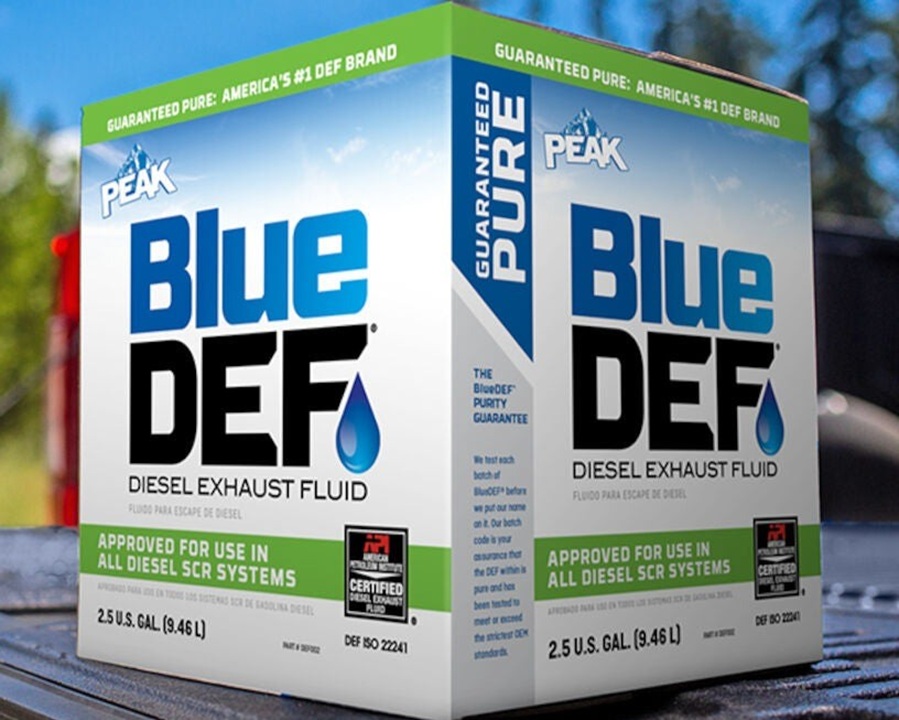
As I told Cattle, I have no problem with using DEF. I don’t even particularly care about the cost. That $30 lasts what, a few thousand miles? But I’m not going to pay extra if I don’t have to. So I have extra cases on hand when I’m expecting to drive a diesel truck far. A lot of folks here in the Midwest do the same. Look into a truck bed and there’ll probably be a box of Blue DEF or two sliding around back there. Also, having extra on hand is great if the monitor is being stupid like that. Just pull over, dump the jug in, and continue all happy-like.
To be clear here, I’m pro-emissions equipment and pro-DEF. But I’m also a cheapskate, so of course I have a stupid hack just to save $20. lol
I don’t even think it’s the cost of DEF that upsets almost anybody about owning a modern diesel, (I sure as hell won’t consider buying one) but just how unreliable and expensive it is to fix modern diesel emissions. Maybe a better solution is to have manufacturer agnostic DPF and SCR modules that are mass produced and readily accessible. You’d probably need to have about 9 different sizes and some applications may need to have two running in parallel. Even if these systems only lasted about 40K miles I don’t think too many people would be all that upset if it cost something like $500-800 installed.
edit – another very simple change they could make I think would dramatically reduce EGR related issues like clogged ones or caked up intake valves would be the feed the EGR valve with exhaust that already passed through the DPF and maybe the SCR. I don’t think that engine likes breathing those particles any more than I do.
(random question, since diesel comes from the last name of Rudolph Diesel, should it always be capitalized?)
Good thoughts here.
Diesel emission systems last more than 100K or more on light duty vehicles.
A Class 8 minimum warranty for the emission system is 5 years / 100K miles for EPA and 5 years / 335K miles for CARB states. The DPF should go about 500K miles before it need the DPF cleaned or replaced (Class 8 units are serviceable unlike the light and medium duty)
On a Detroit Diesel you can get an extend 7 year / 750K mile warranty for about $8,000
The biggest hassle for most people are sensors that go bad. DEF quality, NOx, PM, Temp. A sensor failure send the vehicle into limp mode. It would make sense to give a reasonable grace period to get the situation fixed. Instead this administration is talking about letting people just not use it at all.
Usually the EGR is positioned before all of the aftertreatment for a number of reasons:
– so that the EGR inlet pressure is higher to drive more flow without throttling the intake, even on low-pressure systems
– to reduce flow through the aftertreatment so that these expensive components can be made smaller (less gas to treat if some of it is recirculated)
– to improve system response in transients
Sometimes it’s located after the dpf but before other components of the slower response and lower flow of a low pressure system (so post-turbine to pre-compressor on the low pressure side of the turbocharger), but that’s impossible for high pressure EGR systems
No, I can’t imagine it should always be capitalized since everyone saying the word diesel is referring to a physical thing vs. a person
They do that with all fluids. I’ve had to buy oil and coolant at service stations and it’s the same thing. The “convenience” prices are way out of whack, but they know if you’re buying it there, you really need it.
Believing thatany operators will continue to use it until it fails, I’m in favor of the multi-stage limp mode with warnings currently in place.
This whole thing is a massive headache for manufacturers. Significant resources have already been spent to meet stricter 2027 emissions regs. There’s a middle ground here and what’s being proposed here is ridiculous smh
Correct. We have already started doing test build in the factories on the EPA 2027 engines.
I think the “middle ground” was the the recent regulation that made manufacturers warranty emission systems a lot longer and also increased the useful life so emission systems would be designed to the life of the vehicle in most cases.
Government by grabby ignorant old curmudgeons. The “real men breath polluted air” people will kill us all. VW should ask for its money back for Dieselgate, they would probably get it.
Rolling coal, “clean beautiful coal” will soon be mandatory.
It seems pretty clear that he has dementia, which has been linked to air pollution. He really is creating the country in his image!
It sure was nice having clean air (and water, as those regs are getting axed too) for a while.
But heh, Bubba can roll coal in his Cummins with impunity going forward. ‘Murica, F’ Yeah!
I think you wrote that backwards, should be “Yeah! F ‘Murica” as that’s the net result.
I think you may be right – that IS the current Administration’s general policy.
Calling any of that *waves hands in air* a “policy” is a stretch.
No doubt.
4200 miles is more than enough time for a pickup owner to refill their DEF. This should be more like 500 miles.
Kind of like filling the fuel tank itself… Most people don’t seem to run out of that.
I’m not sure the logic behind giving a Class 8 only 650 miles of delay and a pickup 4,200.
Seems to be purely a political gesture for the base.
The milage should be exactly how far the average person is from the nearest Walmart.
Eh, if I’m in the middle of the Mojave on a road trip and a few hours from civilization I’d rather not have to hunt for DEF. Of course for me personally that would mean I would have refilled it before I left, or brought a box with me…
I worry whenever I hear a politician say “common sense”.
I worry whenever I hear much of anyone say it. Most seem to think the term “common sense” is interchangeable with “my uniformed and unchangeable emotional opinion”.
For sure. Common sense is over rated. Stuff is complicated.
I worry whenever I hear a politician
It’s frustrating how little people give a shit about the planet and won’t care until it’s too late. Many of them are proud of being ignorant or obtuse, and decided anything “green” is DEI and woke. (See Sean Duffy calling bike lanes DEI).
Meanwhile climate change is accelerating faster and faster, weather is getting more extreme.
We are screwed as a species.
This has nothing to do with the planet of climate change. This is about local air quality in cities all around the USA. NOx is a local pollutant not a global one
This particular action isn’t, sure, but the same people are setting the penalties for not meeting CARB standards to zero and loosening regulations on powerplants and the oil industry emitting methane without flaring, both of which directly impact greenhouse gasses. Meanwhile, let’s pay utilities not to invest in clean energy, spending billions to compensate for cancelling wind and solar projects. I think the sentiment expressed in the original post is still valid
This is the last chance they have to exploit us all before the green revolution takes over, simply put.