

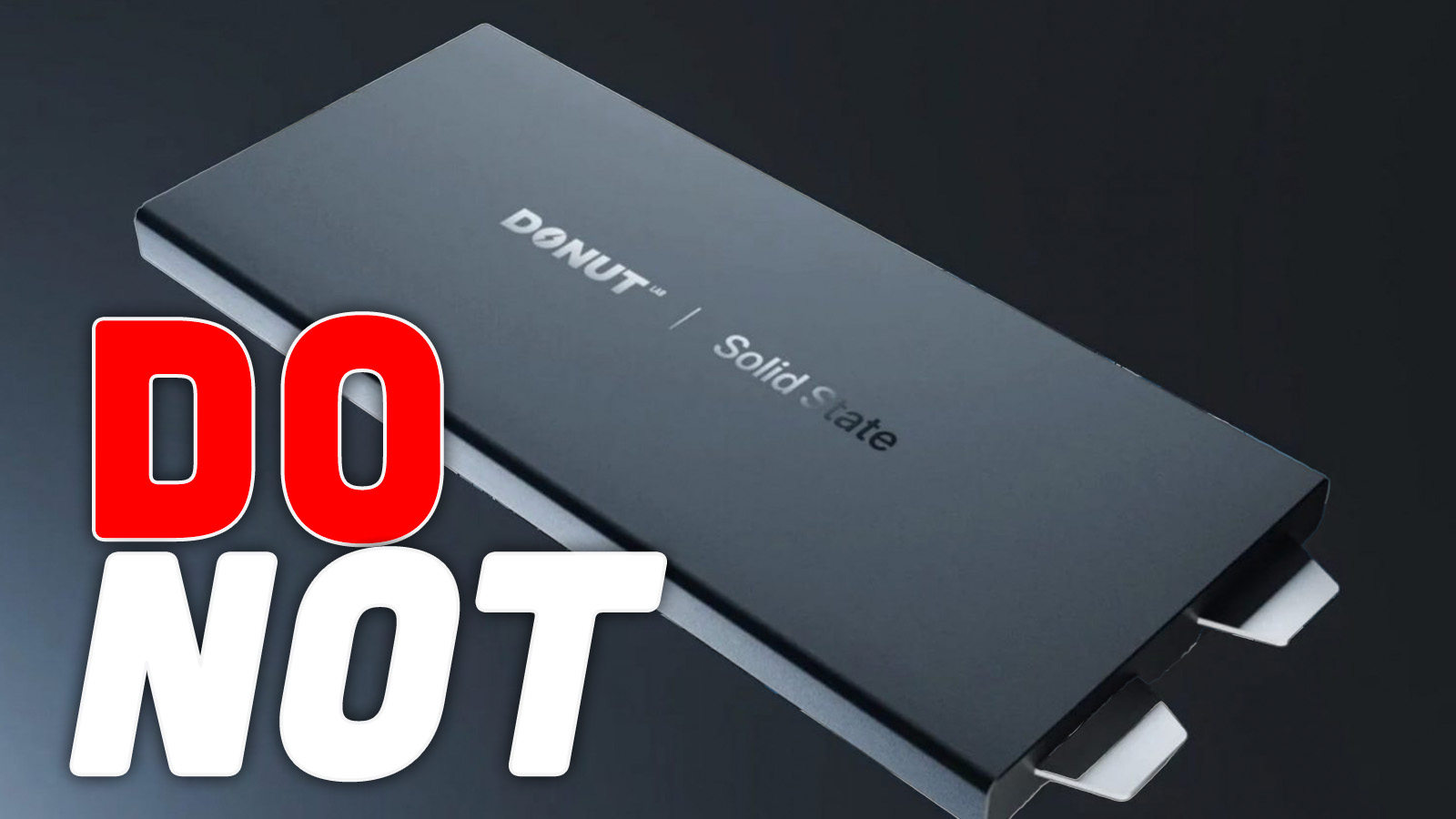
Back in January, Verge Motorcycles and Donut Lab made a bold claim when they said that they had invented the world’s first production solid-state EV battery. That alone would have been big on its own, but they also claimed that it was in production and was shipping to customers in Verge TS motorcycles by the spring of this year. These bikes would have batteries that charged in five minutes, would have an energy density of 400 Wh/kg, and would last 100,000 cycles with minimal degradation — at least, so went the claim. Since then, Donut Lab’s claims still haven’t been proven. Now, it gets worse, as a bombshell investigation just dropped, pretty convincingly laying out evidence that Donut’s battery appears to be no more than a regular lithium battery with fancy marketing.
This news comes to us from YouTuber Ryan Innis, PHD, “ZirothTech,” and it isn’t just some guy speculating. Ryan’s investigation included research from over 20 independent battery experts, including Julian Zanau from the Fraunhofer Research Institute, Dr. Yahim San from the Justus-Liebig University, Tom Bicha from Leona, and Dr. Juho Heiska from the Seinäjoki University of Applied Sciences.


Ryan explains that this whole catastrophe began when a humble German inventor just wanted to sell his weird ideas. Now, it’s taken a million turns to grow into Donut Lab, a company that is valued at $1.25 billion and raised $25 million mostly through small investors, despite the fact that not a single Donut Battery has reached a customer. That’s right. Remember when I wrote that Verge Motorcycles built its first ‘solid-state’ motorcycle on March 31? That motorcycle did not go to a customer. Here’s Ryan’s video:
Somehow, the story of the Donut Battery goes well beyond claims that still haven’t been proven and marketing more exhausting than the Kars4Kids jingle. I once said that the Donut Battery will either change history or turn out to be another Fyre Festival or another Theranos. Unfortunately, it’s now impossible to ignore the evidence that suggests the Donut Battery may be the latter. This video is 44 minutes long, but if you don’t have the time, I’ll tell you everything you need to know.
Verge Motorcycles And Donut Lab
It’s been a while, so let’s just start with how we got here. If you’ve read my previous coverage, skip on.
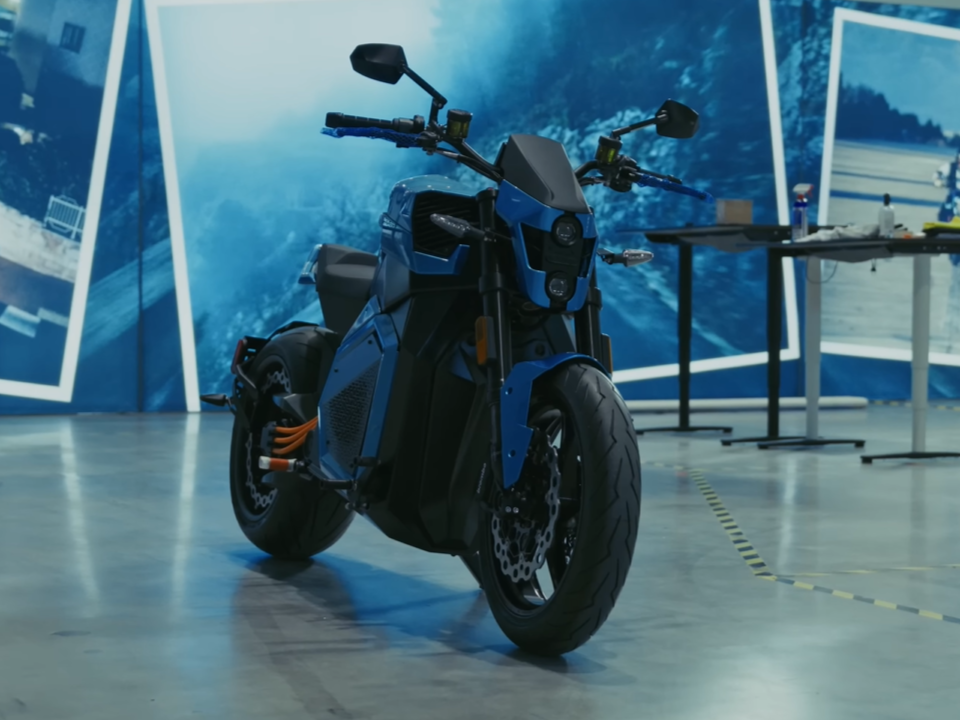
Verge Motorcycles was founded in Finland in 2018 by Tuomo Lehtimäki, Marko Lehtimäki, Ville Piippo, and Henri Vähäkainu. The motorcycle they began marketing, which had a novel donut hole-shaped “hubless” rear wheel motor, was the invention of engineer Teemu Saukkio. Verge established a manufacturing center in Estonia, which has been producing Verge TS motorcycles for years. Marko Lehtimäki, the brother of Tuomo, then founded Donut Lab in Estonia in 2024; this serves as more or less the technology company spinoff of Verge Motorcycles. Donut Lab makes the Donut Motor that powers the Verge TS.
This isn’t Marko’s first rodeo with companies that make huge, world-changing promises. Marko’s name is involved in Asilab, a company that claims to have made an AI that “thinks” and learns like a human brain. The company says it has “the world’s first true AI superintelligence,” but has yet to prove it.
The Claimed ‘Solid-State’ Battery
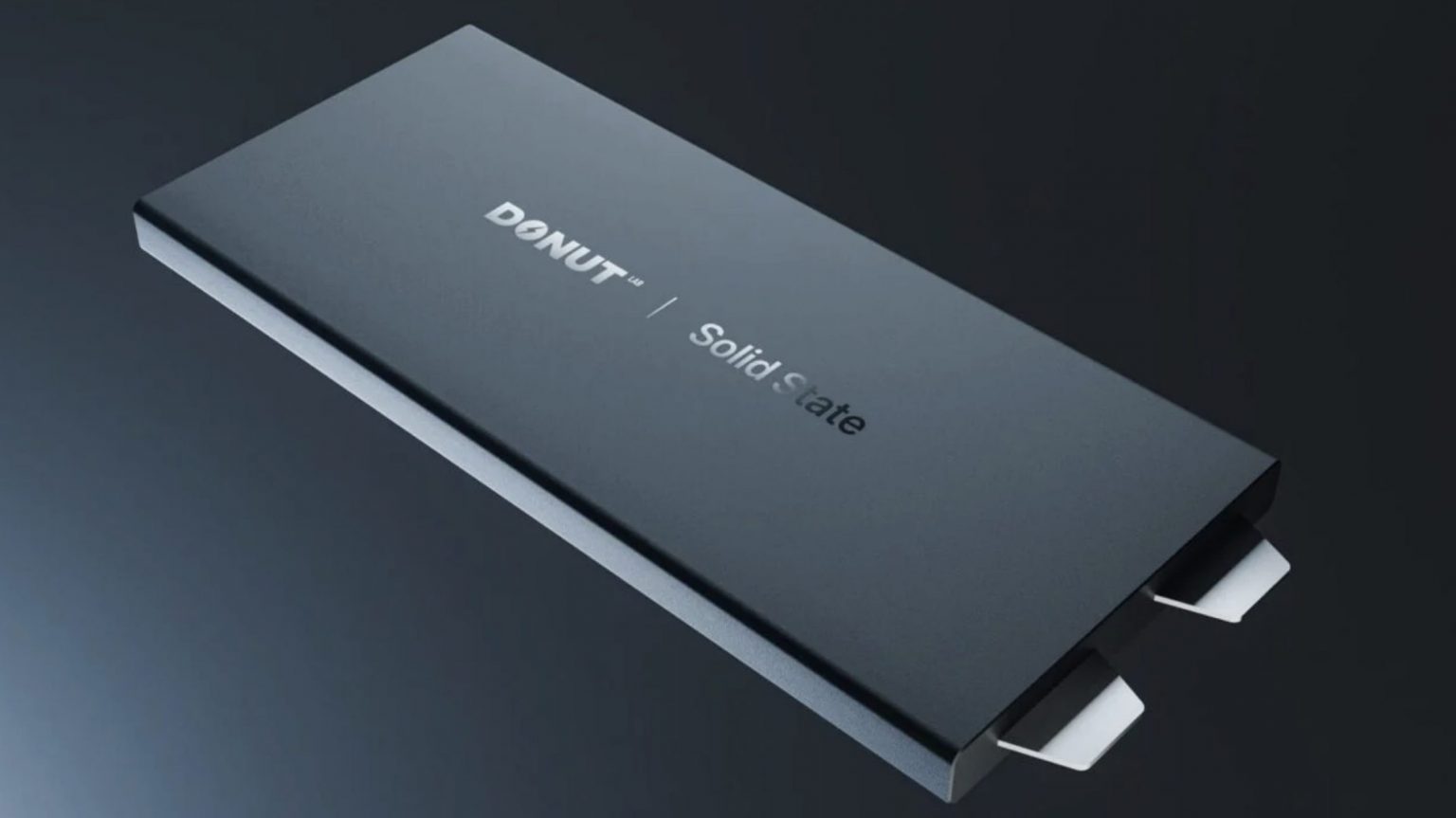
Over at Donut, Marko hasn’t held back, and in January, he made some bold claims about his company’s battery. From my report:
Lehtimäki claims his team has made a battery that can charge in only five minutes, will last more than 100,000 cycles with almost no degradation, is cheaper to make than lithium-ion batteries, delivers 400 Wh/kg, and is made out of 100 percent green materials. Simply put, Verge and Donut Lab claimed to have built the holy grail of batteries.
[…]
Donut Lab claims that this battery is better than any other in that it retains 99 percent capacity in minus 30 Celsius and also when it’s above 100 Celsius, unlike lithium chemistry. Donut Lab also says you can run the battery to zero or charge it to 100 percent as many times as you want without hurting it. As for lifespan, Donut Lab says it’ll last the entire life of the vehicle, making the threat of having to replace a worn battery a thing of the past. The company then talks about these cells not having thermal runaway problems, weighing less than lithium batteries, and, somehow, even costing less to make than lithium batteries.
As if all that wasn’t unbelievable enough, Donut Lab then claims, “In fact, we found ourselves designing a slower charging speed so riders can plug in and actually have time to drink a latte and enjoy it instead of downing an espresso and rushing back to their bike.” Weirdly, Verge also says that its version of the Donut Battery will last for 10,000 cycles rather than 100,000.
Check out Donut Lab’s debut video:
As Ryan explains, these claims are unbelievable because they would change the world of electric cars practically overnight. A battery with Donut’s claimed specs would have twice the range of a car with lithium batteries, last over 100 years, charge nearly as fast as a gas tank fills, not utilize any lithium, and be cheaper to make than any lithium battery today. Even better, Donut Lab has claimed, this battery would be stable, making thermal runaway events a thing of the past.
A company that’s only been around for just two years managed to do all of this? As I have reported before, countless research organizations and some of the world’s largest corporations have been developing solid-state batteries for decades. Functional cells and prototype cars and motorcycles do exist, but nobody has made that bold step of putting these batteries into production. Many of these companies and entities run into annoying issues. Toyota hasn’t figured out how to make solid-state batteries at scale. Honda keeps having trouble keeping its solid-state batteries in one piece.

Perhaps it’s unsurprising then that countless battery experts immediately called Donut Lab out. Yang Hongxin, chairman of China’s Svolt Energy, didn’t hold back. From Car News China:
“That battery doesn’t even exist in the world; all the parameters are contradictory… Any person with even a basic understanding of the technology would think it’s a scam.
The doubters had ammunition right from the start. Just a few paragraphs above, I noted how Donut Lab’s engineers claimed to have intentionally doubled the battery’s charging time so you can grab an espresso while your vehicle charges; this has never made sense. You have a battery that charges pretty much as fast as a gas tank fills. If you want a coffee so bad, charge the motorcycle, park it, and then go grab your coffee. That’s how literally everyone with a gas engine has done it since forever. This would be like intentionally halving the speed of a gas pump so you can shop for snacks.
I Donut Believe
Then came the tests. To prove the doubters wrong, Donut Lab sent individual cells to the VTT Technical Research Centre of Finland for third-party verification. These results have been uploaded to Donut Lab’s “I Donut Believe” website. At first, there was an update every week. Then, the release schedule was adjusted to once every two weeks, and now Donut wants people to wait for one update every three weeks.
I have written about these tests several times, so I won’t rehash them much here. Read my previous coverage by clicking here, here, here, here, and here
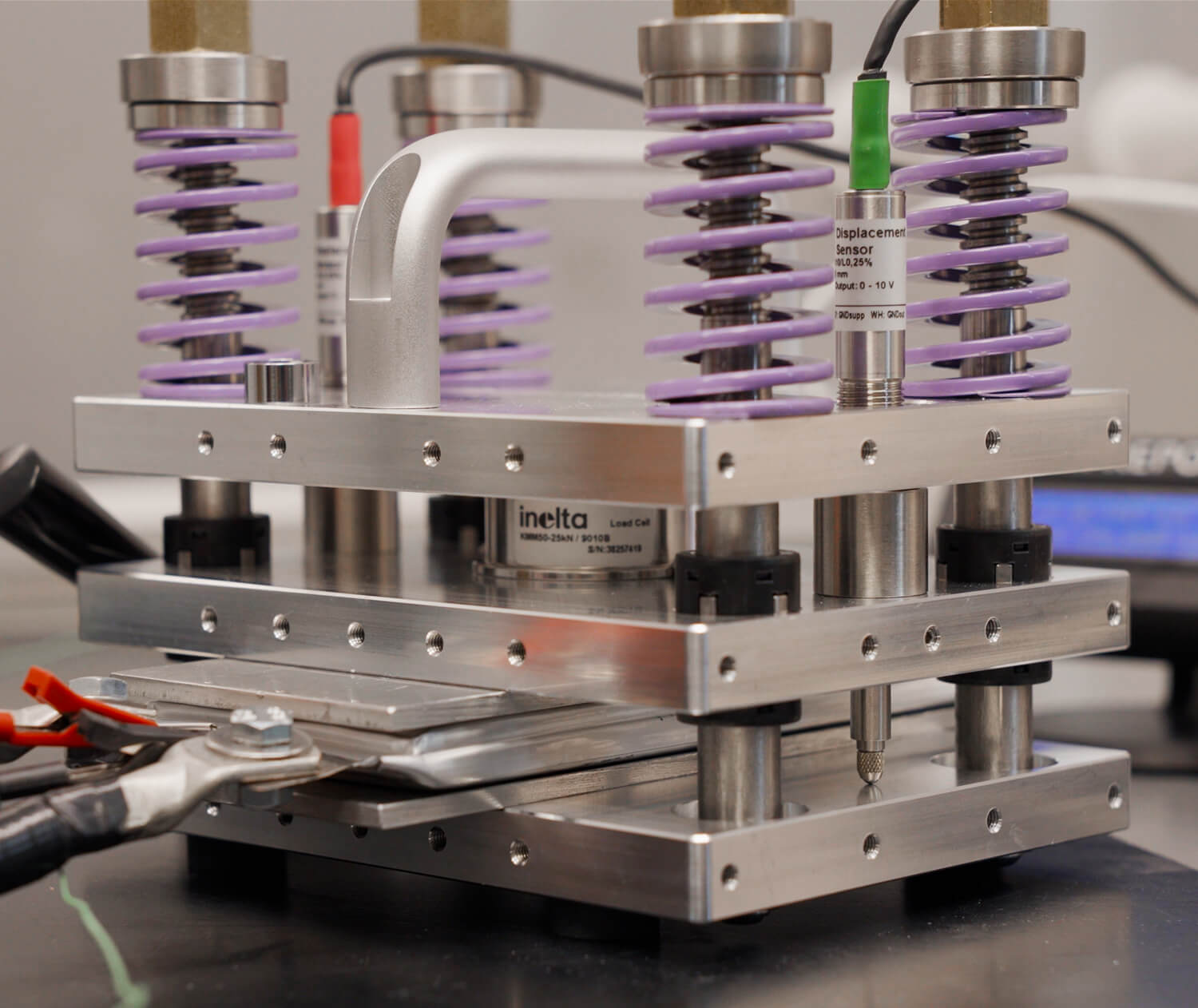
The short version of it is that VTT has confirmed that single Donut Lab cells can charge in roughly five minutes, don’t experience thermal runaway when damaged, can be cooled using giant heatsinks and fans, and self-discharge slowly. That’s it, none of the huge claims have been proven.
I stopped writing about Donut Lab because the new releases of “proof” did none of the sort. One video was just Donut pitching its unproven battery as a swappable platform. Another video talked about Donut’s alleged gigafactory. Only one fresh update of the drip feed was a test from VTT, and all it had shown was that the Donut Battery didn’t swell as much as other solid-state designs during cycling.
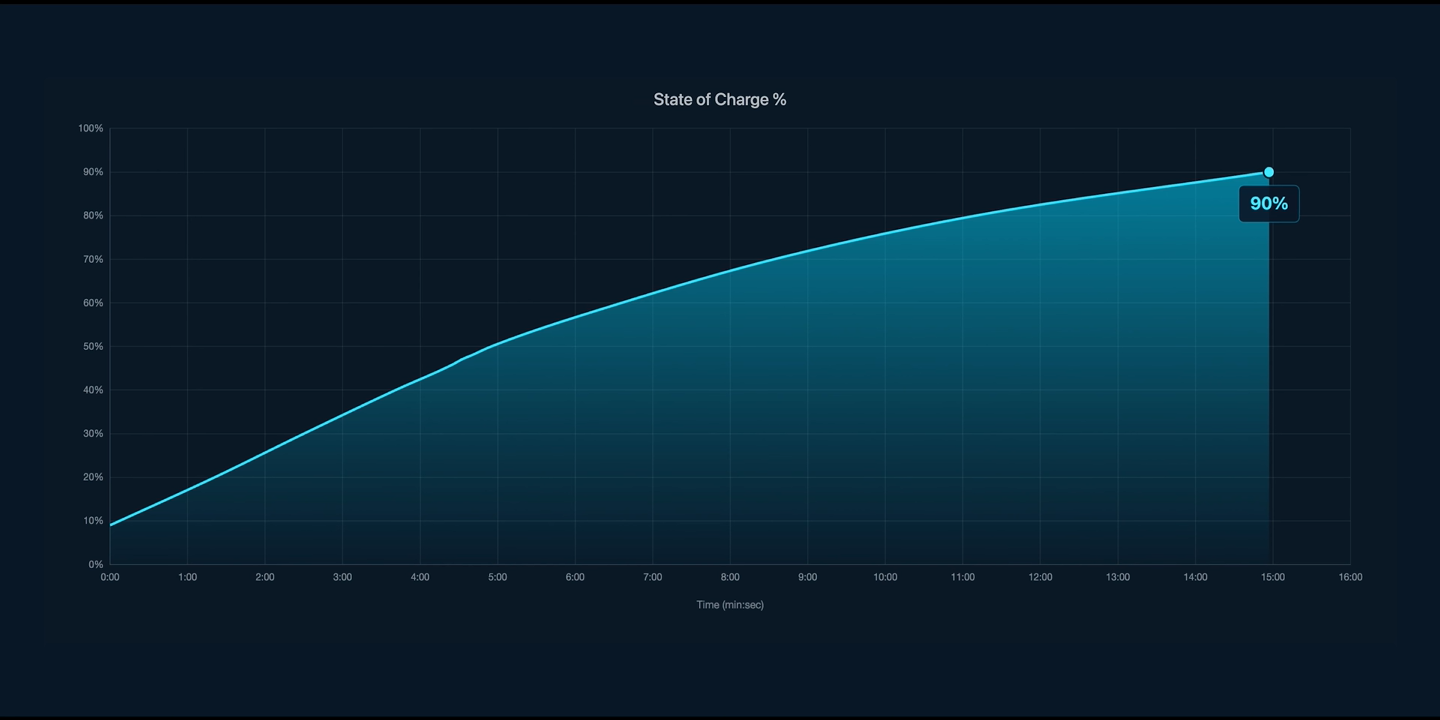
That’s it. Aside from selling shockingly expensive merch, Donut Lab still hasn’t proven its largest claims. If anything, the very few tests that Donut has shown the world have demonstrated that the company hasn’t made a battery that lives up to the hype. In the charging test (above), the battery required 15 minutes of time to go from 10 percent to 90 percent.
That’s three times as long as the original 5-minute figure, and still longer than the 10-minute charge. The battery does take under 10 minutes to charge from 10 percent to 70 percent, but that is not what Donut Lab claimed back in January. Basically, as more tests are done, Donut Lab appears to keep moving its own goalposts.
The Whistleblower Investigation
If none of that was bad enough, back in April, a bombshell of a story was published by Helsingin Sanomat, which featured Lauri Peltola, the former Chief Commercial Officer at Finnish battery startup Nordic Nano. Peltola went to the paper to blow the whistle on the project, and what the story revealed was fascinating. According to Peltola, Donut Lab has not actually achieved its bombastic claims and, despite publishing a flashy video of the first ‘solid-state’ Verge TS motorcycle coming off the line, Donut Lab allegedly doesn’t even have a production line finished.
In its own investigation, Helsingin Sanomat found evidence that backs up Peltola’s claims, from the report:
HS Visio has previously reported that Donut Lab’s battery technology comes from a small German company called CT-Coating. Donut Lab has not publicly stated this. HS Visio has seen email correspondence between Donut Lab, CT-Coating and Nordic Nano Group from the end of March. The content of the correspondence supports Peltola’s claims that at least some of Donut Lab’s promises have been misleading or exaggerated.
The emails give the impression that Donut Lab’s battery technology relies entirely on CT-Coating. The division of labor is roughly that CT-Coating develops the technology, Nordic Nano is responsible for battery production, and Donut Lab acts as a productizer and commercializer of the technology. In the emails, Donut Lab asks CT-Coating for measurement results that would match the promises made to investors and customers regarding charging rates. Based on the emails, these were not provided. It seems that the cooperation between the companies is not entirely straightforward. A CT-Coating representative complains, among other things, that the messages of the Las Vegas battery announcement were not all agreed upon.
The correspondence shows that CT-Coating has stopped product development of the previous battery. Apparently, this is the battery that Donut Lab introduced in January and that has been tested in the VTT laboratory. All of CT-Coating’s product development is now focused on developing a new type of battery. In emails from the end of March, Donut Lab asked when it would be able to conduct the first tests. In a video published in early April, Donut Lab’s Marko Lehtimäki announced that the company is coming out with battery version 2.0, which is even better than the previous battery. CT-Coating’s new battery technology is therefore still in the development phase. Therefore, Donut Lab or Nordic Nano cannot yet order even all the equipment needed for production, and it takes time to receive them after ordering.
I highly recommend reading my story on that, because those are only some of the details.
Battery Experts Weigh In

Now, we arrive at Ryan’s investigation. Ryan says that he and the more than 20 battery experts involved in his investigation have been looking into the Donut Battery for months, and the results don’t look good.
Early in his video, Ryan came to the same conclusion as Helsingin Sanomat in that Donut Lab is simply marketing and selling a battery designed by CT-Coating and to be built by Nordic Nano. Donut Lab has never publicly said anything about production partners and has always represented the battery as its own creation. However, Non-Disclosure Agreements found on the web suggest otherwise. When asked about battery production, Donut Lab confirmed to Ryan that Nordic Nano hasn’t even built a single Donut Battery. Ryan also notes that CT-Coating has a spin-off company in Spain called Sana Energy, which, until recently, was advertising a solid-state battery with the same specs as the Donut Battery.
CT-Coating was officially founded in 2017, but claims a lineage back to 1991 with several predecessor companies. Most of CT-Coating’s patents are the invention of German engineer Ernst Hölzenbein, a man with an obsession with screen printing technology. He has his name on inventions like an illuminated restaurant menu folder, a cover for solar panels, a display shelf, a warning triangle with film, and a new way to make paving slabs.
CT-Coating’s paving slab has a solar panel, a display screen, a heating element, and a screen-printed sodium-ion solid-state battery encased in concrete. The battery part is important because, as Ryan says, that’s the kind of battery that CT-Coating promised to Donut Lab and then, as Helsingin Sanomat reported, failed to deliver on. Allegedly, Donut Lab then performed the technical due diligence on whatever battery it received by itself, despite, Peltola claiming Donut didn’t have battery experts on staff.
So, what kind of battery did Donut Lab allegedly self-certify as a solid-state battery? To find out, Ryan contacted more than 20 battery experts. Most stayed anonymous, but Julian Zahnow of Fraunhofer FFB, Tom Bötticher of Litona, Dr. Juho Heiska of SeAMK, and Dr. Joachim Sann of the Justus Liebig University all went on the record. Every single battery expert, including the named scientists, crunched the numbers from the VTT tests and claims that Donut Lab is slinging no more than a regular lithium battery.
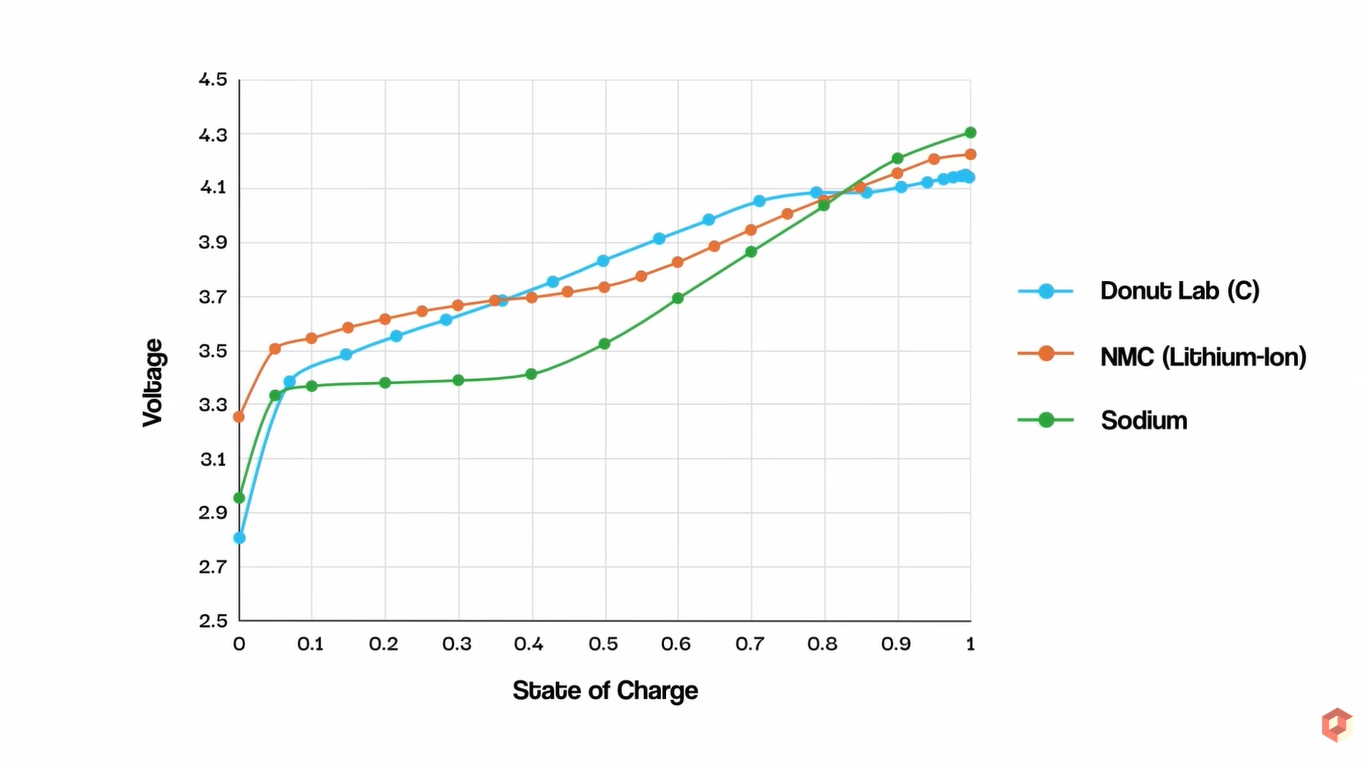
To the scientists, Ryan says, there were two damning pieces of evidence. The first was voltage. According to Julian Zahnow, the voltage curves from VTT’s Donut Battery tests match those of nickel manganese cobalt lithium-ion cells. For example, the Donut Lab sat at 3.7 volts to 3.8 volts while at a 50 percent state of charge (SOC), which is what you’d see from a lithium battery. The Donut Lab supposedly uses sodium-ion cells, which Ryan says don’t usually go much past 3.5 volts at the same state of charge.
Apparently, the voltage alone was enough for most of the experts to conclude that the Donut Battery wasn’t a solid-state cell. But they found more evidence, too. The last VTT test provided data on how the battery expands and contracts during charging and discharging. As Ryan explains, when sodium or lithium ions squeeze into the anode material, it forces the layers apart slightly, causing expansion. Graphite and hard carbon are common anode materials with known expansion and contraction rates. Batteries that use a graphite anode tend to show a sharp expansion curve with a kink at 50 percent SOC to 70 percent SOC. This is where the expansion slows down before speeding back up. This kink happens due to how the ions reorder themselves in the graphite’s layers during this point in the charging cycle.
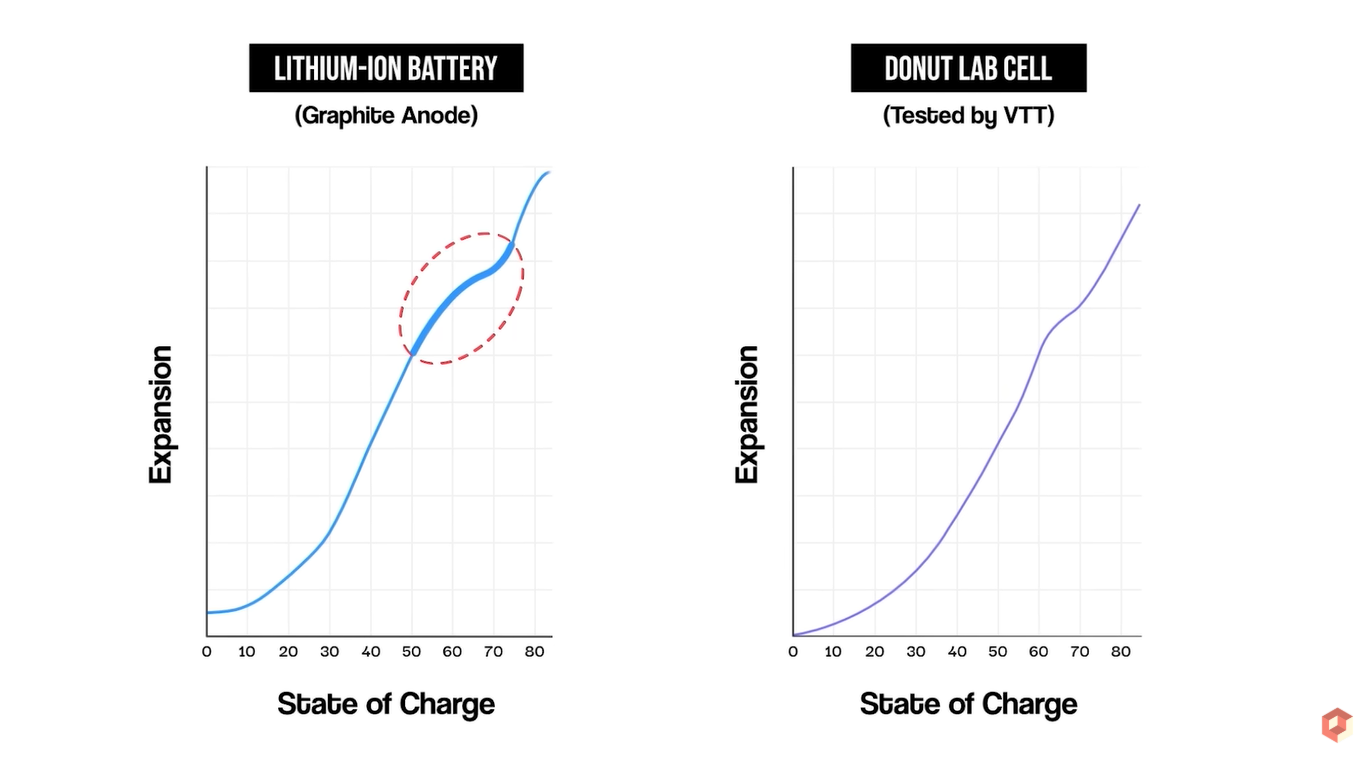
Curiously, the Donut Battery has the same kind of kink as a lithium battery with a graphite anode. That kink happens in the same range as a lithium battery, too. Ryan says this also proves that the Donut Battery cannot be a sodium-ion battery because sodium ions are too big to fit into layers of graphite. Ryan elaborated:
In a previous video, I mentioned the voltage curve is like an electrochemical fingerprint. But due to the noise in the Donut Lab data, finding an exact chemistry match always led to questions of uncertainty. Well, now it’s like we have a slightly noisy fingerprint and a picture of the suspect’s face. And yet again, it’s a match with our old friend, lithium. Oh, yeah. And if you’re wondering how energy dense the Donut Lab cell really is, because apparently no one at Donut Lab has any scales, a verified third-party test report measured one of CT Coatings previous cells and showed it to be 297 Wh/kg.
Although this is clearly a different cell than what was tested by VTT for Donut Lab, I imagine the chemistry is very similar. As when you take the 94Wh hour capacity recorded by VTT in their reports and divide it by the mass of the cell shown at CES, which was 315g, you get 298 Wh/kg, which is almost exactly the same as CT coating’s previous report and it’s what you would expect from a high energy lithium ion cell.
To be clear, none of the experts quoted in the video has touched or examined the Donut Lab battery. They’ve only interpreted the raw data. But they remain certain in their conclusions.
As for the rest of the data, Ryan notes that there are high-performance lithium batteries out there that can charge just as fast as the Donut Lab cell and survive the same kind of high-temperature beating shown in the VTT testing. These cells tend to be used on applications like electric racecars. So, Ryan says, there’s nothing that the VTT tests have shown that couldn’t have been done with a lithium cell. Therefore, per experts, Donut Lab still doesn’t have definitive proof that it made a solid-state battery, forget about all of its other viral, game-changing claims.
About That First ‘Production’ Solid-State Motorcycle
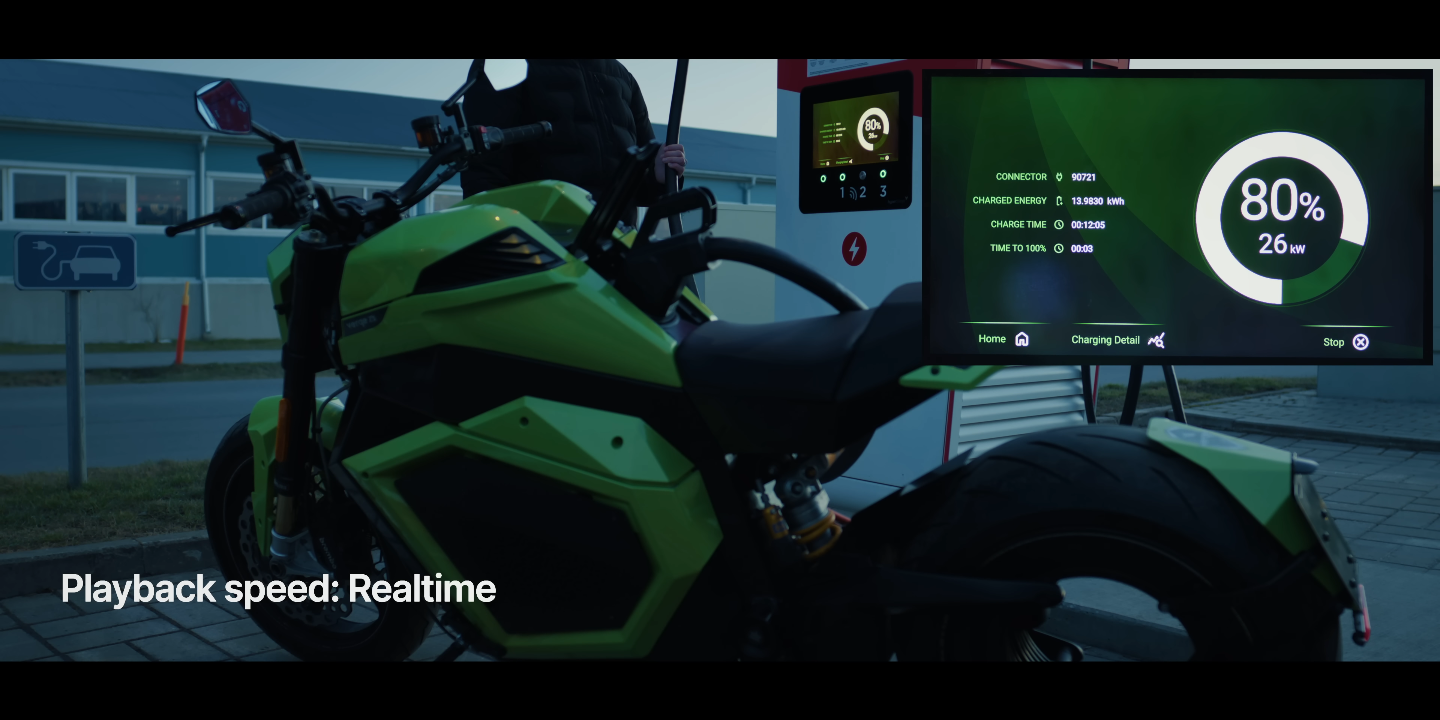
Somehow, there’s more. That first “production” solid-state Verge TS? It went into Verge’s internal fleet. Not a single customer has received a solid-state motorcycle, and the so-called “production” bike is being described like a prototype in the unlisted video that Verge sent to its customers. Once again, Verge and Donut Lab said one thing, and the reality appears to be something different, just like the whole marketing around the charging speed.
Then there’s the fact that, as Marko admitted to Helsingin Sanomat, the batteries tested by Donut Lab and VTT apparently aren’t even the batteries that will go to customers. It’s not known if that battery even exists yet. Here’s the unlisted video that Verge sent to its customers:
Unfortunately, there’s one more layer to this story.
While Donut Lab has stated that it is not actively seeking investors, both Ryan and Helsingin Sanomat have found that people did invest in Donut Lab in the past, before the comment about not seeking investors was made. Helsingin Sanomat found that Donut Lab has over 1,300 shareholders. Of those, over 900 shareholders have 50 or fewer shares, representing between $3,000 and $23,000 per investor.
Many of these investors put their money on Verge Motorcycles in 2023, and that money was allegedly used to launch Donut Lab by splitting Verge Motorcycles off into three companies. Donut Lab’s aggressive marketing and huge promises then apparently helped thrust it to its current valuation. According to a document sent to investors that was obtained by Ryan, Donut Lab allegedly promised a 10 times return on investment “if all goes according to plan.” Another slide allegedly suggests that it’s not too late to give Donut Lab more money. By the end, Donut Lab managed to raise $25 million in investments from multiple sources. Donut Lab was worth $250 million before January, now it’s worth $1.25 billion, while its “miracle” battery apparently still isn’t in production
So much remains unclear about the Donut Battery. There are zero examples in public hands, so there’s no way of knowing with 100 percent certainty what they’re made of or what their specs are. But the evidence is not in Donut Lab’s favor. Donut Lab keeps telling journalists to just wait for the next release. But, as of lately, Donut Lab has been releasing what more or less seems like slop. I think it’s fair to say that the world is done waiting. It has been six months already, it’s time to land the plane and bring it home.
It’s unclear what happens from here. Realistically, Donut Lab should finally prove that it has a real battery. If not, Donut Lab and its cast of characters might find themselves in the uncomfortable position of going down in history as another Theranos. I feel the worst for the investors.
But until this saga gets a definitive conclusion, it seems safe to say that we’ll have to continue to wait for a solid-state battery to get fitted to a vehicle you can actually buy. It’s a shame because I desperately wanted to believe in this battery, but Donut has even lost me. You’re right, Donut Lab, I donut believe this anymore.
We’ve reached out to Donut for input. Update: Donut Lab provided this statement:
We are aware of the YouTube video published by Ziroth regarding the Donut Battery. Nothing has changed; the video repeats the same speculation about the battery’s composition and characteristics that has been discussed multiple times over the course of the spring across various channels and among industry experts.
We continue to stand by the information we have provided and are progressing according to our planned schedule. It is important to note that Ziroth also has a commercial partnership with our competitor, the Chinese battery technology company CATL. Information about this partnership is publicly available on their website.
The video also repeatedly references claims made by Lauri Peltola, a former employee of Nordic Nano Group. He does not possess the necessary knowledge of the battery technology or the overall development work. Peltola is not a shareholder of Nordic Nano Group, nor has he been a member of the team responsible for developing the Donut Lab battery.
Nordic Nano Group has initiated legal proceedings in relation to Peltola’s public statements and has filed a request for a police investigation. The matter is currently being reviewed by the authorities.
Topshot: Donut


From day one, it was the name for me. I’d expect the cutting edge battery of the future to be from something like Stratso-Olaftic Partnered Electrochemical Concern or some industrial conglomerate. Not a questionable breakfast snack.
Somebody needs to just swipe one of the test batteries and cut it in half so everyone can see what’s inside of it.
With a chainsaw, obviously.
Candylab > Donut Lab
Aaaaand there it is folks! Churn and burn investor scheme! To quintuple your money in 6 months is bananas, even more so for a product that doesn’t even exist much less in the hands of consumers.
The greasy rich get richer
So there turned out to be nothing in the center of Donut? If only there had been some kind of sign
It’s heartening to see the hofmeister kink lives on in battery technology graphs.
I am shocked, just shocked that this was a scam. Shocked.
Well, not that shocked.
Seeing as the solid state battery from donut labs is not actually shockind.
…Moving on…
ROFL!
This up there with the big twist in Star Wars! Darth Vader is the bad guy!? Crazy!
It’s a TRAP!
All of the memes suggest it was a tarp. Tarps are probably good traps now that I think about it.
Why not both?
A booby tarp is an interesting thing to ponder. 🙂
Wouldn’t that just be a big bra?
I guess it would be, as long as it lifts and seperates.
The electric motorcycle industry is hanging on by a fine thread. None of the names you know in the electric motorcycle space is profitable and most of them are being kept on life support thanks to investors that are constantly trying to find the next Tesla stock.
If Energica can be wiped off the face of the Earth, so can anybody else.
“If Musk can continuously spout BS and become a billion why can’t I?” – This donut guy, probably
Kind of reminds me of that gold painted cell phone….
They’ve got a concept of a plan.
Dear Engineering Term, I see you have met our marketing team.
Great story, Mercedes. I like to think you were wearing a fedora with a PRESS card in the hatband banging away on an Underwood typewriter. The tech is over my head but I gather that Verge would have been better off saying that they just had a very good lithium battery.
“ Not a single customer has received a solid-state motorcycle”
And that’s the main problem from my perspective.
The best way they could silence the naysayers is to produce at least a few of those motorcycles with that new battery… and then put it in the hands of testers from The Autopian, Consumer Reports and others.
But even if everything is true and they have this great new battery, it still doesn’t mean much until they can reliably produce it in volume.
And it is likely to take years to scale up.
In the IT/tech industry, this would be called ‘hypeware’… as opposed to ‘hardware’.
Until it is actually available for sale in volume, it only exists in a theoretical sense for the purpose of hype.
Just look for other hubless cycle producers. You will soon know enough.
The comparison to Theranos seems pretty apt. Something that really isn’t possible but is sold as the next big billion dollar thing to a lot of people who don’t have the expertise to understand the claims and how incredibly unlikely it is that this could ever do what it’s being sold as doing. My question is whether there’s a whacked out Elizabeth Holmes type in charge of Donut Lab and if so, when we’ll get the story behind that person.
There are more Elizabeth Holmes in the world than most people realize. What makes her different is that she got prosecuted.