

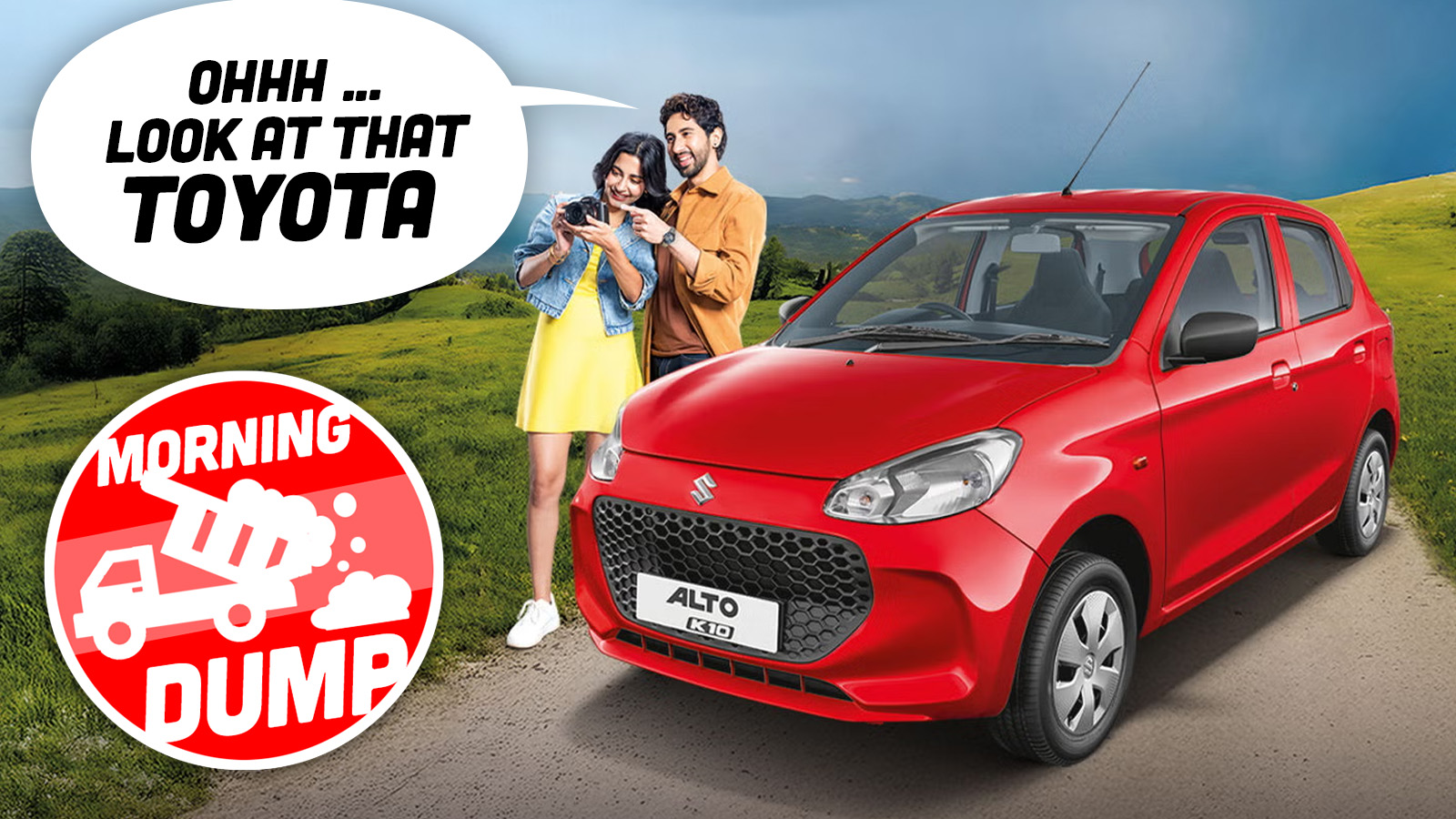
You know what the single biggest gripe I have about automakers is? Well, if you regularly read The Morning Dump you can probably list out about 20 things I view as my single biggest gripe, but the one I want to complain about today is the lack of local knowledge and expertise that foreign automakers apply to markets where they’re historically successful. Yes, I’m talking about foreign automakers who are initially crushing it abroad, but who then have their lunch eaten because they don’t seem to know what’s going on locally.
And by foreign, I mean any automaker in a market not its home market, which includes American automakers in some markets, German ones in others, and one particular Japanese automaker in a market it historically has dominated. That automaker has learned the hard way that no one in the foreign market really wants a cheap car that feels cheap. Hopefully, Smart learns this same lesson with the return of the two-seat Smart, though that car may end up being not quite as cheap as I’d like.


The new Smart brand is half Geely and half Mercedes, and Mercedes would really, really like the United States to not nuke it from space because of those ties. At the same time, it sounds like new tariffs are coming to Canada, due in no small part to what the current administration sees as discriminatory automotive tariffs.
Why Do Carmakers Keep Forgetting This?
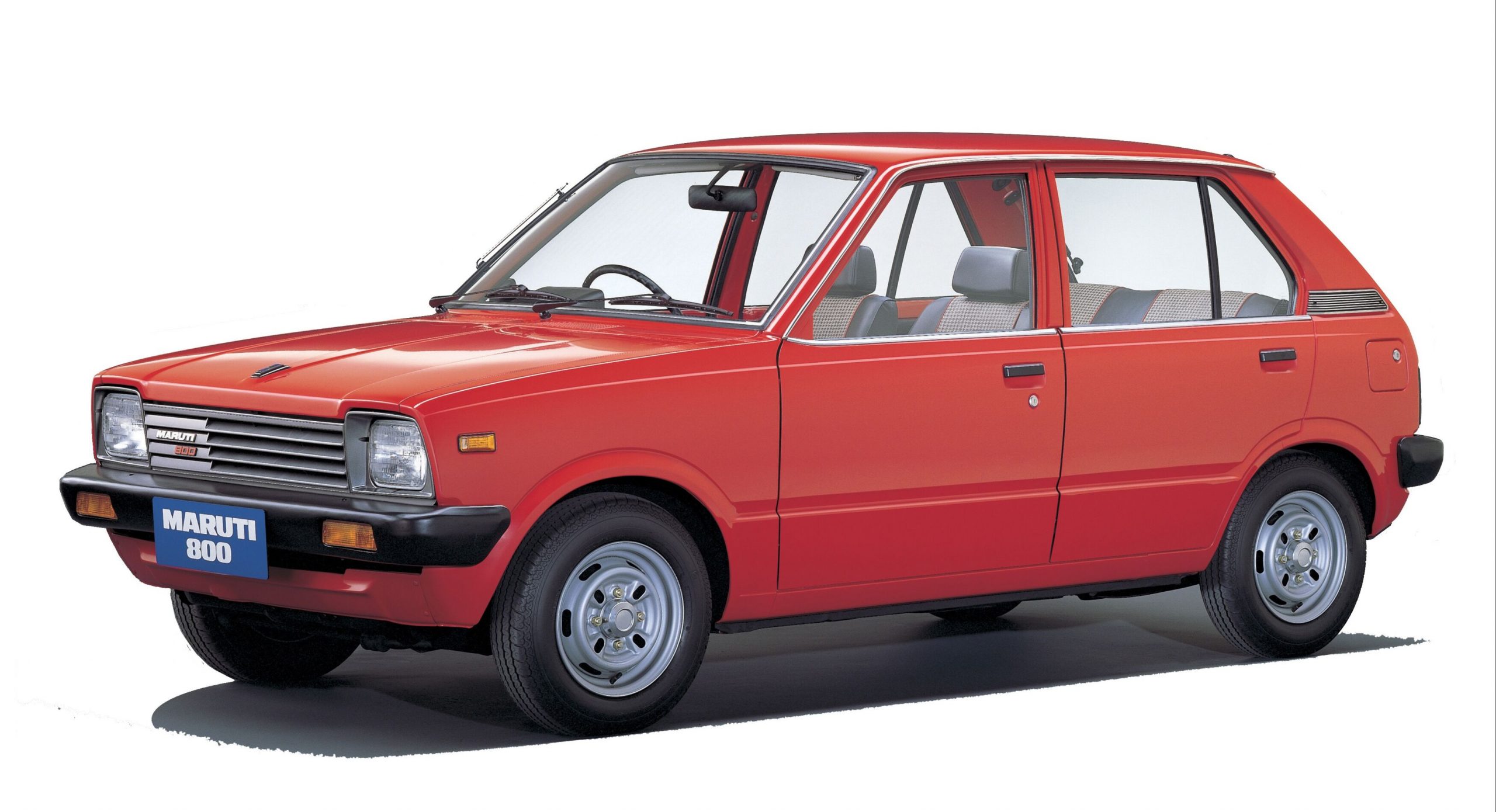
India’s Maruti Suzuki–owned by Japanese automaker Suzuki–has long been a dominant force in India and remains the largest automaker. For now. The company is losing market share quickly (it once commanded up to 80% of the market) as it makes the same mistake automakers keep making, at least according to a big feature from Reuters on the company’s fate.
Specifically, it saw the market as only wanting cheap cars that lacked nice features, while, per the article, the people on the ground who actually knew the market explained that the growing incomes of many Indian consumers mean they now want something nicer. Here’s a good example:
Maruti Suzuki managers first floated the idea of adding sunroofs about a decade ago, the people said. But Japanese bosses considered the feature – which has become a symbol of upward mobility in India – impractical given India’s extreme heat and dusty roads. They worried that adding a more powerful air conditioning unit and strengthening the cabin to accommodate the panel would increase costs and distract from Suzuki’s mission of providing affordable transport.
The carmaker didn’t introduce sunroofs until 2022. By then, fast-growing domestic rivals Tata Motors and Mahindra & Mahindra — which both currently have a market share of around 14% — had sunroofs as standard features on between a quarter and a third of their cars sold in India, according to data from auto research firm JATO Dynamics.
What’s extra crazy about this is that the failure of the Tata Nano should have been a sign that, in India, there’s less interest in bargain-basement cars than previously thought. Sure, a sunroof might not be practical, but people do not buy cars for purely practical reasons.
Japan needs India because India is probably as resistant to the influx of Chinese cars as the United States is, and the market is also gaining more buying power. Obviously, this isn’t just an issue for Japanese automakers in India. This happened with both German and American brands in China, which somehow didn’t see a change in Chinese consumer behavior and got their lunches eaten by upstart, state-backed brands more attuned to the local market.
So what about in the United States? I think most brands here have done a good job of building cars for the market, but not all of them. Taking the South Korean example, both Hyundai and Kia eventually thrived here, whereas Daewoo only lasted a few years and died after guessing poorly what American consumers might want. Suzuki might have done well in India, but it, like Mitsubishi, faltered here. [Ed Note: Am I crazy to consider Volkswagen in the U.S.? In the 1960s and 70s it was crushing it as an affordable brand, and even 12 or so years ago, it felt like VW was on top of the world, with the VW Vortex Forum humming along, and lots of Americans loving their slammed Jettas and GTIs. But in this crossover era, it seems to me that the Tiguan has been the sole winner. I think the Scout brand represents VW figuring it out. -DT]
To clarify, I don’t think you have to have leadership that is solely from that particular country. You just have to have leadership that’s willing to pay attention.
Check Out This Cute Smart #2
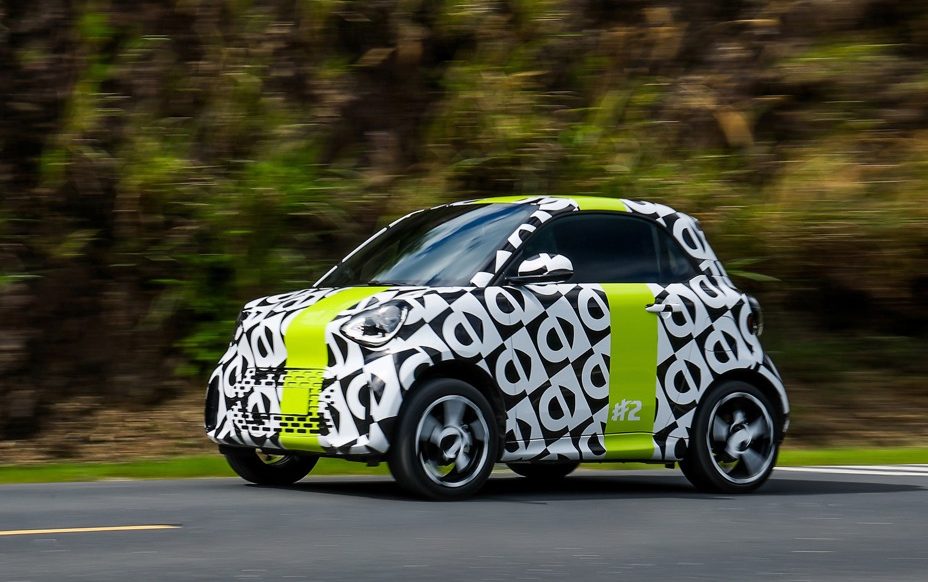
Smart has only released concept images of the Smart #2, and Mercedes is already excited about it.
Naming aside, this sounds like a better-featured car than you might get from Maruti, and a lot of testing is being put into making it feels good:
To ensure that cabin comfort aligns with the vehicle’s refined aesthetic, extensive NVH (Noise, Vibration, Harshness) validation across multiple demanding environments was conducted – including wind tunnel, acoustic chamber, temperature-controlled four-post rig, proving grounds and public roads. The testing activities encompassed wind noise, road noise, powertrain NVH, thermal NVH, squeak and rattle, as well as sound quality optimisation.
I like the car in the camo. Maybe they should sell the camo as an option?
Mercedes Would Very Much Like To Not Be Banned In The United States
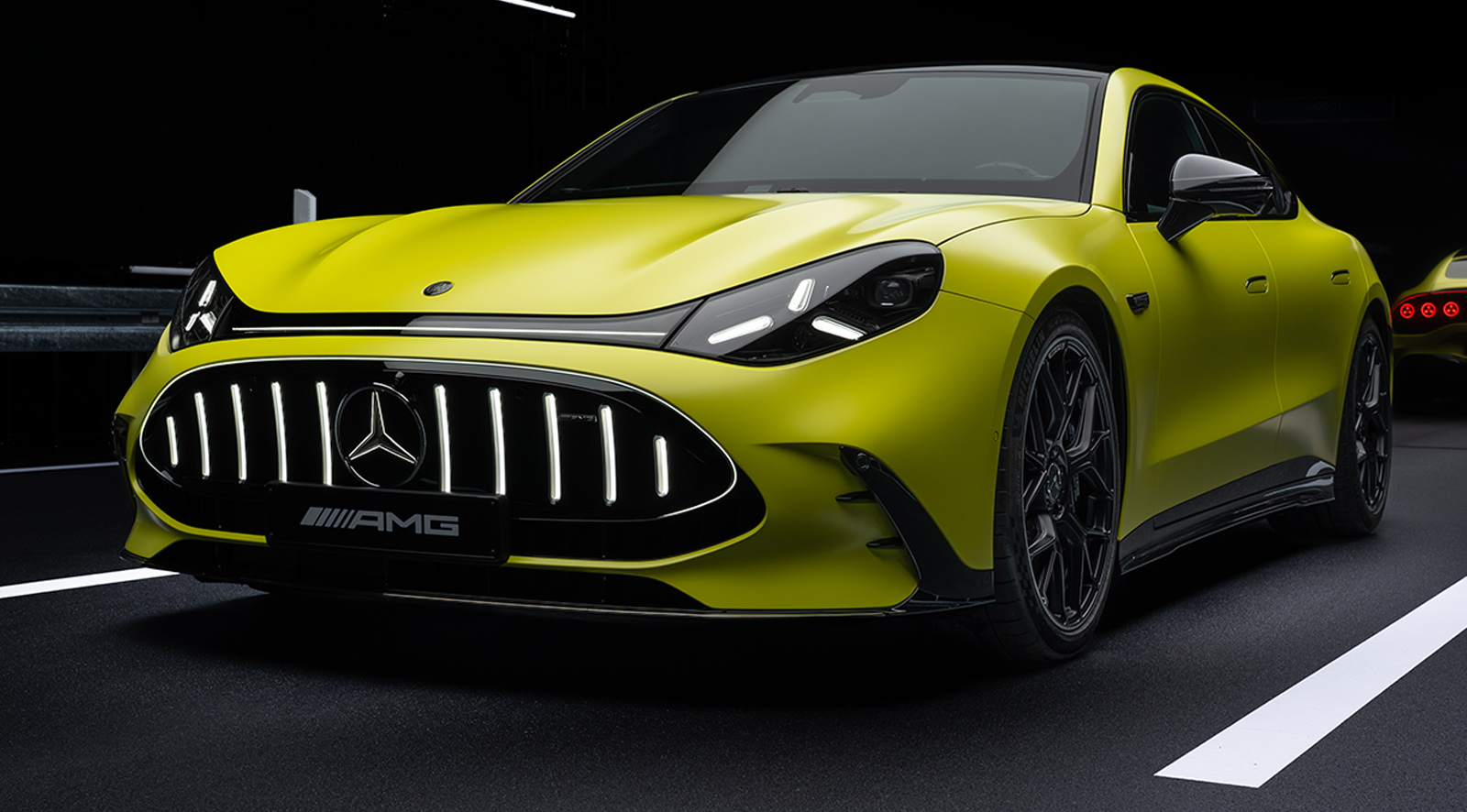
Volvo managed to avoid being banned from selling cars in the United States over its relationship to China, even as Polestar got the boot. Mercedes (owned in part by the same Geely that owns Polestar and Volvo) would very much like to not be next, and is lobbying to avoid Polestar’s fate.
Mercedes is seeking to raise the threshold for permitted Chinese ownership to 25%, among other potential changes, said the people, who asked to not be identified because the discussions are private. That would equal the ownership cutoff that the bill would impose on other companies such as suppliers of connected parts or software.
Lawmakers are also discussing exchanging a numerical threshold for a more qualitative test that weighs potential national security risks, some of the people said. If adopted, that would likely be more favorable to the German automaker than the current proposal, those people said.
Mercedes declined to specifically address the legislation. The company said in a statement that no single shareholder owns more than 10% of its stock, and that no stockholder has direct representation on its board or authority over its operational decisions.
It’s expected that this bipartisan bill will eventually make it to the President’s desk where anything can happen.
Hockey Sticks Get A 50% Tariff Due To… Cars?

All I know about hockey I know from movies and television, though I’m going to assume that Canada makes good hockey sticks. Those sticks, among other Canadian goods, are subject to new tariffs as The Hill reports:
President Trump slapped an additional 50 percent tariff on certain Canadian goods in response to what the administration said were “discriminatory” trade measures from Canada on Monday.
A senior administration official told reporters on a Monday press call that the impacted products range from “wine to hockey sticks to cement.”
The tariffs fall under Section 338 of the Tariff Act of 1930 and will go into effect 30 days after signing, an administration official told reporters.
And what are some of the issues the President has? According to the President’s proclamation, cars a part of it:
Since April 9, 2025, Canada has maintained a 25 percent tariff rate on imports of U.S. motor vehicles that do not qualify for preferential, duty-free treatment under the United States-Mexico-Canada Agreement (USMCA). For U.S. motor vehicles that do qualify for preferential, duty-free treatment under the USMCA, Canada applies a 25 percent tariff rate on the value of all goods that do not originate in Canada or Mexico used in the production of the vehicle, up to 85 percent of the total value of the vehicle. In addition, Canada maintains a tariff-rate quota (TRQ) on U.S. motor vehicles that qualify for preferential, duty-free treatment under the USMCA. The TRQ for each automaker limits duty-free access for the covered motor vehicles from that automaker up to certain annual quantities (in-quota quantities) and applies the tariffs described above on products that exceed the in-quota quantities. The TRQs are granted to induce companies to invest in production in Canada, and Canada has announced that it reduced the TRQs for U.S. companies that moved manufacturing from Canada to the United States.
Pot. Color. Color of the pots. Et cetera.
What I’m Listening To While Writing TMD
Would you believe that 23 years ago today the world was first treated to Dizzee Rascal’s debut album Boy in Da Corner? I was in college, and thanks to the preponderance of file-sharing services, blasting “Fix Up Look Sharp” meant you know what was up.
The Big Question
What’s the best example of an automaker completely whiffing in a market that’s not its home market?
Top photo: Suzuki




I think the cheap thing really varies by regional preferences. Dacia, an unapologetic cheap brand by their own admission, seem to do pretty well in Europe.
It isn’t JUST foreign car makers who don’t understand a local market.
Quite frankly, I think ALL car makers don’t understand any market, even their domest .
Those of us who follow the car business and it’s history have heard the same things over and over again. Top executives state that X won’t sell in Y market, and then some determined engineers push through a secret project with one rogue executive guiding it through the corporate bureaucracy. And then it becomes an overwhelming success.
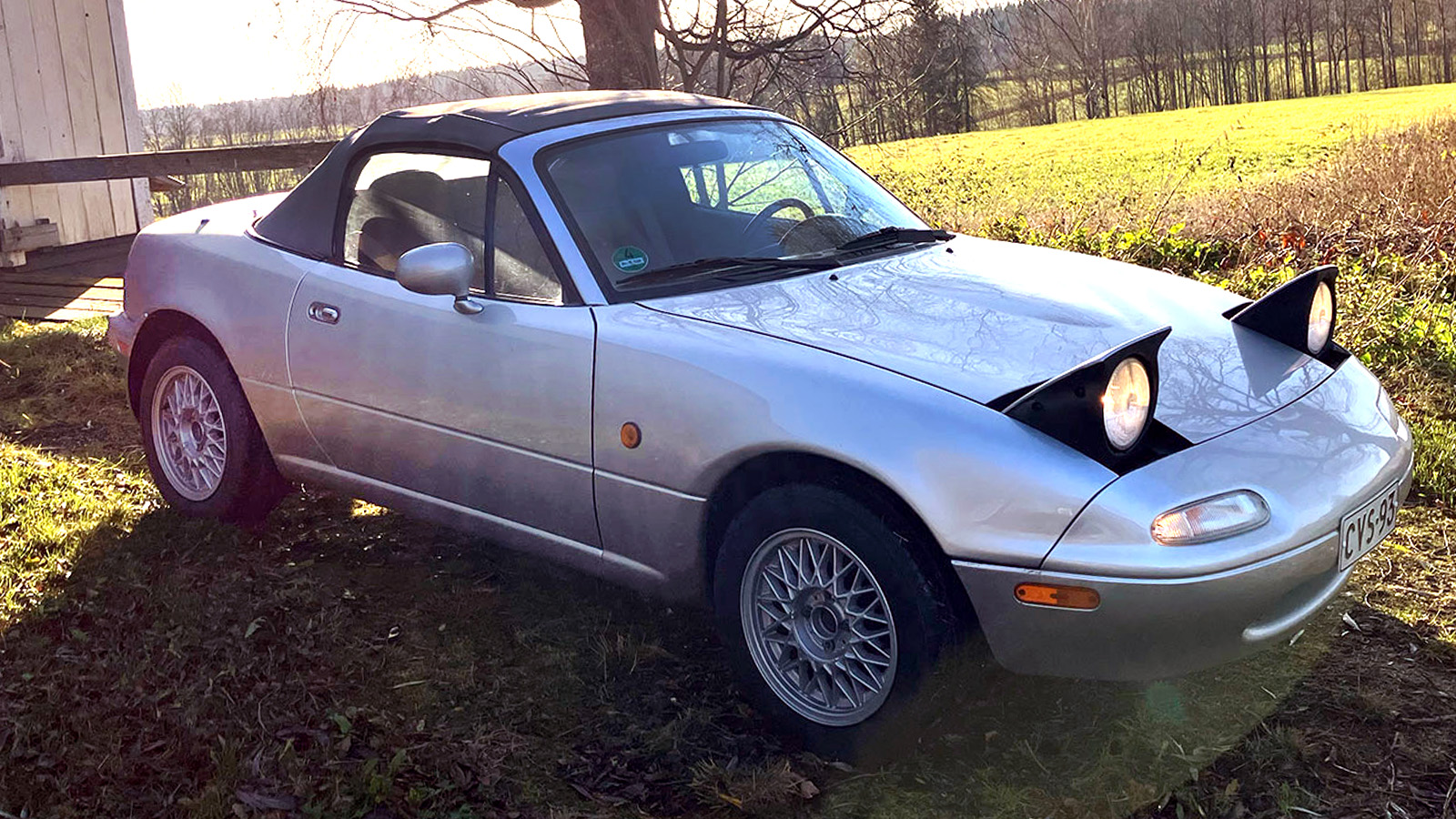
Cars like the Mustang, Miata, the original Jeep Cherokee, Chrysler minivans, Toyota RAV4, Dodge Viper and even the Porsche Boxster. These are all beloved models that got a lot of hate from top level executives initially because they didn’t think they’d sell and yet in many ways, these cars now define the brands that make them.
Car executives don’t know shit.
And it’s not just ones who are making decisions in foreign markets.
Corporate culture usually demands that decisions are incredibly conservative and evolutionary, and yet many of times it is when a company takes risks that both the company and customers see the greatest wins.
Although sometimes an indevidual at a company will push through something they think the market will want; and we get the Cross Cabriolet…
Merkur XR4TI.I know it was technically a Ford but it was a German design that failed miserably.
I might be biased, but I think that Ford Europe has come up with more good cars in the last 50 years than their parent corporation.
Cortina – Escort – Sierra, was hit after hit, the Mondeo was a bit boring (although I have a soft spot for them), and then there’s the Focus. Ok, it’s basically been boring crossovers for the last decade or so, but that’s worldwide. I guess most of them didn’t do much in the US market, but I choose to believe that’s because Americans have no taste 😉
A big thing about cars people need vs ones they want is always been longevity.
Go back to the mid 1920s. Ford Model T production peaked in 1923 with over 2 million made, but it faded down to 1.5 million in 1926 (Last full year of production). Ford had tried cutting prices from $7k (today’s money) down to under $5k (today’s money) in 1924 and 1925 and it didn’t boost sales.
What happened?
The Model T happened. There were nearly 10 million 6 year old or newer Model Ts on the road in 1926. If you wanted a cheap vehicle to get from point A to Point B, there were MILLIONS of Model Ts available. There were stories of Model Ts selling for $25 or less regularly from that era. And Model Ts were durable and tough and there wasn’t a major difference in how they drove regardless if you had a 1920 or a 1926.
So, if you needed a car, get a used Model T. But if you wanted a cool car with cool features (like electric start), don’t get a new Model T. Ford was forced to switch to the Model A but by then GM had grown from a small annoyance to a major rival, because Ford didn’t recognize that they couldn’t make a car cheaper than their own used cars.
The thing with cheap cars goes WAY back. Look at the original cheap-o car. The Model T. Old Henry Ford was a brilliant man, but he had an 18th century heart. He grew up as in a poor farmer’s family. He knew exactly what the farm needed out of a car and he designed a car that would meet those needs. He ruthlessly got rid of anything that went beyond the needs and designed the perfect car for a poor farmer’s needs. The focus was on making it so fast that he could sell them at a price that a poor farming family could afford.
It worked. It worked shockingly well. But for old Henry, it worked TOO well.
Henry Ford changed the world faster than he changed. He famously argued constantly with Edsel (his son) about the Model A, and he resisted the transition to a car that had more features than a poor 18th century farmer needed (like a Self-starter, Farmer has arms, what’s wrong with a crank?)
When the Model A finally entered production at a huge factory (River Rouge), Henry retreated to a fantasy land of late 18th century farm life, where there are movies of him chopping wood and the like and dreaming still about making the cars people needed and not the cars they wanted.
Why do we think the Indian market is resistant to Chinese cars?
There’s a ton of Chinese cars over there. My first ride in a BYD was in Bengaluru. Of course Suzuki is still the most popular, but tariffs aren’t preventing the entry of Chinese brands into India unlike the US.
I think India does have some sort of law that essentially forces China based brands to collaborate with Indian companies to sell in India. BYD may be an exception because they were a very early entrant (in the commercial sector, at least), but several other Chinese companies reportedly shelved entry plans for that reason. MG’s India operations are a joint venture with Jindal Steel now, and that conglomerate is also planning to introduce some other Chinese models under their own name.
Oh that’s interesting. Thanks for the insight! I guess BYD was the only Chinese brand I really saw when I was over there.
I think the rules used to be much looser, but the border skirmishes in 2020 changed all of that.
Vinfast would be one of the newer examples. Worth a shot at trying the US market but I can’t see them sticking around for long.
Sterling. How to take a Honda and fill it with insane ergonomics and terrible reliability.
“I like the car in the camo. Maybe they should sell the camo as an option?”
I always like the various camo wraps that pre-production cars are spy-photographed in during testing. I always want the wrap to be a factory option once the cars reach the market.
But then again, I want to wake up without back pain. And you know how that’s going. 🙁
Dizzee Rascal has such a beautiful voice (though I’m more of a “Stand Up Tall” fan myself)
also the British cab in the video with little tiny spinners is <chef’s kiss>
Imo Borgward?
People keep saying stuff like this, while apparently forgetting that Scout doesn’t actually exist in a meaningful fashion yet, and based on VW’s money woes there is really no guarantee it ever will.
Even if Scout does happen, they haven’t delivered anything but plans yet. Let’s wait until the trucks start shipping before we give VW flowers.
To be fair plans and well on their way to building a factory. As someone who participated in a similar scale green field project and receives Scout’s updates they’ve already accomplished a /lot/ and they seem to be reasonably conservative in their projected delivery dates.
This is why Toyota developed Calty in the ’70s. Bring the designers to the US, let them drive on the roads and experience the culture. Design new vehicles to fit both. This is exactly why ’90s Toyota and the Lexus LS400 debut seemed so on point.
The Previa and a few other cars were designed at Calty and I what I like about the design of the Previa is that it doesn’t seem to come from any place in particular but doesn’t look out of place anywhere either.
The irony is that the Maruti 800 succeeded in the ’80s not just because it was cheaper than anything else available in India, but that it was “nice” by default since the only other cars on the market there were 25 years out of date in the early ’80s.
TBQ: Rover in the US. An attempt (barely) to sell cars in the US so poor that it’s been nearly entirely forgotten by every American.
Mazda’s Amati venture was certainly a huge failure. In fact, I think moving away from the “zoom, zoom” concept was pretty stupid.
I don’t think Amati counts, given that it never really existed.
Agree on Mazda moving away from “Zoom-Zoom” being a mistake, though. The current Mazdas are probably the “nicest” vehicles they’ve ever made, but they don’t have the same sense of fun as some of their previous models.
Renault in the US stands out to me never really gaining traction. People thought they were too weird and unrealible. Daihutsu made a great car they just never really gained traction in the US. People sort of laughed at their line up.
Chrysler was huge in Australia and new Zealand they even had local production then the Japanese came in and offered a better product for less. They had a small comeback with the 300. It was received well as a luxury car they made limos out of them.
Suzukis problem in India goes deeper. The brand it’s self is associated as being a cheap car for the masses. That’s one reason the nano failed so badly. People want a cheap car but they dont all want to be seen driving the cheapest thing on the market. They are in a tough spot not many get out of. They can’t really go upmarket. Launching a sub brand is tricky especially when the Chinese are launching a brand a week. They have to sell indians on being a quality car you aren’t ashamed to be in at any price.
My parents had a Daihatsu Rocky. It was pretty decent off-road and had a good style. But it was too small, underpowered and not very reliable. Almost tried to lemon-law that thing a few times.
I don’t know if they failed because they didn’t understand the market or if the product just wasn’t fully baked, but that one also came to mind for TBQ today.
My dad and grandma bought charades new in 89. Both stripper models I think the one my grandma had ac. They did ok my dad loved it because it got 50mpg. Sometimes he would crack 60. Plus when something did go wrong which was extremely rare is was so easy to work on.
He did get a rocky somewhere a several years later and it did feel slightly underpower compared to the little charade with its tiny little tires. I’m not sure it was really all that different then a samurai and those are loved by many.
I always felt like they had a decent product but went way too high on MSRP. The charade was really up against the Festiva. The MSRP was around $7500 I think. My dad paid $5k, I think my grandma paid a little more like $5600. The Festia MSRP was around $5500 and my dad was looking at one new for $4800.
The Rocky I recall being $13k MSRP. Where the Samurai was just under $10k. The tracker was maybe $500 more MSRP. I can remember both tracker and Samurai selling for slightly under $7k. The Rocky cheapest I ever saw advertised was $8500.
They needed to be cheaper then the established brands. I think thats what ultimately did them in.
It’s a good point. Our Rocky was a bit over $13K and I think it was a ’93 model but could have been later. It was pretty much loaded for the equipment they offered as I recall.
I desperately wanted a Tracker when I was 18-20. They got the Rocky a few years later, I would have been 20 in ’93. I so desperately wanted to take the hard top off the Rocky but the parents bought it for their off-road camping and spelunking and they were deathly afraid it would leak if ever removed.
But the Rocky felt a lot more substantial to me than the Tracker. That was made for more fun, top-down driving than really being an adult car. Perhaps the same could be said for the Rocky but it felt a little more grown up. But, it’s a fair point that if you’re going to be the startup and a brand no one knows you should probably still be cheaper than everything else, even if it is shooting up-market from that competition.
I always felt they were well built cars. Maybe a little funny when you shut the door seats were fine didn’t hold up the best.
My dad would still have his but two times crazy old ladies hit him in them he bought both back and fixed them once. The second time for both he couldn’t find the parts he needed. So eventually let them go.
Rocky did feel like the better car then then Suzukis. In the hills of West Virginia alot of the gas guys up there run the Suzukis and Rockys if they can get their hands on them. Because they are just about the only thing that can get in and out of the little mountain roads that lead to where they are working especially in bad weather.
Tavares era Stellantis. I know they are at least partially a US company but at the time they took a very Euro-centric view and either neglected the North American products or made moves that most any American could tell you were going to go poorly. They didn’t listen to the Americans which led to several high profile exits from the company folled by the products that were released performing poorly. They seem to be righting the ship but are still starved for compelling products for many of the brands due to leadership that didn’t understand the North American market.
Just like Daimler, though, they sure did like the money the pickups made them…
Most recent complete whiffs would have to be the Dodge Charger EV and removal of hemi V8’s from Dodge cars and Ram trucks
For that matter, launching the Charger as a 2 door only, with the 4 door teased a year and a half out.
Building on that, not calling the 2dr a Challenger and 4dr Charger. They should have launched together, with low volume v8 models as Halo cars, at the same time as the EVs to soften the blasphemy.
Obviously, post-Beetle VW in the US. They just can’t figure it out, even with occasional glimmers of hope. The cheaped-out for the US Jetta and Passat were fairly successful, but that’s really about it. Those of us who WANT German VWs are are willing to pay for them seem to just get ignored, and the cheap stuff can’t really compete with Toyota.
Ultimately, as I keep saying here endlessly, cheap cars in the US are a non-starter. There is no point to buying a new hairshirt when you can just buy a 2-3yo CPO example of something better for the same price or less when cars last a REALLY long time with minimal fuss. No farts in the seats is not worth the premium anymore at the bottom of the market. It was very different when a car was a used up heap at 7-8yrs old and 100K.
The people who can afford even a “cheap” new car, can generally also easily afford something better, and everyone else can’t even begin to afford what the realistic bottom of the market is today. And the reality is that once you make a car that can pass all of the safety and emissions and sheer expectations requirements, “cheap” is basically $25K and up. And more realistically, $30K. And as is shown by the fact that the average new car in the US is over $50K these days, many can afford a lot more.
Porsche nailed it decades ago “the entry level car is a used car”. The Internet chattering classes need to get over themselves.
But I do think there are some categories that have jumped the shark – pickup trucks in particular have just gone completely plaid in price. Though I suppose there is plenty of cash on the hood of plenty of them again.
This. For $25k, I can either get a Slate with hand crank windows, or a very nice used car.
Honestly, after having done the new car dance a couple times and recently combining a lease return with a pre-owned purchase of a different vehicle, I’m not sure I’d go new car again. Shopping carefully for something between 2-4 years old is going to return tremendous value. The depreciation on a lot of new cars is breathtaking, and there are still people who take care of their cars. Finding one in very good condition is easily possible.
And that’s all on top of new cars being just plain *stupid* in so many ways now.
And then if you REALLY want value – go older and nicer. My 128i, even at the absolute tippy-top of the market dealer price I paid for it at 9yrs old, was absolutely stunning value compared to a new 2-series six years ago, and even more of a value compared to a new 2-series today. Which has gone stupid right alone with the rest of BMW’s lineup. And just like a new car, it didn’t need a penny spent on it other than scheduled maintenance for the first five full years I owned it.
Yeah, there’s so much in a lot of cars I just plain don’t want.
It really depends on the specific car. We got our new Honda Pilot Trailsport for only $2100 more than a 2-year-old 30k mile one. Granted if we were willing to get a different color than blue we could have saved a little more. However, the new car interest rate was 3% better.
Yep – this is the driver. We wound up in a new car vs. used our first time for the same reason.
A big chunk of that new car pricetag is mandated safety equipment. All the bells and whistles are worth maybe 10% of the sticker cost as soon as the car leaves the lot. Sure they’re nice to have, but they’re also big $$$ items to fix down the road when something breaks.
Current crop of good used cars (3-6 years old) has somewhere between some and half the tech of current MY vehicles.
If people actually wanted cheap cars, the remaining offerings (and those that went away in the past few years) would be bases-loaded home-run sellers. And they are/were emphatically NOT, even at prices that ensure that none of them were making a bit of profit for thier makers. I don’t think any of them broke 50K a year in the US, and that just isn’t enough to bother with in this market.
As the pundits keep saying, it’s a K-shaped economy where the upper half is doing just fine, and the lower half can barely afford to eat, never mind buy even the cheapest new cars.
It’s nice to have the nice stuff – our new rig has options I wouldn’t personally consider worth it: massage seats, the video camera rearview mirror nobody’s eyes can focus on, even air suspension and a panorama roof. But they’re there and we use them. Massage seats are nice on long drives. And with air suspension and a big fuel tank, the thing has pretty long legs. It rides better on 20″ wheels with the air suspension, too. And, honestly, I’m not sure it’s any worse than MacPherson struts to service. Just different. I HATE working on struts because DIY compressing the springs is like juggling nitroglycerin.
Really could use more damping, though.
You can get all of those things on a used Mercedes from before the touchscreen era. And it probably won’t have 20″ wagon wheels. I like that 17’s for my ’14 E350 wagon were only $425 for a set of four on sale. Not even Chinese or Turkish. 🙂
But I tend to go by the theory of “what’s not there won’t break”, though I do appreciate the rear air load leveling on my Mercedes wagon. I do wish it had the optional ventilated seats here in FL. But it has Dubai-grade A/C so it’s not much of a hardship not having them.
I seriously considered an S212 before getting the Ranger with an employee discount. Great used cars. Buying new is not for the faint of heart.
I think that depends on the make and model. Hybrid Toyotas for instance.. You’d almost be silly buying a lightly used model. Our 2025 Cross Hybrid XSE was $34k msrp new in December 2024, we’re now 19 months ($11,500) into the loan and Kelley Blue Book estimates that the car as it sits currently is $29,500, a depreciation half of what we’ve paid so far. With 25,000 miles already logged!
And being a Toyota hybrid with the eCVT, with studious maintenance (which I can be certain of since we’ve been the sole owner) we should easily see 300,000 miles or more for a car. That’s why I’ve never exactly understood the idea of buying used when you’re already shopping towards the low end of the spectrum, it betrays human nature. Sure, a lightly used Mercedes will plummet in value because your average Mercedes buyer wants to spend the extra money for the privilege of being the first butt in the seat. The Mercedes buyer that wants sloppy seconds is not a sizable demographic.
Meanwhile, for a Toyota Corolla or Civic, the price ceiling is already so low, there absolutely exists a buyer at every price point. Someone will buy a $25,000 Civic, someone will buy a $5,000 Civic, and in the infinite valley that exists between them, there is absolutely no shortage of customer or demand
Of course it depends, there are no absolutes. But there is no cheap hybrid Toyota either.
You would be VERY surprised at how well SOME Mercedes hold thier value, especially the wagons. Regular and G. But yes, luxury cars are a somewhat different proposition with even MORE value in going used.
Yes, as I said, $25K is the realistic floor for modern new cars, and you can get a base Corolla for that. Though reality is most of them are closer to $30K. And many are over $30K once you factor in destination, doc fees, and taxes, aka “on the road price”. Nearly everything below $25K is dead or will be soon. And even then, how many people look at a $25K Corolla and just buy a CPO Camry instead? Or a CPO RAV4? Corollas sell about half of what they used to in the US, even though Toyota still does decent volume of them and I don’t see them going anywhere.
If you drive through any larger city, the used luxury bracket is a huge demo. It’s just a demo without much cash or good credit. K shaped market is an apt description.
I don’t envy the job of trying to figure out market demand alongside global pandemics, global trade interruptions and changes tastes and tariffs. I would say MOST car manufacturers these days are swinging and missing. You have recalls, infotainment that is glitchy, screens that people are realizing are *not* fancy, prices that are too high, size and weight that also match that price bloat, regulations that require size and complexity that is not necessarily useful, colors that look like a shade of greyscale that went through a nasty divorce, the list can go on for a long time.
And not many of them can easily lap a track with the top open while carrying a grandfather clock. So disappointing. Also, I’m still super bummed that I was away during that only chance to meet my heros at Lime Rock. More advanced notice please!
I am currently driving a CUV, a vehicle I really don’t want. Why? Because smallish but comfortable sedans don’t exist anymore. When did the world’s automakers decide that everyone wants CUVs? They sure as Hell didn’t ask me.
When the people who buy cars new decided they were okay with bland transportation appliances as long as they were practical, reliable and safe, and people who care about driving dynamics decided that they shouldn’t have to deal with depreciation.
It has always surprised me how it was “so bad” to buy new cars because the “intelligent thing to do” is to buy used to “avoid depreciation”.
If nobody buys those cars new there will be no cars to be had used. Or at all.
In most cases, buying a NEW car is not a rational decision, the vast majority of the time. And even when people think that “buying used isn’t any less expensive” that is the exception. There are very few cars where it’s true. Toyotas are sometimes one of them, but even then, here in the Southeast any popular Toyota is going to have a dealer markup, mandatory dealer installed bullshit, a fat destination charge, and dealer fees that will make it rather a LOT more expensive than a used one by the time you get it out the door, even if at first glance at MSRP it isn’t much different.
But I absolutely enjoyed buying every single new car I bought (especially the two special-ordered BMWs), and I bought quite a lot of them. But not one of them was a boring appliance on wheels. If that is all you are buying, you might as well buy it used and save money in most cases. I would NEVER pay the Toyota tax new or used. As I have said here before, cars I respect greatly while having not the slightest bit of desire to ever own one. I don’t do boring.
I have bought my fair share of interesting new cars too (MX-5, BMW, Alpine) and I have enjoyed it too.
I have also bought boring cars new too, though.
I don’t buy boring cars period. Life’s too short, and interesting ones are no more expensive.
TBQ: Gente! Ford’s 12 billion dollar loss and subsequent exit from Brazil. Lots of reasons, but not making the pivot to SUVs certainly played a role.
I would say the Badge Engineered Hornet. It was a big whiff because the italian quality perception, or lack of it, along with premium prices from a Meh vehicle really did it in before it even got to start. The Dodge Dart was similar, but I think the massive number of manual cheapo versions hurt them as well. though I will say I would take a 2.4 tigershark with the DPT 6 speed manual in GT form. though I will also admit the italian connection to both of those driveline pieces scares me a little.
The Hornet is just aggressively expensive and not the right fit for the market in terms of size and utility. Outclassed before it even launched.
It can be hilariously unruly with its powertrain modes, if you want.
Nice little car but so.much.money.
For a Dodge.
I mean, I hate to say this, but they really need something like the Caliber again. Cheap, high volume, high value, not “premium,” leave the performance dickhead stuff at the curb. Where’s the Dodge competitor to the Corolla Cross?
The Dart launched into the US market with manual trans only. That’s INSANE. It was a fun car to drive, I thought it was a good deal, and erased a lot of the Caliber stench, but no automatic was huge miss. They weren’t exactly price competitive, either.
The Chrysler 200 on the same hardware was a nice rig, too, but I guess a bunch of people hated them. They were kinda tight – or at least they felt that way, space-wise.
Both the Dart and 200 are absolute steals for a decent-enough car.
indeed, the 200C with the 3.6 V6 is pretty fun to bomb around in actually. They were poised to take the Big Altima Energy away a few years ago when they became really cheap, but the drivetrain was not able to hold up like an Altima in the end.
Daewoo didn’t so much fail in the US than it was snuffed out before it could either fail or succeed. GM neutralized it by buying it. Not to say the product was stellar or that the sales and marketing tactics were super effective, but they weren’t so much an upstart as they were a new entrant to the market that could be a formidable threat joining the already-ascendant Hyundai/Kia at that time. And the small car capability and global expansion probably didn’t hurt GM as much as it helped.
That’s too bad, Daewoo was crushing it with their model names – Lanos, Nubira, and Leganza.
Mercedes with the Smart car, then again with the Smart car 2.0, if that’s really a thing.
Only Mercedes the person would be excited about Mercedes the Smart car.
(Nothing against Mercedes the person, but she’s literally the only person I’ve ever seen so excited about Smart cars)
The Smart car fulfills a niche that barely exists in the US – being supremely easy to park in urban environments. As I have said here before, I have a coworker who with his partner own two of them, because it let’s them park two cars in a one-car urban Boston driveway, and thus avoid the full contact sport that is Boston-area street parking. But that is not much of a business case in a country where having to drive 10 miles to the grocery store and 300 to Grandma’s house is a lot more common situation.
They do what they do very well. Though oddly enough, they are VERY popular here in God’s Waiting Room, FL with the blue-hair set. So are Fiat 500s.I guess if you can barely drive anymore best to have something as small as possible that will do as little damage as possible when the inevitable happens. 🙂