

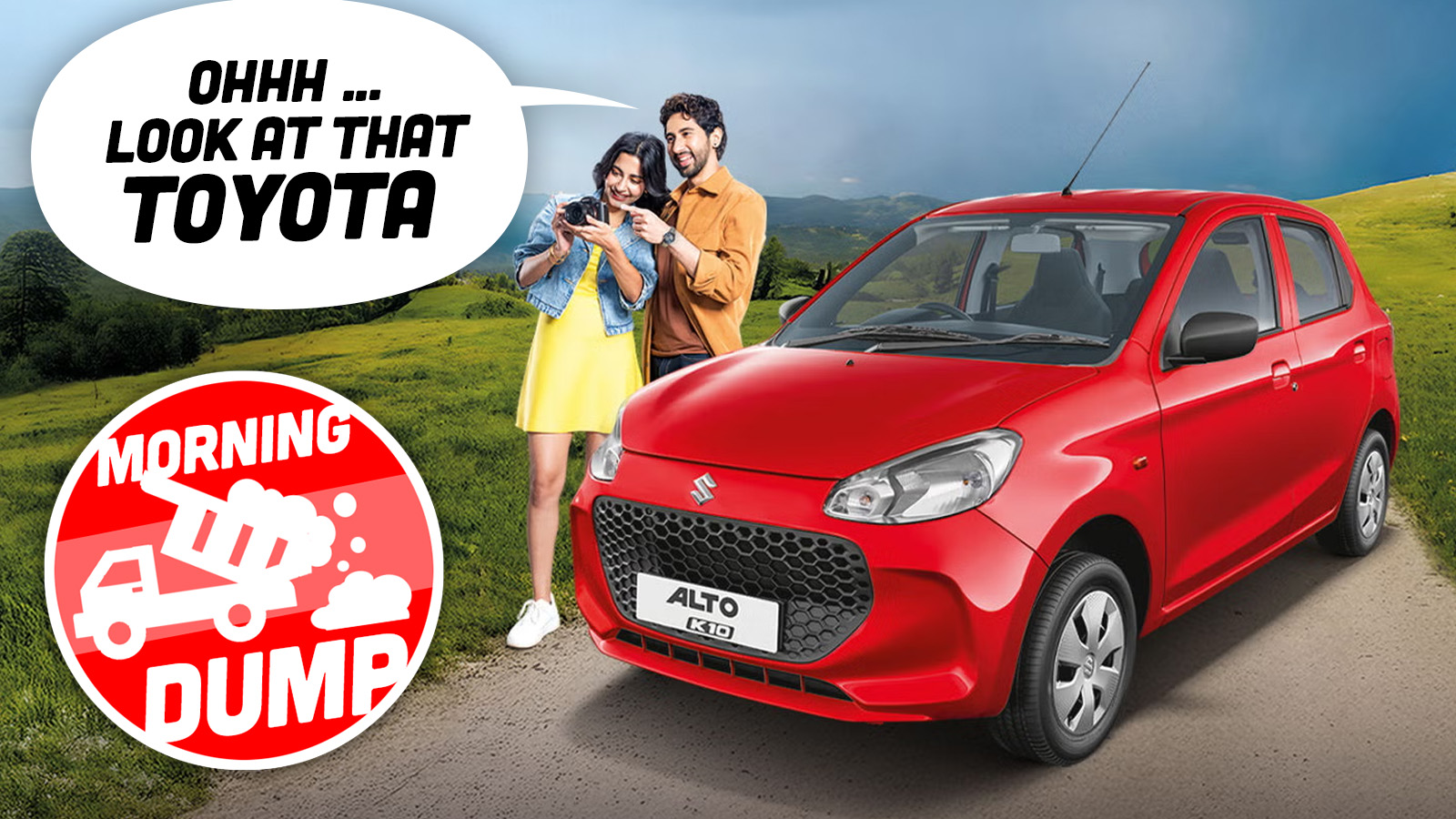
You know what the single biggest gripe I have about automakers is? Well, if you regularly read The Morning Dump you can probably list out about 20 things I view as my single biggest gripe, but the one I want to complain about today is the lack of local knowledge and expertise that foreign automakers apply to markets where they’re historically successful. Yes, I’m talking about foreign automakers who are initially crushing it abroad, but who then have their lunch eaten because they don’t seem to know what’s going on locally.
And by foreign, I mean any automaker in a market not its home market, which includes American automakers in some markets, German ones in others, and one particular Japanese automaker in a market it historically has dominated. That automaker has learned the hard way that no one in the foreign market really wants a cheap car that feels cheap. Hopefully, Smart learns this same lesson with the return of the two-seat Smart, though that car may end up being not quite as cheap as I’d like.


The new Smart brand is half Geely and half Mercedes, and Mercedes would really, really like the United States to not nuke it from space because of those ties. At the same time, it sounds like new tariffs are coming to Canada, due in no small part to what the current administration sees as discriminatory automotive tariffs.
Why Do Carmakers Keep Forgetting This?
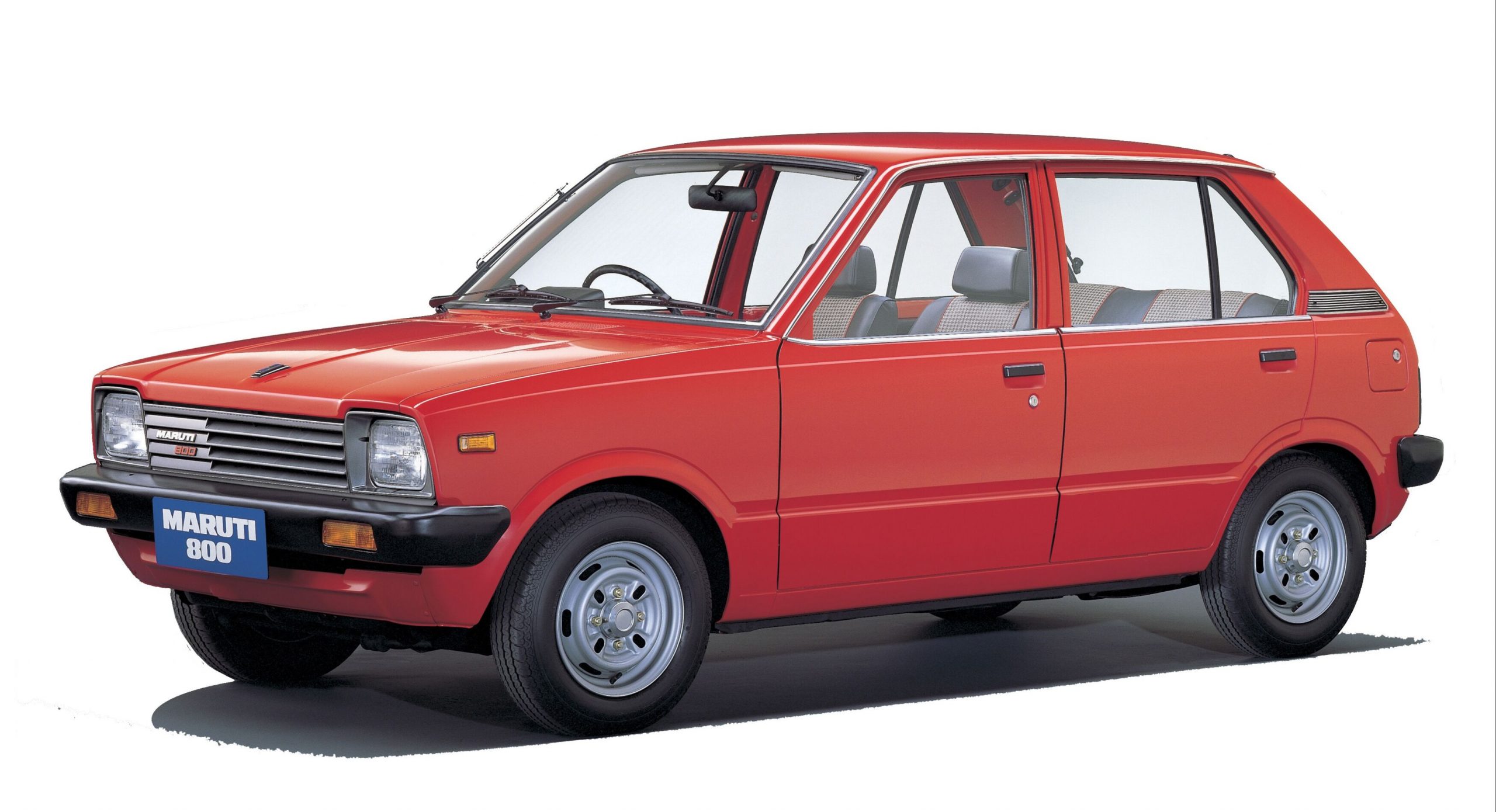
India’s Maruti Suzuki–owned by Japanese automaker Suzuki–has long been a dominant force in India and remains the largest automaker. For now. The company is losing market share quickly (it once commanded up to 80% of the market) as it makes the same mistake automakers keep making, at least according to a big feature from Reuters on the company’s fate.
Specifically, it saw the market as only wanting cheap cars that lacked nice features, while, per the article, the people on the ground who actually knew the market explained that the growing incomes of many Indian consumers mean they now want something nicer. Here’s a good example:
Maruti Suzuki managers first floated the idea of adding sunroofs about a decade ago, the people said. But Japanese bosses considered the feature – which has become a symbol of upward mobility in India – impractical given India’s extreme heat and dusty roads. They worried that adding a more powerful air conditioning unit and strengthening the cabin to accommodate the panel would increase costs and distract from Suzuki’s mission of providing affordable transport.
The carmaker didn’t introduce sunroofs until 2022. By then, fast-growing domestic rivals Tata Motors and Mahindra & Mahindra — which both currently have a market share of around 14% — had sunroofs as standard features on between a quarter and a third of their cars sold in India, according to data from auto research firm JATO Dynamics.
What’s extra crazy about this is that the failure of the Tata Nano should have been a sign that, in India, there’s less interest in bargain-basement cars than previously thought. Sure, a sunroof might not be practical, but people do not buy cars for purely practical reasons.
Japan needs India because India is probably as resistant to the influx of Chinese cars as the United States is, and the market is also gaining more buying power. Obviously, this isn’t just an issue for Japanese automakers in India. This happened with both German and American brands in China, which somehow didn’t see a change in Chinese consumer behavior and got their lunches eaten by upstart, state-backed brands more attuned to the local market.
So what about in the United States? I think most brands here have done a good job of building cars for the market, but not all of them. Taking the South Korean example, both Hyundai and Kia eventually thrived here, whereas Daewoo only lasted a few years and died after guessing poorly what American consumers might want. Suzuki might have done well in India, but it, like Mitsubishi, faltered here. [Ed Note: Am I crazy to consider Volkswagen in the U.S.? In the 1960s and 70s it was crushing it as an affordable brand, and even 12 or so years ago, it felt like VW was on top of the world, with the VW Vortex Forum humming along, and lots of Americans loving their slammed Jettas and GTIs. But in this crossover era, it seems to me that the Tiguan has been the sole winner. I think the Scout brand represents VW figuring it out. -DT]
To clarify, I don’t think you have to have leadership that is solely from that particular country. You just have to have leadership that’s willing to pay attention.
Check Out This Cute Smart #2
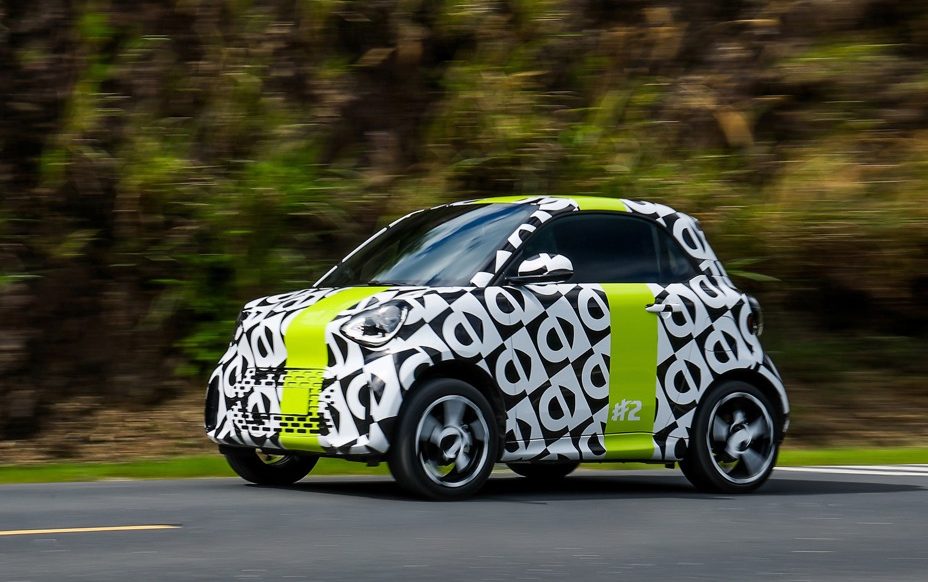
Smart has only released concept images of the Smart #2, and Mercedes is already excited about it.
Naming aside, this sounds like a better-featured car than you might get from Maruti, and a lot of testing is being put into making it feels good:
To ensure that cabin comfort aligns with the vehicle’s refined aesthetic, extensive NVH (Noise, Vibration, Harshness) validation across multiple demanding environments was conducted – including wind tunnel, acoustic chamber, temperature-controlled four-post rig, proving grounds and public roads. The testing activities encompassed wind noise, road noise, powertrain NVH, thermal NVH, squeak and rattle, as well as sound quality optimisation.
I like the car in the camo. Maybe they should sell the camo as an option?
Mercedes Would Very Much Like To Not Be Banned In The United States
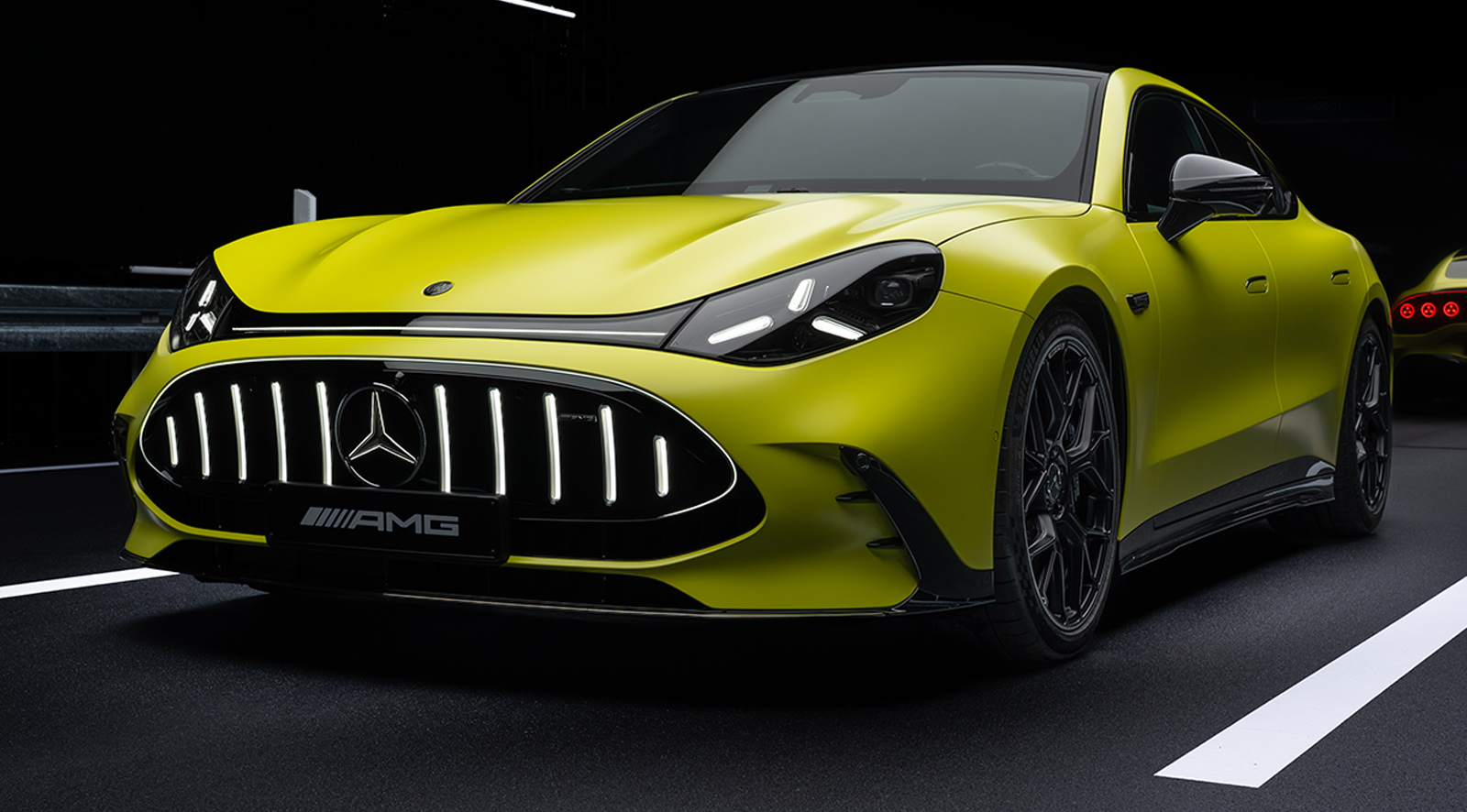
Volvo managed to avoid being banned from selling cars in the United States over its relationship to China, even as Polestar got the boot. Mercedes (owned in part by the same Geely that owns Polestar and Volvo) would very much like to not be next, and is lobbying to avoid Polestar’s fate.
Mercedes is seeking to raise the threshold for permitted Chinese ownership to 25%, among other potential changes, said the people, who asked to not be identified because the discussions are private. That would equal the ownership cutoff that the bill would impose on other companies such as suppliers of connected parts or software.
Lawmakers are also discussing exchanging a numerical threshold for a more qualitative test that weighs potential national security risks, some of the people said. If adopted, that would likely be more favorable to the German automaker than the current proposal, those people said.
Mercedes declined to specifically address the legislation. The company said in a statement that no single shareholder owns more than 10% of its stock, and that no stockholder has direct representation on its board or authority over its operational decisions.
It’s expected that this bipartisan bill will eventually make it to the President’s desk where anything can happen.
Hockey Sticks Get A 50% Tariff Due To… Cars?

All I know about hockey I know from movies and television, though I’m going to assume that Canada makes good hockey sticks. Those sticks, among other Canadian goods, are subject to new tariffs as The Hill reports:
President Trump slapped an additional 50 percent tariff on certain Canadian goods in response to what the administration said were “discriminatory” trade measures from Canada on Monday.
A senior administration official told reporters on a Monday press call that the impacted products range from “wine to hockey sticks to cement.”
The tariffs fall under Section 338 of the Tariff Act of 1930 and will go into effect 30 days after signing, an administration official told reporters.
And what are some of the issues the President has? According to the President’s proclamation, cars a part of it:
Since April 9, 2025, Canada has maintained a 25 percent tariff rate on imports of U.S. motor vehicles that do not qualify for preferential, duty-free treatment under the United States-Mexico-Canada Agreement (USMCA). For U.S. motor vehicles that do qualify for preferential, duty-free treatment under the USMCA, Canada applies a 25 percent tariff rate on the value of all goods that do not originate in Canada or Mexico used in the production of the vehicle, up to 85 percent of the total value of the vehicle. In addition, Canada maintains a tariff-rate quota (TRQ) on U.S. motor vehicles that qualify for preferential, duty-free treatment under the USMCA. The TRQ for each automaker limits duty-free access for the covered motor vehicles from that automaker up to certain annual quantities (in-quota quantities) and applies the tariffs described above on products that exceed the in-quota quantities. The TRQs are granted to induce companies to invest in production in Canada, and Canada has announced that it reduced the TRQs for U.S. companies that moved manufacturing from Canada to the United States.
Pot. Color. Color of the pots. Et cetera.
What I’m Listening To While Writing TMD
Would you believe that 23 years ago today the world was first treated to Dizzee Rascal’s debut album Boy in Da Corner? I was in college, and thanks to the preponderance of file-sharing services, blasting “Fix Up Look Sharp” meant you know what was up.
The Big Question
What’s the best example of an automaker completely whiffing in a market that’s not its home market?
Top photo: Suzuki




French brands in the U.S. market give me the impression they never really tried to understand what Americans actually want or even need, they just assumed that they knew best how to make a good car and that Americans would adapt to them.
Citroen underestimated how many mechanics they would need to train, given that Americans travel long distances and aren’t used to weird engineering.
Renault underestimated how robust and reliable their cars would have to be to withstand the distances and conditions American driving would put them through.
Peugeot, as I understand it, shot themselves in the foot by refusing to listen to their own marketing department, so they neglected to market to the demographics that actually liked their cars the most, instead simply getting frustrated that they weren’t taking a slice of BMW and Volvo’s market, giving up on the U.S. because they wouldn’t consider marketing to different demographics.
None of them learned anything from the experience, none of them adapted their designs to suit the market better aside from basic regulatory compliance, they absolutely had the engineering ability to make cars Americans would like but they did nothing with it.
Heck, they STILL do this whenever there are talks of re-entering the U.S. market, such as Alpine’s plans to sell electric crossovers here instead of the A110 when every video or article about the A110 is swamped with comments from Americans wishing they could buy one. We have enough crossovers, EVs, and crossover EVs already; what we DON’T have are reasonably-priced, reasonably nice, comfortable, refined compact and sporty cars which the French seem to be great at building. You’re not going to compete as a newcomer in a saturated market segment, but you MIGHT find a loyal market niche selling something few others are offering.
thing is, the keyboard commandos tend to be noisy enough to get teh attention of the bean counters, and then don’t take into account that these noise makers make up a very small number of actual buyers. Similar to 2 door long bed truck people. they get vocal enough to be heard, yet they represent a very small number of people who actually want a truck like that. same with 2wd anything really.