

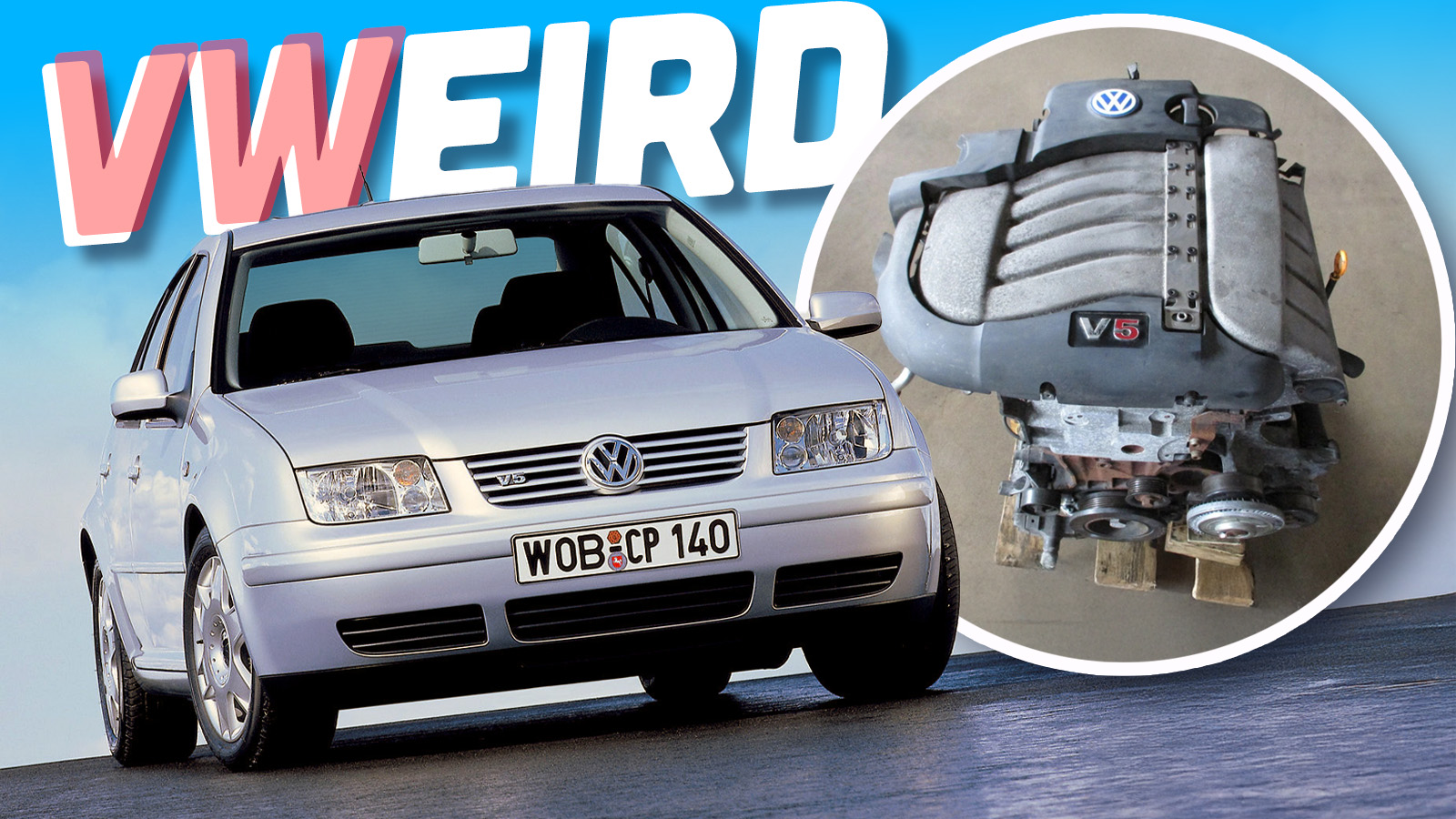
Volkswagen used to be a company obsessed with committing to insane engineering projects just to show that it could. Just a couple of decades ago, the mad engineers of Volkswagen cooked up hilariously complex V10 and V12 diesel engines, fiercely powerful W-engines, ridiculously luxurious sedans, and some fantastic enthusiast cars. One of Volkswagen’s greatest achievements was the VR engine, a design that combined a V-engine and an inline engine to fit into a space too small for a regular V-engine. The craziest of the VRs was probably the V5, a “VR5” with only one cylinder head and a glorious sound.
Back in early 2023, Volkswagen announced some heartbreaking news. The Atlas crossover was getting a makeover, and in the process, Volkswagen was going to kill a legendary engine. The VR6 engine had served as a reliable and unique workhorse in the Volkswagen stable for 32 years. But it was all over; from that point forward, Volkswagen was married to its 2.0-liter four. Volkswagen did have a version of the VR6 still in production for China, but even that died in 2024.


The death of the VR6 wasn’t just the end of the road for one engine. It signaled the end of an entire era of Volkswagen. The VR engine concept became the backbone of Volkswagen’s iconic W engines. Simply put, without the VR, countless Volkswagen enthusiast cars of the 1990s through the 2010s either wouldn’t exist or at least wouldn’t be the same.
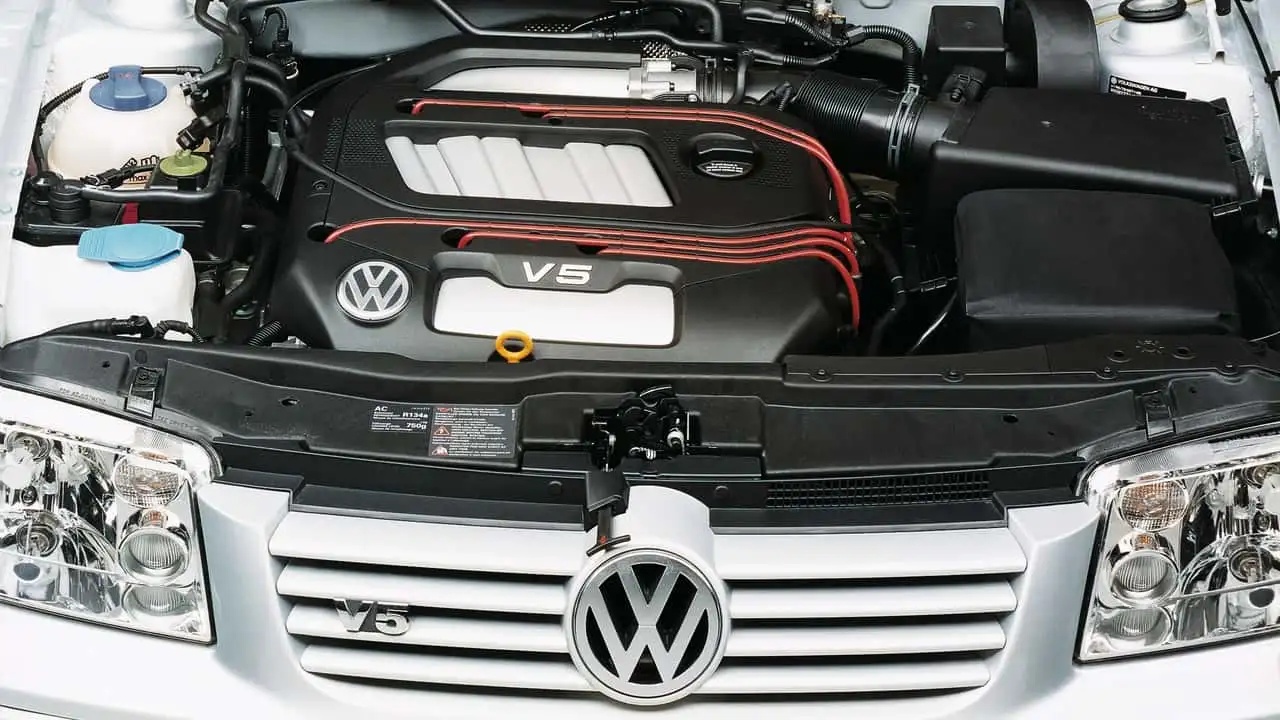
Then there’s the variation of the VR that has been overshadowed by its far more famous relatives. That’s the “VR5,” or as Volkswagen marketed it via its badging, the V5 (above). This weirdo was a narrow bank-angle V-engine, but with an odd number of cylinders.
For the most part, you’re going to run into about three engine types in cars today. Inline engines are everywhere in all sorts of cars, large and small. These engines have their cylinders lined up in a row, arranged longitudinally, transversely, or even at some sort of angle. The V-engine is another common type, and this type will have two rows of two cylinders with a valley in the middle. Finally, the third common type you’ll find is the flat engine, which places its cylinders on opposite sides of the crankshaft.
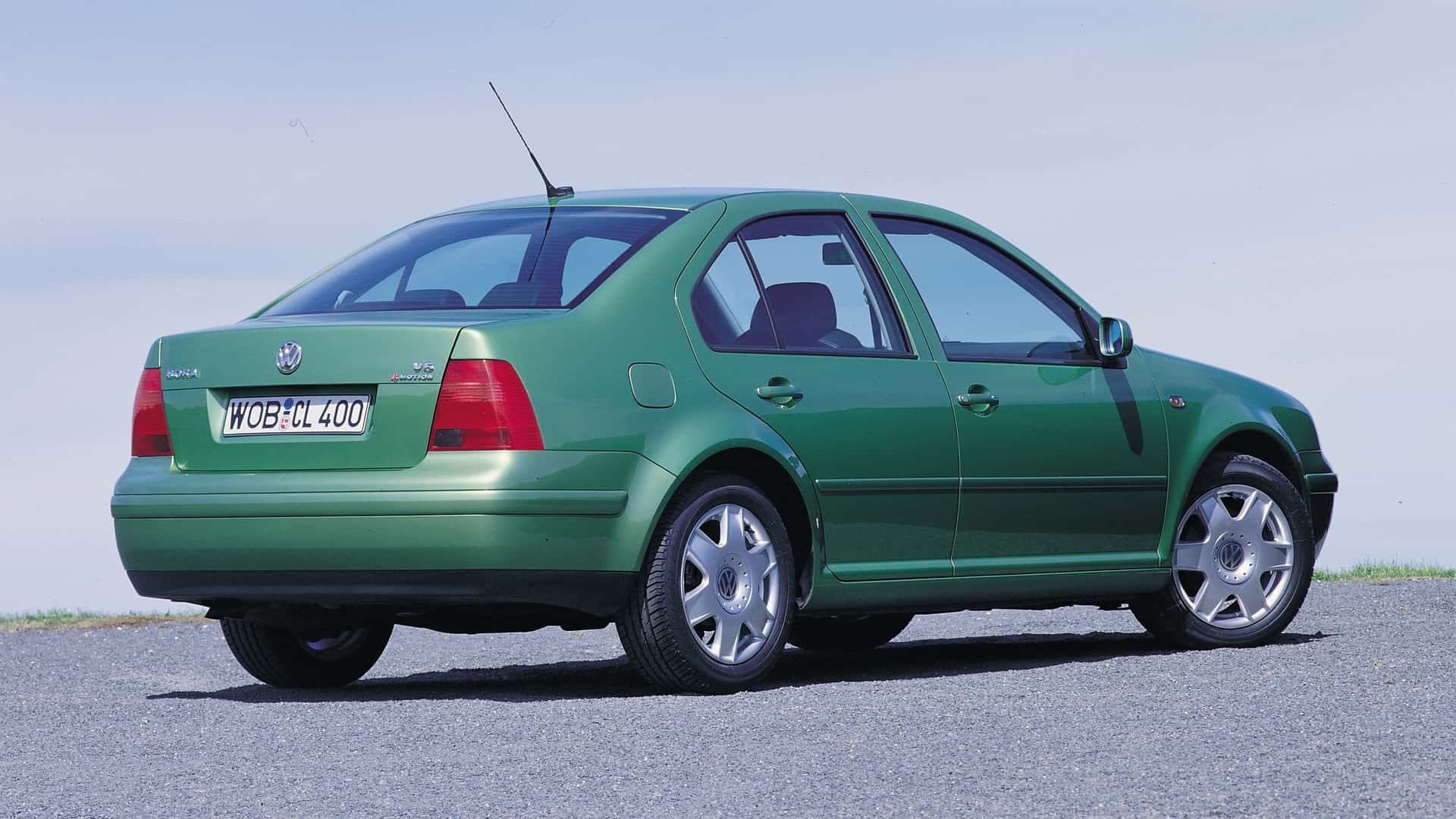
Rarer types exist, like the Wankel rotary, which doesn’t have pistons or cylinders at all. There’s also the W-engine, which has three or four banks of cylinders that are married to the same crankshaft. Then we have the legendary VR engine.
The VR engine combines attributes from V-engines and inline-engines. The “V” in the name stands for “V-Motor,” while the “R” means “Reihenmotor,” which translates to “inline-engine” in German. I have also seen the “V” translated to “Verkürzt,” which means “shortened.” So, depending on the definition, the result is that “VR” means either “V-inline engine” or “shortened inline-engine.”
Lancia Did It First
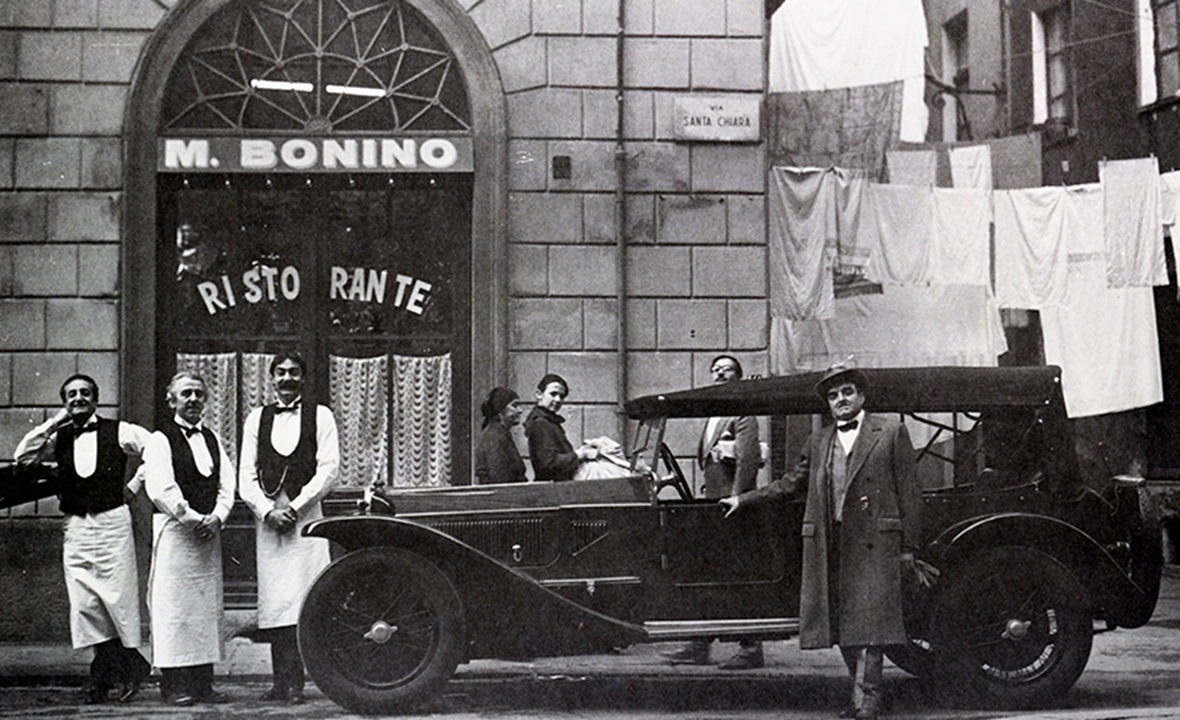
While Volkswagen is the brand that’s associated most with the VR engine, its engine came several decades after the initial innovator, Vincenzo Lancia. In 1918, Lancia filed for a patent on what would become his magnum opus. The Stellantis Heritage site explains the inventions contained in the patent application:
The accompanying drawing depicted a low, streamlined automobile, devoid of the conventional ladder frame with side members and cross members. It was equipped with a compact, front-mounted engine that connected to the rear wheels via a driveshaft housed in a tunnel that ran along the floor of the passenger compartment. The two traditional bench seats were divided into pairs of slightly offset single seats. The car’s sporty appearance and significantly lowered centre of gravity were due partly to the absence of the ladder frame and partly to the transmission tunnel being located beside the seats, rather than above them.
It was the first car built without the conventional rigid chassis evolved directly from horse-drawn carriages; instead the car’s weight and load were borne by a unitary bodyshell inspired by ship designs. Pinin Farina, who in those years was an up-and-coming coachbuilder, subsequently recounted that Vincenzo Lancia’s inspiration for this new structural concept came from the robust hull of the ships on which he often travelled to the United States.
In addition to the load-bearing body, another innovation that Lancia introduced on the new car was independent front suspension. This breakthrough is splendidly evidenced by the drawings of Vincenzo Lancia’s trusted lead engineer, Battista Falchetto, who was able to put the entrepreneur’s brilliant concepts down on paper and then into practice. The extremely rough Italian roads of the time had previously caused a leaf spring to break on the front axle of the Lancia Kappa driven by Vincenzo Lancia himself, who was an accomplished and experienced racing driver, en route to visiting his mother in Valsesia. With that incident in mind, Lancia asked Falchetto to design the new car with front suspension that could absorb impacts from bumpy terrain better than a rigid axle, by allowing each wheel to rise and fall on their own without affecting the opposite wheel. Falchetto promptly submitted a sketch of 14 alternative designs for independent wheel suspension.
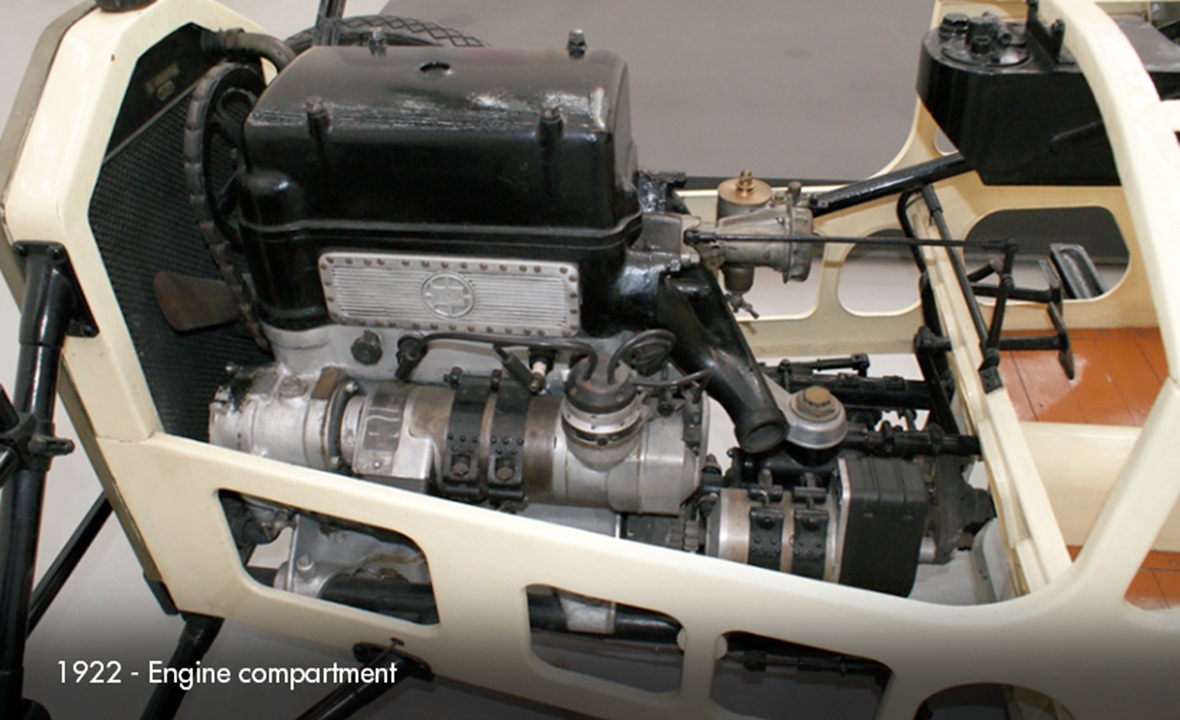
One of the challenges that Lancia ran into was that, in order to achieve the dynamics that he wanted to achieve, he had to find a way to make the drivetrain as small as possible. To facilitate this, Lancia invented a new kind of engine. Lancia would design one of the first mass-produced V4 engines, but his engine wasn’t simply two banks of two cylinders. Instead, to fit his desired size constraint, Lancia’s aluminum V4 featured a narrow bank angle of only 20 degrees. At launch in 1922, the 2.1-liter engine made 49 HP.
Over time, Lancia would build several variants of the engine with bank angles as narrow as 10 degrees. The last Lancia to get this V4 was the Fulvia, beginning in 1963. In the Fulvia, Lancia used a 13-degree bank-angle V4 mounted at a 45-degree angle. The Fulvia enjoyed V4 power until its final year in 1976. By the V4’s retirement, its bank angle had decreased to 11 degrees while output was a healthy 130 horses.
Fitting Six Cylinders In A Space Meant For Four
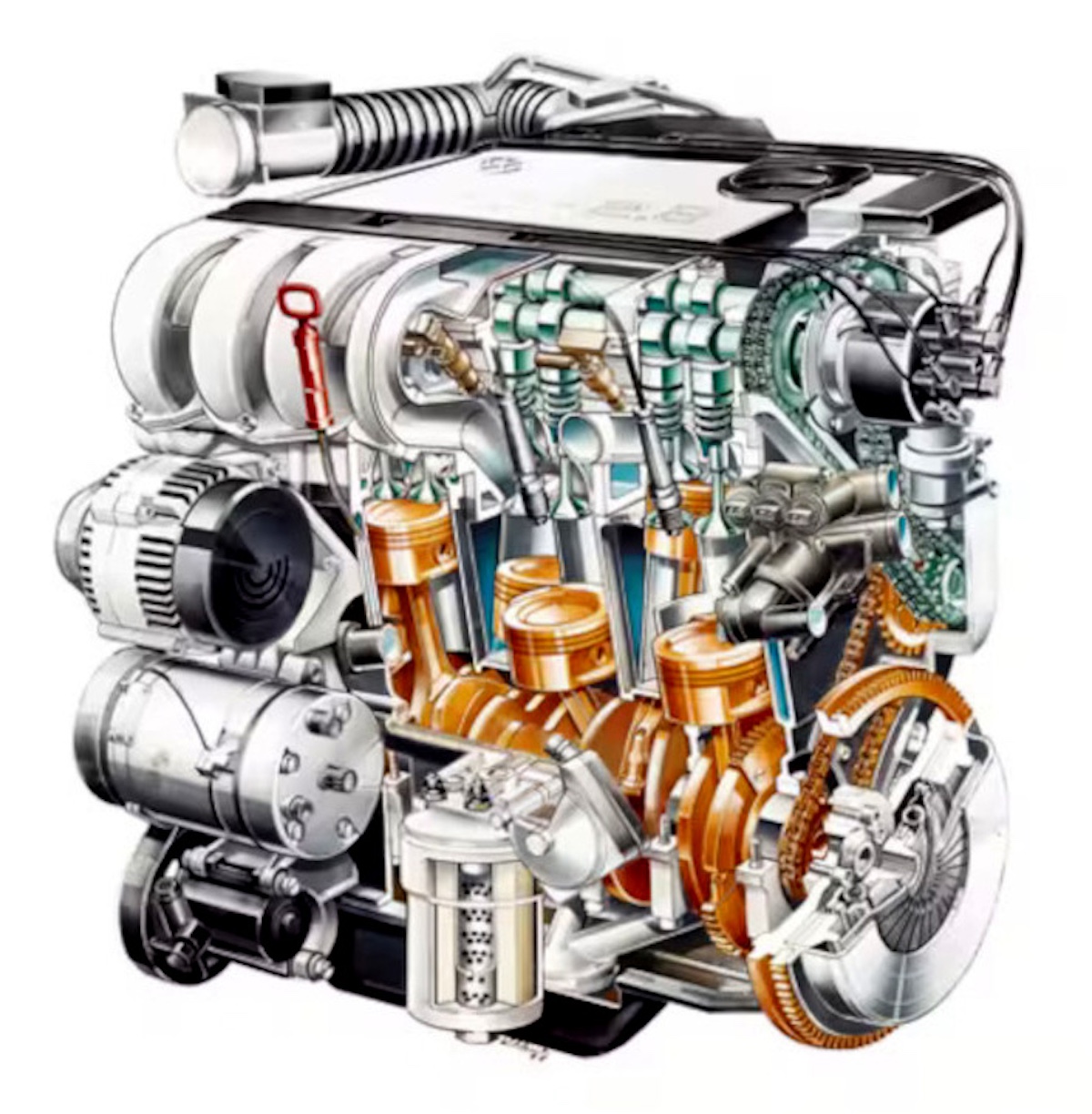
Volkswagen ran into a bit of a conundrum in the late 1980s. Front-wheel drive cars were all the rage, and most of them had transverse inline-four engines. Placing the engine sideways allows for a smaller engine bay, which was important for the smaller vehicles of the era. However, this introduced a new, unintended limitation. When Volkswagen wanted to offer front-wheel drive vehicles with more power and more cylinders in the 1980s, this was not possible due to packaging constraints. You could make a compact car only so wide.
Volkswagen’s solution would come from the idea patented by Vincenzo Lancia all those decades ago. In a beautiful occurrence of history repeating itself, in order to fit V6 power in an engine fit for a four-cylinder, Volkswagen developed its own narrow-angle V-engine.
The chefs at Volkswagen spent the remainder of the 1980s working on their engine, and in 1991, their dish was ready. That year, the Corrado and the Passat B3 would gain the option of a VR6. The one in the Corrado was a 2.9-liter unit with 188 HP on deck, while the Passat had a 2.8-liter affair with 174 HP. Also available to the Corrado was the 2.8-liter VR6 with 178 horses in the stable.

When the Corrado launched in 1988, the most powerful engine was a 1.8-liter G60 supercharged four making 158 HP, so the VR6 was a healthy power bump. Back in the days before turbocharged four-cylinder engines were as ubiquitous as they are now, arming mass-market vehicles with VR6s allowed VW to put down some respectable grunt in a small package.
In continuing Lancia’s original idea, Volkswagen achieved an engineering marvel. A typical V6 has its cylinders set at a 60-degree or a 90-degree angle between cylinder banks. The launch models of Volkswagen’s VR6 narrowed that down to 15 degrees, saving on space. Volkswagen says that one challenge that arose from such a narrow angle was the fact that the cylinders would overlap if they were directly next to each other. So, Volkswagen staggered the banks out. Since there wasn’t a valley to worry about, both banks were able to share the same cylinder head.
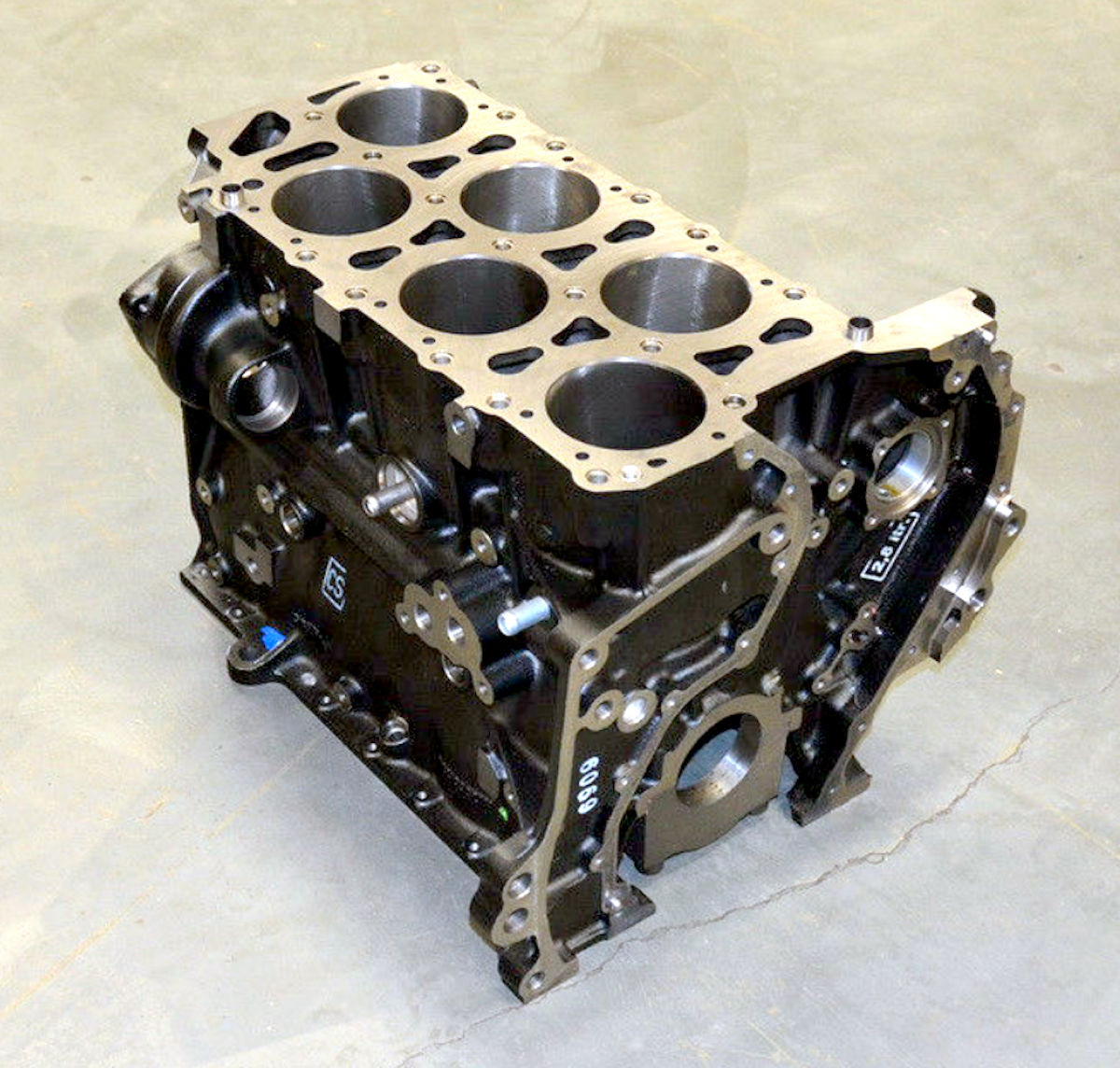
The folks of Engine Labs have further details about the wizardry of Volkswagen engineers:
As you can imagine, such a shallow bank angle, a single deck-plane, and single cylinder head pose some engineering challenges. In order to maintain the typical 120-degree firing interval between the cylinders, the individual-pin design offsets each bank’s rod journal by 22 degrees. Another aspect of the engine design shared with inline engines is obvious when looking at the crankshaft. The crankshaft bears more resemblance to that of an inline-six crankpin arrangement than that of an even-fire (split-pin) V6 crankshaft.

The VR6 was built in both two- and four-valve-per-cylinder designs, and the valvetrain design presented another challenge to the Volkswagen team. From Gran Touring Motorsports magazine:
In most engines valvetrain design is symmetrical; meaning intake air is separated from the exhaust air such that “cold air in, hot air out” – and in some cases exhaust air is split on exit (as seen in V-shaped engines) or banked (like in-line engines). VW had to develop an entirely new “asymmetrical” cylinder-head and valvetrain to accommodate the VR block, and in keeping with their new “cross-flow head” mantra as seen below.
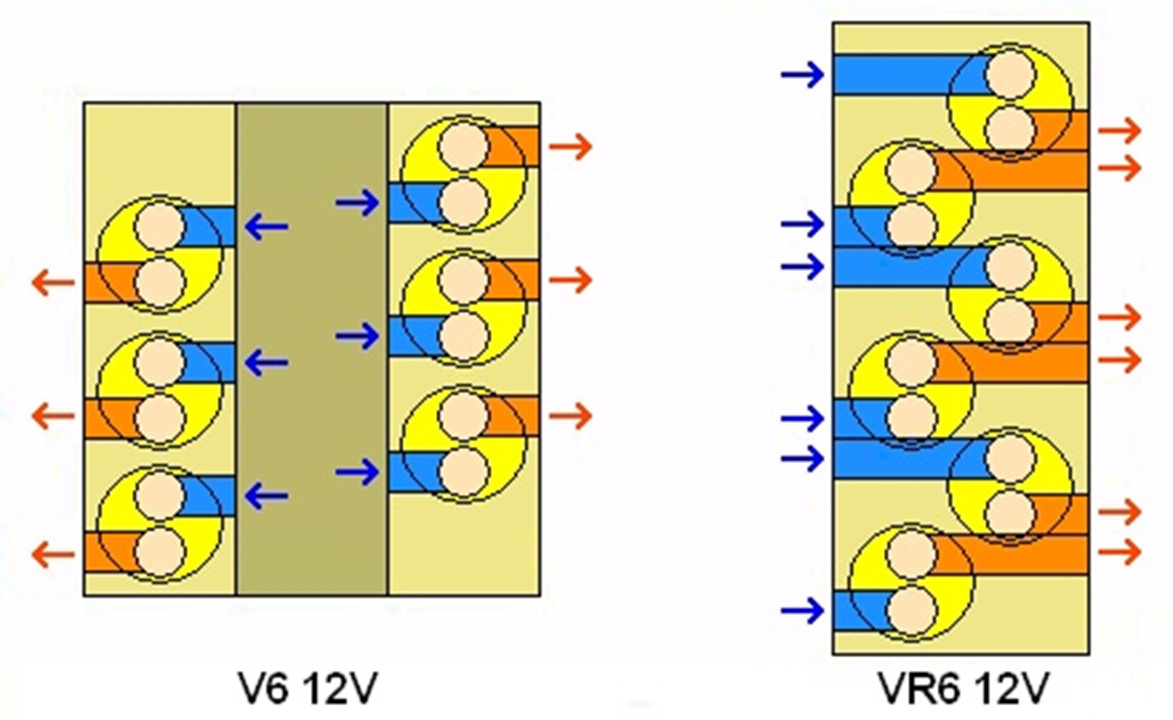
Like an in-line engine, intake air enters the VR from the front bank, and hot exhaust air exits rear bank. By pairing the valves and using unequal length runners that ran through the head it allowed VW to continue to save valuable space in the engine compartment. Since the VR was complex enough and the rest of the world was fascinated with “multi-vario-cam multi-valve” engines VW simplified things and stayed with a 2-valve per cylinder single-overhead cam (12 valve; SOHC) design. Since the VR shares many similarities with an inline-4, the result is that not only is it smaller, but also lighter than a typical V6 (which would have a larger block and 2 cylinder heads.). It would have also been cheaper to manufacture if not reinforced with a 7-bearing crankshaft.
The original VR6 was in production for 10 years and during that time VW engineers under Ferdinand Piëch were determined to solve this “4 valves per cylinder” requirement for the VR and catch up to the market, and by 2003 – they did. By then the Corrado and other VR6 equipped VW models were gone, but the first VW model to get a 24v VR6 was the 2001 Beetle RSi which included a 400cc boost, taking the engine to 3.2-litres. nspired by what Honda was developing with V-TEC, the engineers decided that instead of having 4 cams, which would have made the cylinder head physically bigger and more complex, they borrowed from past experience using a flat-6 Porsche design by adding overhead rocker arms to control the valves. Then they inverted and reoriented the cam and carefully positioned the cam lobes to operate the rockers from a center pivot point rather than acting as a lever.
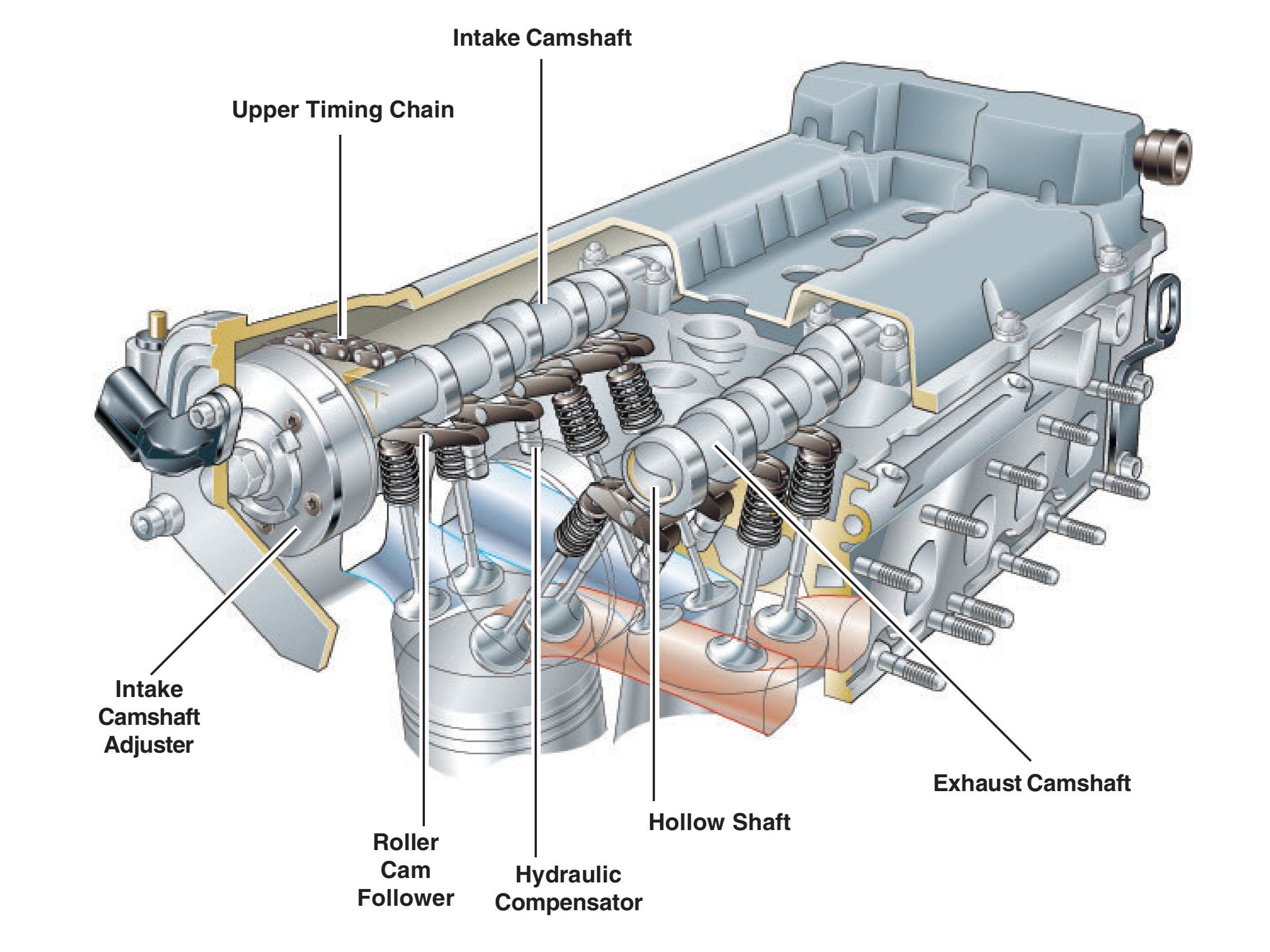
Volkswagen then updated its cam design. In the updated VR6s, the first camshaft controlled the intake valves on both banks while the second camshaft worked the exhaust valves on both banks. Variable valve timing was added on the intake side.
Volkswagen would keep developing the VR6 over the years. The final variation of the VR6 that we saw in America was a 3.6-liter design. International models saw as much as 300 HP in this mill, but here at home, we were looking at 276 horsepower and 266 lb-ft torque. The final holdouts, at least in America, were the 2018 Passat, the 2018 Touareg, and the 2023 Atlas.

Not even the Arteon was blessed with VR6 power in the end. China got a 2.5-liter turbocharged VR6 with 295 HP and 369 lb-ft on deck until the engine was killed for good in 2024.
One of the wonderful parts about the VR engine was that it served as the basis for other engines within the Volkswagen Group. Ferdinand Piëch used the VR engine as the basis of the W engine. The W8 that was in the Passat could be viewed as being like two VR4s melded into one, even though VW never officially made a VR4. The W12 was two VR6s smashed together, and so on. In the past, Volkswagen of America officials told me that, had Volkswagen never made the VR engine, the Bugatti Veyron would not have been possible.
The VR engine also spawned its own spinoff in the V5.
A VR For Any Car
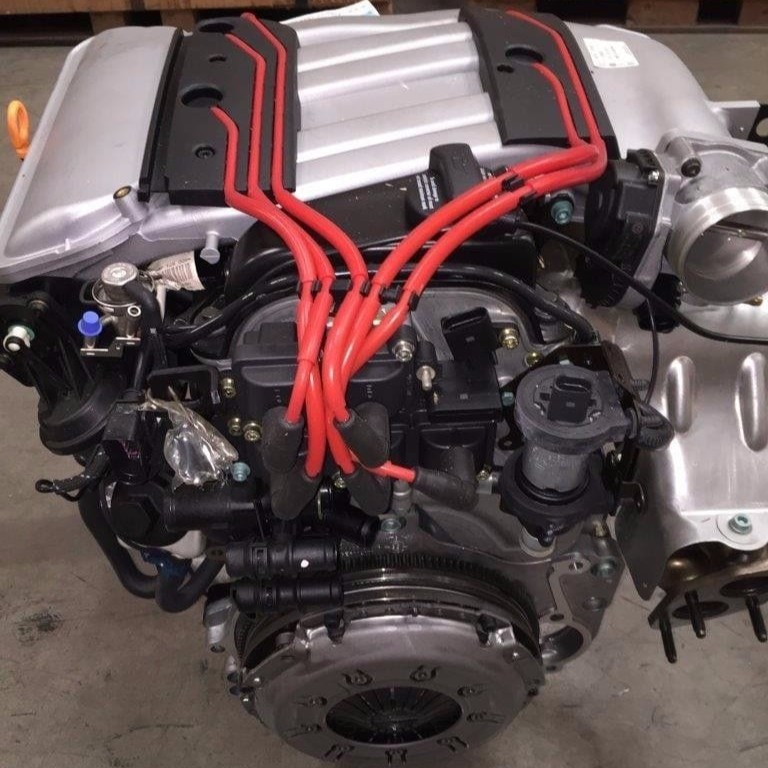
In 1997, Volkswagen engineers had another crazy idea. What if Volkswagen had an engine that was more powerful than a four, smaller than a VR6, and could be mounted into a front-wheel drive car in any orientation? An engine that could be fitted either transversely or longitudinally could be insanely flexible.
The answer, at least as described by Volkswagen, was exceedingly simple. From Volkswagen:
The V5 was derived from the VR6 by removing the 1st cylinder from the latter. The resulting, even more compact design makes it possible to use this powerful unit in all vehicle classes.
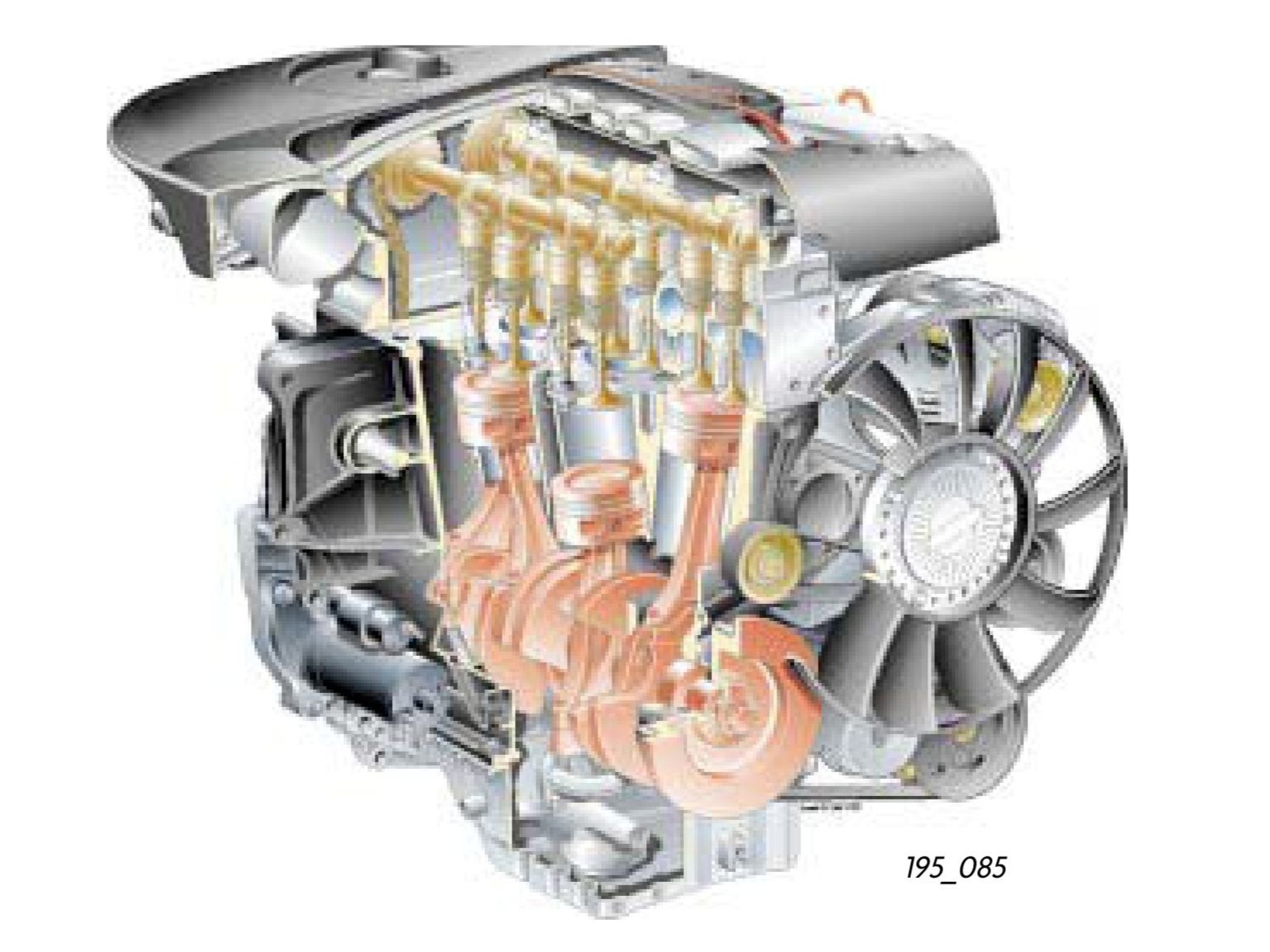
The resulting AGZ V5 was very much like a VR6, including a 15-degree bank angle, a single head, and one camshaft (later two) with 10 valves. But now, there was a 1 – 2 – 4 – 5 – 3 firing order compared to the 1 – 5 – 3 – 6 – 2 – 4 order of the VR6. Volkswagen also says there were some quirks to getting the V5 into production:
Several difficulties had to be overcome during the design process, since the 15° V-angle causes the cylinders to overlap at the bottom. To avoid these overlaps, it was necessary to shift the cylinders slightly further outwards so as to increase the clearance between the cylinders. This process is known as “offsetting“. In the V5 engine the offset of each bank of cylinders is 12.5 mm.
By offsetting the cylinders, their centrelines no longer project through the centre of the crankshaft. As a result, the pistons travel in a different line from TDC to BDC than from BDC to TDC. Allowance has to be made for this difference when designing the crankpin throw to ensure that all cylinders have the same ignition point.
Running in 6 bearings, the crankshaft drives the intake camshaft by means of an intermediate shaft. The two chains are designed as single chains. Each chain has a tensioner actuated by the oil circuit. The oil pump is driven by the intermediate shaft. The oil cooler and oil filter are located in the engine console. When the oil filter is changed, only the paper filter element needs to be replaced.

Something that’s interesting is that, even though the V5 is a part of the VR family, all Volkswagen documentation just calls it the V5. Removing a cylinder from the VR6 did introduce undesired vibration. To counter this, the V5 got a counter-weighted crankshaft and a dual-mass flywheel.
At launch, the 2.3-liter V5 made 150 HP and 154 lb-ft of torque. While Volkswagen touted the engine as being able to fit in anything, it actually saw somewhat limited use. The V5 would find a home in the Bora (Jetta), the Golf MkIV, the New Beetle, and the Passat B5. The engine would also make it over to the SEAT Toledo MkII.
A Short-Lived Wonder

The life of the V5 was sort of weird. A 1998 Volkswagen Bora shipped with an engine as weak as a 1.4-liter four with 74 HP on tap, or as powerful as the 150 HP V5. However, just a year later, the Bora would be available with a 2.8-liter, 177 HP VR6.
In 2000, the V5 got its second cam, a total of 20 valves, and a rating of 170 HP with 162 lb-ft of torque. That year was also when the Bora got a 1.8 turbo four with 148 HP. In 2001, the VR6 got upgraded to 201 HP while the 1.8 T rose to 177 HP. At least for the Bora, the VR5 went from being the top engine to a roughly middle engine. Check out this video for some exhaust sounds:
Over in Passat B5 and B5.5, the V5 was the engine directly below the 187 HP 2.8-liter V6 (a non-VR6 engine). Over in the New Beetle, the V5 was the hottest engine for a Beetle that wasn’t an RSI.
We missed the V5 entirely in America. The Jetta MkIV, for example, was available with a 2.0-liter four with 115 HP, a 1.8-liter turbo four with between 150 HP and 180 HP, and a 2.8-liter VR6 with 200 HP. Since the output of the V5 was technically covered by the 1.8 T, it makes sense that Volkswagen didn’t bring it over here.

Ultimately, the V5 would be a short-lived solution to having an engine between a four and a six. In 2006, the V5 was replaced with Volkswagen’s simpler, yet still very cool, 2.5-liter straight-five. That engine was even available here in America, and, depending on your choice of exhaust system, it sounds Lamborghini-ish if you close your eyes.
Eventually, all VR engines would meet their end. The VR engines had fans all over the world, and, in my experience, were one of the more reliable powerplants in Volkswagen’s modern history. Yet, it was still a weird, somewhat complex engine. Nowadays, Volkswagen can make more than VR6 power out of a more efficient 2.0-liter turbo four. So, Volkswagen pulled the plug.
A Quirky Import Option Today
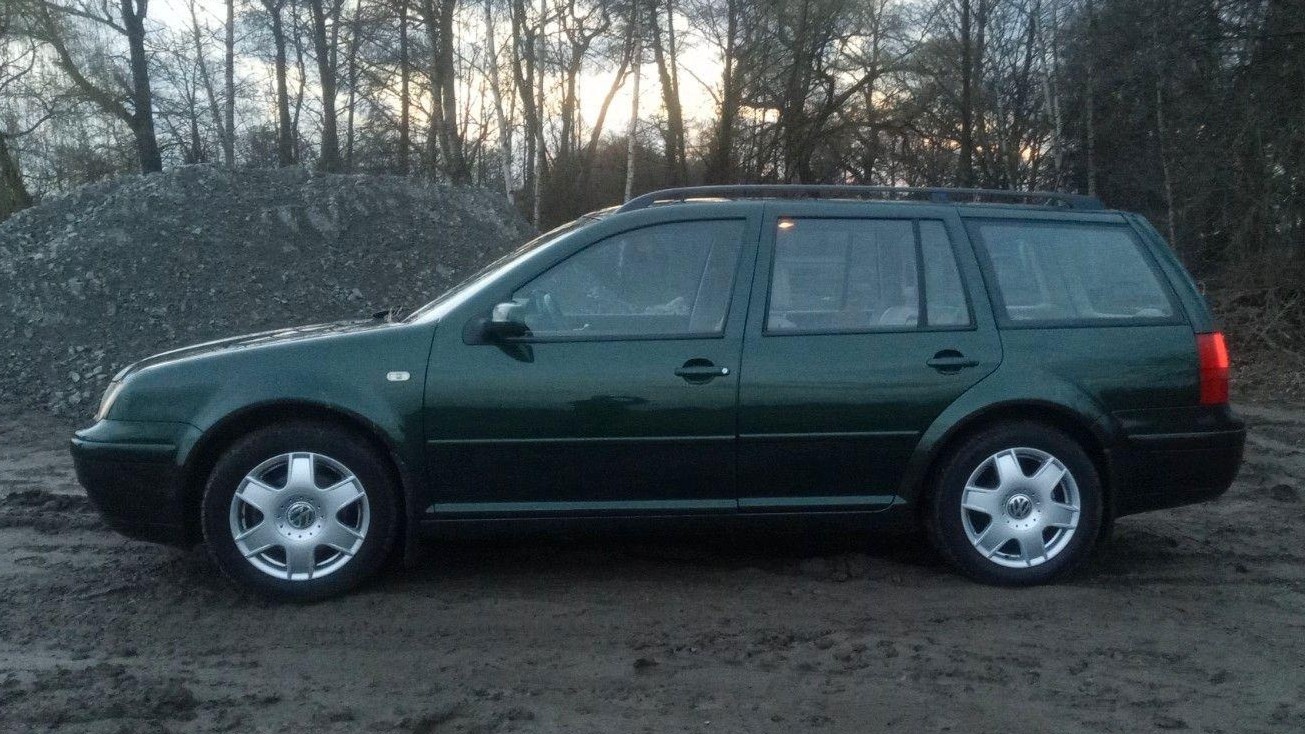
Despite the short life of the V5, it has a bit of a fan club. The V5 makes all of the screaming Wookiee sounds of a VR6, but in a smaller, more affordable, and more fuel-efficient package than a VR6. A quick search of some listings in Europe shows that you can snag one of these for a few grand. Both the 10-valve and the 20-valve V5s are legal to import right now, and you can even find them in wagons!
The Volkswagen of today is a very different company from the one it was two or three decades ago. Wolfsburg isn’t putting any crazy engines into regular passenger cars anymore, and even its EVs are pretty tame. In a way, it’s like Volkswagen has grown up. It’s shaken off the weight of the Piëch era, put on a suit, and taken on a corporate job. Now, we have to wait for something like Scout to see what Volkswagen’s cooking.
The “VR5” V5 engine is just another example of what happened in the craziest period in modern Volkswagen history. When engineers wanted an engine that could fit anywhere, they just took a weird engine they already had and lobbed off a cylinder, making it even weirder. It’s a shame this engine never really went all that far. But if you’re looking to import a car from Europe and you want something both affordable and different, maybe see if you can find a V5 waiting to release its inner Wookiee.
Top graphic images: Volkswagen; eBay seller


Didn’t we have a TT RS with the V5?
I miss the Piech era and all of the crazy ideas, platforms and just some weirdness. Even if it meant some demons lived in your car… Still have traumatic memories of the satan stuff that occurred in my 2006 Audi A3’s electrical system…
I’ll never forget the window regulator on the ’99 Passat I did for a friend. It was the WHOLE inner door skin! And the speakers were riveted on!
The VR5 sounds absolutely diabolically glorious. Has anyone seen them swapped into something like a Miata or would the motor dimensions and change to longitudinal configuration be too much work?
Nowadays Volkswagen makes Toyota look exciting…well, except for the reliability mysteries….
Never knew there was such an engine, and after reading all the comments, now I want to buy a Lamborghini or Audi R8 with a blown V10, and replace the engine with the I5 just to be super weird and gross.
Hear me out: what if VW’s engineers used those skills to make cars that run well?
If it’s like any German auto company I have worked for that will require 3 meetings, a pre meeting, two post meetings, 4 committees, various tangential sign offs and then board of management approval for the green light to do it… Unless its somehow F1 related, then just do whatever…
The obvious next step is for someone to make a W10 and shove it in something cool…
Manufacturers have made plenty of 3s, I think some 1s, a number of 5s, yes. But why did none of them have the guts, the fortitude, to put forth a 7?
AGCO does an 9.8l inline 7 diesel for their tractor that makes 490 hp.
This is the sort of esoterica I come here for.
This post reminds me that I’ve only owned 2 cars with an odd number of cylinders. A Suzuki I3 and a Mercedes I5. I should change that.
I’ve only owned one odd number cylinder car, a 1987 Audi GT Coupe, it was fun to drive, when it wasn’t falling apart (it was like 10 years old when I got it). The level of quality cars 20 years newer have compared that one is still kind of astounding to me.
I’m going to be the annoying nerd who points out that “Wookiee” is spelled with 2 e’s.
Oh no. This is the part where you find out that I’m a Star Trek fan who hasn’t seen much Star Wars, and have always thought it was spelled “wookie.” Even my computer’s spellchecker thinks it’s spelled that way. I’ve been spelling it that way for what, 20 years?
So, thank you, seriously! You learn something new every day. Fixed! 🙂
I mean, how many different production engine types has VW had? Off the top of my head:
I2 (XL1 diesel)
I3
H4
I4
VR4
I5
VR5
I6 (diesel)
V6
VR6
V8 (diesel)
W8
V10 (diesel)
W12
Obviously I consider VR and W engines to be different from V engines.
If you expand it to the full auto group Porsche gets you a horizontally opposed six, Lamborghini gets you a V12, Bugatti gets you a W16 and NSU gets you a rotary.
I can’t think of any other manufacturer with such a wide range of production engine formats.
VW has obviously done diesels in 3, 4, and 5-cylinder variations as well. There’s also the V-12 TDI used at Audi. I’m not sure if VW ever mass-produced a VR4.
Part of the reason for the proliferation at VW was massive investment in higher-margin vehicles in the 1990s as well as the arms race with BMW and Mercedes, which also used a wide variety of engine formats. VW seems to have more engines mostly because of the VR series.
Oops, you’re right – I thought the VR4 was production but apparently not.
The Bugatti Turbillon now uses a V16. So add that to the list.
’60s to ’70s GM may have come closest.
SBC
BBC
Chevy ‘409’ block
Chevy I6
Pontiac V8
Buick V8
Buick Nailhead V8
Cadillac V8
Olds V8
Olds Diesel V8
Buick Aluminium V8
Chevy Corvair Flat 6
Pontiac OHC I6
Chevy Vega I4
Iron Duke
Buick 3.8 V6
Chevy 2.8 V6
Numerous GMC truck engines
Detroit Diesel
This just off the top of my head…
Most of those are just different ways of saying ‘V8’
Chevy I4 from the 250 I6
Olds aluminum v8 (buick v8 with more cylinder head bolts)
Buick fireball straight 8
Pontiac straight 8 flathead
Cadillac 4100ht/4500/4900
Cadillac northstar/shortstar- olds aurora
Cadillac 8-6-4
Olds diesel v6 and proto v5
Pontiac trophy 4
Olds quad 4
Saturn dohc 4
Buick 4.1 v6
Chevy 3.4 dohc
And ALL the gmc big block v6, v8, and the v12, and the ill fated toroflow diesel.
They had an epic number of em out there.
The best thing about the VR5 is it has all the torque of the 4 pot with all the economy of the 6!
I need to rebuild, or rather finish rebuilding my VR6 and get the Golf back out and running though… such a great noise.
Same as every 5 cylinder. Truly an inferior, dead-end design. That’s why I love them, same as I love Rotaries. Long live the oddballs!
I had a y2000 Golf Mk4 VR6 (the Euro version, with 204 bhp and 4WD) as a company car in London. I did consider a V5 just for the perversity, but I loved the VR6. I called it Jeeves because it would do anything you wanted, without any fuss – including snowy roads through the Pyrenees, and 145mph on a deserted French autoroute.
I’m just here for odd-numbered engines and Wookies.
Now I know why I’ve seen “Wookies on the Dragon” as a group and no idea who the wookies were, or why they were called that. (I mean, Yoda had good relations with them, whoever they were.)
I had 3 VR6 VWs years ago — a 97 Jetta, a 2000 Jetta, and a 2001 GTI. It was such a fantastic engine. I loved the low rumble at idle and the torque was very impressive for the time. I totally weirded out a co-worker when I went to pass a bus on the freeway without needing to downshift. Those were great driving times.
Last year the Humble Mechanic on YouTube rebuilt a VR5 & stuffed it in a Lupo GTI. Debuted at L’oe Show and it made glorious Wookie noises.
https://youtu.be/ss3E75_4P0U?si=kdq-l-ASGOJy_Diq
Somebody near me has a Golf with either the VR5 or VR6, and it makes the most delightful sounds.
I love my VR6 TT.
Interesting, I did not know they made a narrow angle V5. I’ll bet it did indeed have vibration issues. Seems like a lot of work to make something weird with the same basic power output as their 1.8t.
I love the VW inline-5. But Mercedes, I don’t love this statement about it:
“That engine was even available here in America, and, depending on your choice of exhaust system, sounds like half of a Lamborghini.”
Sounds like half a Lamborghini? The front half? The back half? Left or right half? We don’t know what half a Lamborghini sounds like. People tried to promote the inline 5 as half a Lamborghini V10 (I guess they shared part of the block or something) but that was silly and saying it sounds like half is nonsensical!
That’s the first time anyone has ever complained about me describing the sound of a tuned VW 2.5 as half of a Lamborghini. But I see your point! I’ll edit it.
Sorry!
Appreciate your articles, Mercedes. Keep them coming.
“The front half? The back half? Left or right half? “
The top half…
I remember that in 1998 the 150 HP Passats – 1.8T and 2.3 VR5 – were sold at exactly the same price in Germany. The 1.8T (confusingly referred to as the 5V Turbo for its five valves per cylinder) was the better engine in every regard except for quirkiness. And maybe Wookie-howling.
Curious as to why a VR 5-cyl versus going with a typical inline 5 approach? Were the space savings really that significant to justify all the of the additional R&D investment required to make such a bizarro piece?
Yeah, it’s an interesting engineering exercise and it sounds cool but the power figures are rather underwhelming.
That’s N/A 2.0L inline 4 territory.
At that time (1997), the N/A inline-4 2.0L (8-valve, single cam) at Volkswagen was only squeezing out 115 hp and 122 lb-ft @ 3200 rpm. The Euro-only 2.0L with 16 valves (DOHC) put out 150 hp and 130 lb-ft @ 4800 rpm. Comparatively, the 150 hp and 154 lb-ft @ 3200 rpm is quite peppy.
“That’s N/A 2.0L inline 4 territory”
Not in 1997 it wasn’t.
The VW 2.0 made 115hp. Honda’s base 2.3-liter made 135. The VTEC version made a similar 150hp as the VW V5, but I doubt it made anywhere near the low-end torque.
Found a fellow VW tragic.
Ha! But I’ve owned only one VW, a 2010 wagon with the I-5 and manual. Great car for the 7 years I had it.
I very purposely selected that powertrain and platform because it was less likely to go tragic on me.
Yes in 1997 it was. A 1991 Honda CRX SiR made 160hp with a B16A at 1.6 liters. The 2.2 liter H22A VTEC made 200hp and 161 ft-lbs in 1992. My 1997 Prelude SH made 200hp and 156 ft-lbs (probably less due to emissions).
Niche engines in high-performance trims, very atypical for the time. Peaky little buggers too. Most of Honda’s and everyone else’s 2.0-2.3 liter fours made less power than the V5 here, which speaks more to the Marcelo’s argument than the distant tail of the Bell curve you are citing.
Not back then. VW’s 2.0L 8V n/a four only made 115hp, IIRC. Not that one couldn’t be tuned up a bit, but then you lose low-end torque and flexibility. IIRC, the lower output 10V V5 was a fairly popular option in their vans.
I assume it was also cheap to make it by slicing a cylinder off the VR6. If not quite as cheap as that wacky JLR V6 that was literally their V8 block with two hole usused. <eek>
I see. I think I missed the part where it was mentioned this powertrain was released in 97, I thought it was an early 2000s design.
That’s typical for the time. I had a ’96 Saab with the NA 2.3 four and I think it was 155 hp and 155 lb-ft torque for a 16-valve DOHC.
It might not have been worth it long-term, considering that the V5’s replacement was an inline-five. But VW was very nutty during the Piech era, so there’s that. Also, the V5 did make more power than VW’s 2.0 (or as people say, the “2.Slow”).
I imagine that the I-5 was literally because they made the V10 for Lamborghini and Audi, and since they had that, it was certainly cheaper to make the I5 than the V5. Cheaper to machine the block, probably didn’t need as much vibration-quelling. And so the V5 died.
Probably because they already had a VR6 to chop off a cylinder but no inline six to do that with?
The easy answer is that the VR5 was quite a bit shorter than an inline-5, which meant that it could be mounted transverse or longitudinal more easily. It offered more torque than the 16-valve four while also being a bit lighter than the VR6 (which was criticized back in the day for negatively affecting the handling the Golf lineup).
But really, VW probably wasn’t sure about the future of its turbocharged lineup (back then, turbo lag and turbine lifetime was a persistent problem) and the VR line offered more linear power as well as a competitive advantage in packaging.
Finally, it’s a German company. They thought nothing of engineering to fill a niche.