

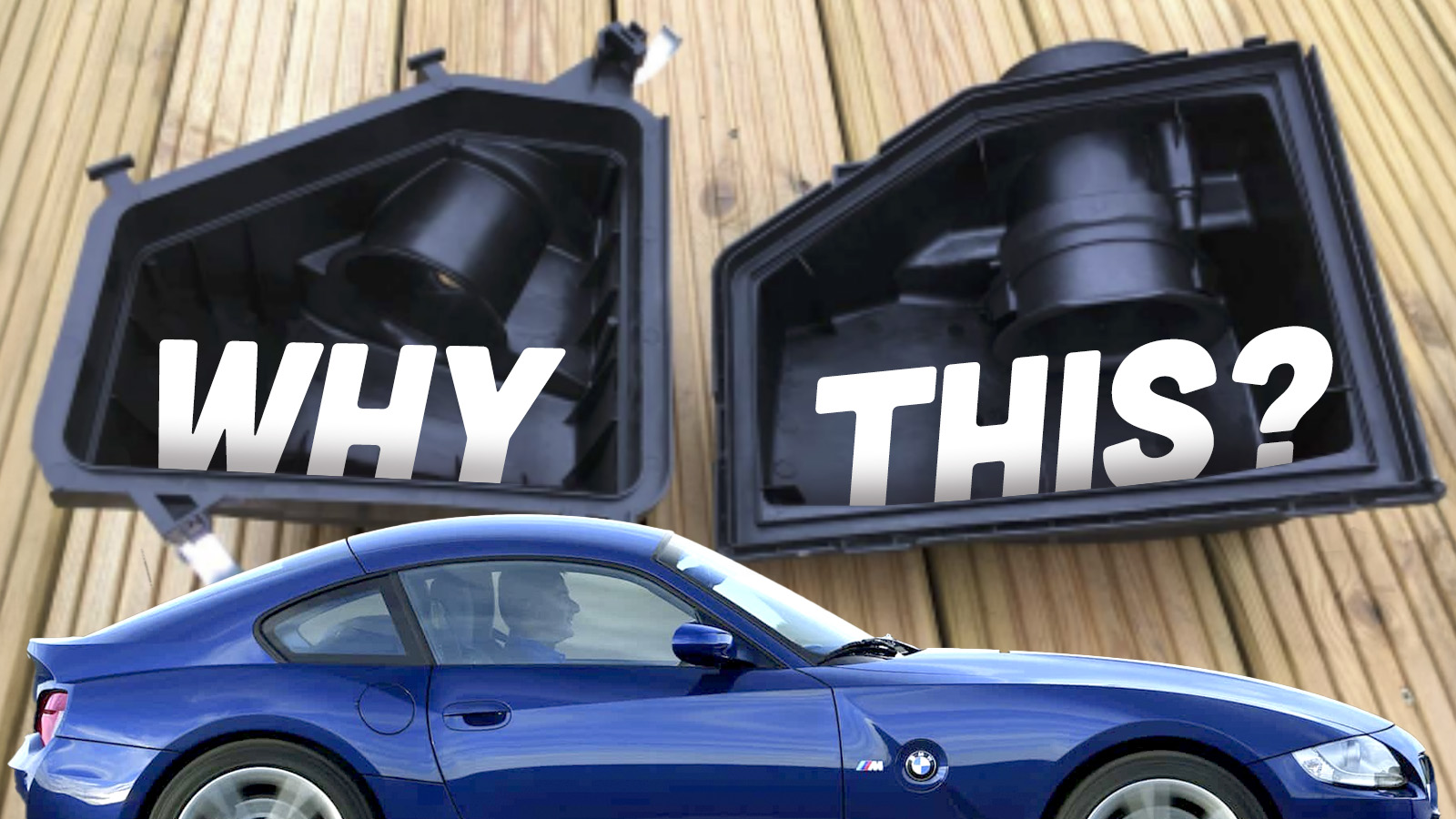
One of the first things you do when you tune a car is bin the terrible OEM air box and put on a nice cone filter, and maybe some sort of cold air intake kit. OEM air boxes are weird-looking things that always seem like an afterthought crammed into a corner out of the way. Here’s why that is.
Take this one below as an example. The inlet and outlet don’t line up at all, and the air has to do this weird S-shaped zigzag to get in, through the filter, then out again.


Spacer
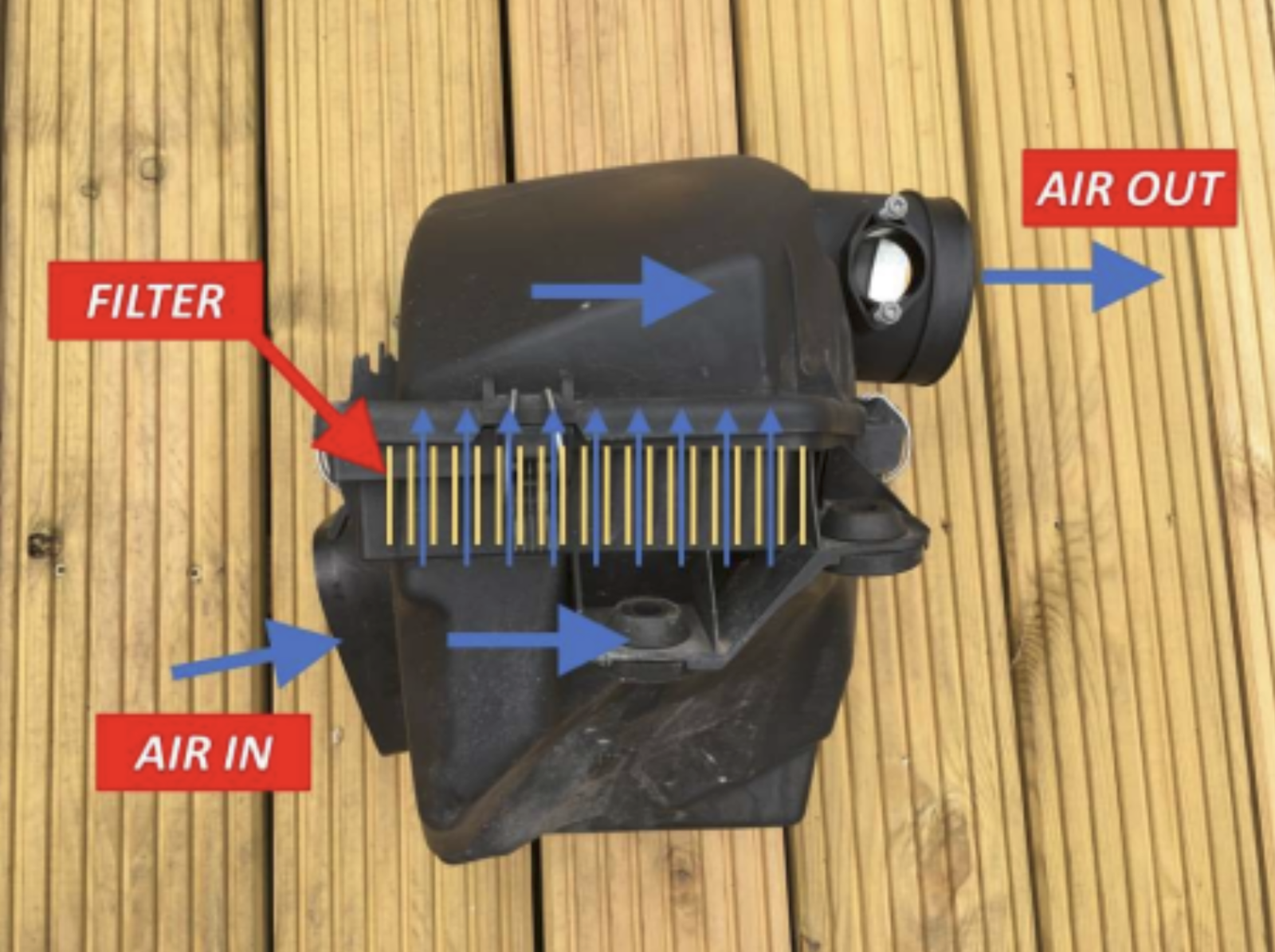
It’s even worse when you look inside; the outlet at the top isn’t even at the edge or pointing at the filter. It’s sort of in the middle but off to one side and at 90 degrees to the air filter, with the internal part of the tube masking off a chunk of the filter.
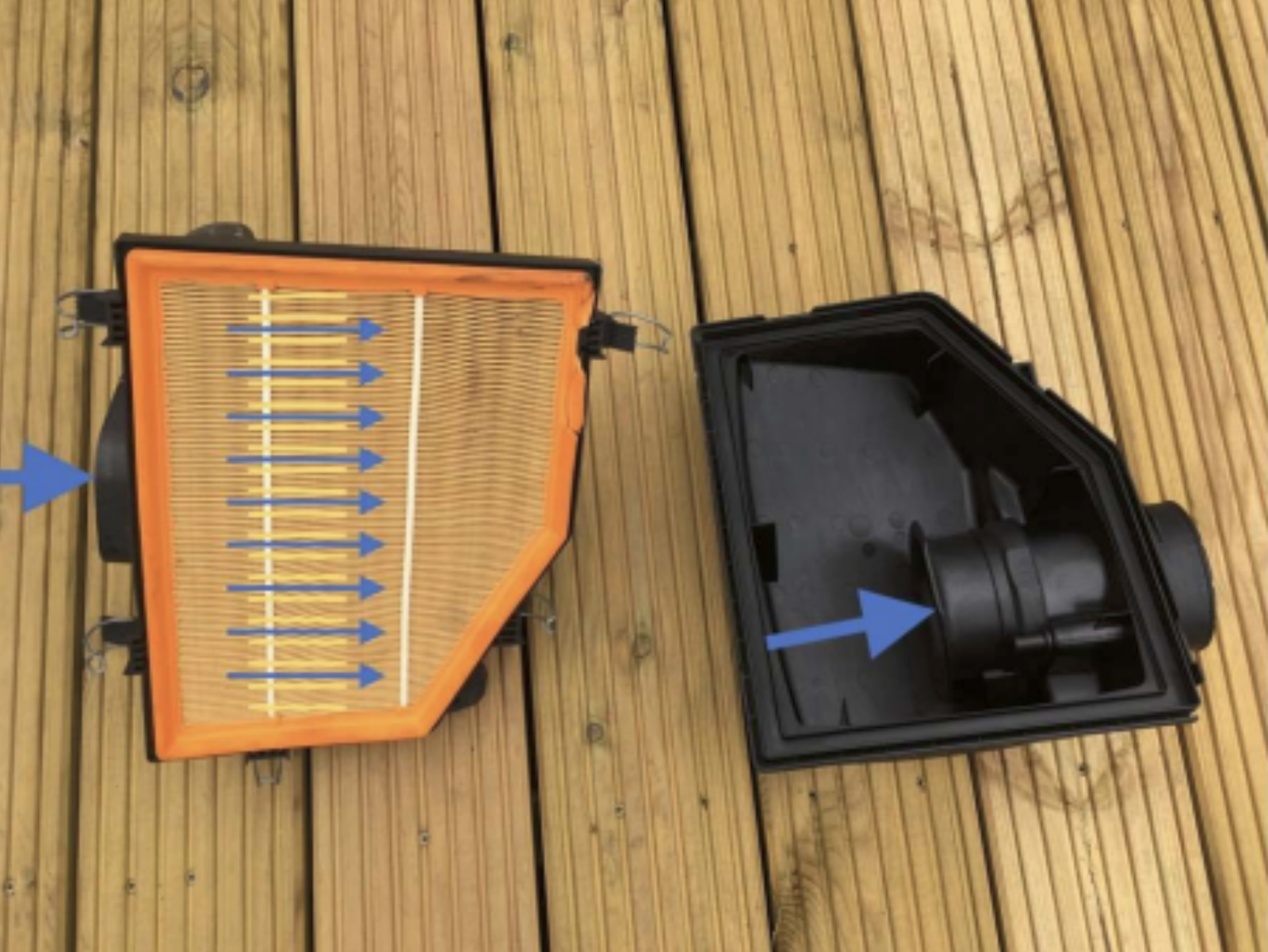
It’s not just a terrible one-off, either: I found another car from a totally different manufacturer with a very similar, oddly designed air box.
[Dave Larkman is a mechanical design engineer who had a 25-year career at Lotus Cars and Lotus Engineering (the consultancy business that worked for other OEMs), eventually becoming Lead Engineer of Powertrain Design. He has also been a semi-pro drifter, rides sports bikes, and used to feel ashamed about his taillight collection until he found Jason Torchinsky on the internet. Wait, why am I writing this in third person? It’s me, Dave, writing my own bio. – DL [Ed note within ed note: You know Dave from his excellent article “I Was So Bored At Work I Redesigned A Tiny Engine Part For Fun And Accidentally Saved 22,000 Pounds Of Aluminum.” -DT]]
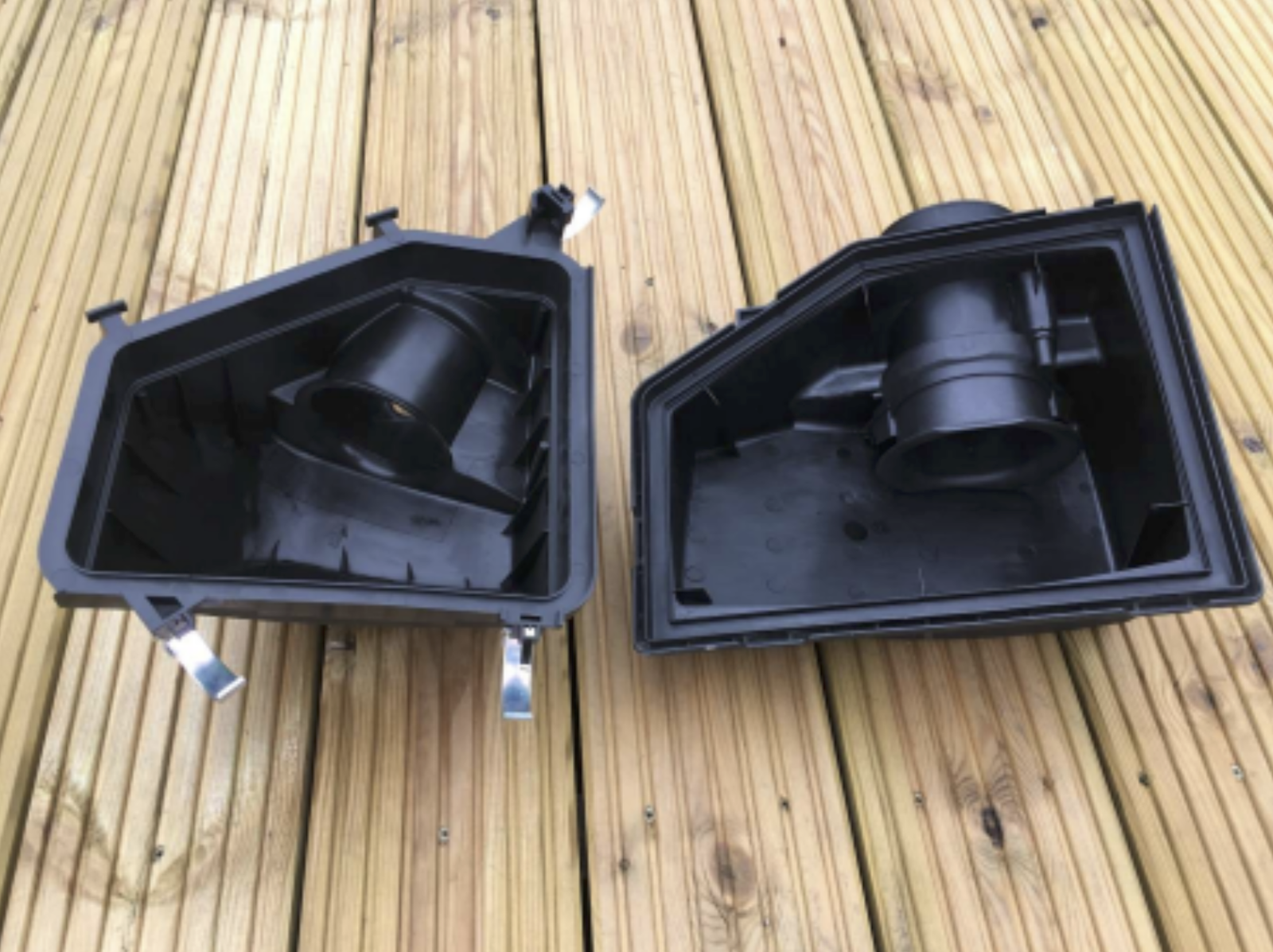
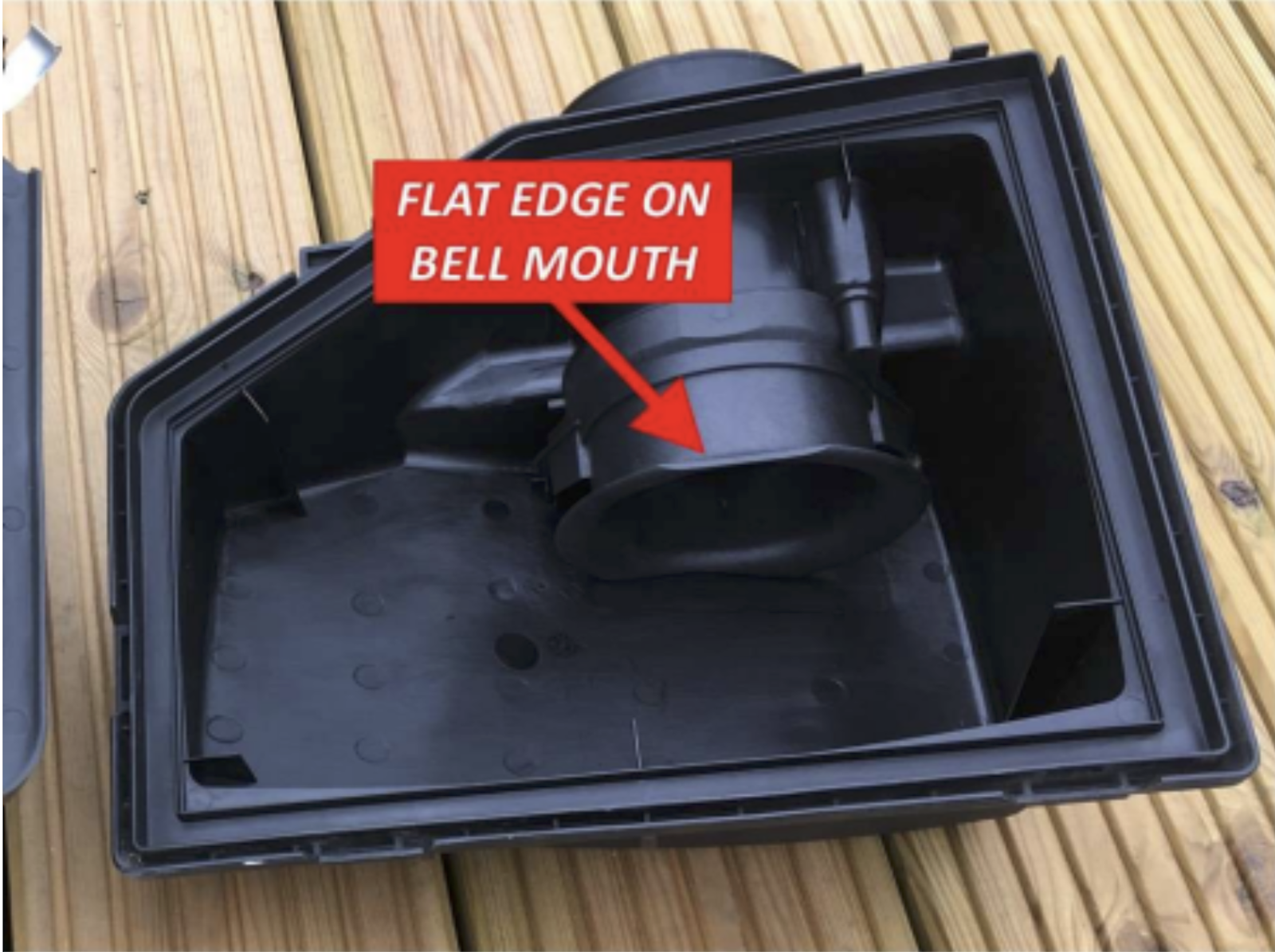
The one we were just looking at is on the right, and from this angle, you can see that the bellmouth for the outlet was so close to the filter that they actually had to put a flat on it to make room. That can’t be good, can it?
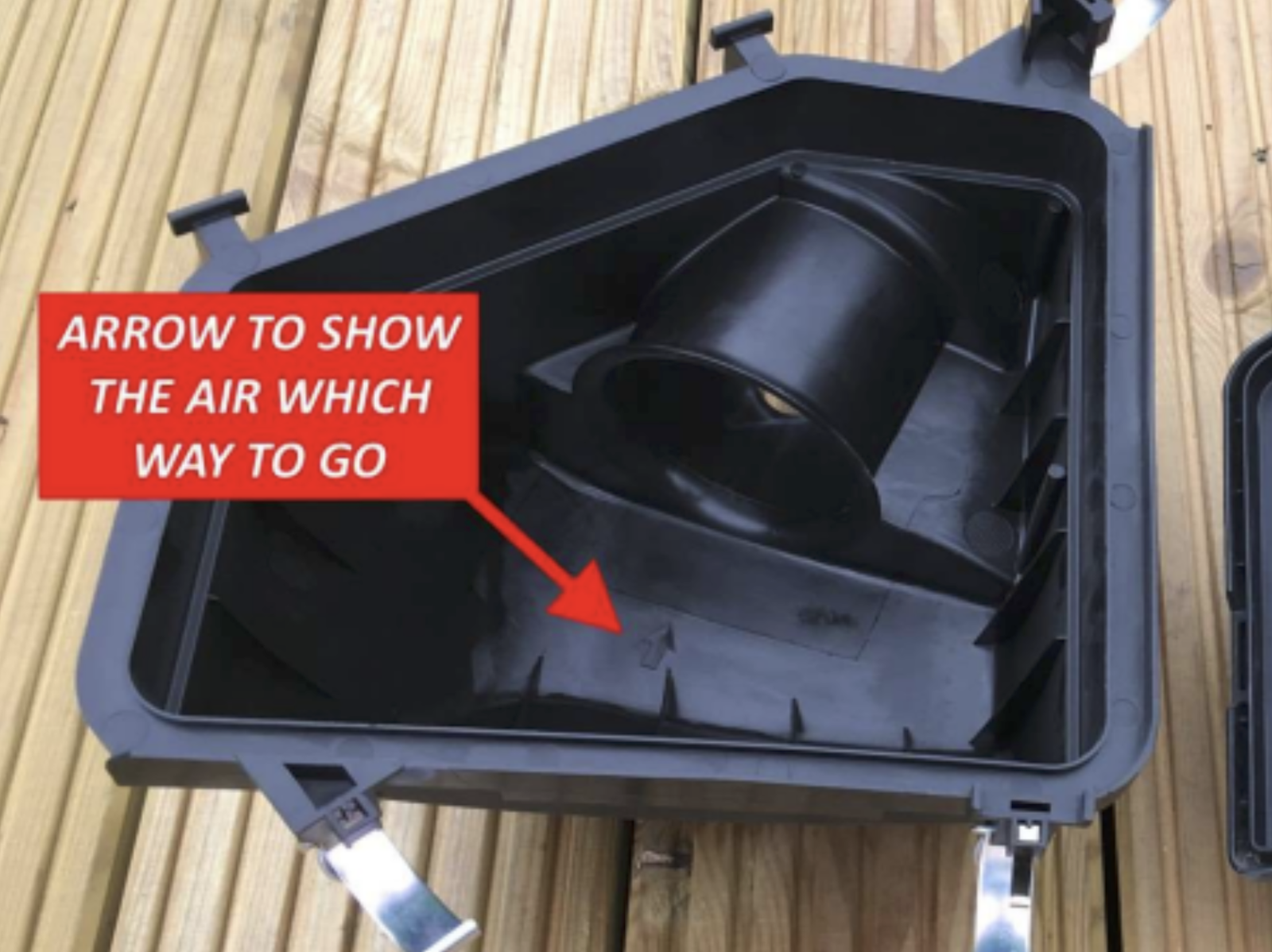
You can tell they were worried about the odd positioning of the outlet on the other one because they moulded in a little arrow to show the air which way to go:
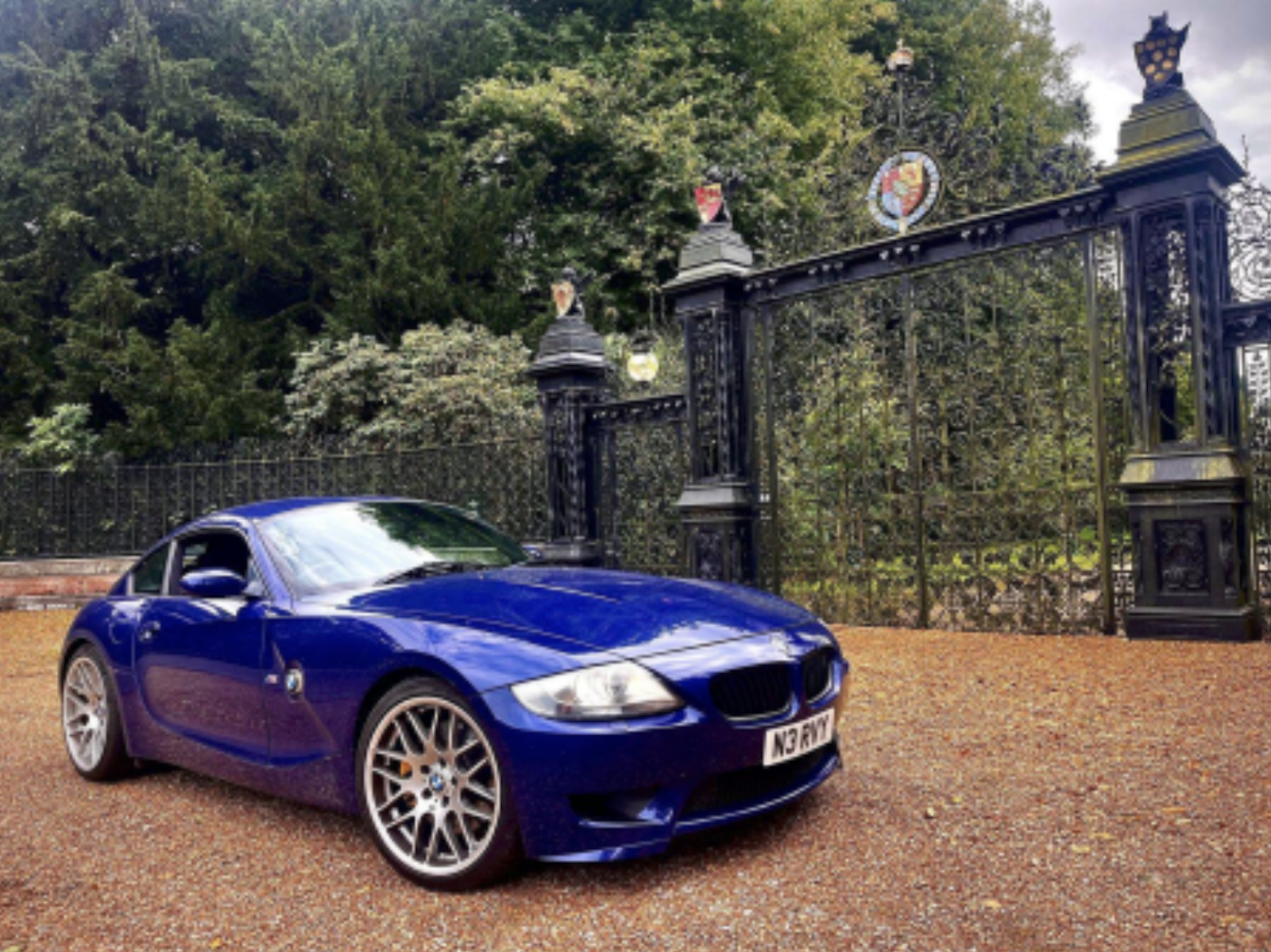
So what cheap, terrible economy cars did these air boxes come from? The first one is from this 2007 BMW E86 Z4 M Coupe. It has the glorious 8,000 rpm S54 making 338bhp from 3.2 litres of naturally aspirated straight six. This was Engine of the Year in 2001, and held the 3.0-4.0 title until 2006. So, despite how it looks, we can assume that the airbox works quite well.
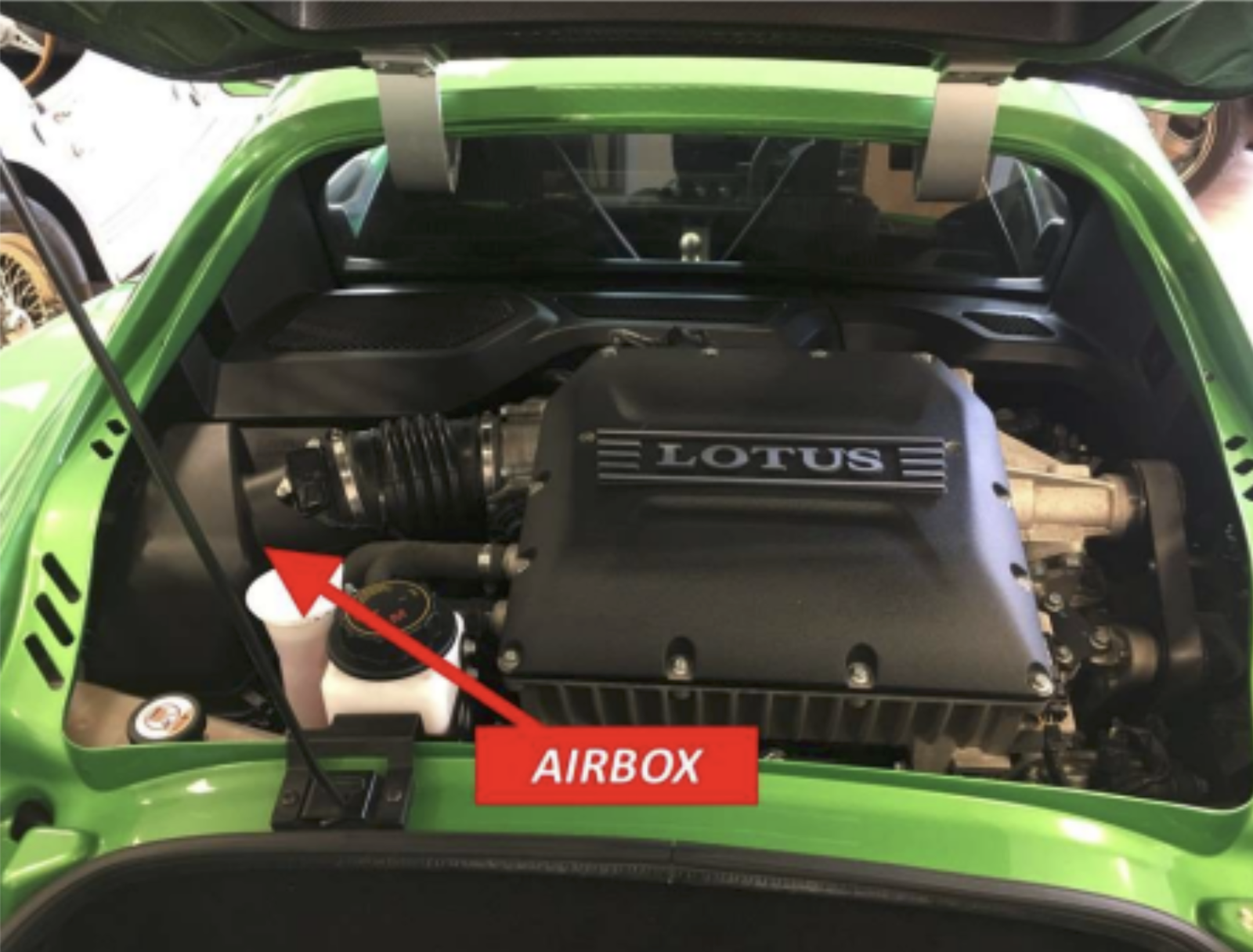
The other air box is from the 400bhp version of the Lotus Evora/Exige/3-Eleven, and was the first airbox I designed after moving from Lotus Engineering (the engineering consultancy that helps other OEMs) to Lotus Cars (the car maker). Most of my airboxes have a little arrow in them to show the air which way to go; I’m not really sure why I do it. I got asked what it was once in a design review and had to pretend it was an EU-mandated recycling mark. There’s another airbox out there that I wasn’t allowed to put a Lotus badge on, so it says Lotus inside it, but in braille.
So what’s going on here with the weird sideways-and-in-the-way exit tube? It’s all about reducing the pressure drop through the panel filter, and for that, you need a nice even flow over the entire surface of the filter, spreading the air out, slowing it down, and letting it get through the millions of tiny holes. The best way to do this is to have a long, tapered inlet pointing straight at the filter, and a long tapering outlet also pointing straight at the filter.
But that won’t fit in a car. So what we do is blow the air in sideways at the bottom, and suck it out at the top in a position and direction that makes the air spread all over the surface of the filter. Place the inlet and outlet so they line up nicely, and all the air wants to go through just the bit of the filter that’s on the direct route, which effectively acts like a much smaller filter. This gives you a much higher pressure drop, which adds pumping losses/reduces power, even if you have a huge air filter element.
So we play with the position of the outlet in the air box top, doing iterative steps of analysis and flow bench tests until we hit the targets. Or preferably get to the point where we’re well above the targets, and further tweaks don’t make improvements, because this is power and/or efficiency for free.
After doing this a bunch of times, I find it’s always best to try to visualize internal air flows as being sucked along, rather than blown through a system, and that works for exhaust systems too. I’ve worked with some fantastic analysis engineers, and they’ll talk you through the CFD (Computational Fluid Dynamics) results, helping you visualise the streams of airflow, so you can work together to make improvements that compromise the rest of the system the least.
There is a lot more going on with airbox design than just the air flow; the walls all have slight double curvature to make them stiffer without having to add ribs, to keep weight down, and avoid nasty resonance. You avoid any flat-ish faces that reflect up the outlet to avoid weird resonances at the Mass Air Flow sensor (it took weeks to work out what was going horribly wrong on that particular development engine). The flow at the MAF sensor also has to be laminar and also increase in a nice, repeatable way from idle all the way up to peak flow, which is what the expensively tooled internal bell-mouth is for. The data from the MAF sensor is critical for controlling the engine, so getting a nice, reliable signal really helps. The BMW even has a mesh of thin steel blades before the MAF tube to help smooth out the flow.
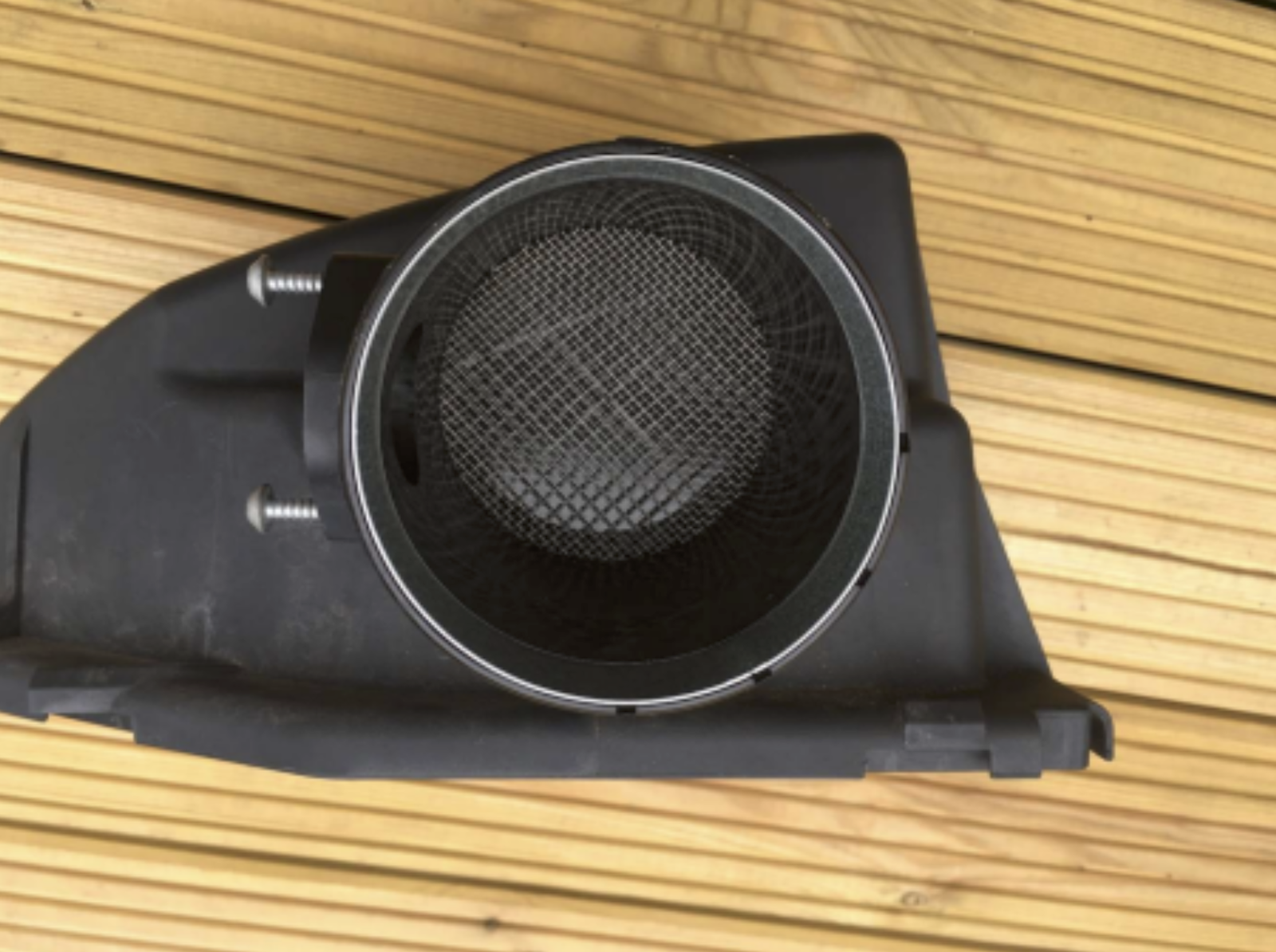
All of this in a package that fits in the car, allows the air filter to be removed easily for service (yep, we do check for this, and even model the filter removal envelope so no one puts a fuel hose or something in the way), and also includes as many useful brackets moulded in for free as you can get away with. You have to design the whole thing with all of these criteria in your head, as well as the tooling design for the injection moulding machine that will make it.
And then, when you think you’re finished, someone does a pass-by sound test in a car with the production bodywork instead of the prototype body, and you suddenly have to make it quieter by a couple of decibels and annoy the toolmaker by adding a load of ribs to their shiny new tool anyway.
All that effort, and grief, and testing to make something that flows nice cool air brilliantly with a stable MAF signal, while being easy to service, acting as a bracket for cooling hoses and wiring harnesses, and cheap and light and quiet, and then the first owner rips it all out and puts in a cone filter.
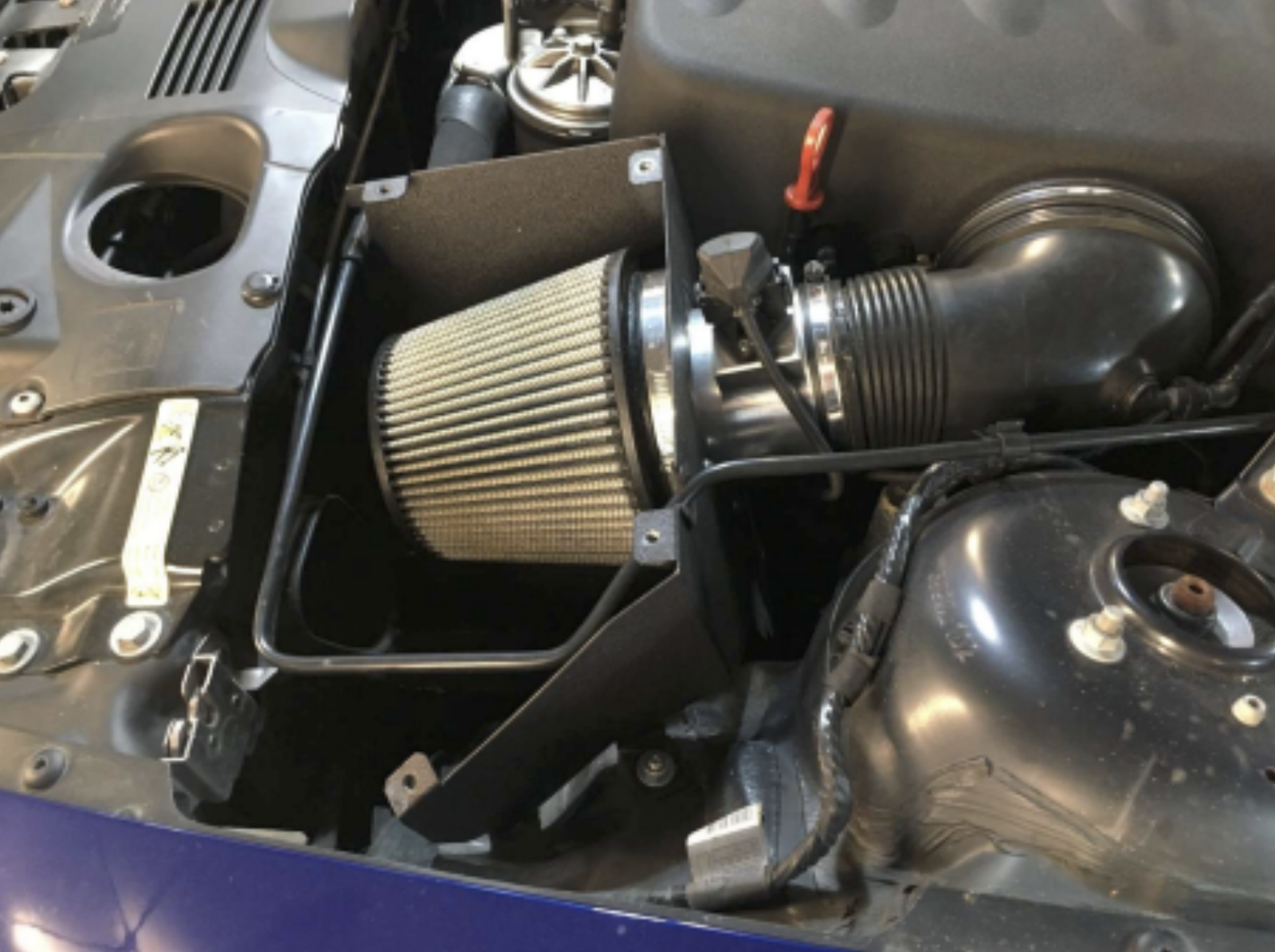
The Z4M does sound epic now, though; I’m very conflicted.
Story images except where noted: Dave Larkman
Top graphic images: Dave Larkman; BMW




You forgot to tell the air to mind the step!