

Over the past 15 years, scores of American states have silently attacked a niche of enthusiast cars. The Japanese kei-jidōsha (kei) cars are the smallest highway-legal cars in Japan, and are legal to import to America once they turn 25 years old. But the states, emboldened by a quasi-governmental lobbying organization, have been banning these tiny cars. Enthusiasts are fighting back, and several states are reversing their bans. Vermont just became the next state to not just reverse its ban, but codify the rights of Kei cars into its laws.
On June 16, Vermont Governor Phil Scott signed S.326 into law. The bill featured many miscellaneous amendments to Vermont’s vehicle code, including “Nondriver Identification Cards,” “Insufficient Funds for Fees,” “Penalties for Operation of Prohibited Vehicles in Smugglers’ Notch,” “Salvage Titles,” “Abandoned Motor Vehicles,” and other dry DMV subjects. Then, nestled between all of the boring talk about car titles and such is a section called “Kei Vehicles”. In it, Vermont’s new law has enshrined the right of Kei vehicles to be treated as normal motor vehicles.


This law didn’t come out of nowhere. When S.326 was introduced by the Vermont Senate Committee on Transportation, it didn’t bear a single mention of Kei vehicles. For years, Kei vehicles lived in a sort of gray area in Vermont. Some enthusiasts had no issue registering their legally imported vehicles, while some were told by the state that their vehicles were illegal. Then, in November 2025, there were rumors that Vermont was thinking about finally officially weighing in on Keis, and the belief was that the state was leaning towards a ban. Something had to be done.
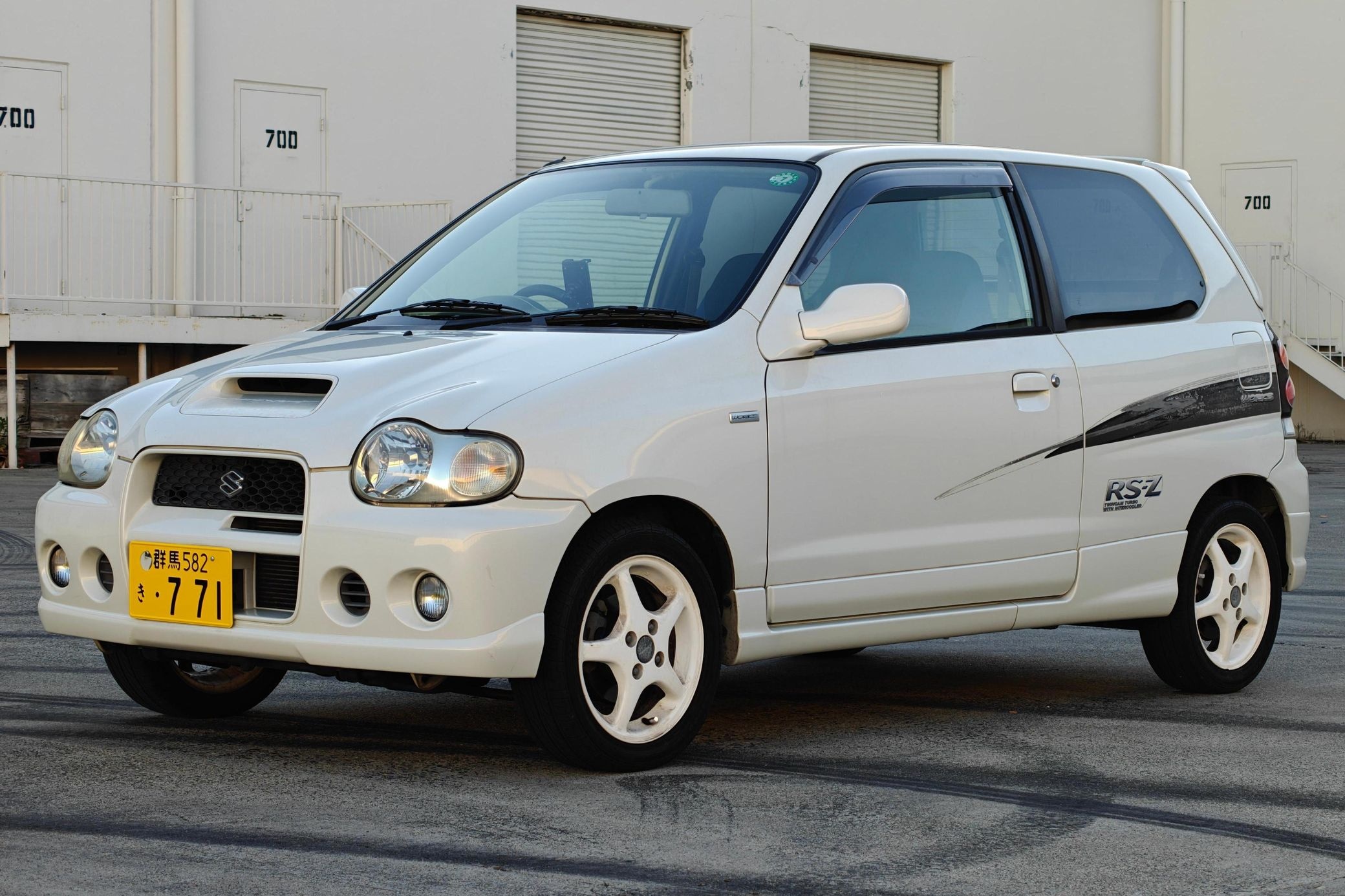
David McChristian, the founder of Lone Star Kei–the architects of beating import car bans in America–helped mobilize enthusiasts in Vermont. In using the methods pioneered by import enthusiasts in Texas, not only did Vermont codify Kei vehicles into state law, but it also did so in less than a year. Here’s where Vermont was, and where it’s going.
Vermont Didn’t Know What To Do With Keis
Back in the 2000s, Americans discovered the cheap utility of the mini-truck. These trucks, which are legally limited to 25 mph and are imported for off-road use only, are great for golf courses, college campuses, farms, and anywhere else where a small pickup truck can be useful. The brilliance of the mini-truck is that it has a bed that’s roughly the size that you’d get in an American pickup truck, but in a much smaller and cheaper overall package.

Americans started importing these trucks in droves from China and Japan, and some of those people wanted to drive them around their communities, like they would a golf cart. The states took notice, but had no idea what to do with this newly popular vehicle. The Association of Motor Vehicle Administrators (AAMVA), a technically non-governmental non-profit lobbying organization composed of motor vehicle and law enforcement administrators and executives from all 50 states, Canada, Mexico, the Virgin Islands, and Washington, D.C., decided to research the mini-truck.
In 2010, AAMVA members met in Florida to develop “best practices” on how to handle mini-trucks. Soon after, the Insurance Institute for Highway Safety published a crash test video (below) and then opined that low-speed vehicles and mini trucks are unsafe and should be removed from the road. The opinion noted that, starting in 2007, there was a trend of states allowing mini trucks on their roads. That IIHS opinion focused on the aforementioned off-road mini-trucks with a governed 25 mph top speed.
In 2011, AAMVA published Best Practice Regarding Registration and Titling of Mini-Trucks, which recommended that member states ban mini-trucks from road use. Many states complied.
Since then, a new phenomenon has grown in America. Japanese Kei trucks look like mini-trucks, but have top speeds as high as 83 mph and proper street-legal equipment, including tires, lighting, glazing, three-point seatbelts, and applicable crash safety for their model years in Japan. When these trucks turn 25 years old, the federal government no longer cares that these vehicles were not built for American safety standards and allows for their legal importation.
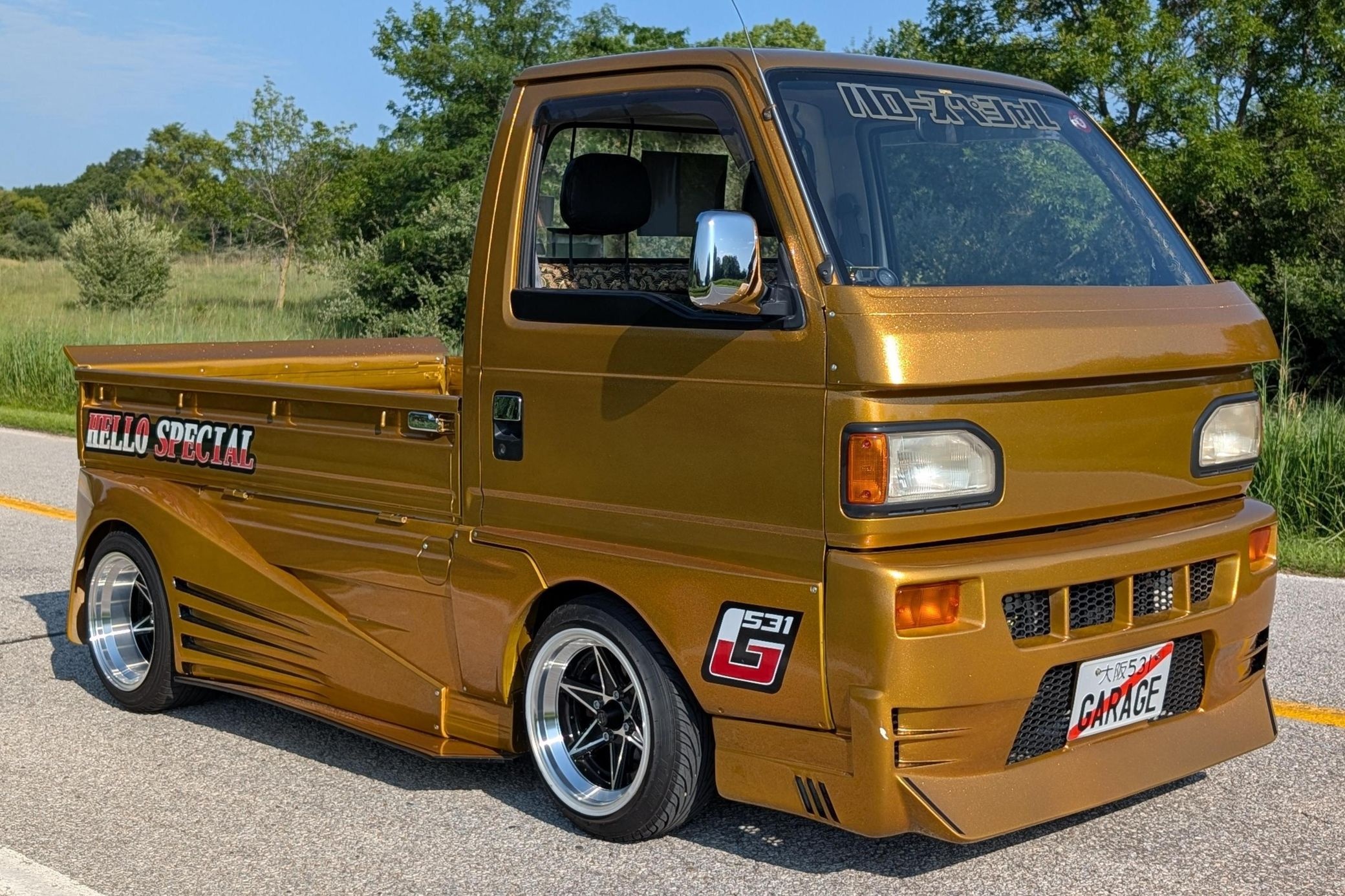
However, the decision of what is actually legal to register is a right of the states, and that’s where so many enthusiasts have gotten so many headaches. Many states have been found to confuse mini-trucks and Kei vehicles as being the same thing, and thus have banned Kei vehicles. Other states allowed for the registration of Kei vehicles, treating them like regular motor vehicles.
Eventually, Kei vehicles fell on the radar of the AAMVA, too. In 2021, Maine’s BMV, with the help of the DMVs of Georgia, Colorado, and South Dakota, published Regulation of Off-Road Vehicles: Best Practices. This document was devastating, as it told all AAMVA members, which again, is all U.S. states, to not just ban mini-trucks, but Kei vehicles and even vintage military Jeeps. AAMVA’s logic? None of these vehicles were originally built to Federal Motor Vehicle Safety Standards, so they cannot be allowed on the road under any circumstances.
Since then, Maine, Rhode Island, Michigan, Georgia, New York, Pennsylvania, Massachusetts, Colorado, Illinois, Virginia, and Wisconsin all banned or otherwise limited the use of legally imported vehicles. Maine passed a law that technically bans all imports from any country, though the law isn’t enforced well. Wisconsin passed a ban, but then forgot to enforce it until now. Rhode Island, Illinois, and Georgia remain unwavering in their disdain for Keis. Alaska didn’t directly ban Keis, but it had a weird law on its books that accidentally banned all imported vehicles that were newer than 1981.
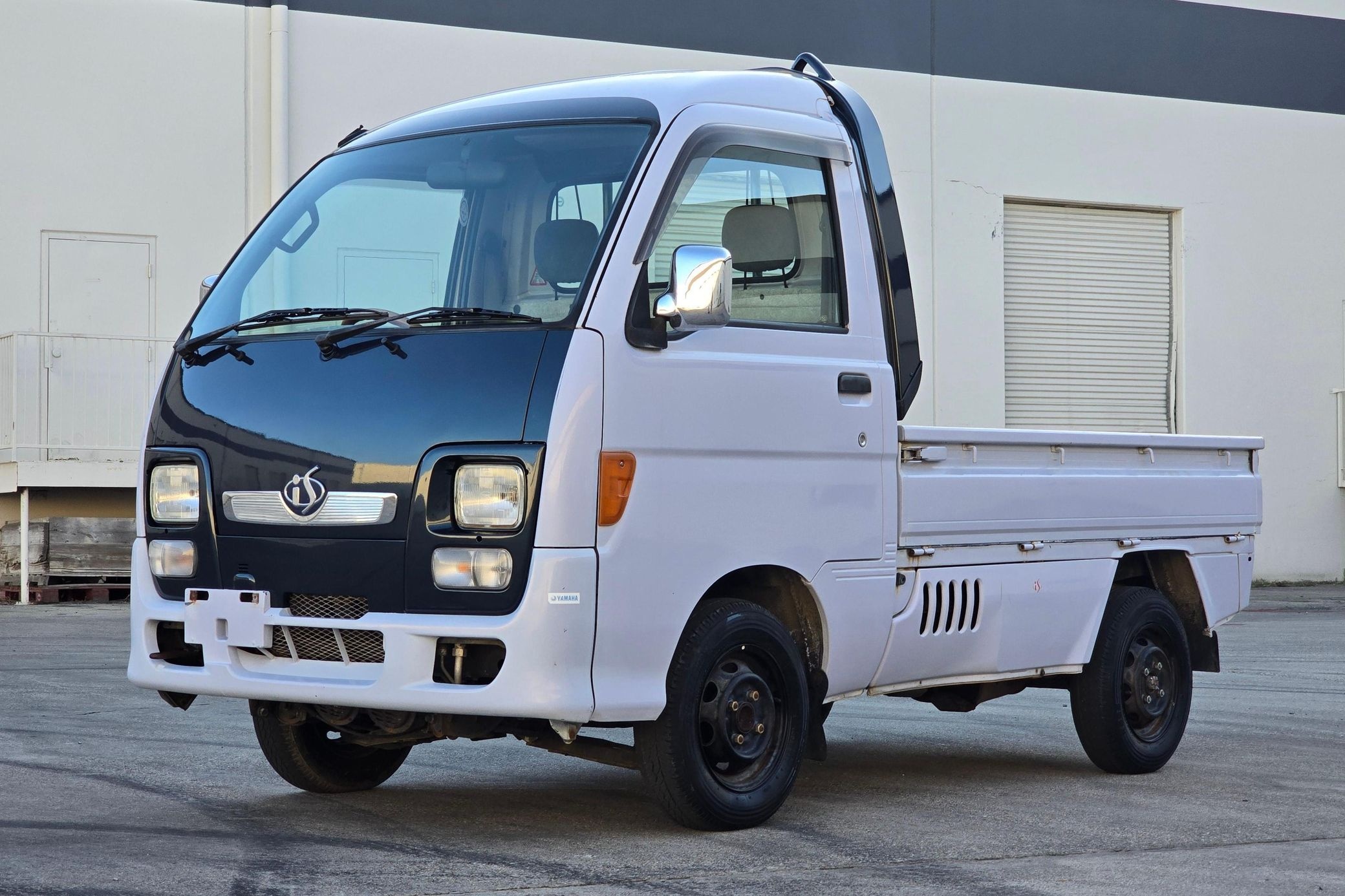
The above list of states doesn’t include the states that banned mini-trucks in the past and just decided to consider Keis as being the same thing.
In 2012, Vermont Bill H.729 sought to legalize mini-trucks on all roads but the Interstate Highway System. This bill didn’t go anywhere. Kei vehicles have lived in a sort of gray area. Depending on who you asked at the Vermont DMV, Keis were either totally illegal or were legal so long as you got a state inspection. Vermont also saw mini-trucks as illegal, and some DMV representatives might have seen Keis as the same as mini-trucks, which is something I’ve seen in many states. Generally, Keis were seen as illegal in Vermont, but some people got license plates anyway.
This has caused plenty of uncertainty with Kei enthusiasts in the state because they had no idea if they’d be able to register their imports or not. Then came the rumor that Vermont was finally going to make a hard decision, and that decision was leaning toward a ban.
Vermont Becomes One Of America’s Most Pro-Kei States

Enthusiasts banded together, and one more provision was added to S.326 as it moved through Vermont’s legislature, thanks in-part to Senator Rebecca “Becca” White. In enacting S.326 into law, Vermont now has one of the most robust pro-Kei laws in America. Here’s what the new law reads, emphasis of the state of Vermont:
Sec. 20. 23 V.S.A. § 4 is amended to read:
§ 4. DEFINITIONS
Except as may otherwise be provided by law, and unless the context otherwise requires in statutes relating to motor vehicles and enforcement of the law regulating vehicles, as provided in this title and 20 V.S.A. part 5, the following definitions shall apply:(28) “Pleasure car”
shall includeincludes all motor vehicles not otherwise defined in this title andshall includeincludes plug-in electric vehicles, battery electric vehicles, or plug-in hybrid electric vehicles as defined pursuant to subdivision (85) of this section, and kei vehicles as defined pursuant to subdivision (90) of this section.(72) “Farm truck” means a motor truck or kei truck that, at the option of the owner, may be registered under the provisions of subsection 367(f) of this title or may be unregistered when used in accordance with subsection 370(b) of this title.
(89) “Kei truck” means a kei vehicle that is designed, used, or maintained primarily for the transportation of property.
(90) “Kei vehicle” means a motor vehicle that has four wheels, an engine displacement of 660 cubic centimeters or less, an overall length of 130 inches or less, an overall height of 78 inches or less, and an overall width of 60 inches or less.Sec. 21. 23 V.S.A. § 1044 is added to read:
§ 1044. OPERATION OF KEI VEHICLES(a) A kei vehicle registered as a pleasure car shall be subject to all provisions of this title that are applicable to pleasure cars.
(b) A kei truck registered as a farm truck shall be subject to all provisions of this title that are applicable to farm trucks.
(c) The Traffic Committee and political subdivisions of this State shall not adopt any rules or ordinances that would have the effect of prohibiting:
(1) a kei vehicle that is registered as a pleasure car from being operated in the same manner and locations as other pleasure cars; and
(2) a kei truck that is registered as a farm truck from being operated in the same manner and locations as other farm trucks.
In Vermont, a “pleasure car” is just the state’s classification for a regular car. Thus, Vermont’s new law treats Keis just like any other motor vehicle. Finally, you’ll be able to import a Kei into Vermont and get a straight answer from the DMV. What I also love here is that Vermont isn’t adding restrictions. You’ll be able to drive a Kei on any road. Of course, if you’re rocking something like a Mighty Boy or a really low-power Kei, use discretion and stay away from roads you cannot safely travel down.
Grassroots Organizing Wins Again
How Vermont’s enthusiasts did it is inspiring. Back in 2024, David McChristian and his Lone Star Kei group became the first to overturn a Kei ban since the AAMVA published its recommendations in 2021.
Lone Star Kei gathered enthusiasts, developed educational documents, and created a unified effort of calling every lawmaker in Texas to tell them why Keis should be legal. This worked not just once, but twice. First, Texas reversed its Kei ban policy. Then, through the work of Lone Star Kei, lawmakers fully legalized Keis by passing a law. Basically, Lone Star Kei treated lawmakers as friends rather than foes to be defeated. Here’s one of the documents that Lone Star Kei uses to educate lawmakers:
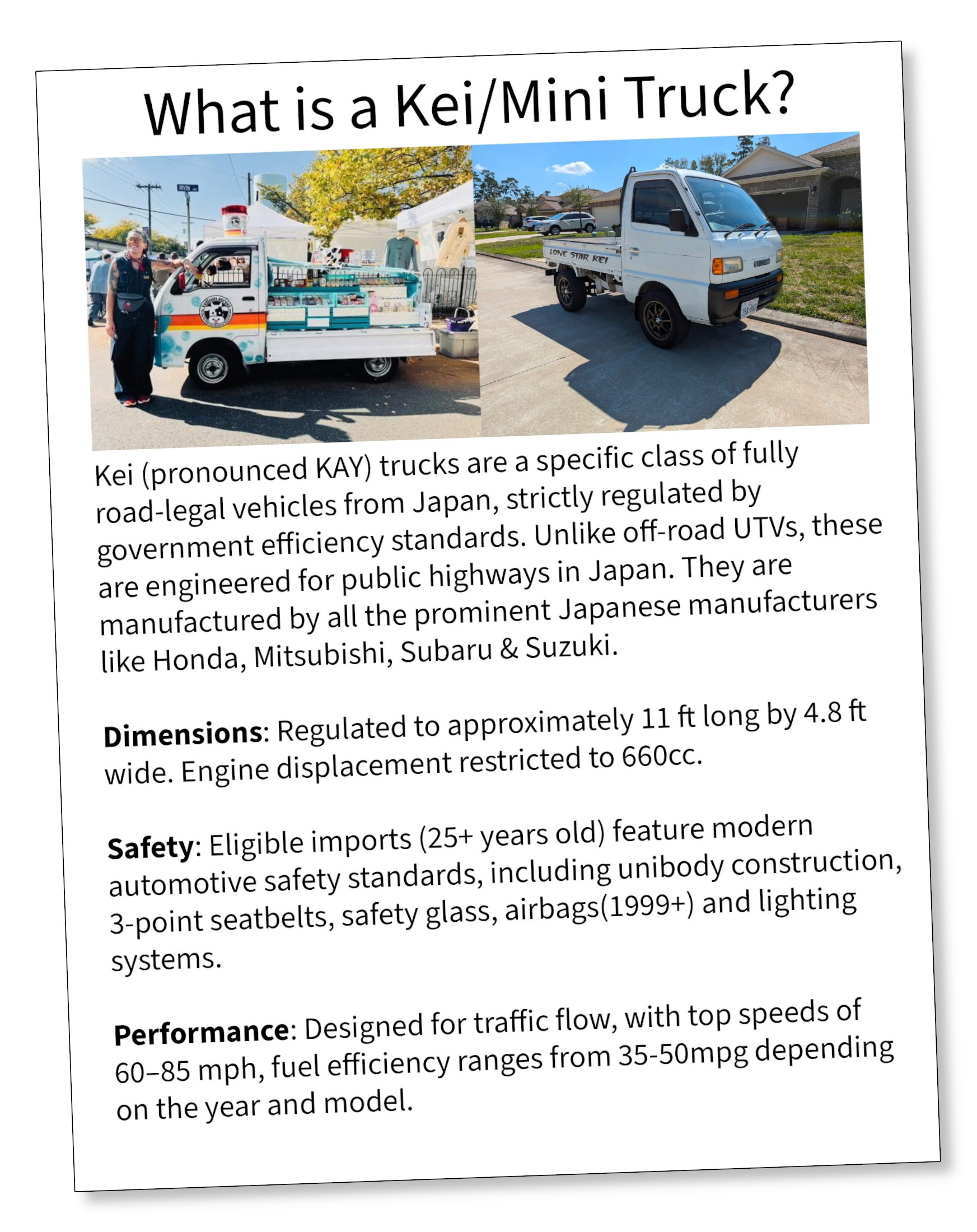
Lone Star Kei’s methods from Texas have been successfully replicated by Massachusetts, Colorado, Alaska, Vermont, and others. The Texas-style effort is currently working in Oregon, too. Only Michigan has succeeded in beating a ban without using the “Texas Method,” as those enthusiasts sued the state. Georgia also sued their state, and ultimately failed. We also failed in Illinois, where we have thus far been unable to create a unified effort.
David McChristian gives a statement about Vermont’s big win:
S.326 has been signed by Gov. Scott, and kei cars are now supported and protected by the State of Vermont. It’s officially legal to register and drive imported kei cars, trucks, vans and SUVs in Vermont. Big thanks to Senator White for all her work on this.
To get kei cars legalized, some groups have tried filing lawsuits against the state. Others have gone through the appeal process at the DMV. The “Texas Method” , named after where it first worked for kei cars, is the old-fashioned way… organizing a group of like-minded advocates, drafting a clear message, and asking the state legislature for help. It has now succeeded in Texas, Colorado, Massachusetts, Alaska, and Vermont. And we’re making big progress in Oregon & New York. It just goes to show that a little effort and dedication can and does make an impact.
Thanks to everyone who helped out on this!
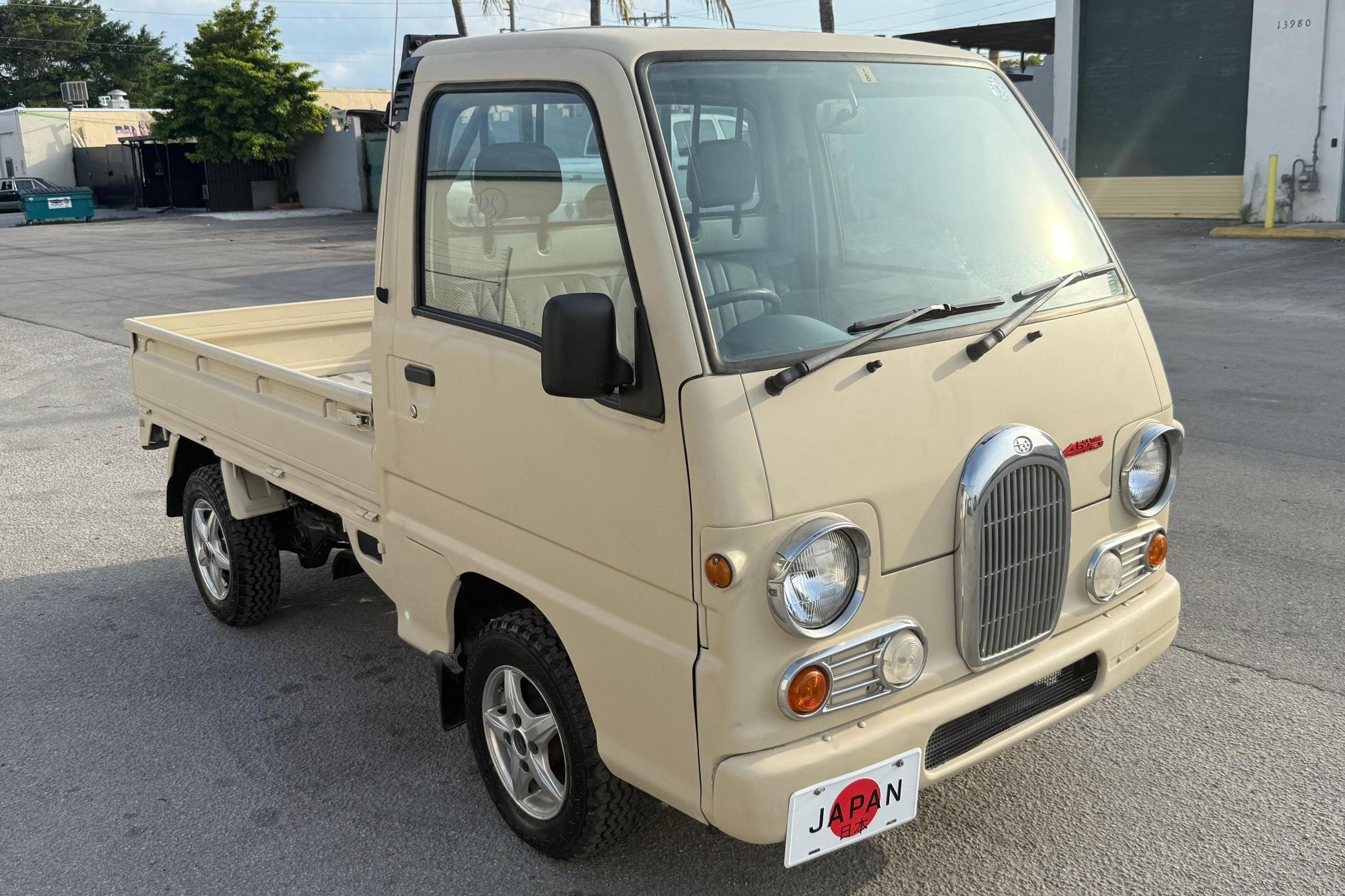
David McChristian has a message for anyone living in a state that still bans imported cars: Do what Lone Star Kei did. Gather your enthusiasts, call your lawmakers, and educate them on Keis. Make the state an ally, not an enemy. You can always reach out to Lone Star Kei for documents and tips!
What’s really incredible here is that all of these wins were scored through grassroots efforts. These are enthusiasts pushing back against the recommendations of the AAMVA and, in at least one case, the car dealer lobby and the state police. These wins are proof that regular people can make a difference in the government.
So, if you live in a state that still has a ban, you can still beat it! The blueprints already exist. Hopefully, one day, I’ll be able to tell you that all 50 states are pro-import. Now, if only we can convince Vermont to re-open its mail-order DMV system.
Top graphic image: Autozam


This is amazing news.
Side effect: as the way the law is written, first generation Smart ForTwos with the 599cc engine are kei cars in Vermont, even though they are too wide to be kei cars in Japan. A classic Fiat 500 is also a “kei”…
Aaaaaaaaaaand this is now another reason why Vermont is my favorite.
Other states, get good at cheese, cars and scenery.
This is so awesome! Now again my obligatory line:
FUCK the AAMVA!!!
Thanks Vermont. . .now I need to go buy a Kei truck. Ugh.
Kei trucks are really showing up in my town in Metrowest Boston.
The bans are curious as how many of these “ban” states have no motorcycle helmet laws. In NH,”Live Free or Die” I regularly see guys on hi-po bikes with no helmet, tank tops, shorts and flip flops. I mean, where do you put your gun?
In VT, its easier to travel on backroads, as there are only a few highways.
Good for the Vermonters!
Anyone know if a lot of these imports wind up in urban environments, or are they mostly agricultural/out-in-the-boonies toys? Or if there aren’t enough here, yet, to give a decisive answer, any ideas where the next wave will wind up?
I can’t say I’d do more than smile as they go past; really wouldn’t want to trust my life in one. But then I feel the same way about old VW micros.
I live in the Phoenix area and see random kei trucks fairly often. Some are well-maintained dailies, others have various conversions into pop-up retail (coffee truck, book truck, etc). They’re all awesome though, and part of me wants to get one for myself someday.
Vermont is mostly rural. Most paved roads are interstate and most side roads are mud. I did enjoy living in the lower southeast of Vermont better than Connecticut
In my Suburban area there are a lot of Kei Trucks and Vans that are definitely people’s daily or semi-daily drivers. For a couple of years someone who worked at my local Costco seemed to use a Joy Pop Turbo as his daily driver as it was almost always parked there when I stopped or drove by.
They are relatively common in Houston. A manager at the Circle K near me sold his car to buy a Sambar and an Acty when they were fully legalized here. I see them all the time at Home Depot/Lowes (probably ranchers/farmers) and have seen several people use them to transport packages from local businesses/homes to the post office/FedEx, especially during the holidays. The Acty is by far the most common one I see. Most of them look to be very well maintained. One of the Acty’s is on TEs and is immaculate, and the aforementioned gas station manager has been modding his Sambar. It’s on aftermarket wheels and has a custom exhaust.
In my experience, they are more common in urban & suburban areas, but you do see them out in rural areas as well. However, I think most farmers are either unaware of kei trucks, or are simply uninterested as they can get a UTV that does most of the same things and has more support for service (in my state, you can register UTVs and ATVs for on-road use).
Great news!!
A group in NY has started up to get momentum here- Empire State Kei Advocates on that face literature site. Hoping were successful soon!
NY ? Yeah right. I couldnt wait to move out
Hope they’re successful, NY seems like an ideal environment for Keis. They were designed to be city cars, after all!
There is a lot of rural New York as well, where they would be at least as practical as, say, an MGTD. Or any other old slow car.
I have no idea how a Model T could be legal and a vastly safer Kei car is not. The T just barely has a ( as in one piece of fabric rubbing against the driveshaft) brake.
A friend of mine used to ride his Solex moped from lower Manhattan to Rhinebeck NY , j”ust staying on Broadway the whole way” so I guess a Kei car should be able to get out to the countryside on low-speed streets. on the other hand, my friend is an eccentric notable enough to be occasionally written up in the NYTimes as having dubious judgment.
Wish the momentum would start rolling here in Pennsylvania, too. Even though I see a handful of JDM cars locally, I just can’t pull the trigger on one until I know I’ll have no trouble getting it registered here.
You can register them with antique plates in PA.
Officially, rules out the use of the vehicle as “general daily transportation”, though, which is kind of what I’d like to do. I do only drive a few thousand miles a year anyway, since switching to full-time work from home.
How about farm plates?
A friend has a lease on a couple of acres in Montock and near Buffalo, so that his farm trucks are always between his farm lands.
Vote Shapiro out for a better chance to get it approved
Oh I will be jumping in. I have seen a few recently registered kei cars here in NYC (L plates, haven’t seen any M plated keis yet) and I am wondering if it is one particular DMV that doesn’t mind or if the system has begun to let them slip through.
Pokeimon posse perhaps?
I’ve seen a handful here in Ohio & they look like fun. If I could get over my RHD-bias.
When I got my first RHD car, an MG Metro, it took no more than a couple of blocks of driving for it to seem fine. The only aspect that took a bit longer was getting into the habit of looking up and to the left for the center rear-view mirror instead of up and to the right. I thought it would be a bigger deal than it turned out to be.
Interesting; never thought about ingrained looking up-and-to-the-right is when getting behind the wheel.
If you have driven a manual on a LHD, then it’s not too much of an issue to swap to RHD. Like the others say, it’s not really an issue. I still have trouble going from first to second because I tend to pull the shifter a bit too much towards me, at times. But, I’m getting better with practice. My 2000 Sambar can hit and maintain 65mph, but I stay off the interstate, but I did pass an Acty on I-40 last week in my daily driver. The biggest issue with RHD is drive-thru’s, unless they have duals like Checkers in my area.
And I’m actually left-handed in most things, people say I should be a natural. 🙂
100% not worth the hassle of getting a Kei Truck. You never know if your state will flip on the issue and now you have a vehicle you can’t even drive anymore. Plus, the novelty is waning. There are a few of these trucks in neighboring towns and when you first see them its fun, but they simply aren’t designed to be practical for the US. Driving them on the highway is sketch. Parts are not locally available. And for what they go for (they aren’t exactly cheap), you can get a used pickup that is much more practical.
My opinion on these kei trucks has really soured ever since hearing about a few folks in MA and RI who had owned theirs for a while, but the states had taken back their registration and deemed them illegal for road use. Just not worth the trouble.
“Driving them on the highway is sketch”
Keis aren’t even allowed on Japanese expressways – So why would you drive one on a US highway?
“you can get a used pickup that is much more practical.”
Not everyone wants or needs a 5 seat, 3 ton, V8 behemoth to schlep some mulch across town.
Kei are perfectly legal on Japanese expressways. They’re arguably encouraged as they have significantly lower tolls than the regular cars.
My Bad – I didn’t recall seeing them on Expressways when I lived in Japan.
But we all know that experience isn’t necessarily broader reality.
You are fairly clueless about that “broader reality” part as well, especially since you immediately think that you can only buy a 5 seat, 3 ton, V8 truck when they actually come in an insane number of configurations, engine options and even sizes what with the new mid-size trucks out as well as the Maverick. But clueless people don’t want to open their eyes to that broader reality and rather stick to their biases.
Rude
This site needs a block button tbh
Those all sound like personal decisions, not basis for laws.
Which is a “personal decision”?
If one’s state decides to not allow them on the road anymore is most definitely not a personal decision. But that has been the reality for some owners across the country.
How would parts availability be considered a “personal decision”? They don’t run engines and transmissions used in other Japanese cars sold in the US, so even most basic parts won’t be at O’Reillys or Napa.
They absolutely are sketchy as hell on the highway since their speed limit is so low. There are plenty of YT videos that prove that.
So other than stating that the wow-factor of these kei trucks has long since died down, tell me again where my post was “personal decisions”.
bro the whole article you commented on is about how states forbid people from owning these things. Everything you listed is what makes them a bad idea, but it’s not the state’s place to police that. That’s all I’m talking about.
Watching that crash test made me want one less, wow
Soooo, you have no interest in older cars/trucks then.
Just so you are aware, the vehicle that they tested was a Chinese mini truck (a vehicle made for off-road use only, and to be as cheap as physically possible), not a kei truck. Now let’s not kid ourselves, kei trucks still aren’t going to be the safest vehicles in a crash, there just isn’t that much space for padding, but they do make an effort.
Plenty of contractors here in my MA town who are using them for local work. I see one around that has a diesel tank for the guy’s equipment. Another is a welder. They are surprisingly cheap
Apparently MA reversed their ban on these trucks. That’s great.
But these trucks were still banned for months. At the time, owners didn’t know the ban would be reversed, so imagine being told you can’t drive your kei truck anymore. Now you need new transportation, you have to sell it or store it. Most folks don’t have the luxury of storing an entire vehicle, even a small one, on the off chance that a ban would be lifted. Just not worth the hassle on if they reverse it again and ban them in the future.
There are many farmers and ranchers in Texas who don’t wanna drive their massive tow pigs to go pick up things like fencing materials that are MUCH easier to load and unload from a kei truck than their behemoth. In a lot of cases it’s the right tool for the job. Their pickup is definitely not in some cases.
I’m one of the folks in RI who has a kei van, though it’s now registered in Montana. Frankly, I’ll come out on top from an effort and cost front with that – Montana plates for older vehicles don’t need renewing, and I’ve never been bothered about driving it on them.
I can also safely say that my ’94 kei van exceeds, by a reasonable amount, the top speed on every road in the state, including interstates, and if kept in good repair (like any car), is stable and easy to drive on highways. I’d imagine as time, and newer model years, come and go, that will only improve.
And parts are available from various vendors online, which as far as I’m concerned, is no different than buying parts from Rockauto for my USDM cars, though due to commonality between different models, I’ve used some USDM parts on my kei as well which I have picked up from local overpriced auto stores.
And you are going to do what exactly when the Montana loophole gets patched?
Most people don’t want to live on loopholes. Not for something as expensive as a vehicle (even a cheap vehicle).
And I have watched plenty of videos when I was considering one of these Kei Trucks to know that they might exceed the speed limit, but that sure as heck doesn’t mean it does it in a comfortable or even safe manner. Great city runabout or farm truck, but not so much for any kind of long distance/highway driving.
Watching a video and actually doing it, which I have, are not the same. I’ve felt less safe in some newer, USDM cars, than I have driving this. If you want safety on the road, I suggest you do the truly safe thing and take public transit.
I doubt it’d get patched, based on the amount of high-dollar Italian sports cars doing the same rolling around in Providence, but I could also just as easily move it to MA and run it there, where it got patched in, not out. RI is a small place, it’s not hard to figure out what to do if you put in a modicum of effort. Plus, RI does everything that MA does 5 years later, so I’m sure I’ll be set in no time anyway.
I wish this would be implemented on a Federal level of course, but that’d be usurping States’ Rights I guess, which is only allowed in numerous other aspects of life and law. 🙁
The righty likes States Rights until they don’t. Abortion? State. Elections? Must move responsibility to the Feds
Oh come now, you really think it’s only “the right” that likes to play that game? D & R, two sides of the same worthless coin.
this being in one of the 10 smallest states in america, i’m not surprised they were able to pass something to cover kei cars.
On the other end of the truck size scale, the local news has been all about the increased fines for “operating a prohibited vehicle in Smuggler’s Notch”. Not the nearby ski area but VT SR 108 between it and Stowe, which is open seasonally (too narrow to plow) and tractor trailers regularly get stuck in, shutting down traffic in a tourist area/natural beauty spot.
This was my takeaway from the article as well.
Not only is Smuggler’s Notch faaar too narrow to plow, but there are switchbacks that are combined with a 12-13% grade in spots, with house sized-boulders on both sides. This means its impassable two cars wide in the middle of summer… let alone anything much larger.
Part of the asphalt on one of the steepest downhill portions of the Notch was literally being pulled off the earth and further down the hill by braking vehicles.
There are signs warning truckers to turn around. At least two at each end.
There is a bus stop chicane at one end, to deter even the most stubborn trucker.
Yet, every year, some illiterate mouth-breather attempts to take a 53′ trailer through there, and plugs it up solid for at least half a day.
Ironically, Kei trucks are PERFECT for Smuggler’s Notch. Perhaps that was the legislators’ logic?
It’s not even down to individual stupidity but institutional – trucking companies trying to get away with using consumer-grade GPS and not willing to pay, or even telling drivers they’ll be docked, for what looks on the map like a potentially 30-mile detour to the Morrisville bypass.
That’s why the 10x fines apply specifically to the trucking company, it’s the most they can do short of stationing a state trooper at each end to flag down trucks, get on their radios to their dispatch and tell them the driver’s being ordered to take the long way around.
I’m big on safety but that’s a choice I make for myself. Using safety as a reason to ban kei cars doesn’t work unless those same people ban motorcycles which we know isn’t going to happen.
Motorcycles require a whole different endorsement on one’s license to ride. Plus there is absolutely zero delusion that you have any kind of safety on a bike within 10 seconds of riding one.
These kei trucks can be driven by anyone with a regular license and especially since they have a truck-like design, they appear as if they might be sturdy in a crash. Appear is doing the heavy lifting in that sentence.
Imagine that crash test between a kei truck and a motorcycle; then remember that motorcycles are legally allowed to go on highways, with a bunch of states not even mandating a helmet! How’s that for ‘safety’? 🙂
If you want a ‘special license’ endorsement to drive a kei car, I doubt any kei owner would mind, although I struggle to see how you’d be able to objectively justify it (motorcycles have a whole lot of different controls and the balance issue of having 2 wheels, what special skill does a regular car driver need to learn in order to drive a kei truck?)
Was the rider wearing a helmet? Safety first!
Yeah but no one is gonna be tricked into accidentally buying a RHD kei truck. They are quite niche and you k Ow what you’re getting into with them. The size alone tells you they aren’t exactly safety cocoons.
My guy, trust me, if you drive a Kei truck any illusions of safety fly out the window as soon as you sit down. It’s very obvious that you’re in a tin can and your knees are the crumple zone.
I 100% agree with you based on all the info I have read about and lots of videos I’ve seen of them. I had been very seriously considering one for a while back. And yet someone who states they own one is saying they aren’t sketch at highway speeds. Not sure how that’s possible with so many others saying its a tin can.
Perhaps we would do better to ban vehicles larger than Kei cars.
F150, RAM,,,,
I’m down. Special endorsement and training for vehicles larger than x
This is supposed to be a car enthusiast site right?
If you think I’m serious, please touch grass
“I was only pretending to be an idiot”
What if I can’t reach the grass from my raised Ram 1500 and don’t want to leave this roomy abode? Why is this all so hard??
We should fully endorse and champion additional drivers training – even if it means that we also would be subject to taking such training.
It would only mean that those on the road are held to a higher standard.
And why wouldn’t we want that?
That is a separate, but worthy endeavor. I watched the car in front of me today stop in the middle of the intersection. The next light had 2 cars cross the intersection once my light went green.
Training is overrated…….
Yup, I know if I drive my 88 VW on the road, I am fully aware of the semi engaged drivers in rolling pillboxes around me.
How many of these states have no helmet laws.
Congrats to vermontians and a big thank you to Lone Star. I am tracking the Oregon progress. They failed for the short session here, but are going at it again for 2027. It helps that Washington already has this on the books.
I remember an article from… maybe last year? An Oregon lawmaker watched what happened in Texas, did some research, and started pushing their legalization as affordable transportation. Hopefully she succeeds.